Quick view
- Start with the Right Desk
- Position the Desk for Natural Light
- Build Vertical Storage with Floating Shelves
- Consider a Floating Desk for Small Spaces
- Add a Tree Bookshelf for Reference Storage
- Choose the Right Chair (Don't Skimp)
- Layer Your Lighting
- Create Zones in Larger Offices
- Keep Cable Management Tight
- Add Greenery for Focus and Calm
- Make the Video Call Background Intentional
- Separate Work from Life
- Frequently Asked Questions
Shop this guide
Handcrafted Desk, made to order in solid wood.
 Christmas edit
Live Edge L-Shaped Desk – Handmade Solid Wood Corner Desk for Home Office
From $2,340.0010% off at checkout
Christmas edit
Live Edge L-Shaped Desk – Handmade Solid Wood Corner Desk for Home Office
From $2,340.0010% off at checkout
 Christmas edit
Handmade Live Edge Desk – Rustic Solid Wood Office Workstation for Home or Studio
From $2,860.0010% off at checkout
Christmas edit
Handmade Live Edge Desk – Rustic Solid Wood Office Workstation for Home or Studio
From $2,860.0010% off at checkout
 Christmas edit
Sculptural Floating Live Edge Solid Wood Corner Desk & Wall-Mounted Workspace Slab
From $896.00
Christmas edit
Sculptural Floating Live Edge Solid Wood Corner Desk & Wall-Mounted Workspace Slab
From $896.00
 Rustic Floating Shelf Desk – Wall Mounted Study Room Workspace
From $250.00
Rustic Floating Shelf Desk – Wall Mounted Study Room Workspace
From $250.00
 Rustic Floating Shelf Desk – Wall Mounted Study Room Workspace
From $250.00
Rustic Floating Shelf Desk – Wall Mounted Study Room Workspace
From $250.00
 Live Edge Desk – Solid Wood Office Desk with Storage, Modern Computer Desk
From $1,440.00
Live Edge Desk – Solid Wood Office Desk with Storage, Modern Computer Desk
From $1,440.00
A beautiful home office that kills your productivity is just an expensive room. The best home office ideas balance aesthetics with function - creating a space that looks good enough to enjoy spending eight hours in, and works well enough that those eight hours are actually productive. Whether you're carving out a corner of the bedroom or designing a dedicated room, these home office design tips prioritize what matters: getting things done in a space you love.

• Handcrafted Solid Wood Desks - from $179
• Floating Shelves - from $39
• Tree Bookshelves - from $89
Start with the Right Desk
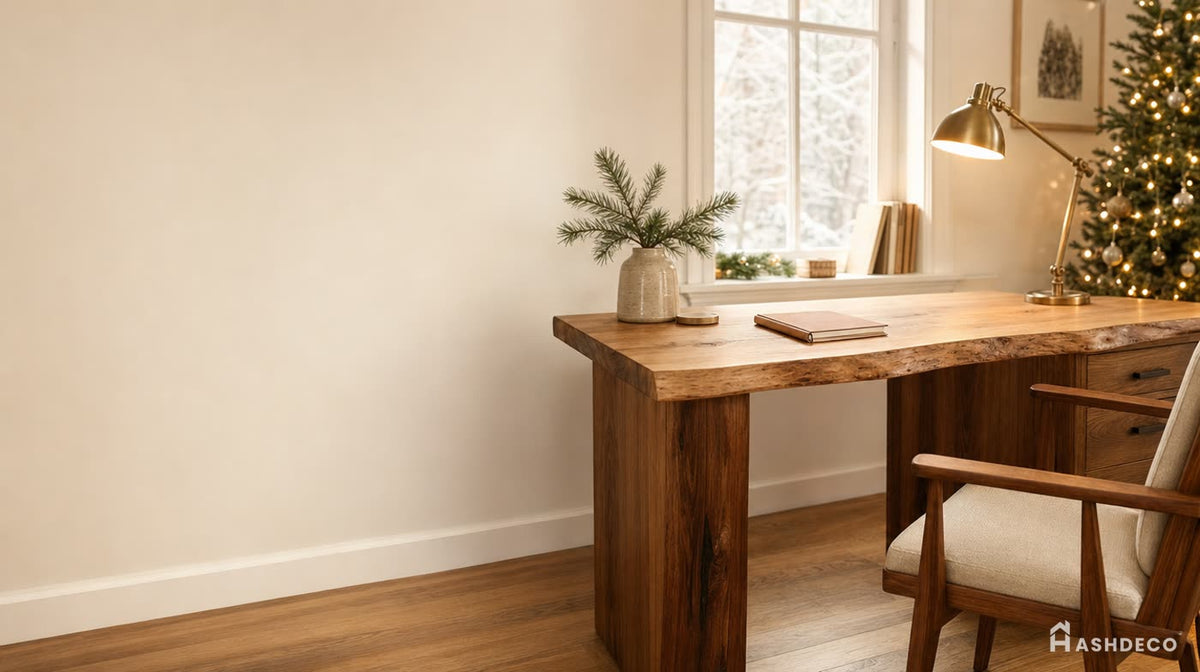
The desk is the center of everything. Get this wrong and nothing else matters. Choose a desk that's at least 48 inches wide (60 is better) with enough depth for a monitor at arm's length - roughly 24 to 30 inches.
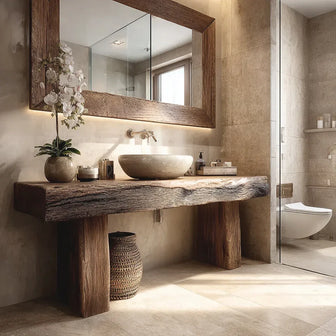
A solid wood desk in walnut, oak, or ash gives you a work surface that ages beautifully and feels warm under your hands. Unlike laminate, real wood develops character over time.

"Your desk isn't just furniture - it's where ideas happen. A surface you enjoy touching and looking at makes a real difference in how you feel about sitting down to work."
Position the Desk for Natural Light
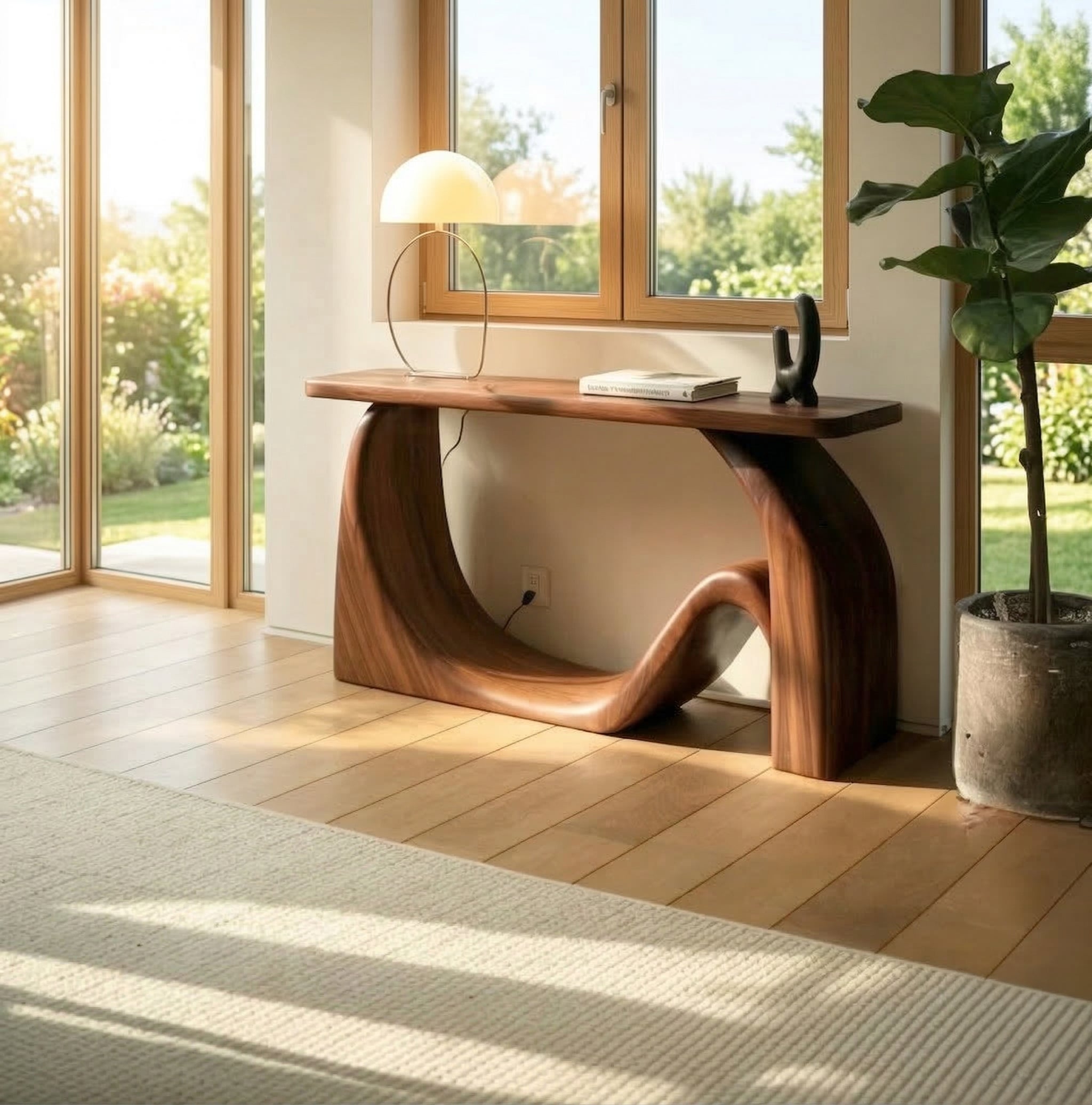
Place your desk perpendicular to a window so natural light hits from the side. This prevents screen glare while giving you the mood-boosting benefits of daylight.
Facing a wall? Not ideal, but add a small mirror or piece of art to break the blankness. Facing a window directly causes glare and squinting during video calls. According to Architectural Digest, side lighting is the universally recommended setup for home offices.


Build Vertical Storage with Floating Shelves
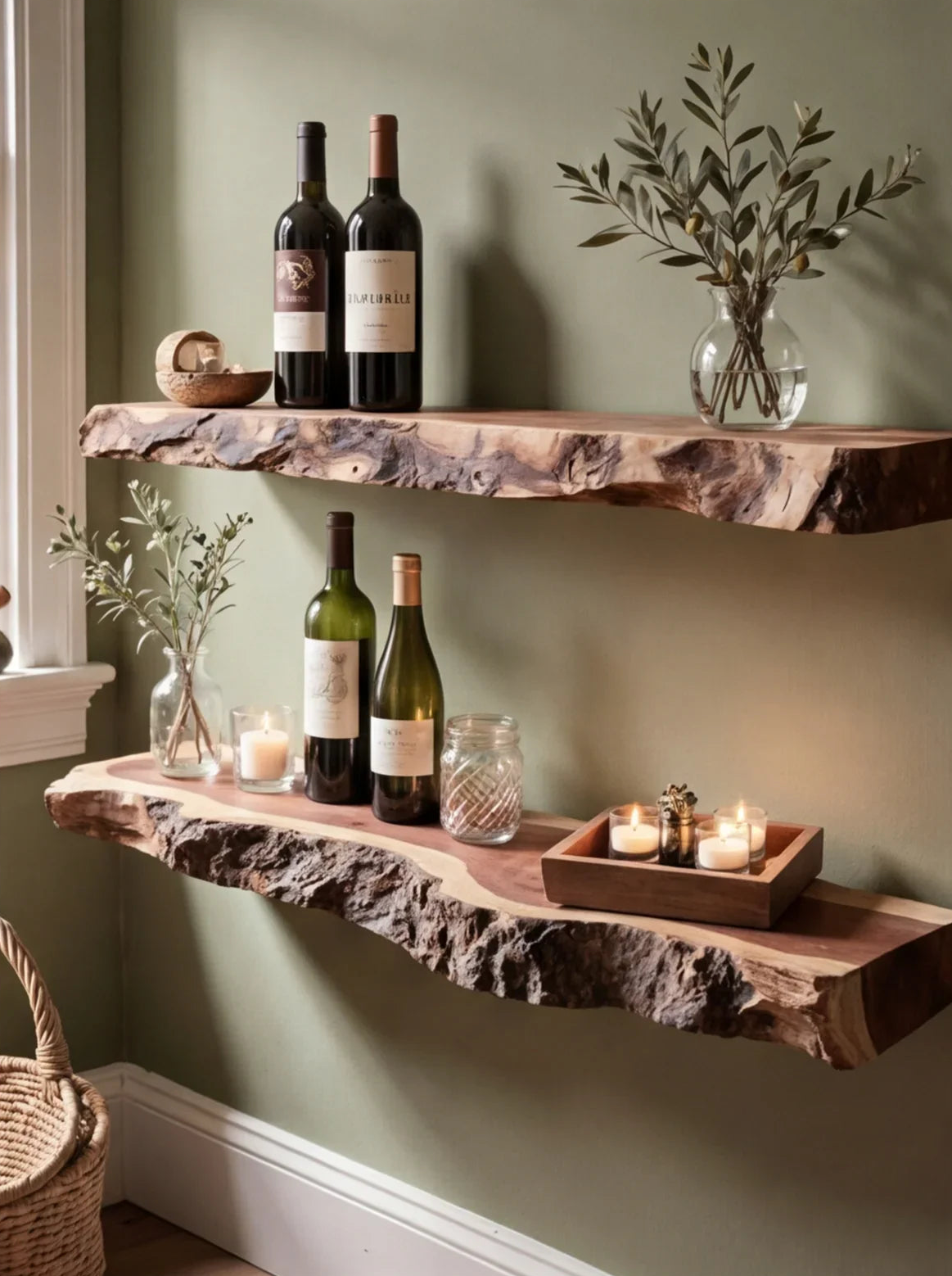
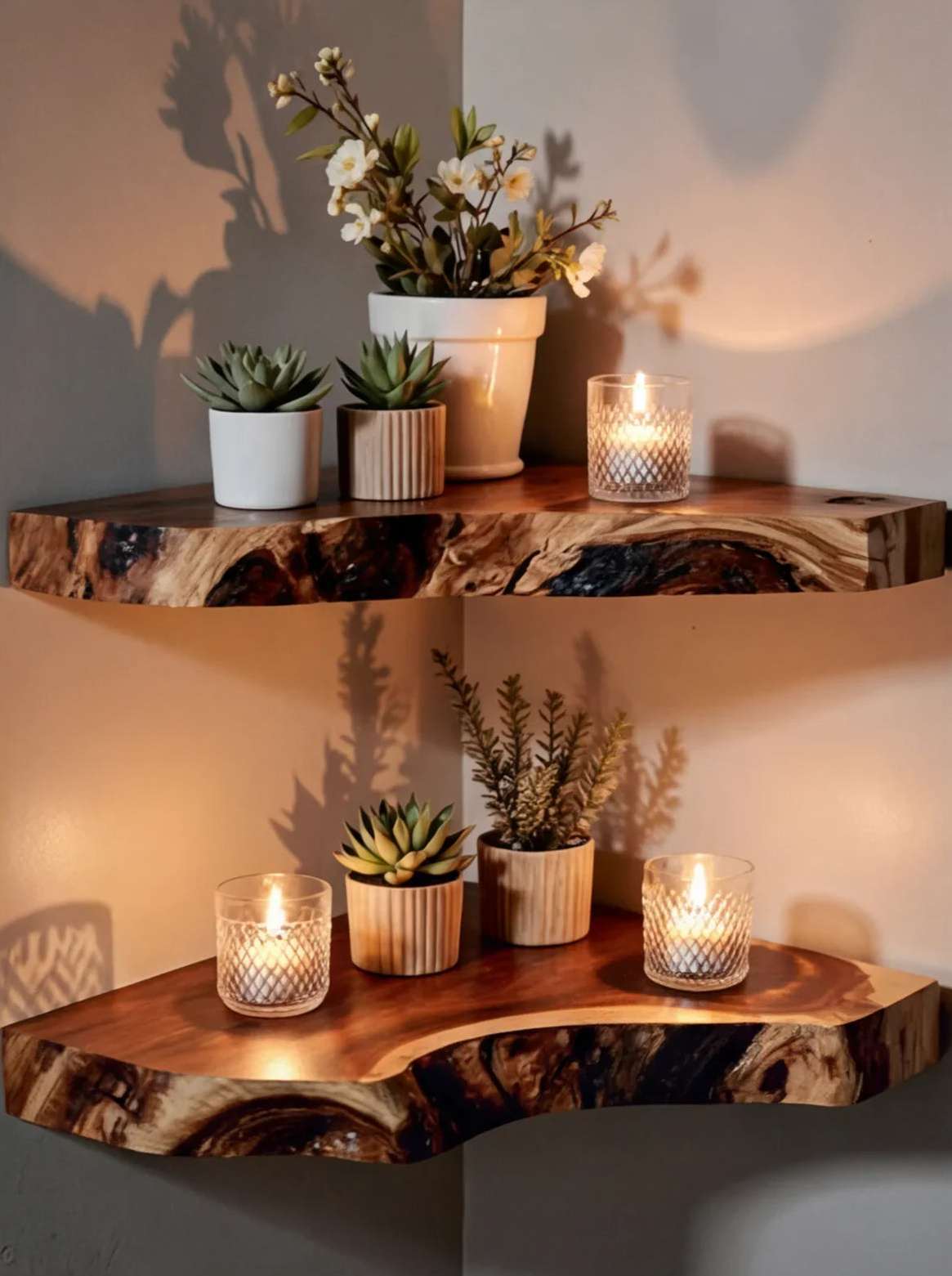
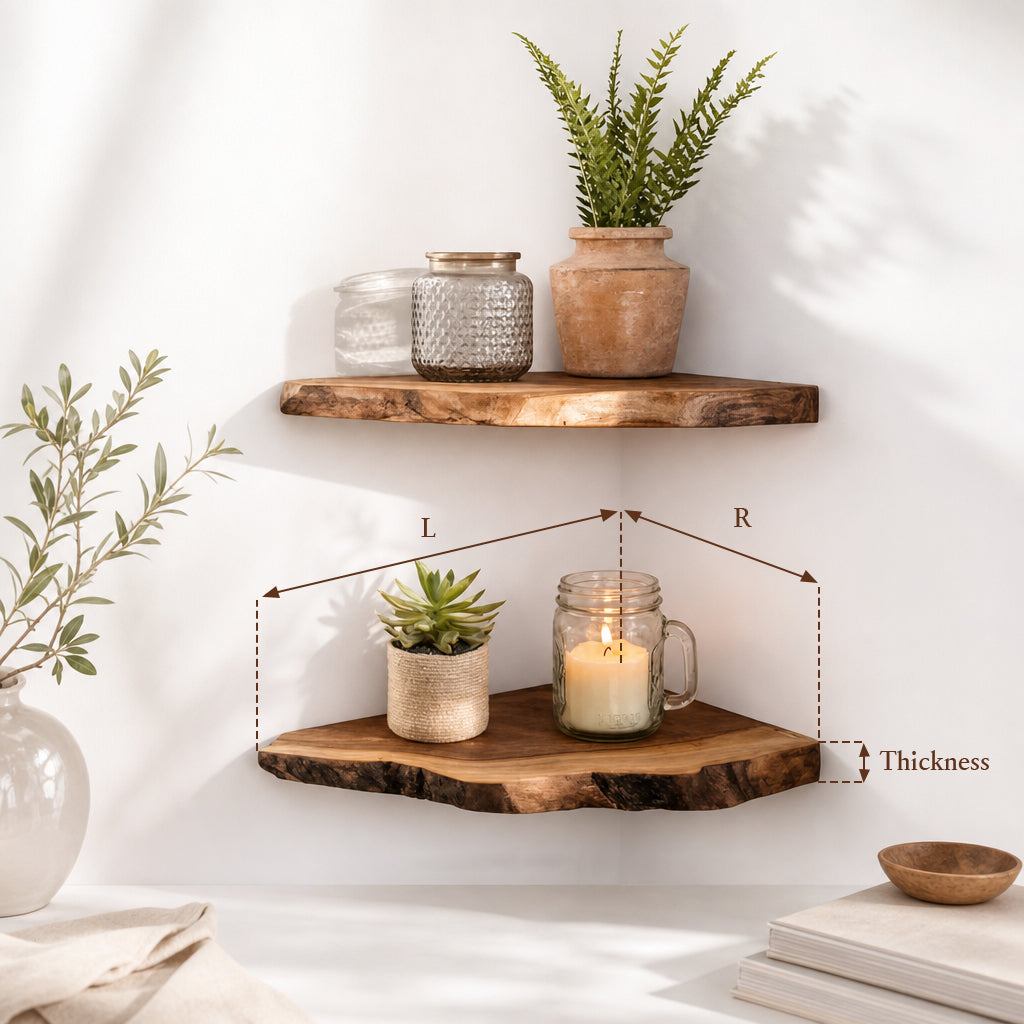
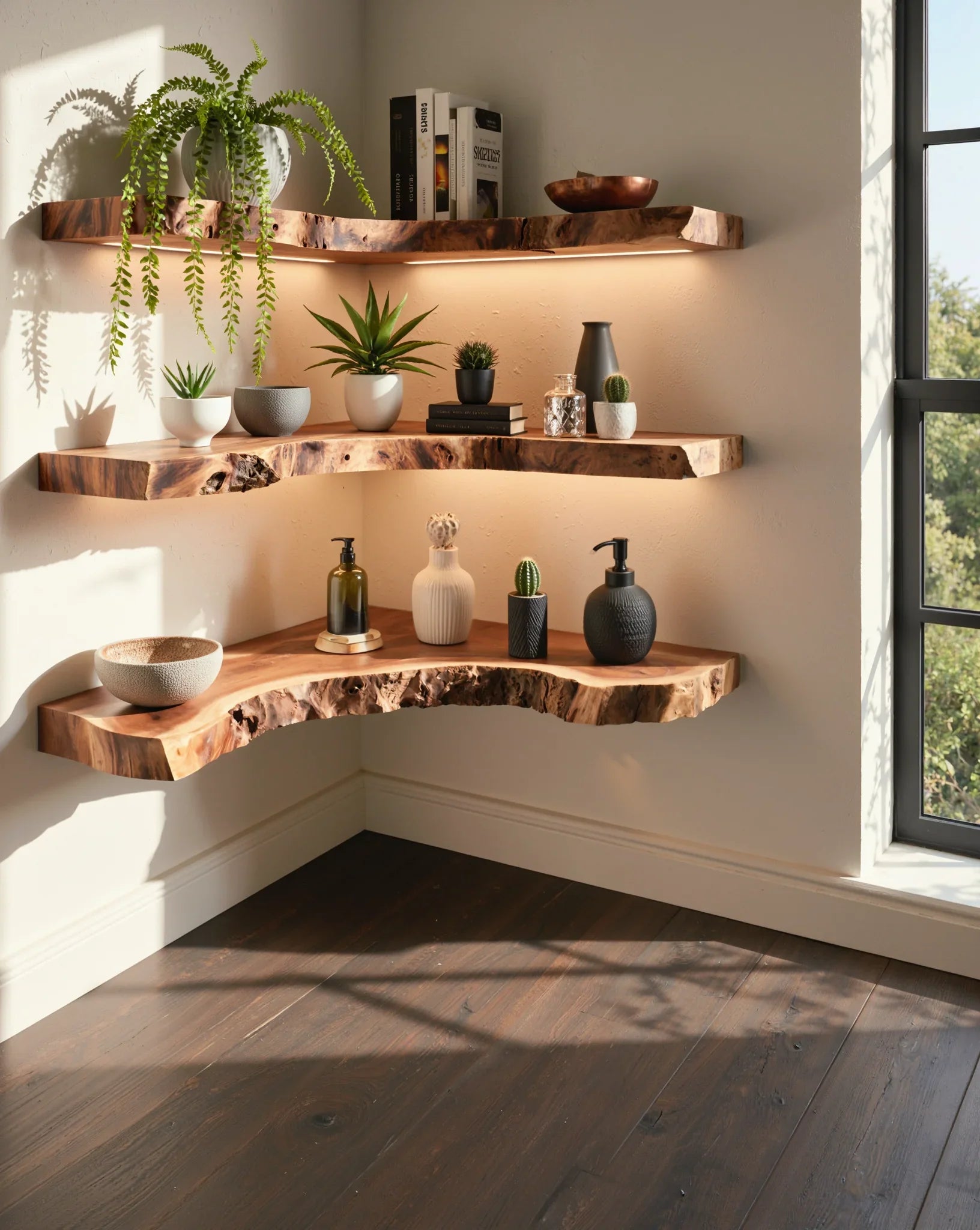
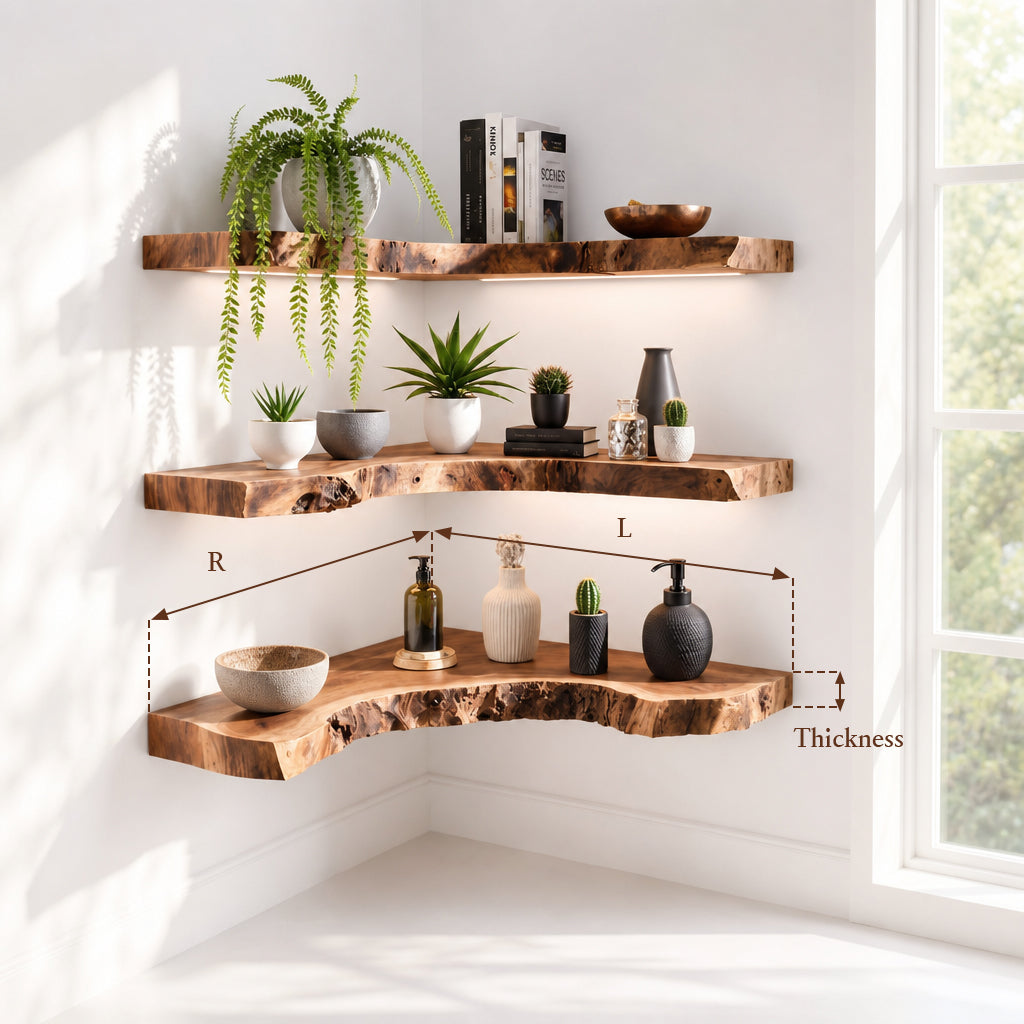
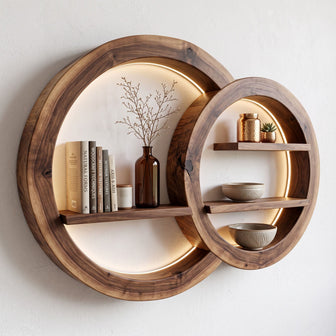
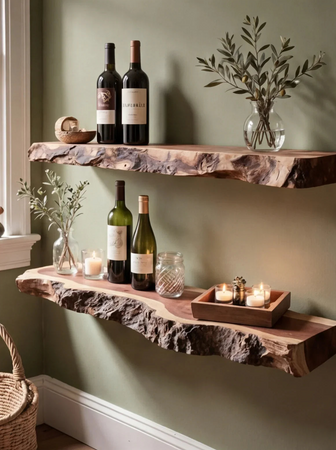
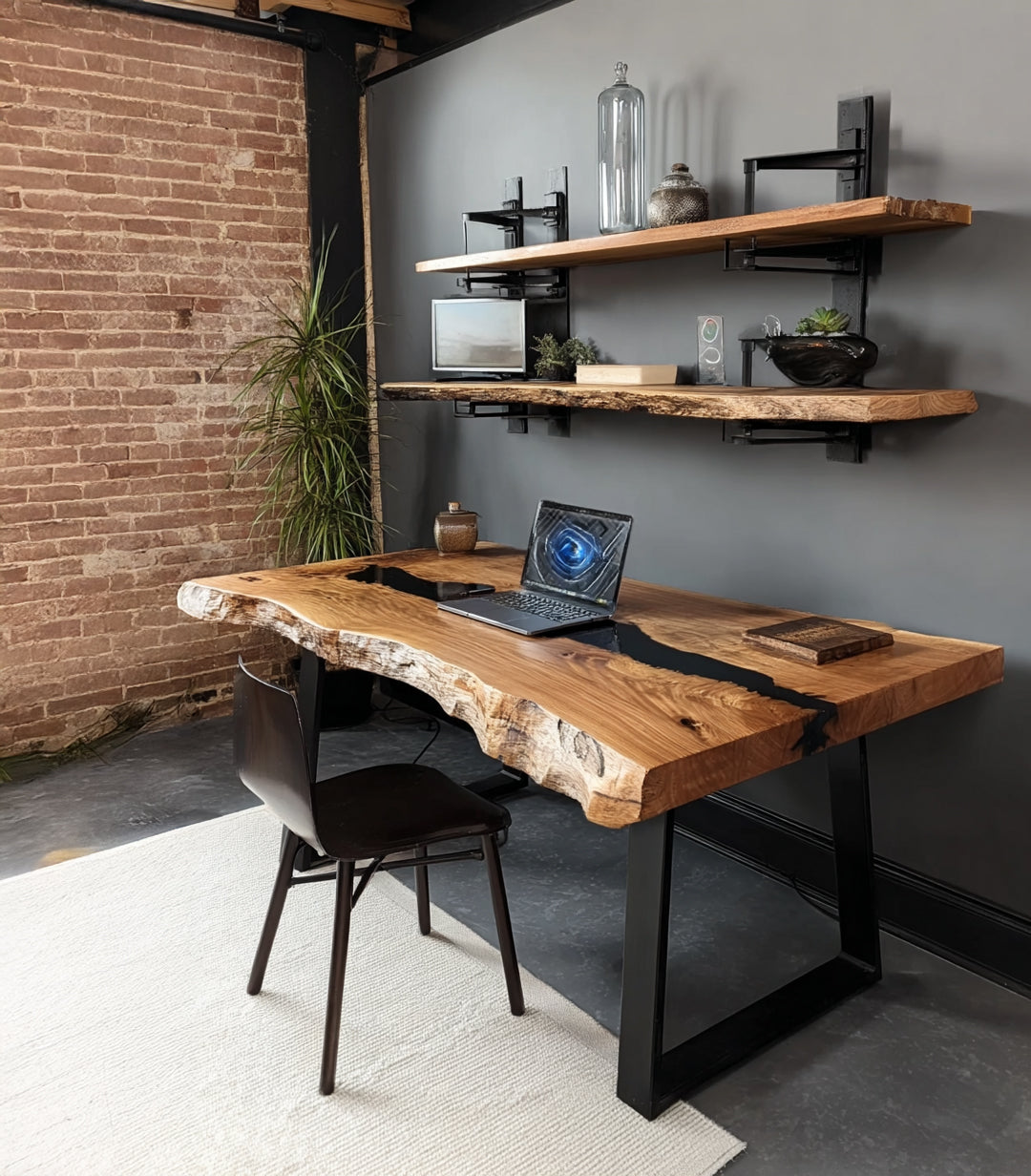
Desk space is for working. Everything else goes up. Floating shelves above or beside the desk create storage and display space without the visual weight of a full bookcase. For a deeper dive, see our article on floating desk ideas.
Mount two or three shelves in a staggered arrangement. Use them for reference books, a small plant, and a few personal objects that make the space feel yours. Keep them edited - a cluttered shelf above your desk is a distraction.

Consider a Floating Desk for Small Spaces
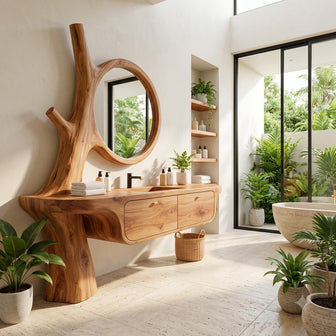
No room for a full desk? A wall-mounted floating desk gives you a functional workspace that disappears when not in use. Fold-down designs work in bedrooms, living room corners, and even wide hallways.
Pair it with a wall-mounted shelf above for storage and you've created a complete office in under six square feet. We've written a full breakdown in our shelf styling ideas post.
Don't miss
These pieces qualify for 10% off orders over $2,000. Applied automatically at checkout.
10% off
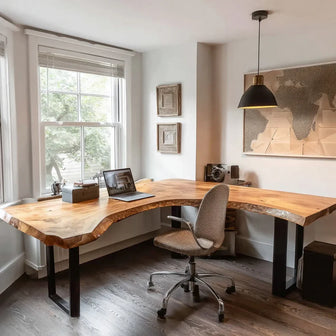
Live Edge L-Shaped Desk – Handmade Solid Wood Corner Desk for Home Office
From $2,340.00
10% off at checkout
10% off
Handmade Live Edge Desk – Rustic Solid Wood Office Workstation for Home or Studio
From $2,860.00
10% off at checkout
 10% off
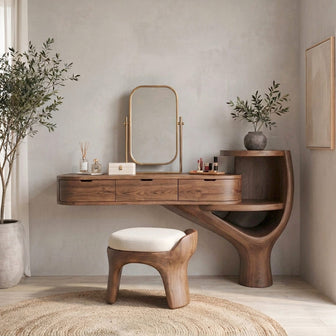
Sculptural Organic Solid Wood Vanity Desk – Modern Japandi Makeup & Writing Table
From $2,576.00
10% off at checkout
10% off
Sculptural Organic Solid Wood Vanity Desk – Modern Japandi Makeup & Writing Table
From $2,576.00
10% off at checkout
 10% off
Modern Live Edge L Shaped Desk For Study Room
From $2,340.00
10% off at checkout
10% off
Modern Live Edge L Shaped Desk For Study Room
From $2,340.00
10% off at checkout
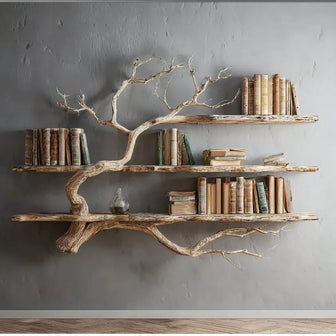
Add a Tree Bookshelf for Reference Storage
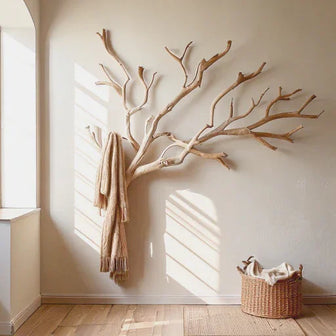
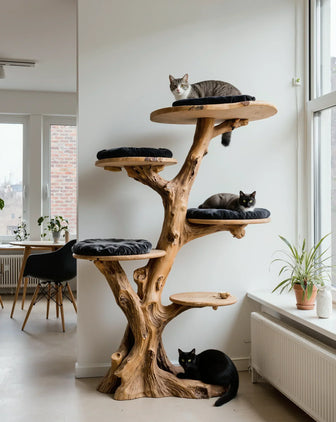
If your work involves physical books, reference materials, or a collection of supplies, a tree bookshelf provides storage with personality. Its branching form turns a functional necessity into a visual statement.
Place it in the corner nearest your desk for easy reach. The tree shape also works as a natural room divider if your office shares space with a living area or bedroom.
Choose the Right Chair (Don't Skimp)
This is the one place not to prioritize aesthetics over function. You need a chair that supports you for hours. Look for adjustable height, lumbar support, and breathable material.
If the standard ergonomic chair feels too corporate, a wooden-framed chair with an upholstered seat bridges style and comfort. Just make sure it adjusts properly for your desk height. Our live edge desk ergonomic guide article walks through the specifics.
Layer Your Lighting
Good lighting prevents eye strain, headaches, and the 3 PM energy crash. You need three types: ambient (overhead or indirect), task (a desk lamp aimed at your work surface), and accent (for mood outside work hours).
A quality desk lamp with adjustable brightness is essential. Position it opposite your dominant hand to avoid casting shadows while you write. Better Homes & Gardens recommends cool-white task lighting (4000K) for focused work, shifting to warm (2700K) after hours.
Create Zones in Larger Offices
If you have a dedicated room, create distinct zones: a primary desk area, a reading or brainstorming spot (an armchair by the window), and a storage zone (shelving and filing).
This prevents your desk from becoming the dumping ground for everything. Each activity has its place, which keeps the workspace feeling organized.
"The best home office is invisible when you're done working. If your workspace bleeds into your living space visually and psychologically, you never truly clock out."
Keep Cable Management Tight
Nothing ruins a beautiful desk setup faster than a tangled nest of cables. Use under-desk cable trays, adhesive cable clips, and a single power strip to keep everything contained.
Wireless peripherals help too. A wireless keyboard and mouse eliminate two of the most visible cable offenders.
Add Greenery for Focus and Calm
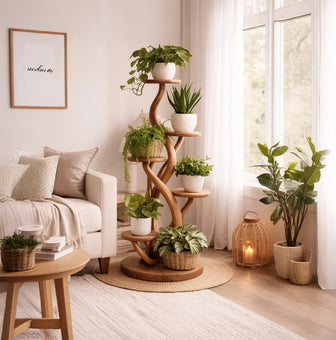
Plants in a home office aren't just decorative - studies show they improve focus, reduce stress, and boost creativity. A small pothos on the desk, a snake plant on the floor, and trailing ivy on a high shelf create a calming, oxygen-rich environment.
Place them where they'll get adequate light without blocking your workspace. A plant on a floating shelf above the desk puts greenery at eye level without stealing desk space.

Make the Video Call Background Intentional
Remote work means your office is on camera. Style the wall behind your desk as if it's a set: a floating shelf with a few books and a plant, a piece of art, and maybe a small lamp.
This background becomes part of your professional image. Keep it clean, warm, and slightly interesting - enough personality to be memorable, not enough to be distracting.
Separate Work from Life
If your office is in a shared space, create boundaries. A room divider, a different rug under the desk area, or simply closing the laptop and clearing the desk at the end of the day signals "work is over."
The physical ritual of tidying your workspace matters. Elle Decor recommends treating your home office like a real office - arrive, work, and leave, even if "leaving" just means closing a door.
---
Frequently Asked Questions
What's the ideal size for a home office desk?
For most people, 48 to 60 inches wide and 24 to 30 inches deep works well. If you use dual monitors, go wider (60 inches minimum). Depth matters for proper monitor distance - your screen should be roughly an arm's length away.
How do I set up a home office in a small space?
Use a wall-mounted floating desk, floating shelves for storage, and a compact chair that tucks under the desk. A corner or alcove can become a complete workspace with the right pieces. Focus on vertical storage to keep the floor clear.
What's the best lighting for a home office?
Layer three types: natural light from a window (positioned to your side), a task lamp on your desk (4000K for focus), and ambient lighting for after-hours. Avoid positioning your desk directly facing or backing a window to prevent glare and harsh shadows on video calls.
How do I make a home office feel less corporate?
Use natural materials - a solid wood desk instead of laminate, a woven rug, real plants, and personal art. Warm lighting (2700K bulbs for ambient) and textiles (a throw on the chair, a patterned rug) make the space feel residential rather than institutional.