




















Shoe benches are an essential addition to modern homes, blending functionality and style to keep entryways clean and organized. Designed to serve as both seating and storage, they help create a neat, welcoming space for your everyday footwear. Whether you’re looking to optimize your entryway or add convenience to your closet, shoe benches come in various designs to match any interior style. In this guide, we’ll cover the different types and benefits of shoe benches, key features to consider, and why Ashdeco stands out for its beautifully crafted, high-quality options.
Shoe Bench with Storage
Shop for your celebration

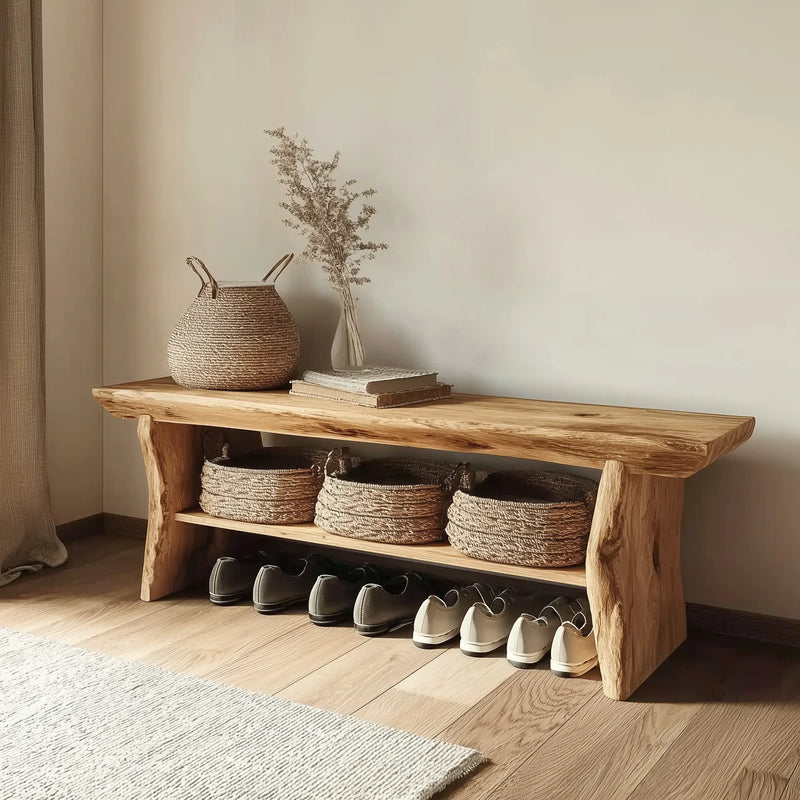
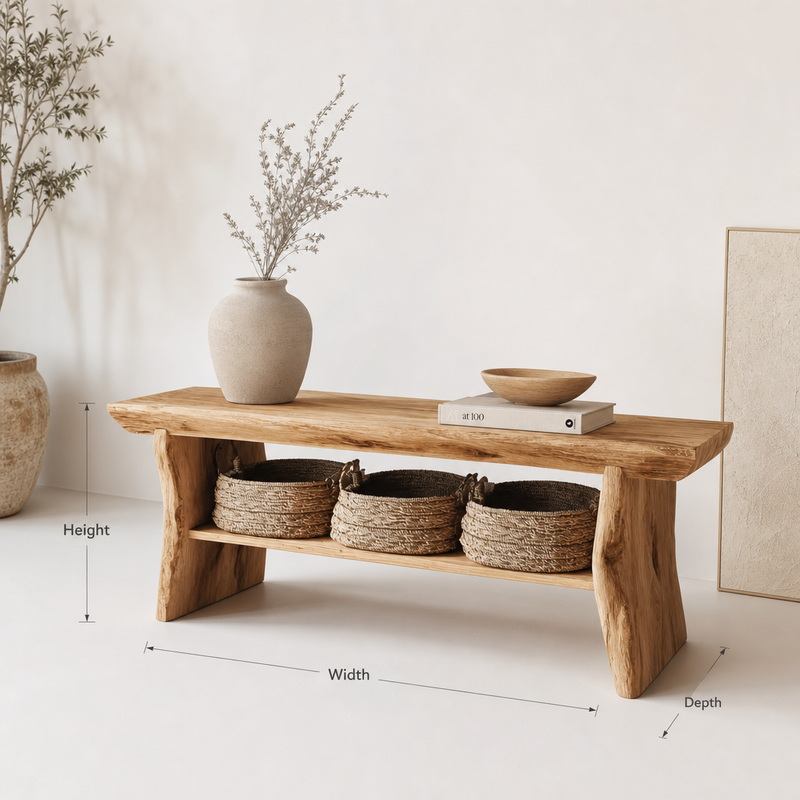
Live Edge Wooden Entryway Bench – Solid Wood Hallway Bench with Shelf
Ashdeco
$1,050.00
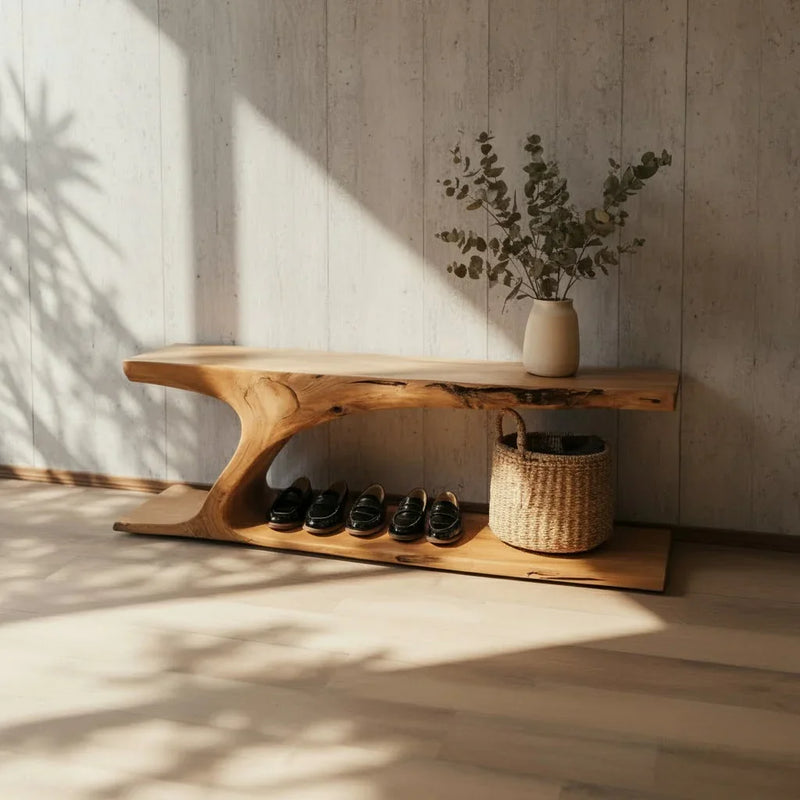
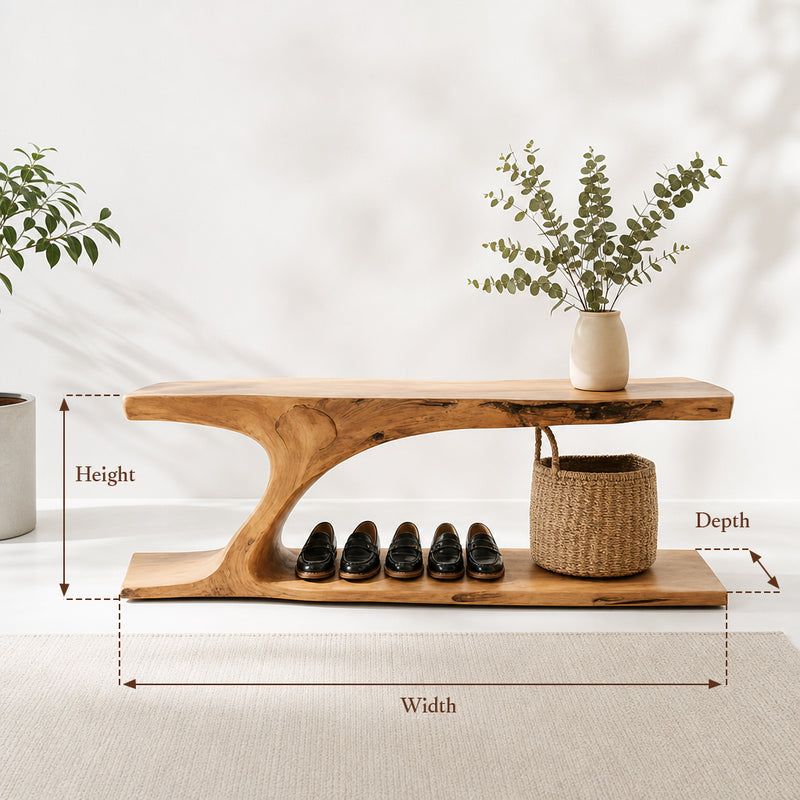
Handcrafted Live Edge Wooden Bench – Sculpted Natural Shoe Storage for Entryway or Hallway
Ashdeco
$1,225.00
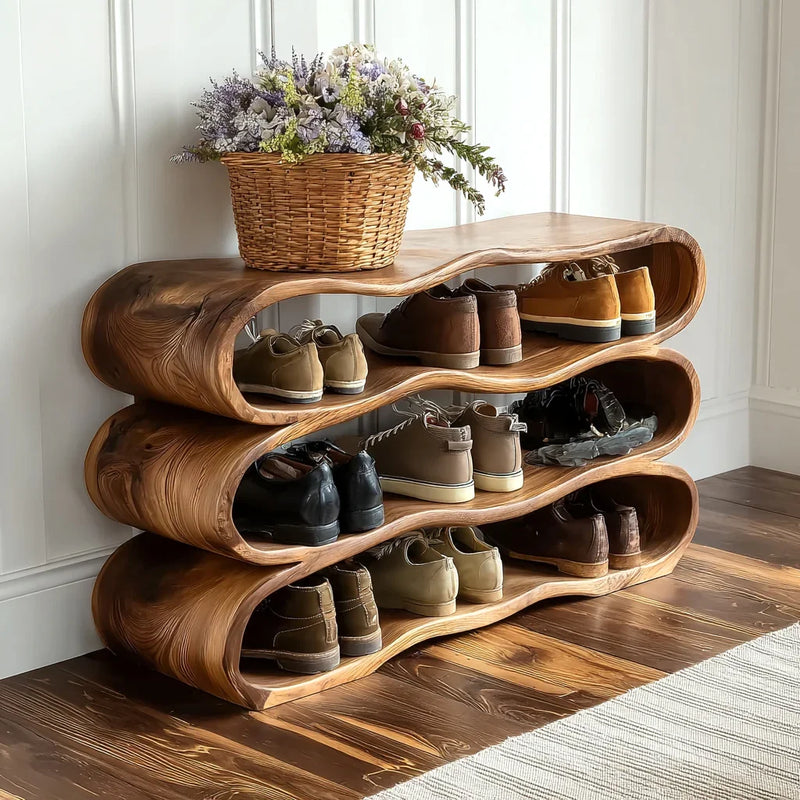
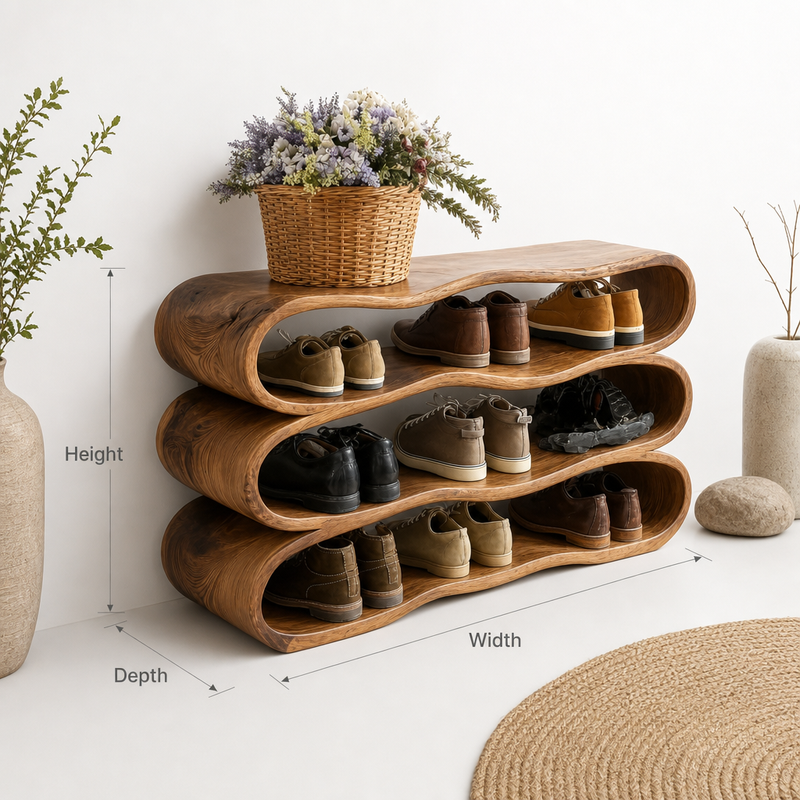
Rustic Hallway Bench for Shoes & Bags – Space Saving Furniture
Ashdeco
$1,650.00
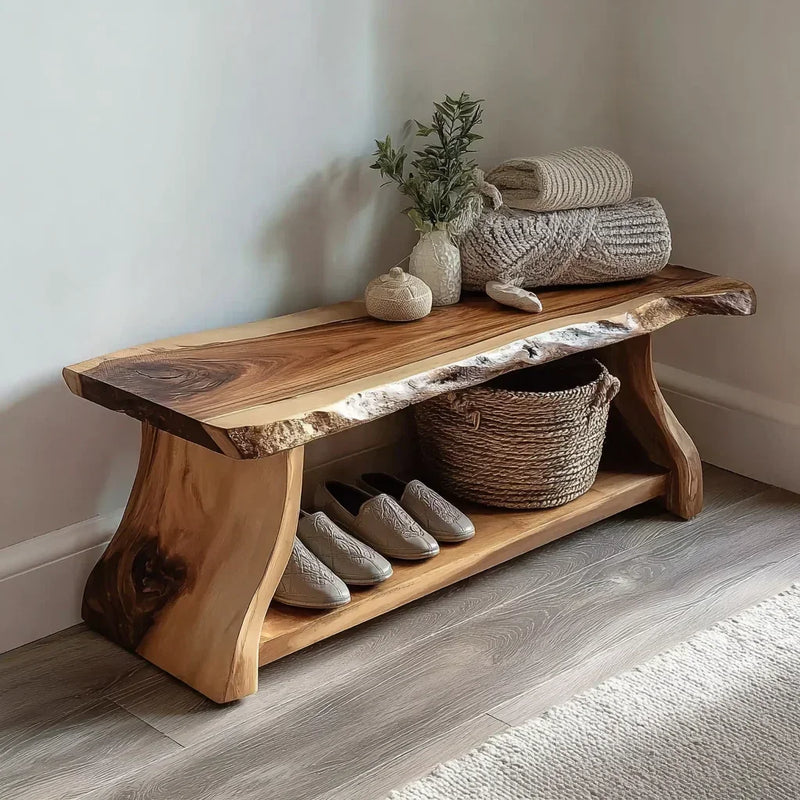
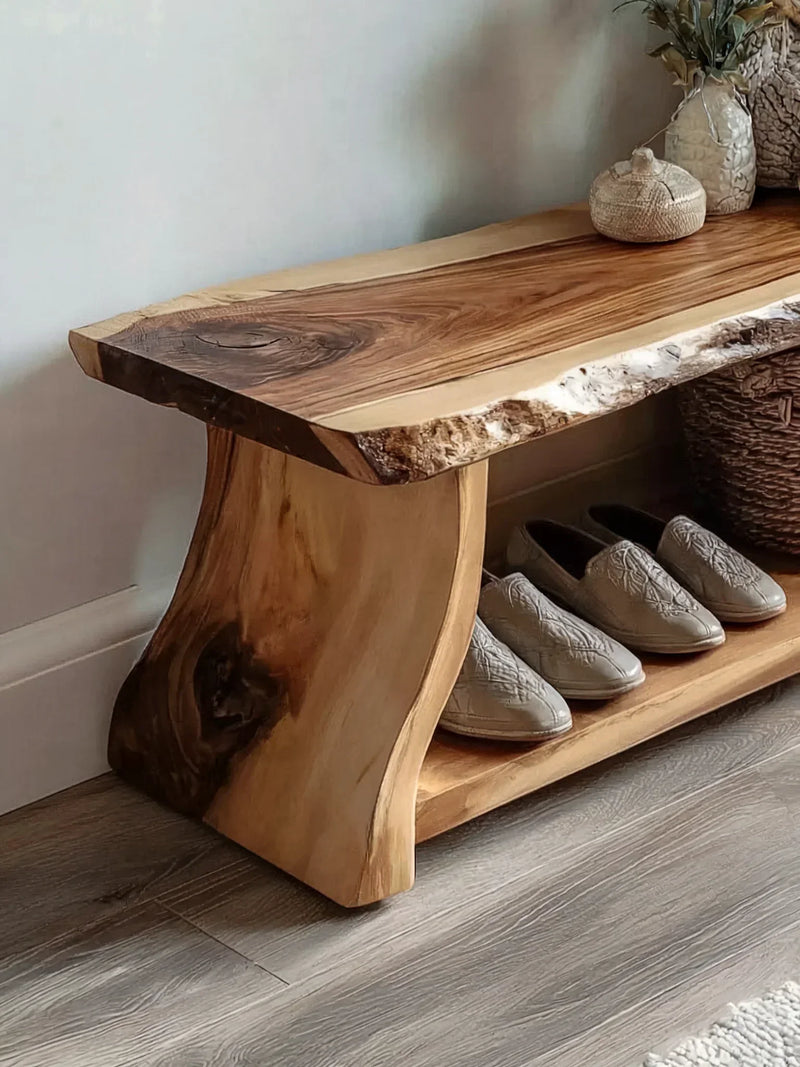
Solid Oak Shoe Bench with Storage – Handmade Entryway Rack, Custom Size & Color
Ashdeco
$1,050.00
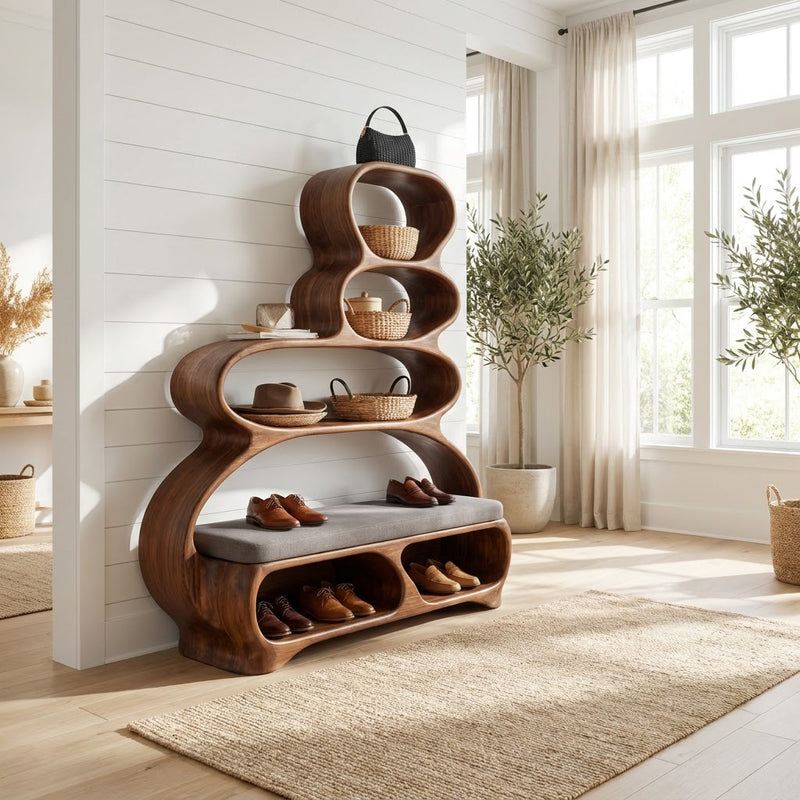

Sculptural Hand-Carved Solid Wood Entryway Bench & Multi-Tier Curvilinear Storage Unit with Integrated Shoe Cubbies
Ashdeco
$2,998.00
$2,698.20 with 10% off on $2,000+ orders
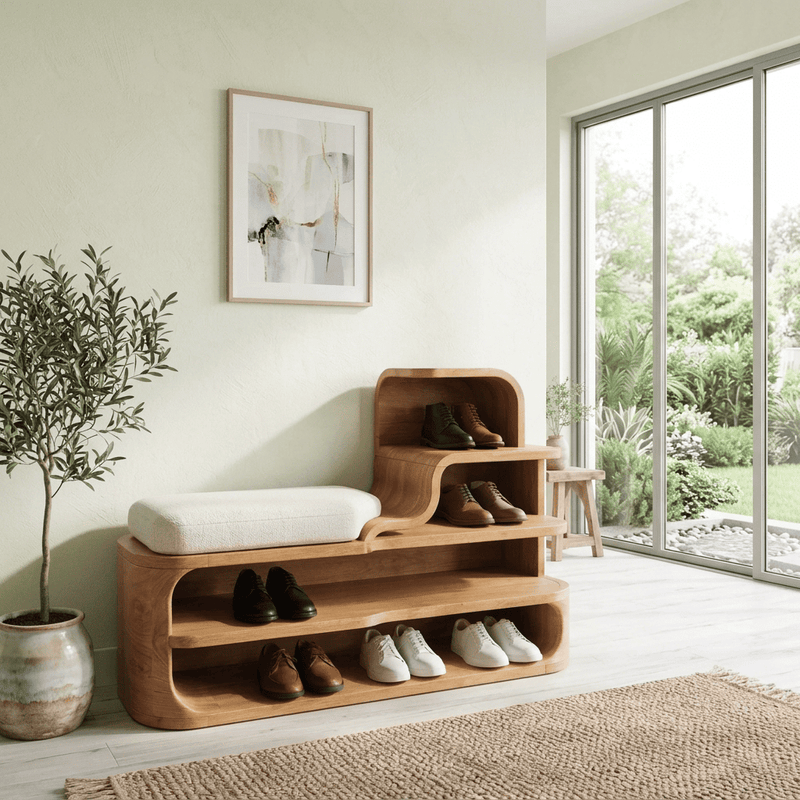

Sculptural Stepped Solid Wood Entryway Shoe Bench with Integrated Storage
Ashdeco
$2,345.00
$2,110.50 with 10% off on $2,000+ orders
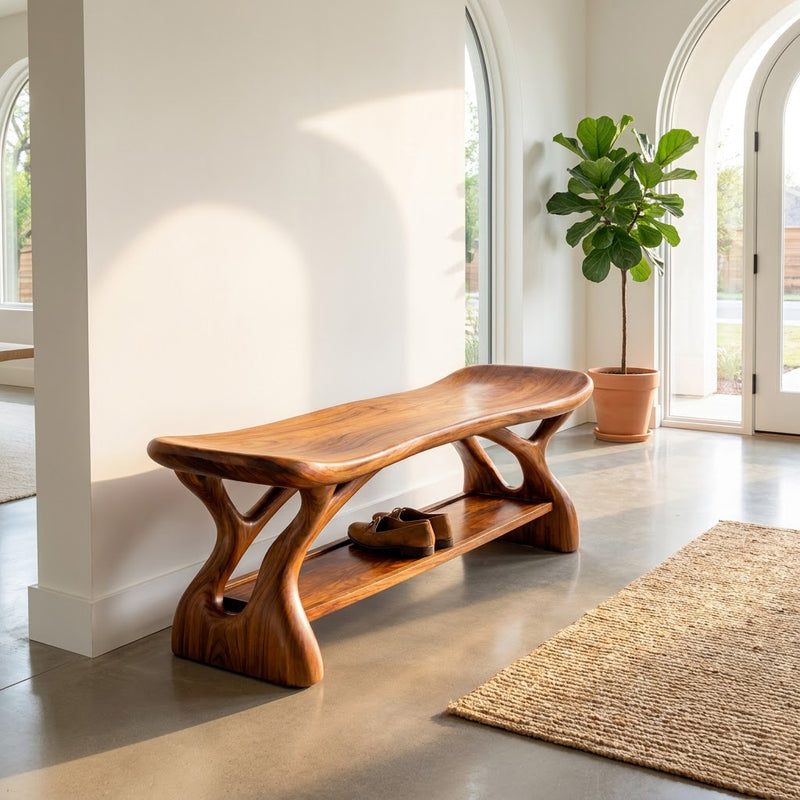

Sculptural Saddle-Seat Solid Wood Entryway Shoe Bench with Lower Storage Shelf
Ashdeco
$1,764.00
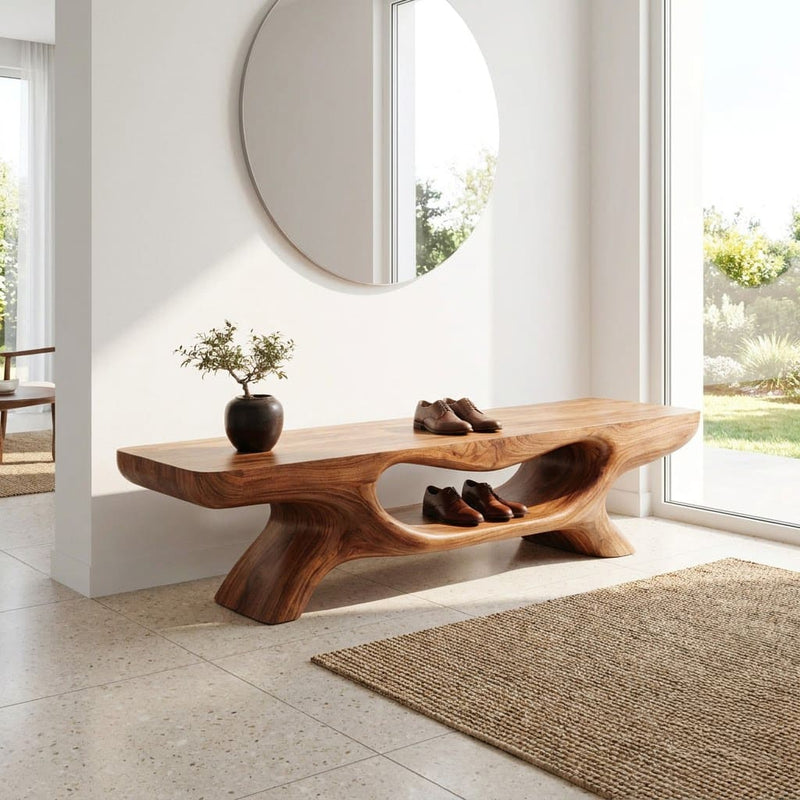
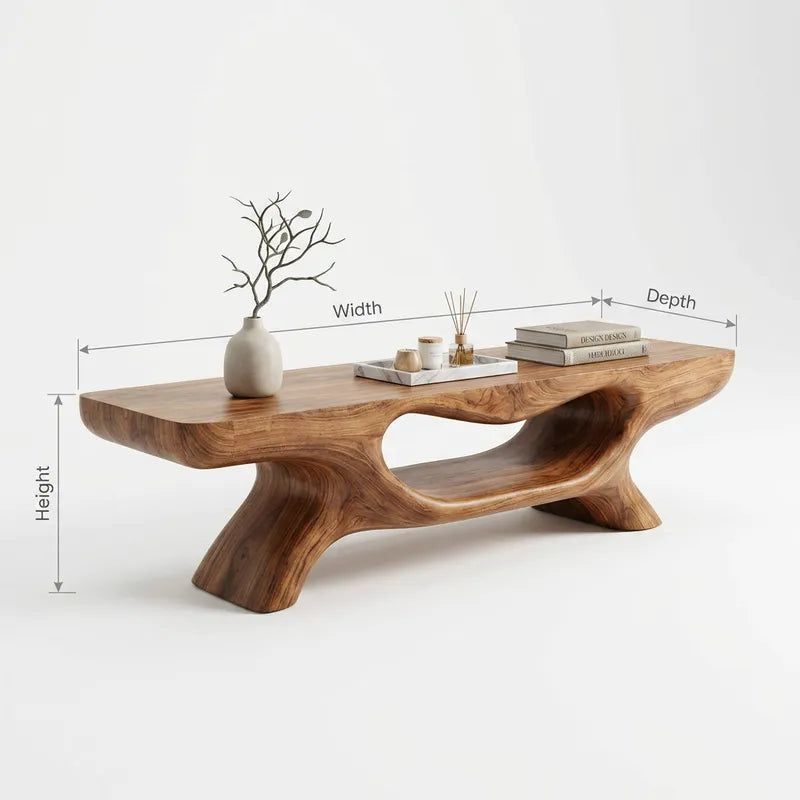
Sculptural Hand-Carved Organic Solid Wood Entryway Shoe Bench with Storage Cavity
Ashdeco
$1,700.00
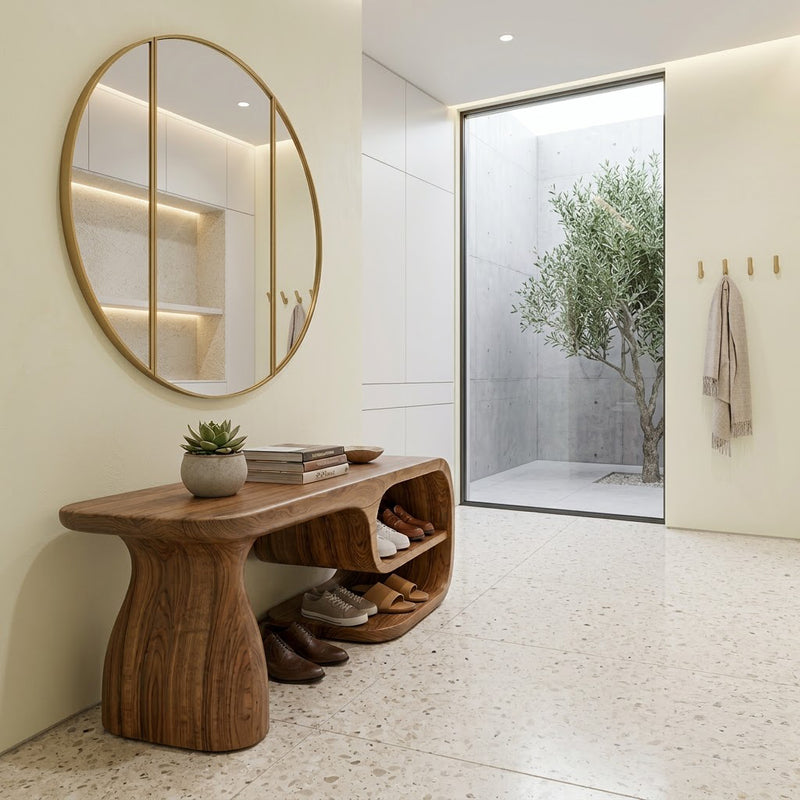

Sculptural Asymmetric Solid Wood Entryway Shoe Bench with Integrated Storage
Ashdeco
$2,134.00
$1,920.60 with 10% off on $2,000+ orders
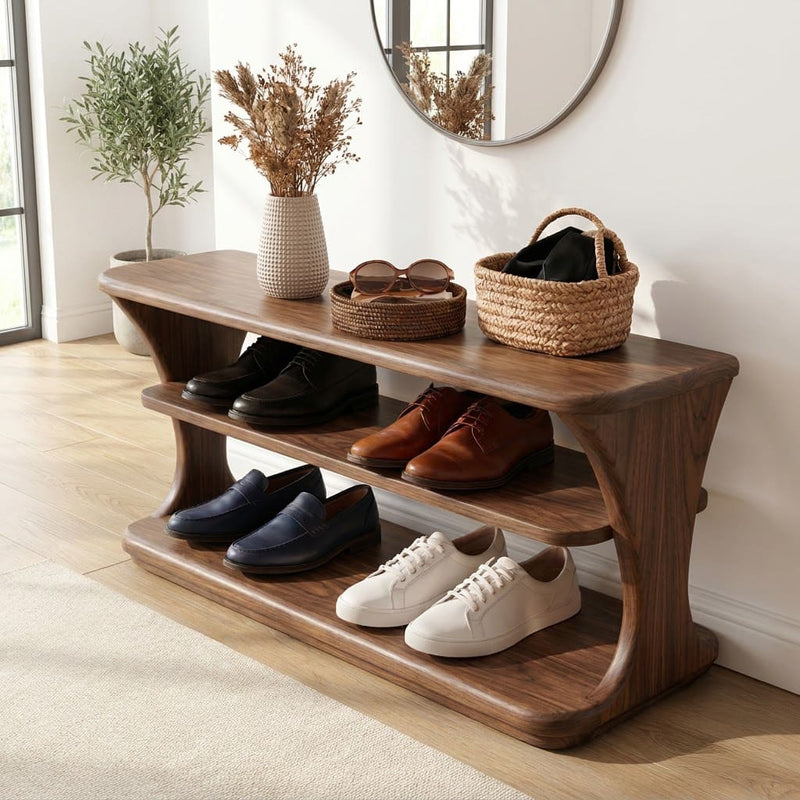

Sculptural 3-Tier Curved Solid Wood Entryway Shoe Bench & Storage Rack
Ashdeco
$1,700.00
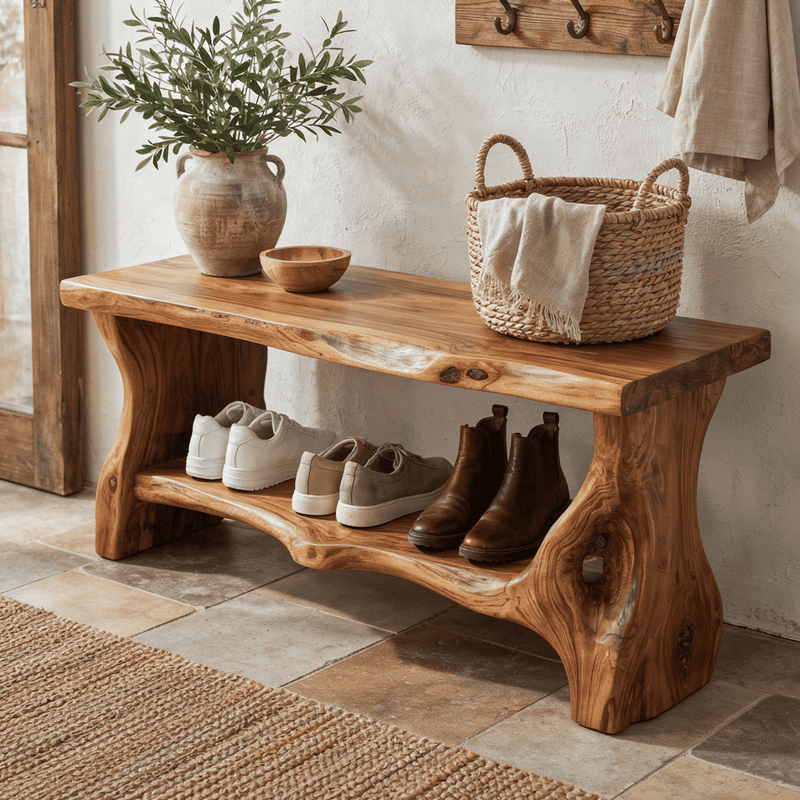
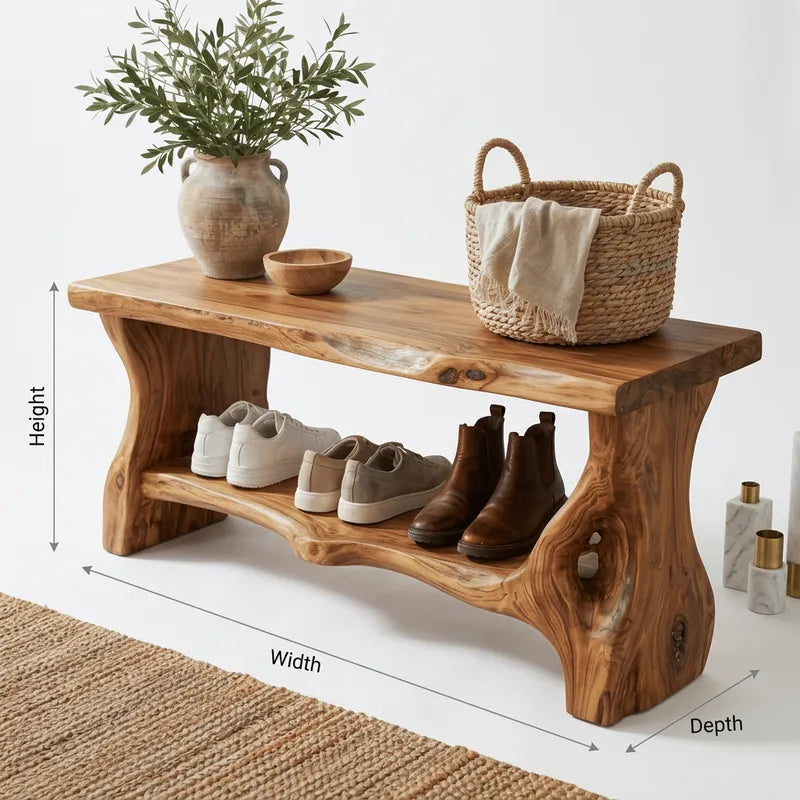
Rustic Live Edge Solid Wood Entryway Shoe Bench with Lower Storage Shelf
Ashdeco
$2,000.00
$1,800.00 with 10% off on $2,000+ orders
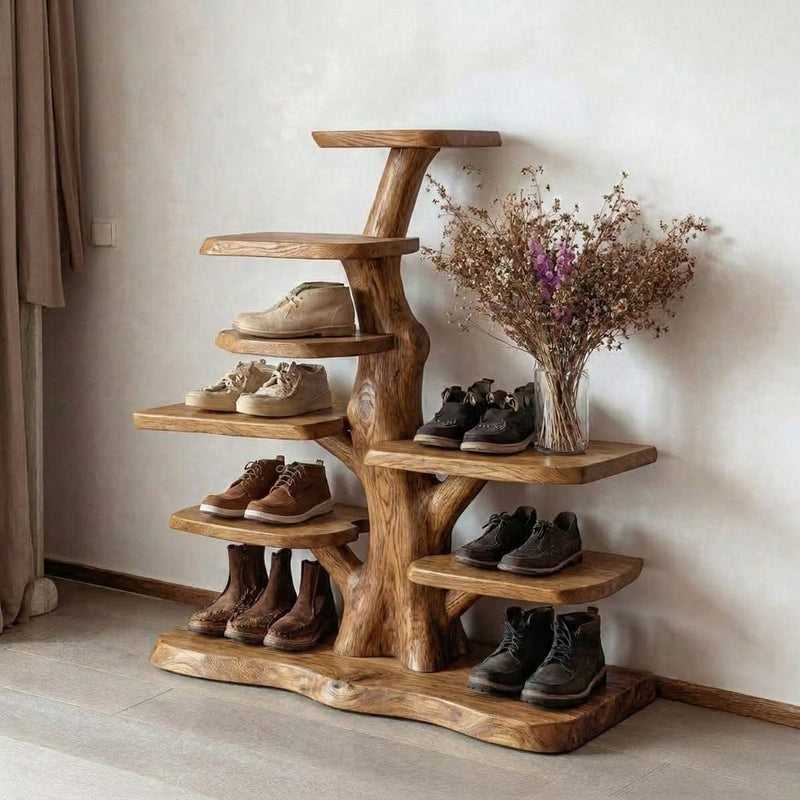
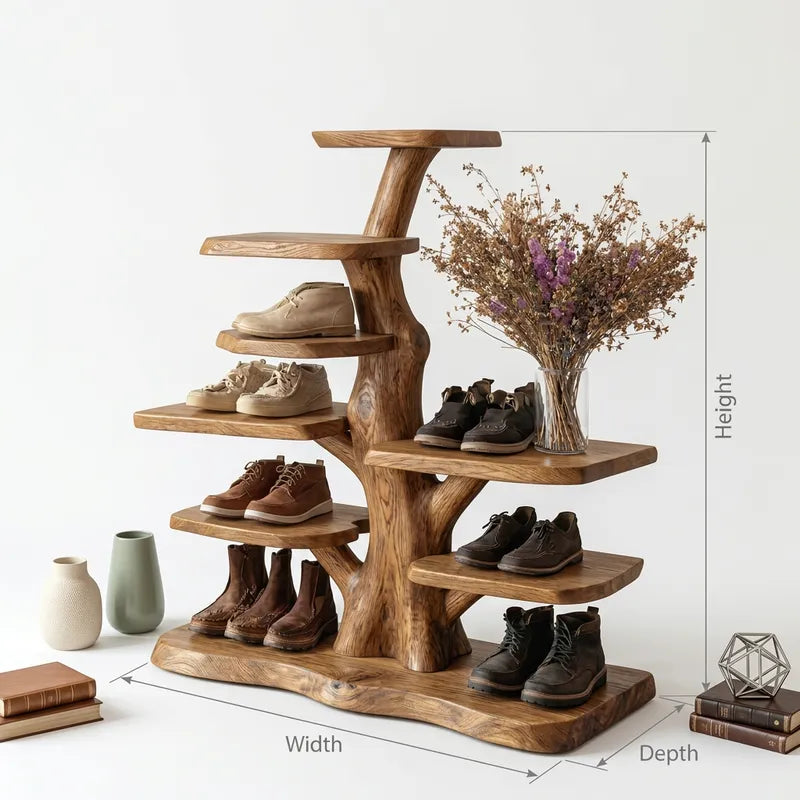
Sculptural Hand-Carved Tree Branch Solid Wood Entryway Shoe Rack
Ashdeco
$1,543.00
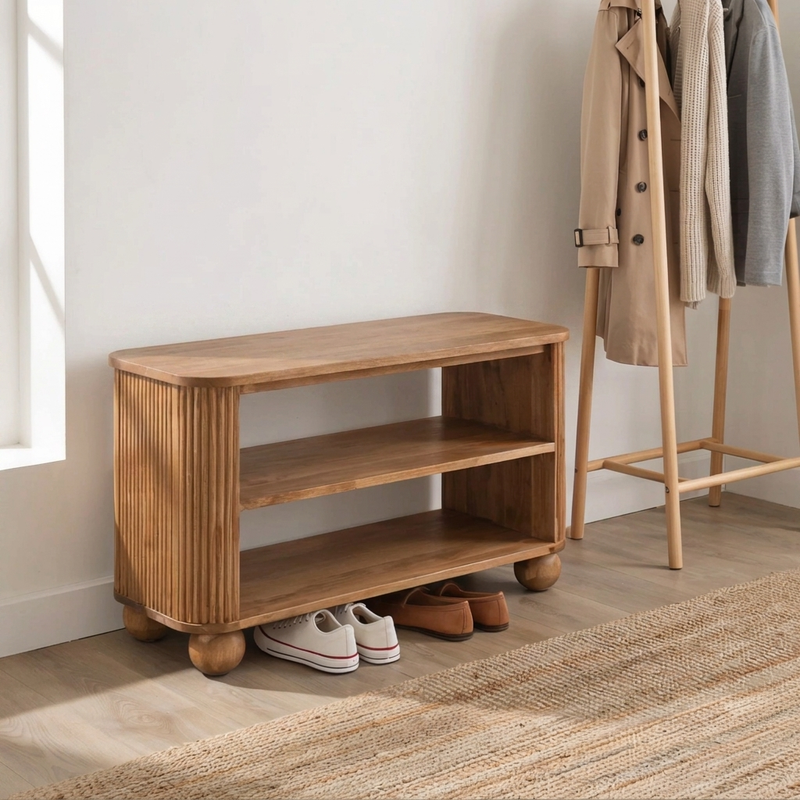
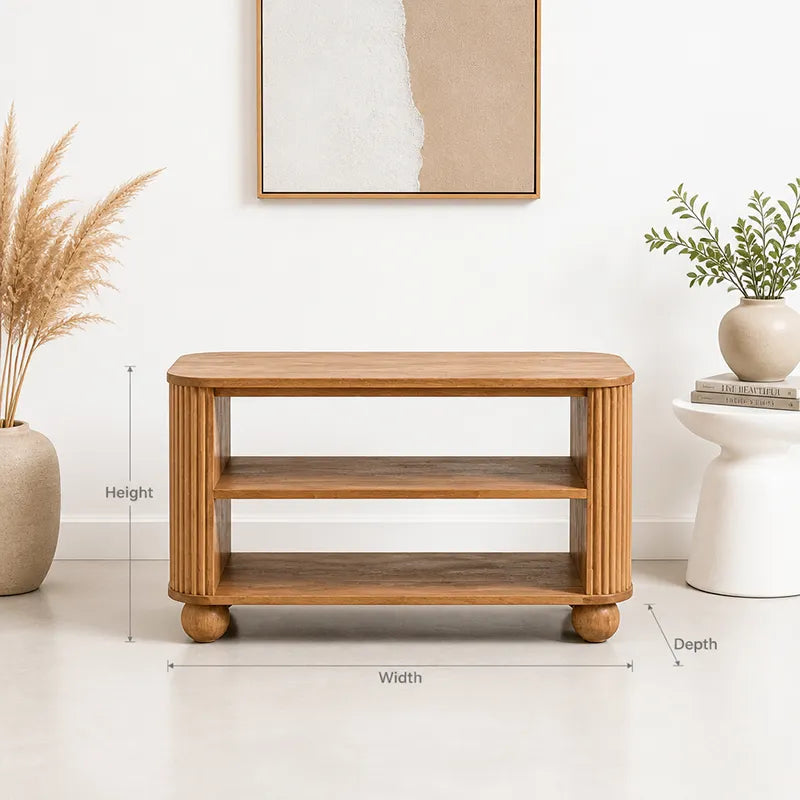
Fluted Solid Wood Entryway Bench with Spherical Legs
Ashdeco
$2,134.00
$1,920.60 with 10% off on $2,000+ orders
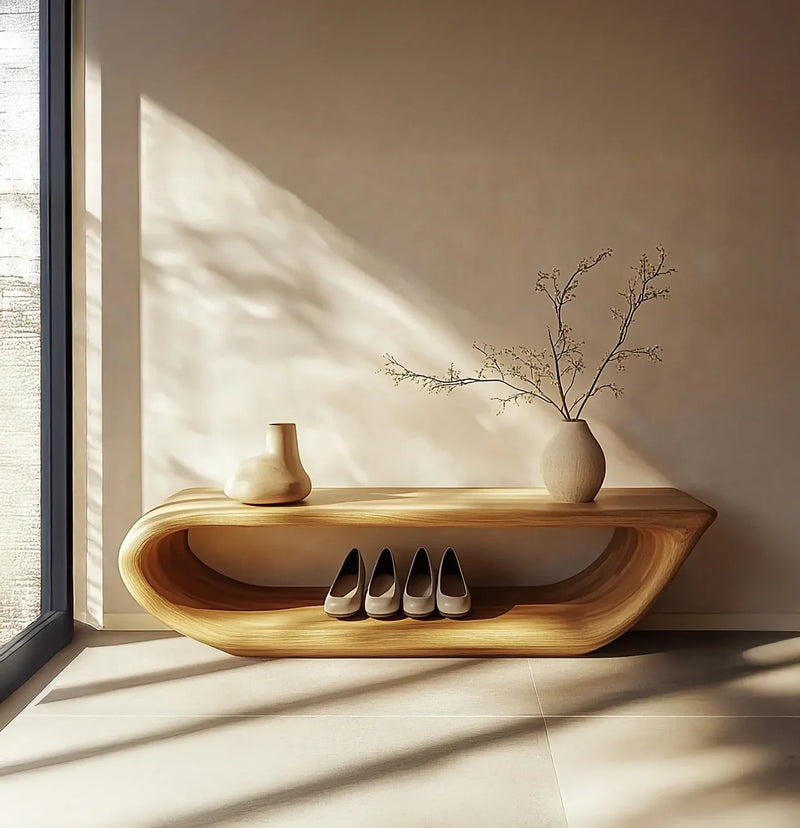
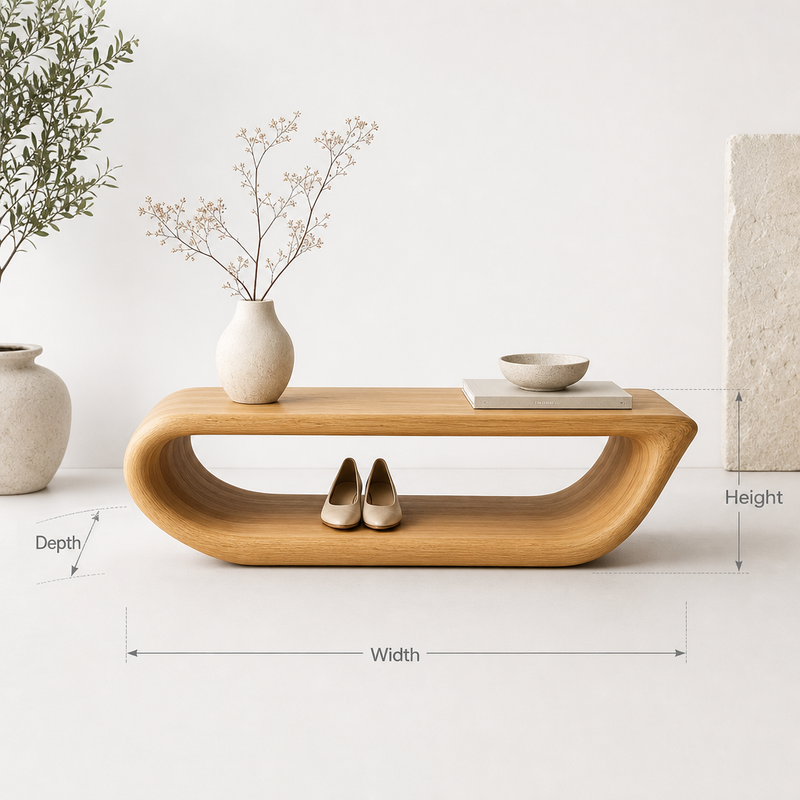
Rustic Wooden Shoe Bench With Organic Design Foyer
Ashdeco
$1,900.00
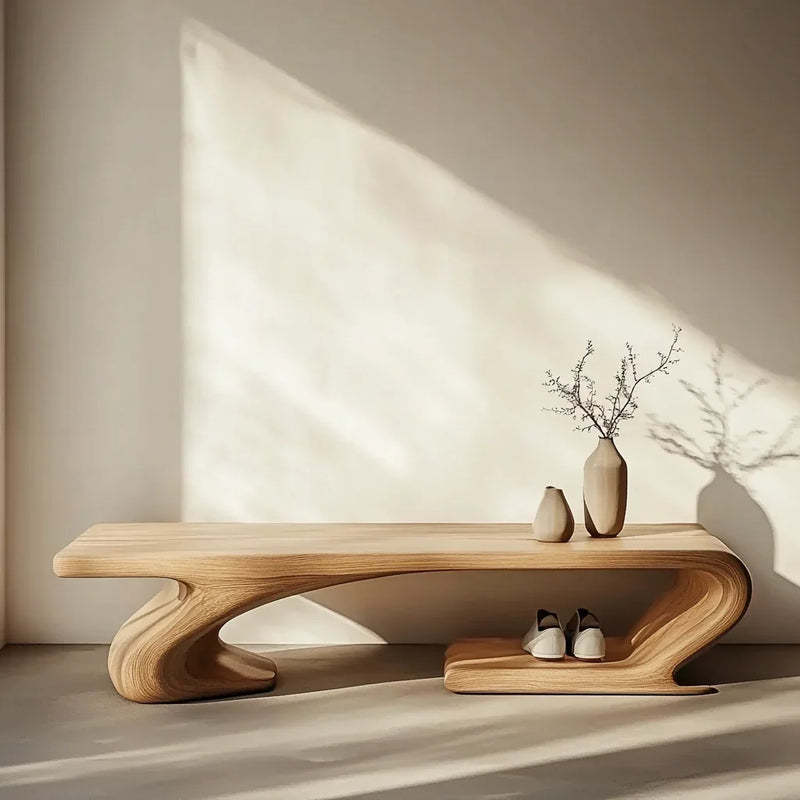
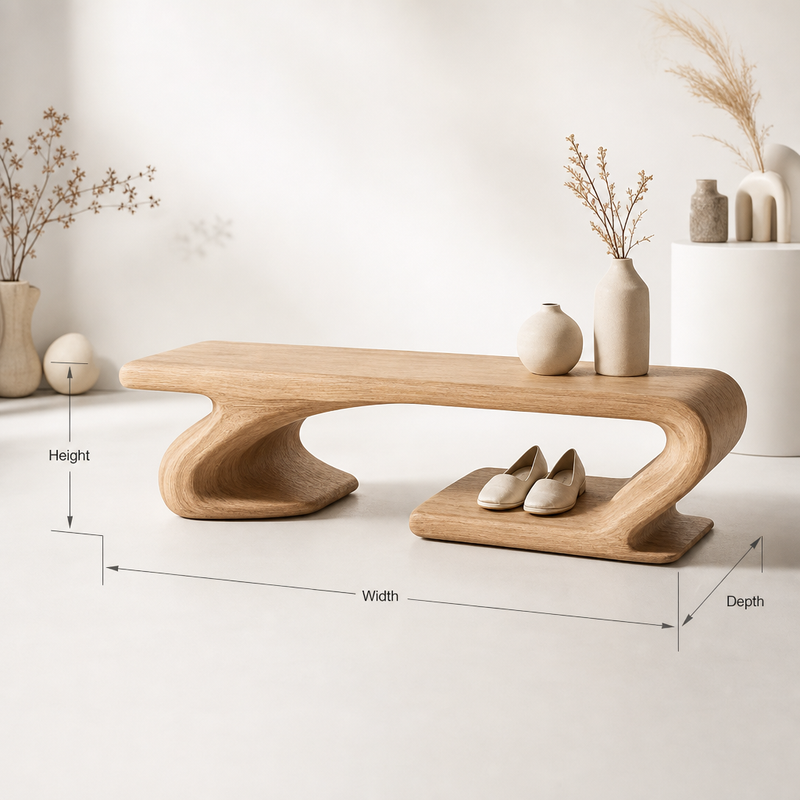
Solid Wood Entryway Narrow Shoe Rack Bench
Ashdeco
$1,700.00
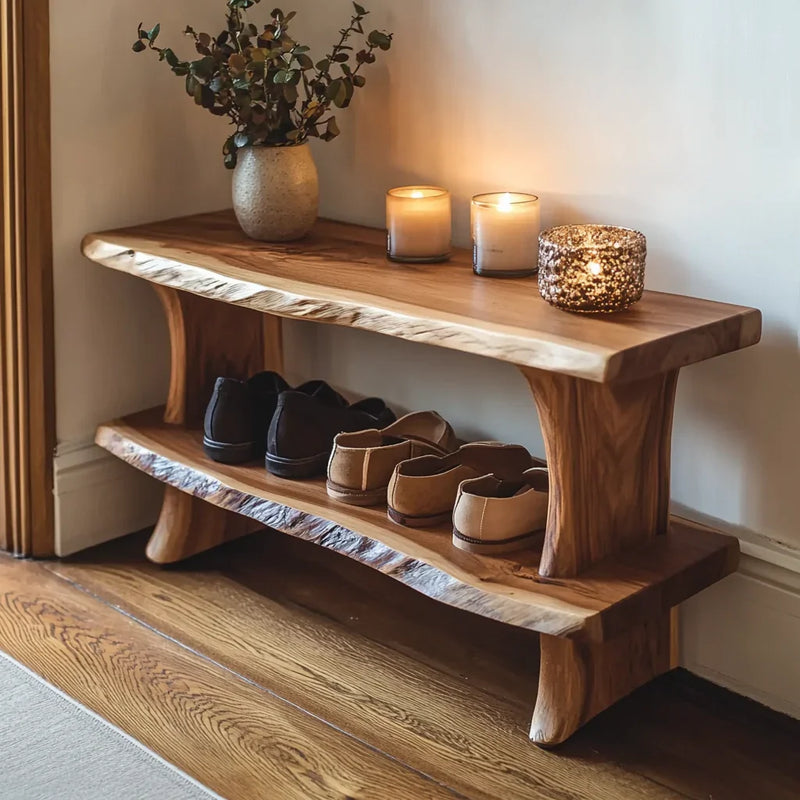
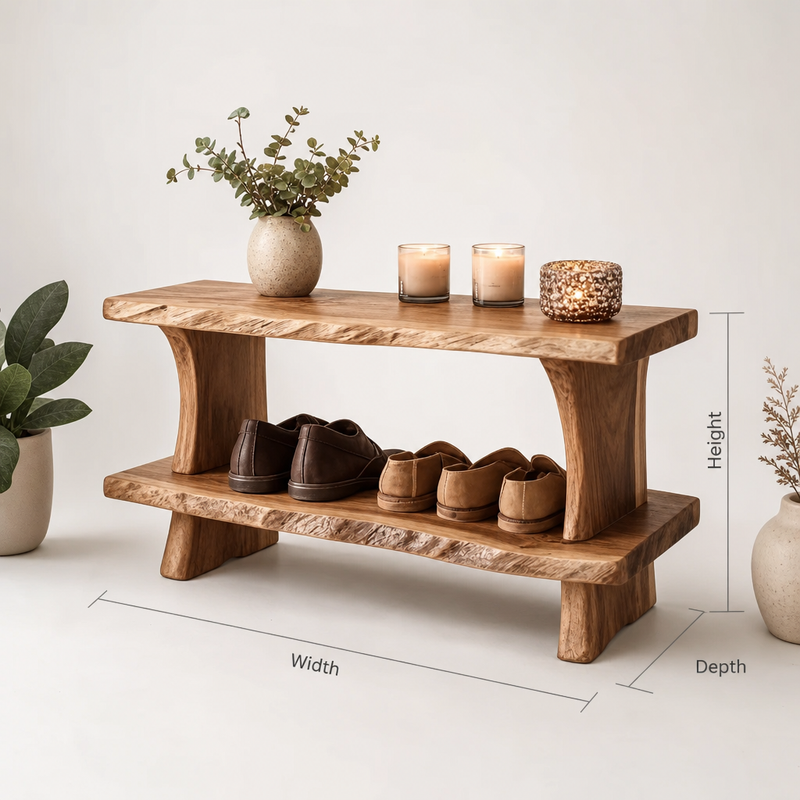
Handmade Entryway Shoe Bench Rack Livingroom Furniture
Ashdeco
$1,700.00
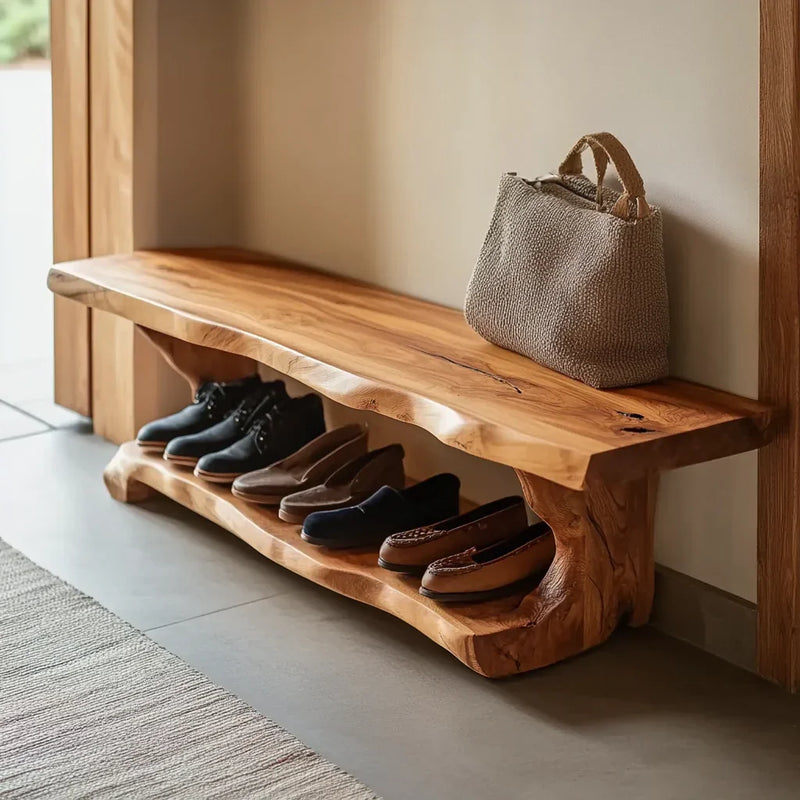
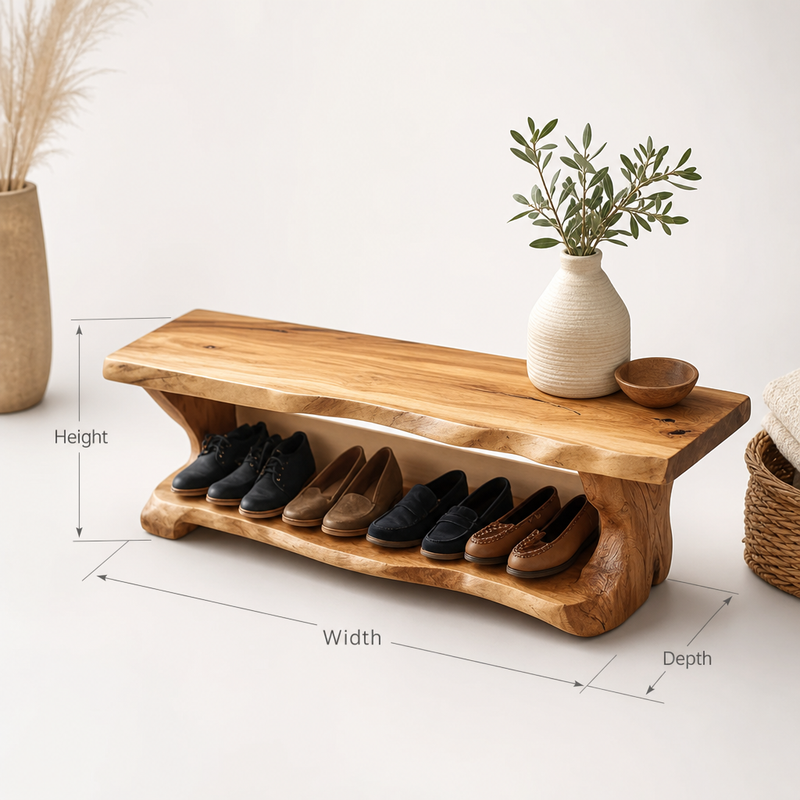
Mid Century Handcrafted Wooden Shoe Storage Bench Home
Ashdeco
$1,700.00
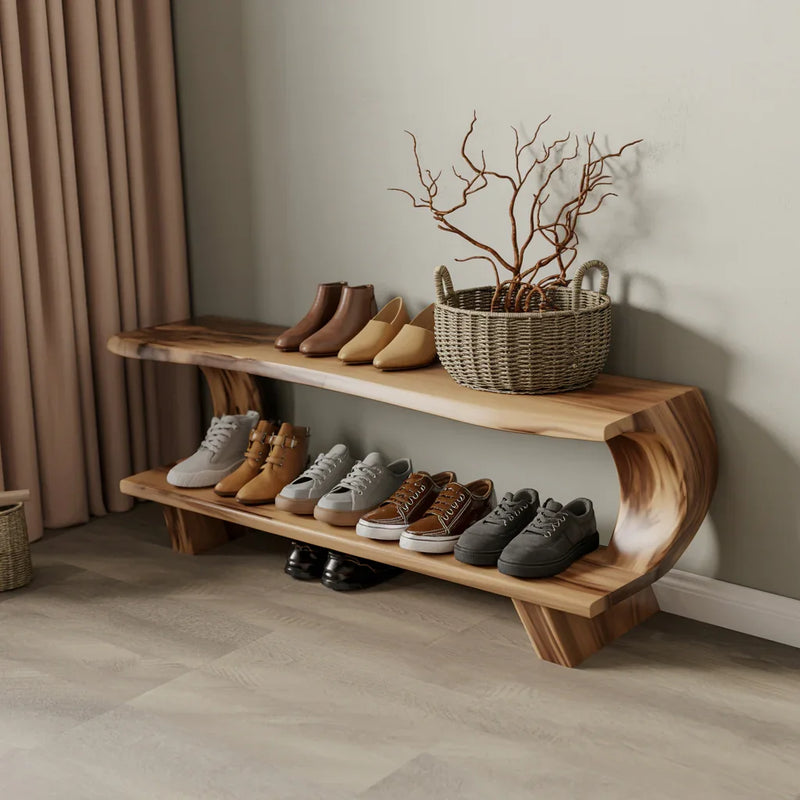
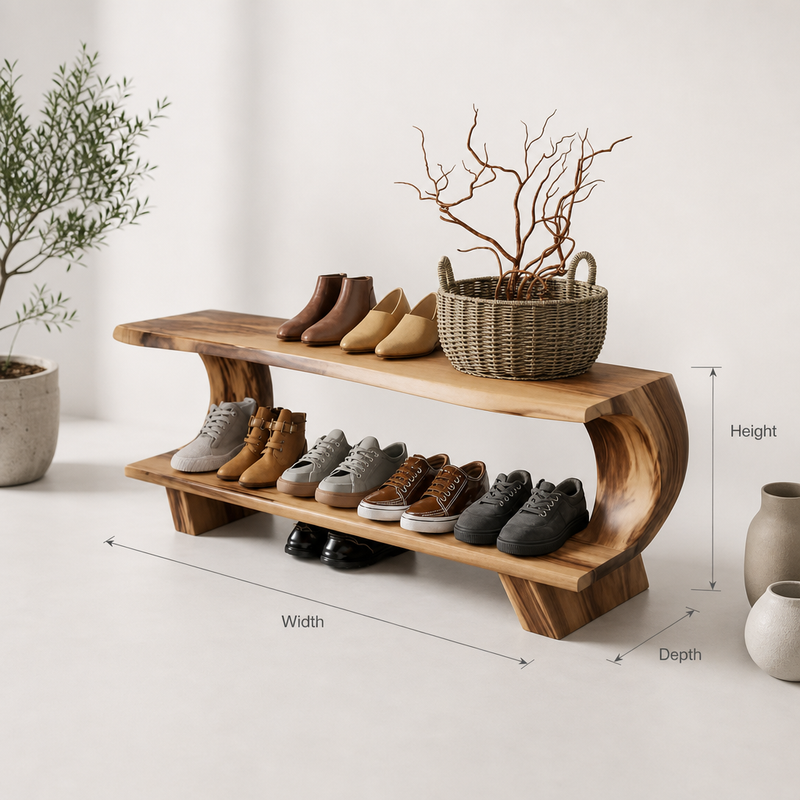
Handcrafted Mid-Century Modern Wooden Shoe Storage Bench for Entryway
Ashdeco
$2,100.00
$1,890.00 with 10% off on $2,000+ orders
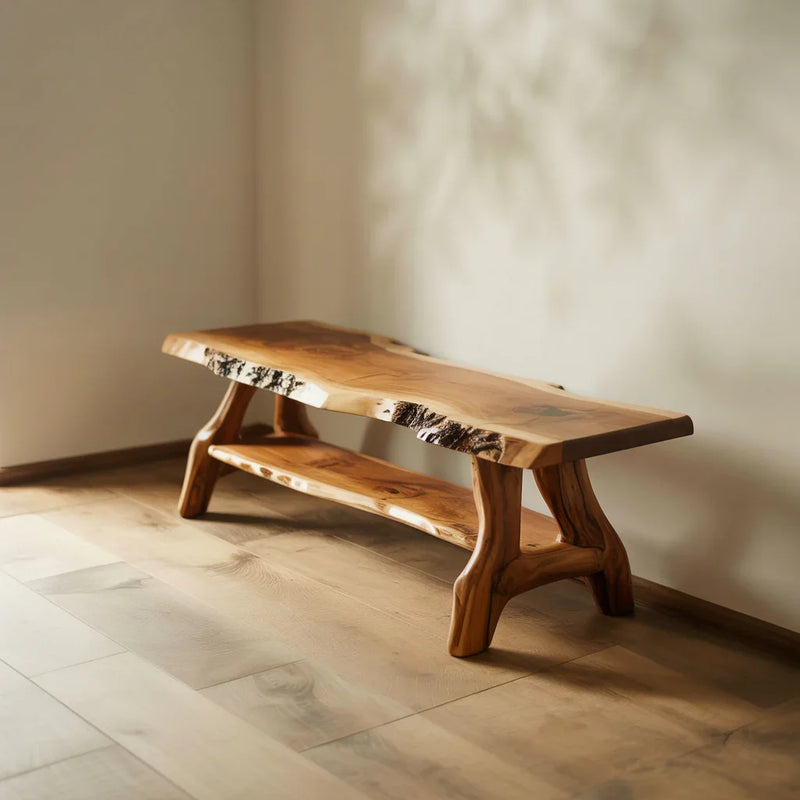
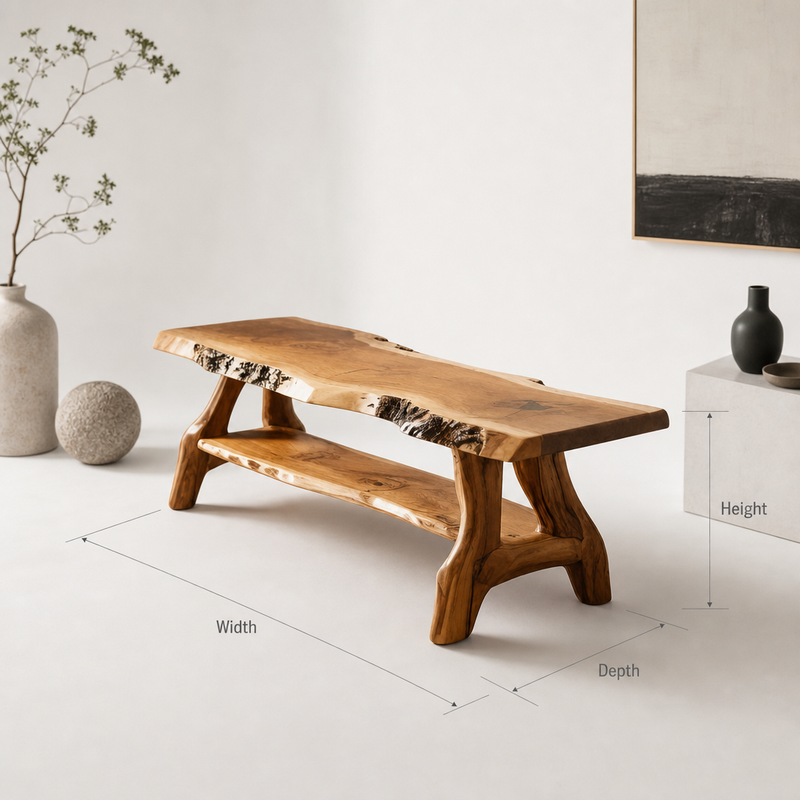
Handmade Rustic Solid Wood Entryway Shoe Rack Bench Storage
Ashdeco
$1,028.72
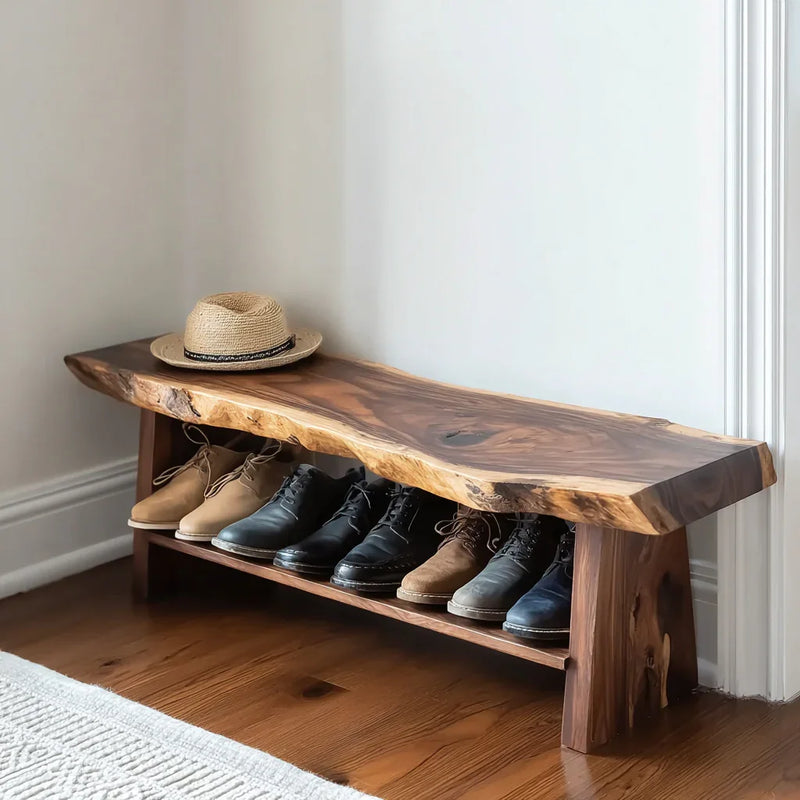
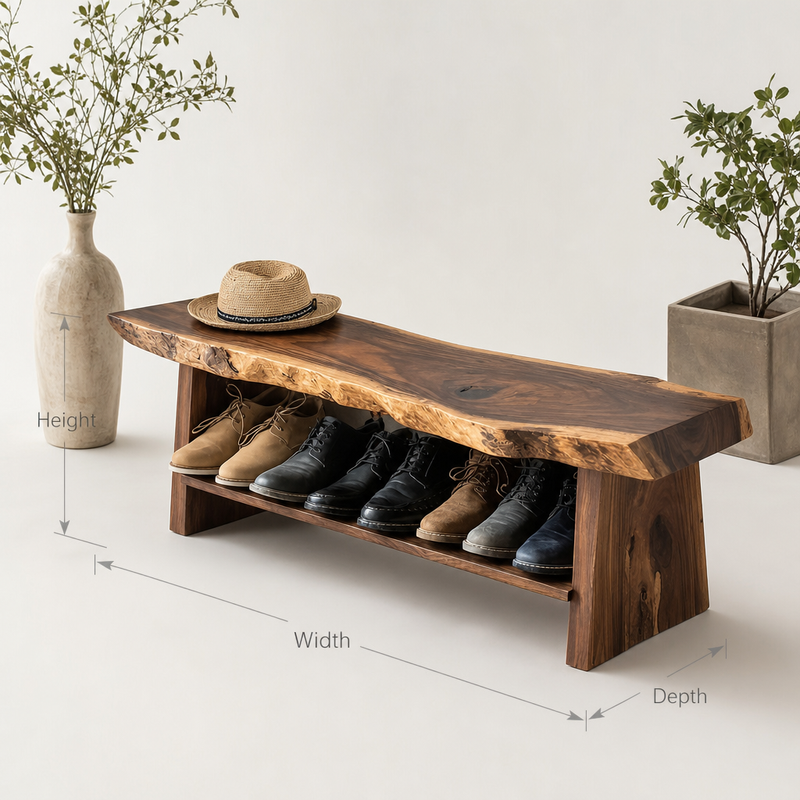
Ashdeco Shoe Bench – Live Edge Solid Wood Entryway with Storage Shelf
Ashdeco
$1,225.00
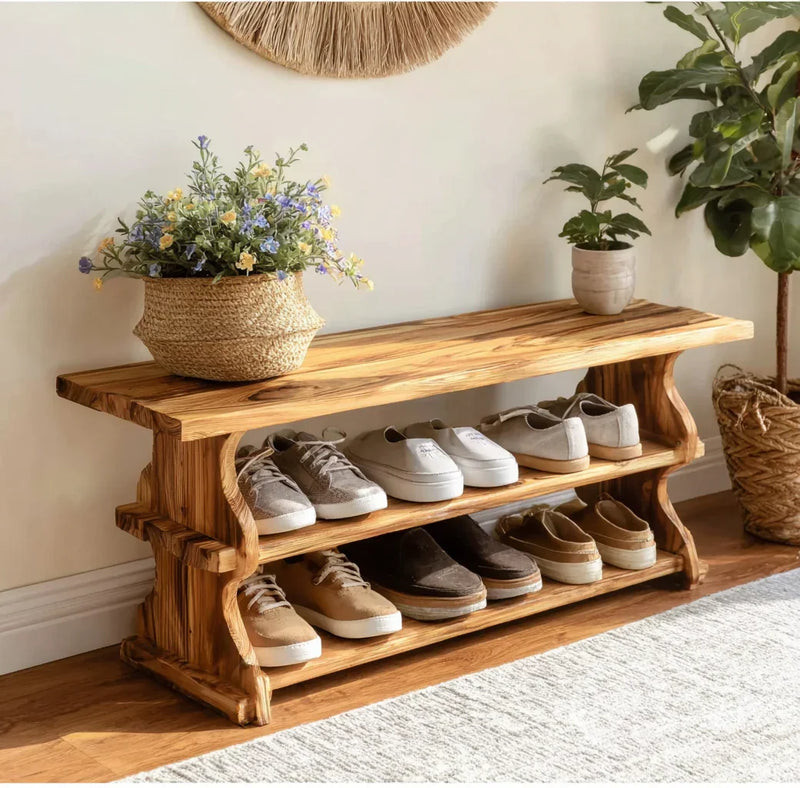
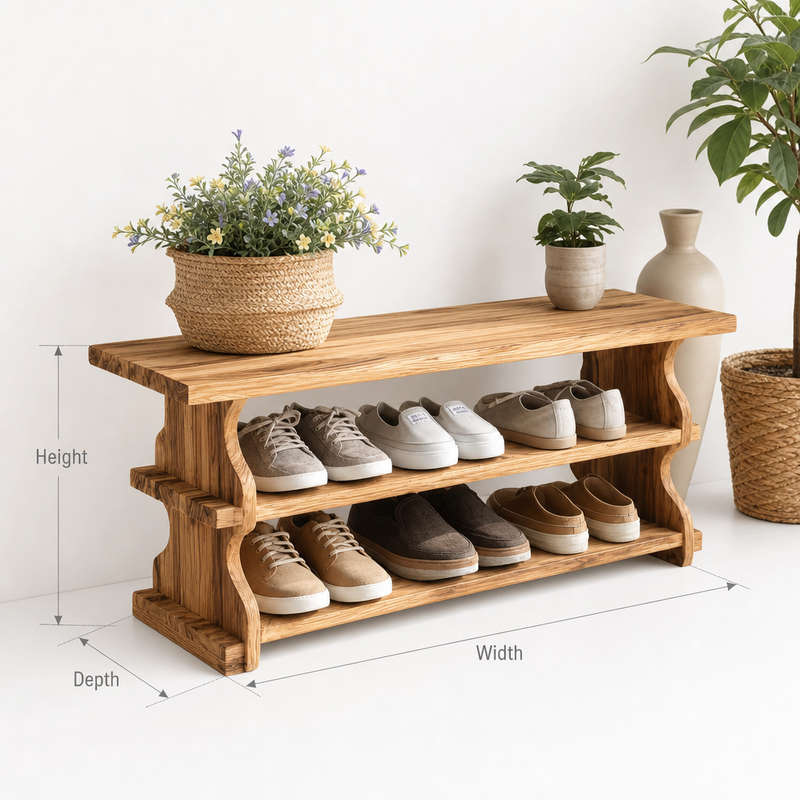
Handcrafted Solid Wood Shoe Bench – Rustic Entryway Shoe Rack with Natural Grain Shelves
Ashdeco
$1,450.00
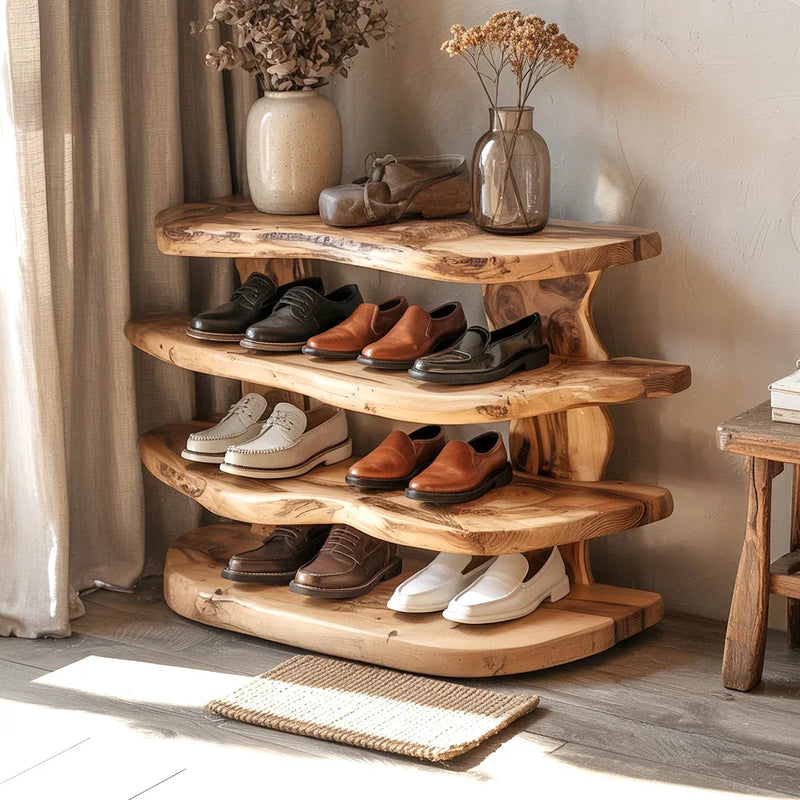
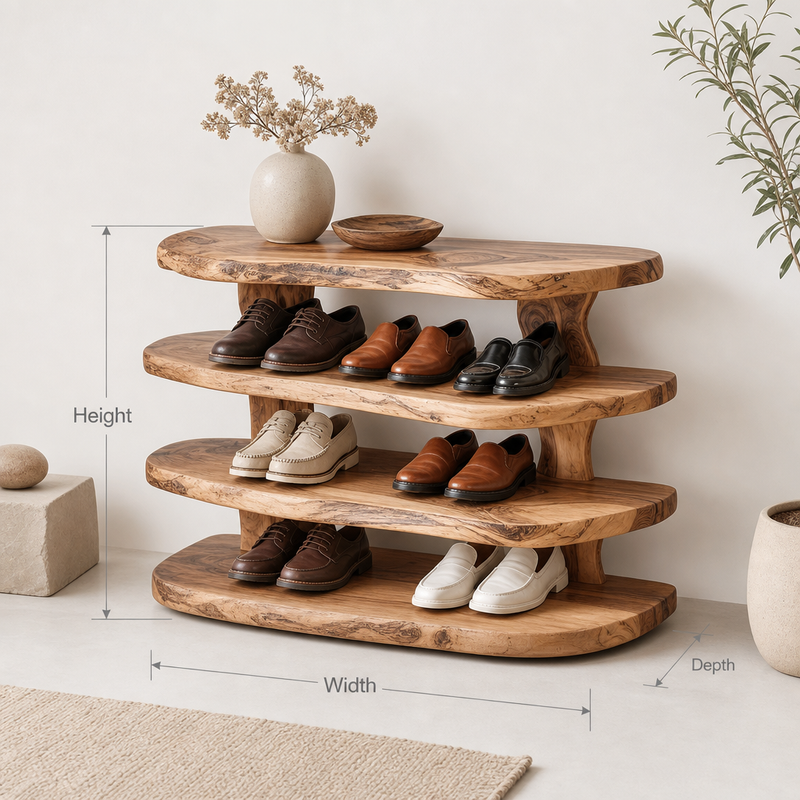
Handcrafted Live Edge Wooden Shoe Rack – Rustic Solid Wood Organizer
Ashdeco
$1,580.00
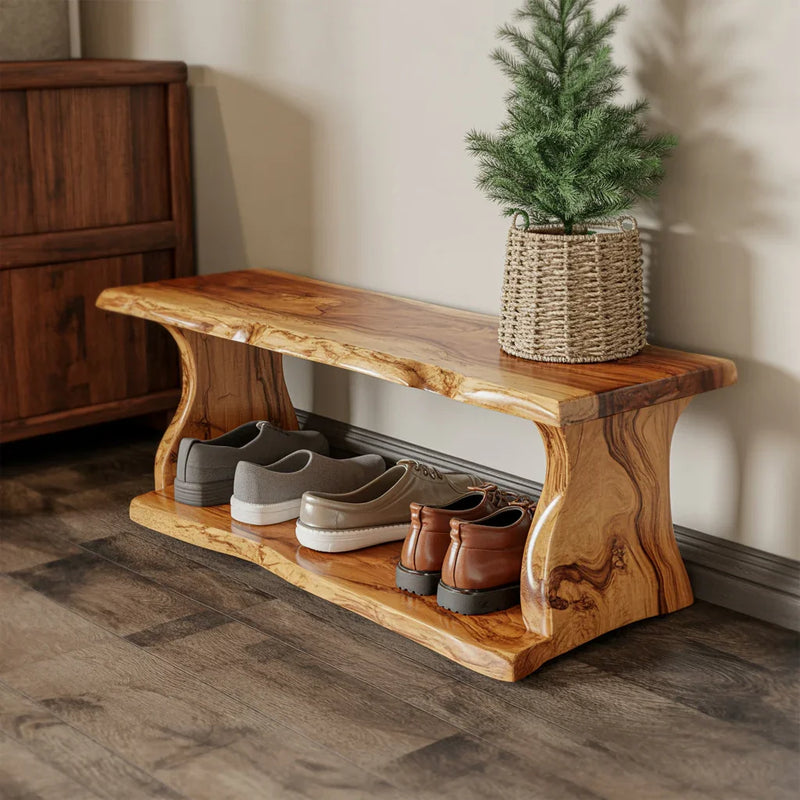
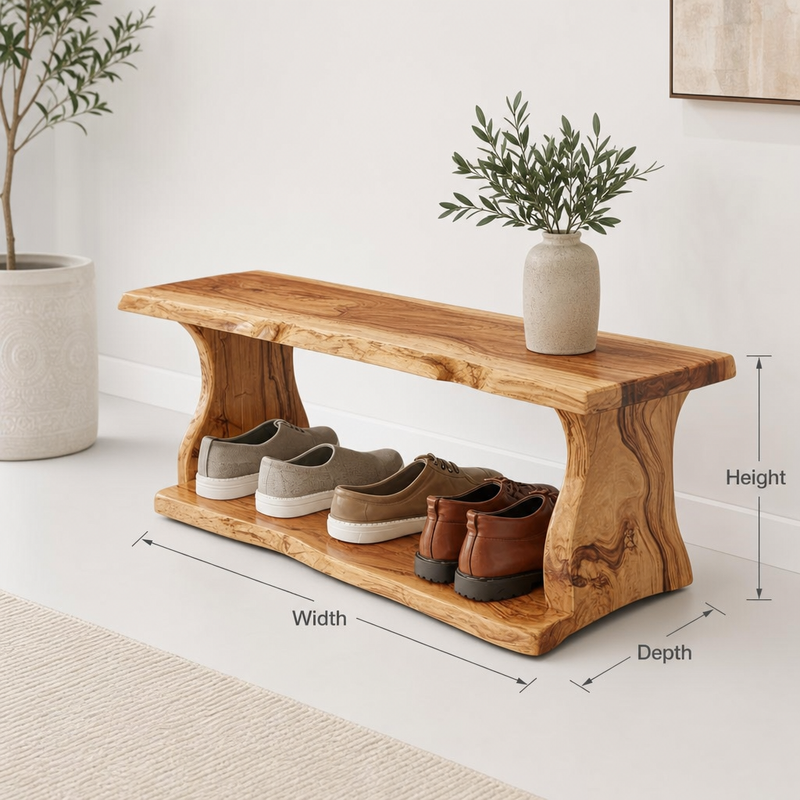
Rustic Wooden Shoe Bench – Handmade Solid Wood Entryway Organizer with Shelf
Ashdeco
$1,050.00
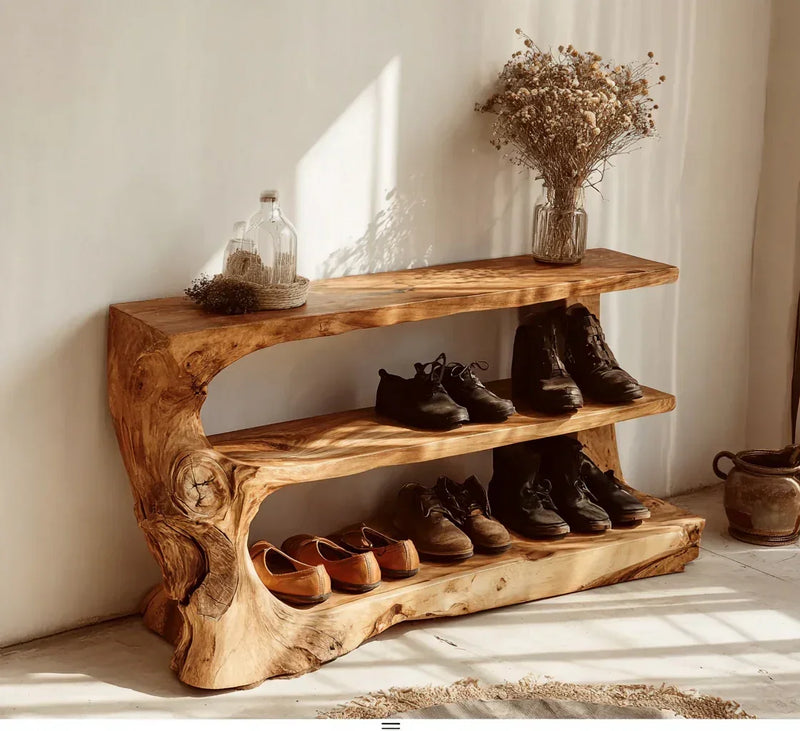
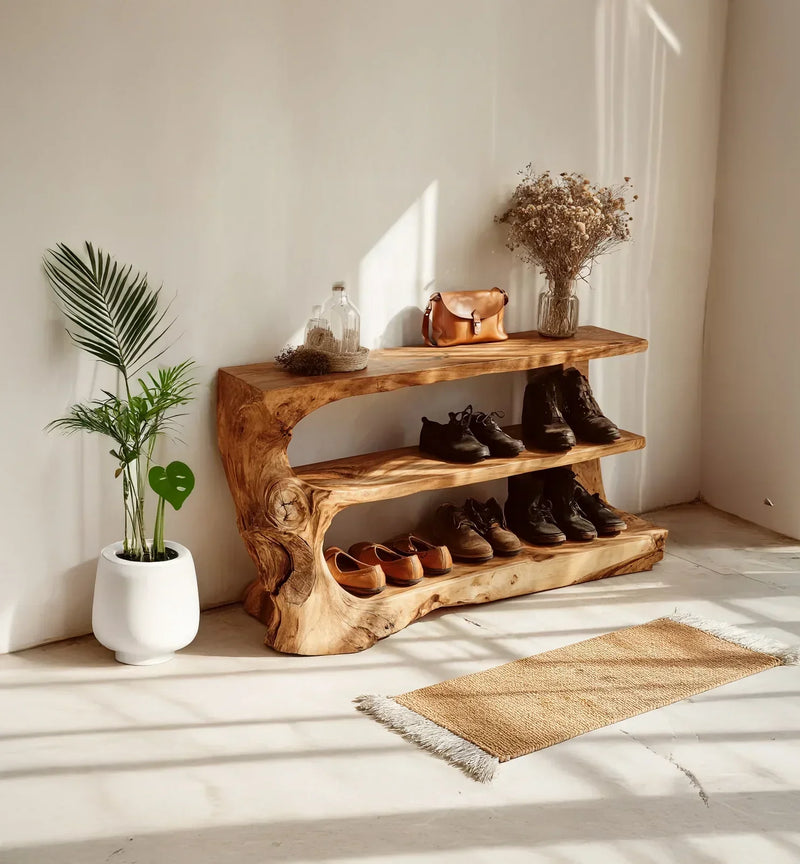
Mid Century Entryway Shoe Storage – Solid Wood Shoe Rack, Narrow Entryway Bench
Ashdeco
$1,489.00
Showing 1–24 of 26 products
Explore more
Other collections

You may also like
View all
More from Shoe Bench with Storage
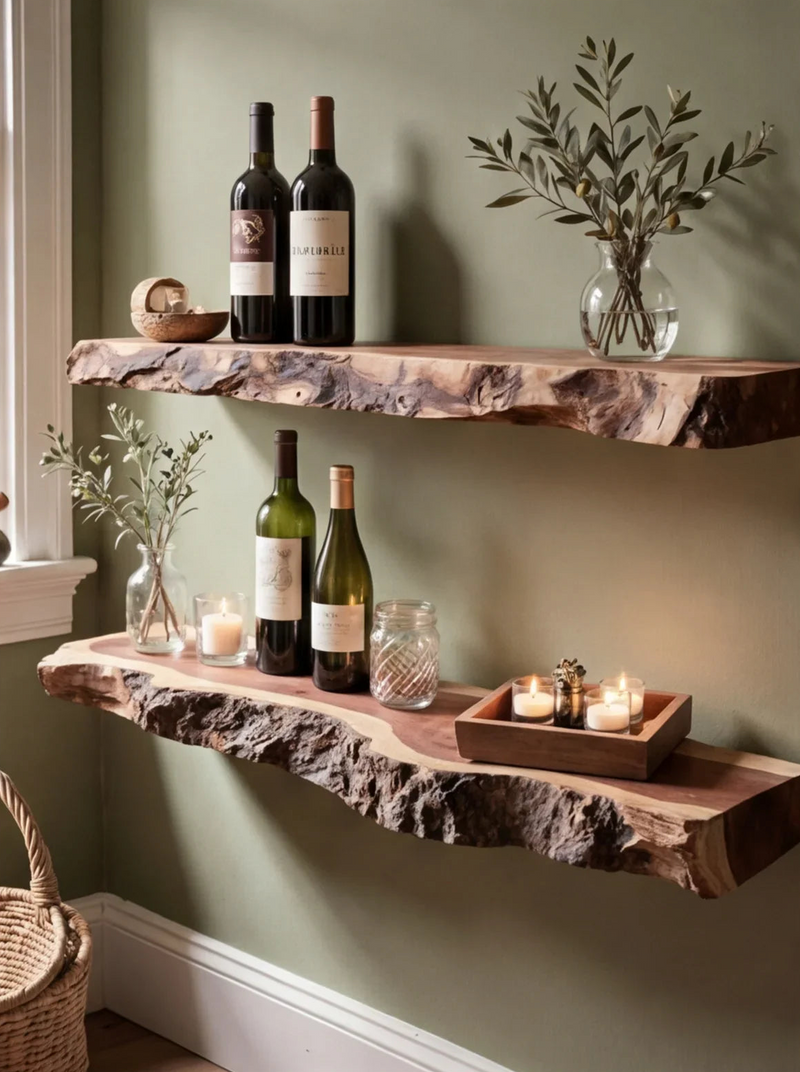
Handcrafted Live Edge Floating Bar Shelf – Rustic Solid Wood Wall Shelf for Kitchen or Bar
by Ashdeco$167.00
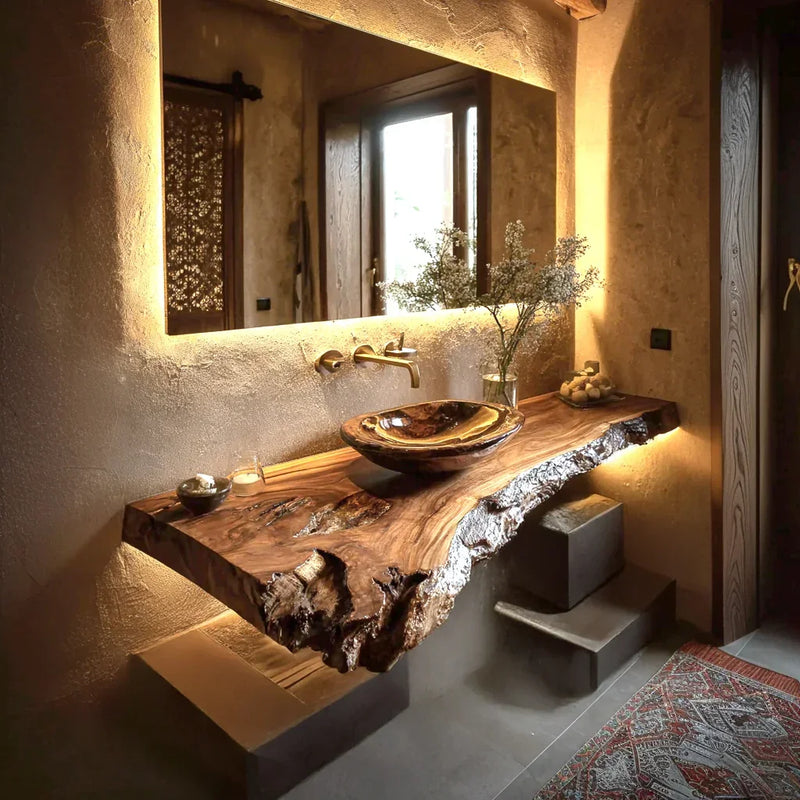
Rustic Live Edge Floating Vanity – Handmade Wooden Bathroom Shelf with Brackets
by Ashdeco$180.00
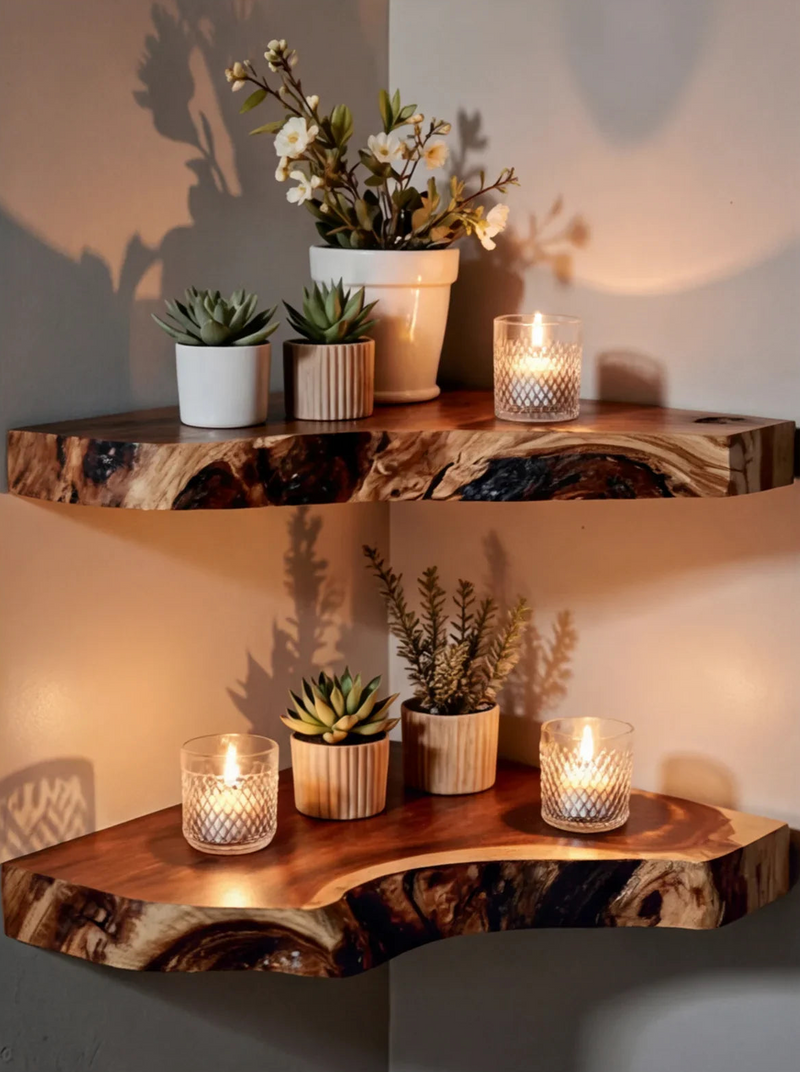
Rustic Corner Wall Shelf – Natural Live Edge Wood Floating Shelf for Candles and Plants
by Ashdeco$176.00
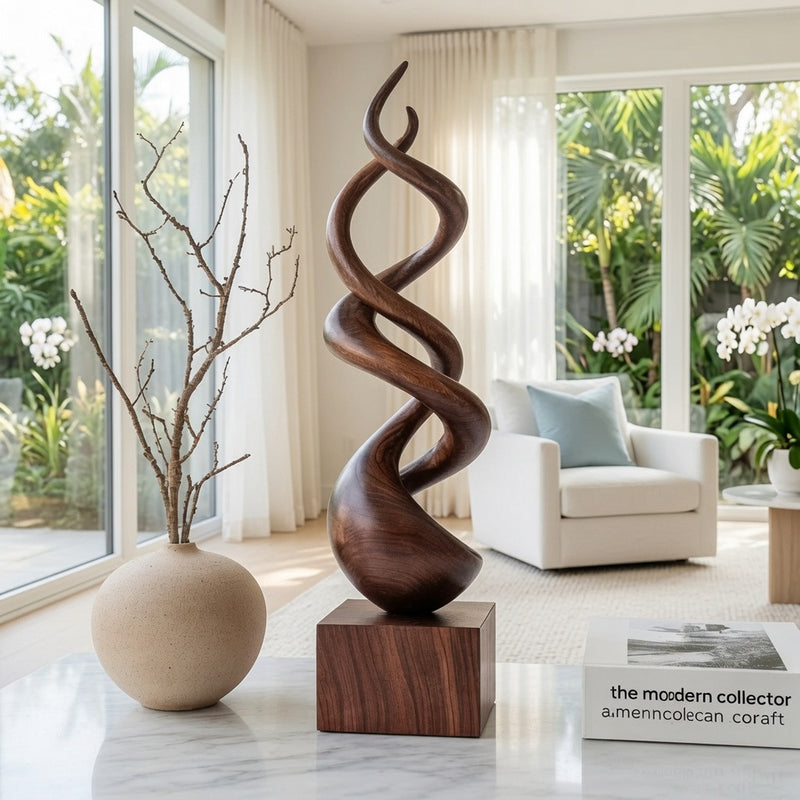
Abstract Twisted Solid Wood Floor Sculpture
by Ashdeco$1,234.00
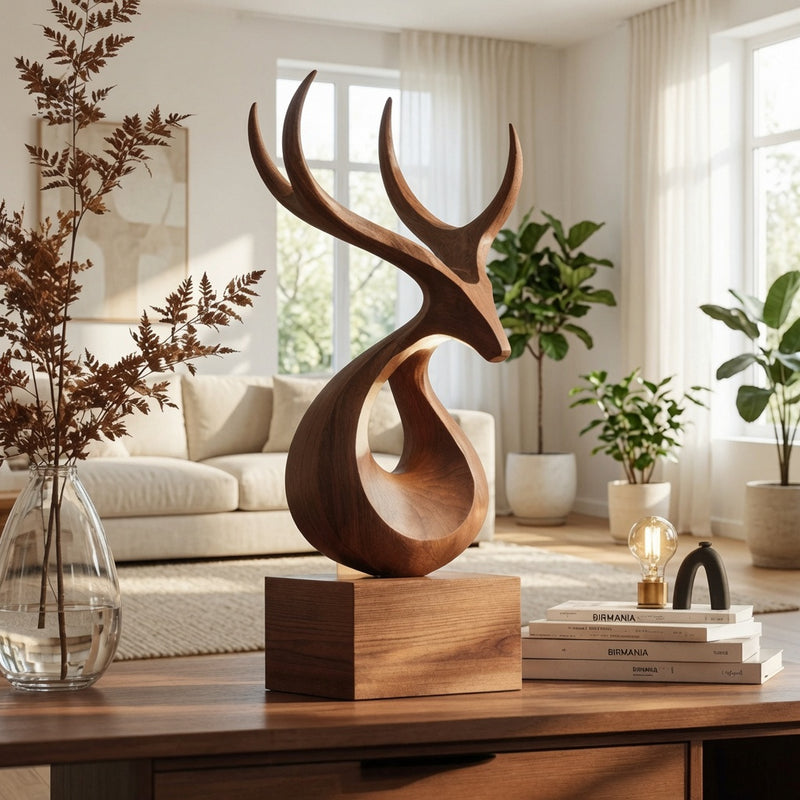
Abstract Deer Antler Solid Wood Sculpture Organic Modern Art Piece
by Ashdeco$1,234.00
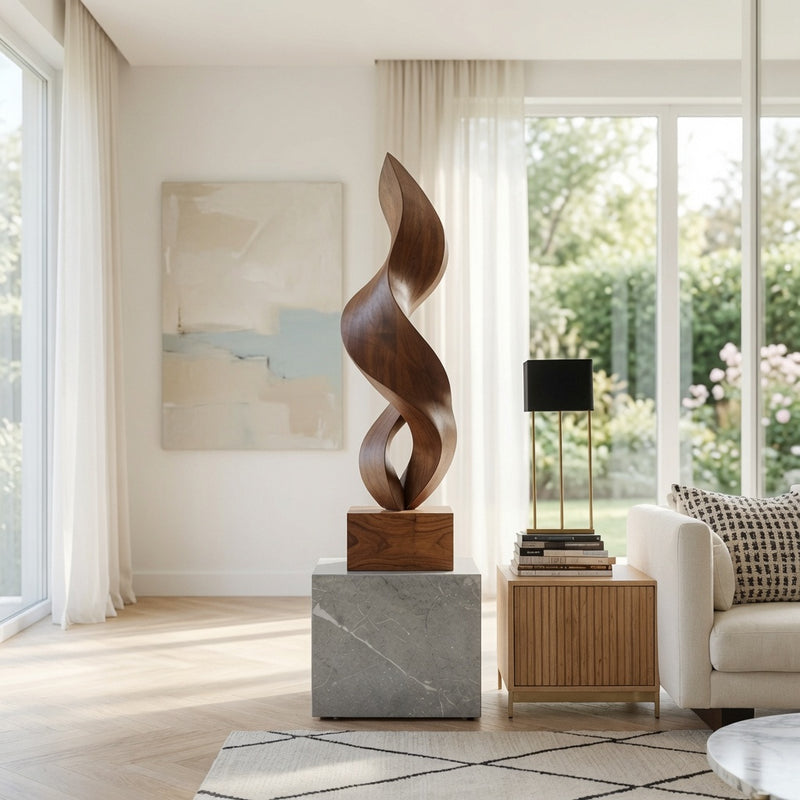
Abstract Twisted Solid Wood Floor Sculpture on Marble Base
by Ashdeco$1,234.00
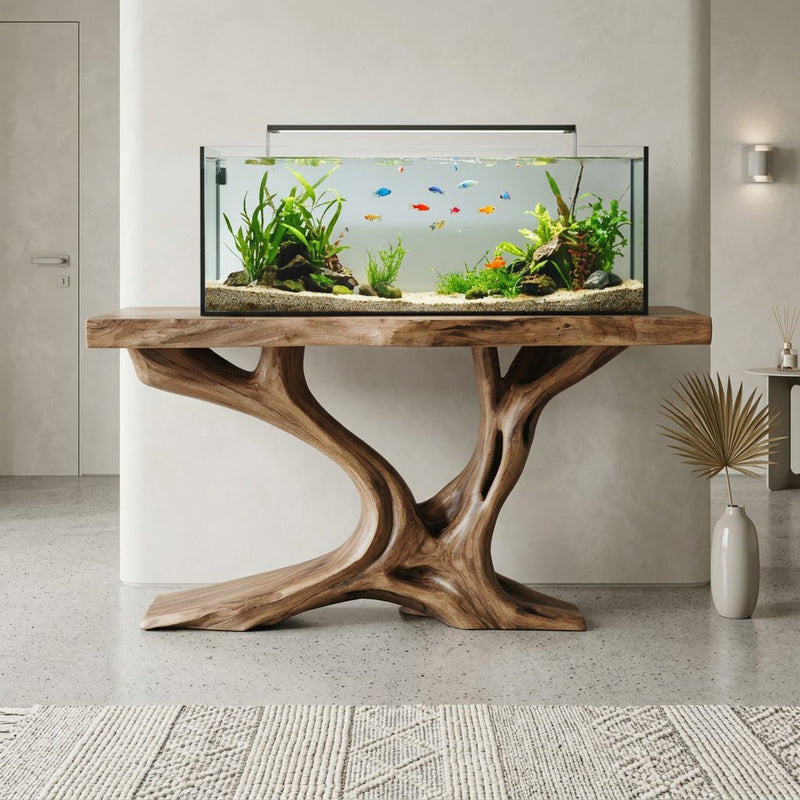
Sculptural Tree Branch Solid Wood Aquarium Stand Live Edge Console Table
by Ashdeco$1,654.00
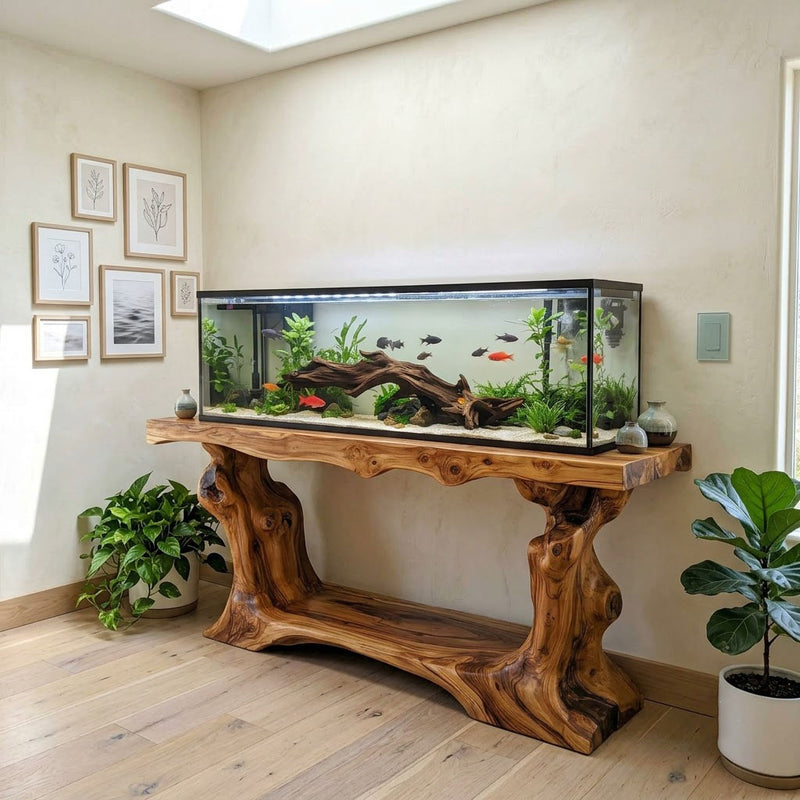
Rustic Live Edge Tree Root Solid Wood Aquarium Stand Heavy Duty Console Table
by Ashdeco$1,754.00
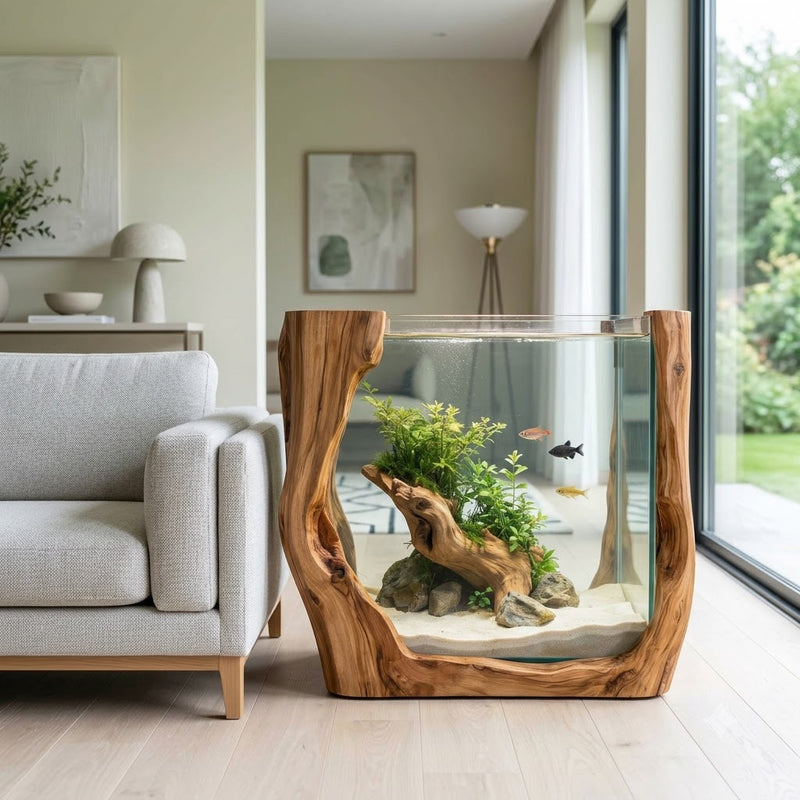
Sculptural U Shaped Solid Wood Aquarium Stand Organic Live Edge Fish Tank Base
by Ashdeco$1,276.00
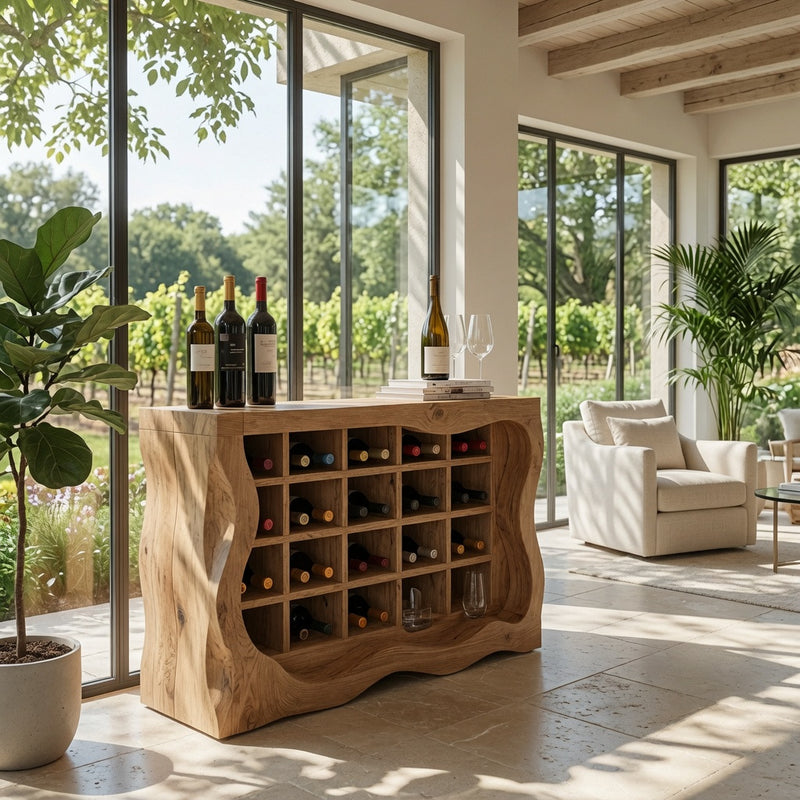
Organic Live Edge Solid Wood Sculptural Wine Cabinet
by Ashdeco$2,896.00
$2,606.40 with 10% off on $2,000+ orders
Handcrafted Live Edge Floating Bar Shelf – Rustic Solid Wood Wall Shelf for Kitchen or Bar
by Ashdeco$167.00
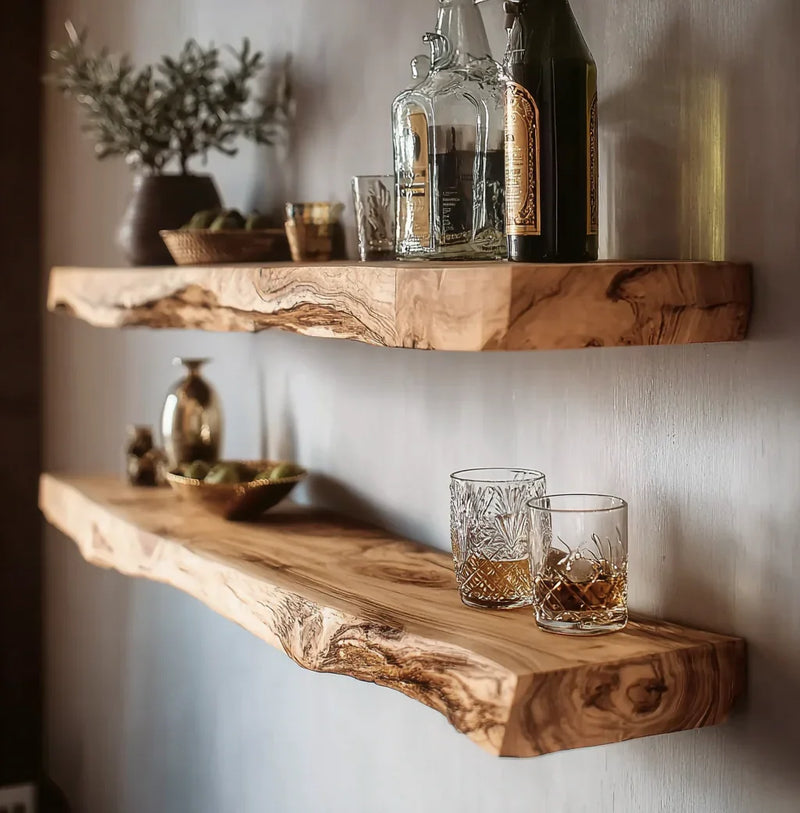
Handmade Live Edge Wood Shelf – Floating Wall Shelf for Whiskey Bar, Kitchen, or Entryway
by Ashdeco$167.00
Shoe Benches FAQ - Frequently Asked Questions
Quick answers for this collection.
What is a shoe bench?
A shoe bench is a dual-purpose piece of furniture that combines a seating bench with built-in shoe storage underneath. It is designed for entryways, mudrooms, and hallways, providing a place to sit while putting on or removing shoes, plus organized storage for the shoes themselves. Also called an entryway bench with shoe storage or entryway shoe bench.
How many pairs of shoes can a shoe bench hold?
Depending on the size, our shoe benches typically hold 6 to 12 pairs of shoes on the lower shelf or shelves. Larger models with multiple tiers can accommodate even more. Check individual product specifications for exact capacity.
Are wooden shoe benches sturdy enough to sit on?
Yes. Our wooden shoe benches are handcrafted from solid hardwood and built to support adult weight comfortably. Most models hold 250 to 500 lbs. Unlike flat-pack furniture from IKEA or Amazon, our benches use traditional mortise-and-tenon joinery and thick hardwood tops that resist flexing and sagging over time.
What wood is best for a shoe bench?
The best wood depends on your priority. Oak shoe benches are the classic choice, with bold grain pattern and high durability. Walnut offers a deeper, richer color. Teak is water-resistant and works near doorways where wet shoes enter. Acacia is lighter and more affordable while still being solid hardwood. All Ashdeco shoe benches use genuine hardwood, never particle board or MDF veneer.
What is the difference between a shoe bench and a hall tree?
A shoe bench focuses on seating with shoe storage underneath. A hall tree with shoe storage combines a shoe bench with added vertical features like coat hooks, a mirror, or an upper shelf. Hall trees work better in entryways where you need both seating and hanging storage in a single piece. Browse our hall trees collection for that style.
Modern shoe bench vs rustic shoe bench: which should I choose?
A modern shoe bench features clean lines, minimal ornamentation, and light or medium wood tones. Best for contemporary, Scandinavian, or japandi interiors. A rustic shoe bench emphasizes live edge cuts, visible knots, and darker wood tones. Best for farmhouse, cottagecore, or mountain-style homes. Both use the same solid wood construction. The choice comes down to your existing interior style.
Where should I place a shoe bench?
The most popular spot is the entryway or front hallway, right where people enter your home. Mudrooms, garage entries, and bedroom closet areas also work well. For additional seating options in different rooms, combine the bench with complementary console tables or coat racks.
What is the ideal size for an entryway shoe bench?
For most entryways, a bench 36 to 48 inches wide works well. Standard seat height is 17 to 19 inches, comfortable for sitting. Measure your space and allow at least 24 inches of clearance for comfortable seating. Narrow entryways can use compact 30 to 36 inch models. Larger mudrooms benefit from 48 to 60 inch benches with multiple storage compartments.
Is there a difference between a shoe bench and a shoe rack?
Yes. A shoe bench is primarily seating with storage underneath. A shoe rack is storage only, with no seating. If you want to sit down to put on shoes, choose a shoe bench. If you only need shoe storage and have limited floor space, a shoe rack fits vertically into closets and narrow walls. Some of our products combine both functions as a wooden shoe storage bench.
How do I clean and maintain a wooden shoe bench?
Wipe with a damp cloth for daily cleaning. For deeper maintenance, use a wood-safe cleaner every few months. Our benches come pre-finished with protective coatings, but you can reapply wood oil or wax once a year for added protection. Avoid harsh chemicals and excessive water, which can damage the finish over time.
Can a shoe bench be used outdoors?
Some of our shoe benches are suitable for covered outdoor areas like porches and covered patios. Teak and acacia versions handle moisture better than oak or walnut. Look for models specifically noted as outdoor-friendly. For fully exposed outdoor use, choose teak or sealed hardwoods only.
What makes a handcrafted shoe bench worth the investment?
Mass-produced shoe benches often use particle board that sags, wobbles, and falls apart within a year or two. Our solid wood shoe benches are built to last decades. They are real furniture, not flat-pack, and age beautifully over time rather than breaking down. Each piece is handcrafted by Vietnamese artisans with visible grain, traditional joinery, and hand-finished surfaces.