












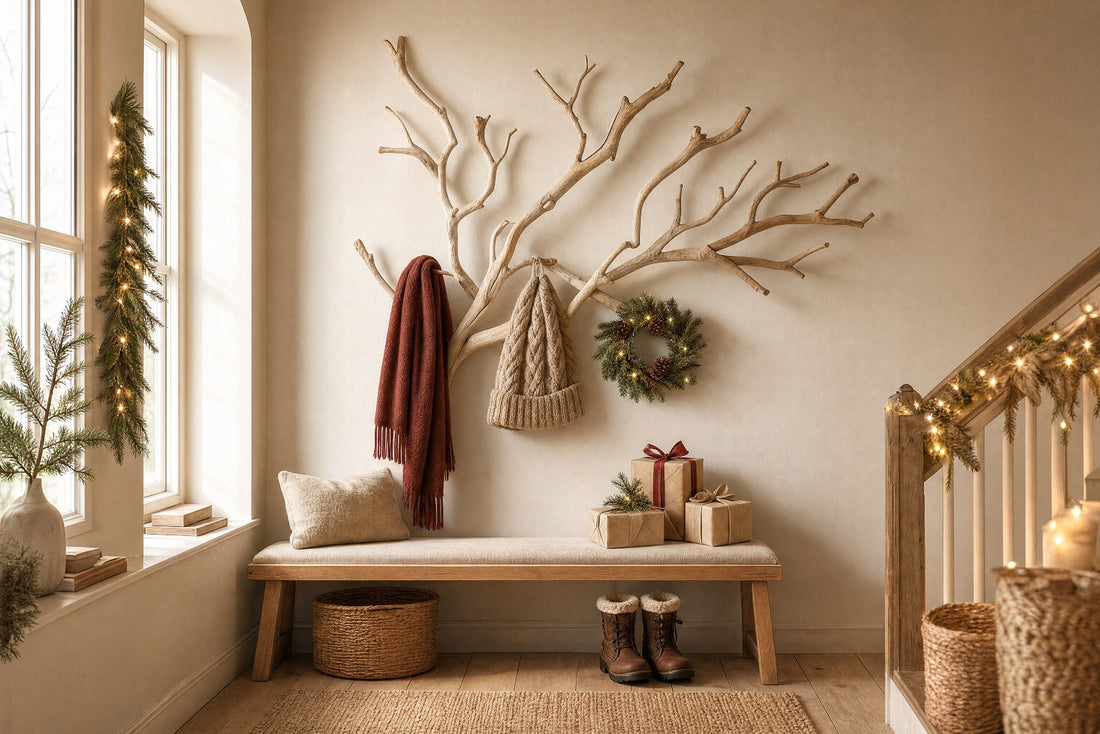


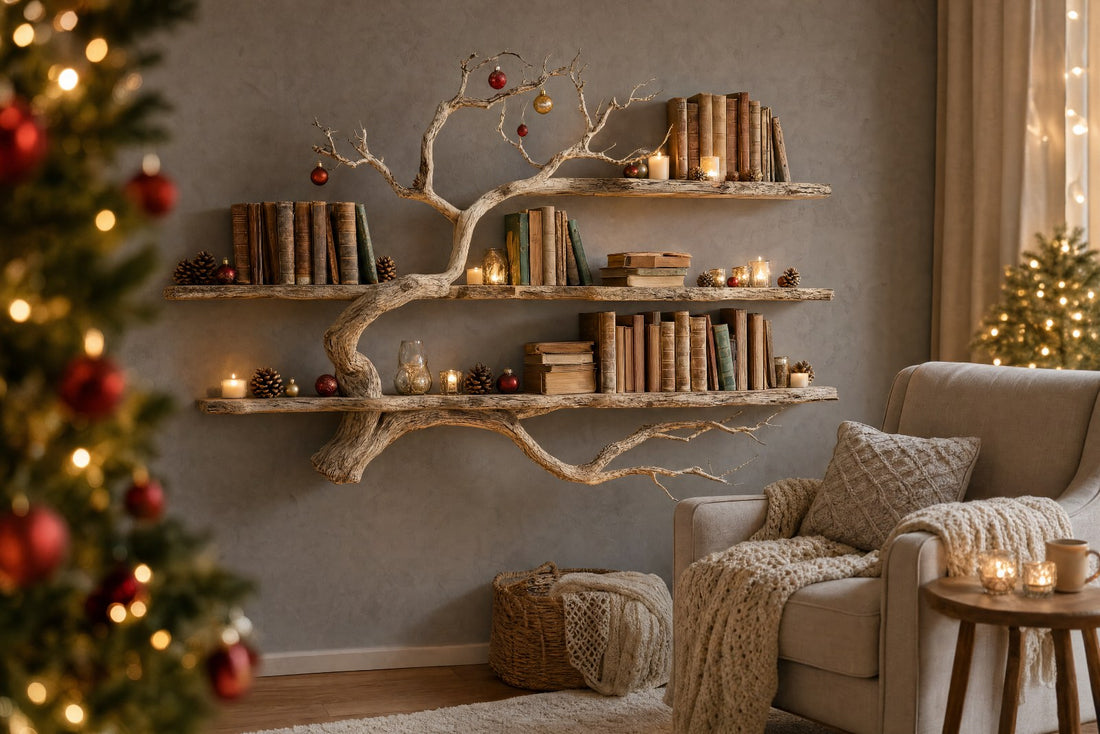


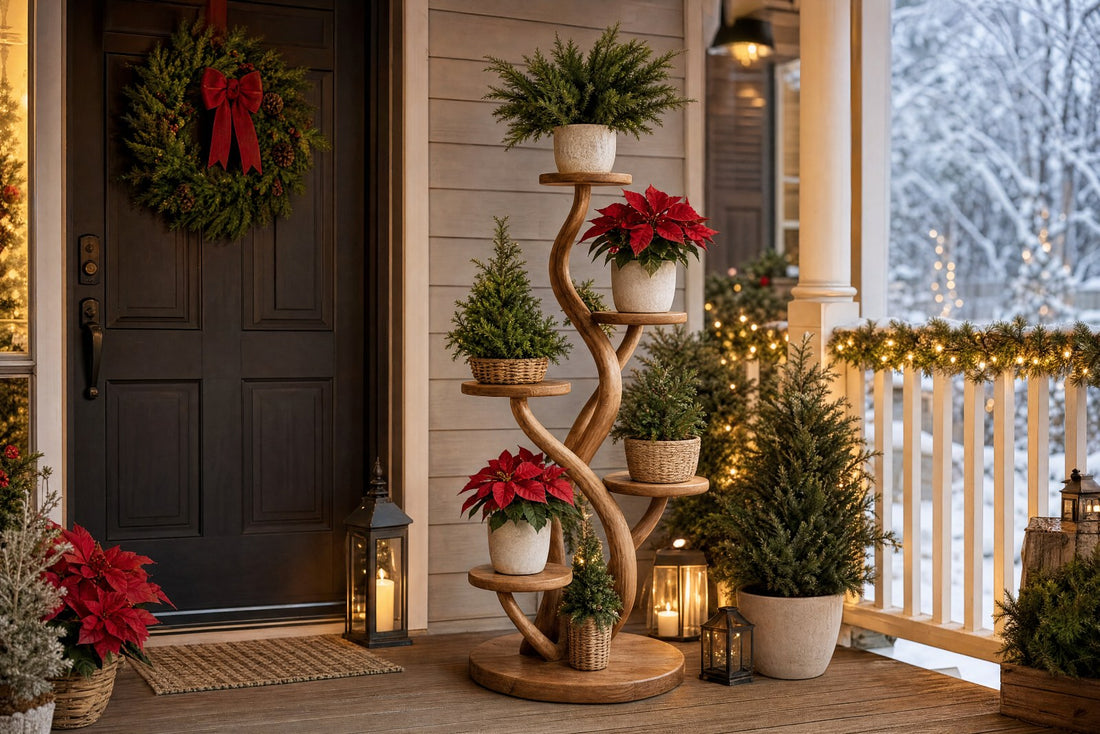


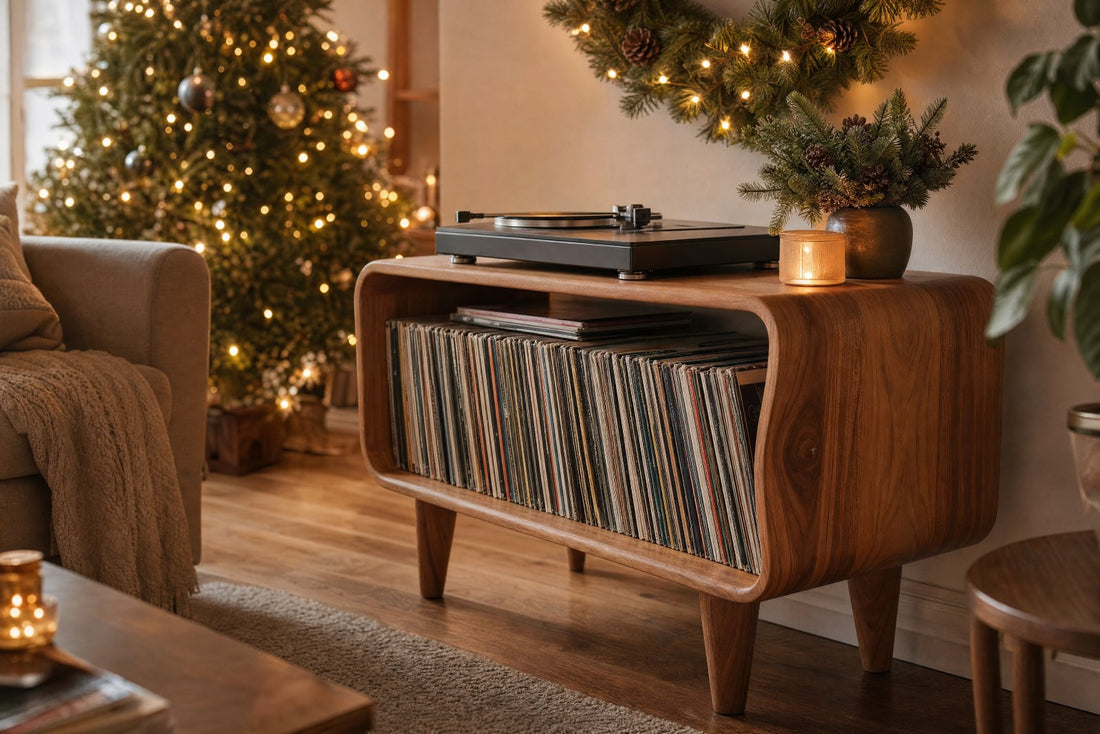


Wood benches are a timeless and versatile choice for any living space, combining functionality with natural beauty. Perfect for seating, storage, or decorative purposes, these benches enhance both modern and traditional interiors. When browsing benches furniture, explore popular options like branch benches for artistic home décor or shoe benches for practical entryway organization. In this guide, we’ll highlight the key benefits of wood benches, share expert care tips, and explain why Ashdeco is the ultimate destination for premium-quality wooden furniture.
Wood Benches
Shop for your celebration


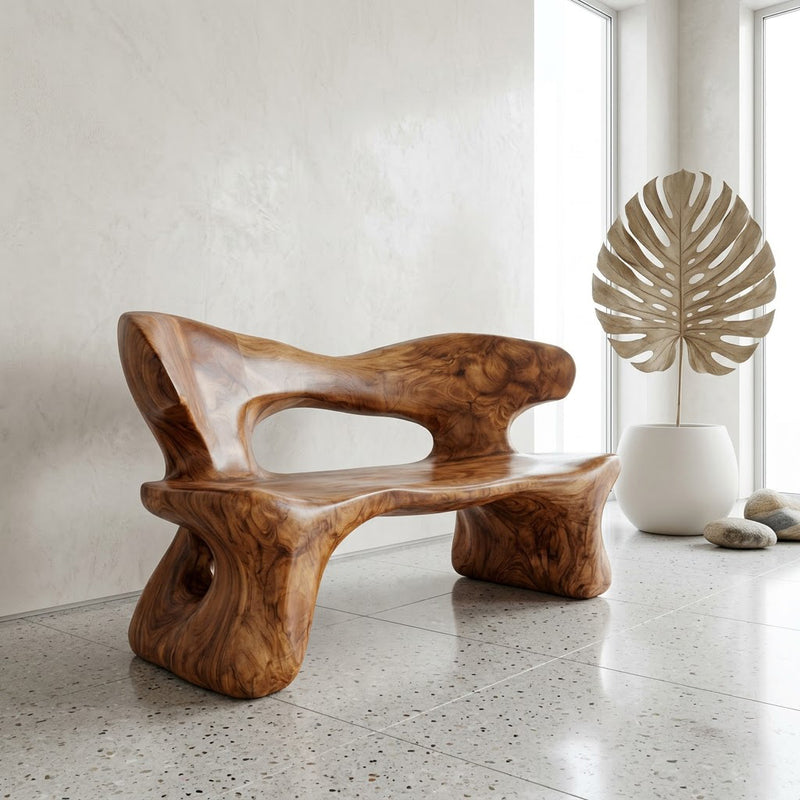
Biomorphic Solid Wood Sculptural Bench - Hand-Carved Fluid Form Art Settee
Ashdeco
$2,002.00
$1,801.80 with 10% off on $2,000+ orders
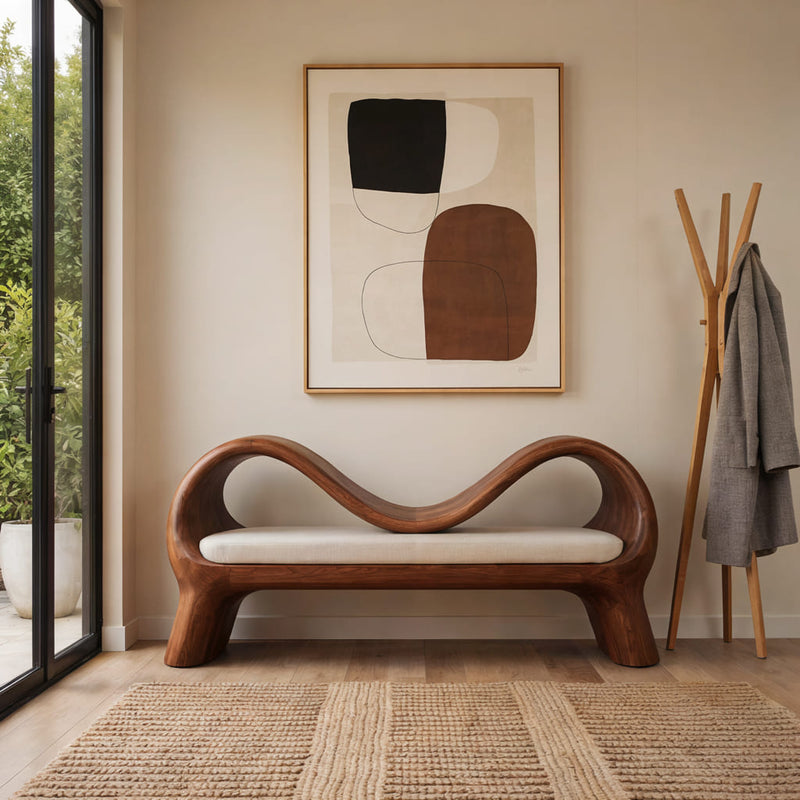
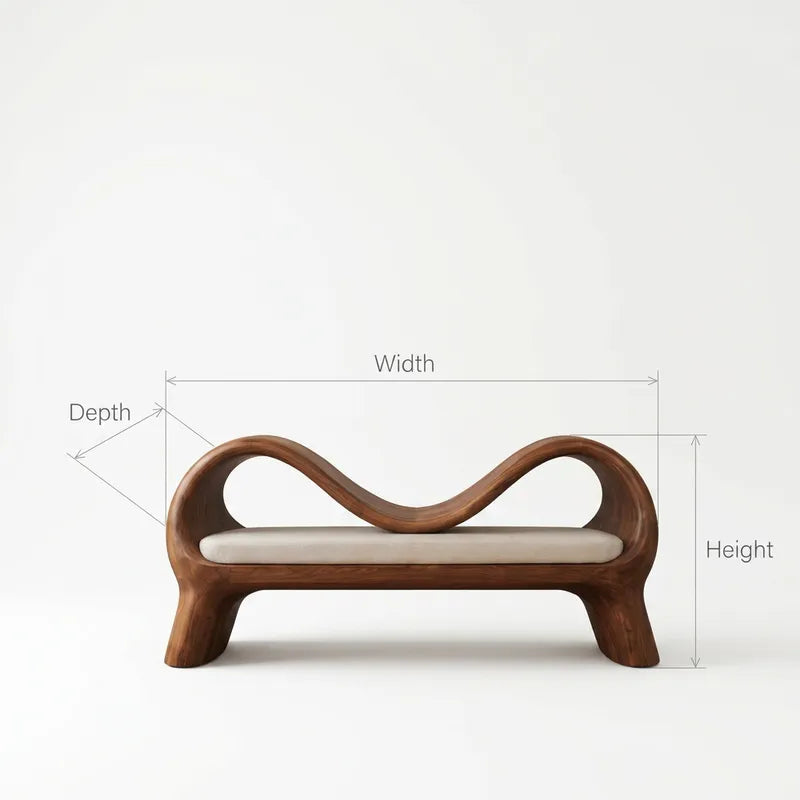
Double Wave Arch Entryway Bench - Solid Wood Sculptural Accent
Ashdeco
$3,276.00
$2,948.40 with 10% off on $2,000+ orders
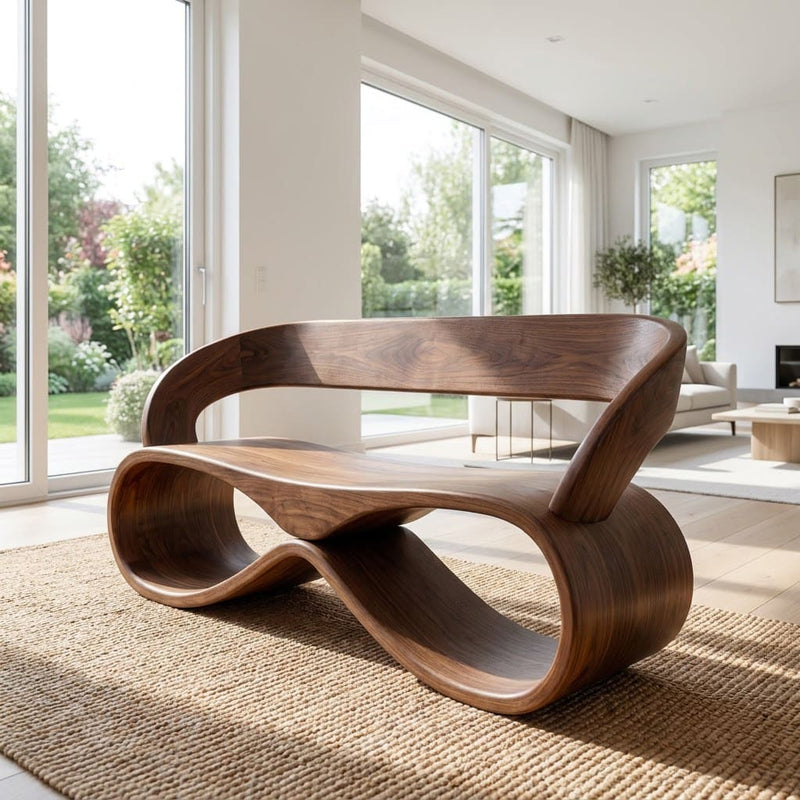
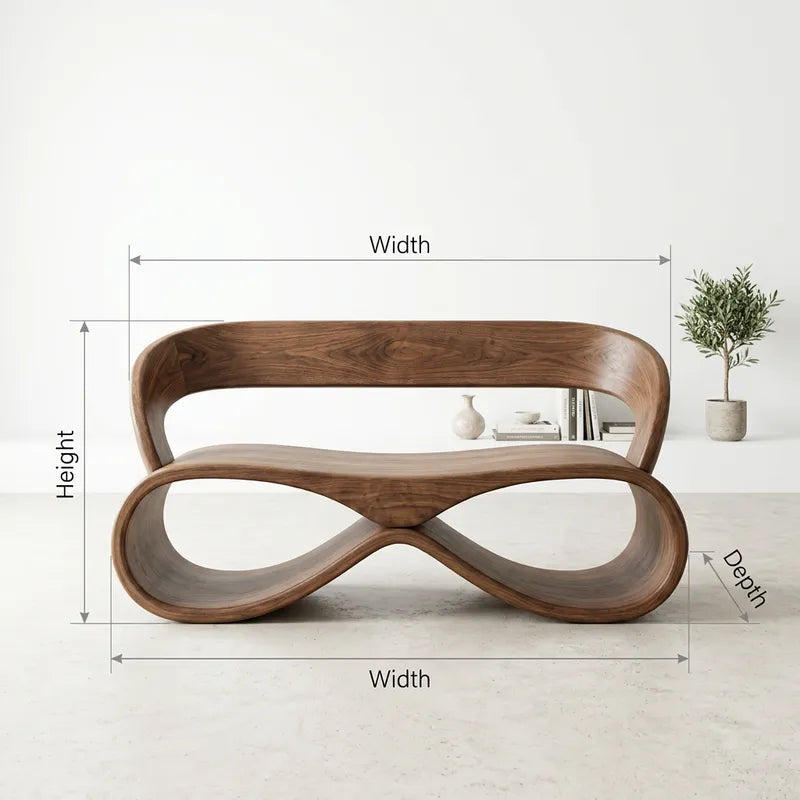
Infinity Loop Solid Wood Bench - Curved Sculptural Settee
Ashdeco
$3,276.00
$2,948.40 with 10% off on $2,000+ orders
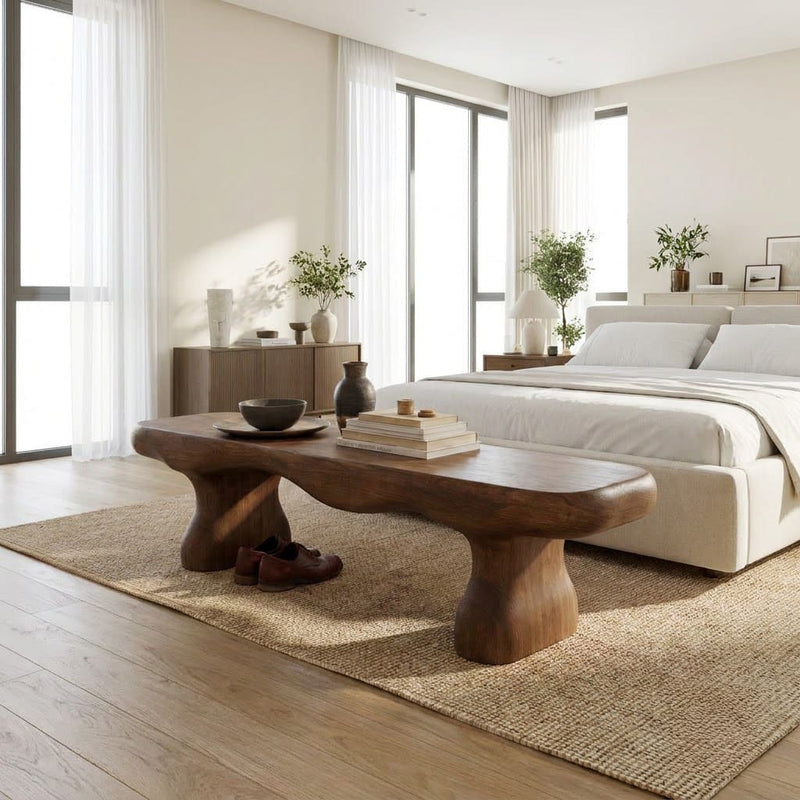
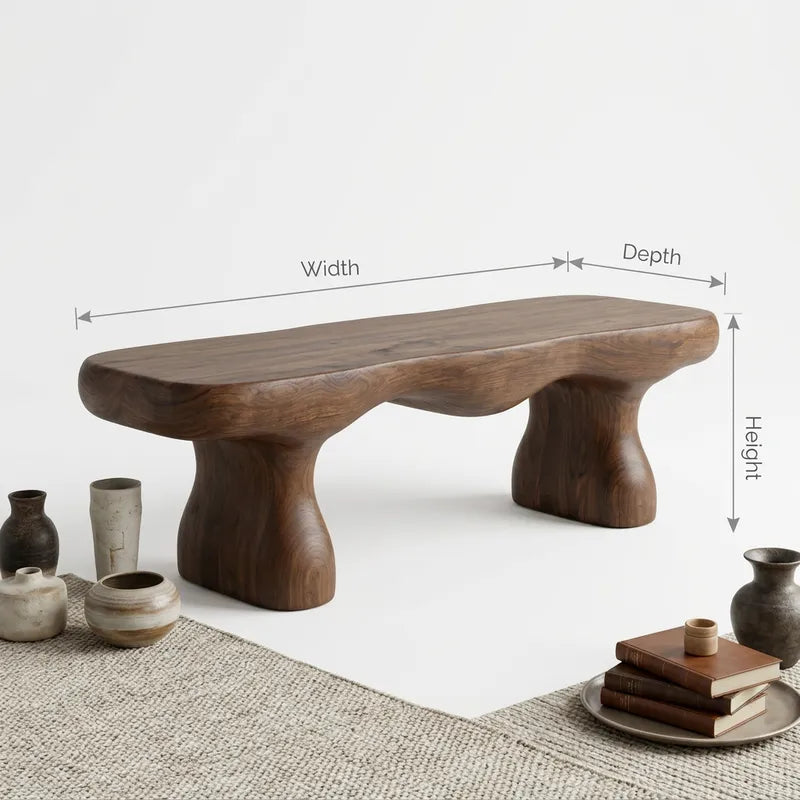
Sculptural Chunky Solid Wood Bed-End Accent Bench & Low Table
Ashdeco
$1,527.00
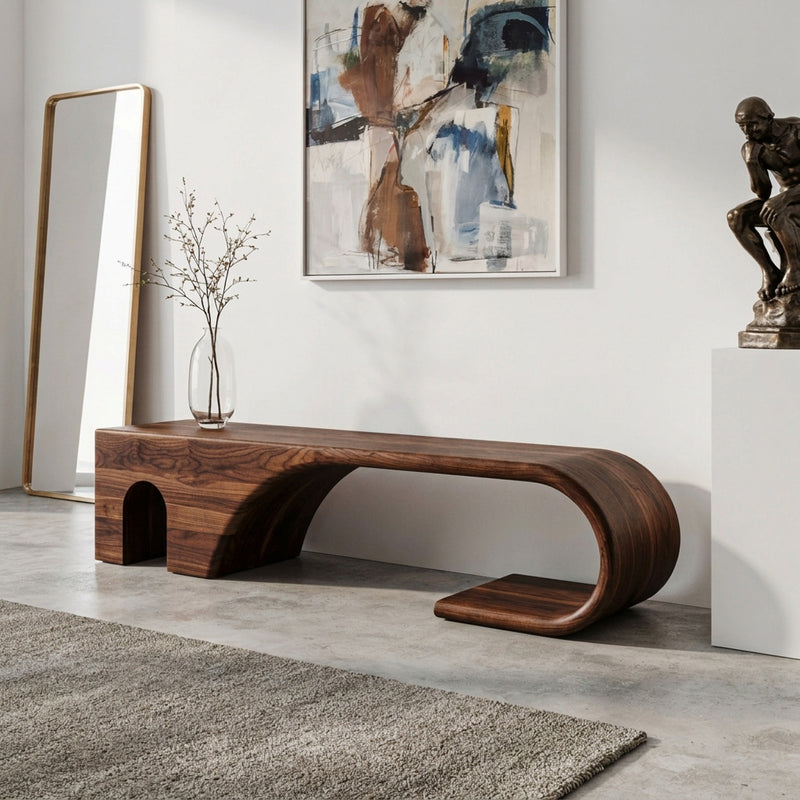
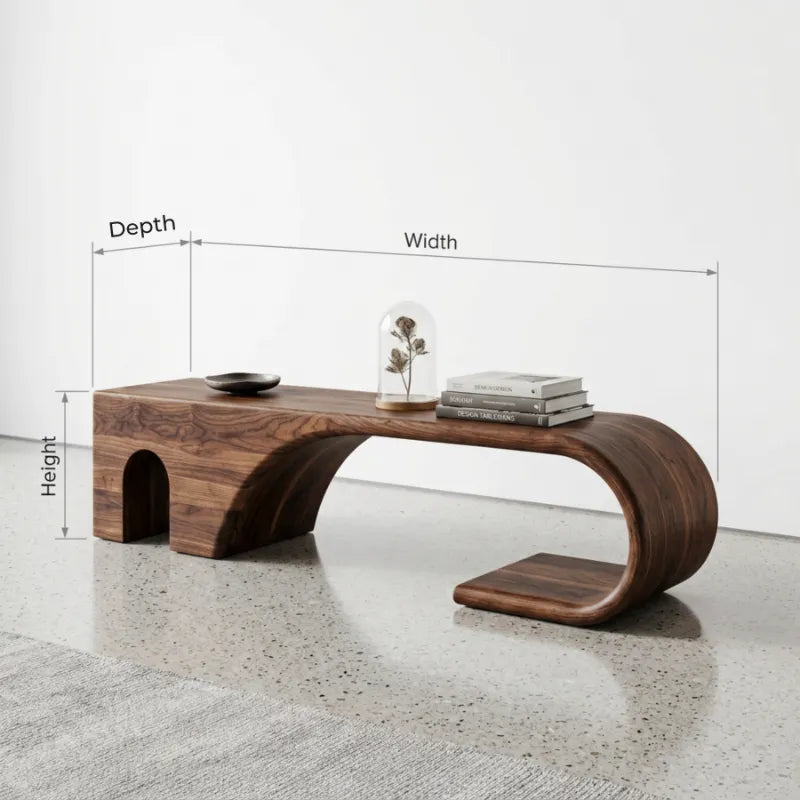
Unique Curved Solid Wood Entry Bench
Ashdeco
$2,634.00
$2,370.60 with 10% off on $2,000+ orders
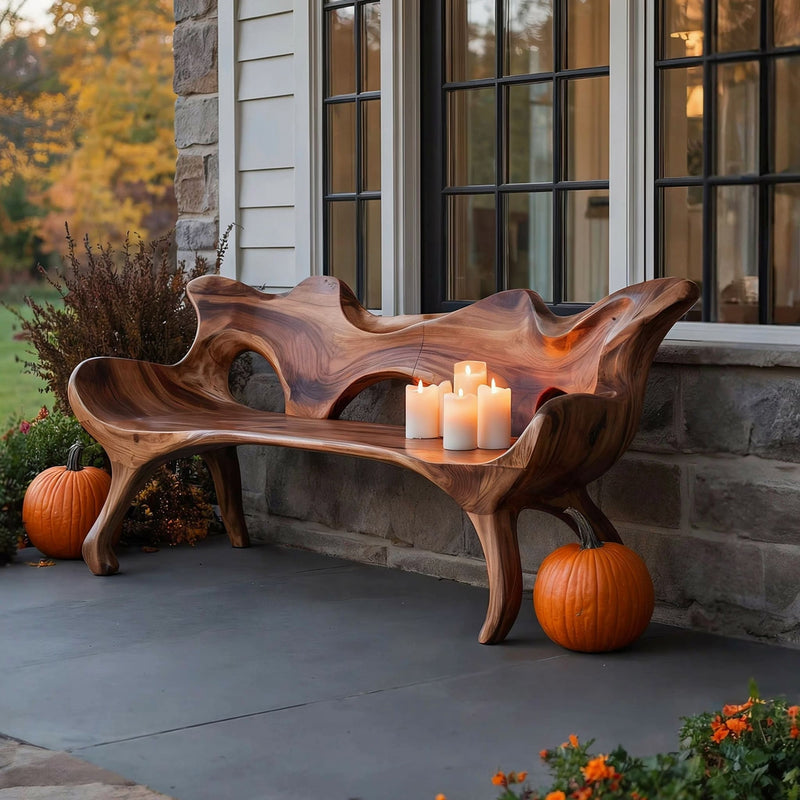
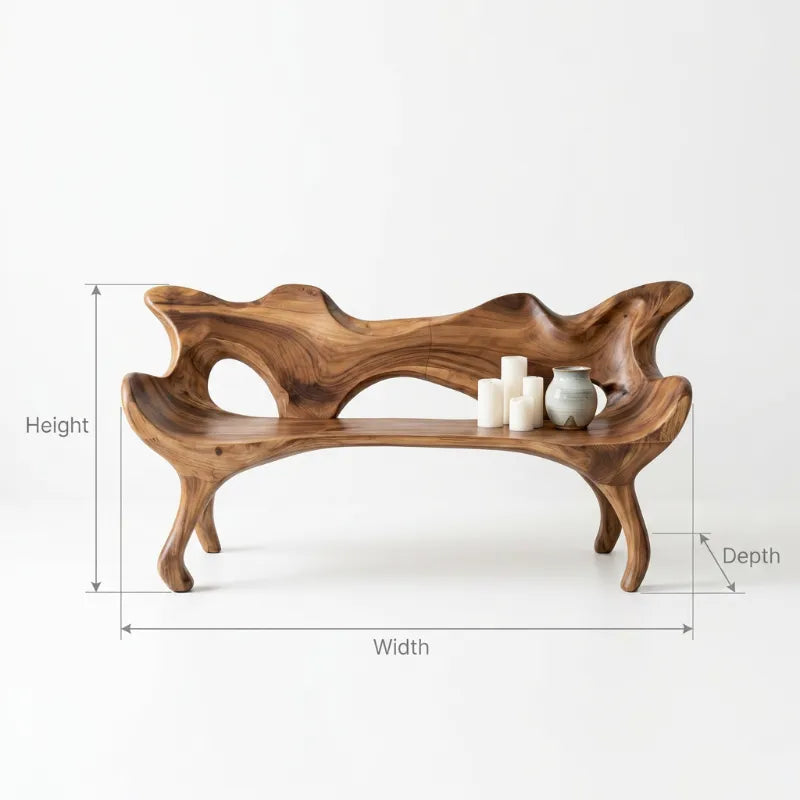
Organic Live Edge Solid Wood Halloween Sculptural Bench
Ashdeco
$2,234.00
$2,010.60 with 10% off on $2,000+ orders
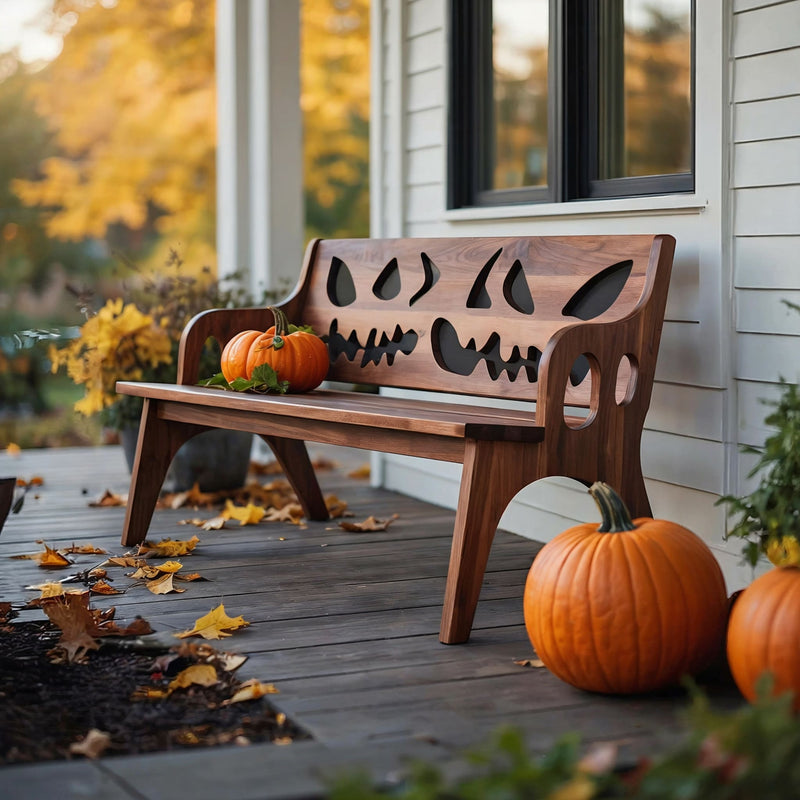
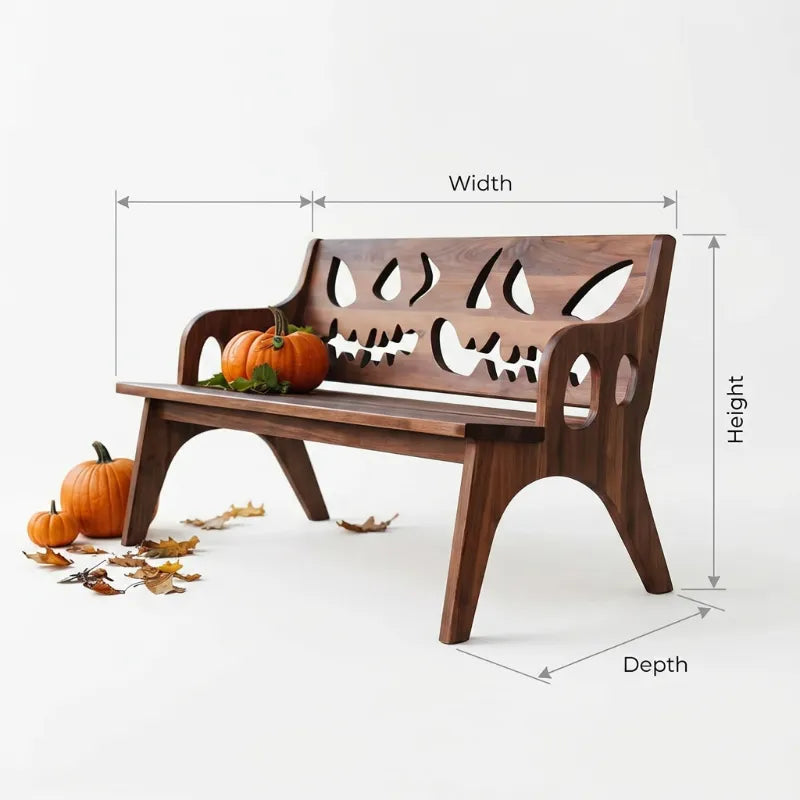
Halloween Jack-o'-Lantern Solid Wood Bench – Spooky Organic Outdoor Bench
Ashdeco
$2,234.00
$2,010.60 with 10% off on $2,000+ orders
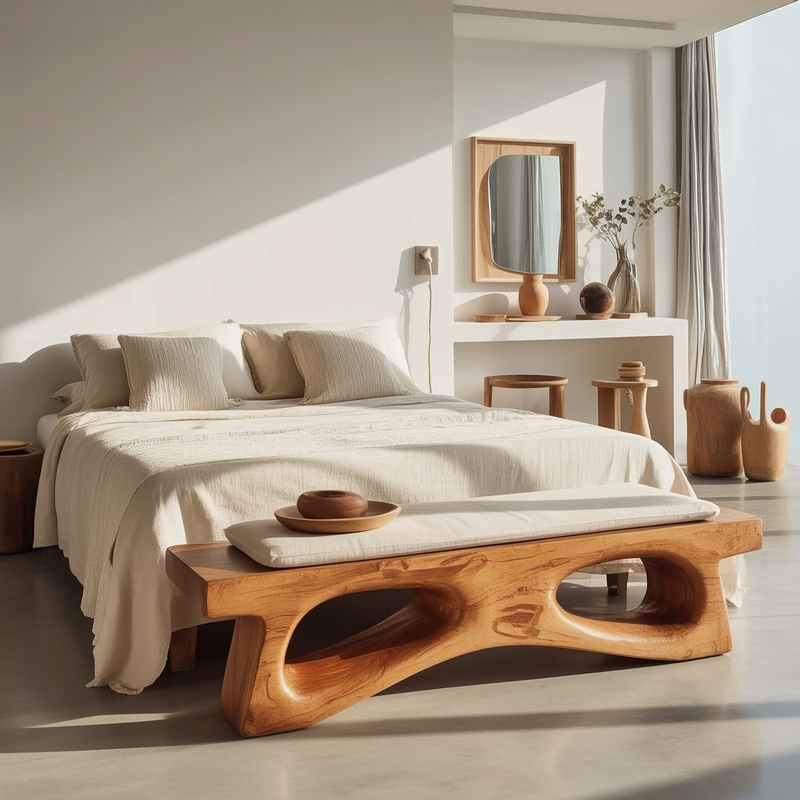
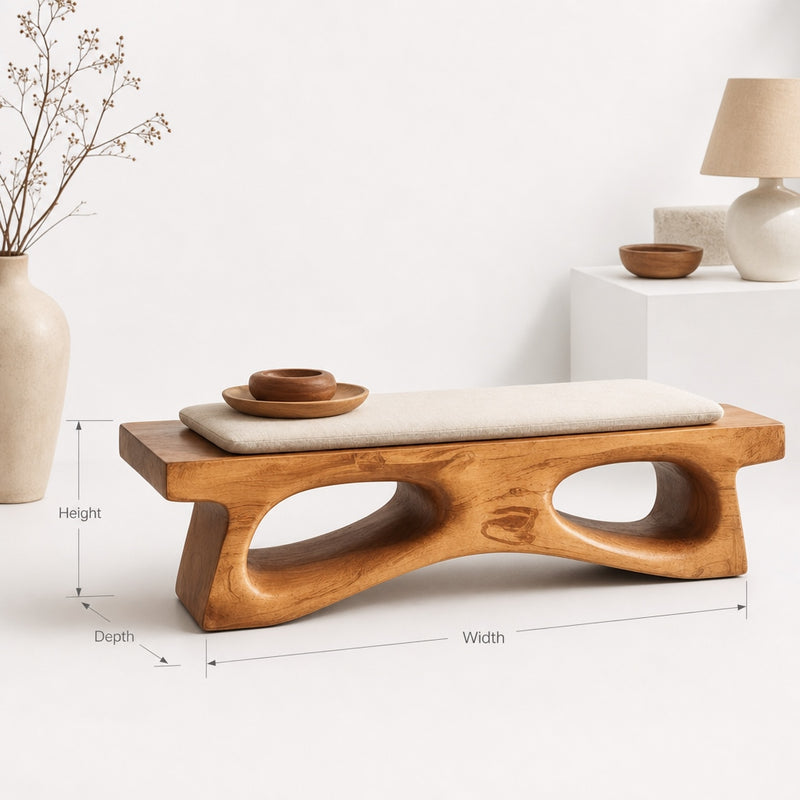
Organic Live Edge Solid Wood Bedroom Bench
Ashdeco
$2,234.00
$2,010.60 with 10% off on $2,000+ orders
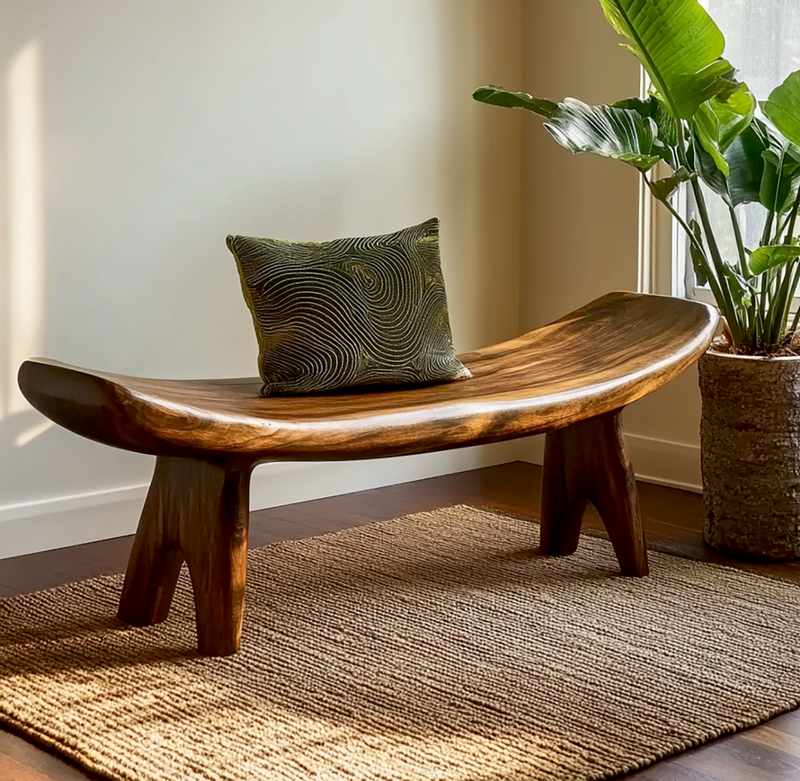
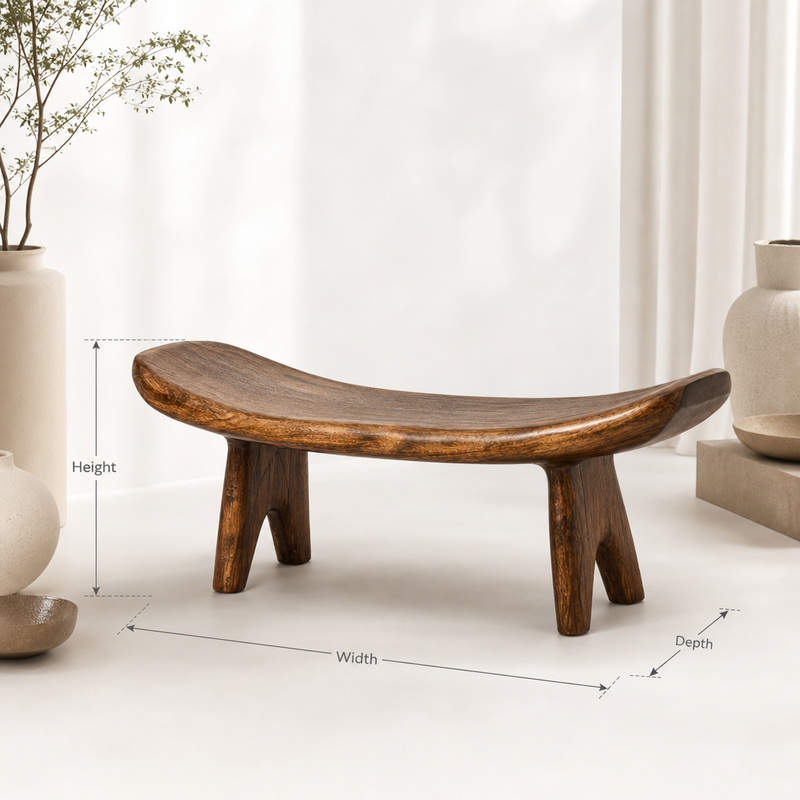
Minimalist Organic Wood Bench – Hand-Carved Sculptural Seating for Bedroom & Entryway
Ashdeco
$2,534.00
$2,280.60 with 10% off on $2,000+ orders
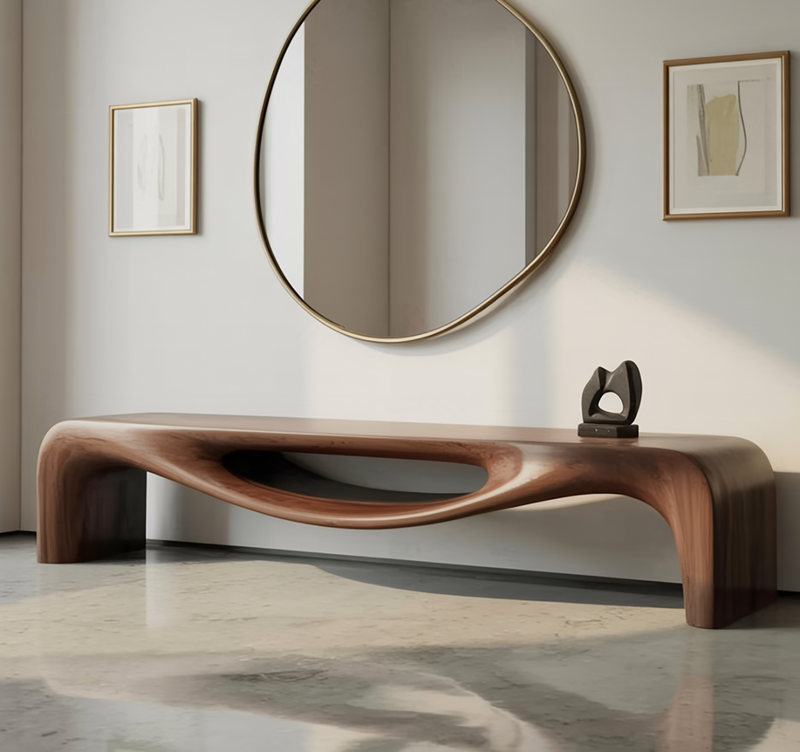
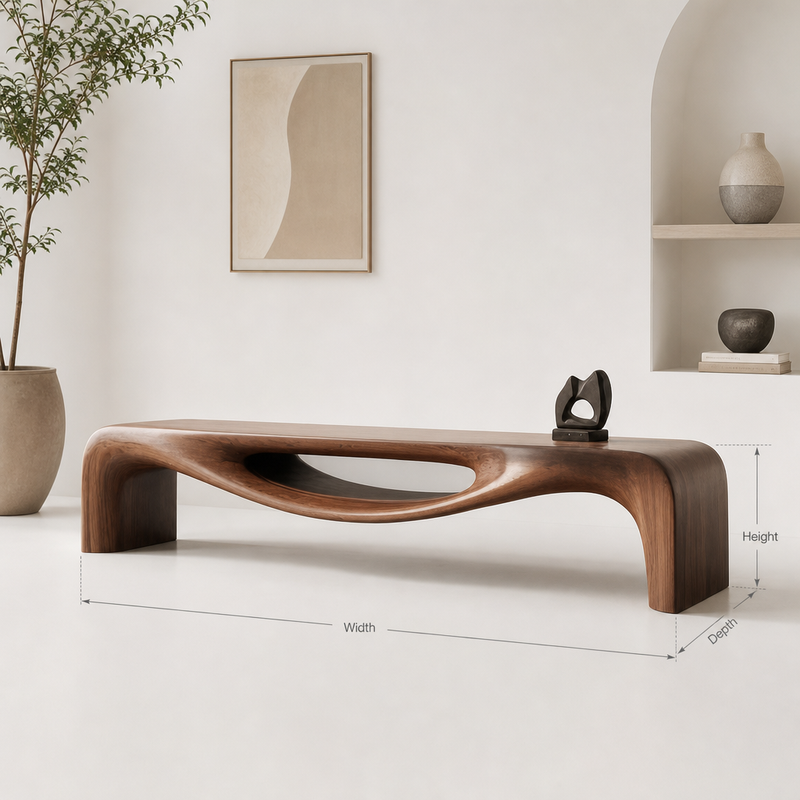
Unique Organic Shape Solid Wood Sculptural Entryway Bench
Ashdeco
$2,534.00
$2,280.60 with 10% off on $2,000+ orders
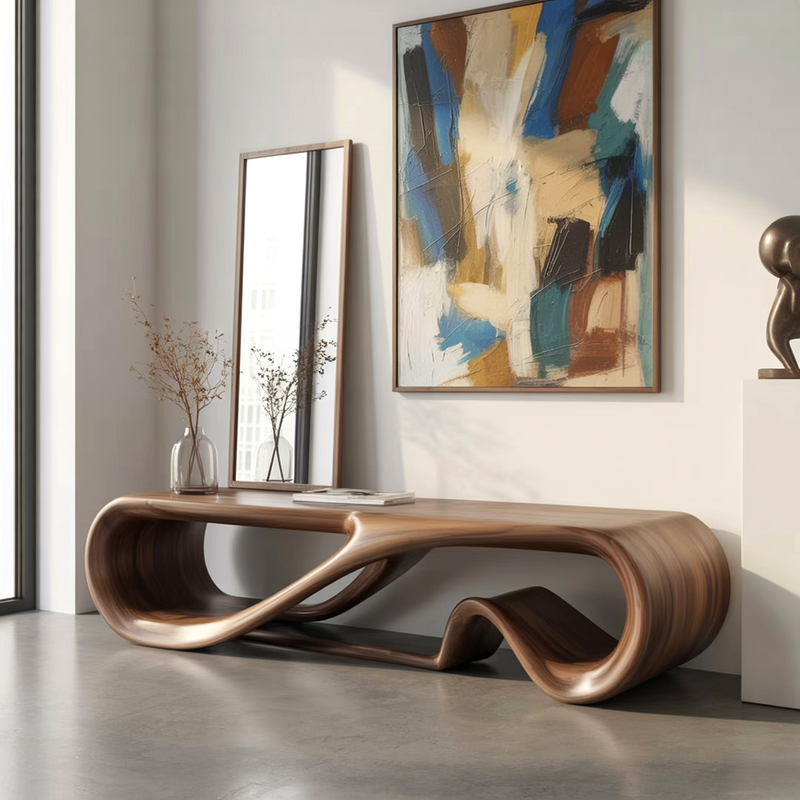
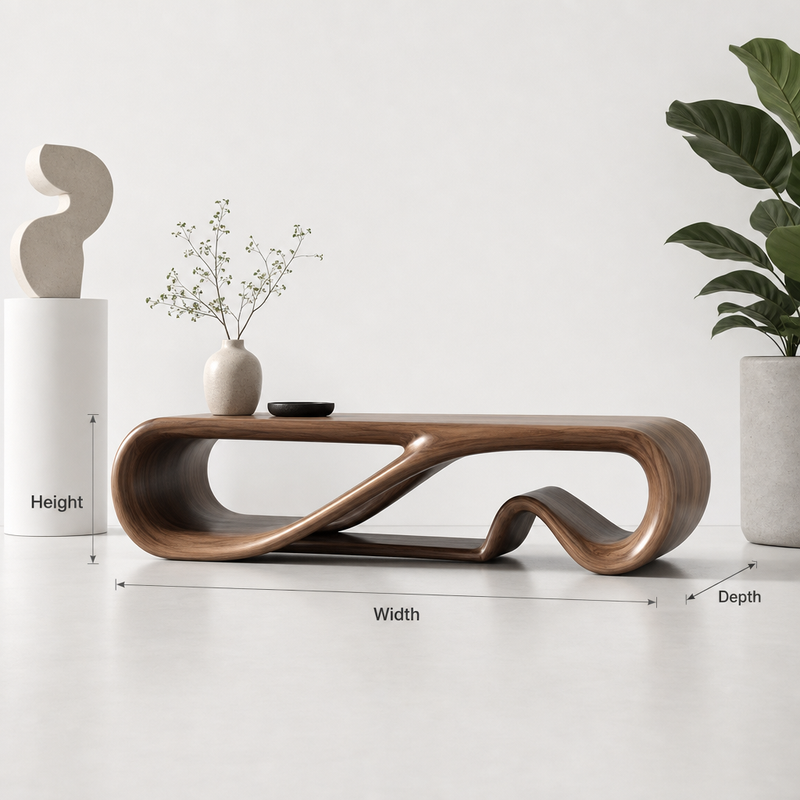
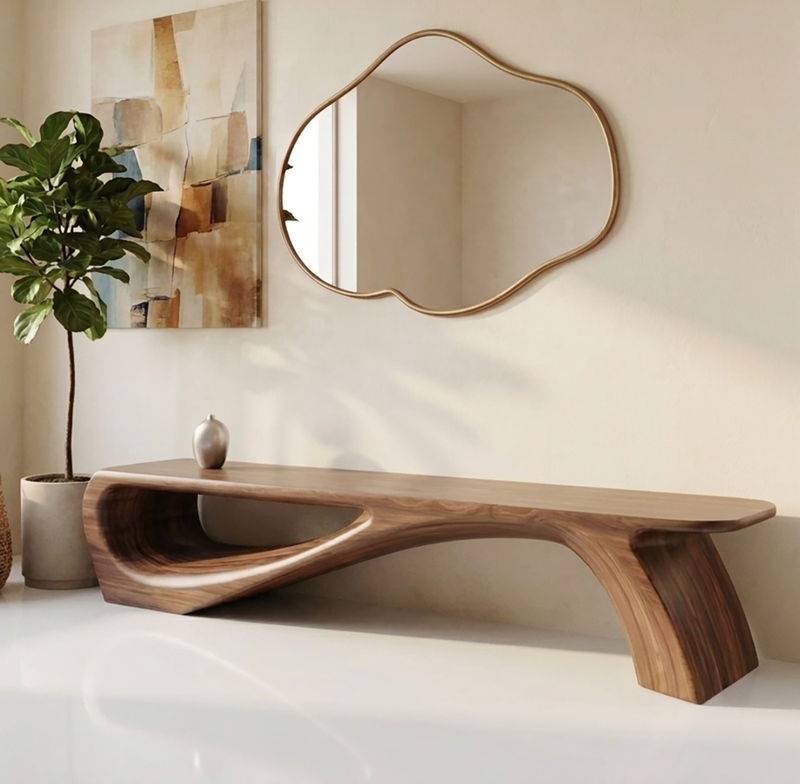
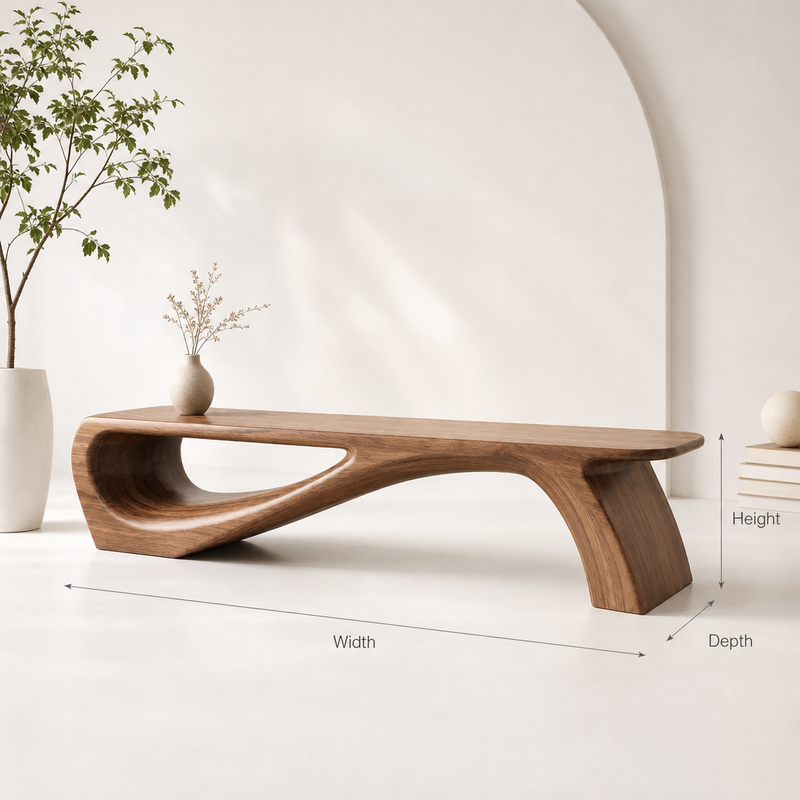
Handcrafted Solid Wood Sculptural Bench – Organic Wave Design
Ashdeco
$3,297.00
$2,967.30 with 10% off on $2,000+ orders
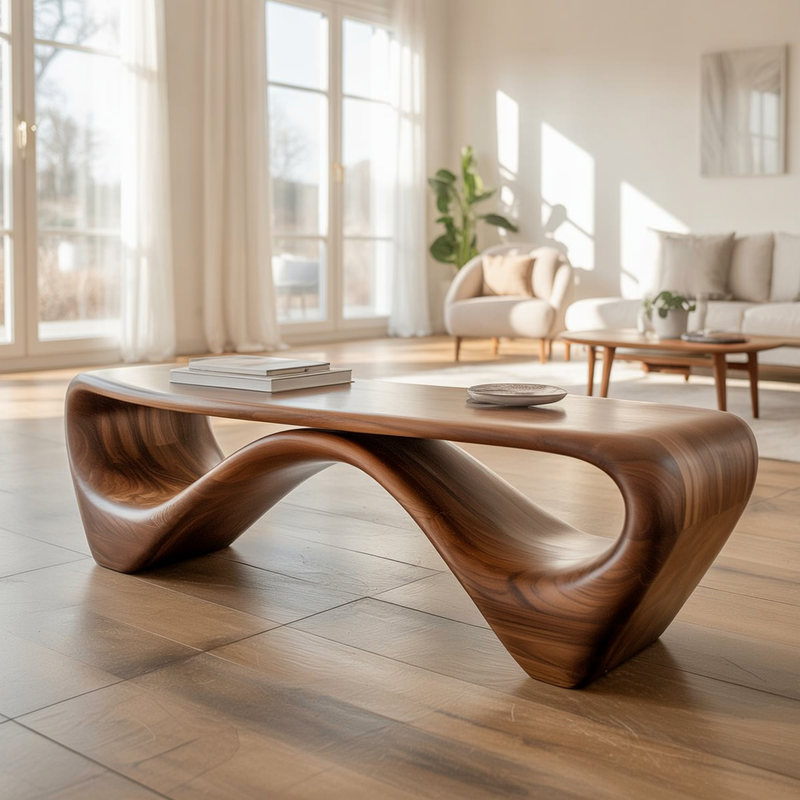
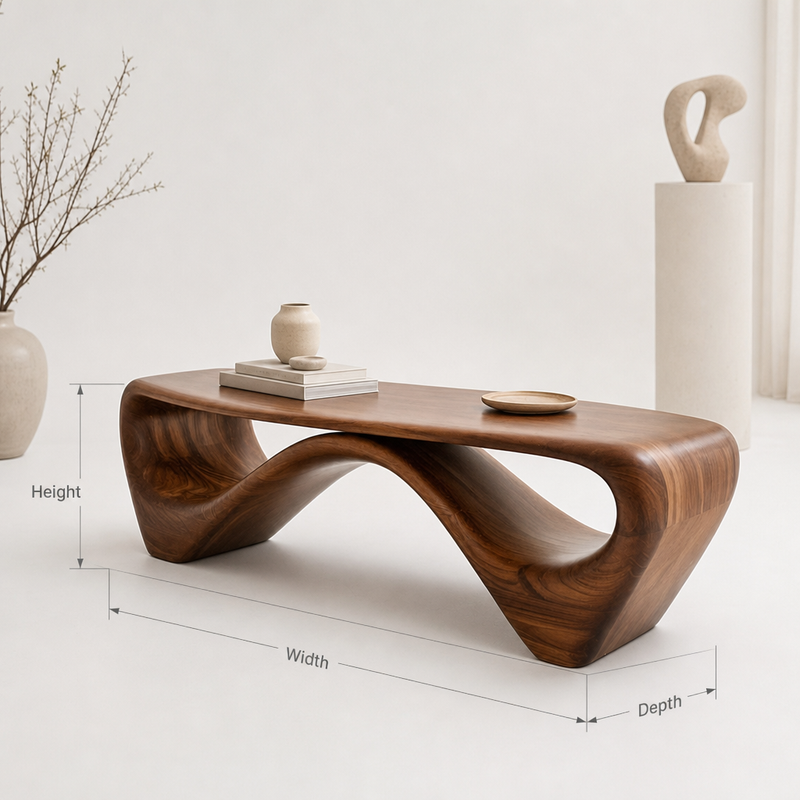
Handcrafted Solid Wood Artistic Wood Bench – Soft Organic Wave Silhouette
Ashdeco
$2,534.00
$2,280.60 with 10% off on $2,000+ orders
Solid Walnut Sculptural Bench, Mid-Century Modern Organic Entryway Seating
Ashdeco
$1,876.00
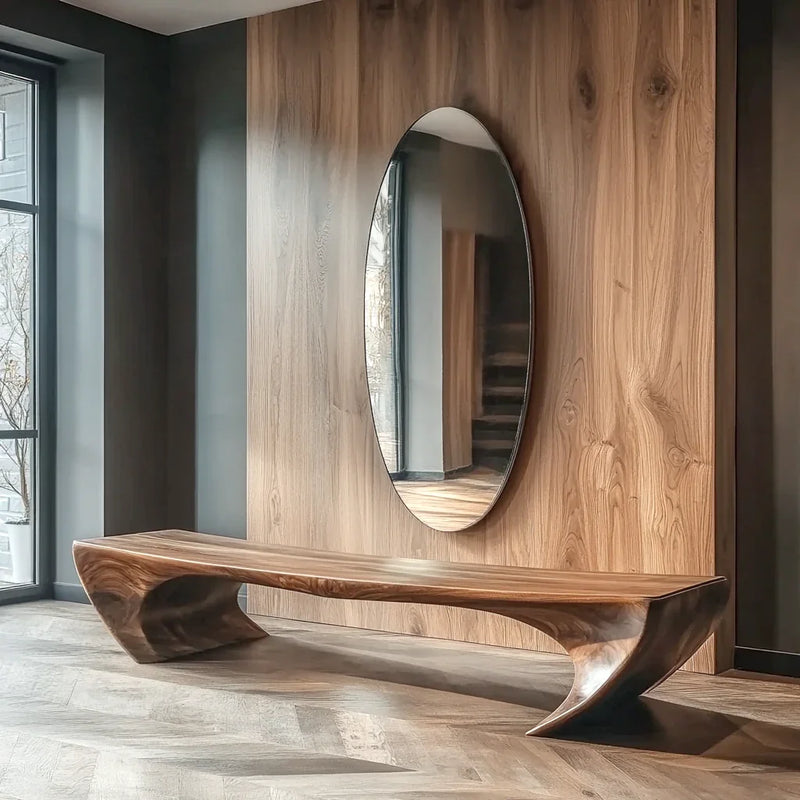
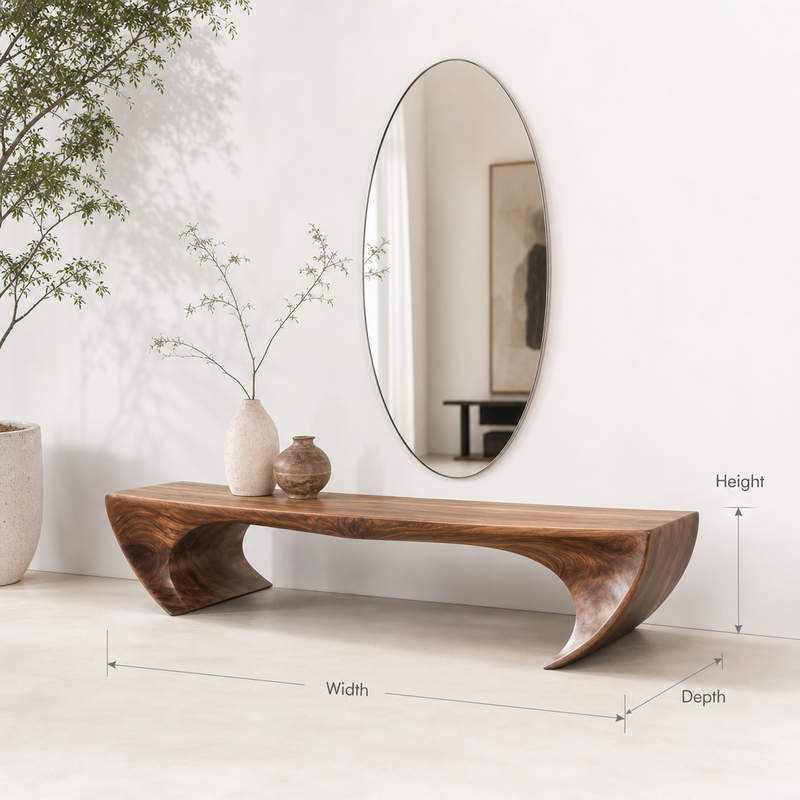
Modern Sculptural Bench With Organic Design For Entryway
Ashdeco
$1,688.00
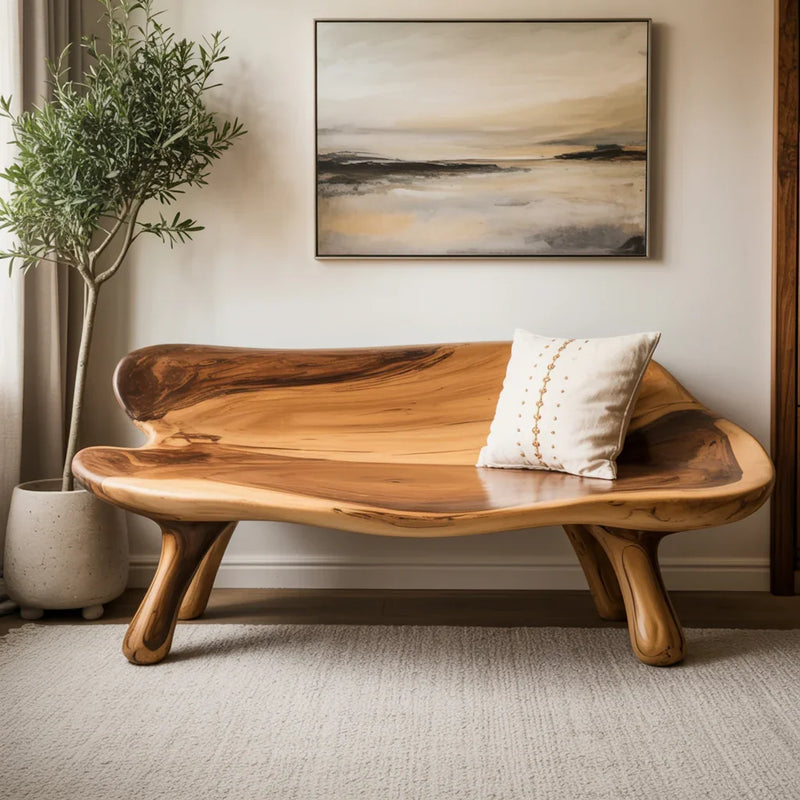
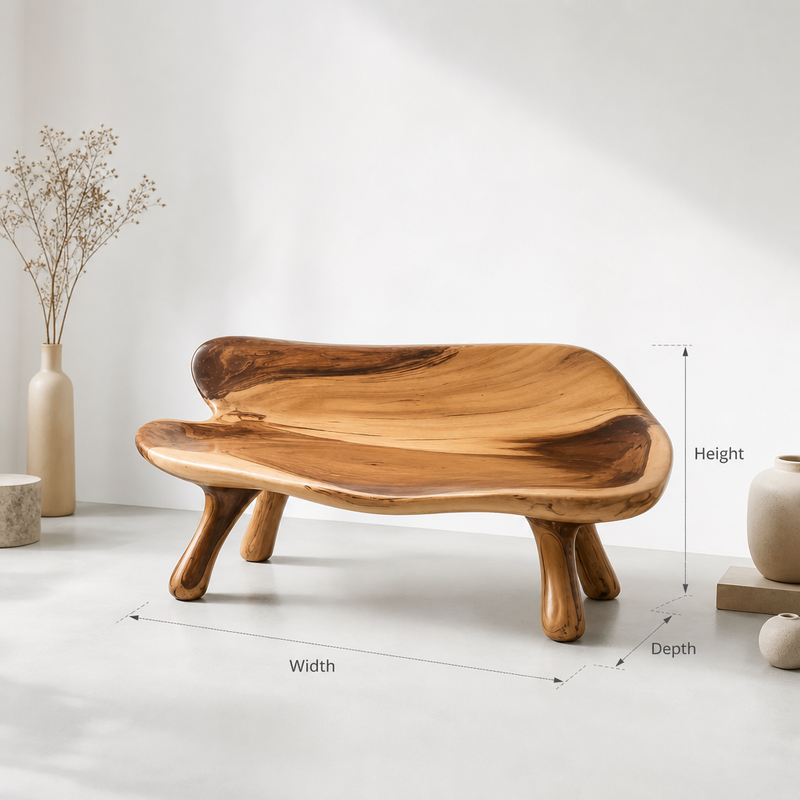
Sturdy Wooden Bench For Comfortable Seating
Ashdeco
$2,434.00
$2,190.60 with 10% off on $2,000+ orders
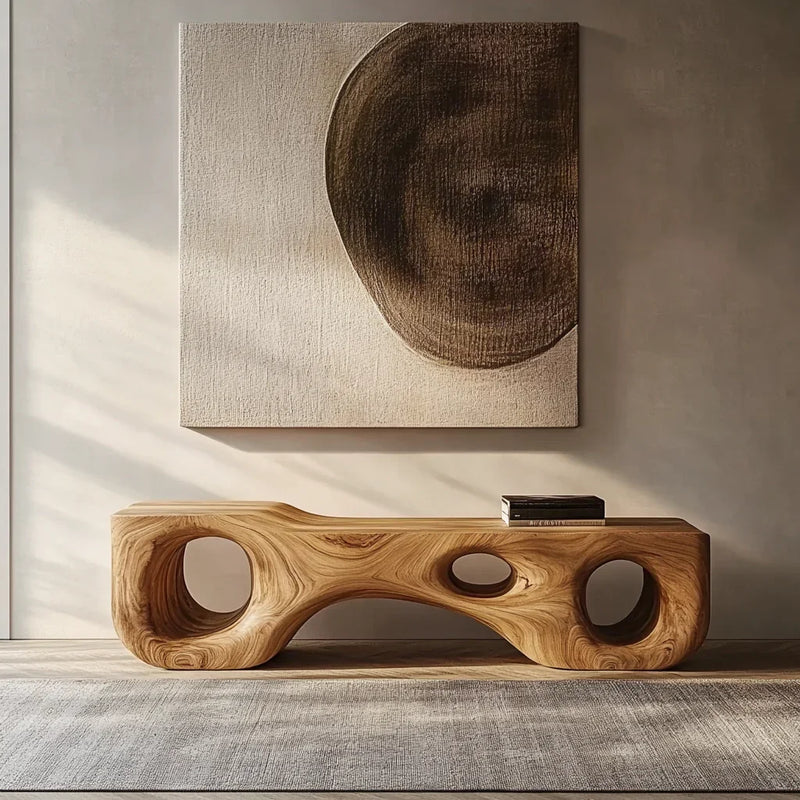
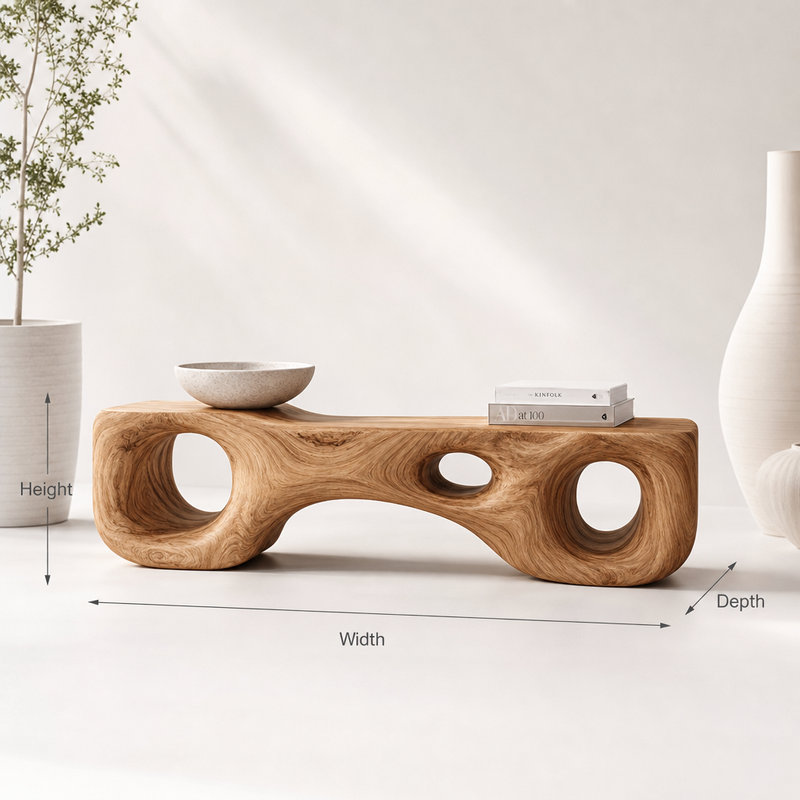
Handcrafted Sculptural Bench For Bedroom Or Entryway
Ashdeco
$1,567.00
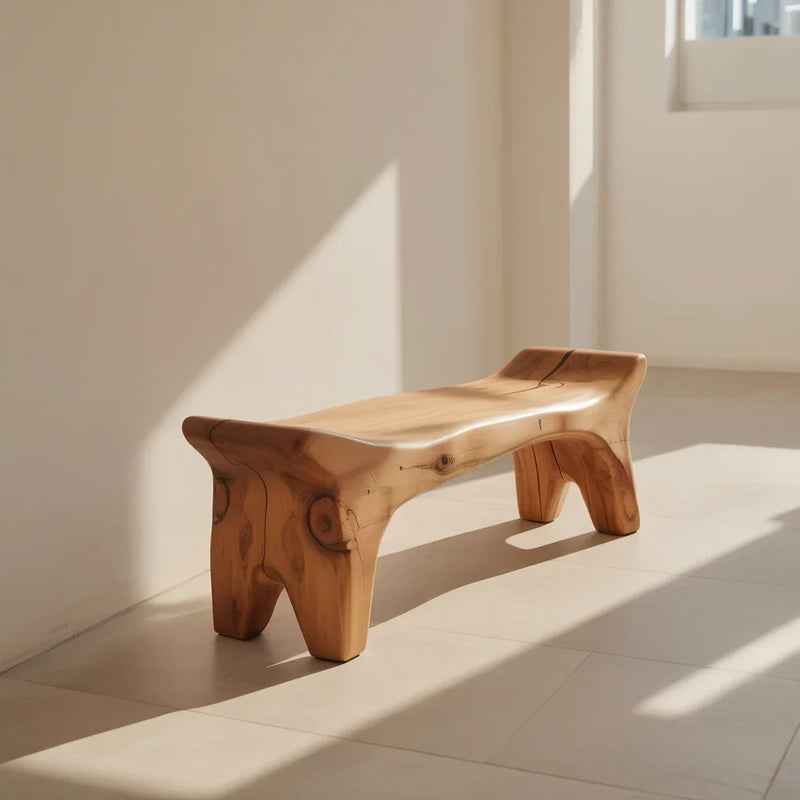
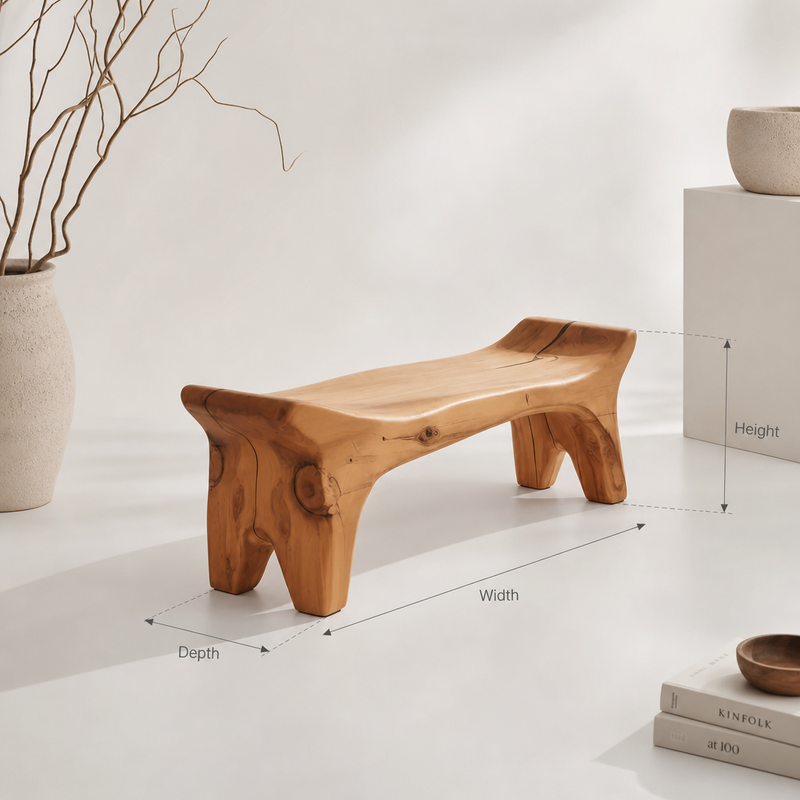
Entryway Bench Wood Bench Custom Bench Handmade Furniture For Home Decor
Ashdeco
$1,456.00
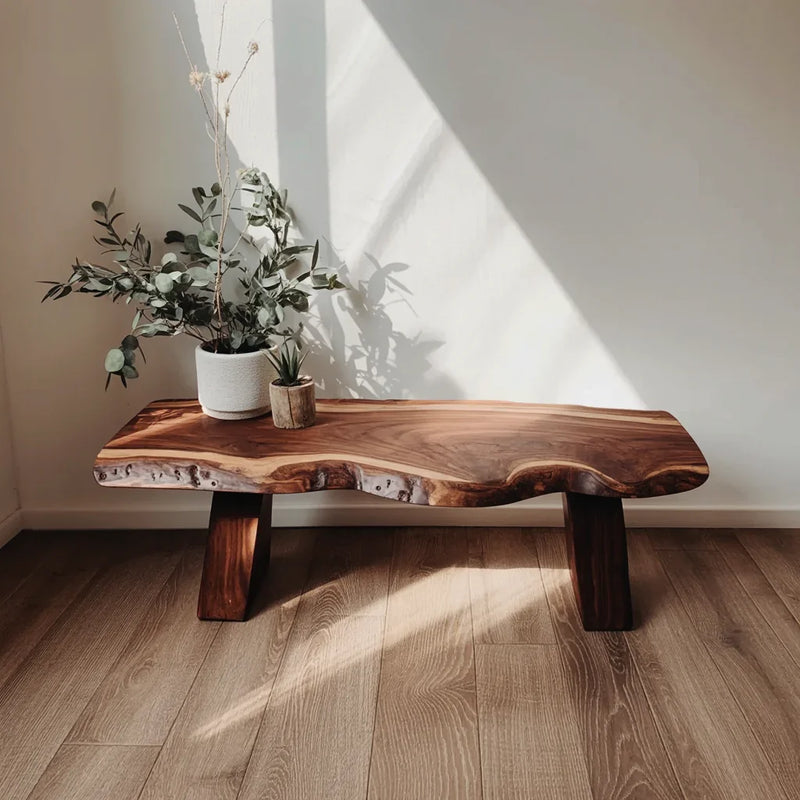
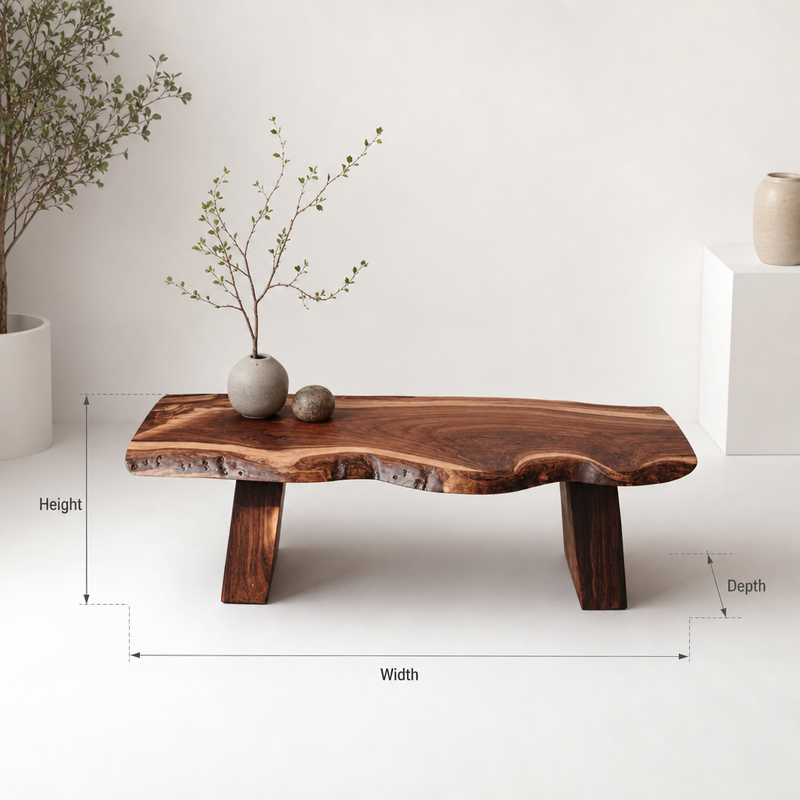
Minimalist Solid Wood Bench – Rustic Entryway Seating Decor
Ashdeco
$1,356.00
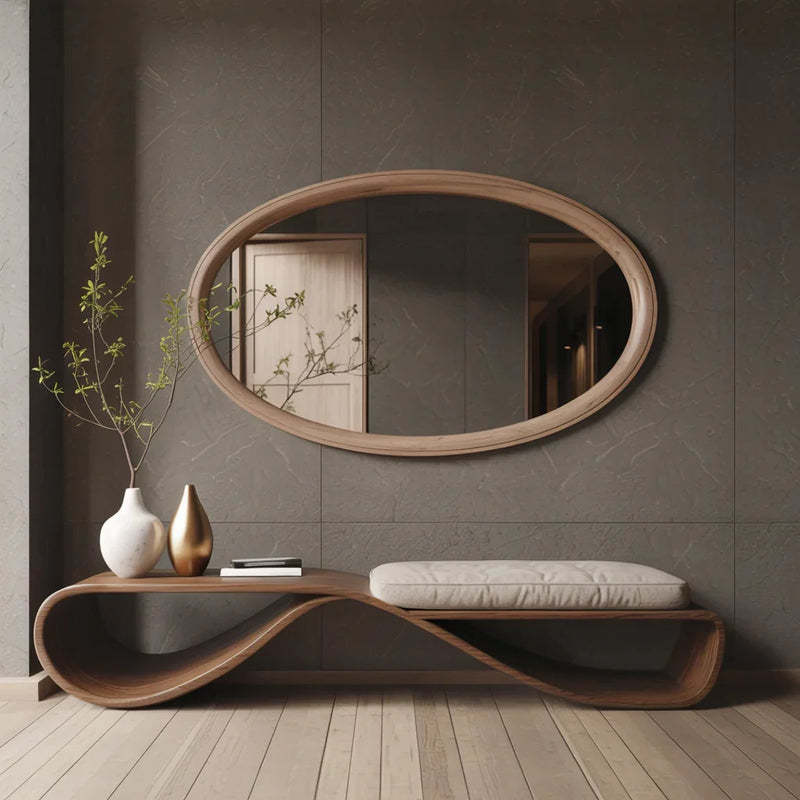
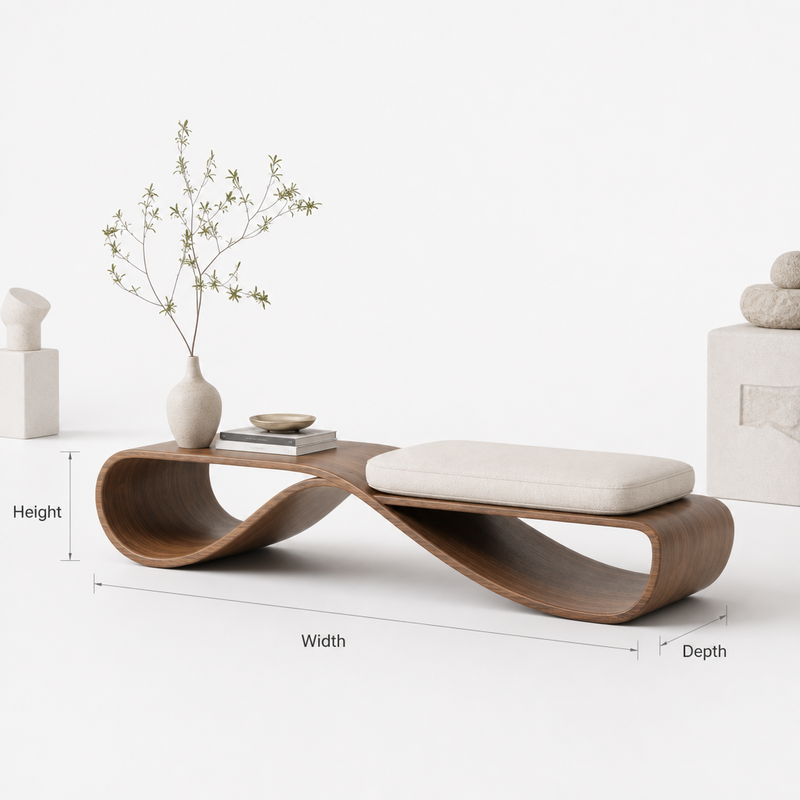
Solid Wood Bench - Modern Minimalist Entryway Furniture for Home Decor
Ashdeco
$3,567.00
$3,210.30 with 10% off on $2,000+ orders
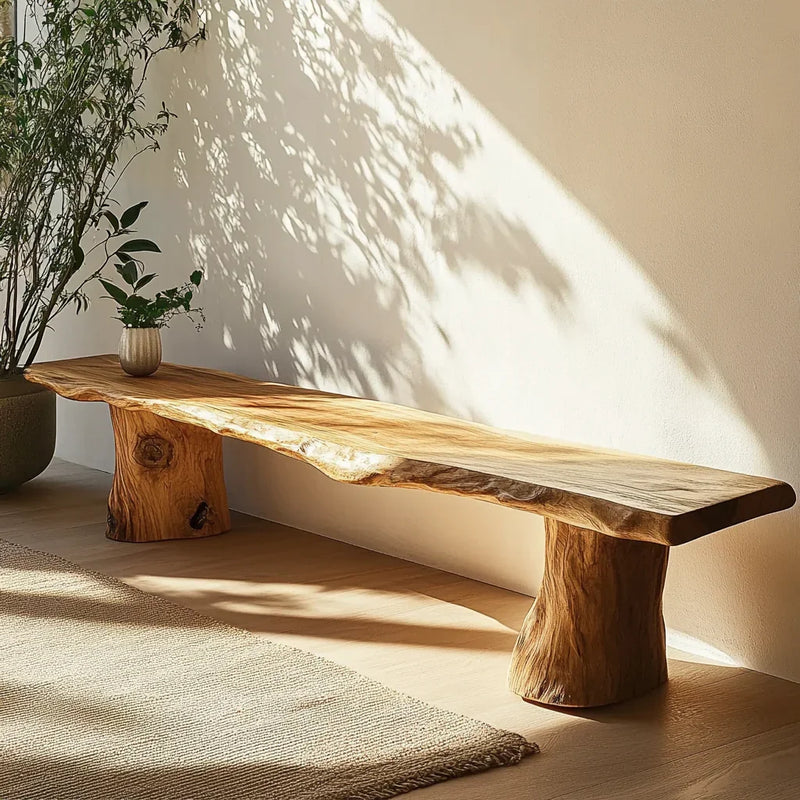
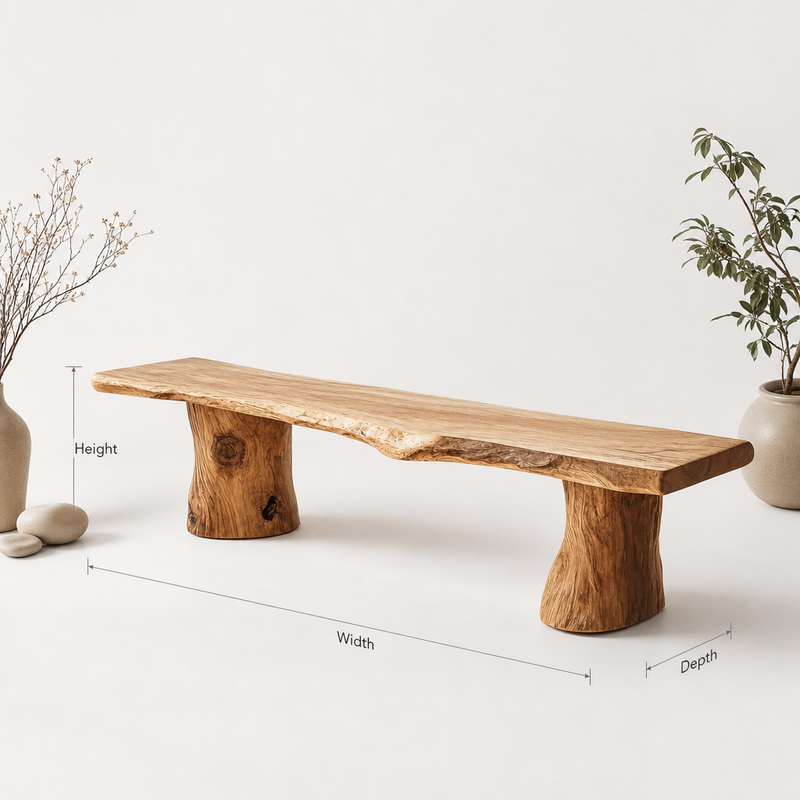
Rustic Natural Wood Bench Bedroom Or Living Room Furniture
Ashdeco
$1,500.00
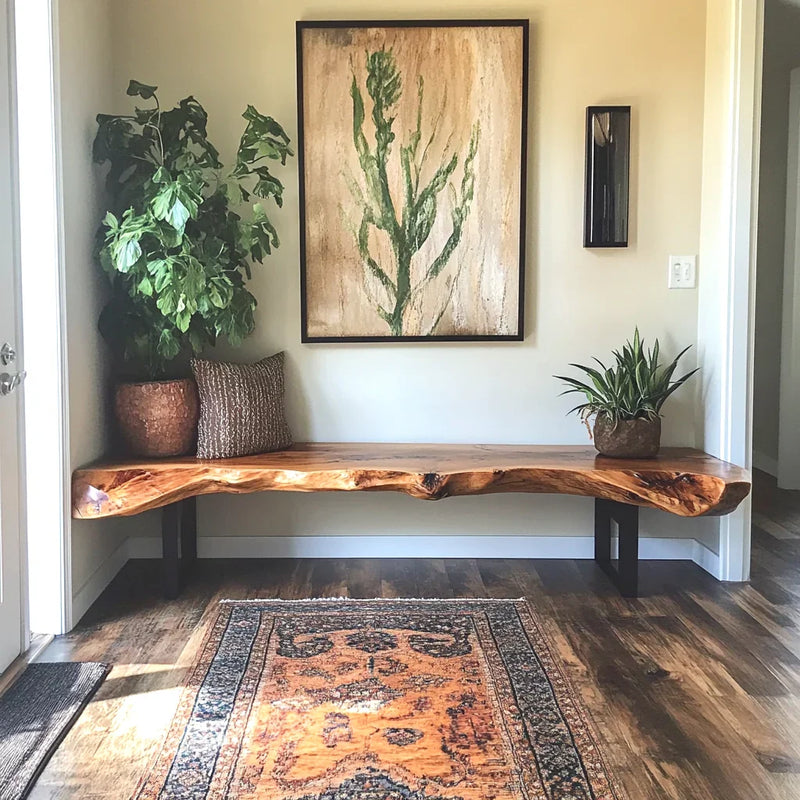
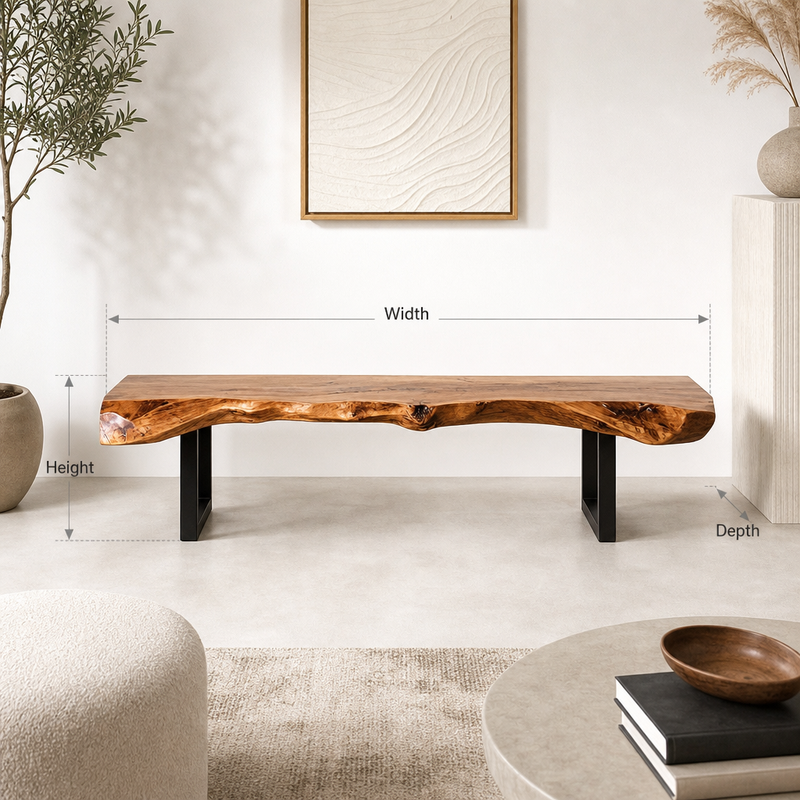
Rustic Live Edge Bench For Entryway Or Living Room
Ashdeco
$1,500.00
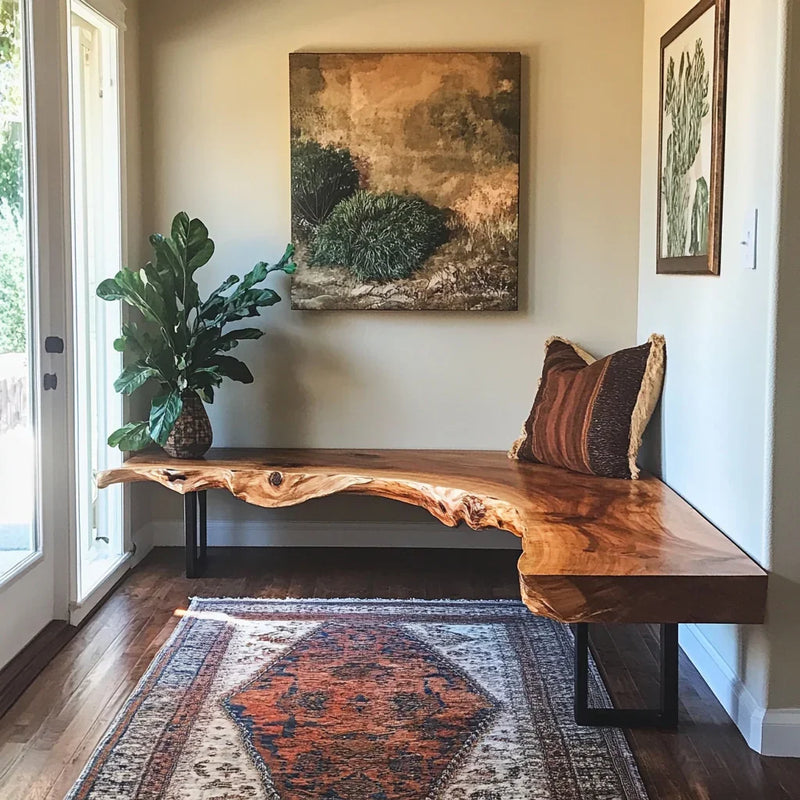
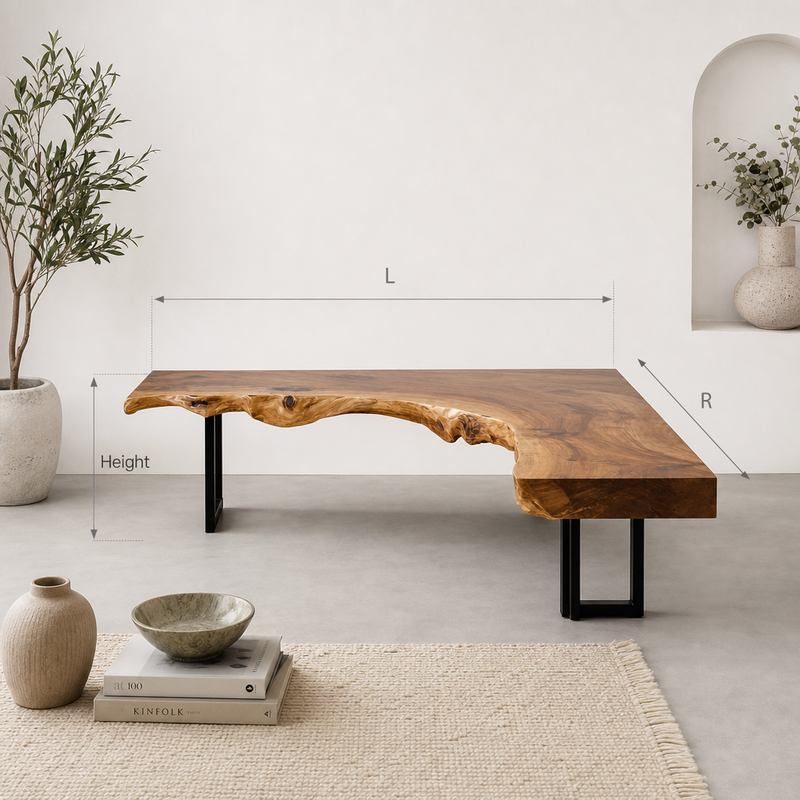
Japandi L Shaped Bench For Living Room And Entryway
Ashdeco
$4,323.00
$3,890.70 with 10% off on $2,000+ orders
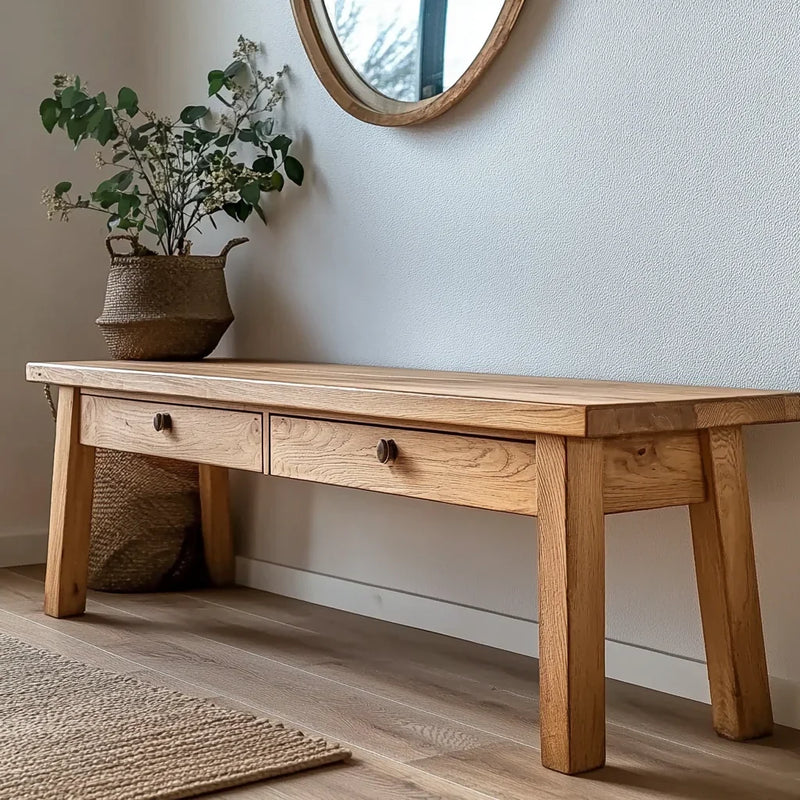
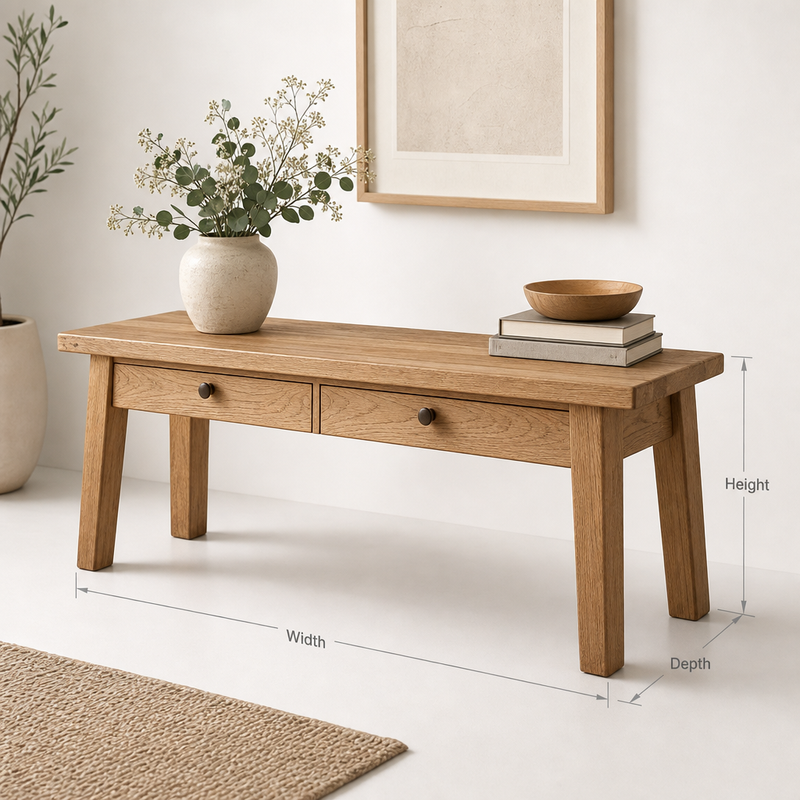
Mid Century Modern Bench Entryway Living Room Accent Seating
Ashdeco
$1,800.00
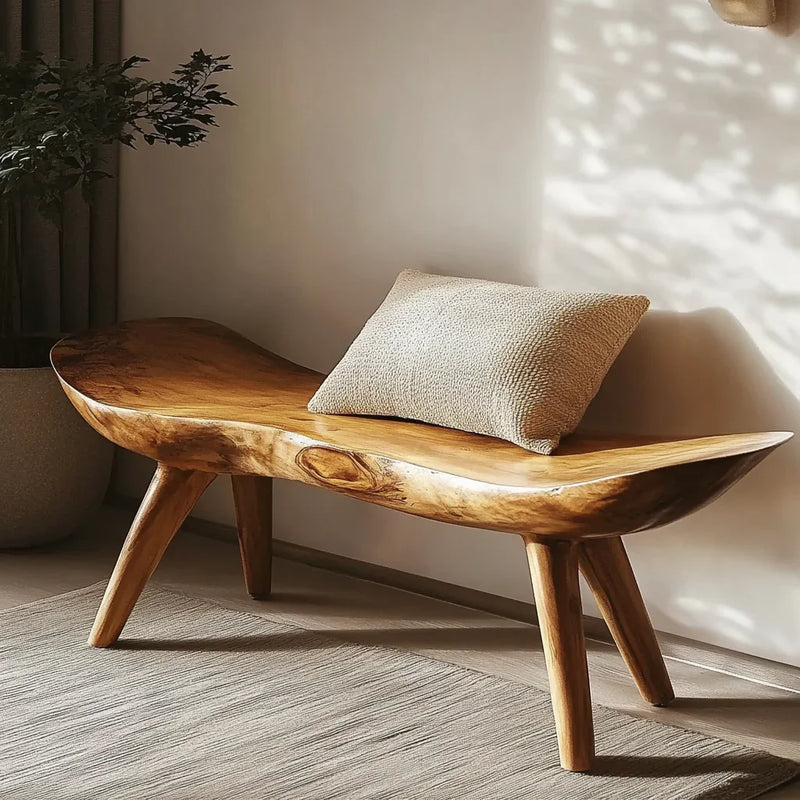
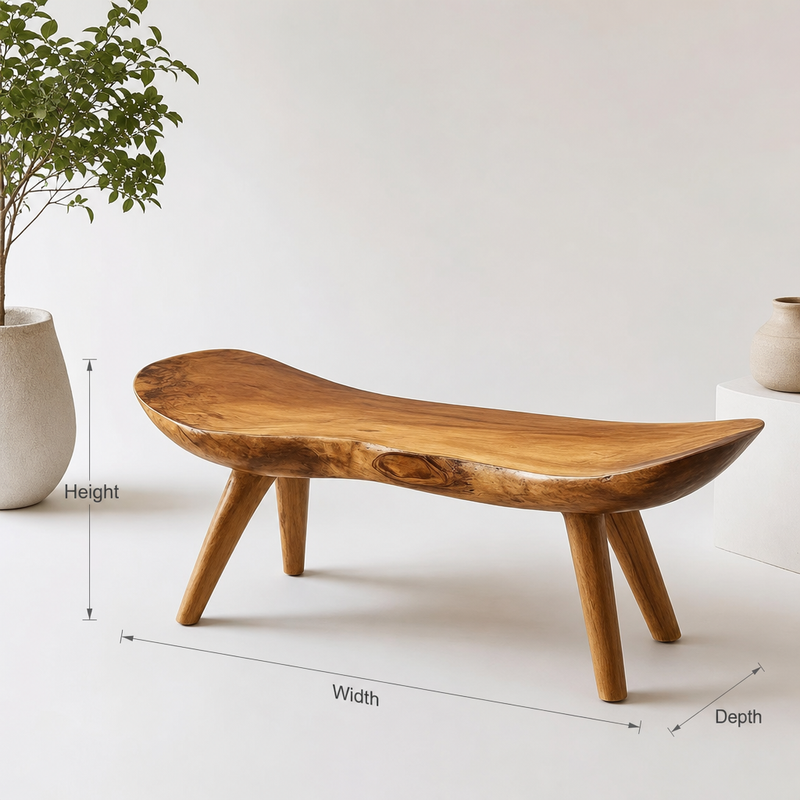
Rustic Live Edge Bench Entryway Hallway Accent Furniture
Ashdeco
$1,800.00
Showing 1–24 of 59 products
Explore more
Other collections

You may also like
View all
More from Wood Benches
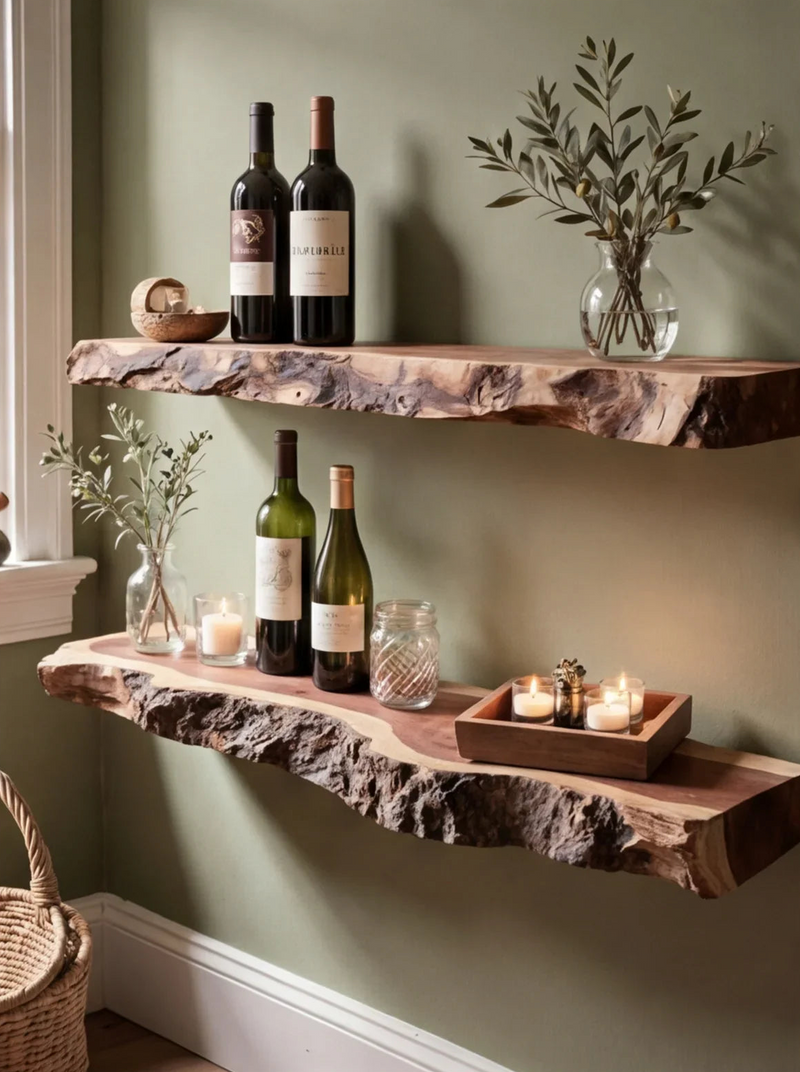
Handcrafted Live Edge Floating Bar Shelf – Rustic Solid Wood Wall Shelf for Kitchen or Bar
by Ashdeco$167.00
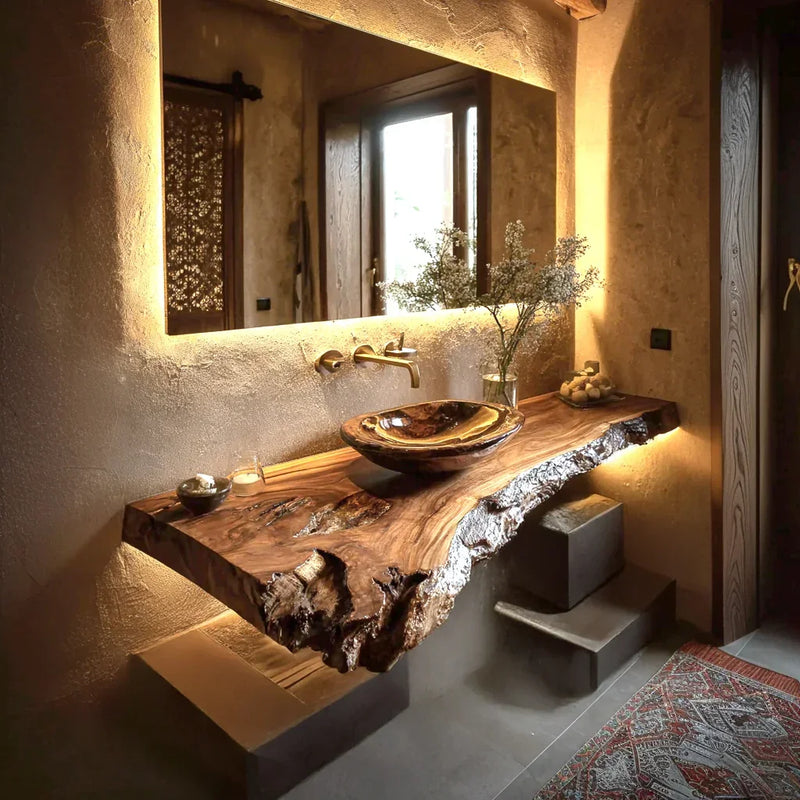
Rustic Live Edge Floating Vanity – Handmade Wooden Bathroom Shelf with Brackets
by Ashdeco$180.00
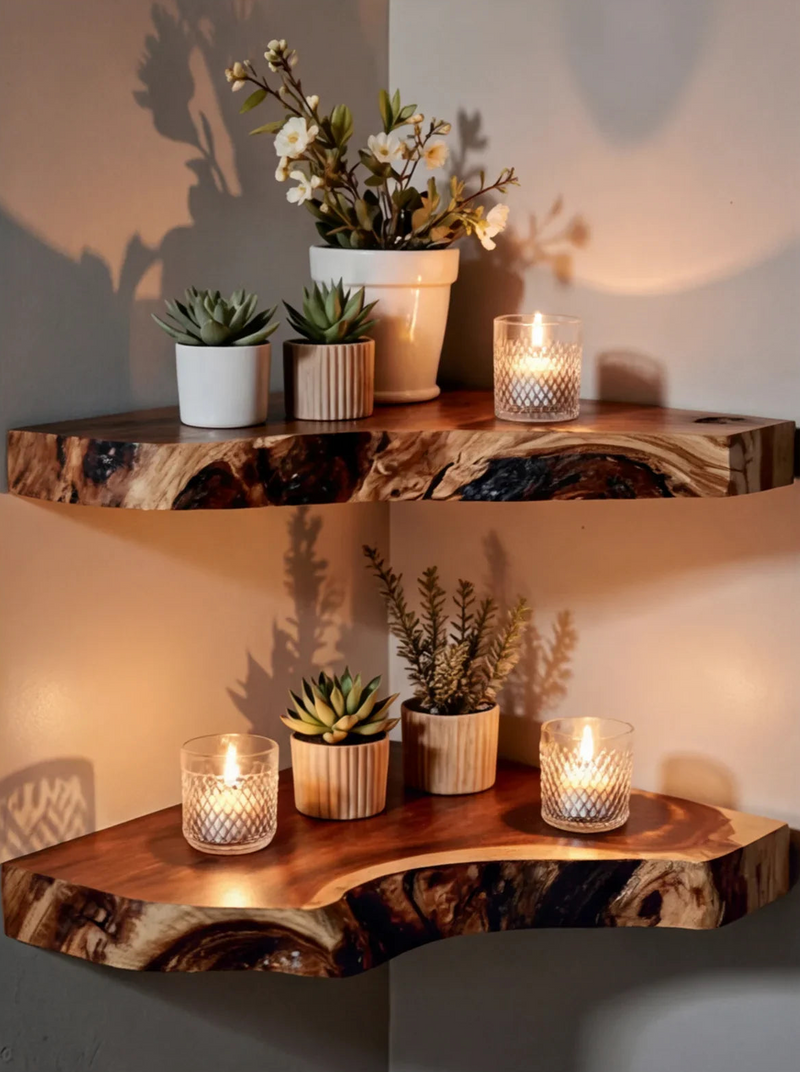
Rustic Corner Wall Shelf – Natural Live Edge Wood Floating Shelf for Candles and Plants
by Ashdeco$176.00
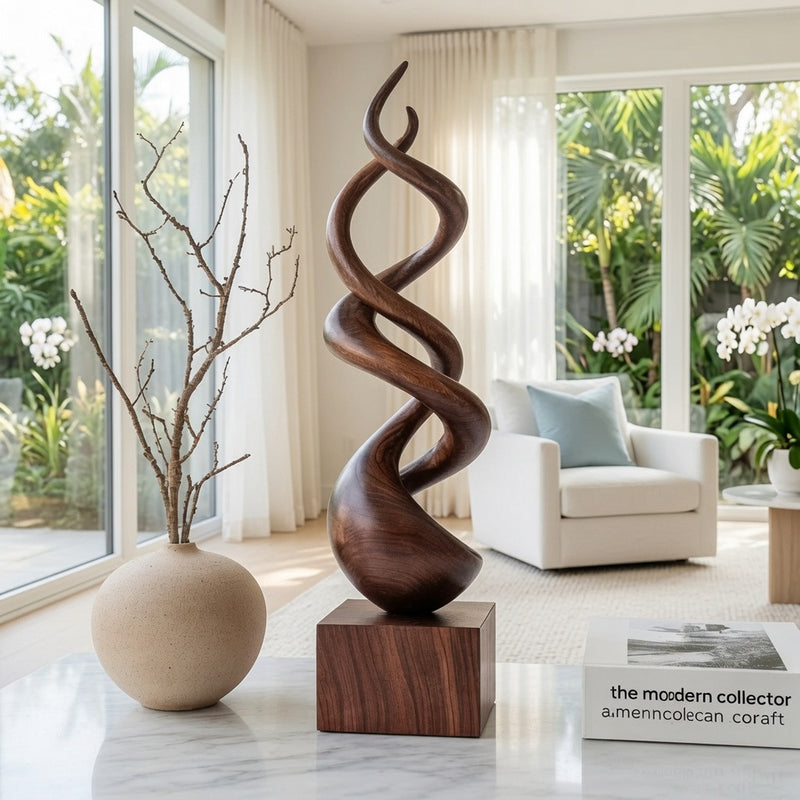
Abstract Twisted Solid Wood Floor Sculpture
by Ashdeco$1,234.00
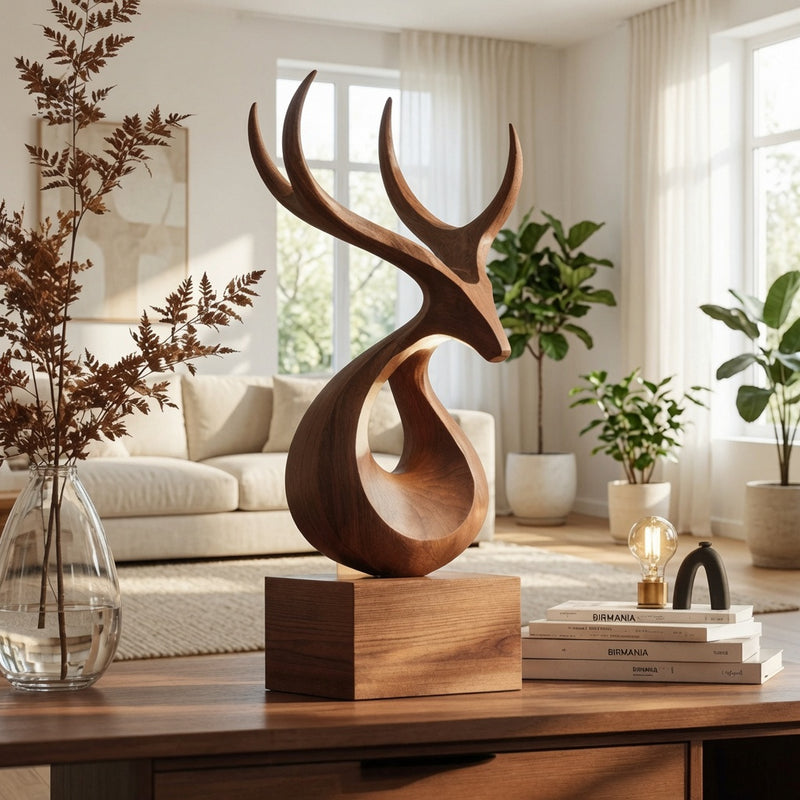
Abstract Deer Antler Solid Wood Sculpture Organic Modern Art Piece
by Ashdeco$1,234.00
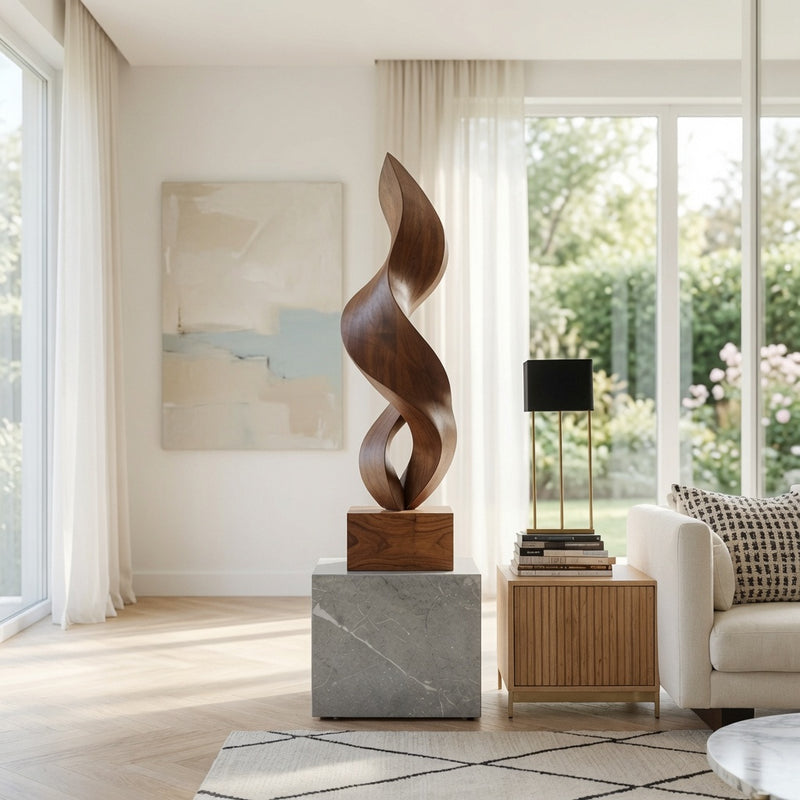
Abstract Twisted Solid Wood Floor Sculpture on Marble Base
by Ashdeco$1,234.00
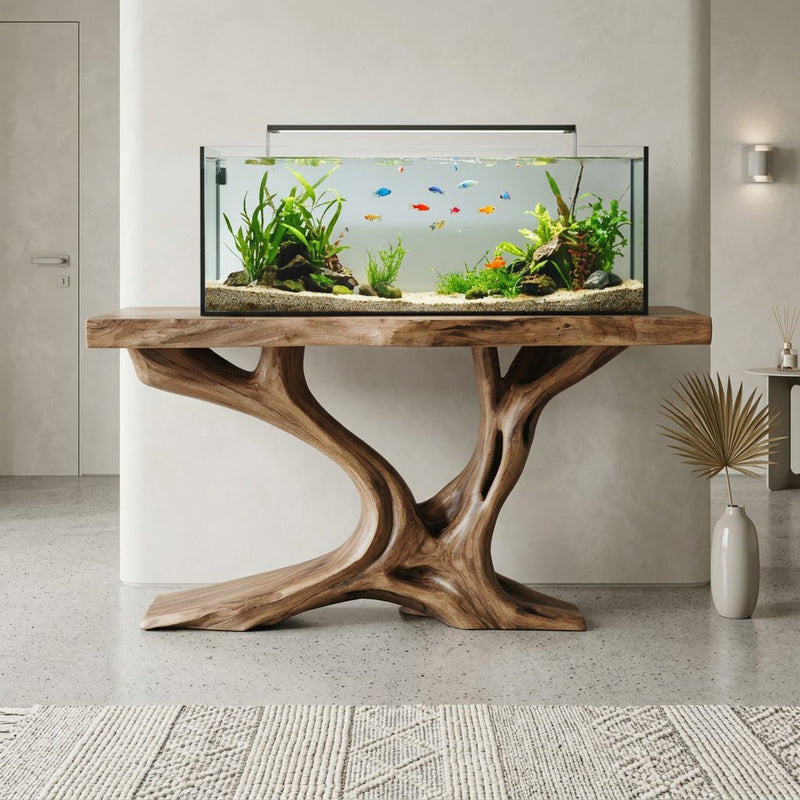
Sculptural Tree Branch Solid Wood Aquarium Stand Live Edge Console Table
by Ashdeco$1,654.00
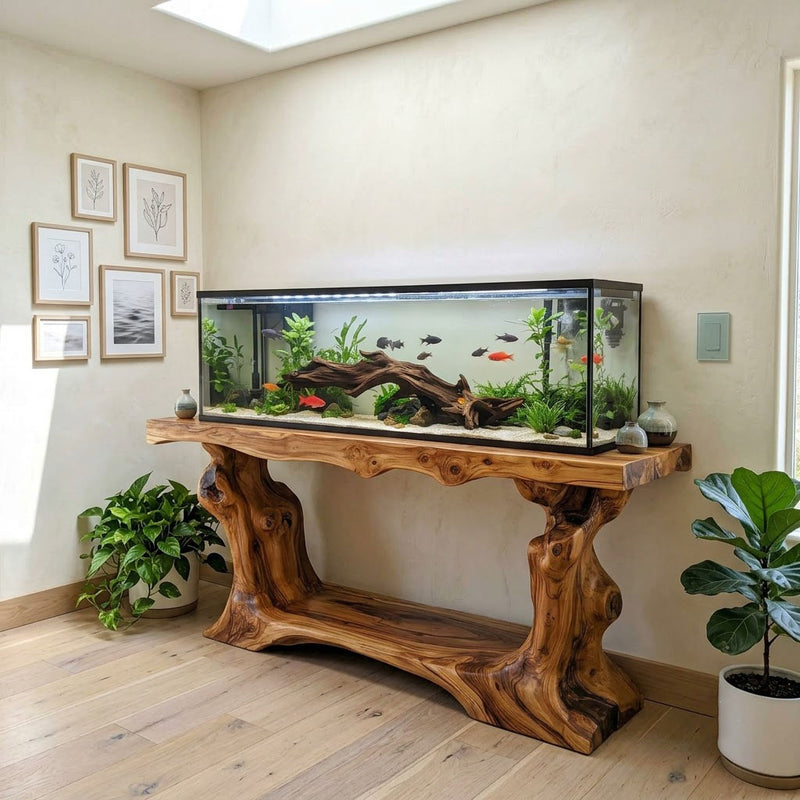
Rustic Live Edge Tree Root Solid Wood Aquarium Stand Heavy Duty Console Table
by Ashdeco$1,754.00
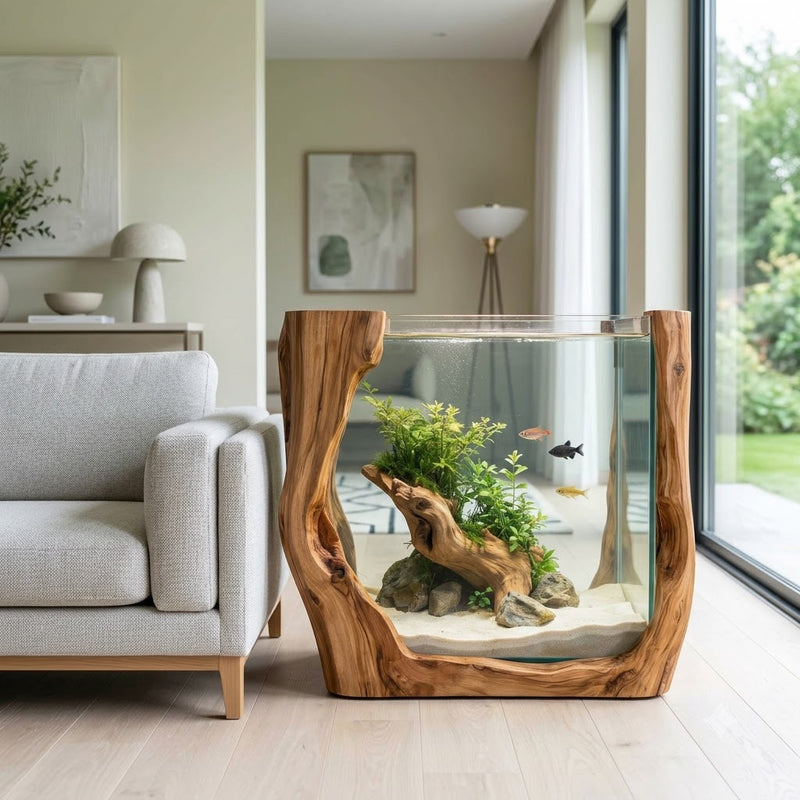
Sculptural U Shaped Solid Wood Aquarium Stand Organic Live Edge Fish Tank Base
by Ashdeco$1,276.00
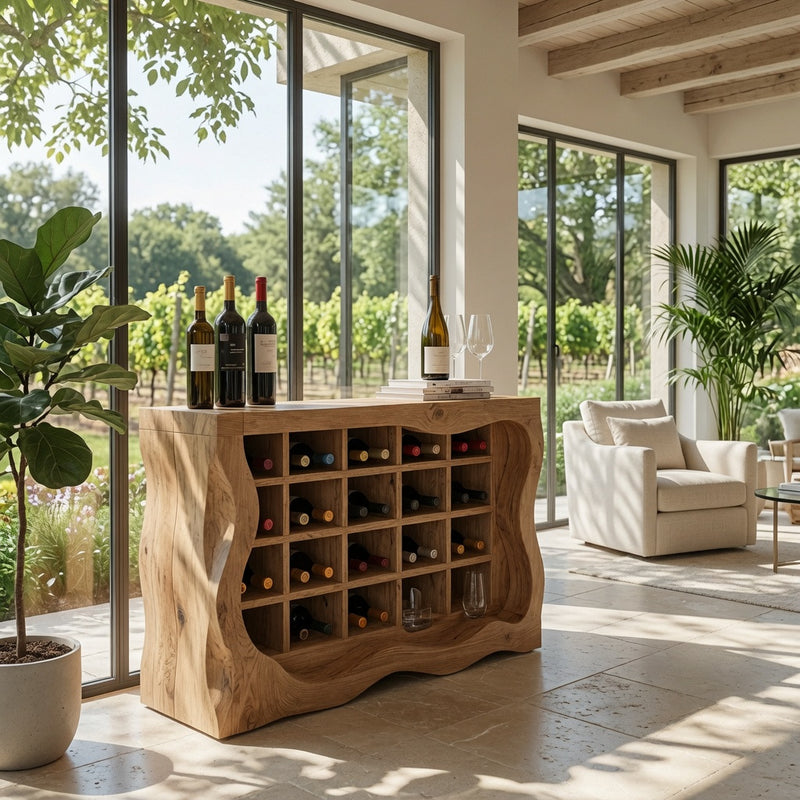
Organic Live Edge Solid Wood Sculptural Wine Cabinet
by Ashdeco$2,896.00
$2,606.40 with 10% off on $2,000+ orders
Handcrafted Live Edge Floating Bar Shelf – Rustic Solid Wood Wall Shelf for Kitchen or Bar
by Ashdeco$167.00
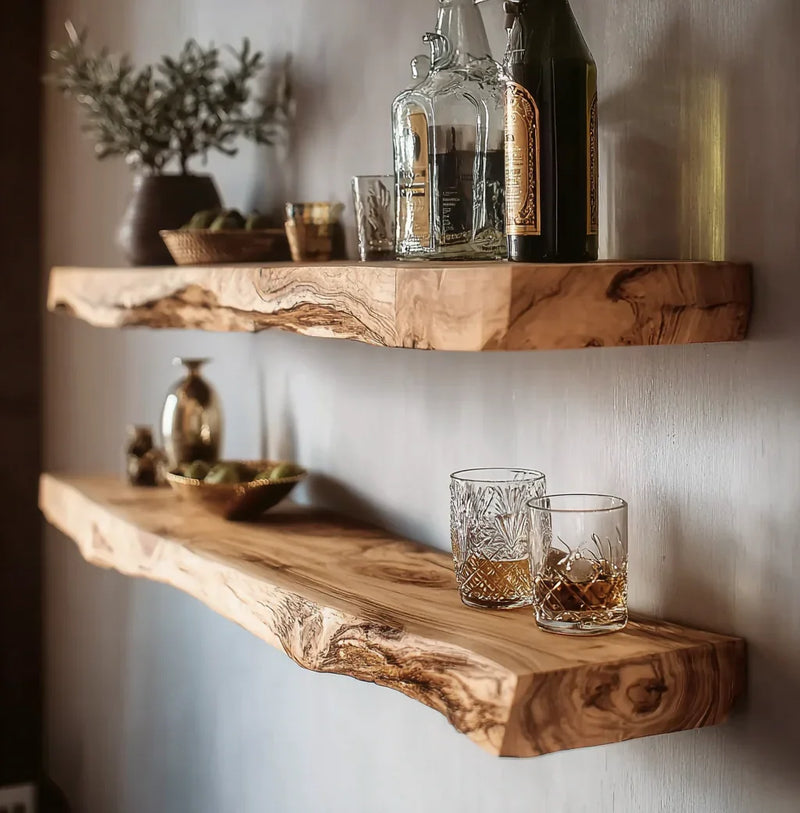
Handmade Live Edge Wood Shelf – Floating Wall Shelf for Whiskey Bar, Kitchen, or Entryway
by Ashdeco$167.00
Wood Benches Design
1. Why Choose a Solid Wood Bench
A wood bench is one of the most versatile pieces of furniture you can own - seating, storage surface, display platform, and design accent all in one. It goes in the entryway, at the foot of the bed, along a hallway, at a dining table, or against a living room wall. And unlike upholstered seating that stains, sags, and wears out, a solid wood bench gets better with age. The grain deepens, the patina develops, and the character grows. It's furniture built to outlast trends.
a. Solid Hardwood, Not Composite
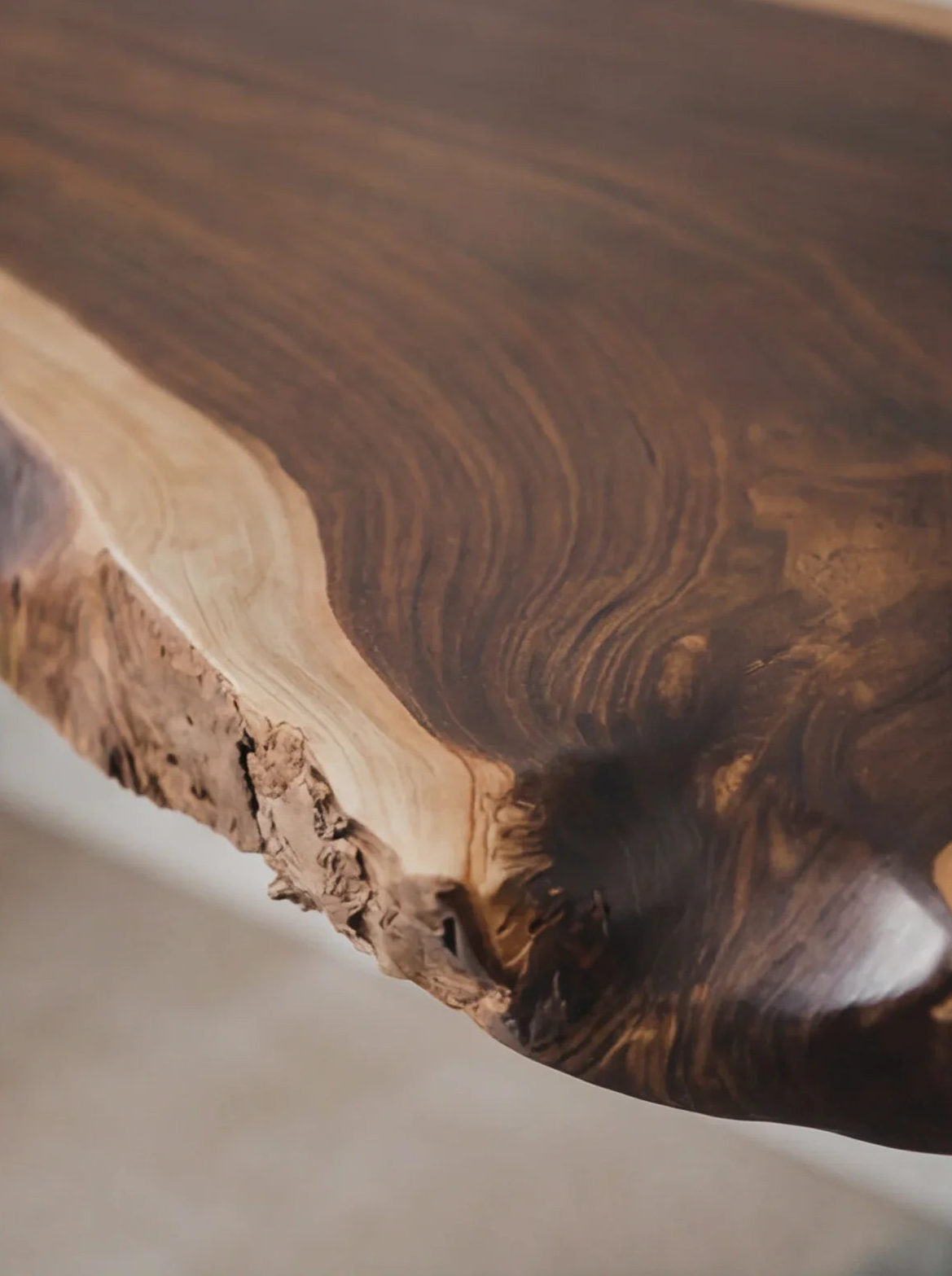
Most benches sold online are made from engineered wood, MDF, or pine veneer - materials that chip, warp, and show wear within a few years of actual use. Ashdeco wood benches are handcrafted from solid hardwood - walnut, acacia, teak, and reclaimed wood - built to handle the weight, movement, and daily use that benches experience. Real wood that supports real life.
b. Handcrafted by Vietnamese Artisans
Every bench is shaped by hand. Live edge slabs are sanded and sealed while preserving the natural outer contour of the wood. Sculptural curves are carved to follow the wood's organic grain. Joints are reinforced for structural integrity. Our artisans don't mass-produce - they craft each piece around the specific character of the wood in front of them. No two benches are identical.
c. Built for Daily Use
Benches take more physical abuse than most furniture-people sit, drop bags, stack shoes, set heavy objects, and scoot across the surface daily. Our benches are built for that reality: thick solid wood slabs, reinforced leg joints, and durable finishes that handle scratches, weight, and movement without complaint.
2. Wood Bench Styles We Offer
a. Live Edge Benches
A solid wood slab with the natural outer edge preserved - organic curves, bark traces, and raw character running along the length of the bench. The live edge makes each bench visually unique and brings nature's imperfect beauty into the room. Available in walnut, acacia, and reclaimed wood. The most popular style for entryways, dining rooms, and living spaces.
b. Sculptural Curved Benches
Hand-carved benches with flowing, organic curves - the seat, legs, and backrest (when included) sculpted as one continuous form. These benches blur the line between seating and art. Modern, minimal, and striking. Best as an accent piece in a living room, gallery wall, or bedroom where the bench is a design statement, not just a place to sit.
c. Entryway Benches

Designed specifically for the entryway - a seating surface to sit and put on shoes, with open space or a shelf below for shoe storage. Practical dimensions (typically 36"-48" wide, 14"-16" deep) fit standard entryway widths without blocking door swings or walkways. Pair with a tree hanger or coat rack above for a complete entryway station.
d. Farmhouse & Rustic Benches
Reclaimed wood benches with visible grain, natural knots, and warm, lived-in patina. Chunky legs, thick slab tops, and a character that says "this piece has a story." Farmhouse benches work at dining tables, in mudrooms, along hallways, and anywhere you want warmth and substance over sleekness.
e. Mid-Century Modern Benches
Clean lines, tapered legs, and minimal ornamentation - the mid-century modern style in solid wood. Walnut is the classic choice for this aesthetic. These benches fit seamlessly into modern living rooms, bedrooms, and offices where simplicity and craftsmanship are equally valued.
3. Wood Types Used in Our Benches
• Walnut: Deep, rich dark tones with dramatic flowing grain. The premium choice for living spaces and bedrooms. Walnut benches bring sophisticated warmth - especially striking as an entryway bench against a white wall or as a dining bench paired with a lighter table.
• Acacia: Bold, two-tone grain with dramatic honey-to-chocolate color variation. Hard, dense, and naturally durable. Acacia live edge benches are visually striking - the wood's natural contrast pattern does the decorating for you.
• Teak: Naturally water-resistant, making it the best choice for entryway benches (wet shoes, damp bags) and outdoor-adjacent spaces. Rich golden-brown tone that deepens with age. Teak benches handle moisture and daily wear better than any other wood.
• Reclaimed Wood: Salvaged timber with unique history - nail holes, weathering marks, patina, and time-worn texture. Each piece tells a different story. Sustainable, characterful, and impossible to replicate artificially.
4. Wood Benches vs. Related Collections
• Wood benches (this collection): General-purpose solid wood benches for entryways, living rooms, bedrooms, hallways, and dining areas. The broadest selection of bench styles - live edge, sculptural, farmhouse, mid-century, and entryway.
• Branch benches: Benches with natural tree branch legs or structural elements - the branch is the visible design feature. More sculptural and art-forward than standard wood benches.
• Shoe benches: Benches designed specifically for entryway shoe storage - with built-in shelves, racks, or cubbies below the seat for organizing shoes. The most functional bench option for busy doorways.
• Shower benches: Waterproof benches designed for inside the shower or wet bathroom areas. Teak construction with spa-grade sealing. A completely different use case from living space benches.
• All benches: Browse every bench style we offer across all categories.
5. Where to Use a Wood Bench
• Entryway: The most popular placement. Sit to put on shoes, set bags and packages, store shoes underneath. A bench turns a bare entryway into an organized, welcoming arrival point. Pair with a tree hanger or coat rack above for a complete setup.
• Foot of the bed: A bench at the foot of the bed adds a surface for laying out tomorrow's outfit, setting a throw blanket, or sitting while putting on socks and shoes. It anchors the bedroom visually and adds function without crowding the space.
• Dining table: A long bench on one or both sides of a dining table seats more people than individual chairs, creates a casual family-style atmosphere, and tucks completely under the table when not in use. Live edge benches bring natural character to the dining room.

• Hallway: A narrow bench along a hallway wall provides unexpected seating, a surface for a plant or lamp, and visual interest in an otherwise bare corridor. Keep it slim (12"-14" deep) to preserve walkway width.
• Living room: As a window seat, a coffee table alternative, or extra seating when guests visit. Sculptural benches work as accent pieces - functional art that also gives people somewhere to sit.
• Under floating shelves: Position a bench below wall floating shelves for a cohesive display station - shelves above for decor, bench below for seating or storage. Matching wood tones tie the arrangement together.
6. How to Choose the Right Wood Bench
• Length: 36"-42" for small entryways and end-of-bed placement. 48"-60" for dining tables and larger entryways. 60"-72" for long hallways and dining tables seating 3-4 people on the bench side. Measure your available space and leave at least 6" on each side for visual balance.
• Depth: 12"-14" for hallway benches and narrow spaces. 14"-16" for entryway and dining benches (comfortable sitting depth). 16"-18" for bedroom end-of-bed benches where you might set items on the surface.
• Height: Standard bench seat height is 17"-18"-comfortable for most adults and aligned with standard chair height for dining use. Entryway benches at 18"-20" make it easier to sit down and stand up while putting on shoes.
• Style match: Rustic or farmhouse interior → live edge or reclaimed wood bench. Modern or minimalist → sculptural curved or mid-century bench in walnut. Coastal → lighter teak or driftwood tones. The bench should complement your existing furniture, not compete with it.
• Weight capacity: Our solid wood benches support 300-500 lbs depending on the style and construction. Live edge slab benches with sturdy leg joints handle the most weight. Check individual product listings for exact capacity.
7. Care & Maintenance
• Weekly: Dust the surface and legs with a soft cloth. Wipe up any spills or water marks with a damp cloth. Dry immediately.
• Monthly: Clean the entire bench with a damp cloth and mild soap. Pay attention to the seat surface (where wear is highest) and the leg joints (where dust accumulates).
• Every 6-12 months: Apply teak oil (for teak), walnut oil (for walnut), or food-safe wood sealant (for acacia, reclaimed wood) to maintain the finish and protect the grain. Entryway benches that get daily use may benefit from more frequent touch-ups (every 4-6 months).
• Scratches: Light surface scratches on solid wood can be buffed out with fine-grit sandpaper (220 grit), then resealed. Deeper scratches add character over time - solid wood wears in, it doesn't wear out.
• Placement: Avoid direct sunlight for extended periods - UV light can lighten or unevenly tone the wood over time. If the bench is near a window, rotate it periodically or use curtains during peak sun hours.
8. Contact Information
Contact Ashdeco,
Email: support@ashdeco.com
Address 1: 157 Elder Ave, Bergenfield, NJ 07621
Address 2: 1011 Roundabout Rd, Martinsville, VA 24112
Support Hours: Monday to Friday, 8:00 AM to 8:00 PM (EST)