



















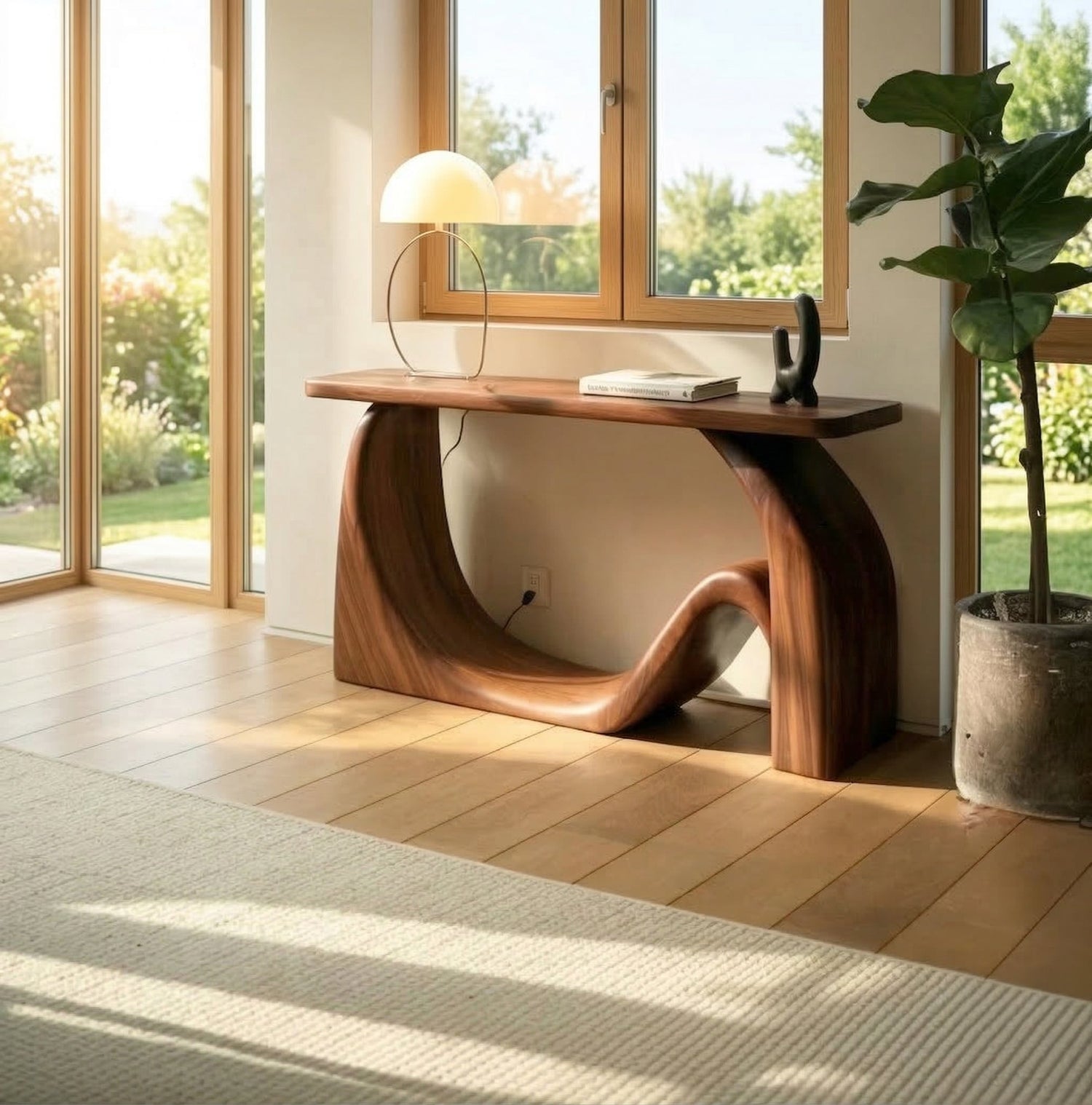
Your entryway sets the tone for your entire home - and it does it in about three seconds. The problem? Most small entryway ideas you see online were photographed in spaces twice the size of yours. When you're working with under 50 square feet, every inch matters and every piece of furniture needs to earn its spot.
These small entryway ideas focus on function-first design that looks intentional, not cramped.

• Tree Coat Racks - from $59
• Solid Wood Shoe Benches - from $129
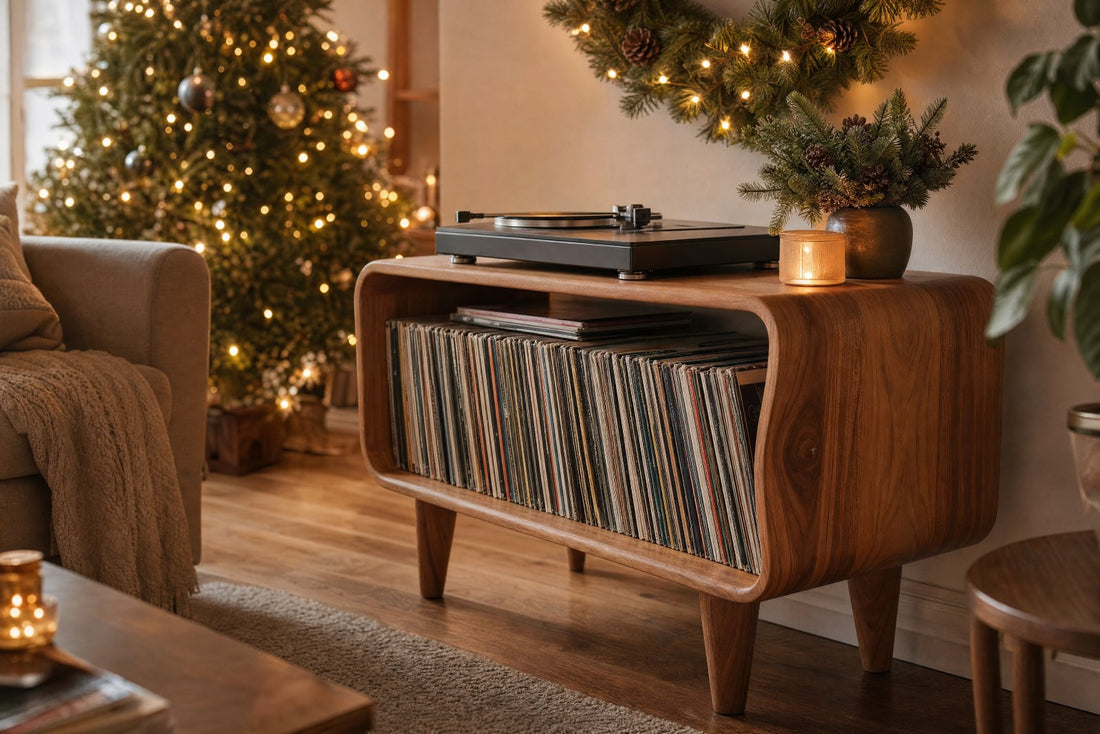
• Narrow Console Tables - from $149
Define the Space Even When There Isn't One
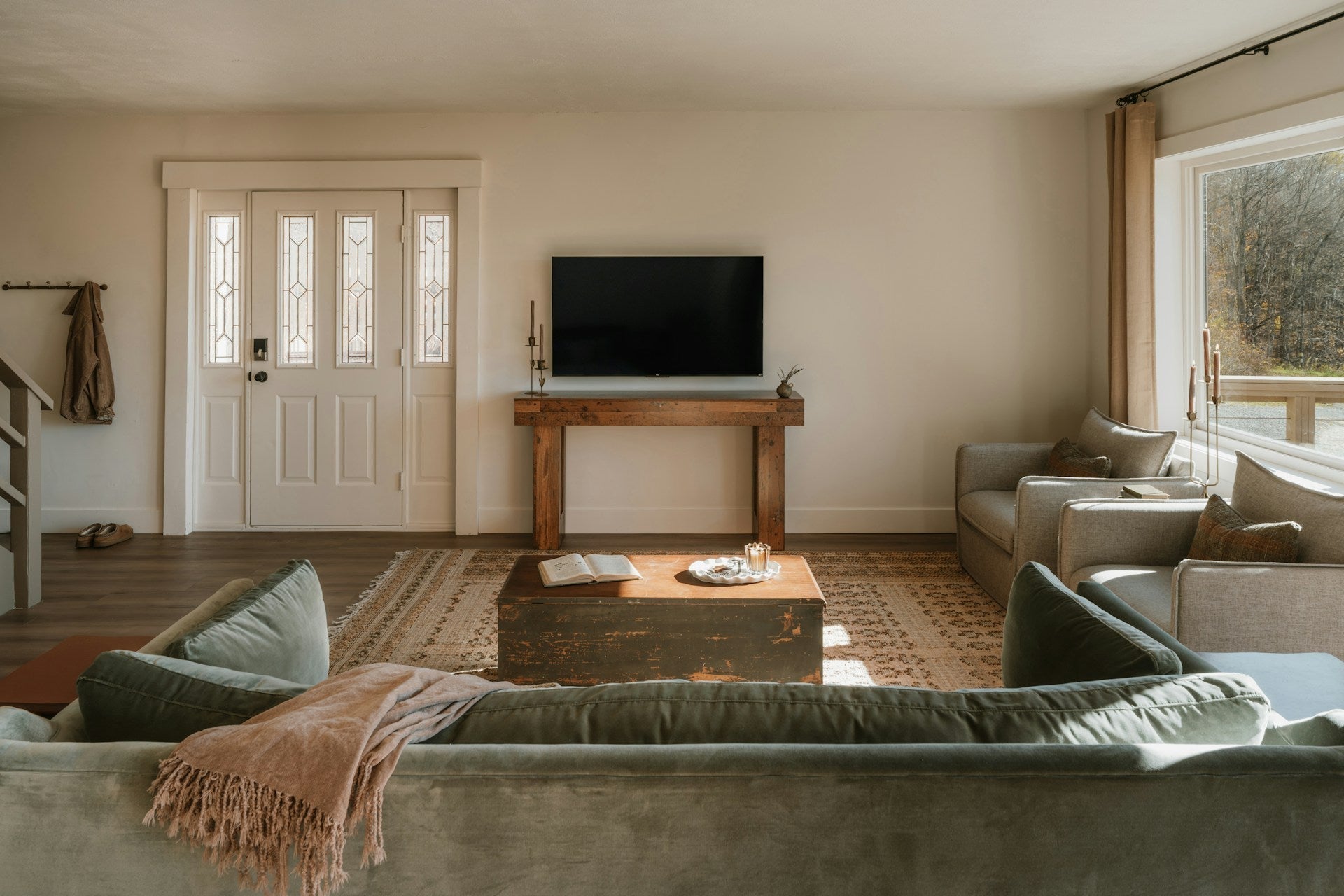
Many homes don't have a dedicated entryway at all - the front door opens directly into the living room. You need to create an entryway zone using furniture and visual cues.
A narrow console table, a rug, and a wall-mounted coat rack signal "entry" without a single wall to define it. According to Architectural Digest, placing a runner rug perpendicular to the door creates a visual threshold that makes the whole floor plan feel intentional.
Go Vertical with Storage
In a small foyer, floor space is currency - spend it wisely. Wall-mounted solutions free up the floor while giving you everything you need.
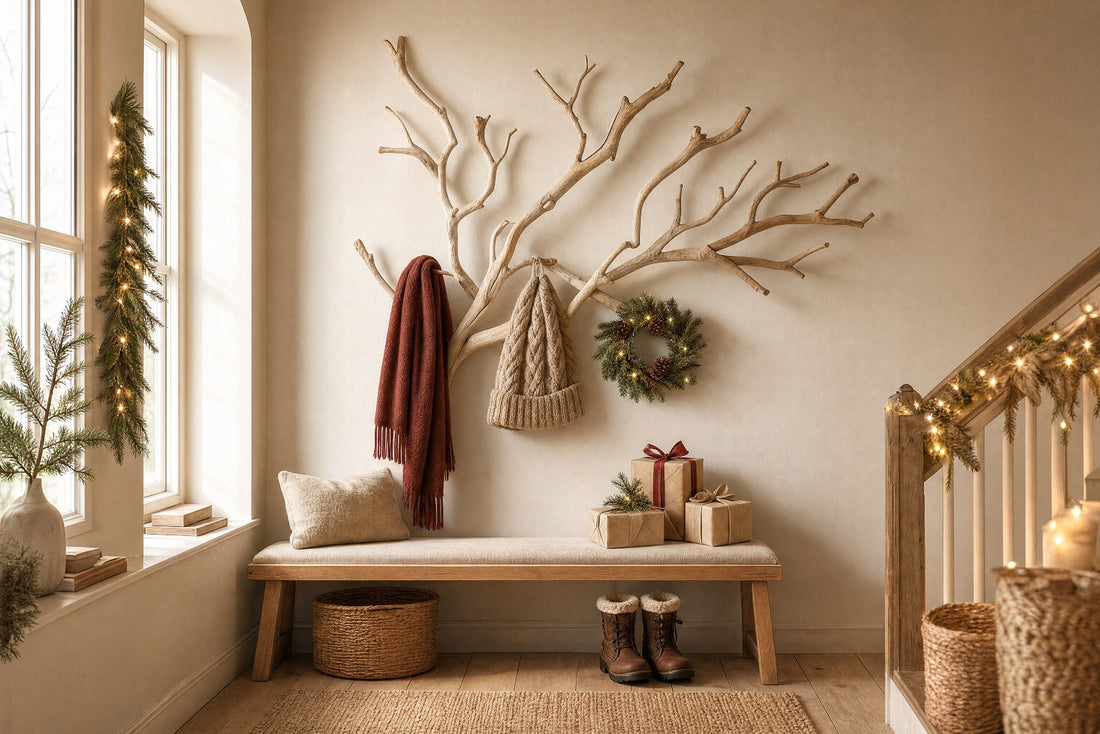
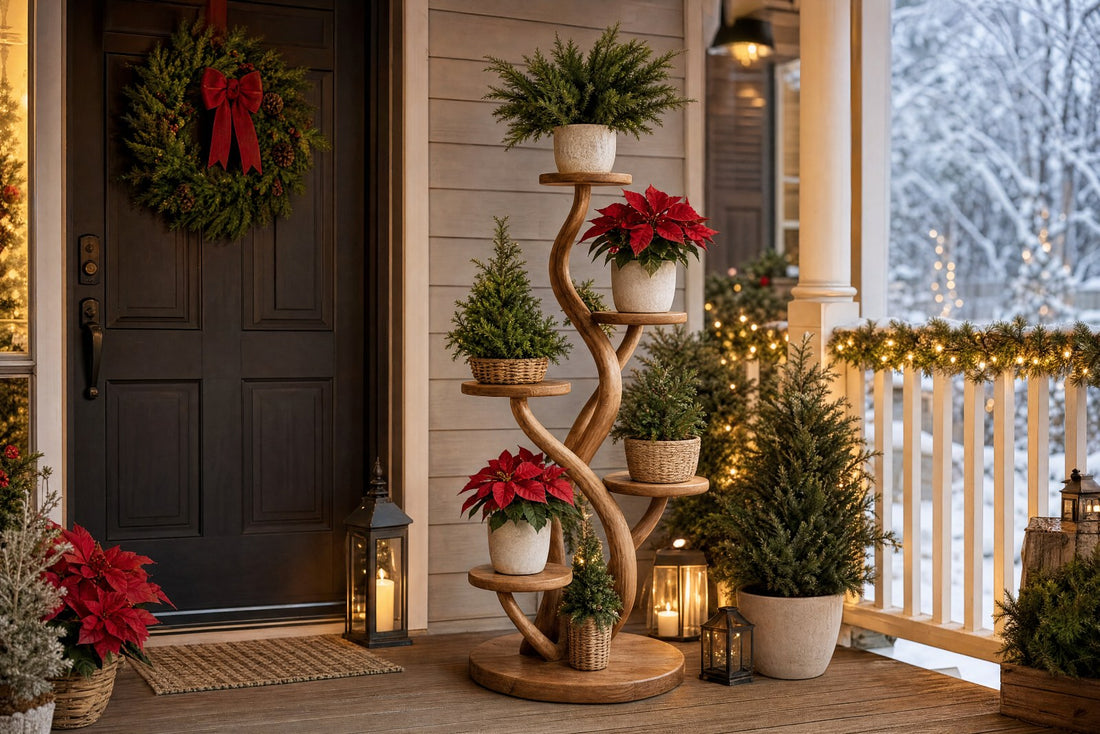
A solid wood coat rack mounted at the right height handles jackets, bags, and scarves without taking a single square inch of floor space. Tree-style standing coat racks work when you have a tight corner to fill. If you're weighing your options, our guide on coat hook height guide breaks it down further.

"A tight foyer isn't a design limitation - it's a design challenge. The constraint forces you to be intentional about every single piece."
Add a Slim Shoe Bench
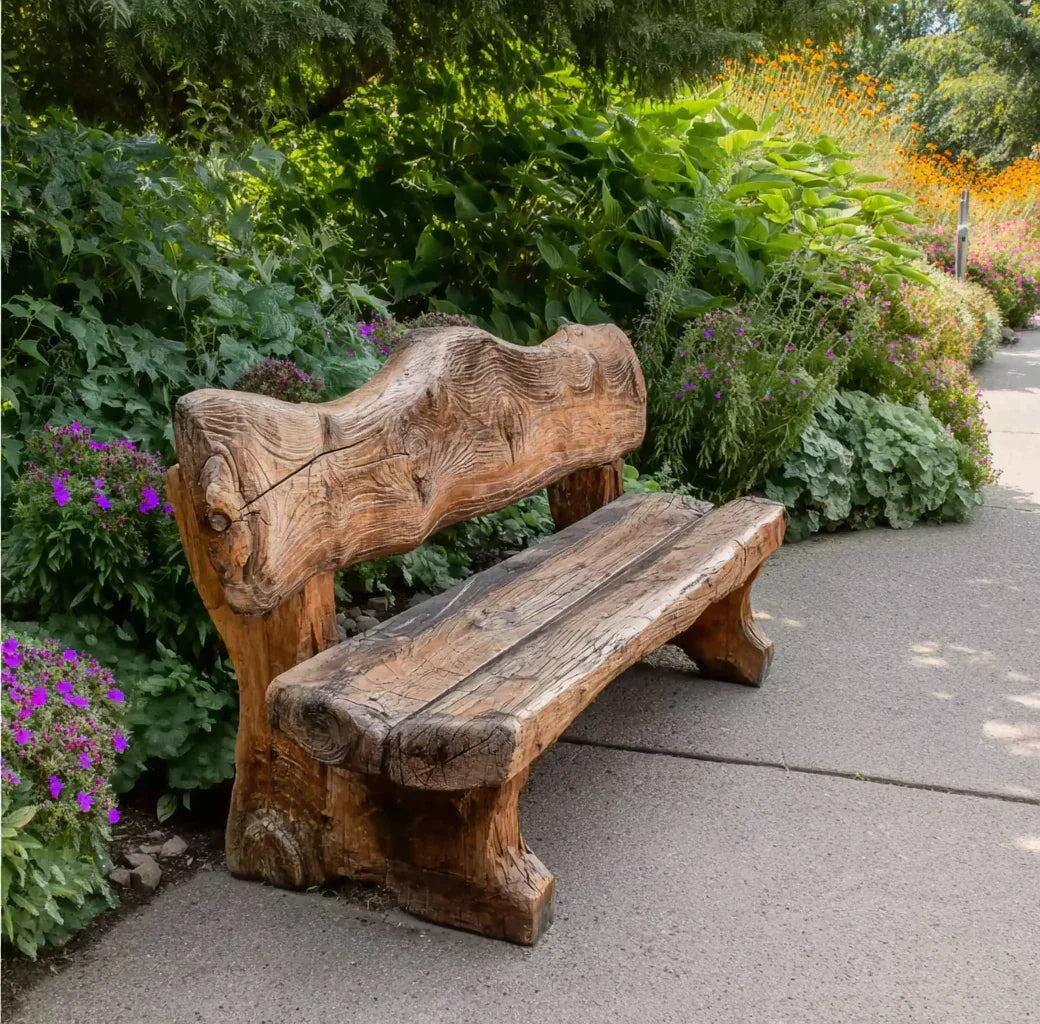
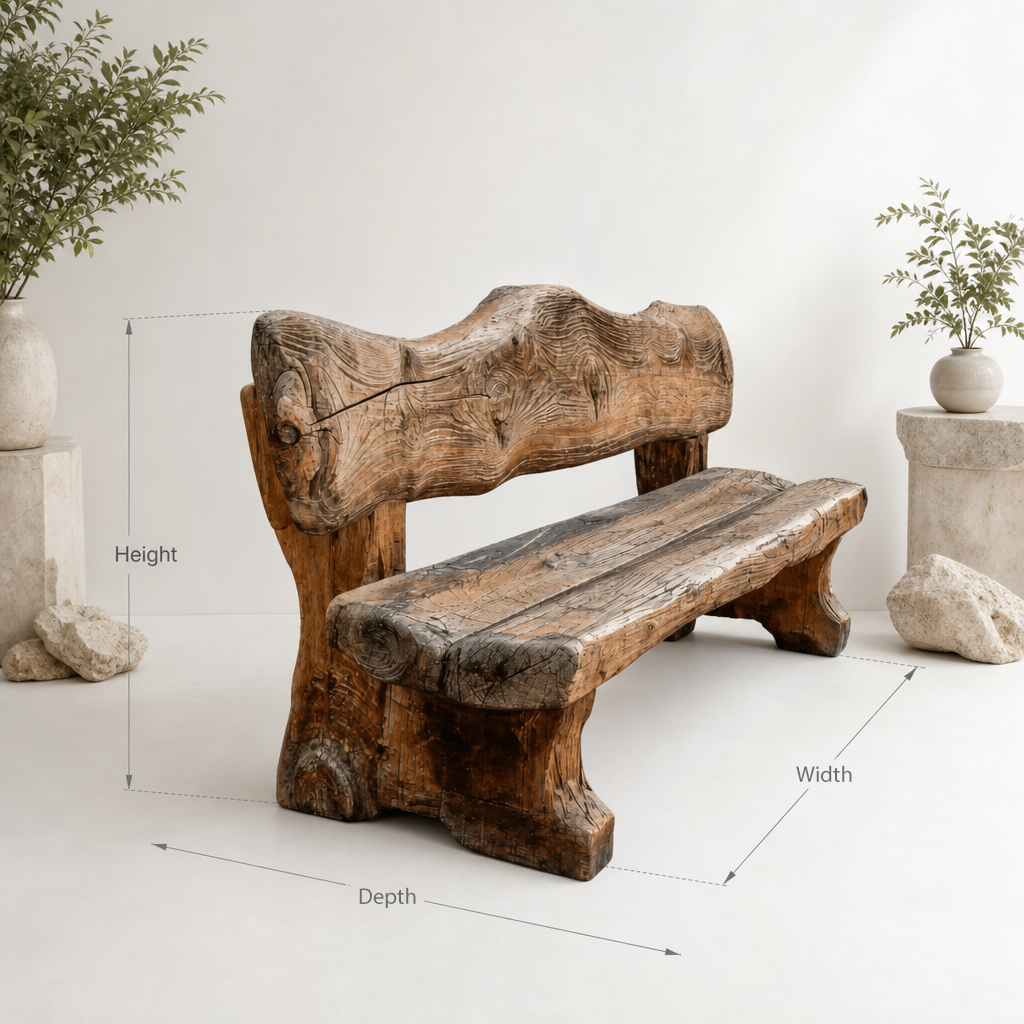
Shoes pile up at the door faster than anything else. A shoe bench solves two problems at once - it corrals shoes into a tidy arrangement and gives you a spot to sit while you put them on.
In a small entryway, look for designs under 36 inches wide with built-in storage. A solid wood shoe bench with an open shelf below lets shoes breathe while keeping them organized. Our rustic entryway tables guide article walks through the specifics.

Mount Floating Shelves for Display and Drop Zones
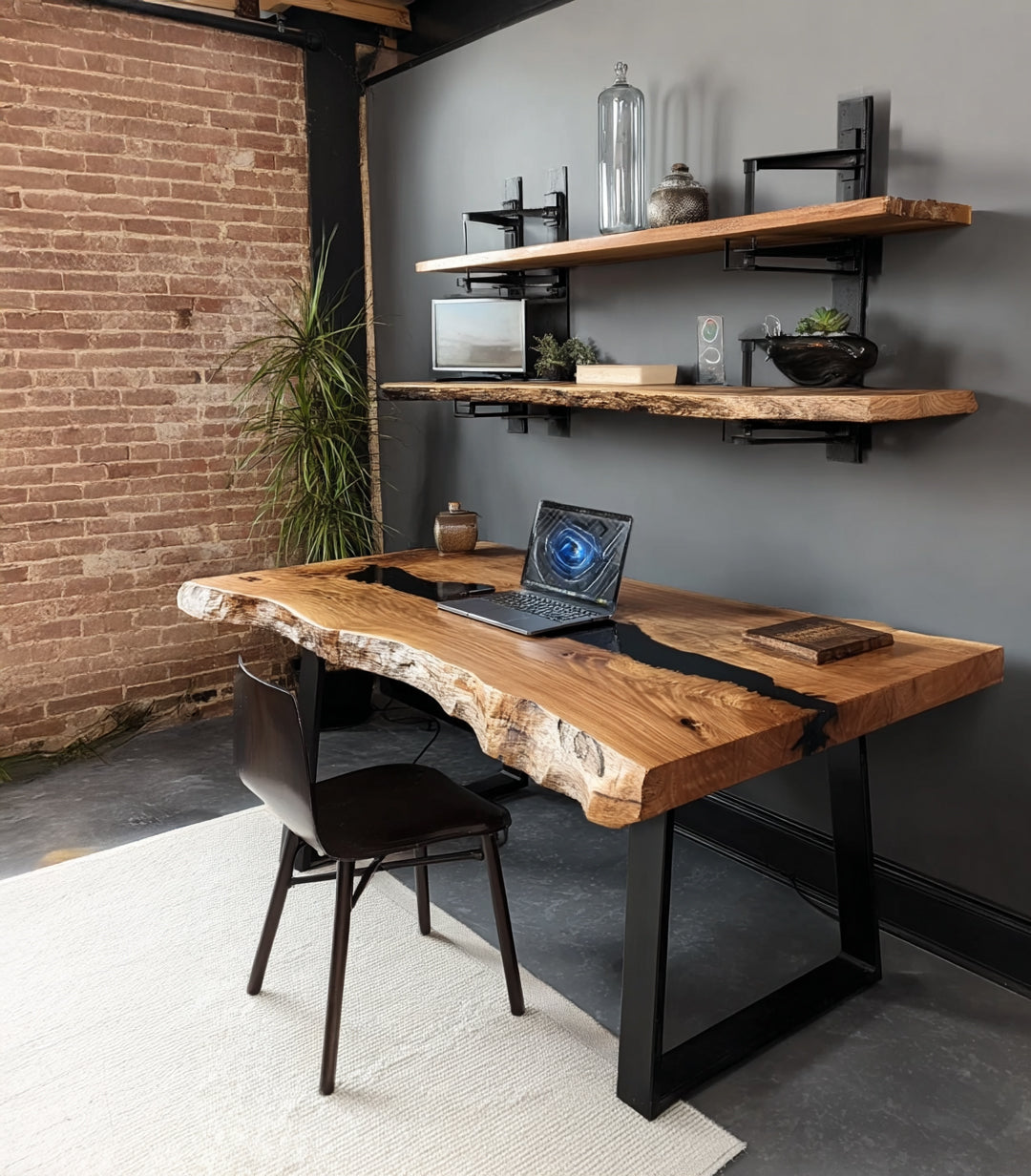
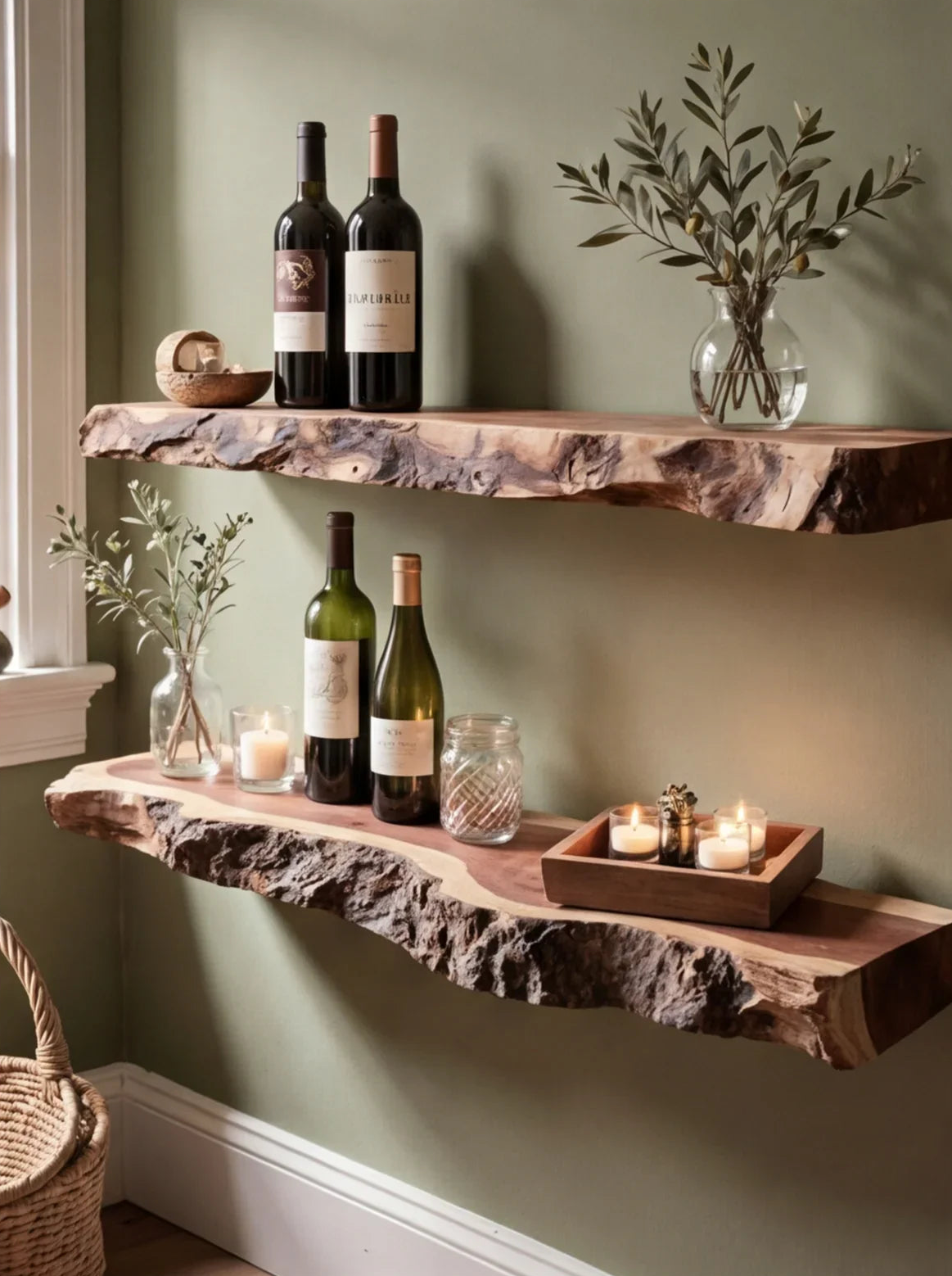
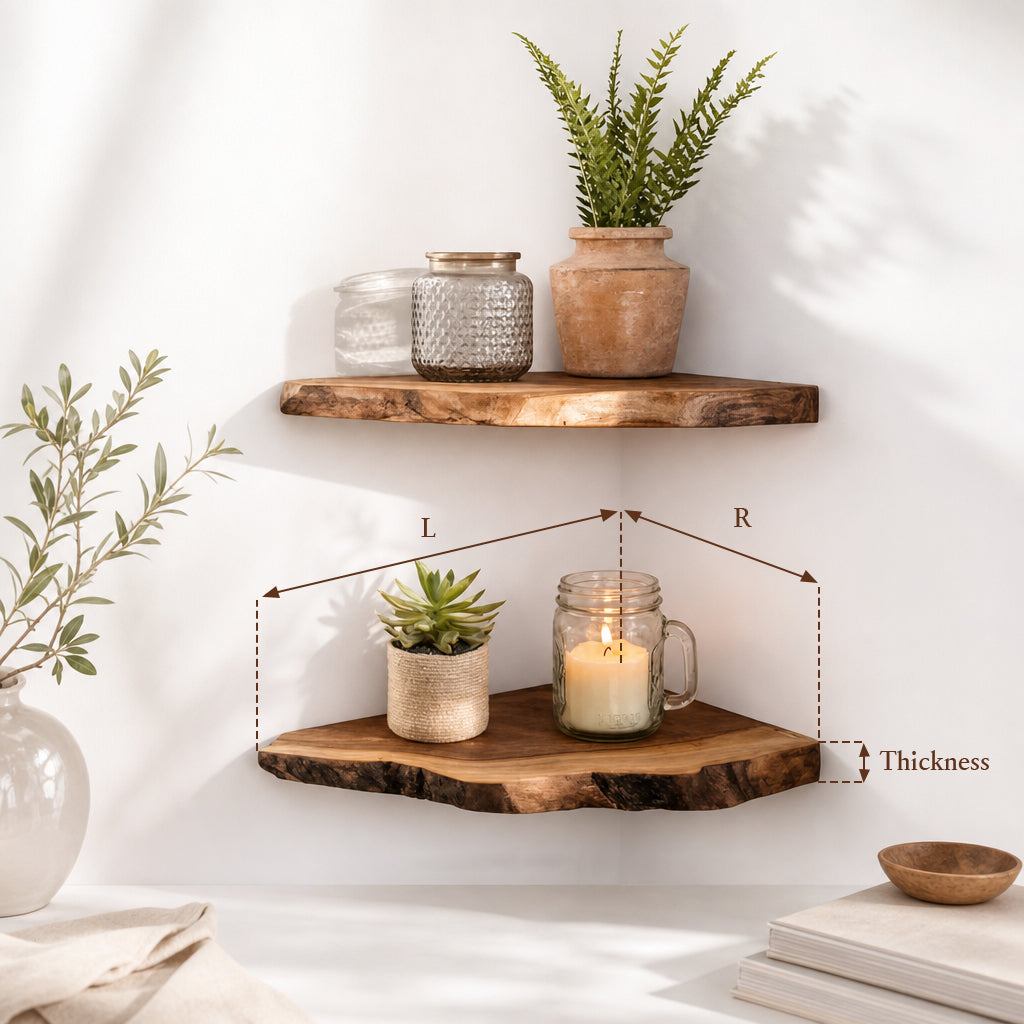
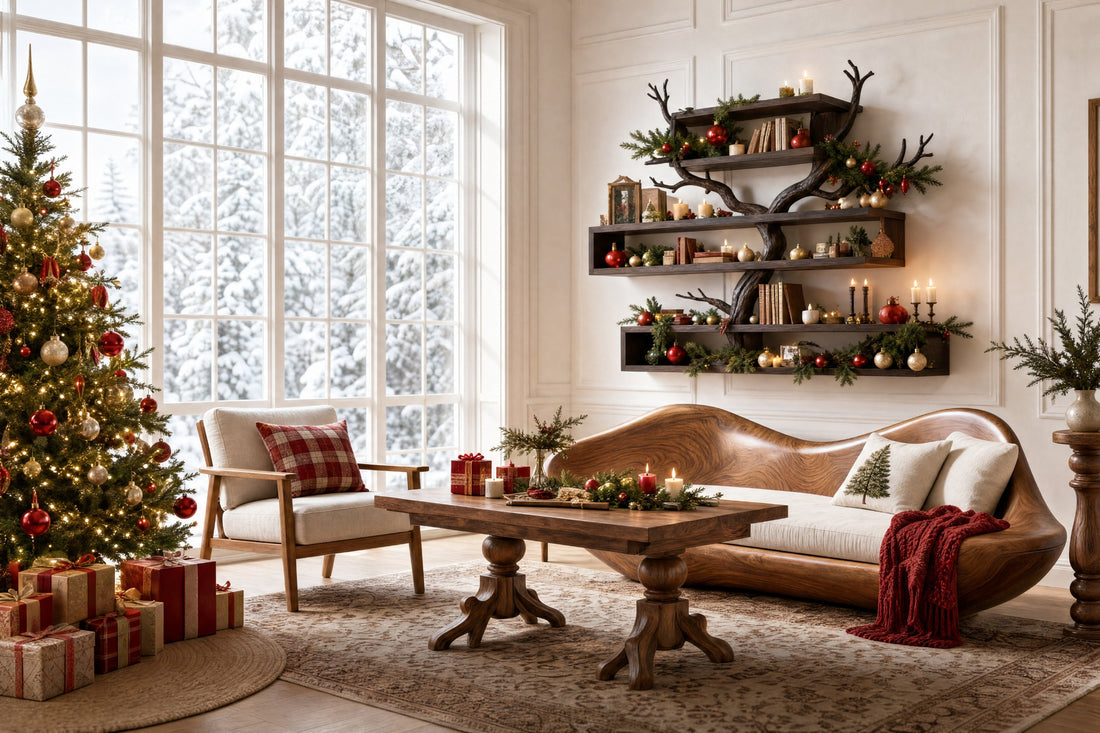
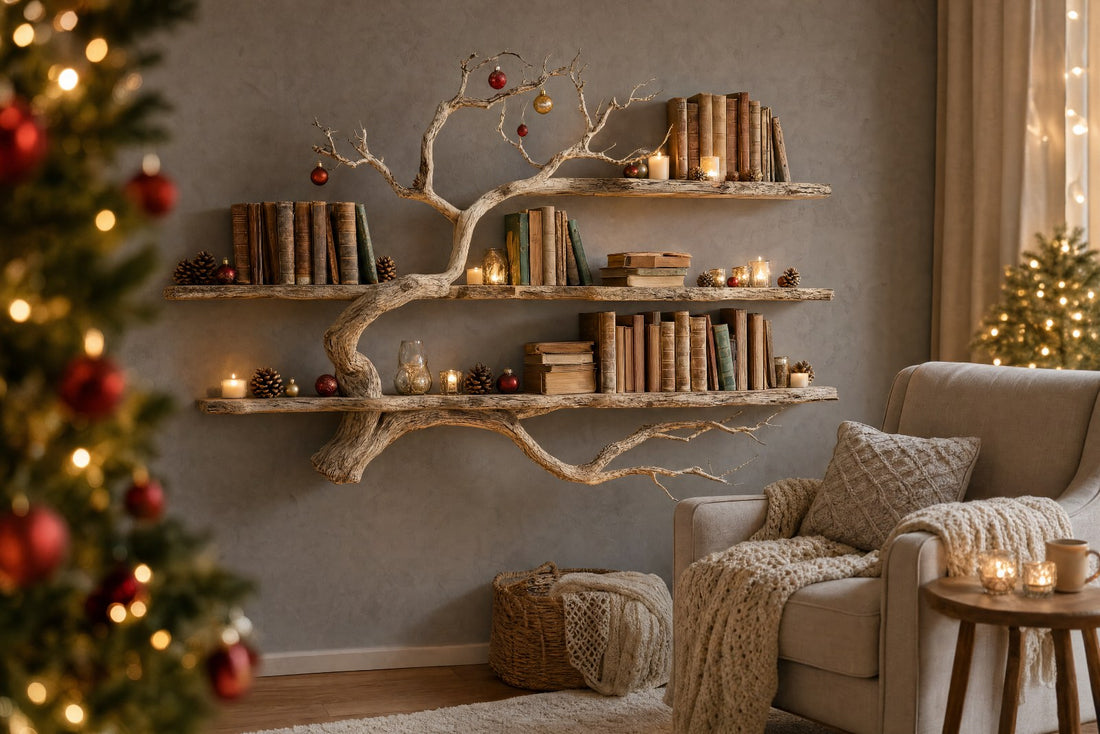
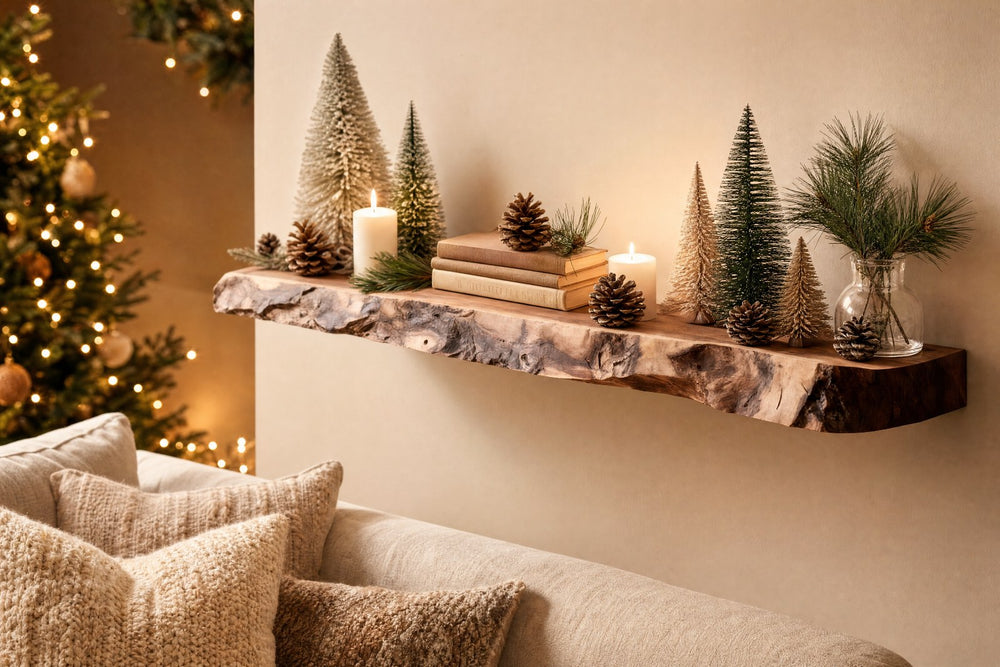
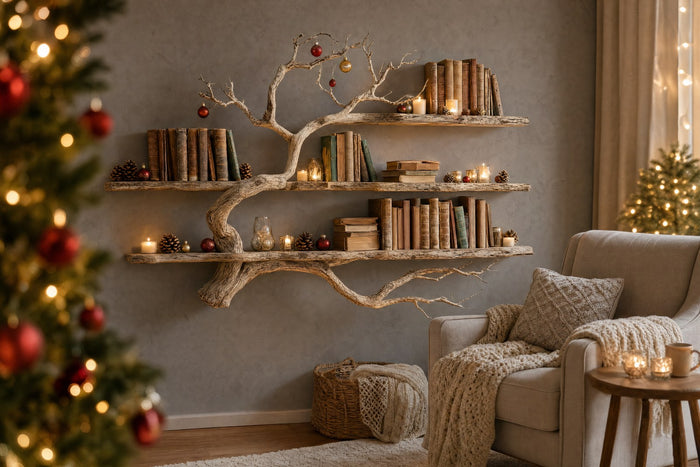
A pair of floating shelves near the door creates a stylish drop zone that doesn't eat into your walkway. Mount one at eye height for a small plant and a framed photo. Mount a lower one at counter height for keys and wallet.
Keep these shelves edited. One to three items per shelf - that's the rule. Think of each shelf as a tiny curated vignette, not a junk drawer.
Use a Narrow Console Table
If you have at least 10 inches of wall depth, a console table transforms the entryway. Choose the narrowest profile you can find - anything under 12 inches deep works beautifully.
A solid wood console in warm oak or walnut adds instant warmth and gravitas. It creates visual weight that makes the entryway feel like a room, not just a passage.
Maximize the Door Wall
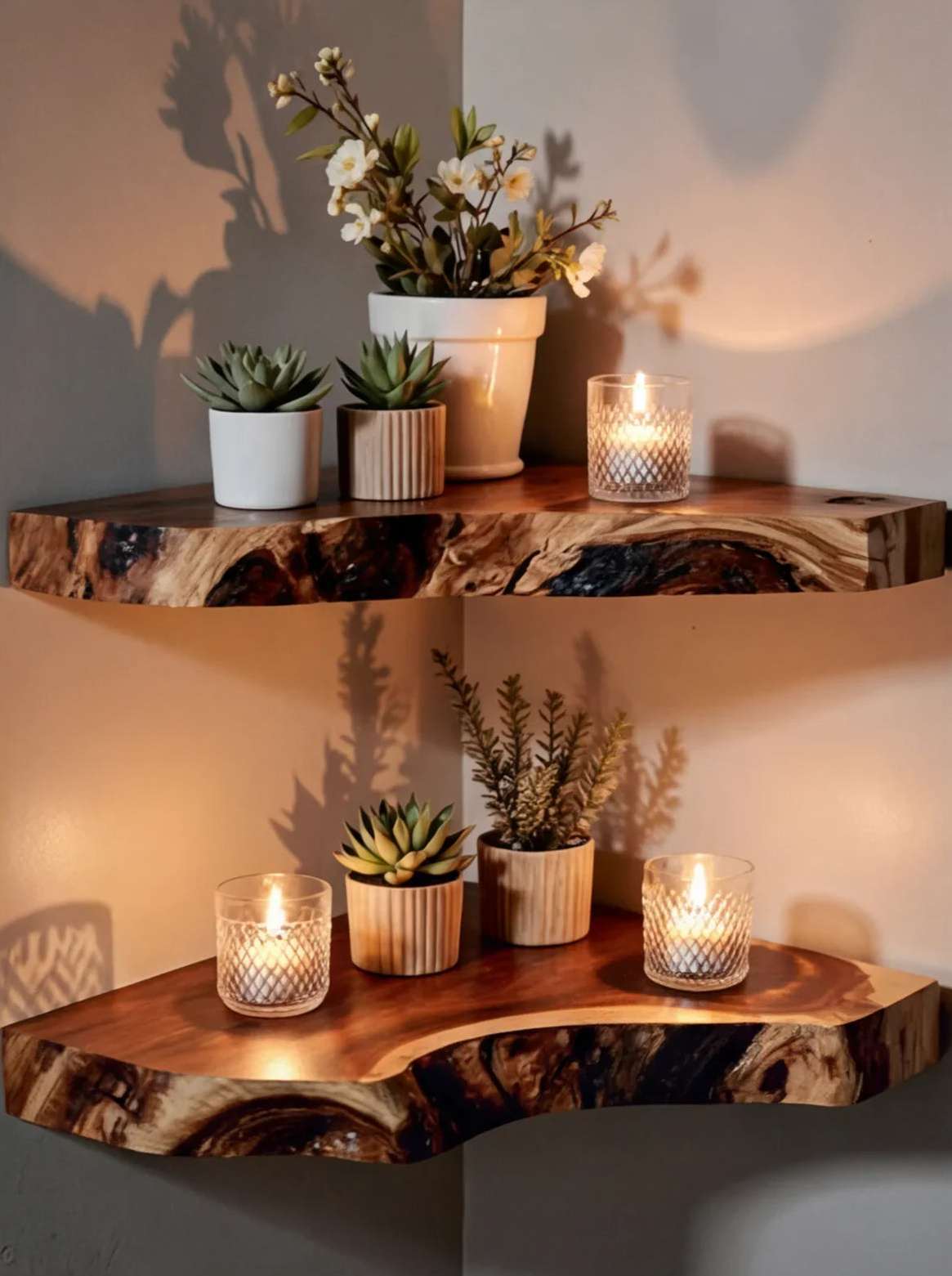
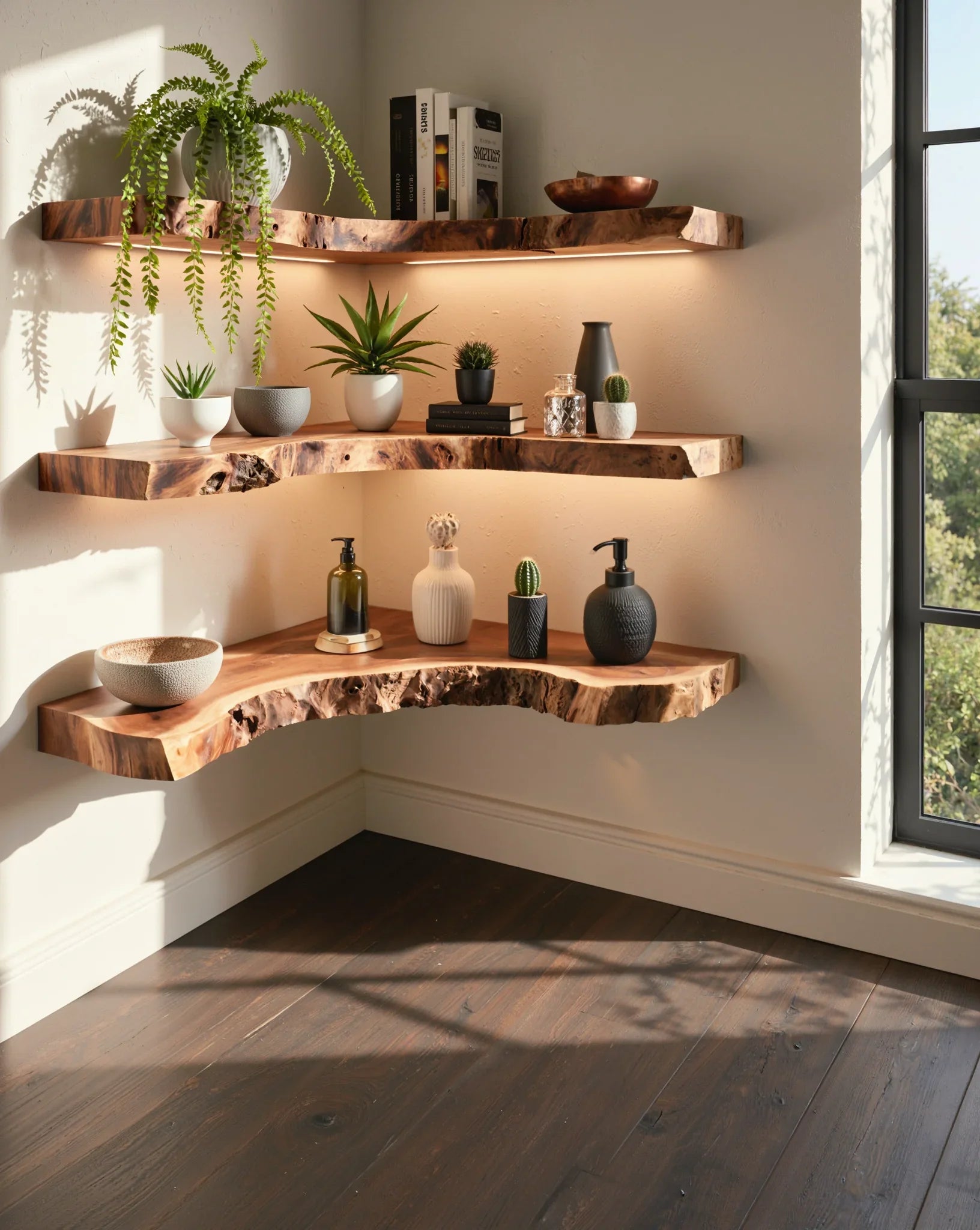
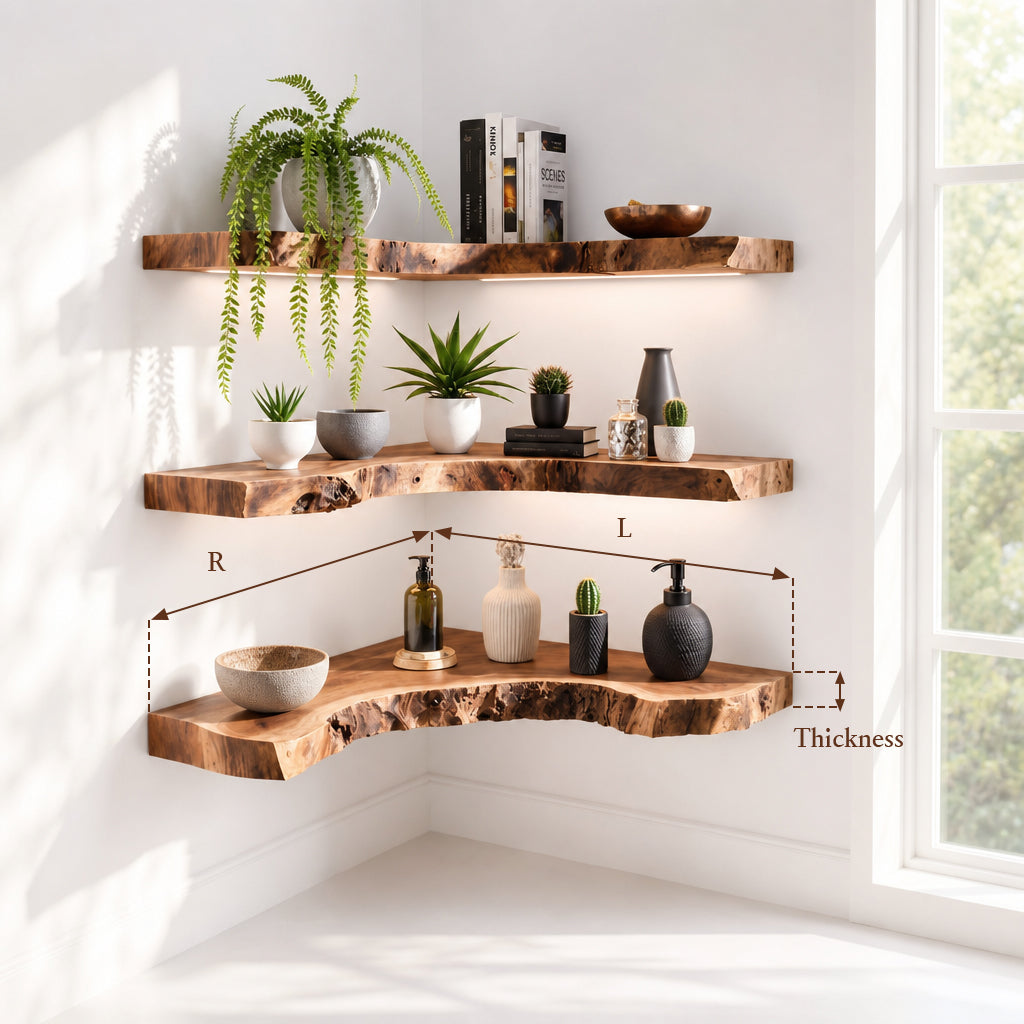
The wall directly behind the door is often wasted. When the door opens, that wall is hidden - but when it's closed, you have a full surface for hooks, a mirror, or corner floating shelves.
Use this hidden real estate for frequently grabbed items. Install a row of individual hooks at staggered heights for a modern look.
Install a Full-Length Mirror
A mirror is the single most effective tool for making a small entryway feel larger. A tall, narrow mirror leaning against the wall or mounted flush doubles the visual depth and gives you a last-minute outfit check.
Choose a frame that matches your wood furniture - a slim oak or walnut frame ties the mirror into the room. Better Homes & Gardens calls a full-length entryway mirror a "non-negotiable" for small spaces.

Choose a Cohesive Color Palette
Small spaces benefit from a restrained palette. Stick to two or three colors maximum: one light neutral for walls, one warm wood tone for furniture, and one accent color for textiles.
Light walls (warm white, pale grey, soft sage) maximize the sense of space. Warm wood furniture adds character without closing the room in.
Add a Rug That Fits the Space
A rug defines the entryway and protects your floors. For narrow spaces, a runner in a durable flat-weave works best. For square-ish foyers, a small 3x5 rug creates a landing pad.
Choose patterns that hide dirt and wear - subtle geometrics, heathered textures, or low-contrast prints.
Think About Lighting
Most entryways rely on a single overhead fixture, which creates flat, unwelcoming light. If you can add a table lamp on your console, do it - the warm glow transforms the entry from a transition zone into a welcoming arrival.
Wall-mounted sconces on either side of a mirror create a boutique-hotel feeling. Warm-toned bulbs (2700K) are essential.
"Every functional small entryway needs five things: somewhere to hang, somewhere to sit, somewhere to store shoes, somewhere to drop your keys, and a mirror. If you have those five, everything else is a bonus."
Seasonal Rotation Keeps It Fresh
A small entryway means limited display space, so rotate your decor seasonally. Swap the throw pillow on the bench, change the small plant, and rotate artwork.
Elle Decor recommends refreshing entryway styling every season to keep the space intentional. Seasonal editing also forces you to keep only what's working.
The Small Entryway Essentials Checklist
Every functional small entryway needs five things:
- Somewhere to hang: Coat rack, hooks, or a hook shelf
- Somewhere to sit: A bench or stool for putting on shoes
- Somewhere to store shoes: A shoe bench, rack, or tray
- Somewhere to drop: A shelf, tray, or console for keys and daily items
- A mirror: For last looks and visual space-doubling
If your entryway has these five elements, it works.
---
Frequently Asked Questions
How do I make a small entryway look bigger?
Use three strategies: a full-length mirror to double visual depth, light wall colors to maximize brightness, and wall-mounted furniture (floating shelves, coat racks) to keep the floor clear. A tight color palette and minimal styling prevent the space from feeling cluttered.
What furniture works in a narrow entryway?
Slim-profile pieces are essential. A console table under 12 inches deep, a narrow shoe bench, wall-mounted coat hooks, and floating shelves all provide function without blocking the walkway. You need at least 36 inches of clear width for comfortable passage. We've written a full breakdown in our shoe bench dimensions guide post.
How do I organize shoes in a small entryway?
A shoe bench with an open shelf below is the most efficient solution. It keeps shoes visible and provides seating. For families, assign each person a slot. Keep out-of-season shoes in a closet to prevent overflow.
Can I make an entryway when my home doesn't have one?
Absolutely. Use furniture to define the zone: a narrow console table or shoe bench placed perpendicular to foot traffic, a rug to mark the boundary, and wall hooks or a coat rack to signal "this is where arrival happens."