



















Quick view
- Why Sage Green Works in Living Rooms
- The Best Sage Green Color Pairings
- Start with the Walls - Or Don't
- Pair Sage Walls with Natural Wood Furniture
- Layer Textures to Prevent Flatness
- Add Organic Shapes with Mushroom Shelves
- Use Metallics Strategically
- Choose the Right Sofa Color
- Anchor the Room with a Console Table
- Bring in Living Green
- Add Warmth Through Art and Accessories
- Making Sage Green Timeless
- Frequently Asked Questions
Shop this guide
Handcrafted Trending, made to order in solid wood.
 Christmas edit
Handcrafted Live Edge Floating Bar Shelf – Rustic Solid Wood Wall Shelf for Kitchen or Bar
From $167.00
Christmas edit
Handcrafted Live Edge Floating Bar Shelf – Rustic Solid Wood Wall Shelf for Kitchen or Bar
From $167.00
 Christmas edit
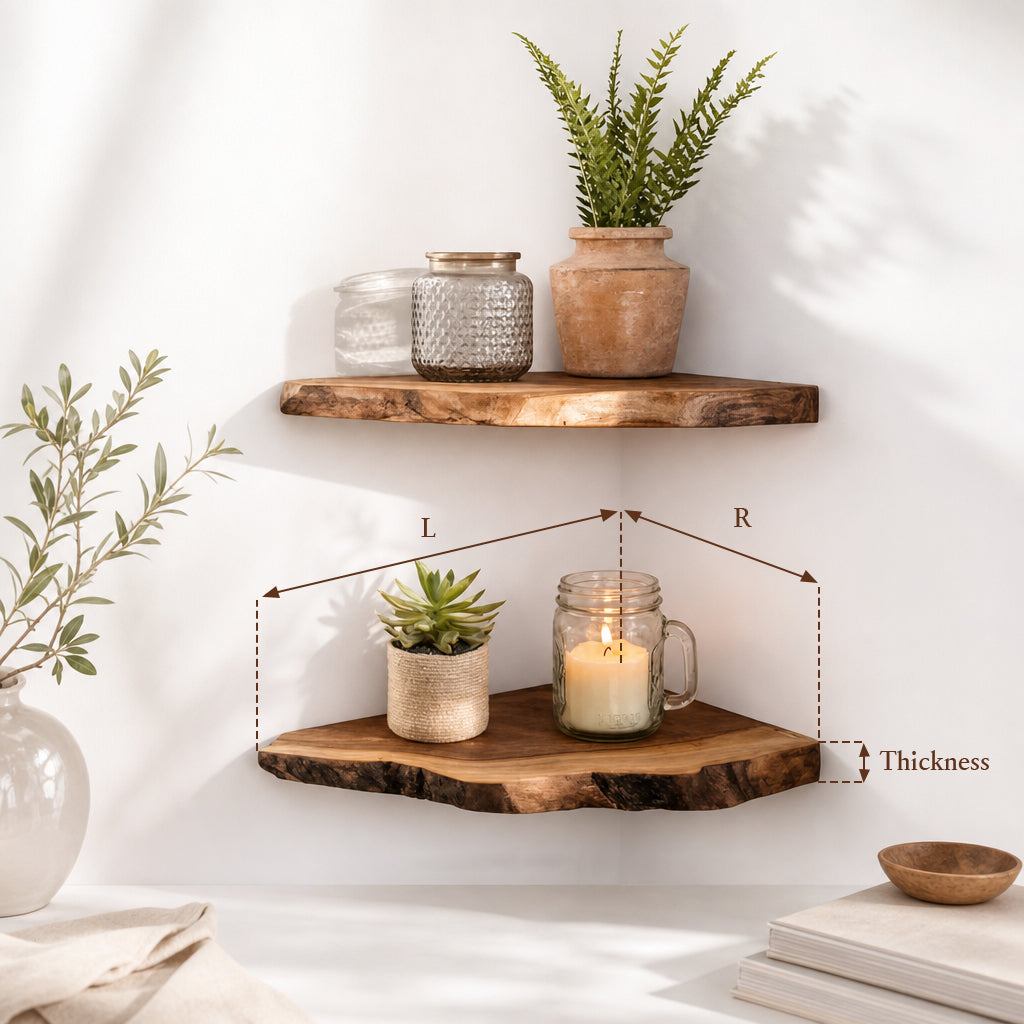
Rustic Corner Wall Shelf – Natural Live Edge Wood Floating Shelf for Candles and Plants
From $176.00
Christmas edit
Rustic Corner Wall Shelf – Natural Live Edge Wood Floating Shelf for Candles and Plants
From $176.00
 Christmas edit
Rustic Live Edge Floating Vanity – Handmade Wooden Bathroom Shelf with Brackets
From $180.00
Christmas edit
Rustic Live Edge Floating Vanity – Handmade Wooden Bathroom Shelf with Brackets
From $180.00
 Christmas edit
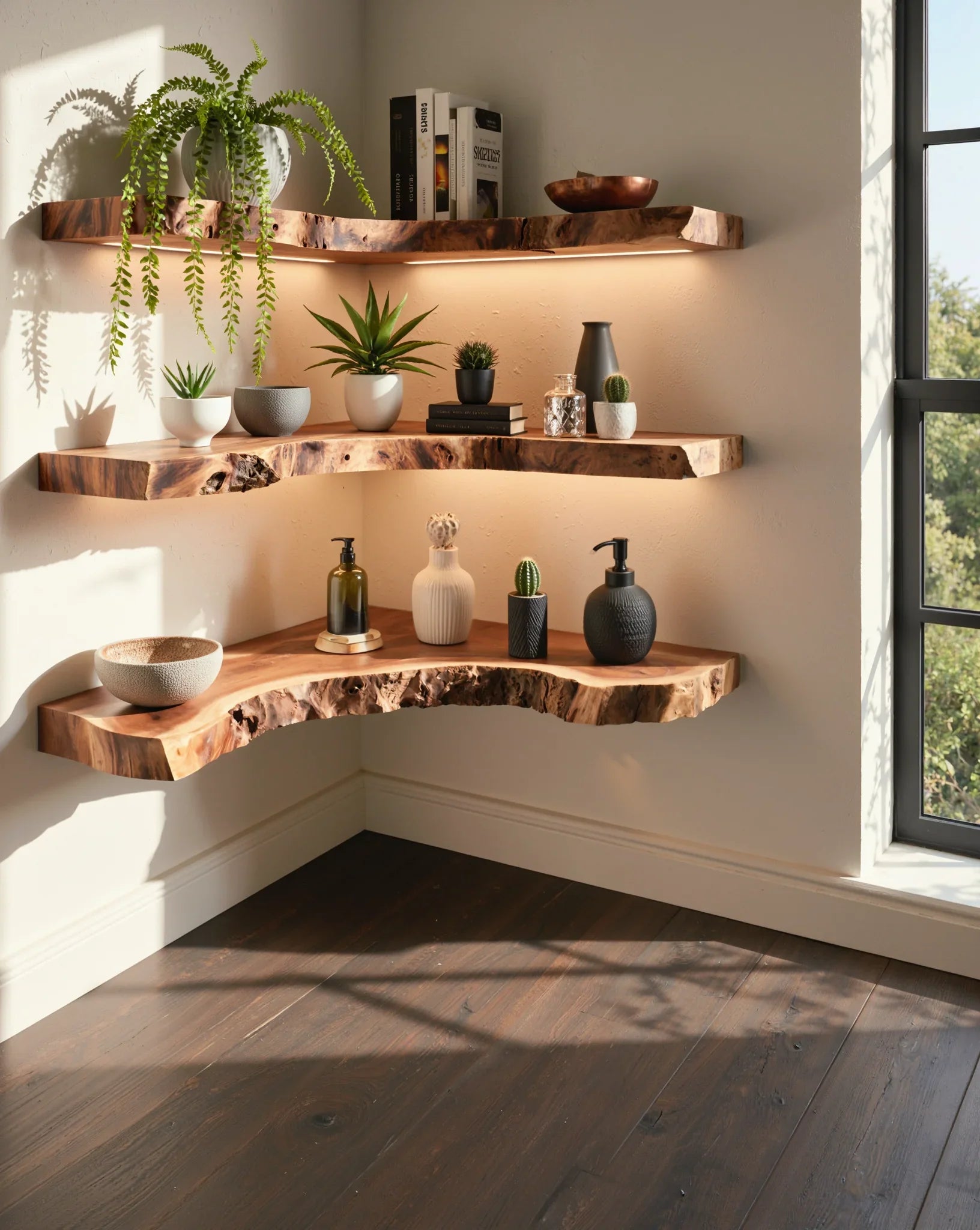
Rustic Teak Root Wood Corner Shelf - Floating Corner Shelf Decor
From $176.00
Christmas edit
Rustic Teak Root Wood Corner Shelf - Floating Corner Shelf Decor
From $176.00
 Christmas edit
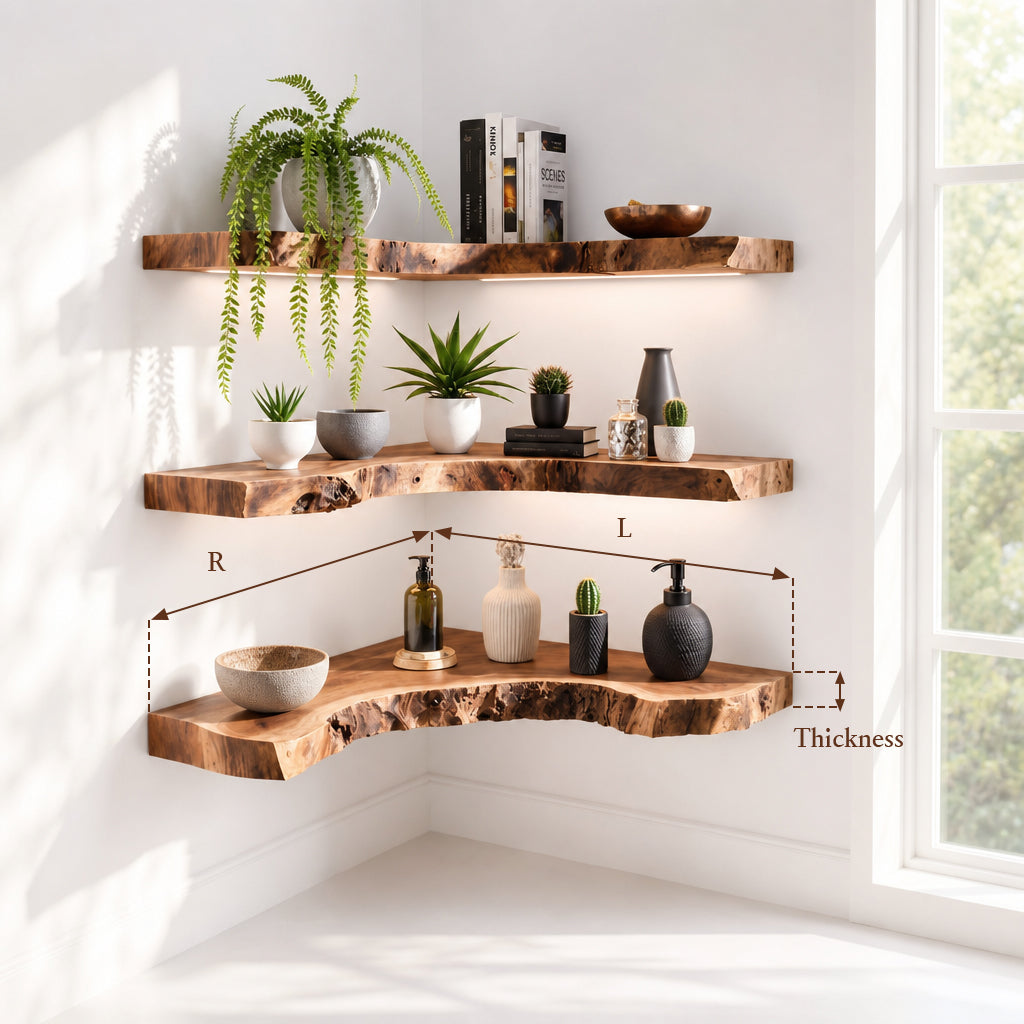
Live Edge Corner Floating Shelf – Handcrafted Solid Wood Wall Shelf
From $140.00
Christmas edit
Live Edge Corner Floating Shelf – Handcrafted Solid Wood Wall Shelf
From $140.00
 Christmas edit
Custom Wood Coat Rack – Driftwood Wall Mount Clothes Rack with Unique Hooks
From $697.00
Christmas edit
Custom Wood Coat Rack – Driftwood Wall Mount Clothes Rack with Unique Hooks
From $697.00
Sage green has earned its place as the color of the decade - and the sage green living room is leading the charge. This muted, grey-green tone sits in a sweet spot between calming neutral and deliberate color choice. It pairs effortlessly with natural wood, works in traditional and modern spaces alike, and creates the kind of serene atmosphere that makes you exhale the moment you walk through the door. For a deeper dive, see our article on mid-century modern guide.
Here's how to use sage green without it feeling like a paint sample gone wrong.

• Solid Wood Floating Shelves - from $39
• Handcrafted Coffee Tables - from $199
• Mushroom Floating Shelves - from $29
Why Sage Green Works in Living Rooms
Sage green succeeds where bolder greens fail because of its grey undertone. That muted quality lets it function almost like a neutral - calming enough for large surfaces, but interesting enough to give the room genuine character.
According to Architectural Digest, sage green has dominated interior design color reports for three consecutive years. Unlike trendy colors that burn bright and fade fast, sage has the staying power of a true classic.
The Best Sage Green Color Pairings
Sage green and grey create a sophisticated, cool-toned combination for contemporary spaces. For a sage green and grey living room, use sage on the walls and layer in warm greys through upholstery, rugs, and throw pillows.
For warmth, pair sage with cream, warm white, and natural wood tones. For drama, try sage with charcoal, matte black, or deep navy. Each pairing shifts the room's personality dramatically.
"Sage green's secret weapon is its grey undertone. It functions like a neutral with personality - calming enough for four walls, but interesting enough to make you look twice."


Start with the Walls - Or Don't
The most impactful approach is painting your walls in sage green. Choose a shade with enough grey to prevent it from reading as "minty" - Benjamin Moore's "Sage" or Farrow & Ball's "Vert De Terre" are reliable options.
If full walls feel like too much, use sage on a single accent wall behind the sofa or fireplace. Then bring in sage through textiles and accessories elsewhere.
Pair Sage Walls with Natural Wood Furniture
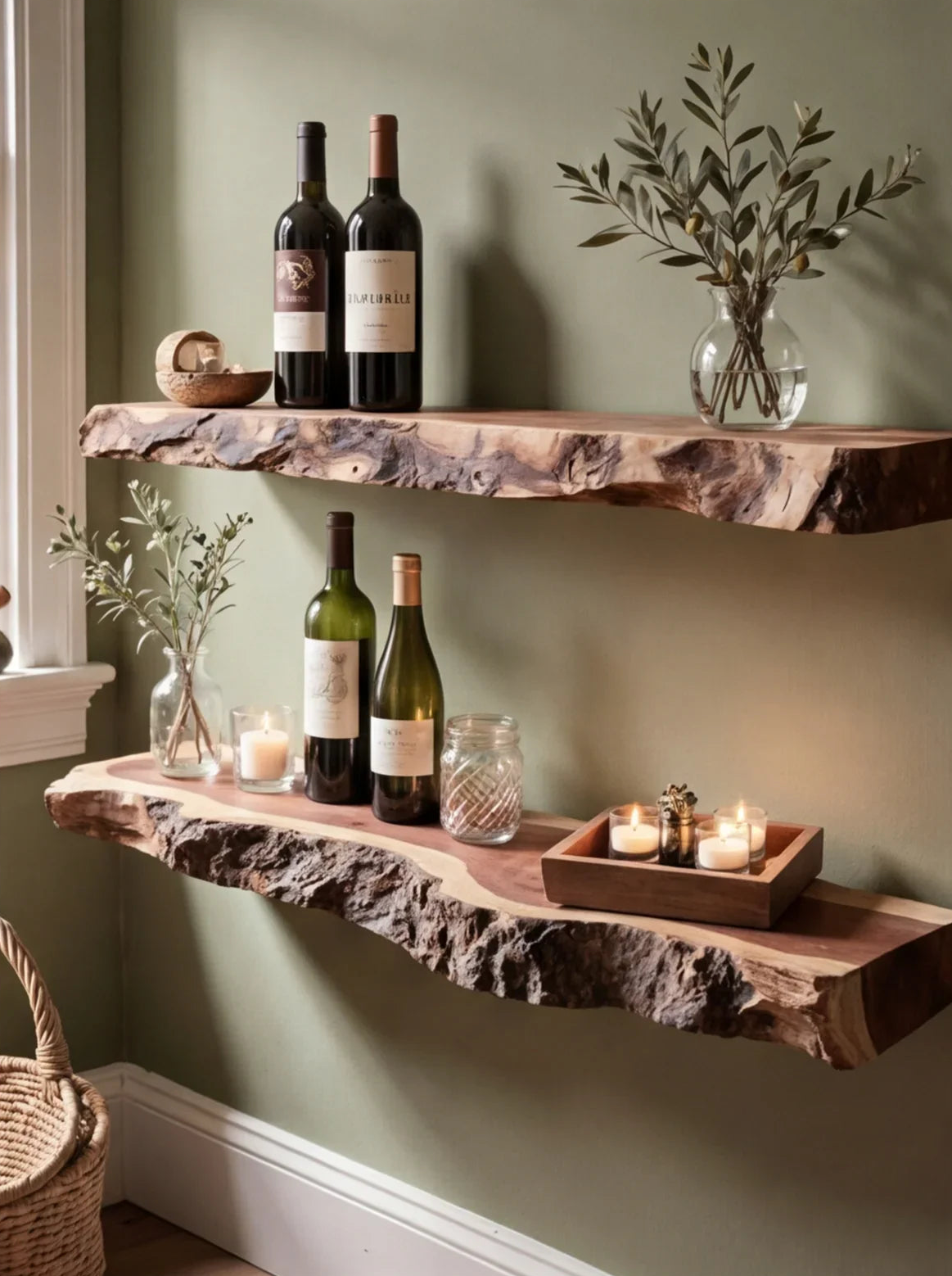
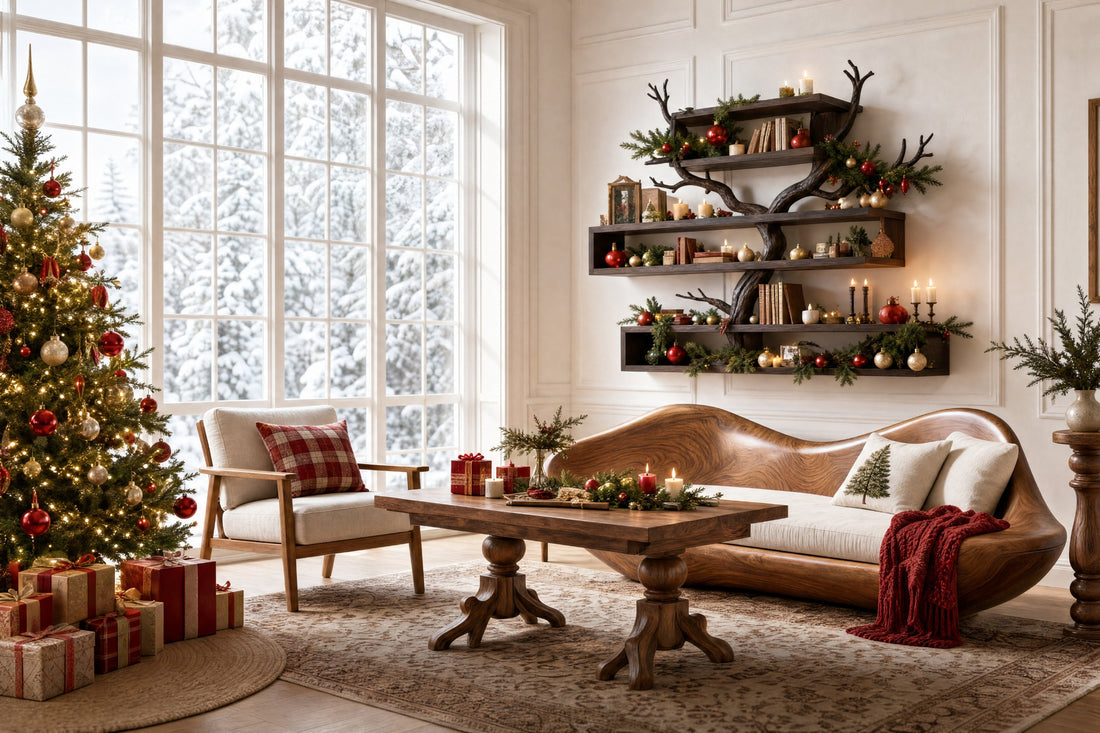
Sage green and natural wood are a pairing made in design heaven. The warm tones of walnut, oak, or ash create a beautiful contrast against cool sage walls - grounding the space and preventing it from feeling monochromatic. We cover this in more detail in our japandi design guide guide.
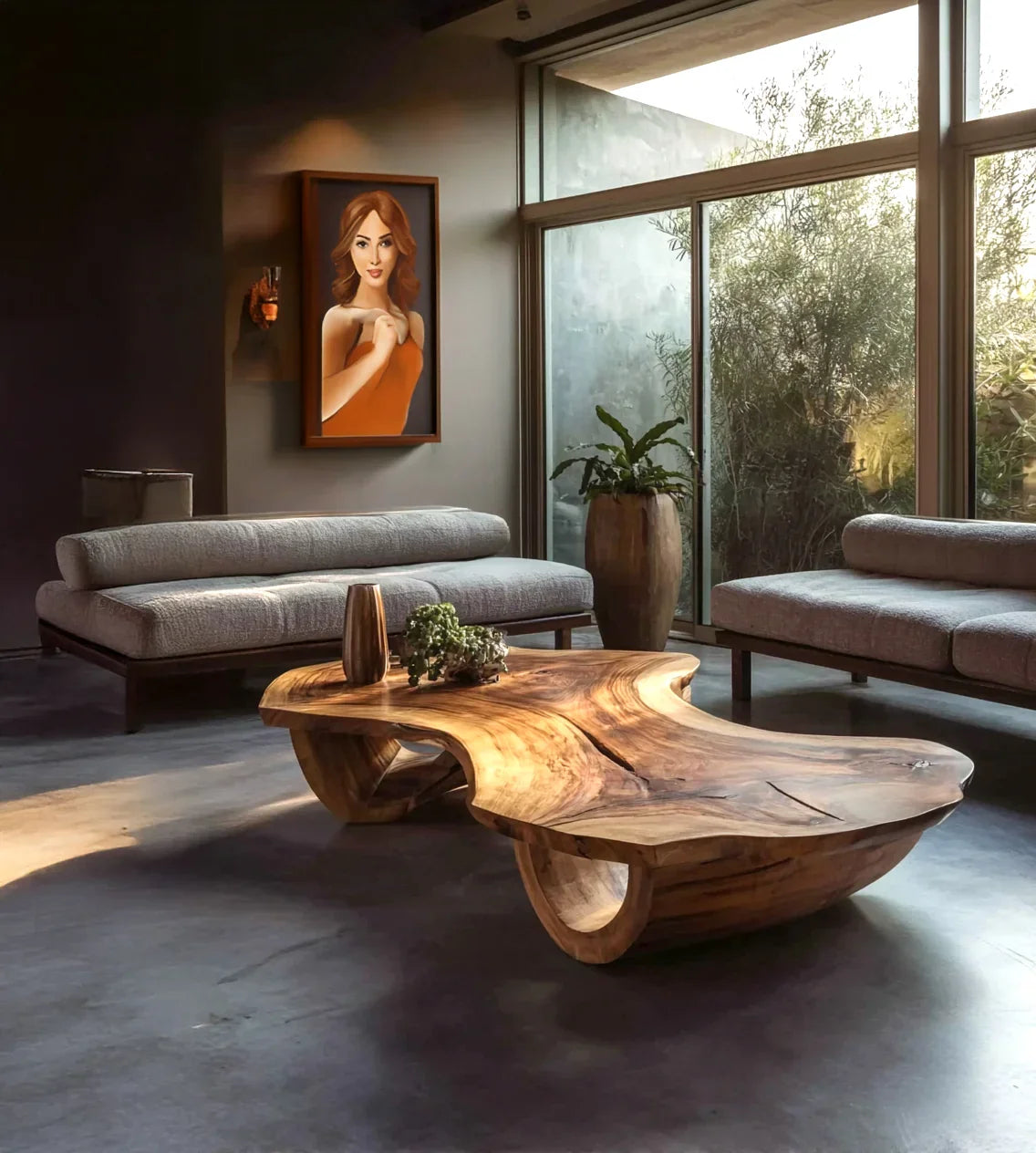
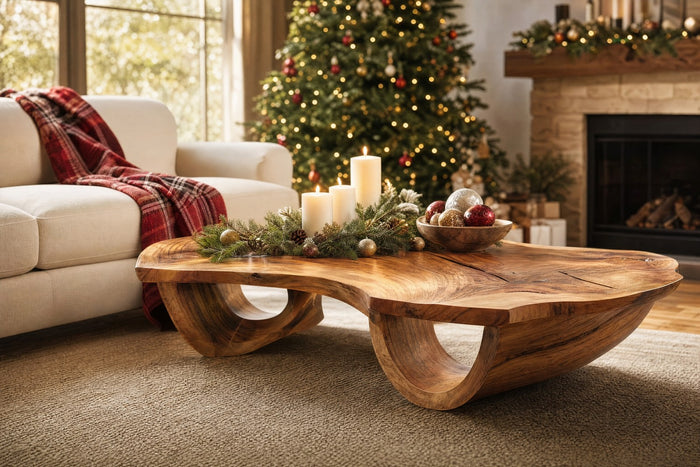
A solid wood coffee table with visible grain becomes even more striking against a sage backdrop. Add floating shelves in the same warm wood and the whole room ties together.

Don't miss
These pieces qualify for 10% off orders over $2,000. Applied automatically at checkout.
 10% off
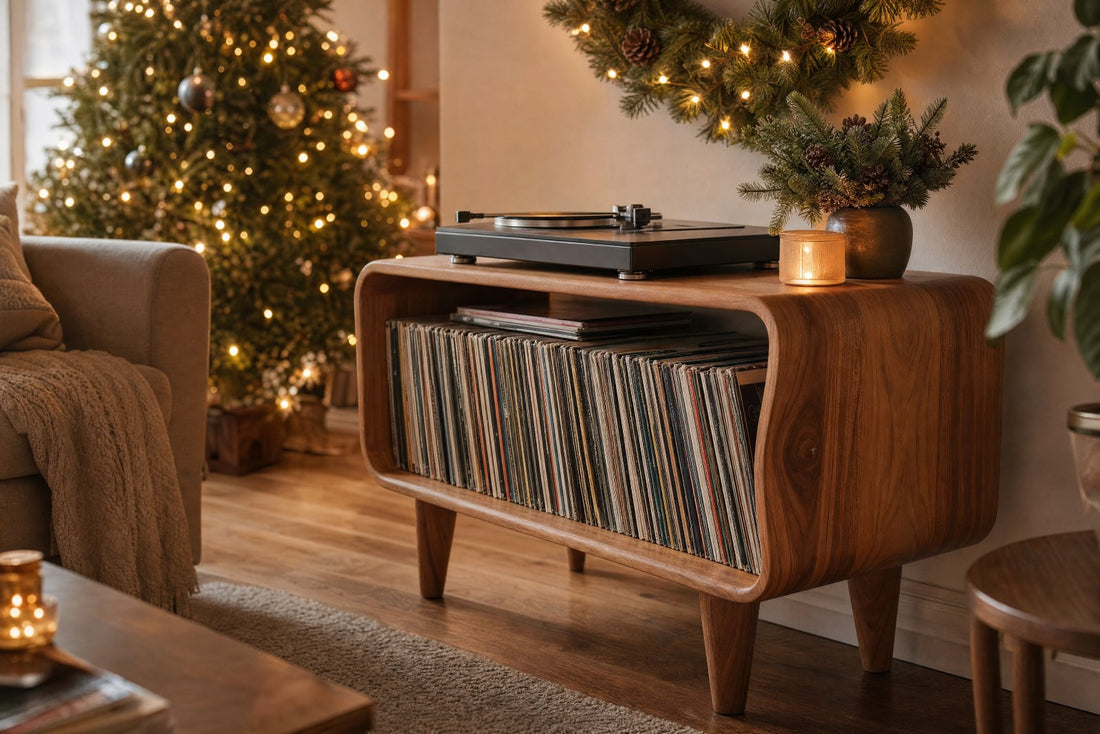
Solid Wood Turntable Stand – Rustic Record Player Cabinet with Farmhouse Storage
From $2,036.00
10% off at checkout
10% off
Solid Wood Turntable Stand – Rustic Record Player Cabinet with Farmhouse Storage
From $2,036.00
10% off at checkout
 10% off
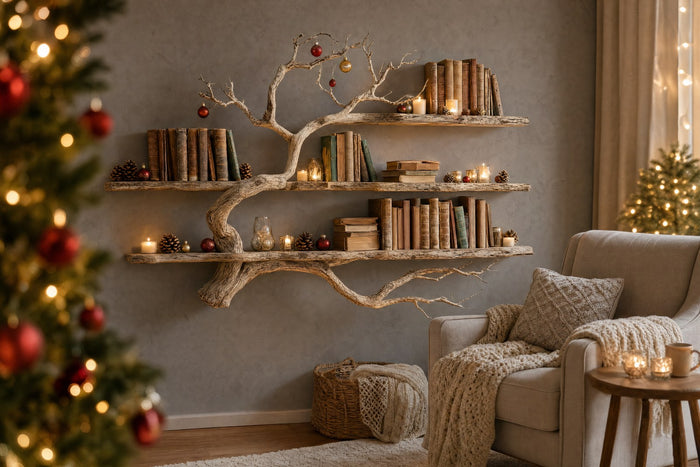
Tree Bookshelf – Rustic Wooden Book Tree Shelf, Wall-Mounted Natural Wood Décor
$2,099.00
10% off at checkout
10% off
Tree Bookshelf – Rustic Wooden Book Tree Shelf, Wall-Mounted Natural Wood Décor
$2,099.00
10% off at checkout
 10% off
Live Edge L-Shaped Desk – Handmade Solid Wood Corner Desk for Home Office
From $2,340.00
10% off at checkout
10% off
Live Edge L-Shaped Desk – Handmade Solid Wood Corner Desk for Home Office
From $2,340.00
10% off at checkout
 10% off
Handcrafted Walnut Bench – Organic Sculptural Mid-Century Design
From $2,327.00
10% off at checkout
10% off
Handcrafted Walnut Bench – Organic Sculptural Mid-Century Design
From $2,327.00
10% off at checkout
Layer Textures to Prevent Flatness
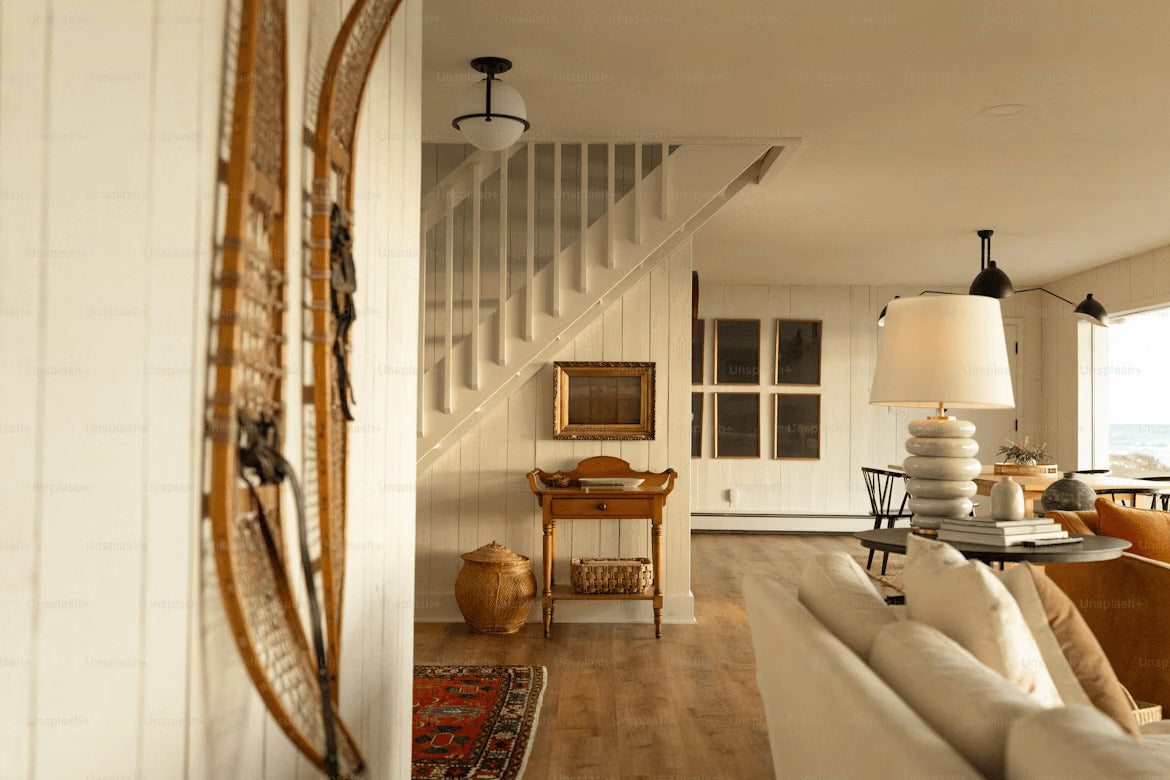
A single-color room can feel flat if you rely on color alone. Layer textures aggressively: linen curtains, a wool area rug, velvet throw pillows in deeper green or cream, and woven baskets for storage.
A bouclé or linen sofa in cream or light grey anchors the seating area against sage walls. Add a chunky knit throw in ivory for warmth.
Add Organic Shapes with Mushroom Shelves
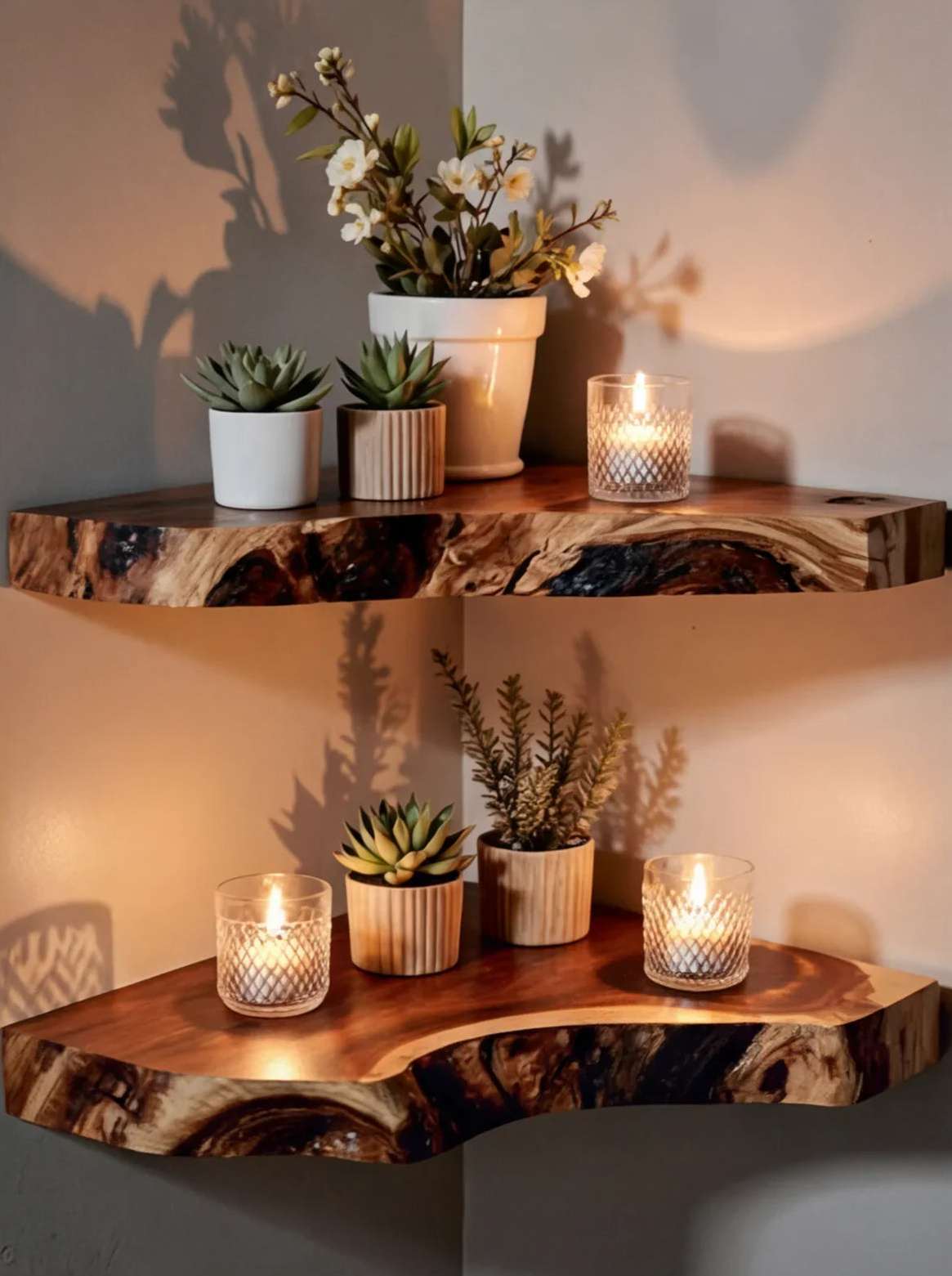
Mushroom floating shelves in warm wood bring organic, playful shapes to a sage green wall. Their curved silhouette softens the room's lines and adds visual interest that standard rectangular shelves can't match.
Use them to display a single small plant or ceramic piece. The mushroom shape is a statement on its own - keep the styling minimal.

Use Metallics Strategically
Gold, brass, and matte black all look stunning against sage green. Brass picture frames, a gold-finished floor lamp, or matte black light fixtures add contrast and sophistication.
Pick one metal tone and repeat it at least three times throughout the room. A brass lamp, brass shelf brackets, and a brass-framed mirror create cohesion.
Choose the Right Sofa Color
Against sage walls, a cream or off-white sofa keeps things light and airy. A charcoal or deep grey sofa creates more contrast and a moodier feel. A sage green sofa on neutral walls makes the color the star.
Avoid matching your sofa exactly to your wall color. Choose a shade two or three steps darker or lighter for tonal depth. Elle Decor recommends this tonal approach for any monochromatic room.
Anchor the Room with a Console Table
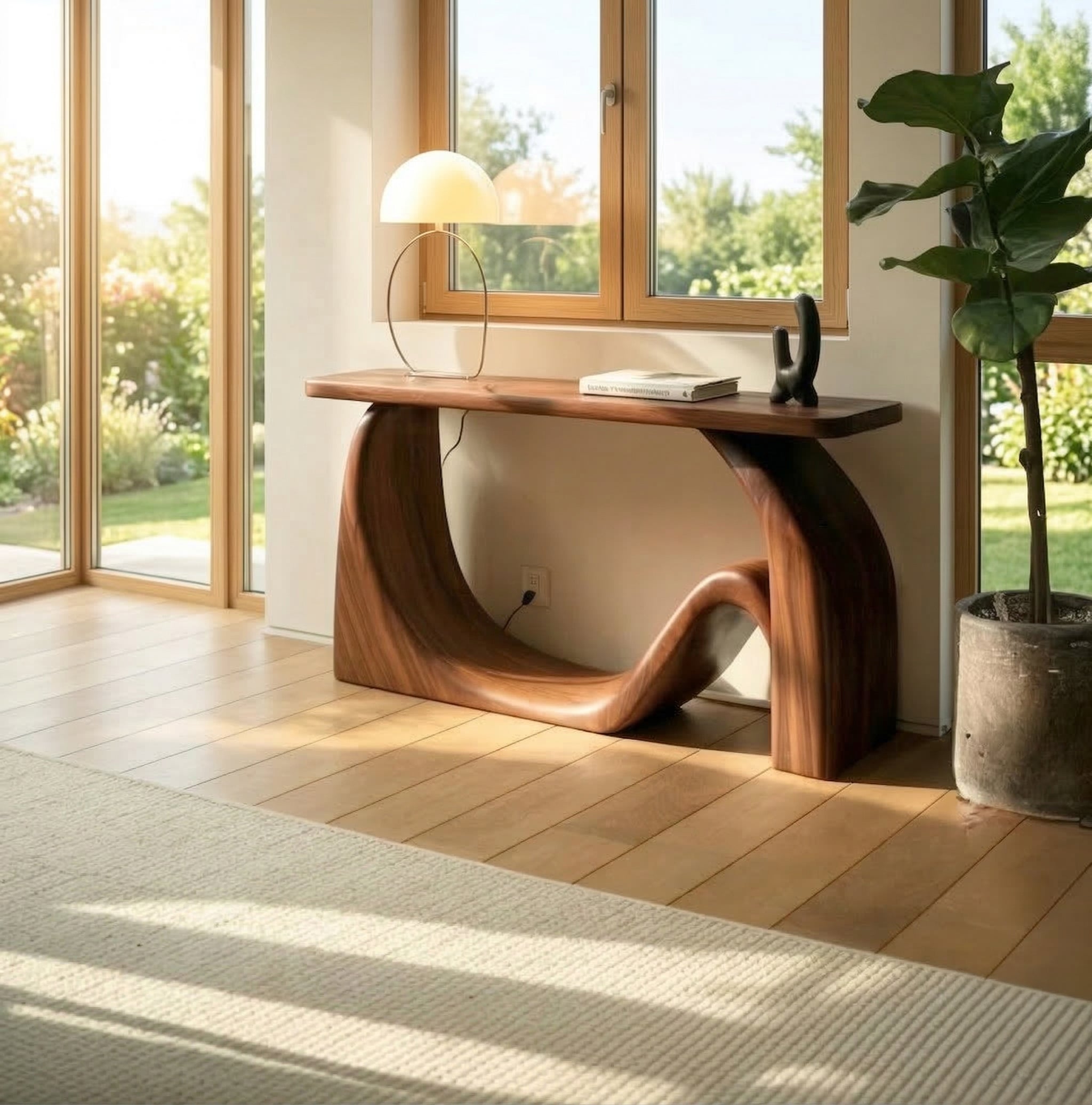
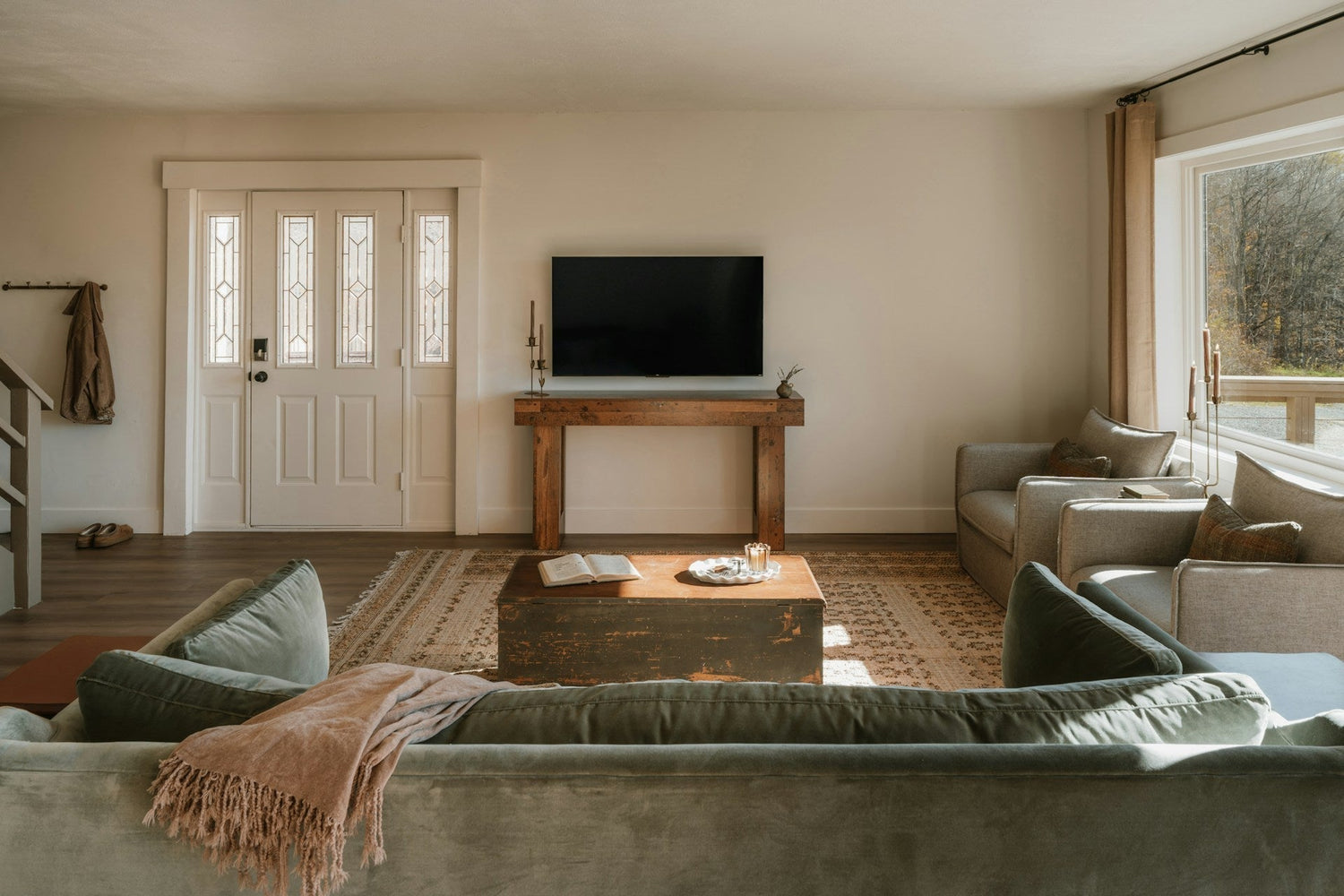
A console table in natural wood against a sage wall is one of the simplest and most effective styling moves. Use it to display a table lamp with a linen shade, a potted plant, and a few curated objects.
The horizontal line of a console breaks up the wall visually and gives you a place to layer in complementary textures.

Bring in Living Green
In a sage green room, actual plants feel like a natural extension of the palette. Group plants in varying shades of green - the deep green of a rubber plant, the silvery green of eucalyptus, the vibrant green of a fern.
The interplay between sage walls and real greenery creates a layered, nature-immersed feeling that paint alone can't achieve.
"Always test your sage green paint in situ before committing. Paint a large swatch and observe it at different times of day - sage shifts dramatically between morning light and evening lamplight."
Add Warmth Through Art and Accessories
Abstract art in warm tones - terracotta, blush, gold, burnt sienna - creates beautiful contrast against sage walls. Choose one larger piece above the sofa or a curated gallery arrangement.
Warm-toned accessories do heavy lifting. Terracotta vases, amber glass bottles, and natural fiber baskets prevent the room from skewing too cool. According to Better Homes & Gardens, the warm-against-cool principle is what gives sage green rooms their distinctive depth.
Making Sage Green Timeless
Sage green's staying power comes from its versatility. It works in farmhouse, modern, Scandinavian, and even maximalist interiors.
To keep your sage green living room from feeling trendy, anchor it with timeless materials - solid wood, natural linen, quality ceramics. A room built on natural materials and a harmonious palette endures long after trends move on. If you're weighing your options, our guide on boho living room ideas breaks it down further.
---
Frequently Asked Questions
What colors go best with sage green in a living room?
Sage pairs beautifully with warm neutrals (cream, taupe, warm white), cool greys, charcoal, matte black, and warm metallics like brass and gold. For accent colors, try dusty pink, terracotta, navy, or mustard yellow.
Is sage green going out of style?
Sage green has outlasted most color trends because of its neutral quality. Unlike bold trending colors that fatigue quickly, sage's grey undertone gives it staying power similar to grey and beige. Interior design experts have consistently ranked it among the top living room colors since 2020.
Should I paint all walls sage green or just one?
Both approaches work. All four walls create an immersive, enveloping feeling ideal for medium to large rooms. A single accent wall provides a color focal point while keeping the room bright - better for smaller spaces or rooms with limited natural light.
What wood tones look best with sage green?
Warm-toned woods - walnut, honey oak, ash, and natural pine - create the most harmonious pairing. The warm wood counterbalances sage's cool undertones beautifully. Avoid very dark stained woods or grey-washed finishes, which can make the room feel too cold.