
Quick view
- What Makes Japandi Unique
- Embrace a Muted, Natural Color Palette
- Choose Furniture with Purpose and Presence
- Celebrate Craftsmanship
- Use Floating Shelves with Extreme Restraint
- Create a Mindful Entryway
- Layer Warm Textiles (the Scandinavian Contribution)
- Bring Nature Inside - Literally and Symbolically
- Master the Art of Negative Space
- Choose a Desk That Embodies Both Traditions
- Use Lighting to Create Atmosphere
- The Japandi Design Principles
- Frequently Asked Questions
Shop this guide
Handcrafted Trending, made to order in solid wood.
 Christmas edit
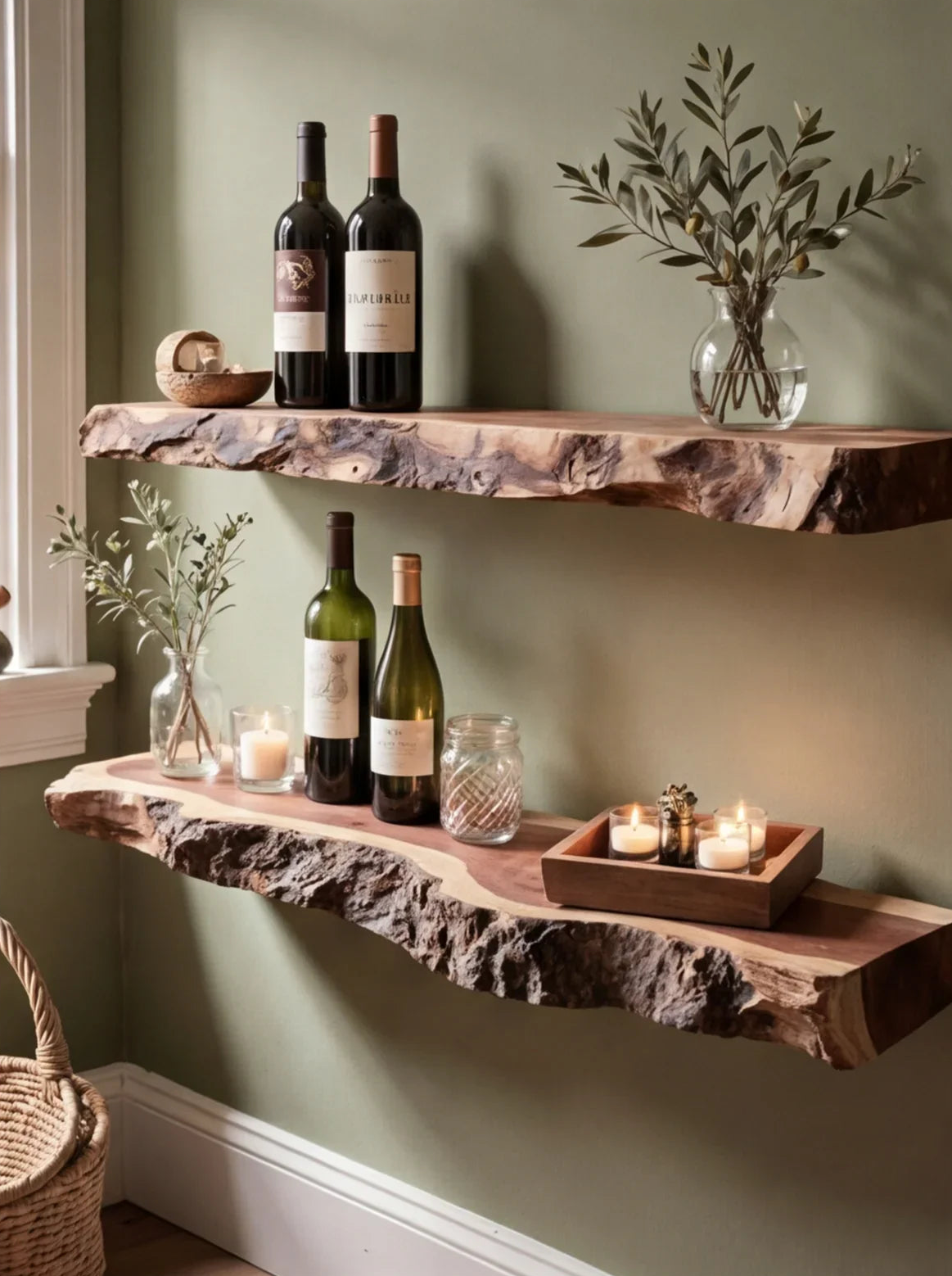
Handcrafted Live Edge Floating Bar Shelf – Rustic Solid Wood Wall Shelf for Kitchen or Bar
From $167.00
Christmas edit
Handcrafted Live Edge Floating Bar Shelf – Rustic Solid Wood Wall Shelf for Kitchen or Bar
From $167.00
 Christmas edit
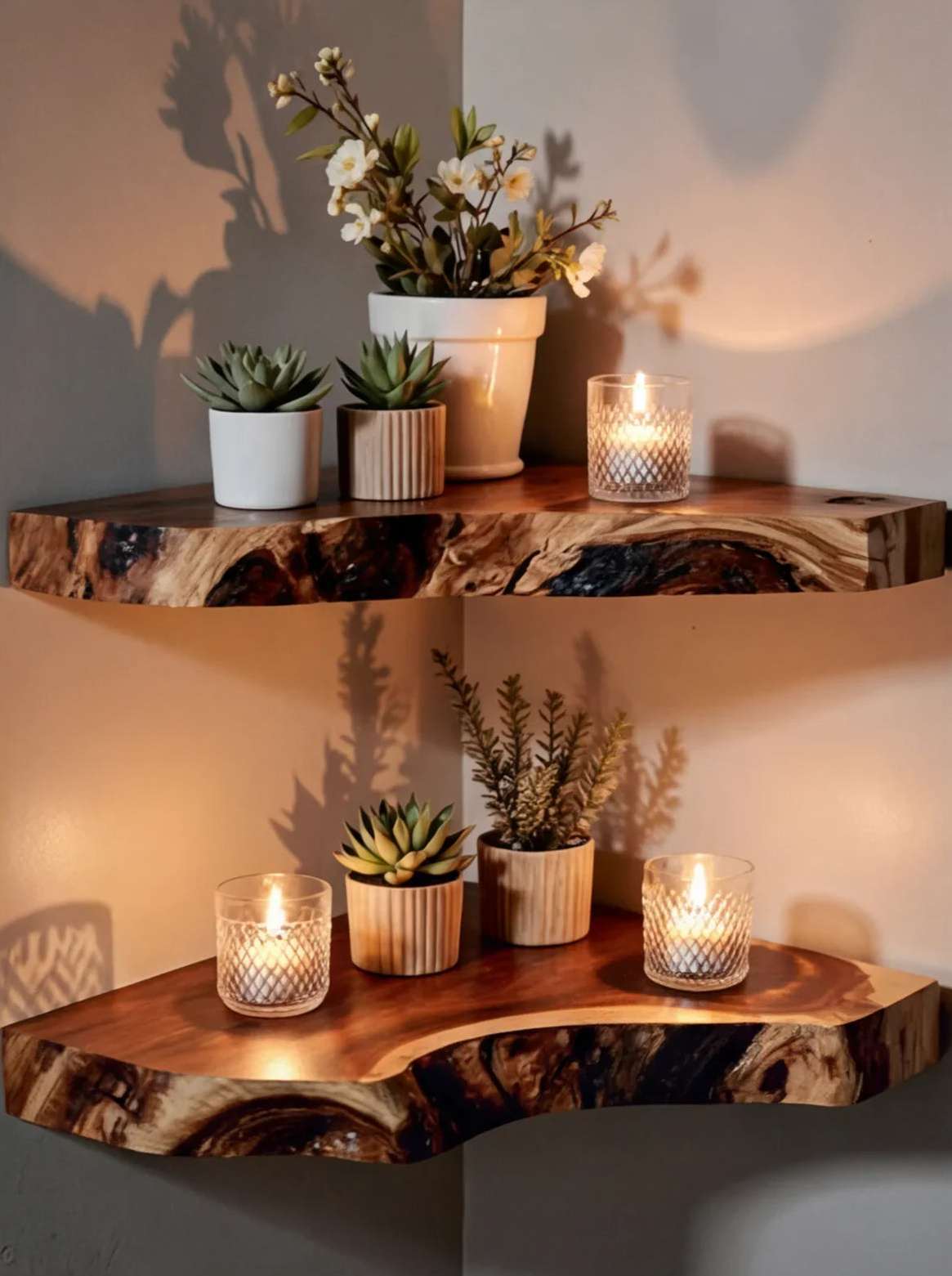
Rustic Corner Wall Shelf – Natural Live Edge Wood Floating Shelf for Candles and Plants
From $176.00
Christmas edit
Rustic Corner Wall Shelf – Natural Live Edge Wood Floating Shelf for Candles and Plants
From $176.00
 Christmas edit
Rustic Live Edge Floating Vanity – Handmade Wooden Bathroom Shelf with Brackets
From $180.00
Christmas edit
Rustic Live Edge Floating Vanity – Handmade Wooden Bathroom Shelf with Brackets
From $180.00
 Christmas edit
Rustic Teak Root Wood Corner Shelf - Floating Corner Shelf Decor
From $176.00
Christmas edit
Rustic Teak Root Wood Corner Shelf - Floating Corner Shelf Decor
From $176.00
 Christmas edit
Live Edge Corner Floating Shelf – Handcrafted Solid Wood Wall Shelf
From $140.00
Christmas edit
Live Edge Corner Floating Shelf – Handcrafted Solid Wood Wall Shelf
From $140.00
 Christmas edit
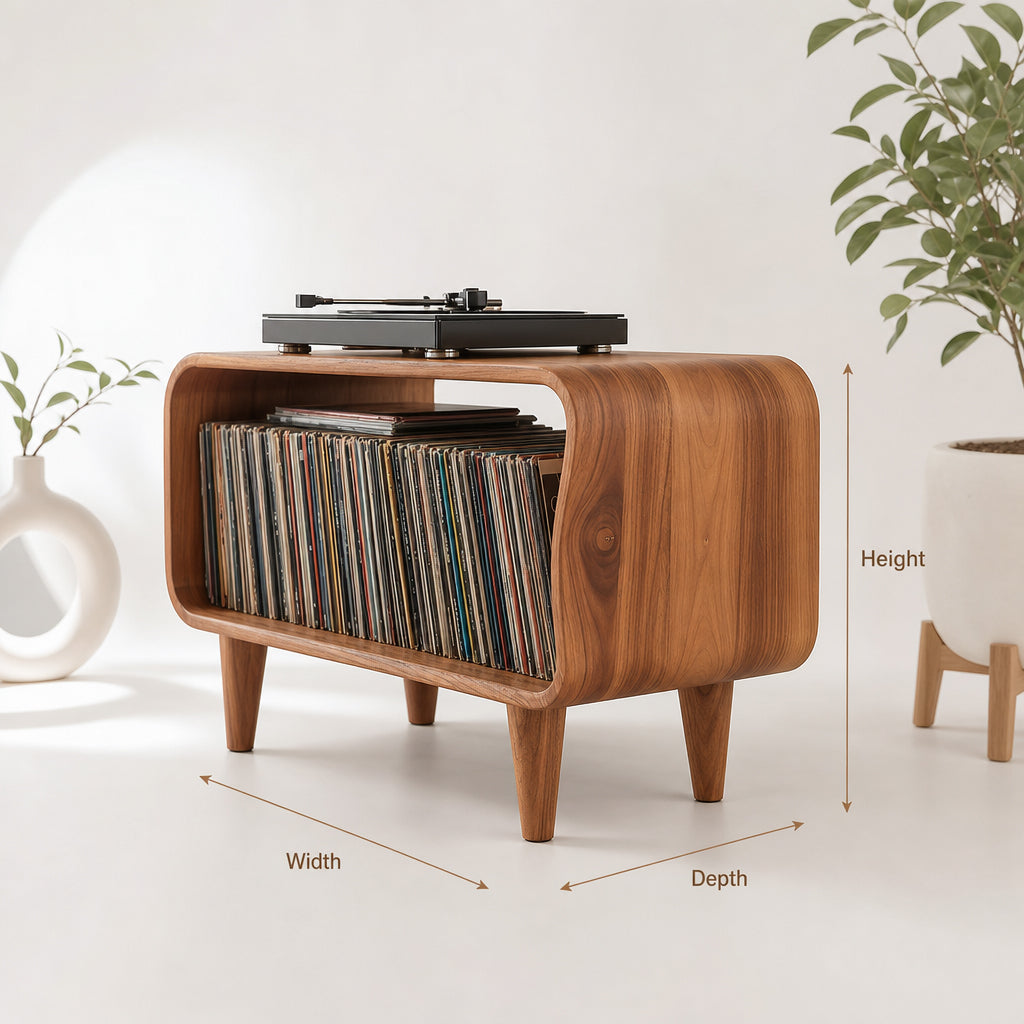
Ashdeco Solid Wood Record Player Stand – Mid-Century Modern Turntable Console
From $1,023.00
Christmas edit
Ashdeco Solid Wood Record Player Stand – Mid-Century Modern Turntable Console
From $1,023.00
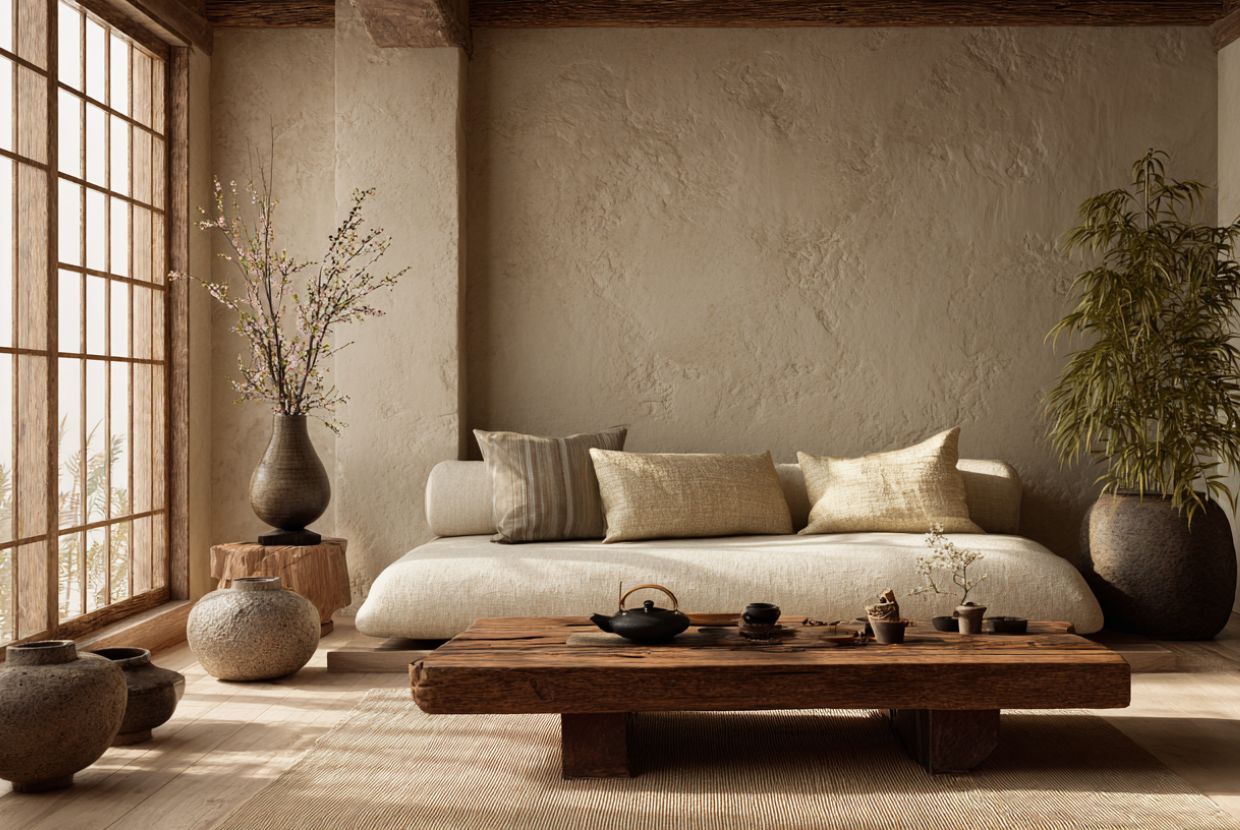
Japandi interior design is what happens when two of the world's most respected design traditions find common ground. Japanese minimalism - with its reverence for nature, craftsmanship, and empty space - meets Scandinavian warmth, where cozy textiles, soft light, and functional beauty define the home. The result is a style that feels both serene and inviting, stripped to its essentials but never cold.
If you've ever wanted a minimalist space that actually feels like home, Japandi is your answer.

• Solid Wood Floating Shelves - from $39
• Handcrafted Coffee Tables - from $199
• Wood Shoe Benches - from $129
What Makes Japandi Unique
Both Japanese and Scandinavian design worship natural materials, functional form, and the beauty of simplicity. But they arrive from different directions. Japanese design embraces wabi-sabi - the beauty of imperfection and impermanence. Scandinavian design pursues hygge - the art of cozy comfort.
Japandi takes the best of both: the discipline of Japanese aesthetics and the warmth of Nordic living. According to Architectural Digest, it's one of the fastest-growing design movements globally.
Embrace a Muted, Natural Color Palette
Japandi color palettes whisper. Warm whites, soft sand, pale grey, and muted earth tones form the base. Accent with charcoal, moss green, or deep indigo - never bright or saturated.
The walls should feel like they disappear. A warm white or the softest grey lets furniture, texture, and negative space do the talking. If you're weighing your options, our guide on mid-century modern guide breaks it down further.
"In Japandi design, less isn't just more - it's everything. Each object must justify its presence through beauty, function, or both."


Choose Furniture with Purpose and Presence
Every piece of Japandi furniture should feel essential. Low-profile seating, simple wood frames, and forms that reference nature without imitating it.
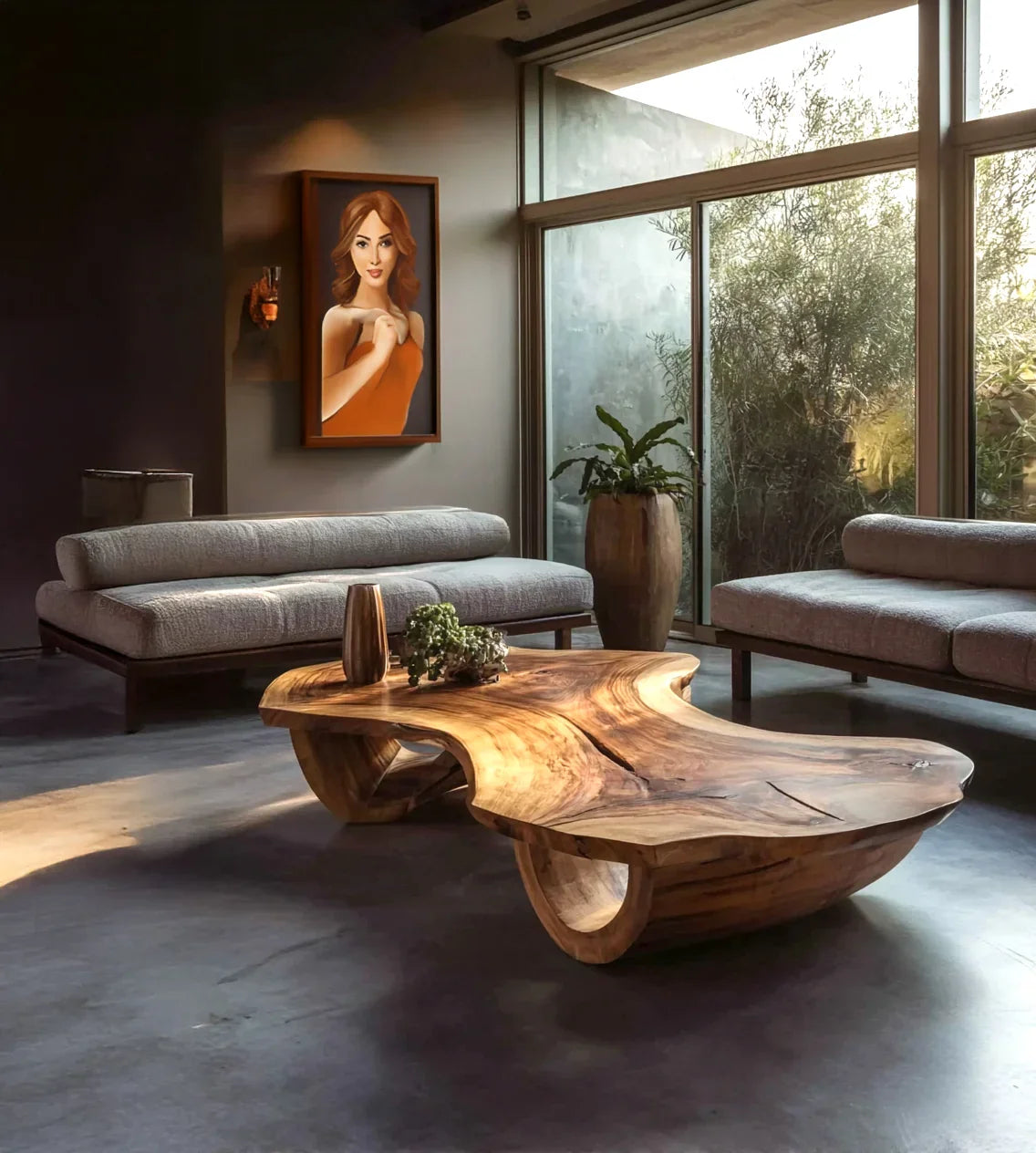
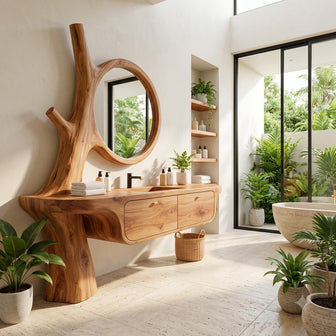
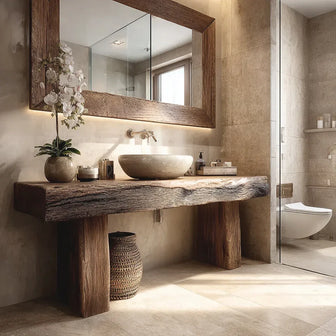
A handcrafted solid wood coffee table with clean lines and visible grain is quintessential Japandi. The emphasis is on material honesty - you should see the wood, feel its warmth, and appreciate the maker's hand.

Celebrate Craftsmanship
Both Japanese and Scandinavian cultures revere the artisan. In Japandi interiors, handcrafted pieces aren't just preferred - they're central to the philosophy.
Vietnamese woodworking traditions share this reverence for material and craft. A solid wood shelf or table made by hand carries the subtle imperfections that mass production eliminates - and those imperfections are exactly what Japandi celebrates.
Don't miss
These pieces qualify for 10% off orders over $2,000. Applied automatically at checkout.
 10% off
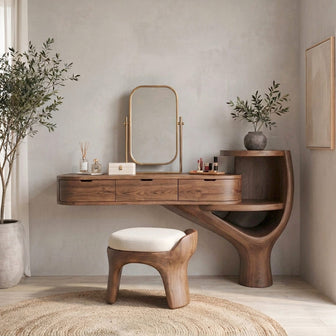
Modern Floating Wooden Vanity – Handmade Rustic Solid Wood Bathroom Cabinet
From $2,090.00
10% off at checkout
10% off
Modern Floating Wooden Vanity – Handmade Rustic Solid Wood Bathroom Cabinet
From $2,090.00
10% off at checkout
 10% off
Solid Wood Turntable Stand – Rustic Record Player Cabinet with Farmhouse Storage
From $2,036.00
10% off at checkout
10% off
Solid Wood Turntable Stand – Rustic Record Player Cabinet with Farmhouse Storage
From $2,036.00
10% off at checkout
 10% off
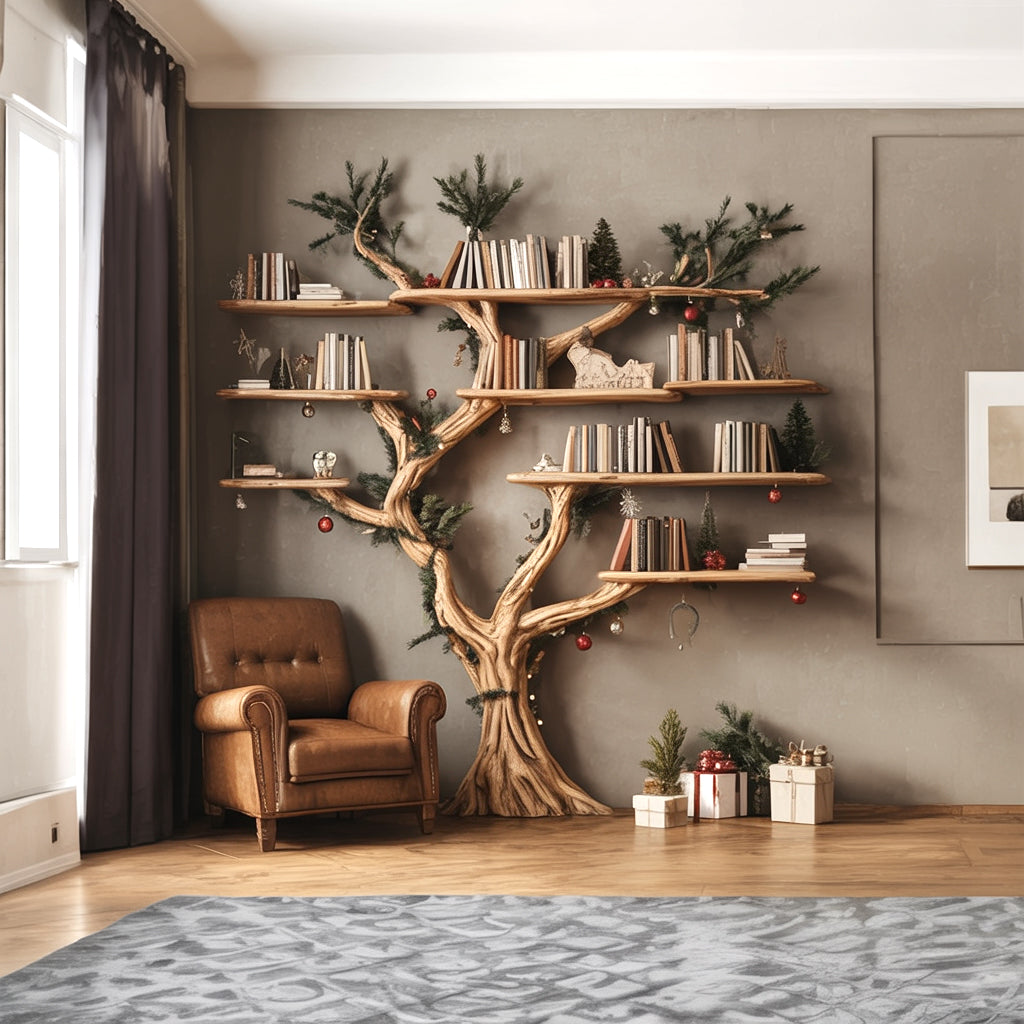
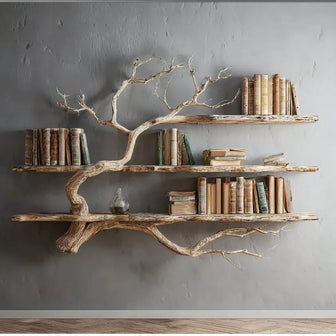
Tree Bookshelf – Rustic Wooden Book Tree Shelf, Wall-Mounted Natural Wood Décor
$2,099.00
10% off at checkout
10% off
Tree Bookshelf – Rustic Wooden Book Tree Shelf, Wall-Mounted Natural Wood Décor
$2,099.00
10% off at checkout
 10% off
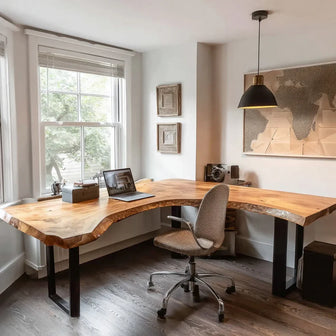
Live Edge L-Shaped Desk – Handmade Solid Wood Corner Desk for Home Office
From $2,340.00
10% off at checkout
10% off
Live Edge L-Shaped Desk – Handmade Solid Wood Corner Desk for Home Office
From $2,340.00
10% off at checkout
Use Floating Shelves with Extreme Restraint
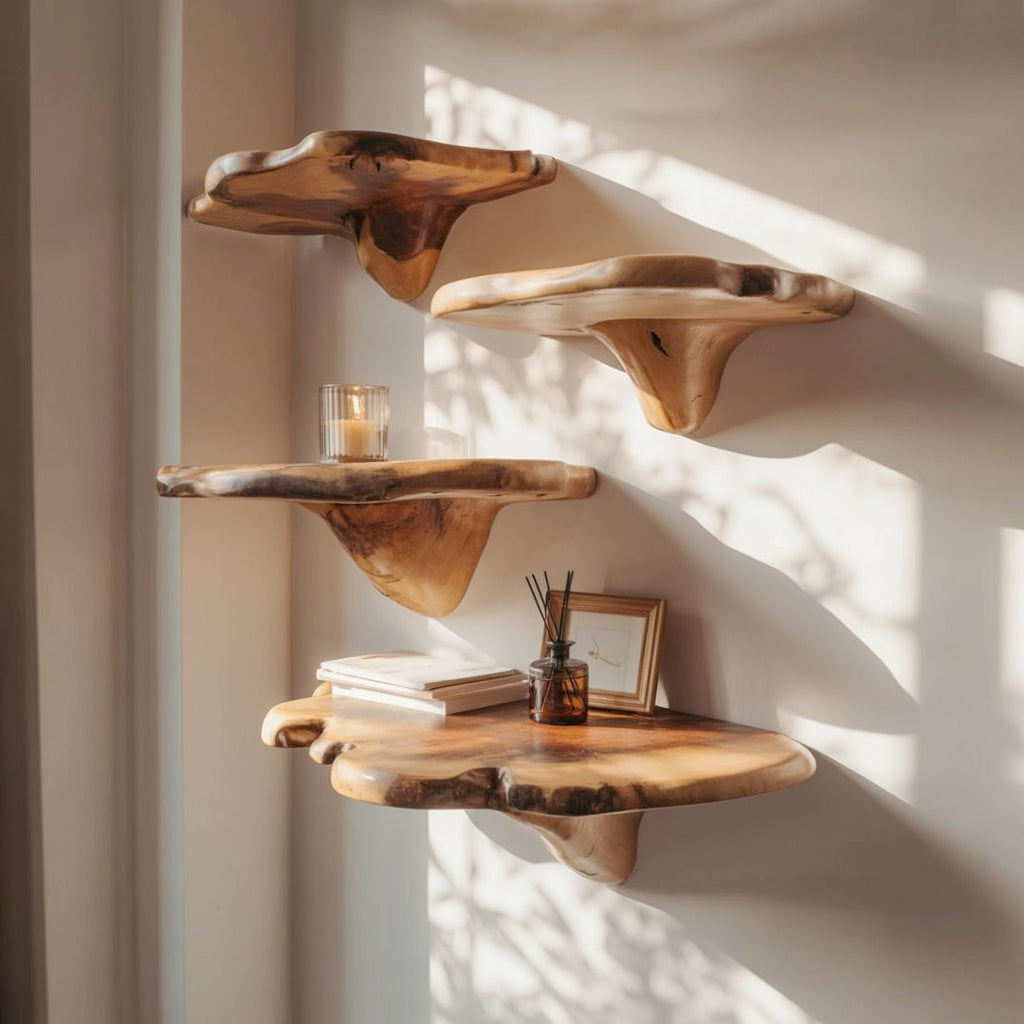
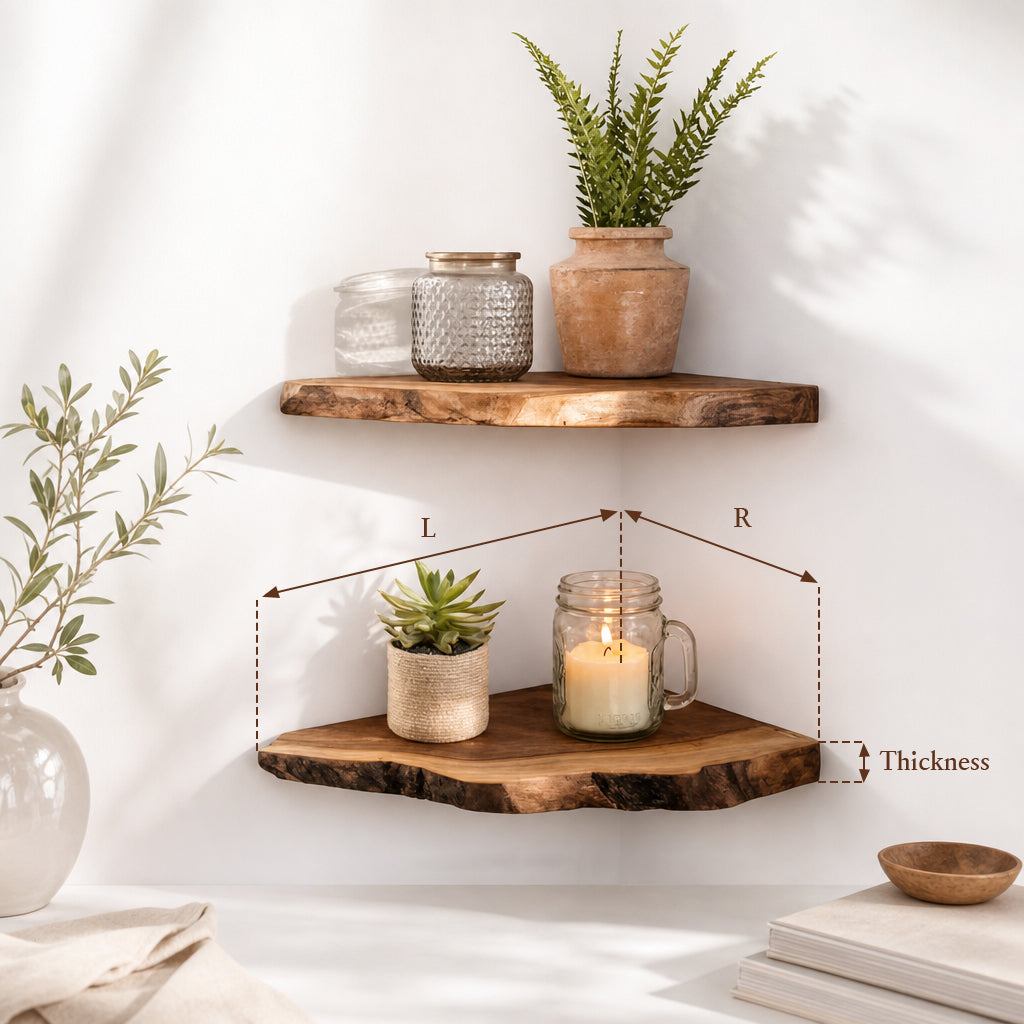
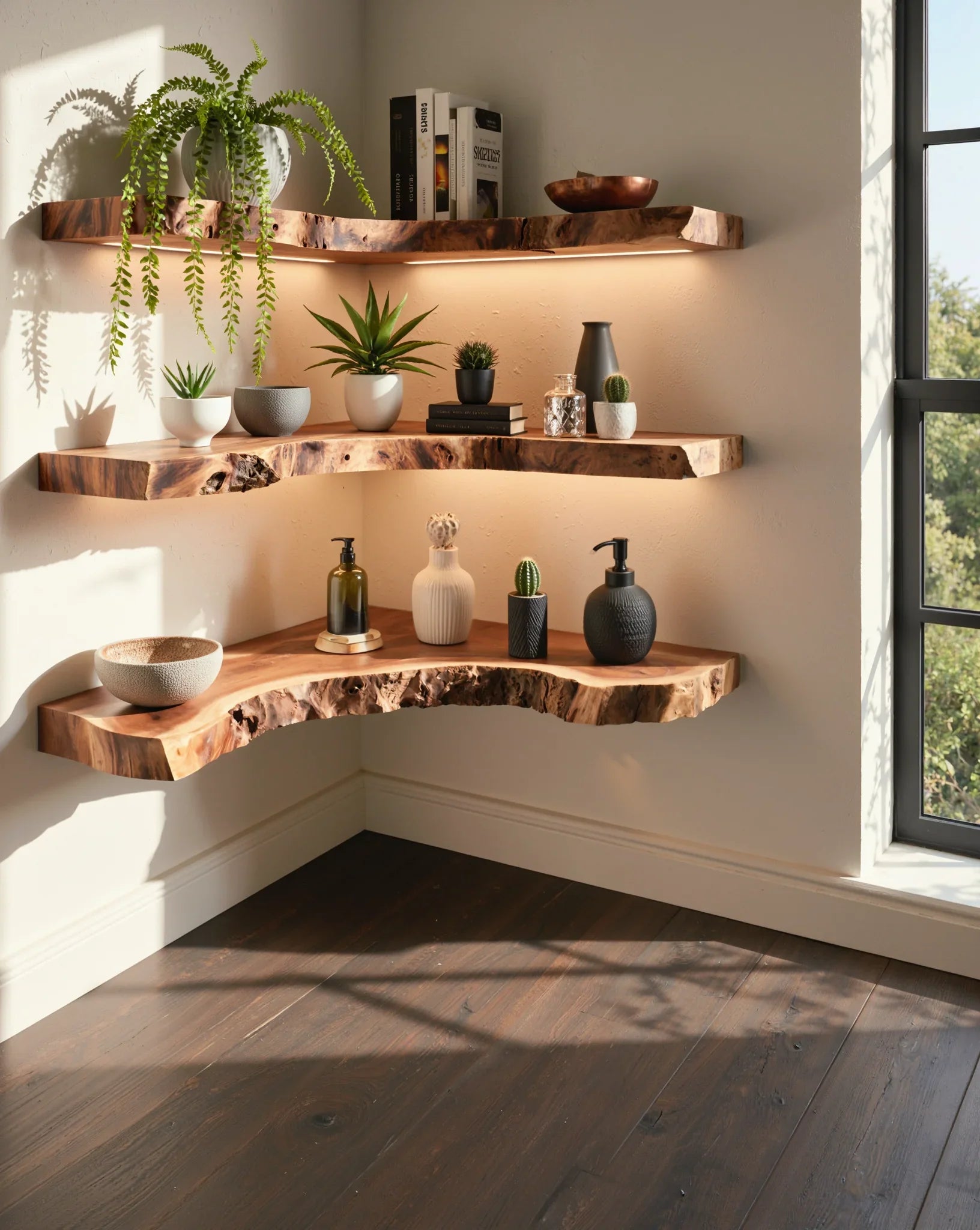
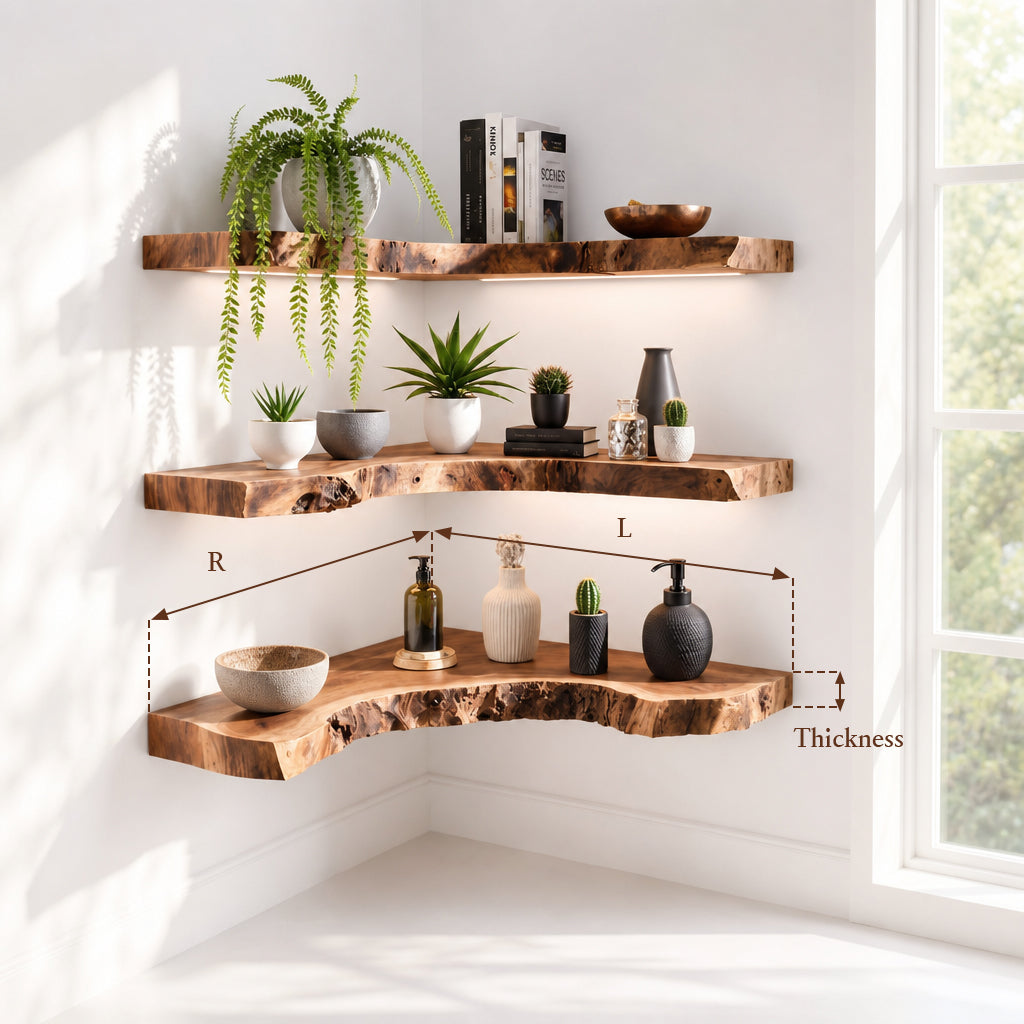
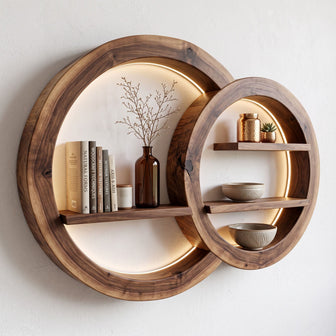
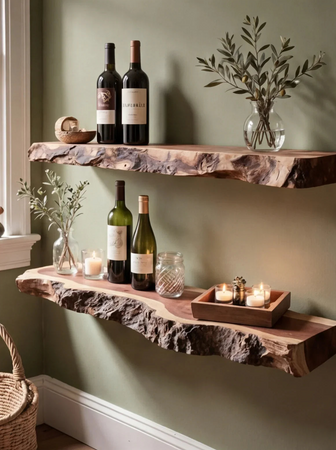
Floating shelves in natural wood are perfect for Japandi - but style them with radical simplicity. One shelf, one object. Or two shelves, one with a ceramic piece and one with a single branch of greenery. We cover this in more detail in our sage green living room guide guide.
The shelf itself is part of the design. The warmth of solid wood against a white wall is visually complete even without anything on it. In Japandi, the display is often about what's missing.

Create a Mindful Entryway
In Japanese homes, the genkan (entryway) is where you transition from outside to inside. Japandi design preserves this ritual. A solid wood shoe bench provides a place to remove shoes - the first act of arriving home.
Keep the entryway sparse: shoes neatly stored, a single hook for a coat, perhaps one small plant. The simplicity signals that the home is a place of calm.
Layer Warm Textiles (the Scandinavian Contribution)
This is where Japandi departs from pure Japanese minimalism. Scandinavian influence adds warmth through textiles: a wool throw on the sofa, linen cushions, a soft area rug underfoot.
The textures should be natural - wool, linen, cotton, jute. Nothing synthetic, nothing shiny. The palette stays neutral, but the warmth comes from the materials themselves.
Bring Nature Inside - Literally and Symbolically
Both traditions share a deep connection to nature. In Japandi spaces, this shows up as:
- A single branch in a ceramic vase (ikebana-inspired)
- A potted bonsai or small tree
- Natural stone accents
- Wood grain visible in every piece of furniture
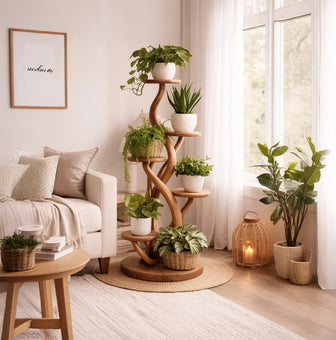
Keep greenery minimal and sculptural. One perfectly placed plant is more powerful than ten scattered ones.
Master the Art of Negative Space
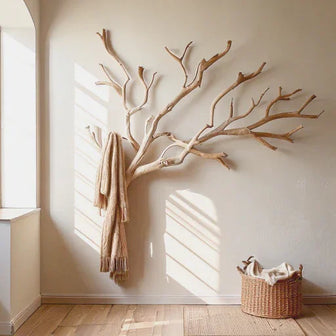
Negative space - the empty areas between and around objects - is a design element in Japandi, not a gap to fill. A wall with a single floating shelf and nothing else is a complete composition.
This takes courage. Our instinct is to fill every surface and cover every wall. Japandi asks you to resist. Better Homes & Gardens notes that learning to leave space empty is the single hardest skill in minimalist design.
"Wabi-sabi teaches us that imperfection is beautiful. A handcrafted wood table with visible tool marks isn't flawed - it's proof of the human hand that made it."
Choose a Desk That Embodies Both Traditions
For a Japandi home office, a solid wood desk with clean lines and no ornamentation is perfect. The simplicity is Japanese; the warmth of the wood is Scandinavian.
Keep the desk surface almost empty. A laptop, a single plant, and a ceramic cup. That's it. The desk should feel like an invitation to focus, not a surface overwhelmed by stuff.
Use Lighting to Create Atmosphere
Japandi lighting is warm, diffused, and never harsh. Paper lanterns, linen-shaded pendants, and hidden indirect lighting create a soft glow that mirrors natural light.
Avoid spotlights, track lighting, or anything that creates sharp shadows. The light should feel like late afternoon filtering through shoji screens. Elle Decor calls Japandi lighting "the art of hiding the source."

The Japandi Design Principles
Keep these five principles as your guide:
- Wabi-sabi: Embrace imperfection in materials and handcraft
- Hygge: Add warmth through textiles and soft light
- Ma (間): Respect negative space as a design element
- Function first: Every object must serve a purpose
- Nature always: Natural materials, natural light, living plants
When in doubt, subtract. Japandi rewards restraint.
---
Frequently Asked Questions
Is Japandi just minimalism?
Not exactly. Pure minimalism can feel cold and stark. Japandi adds warmth through natural materials, soft textiles, and an appreciation for handcraft. It's minimalism with a soul - fewer things, but each one chosen with care and made from honest materials.
What furniture materials work for Japandi design?
Natural wood (walnut, oak, ash, light pine), stone, ceramic, linen, wool, and rattan. Nothing synthetic, nothing overly polished or glossy. The materials should look and feel natural, with visible grain, texture, and slight imperfections.
Can Japandi work in a colorful home?
Japandi traditionally uses a muted palette, but you can introduce one accent color - moss green, deep indigo, or warm terracotta - through a single textile or object. The key is keeping color restrained and nature-inspired.
How is Japandi different from Scandinavian design?
Scandinavian design tends toward brighter whites, more playful colors, and cozy abundance. Japandi adds the Japanese influence of wabi-sabi, more deliberate negative space, and a deeper respect for asymmetry and imperfection. It's Scandinavian warmth filtered through Japanese discipline.