
Quick view
- Choose Your Spot Wisely
- Start with Insanely Comfortable Seating
- Add a Tree Bookshelf for Character and Storage
- Use a Corner Tree Bookshelf for Tight Spaces
- Install Floating Shelves for Wall-Mounted Book Storage
- Add Corner Floating Shelves for Tight Nooks
- Layer Textiles for Maximum Coziness
- Get the Lighting Right
- Add Mushroom Shelves for Whimsical Touches
- Include a Side Table or Tray
- Create a Reading Nook Anywhere
- Make It Phone-Free
- Frequently Asked Questions
Shop this guide
Handcrafted Reading Nook Bookshelf, made to order in solid wood.
 Christmas edit
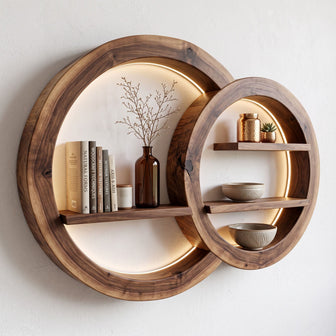
Solid Wood Floating Corner Shelf – Driftwood Branch Wall Shelf
From $789.00
Christmas edit
Solid Wood Floating Corner Shelf – Driftwood Branch Wall Shelf
From $789.00
 Christmas edit
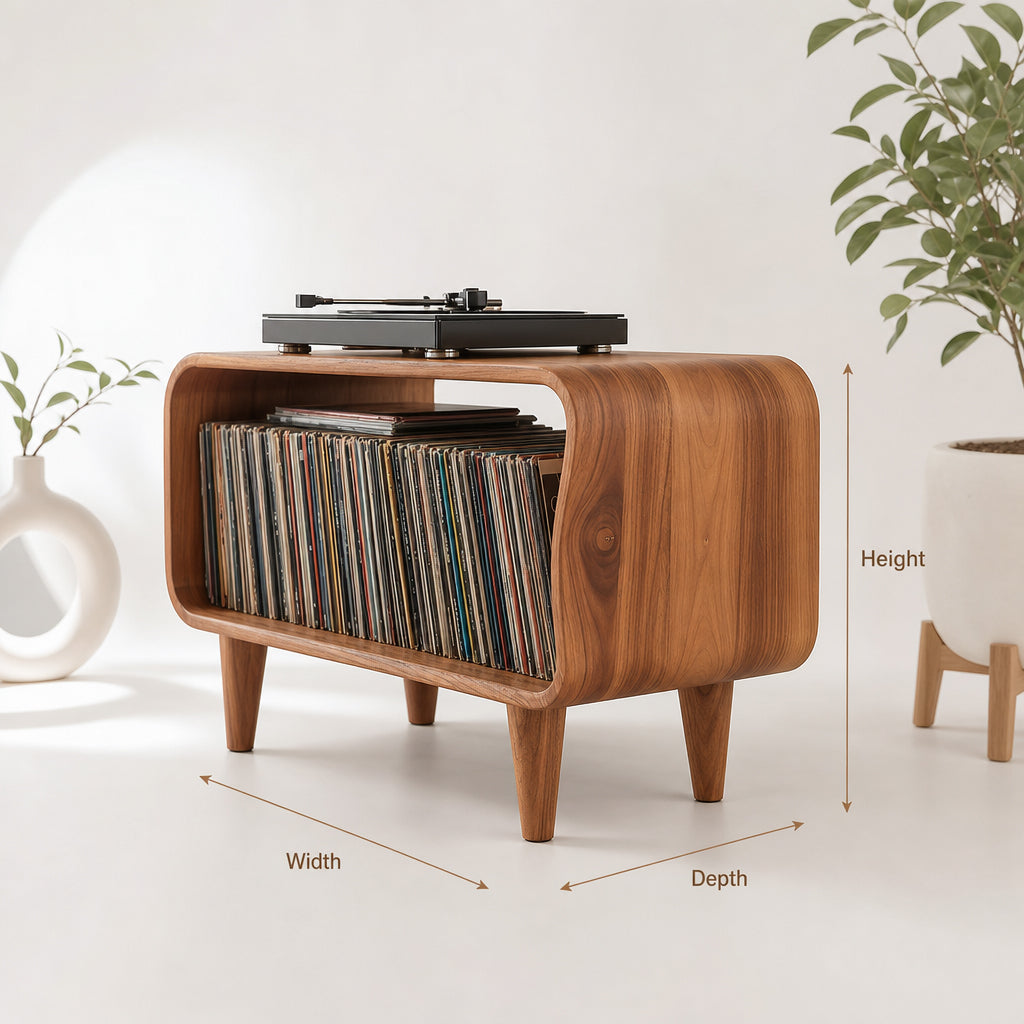
Handcrafted Record Player Stand – Natural Wood Turntable Station with Storage, Customizable Record Cube Organizer
From $1,770.00
Christmas edit
Handcrafted Record Player Stand – Natural Wood Turntable Station with Storage, Customizable Record Cube Organizer
From $1,770.00
 Christmas edit
Handcrafted Record Player Stand – Natural Wood Turntable Station with Storage, Customizable Record Cube Organizer
From $1,770.00
Christmas edit
Handcrafted Record Player Stand – Natural Wood Turntable Station with Storage, Customizable Record Cube Organizer
From $1,770.00
 Christmas edit
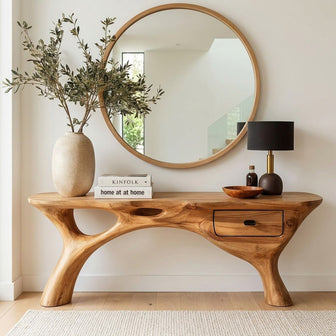
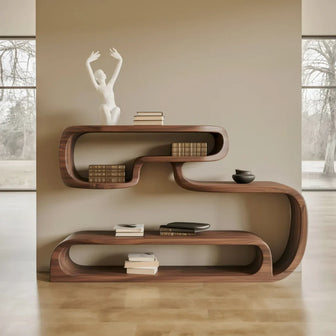
Mid Room Divider Bookshelf For Living Room
From $2,534.0010% off at checkout
Christmas edit
Mid Room Divider Bookshelf For Living Room
From $2,534.0010% off at checkout
 Christmas edit
Rustic Tree Shaped Wooden Bookshelf with Branch Design for Living Room or Home Library
$2,145.0010% off at checkout
Christmas edit
Rustic Tree Shaped Wooden Bookshelf with Branch Design for Living Room or Home Library
$2,145.0010% off at checkout
 Sculptural Handcrafted Wave Solid Wood 5-Tier Bookshelf with Integrated LED Illumination
From $2,500.0010% off at checkout
Sculptural Handcrafted Wave Solid Wood 5-Tier Bookshelf with Integrated LED Illumination
From $2,500.0010% off at checkout
Every book lover deserves a reading nook - a dedicated corner of the world where the only agenda is the next page. Building the perfect reading nook doesn't require a spare room or a window seat built into the architecture. It requires a comfortable spot to sit, good light, and books within arm's reach. That's it. Everything else is atmosphere.
These cozy reading nook ideas will help you carve out your perfect book corner, whether you have a whole room or just an empty corner.

• Tree Bookshelves - from $89
• Corner Tree Bookshelves - from $79
• Solid Wood Floating Shelves - from $39
Choose Your Spot Wisely
The best reading nook has natural light and a sense of enclosure. A corner by a window is ideal - you get daylight for reading and two walls that create a cocooned feeling.
No window corner available? An underused alcove, the space beside a bookshelf, or even a wide hallway landing can work. The key is a spot that feels slightly apart from the main traffic of the room.
Start with Insanely Comfortable Seating
This is non-negotiable. A reading nook lives or dies by its chair. Choose a deep-seated armchair with soft cushioning, a chaise lounge you can stretch out on, or a window seat with thick padding.
Test the chair by sitting in it for 20 minutes with a book. If anything pinches, aches, or feels stiff, keep looking. You should be able to forget the chair exists while reading.
"The best reading chair is the one you forget you're sitting in. When the chair disappears and only the story remains, you've found the right one."


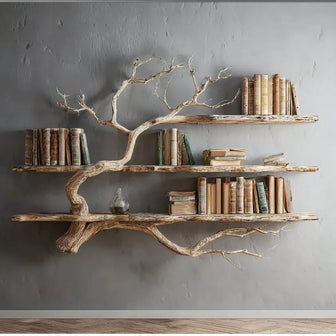
Add a Tree Bookshelf for Character and Storage
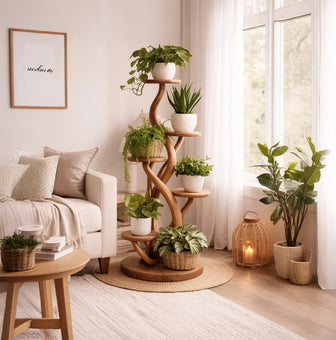
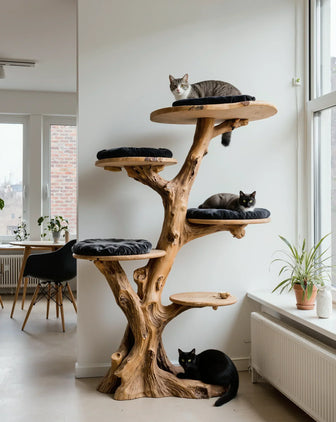
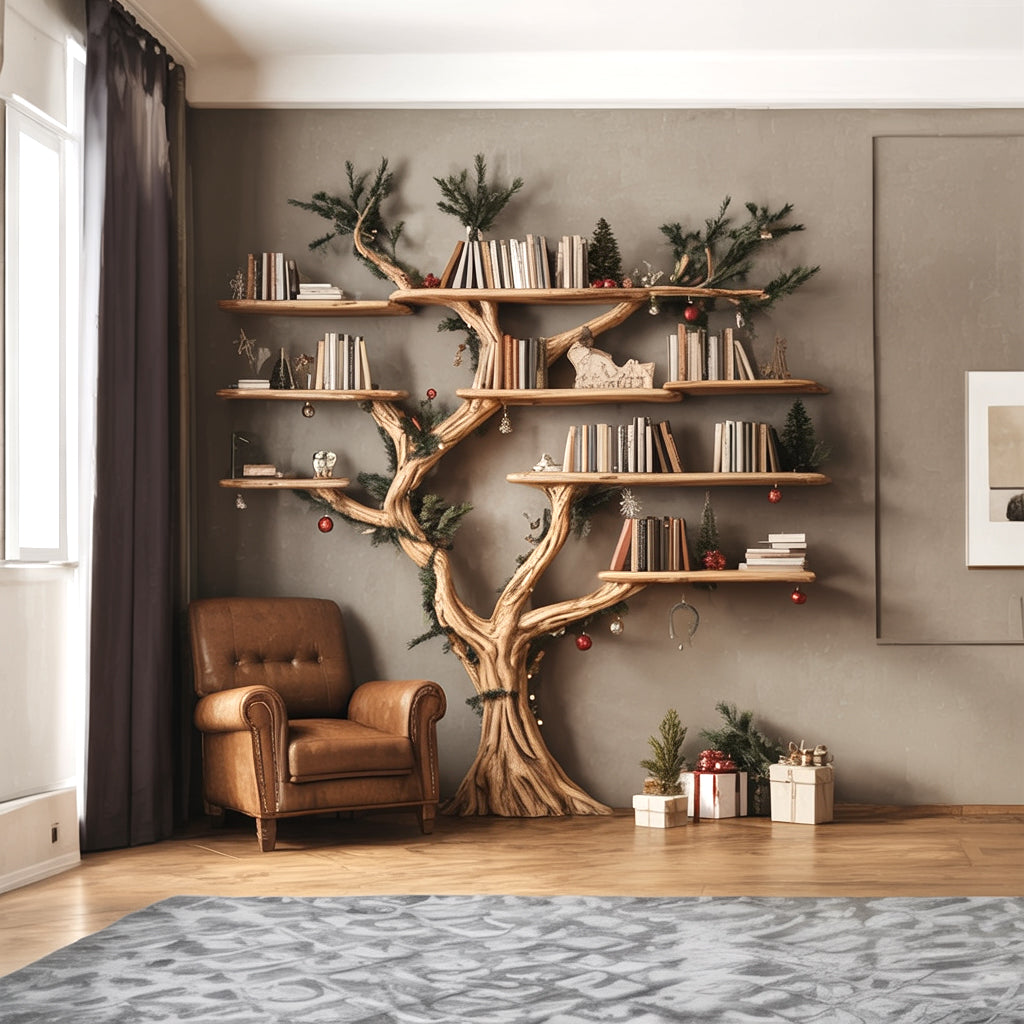
A tree bookshelf beside your reading chair is the most characterful way to keep books within arm's reach. Its branching form turns book storage into sculptural art - each branch holding a different title or a small decorative object. We've written a full breakdown in our tree bookshelf ideas for every room post.
Position it within reach of your chair so you can grab the next book without standing. The tree form also adds vertical interest that draws the eye upward and makes the corner feel like its own destination.

Use a Corner Tree Bookshelf for Tight Spaces
Short on floor space? A corner tree bookshelf tucks into the 90-degree angle of your reading corner, using dead space that would otherwise go empty. It holds just as many books in a fraction of the footprint.
The corner placement also creates a natural frame for your reading chair - books on one side, wall on the other, window in front. It's architecturally satisfying without any renovation.
Don't miss
These pieces qualify for 10% off orders over $2,000. Applied automatically at checkout.
10% off
Mid Room Divider Bookshelf For Living Room
From $2,534.00
10% off at checkout
10% off
Rustic Tree Shaped Wooden Bookshelf with Branch Design for Living Room or Home Library
$2,145.00
10% off at checkout
10% off
Sculptural Handcrafted Wave Solid Wood 5-Tier Bookshelf with Integrated LED Illumination
From $2,500.00
10% off at checkout
 10% off
Handcrafted Tree Branch Bookshelf - Natural Wood Floating Shelves - Artistic Wall Decor
$2,635.00
10% off at checkout
10% off
Handcrafted Tree Branch Bookshelf - Natural Wood Floating Shelves - Artistic Wall Decor
$2,635.00
10% off at checkout
Install Floating Shelves for Wall-Mounted Book Storage
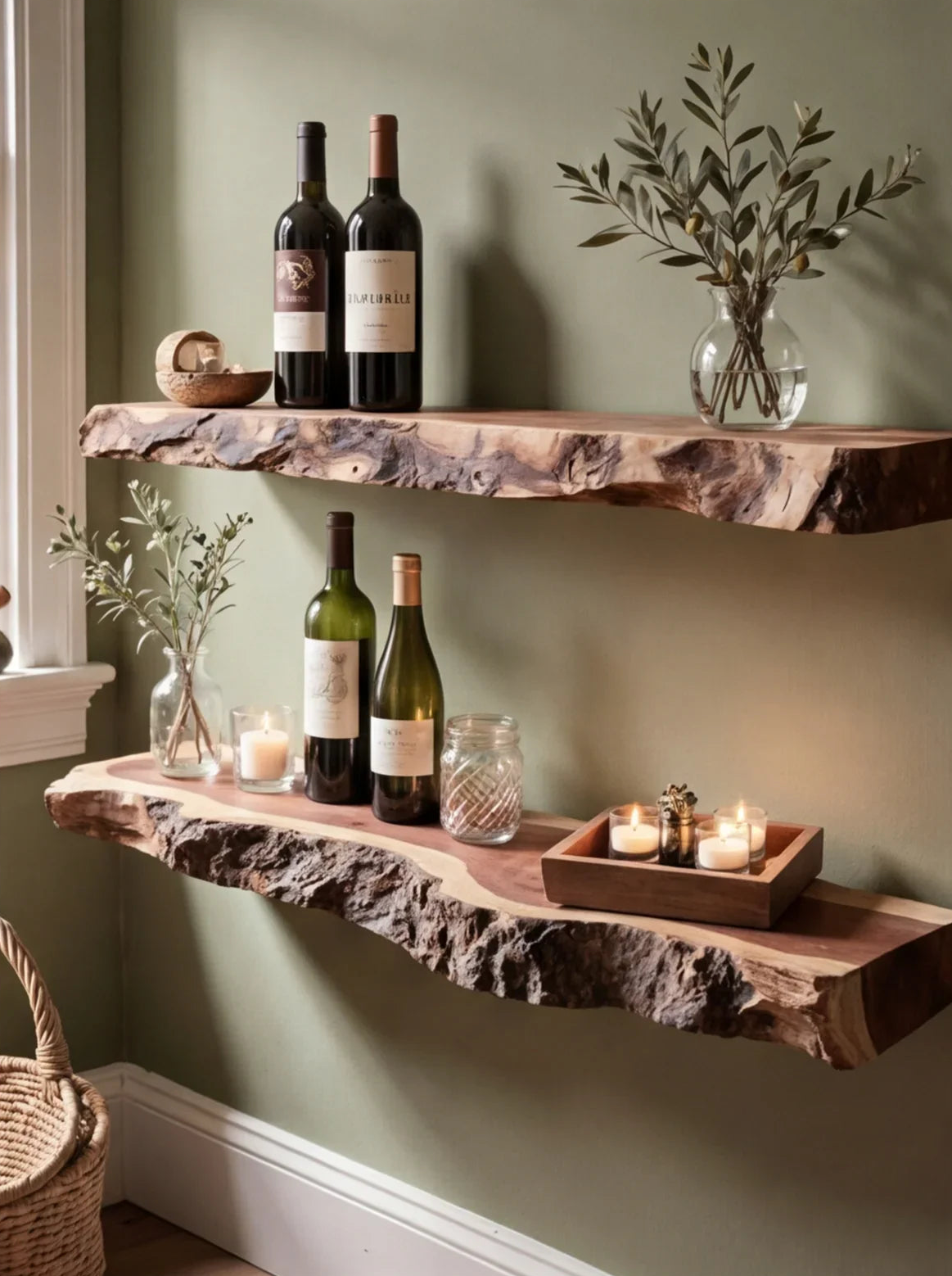
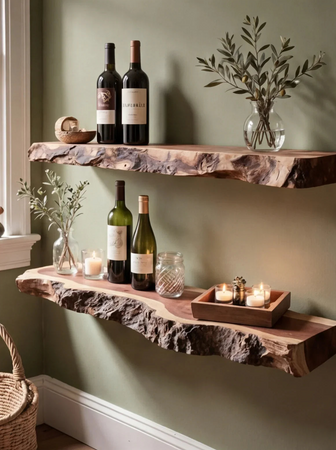
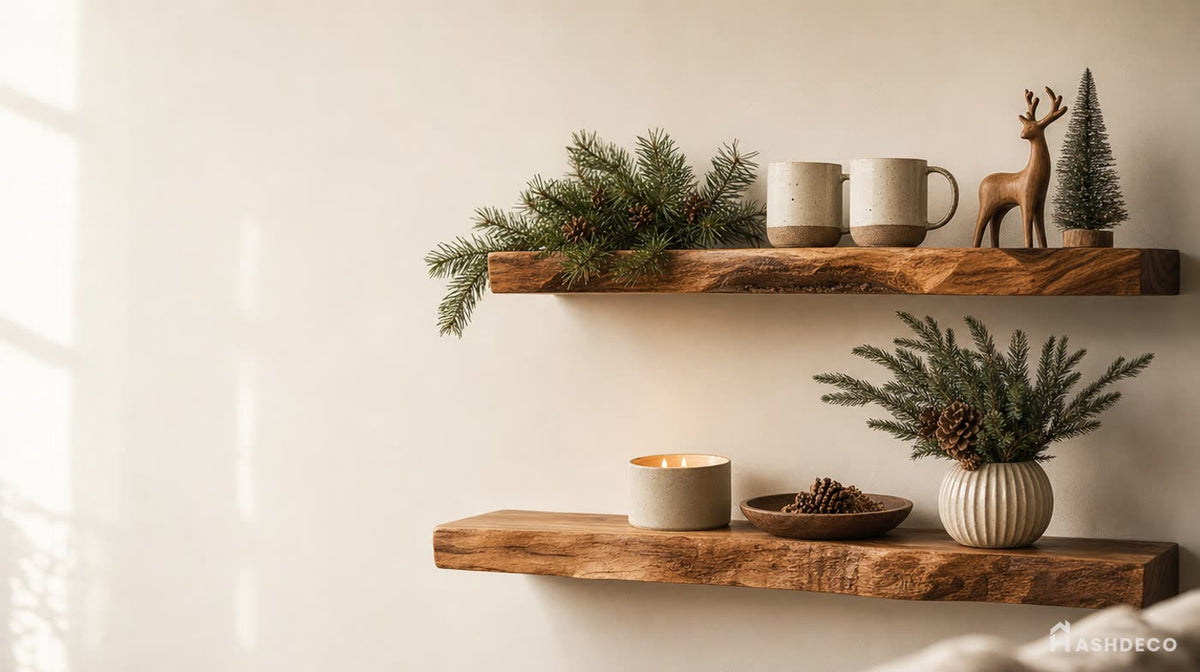
Floating shelves above or beside your reading spot put books at eye level and within easy reach. Mount three or four shelves in a staggered arrangement for a mini library wall.
Mix the books with a few non-book items - a small plant, a ceramic, a framed photo - to keep the display feeling curated rather than library-utilitarian. According to Architectural Digest, the best reading nook shelving combines function with intentional styling. If you're weighing your options, our guide on living room shelf styling ideas breaks it down further.

Add Corner Floating Shelves for Tight Nooks
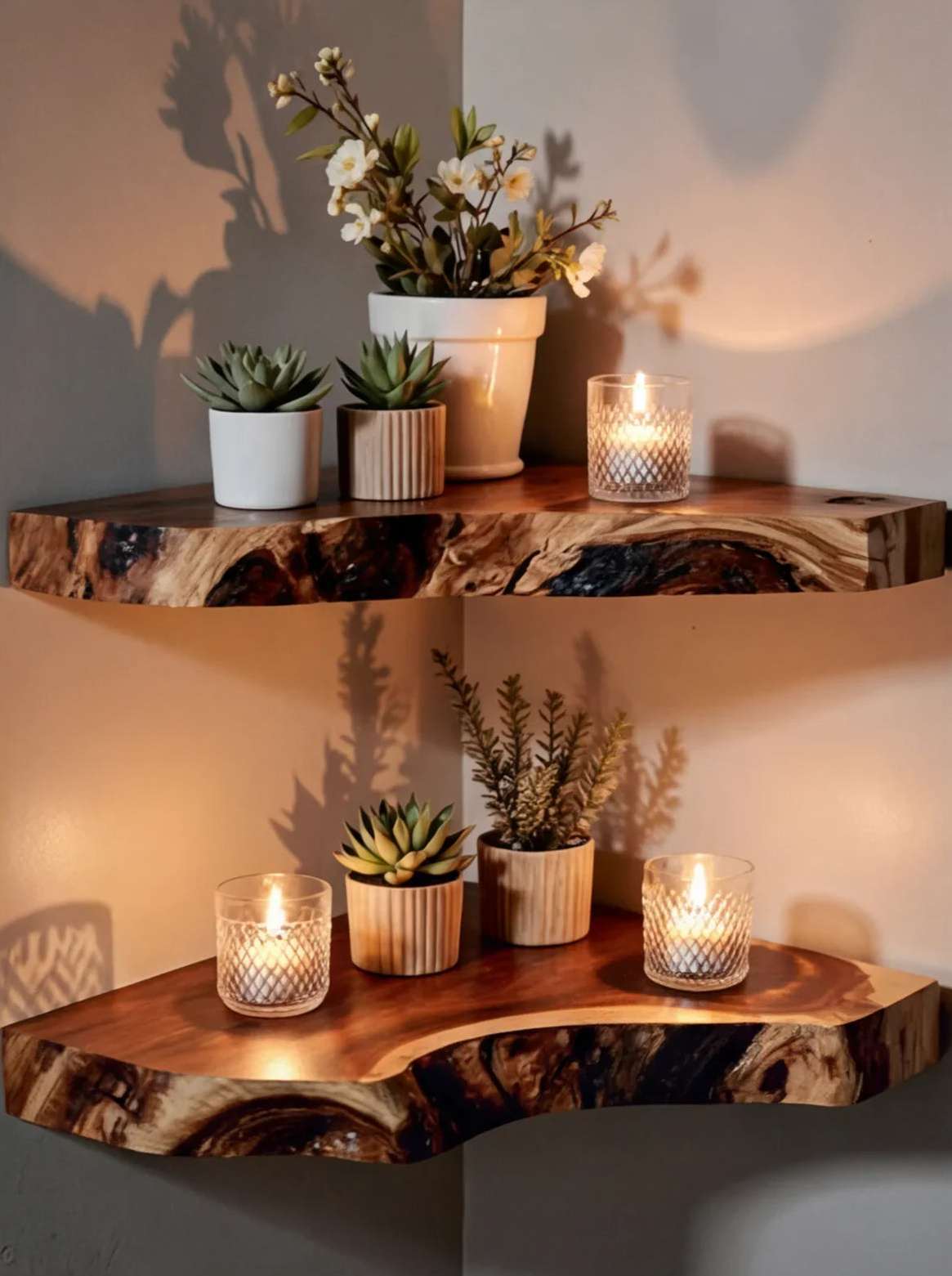
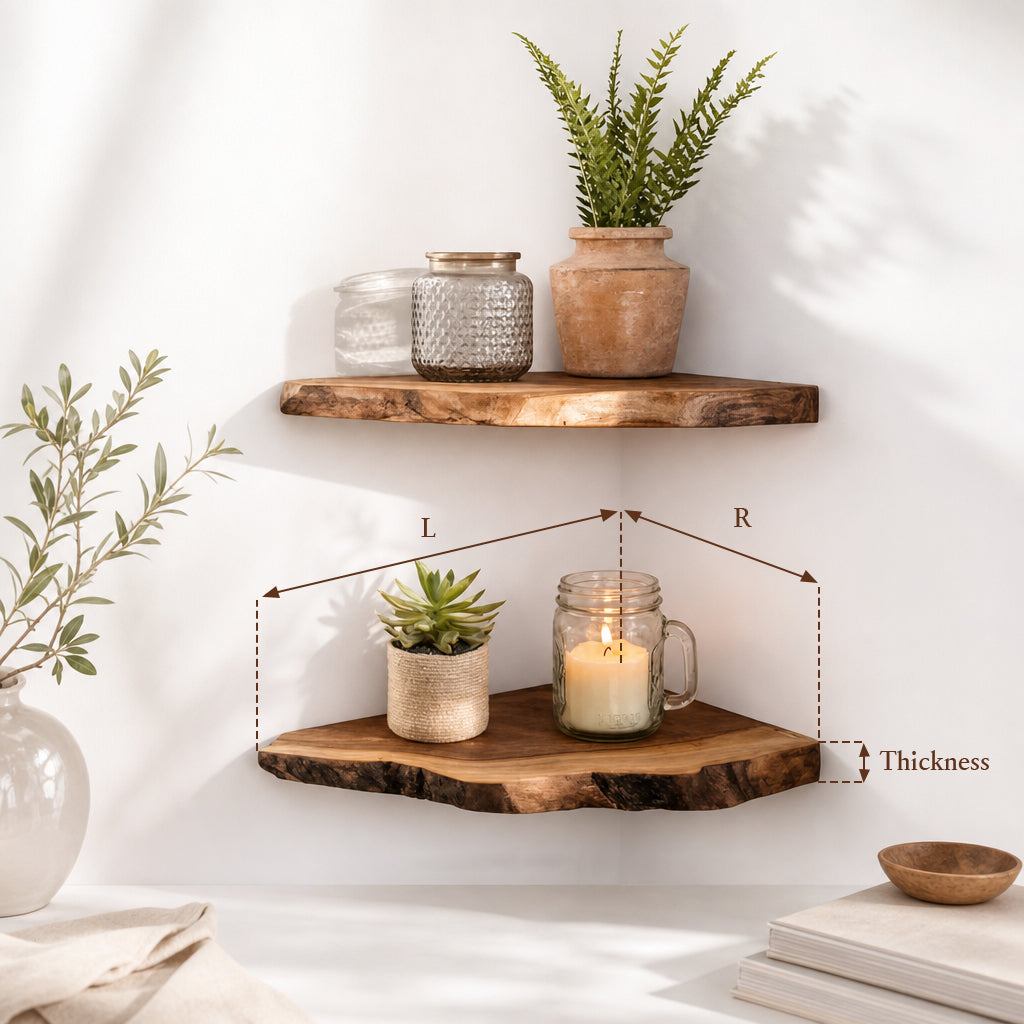
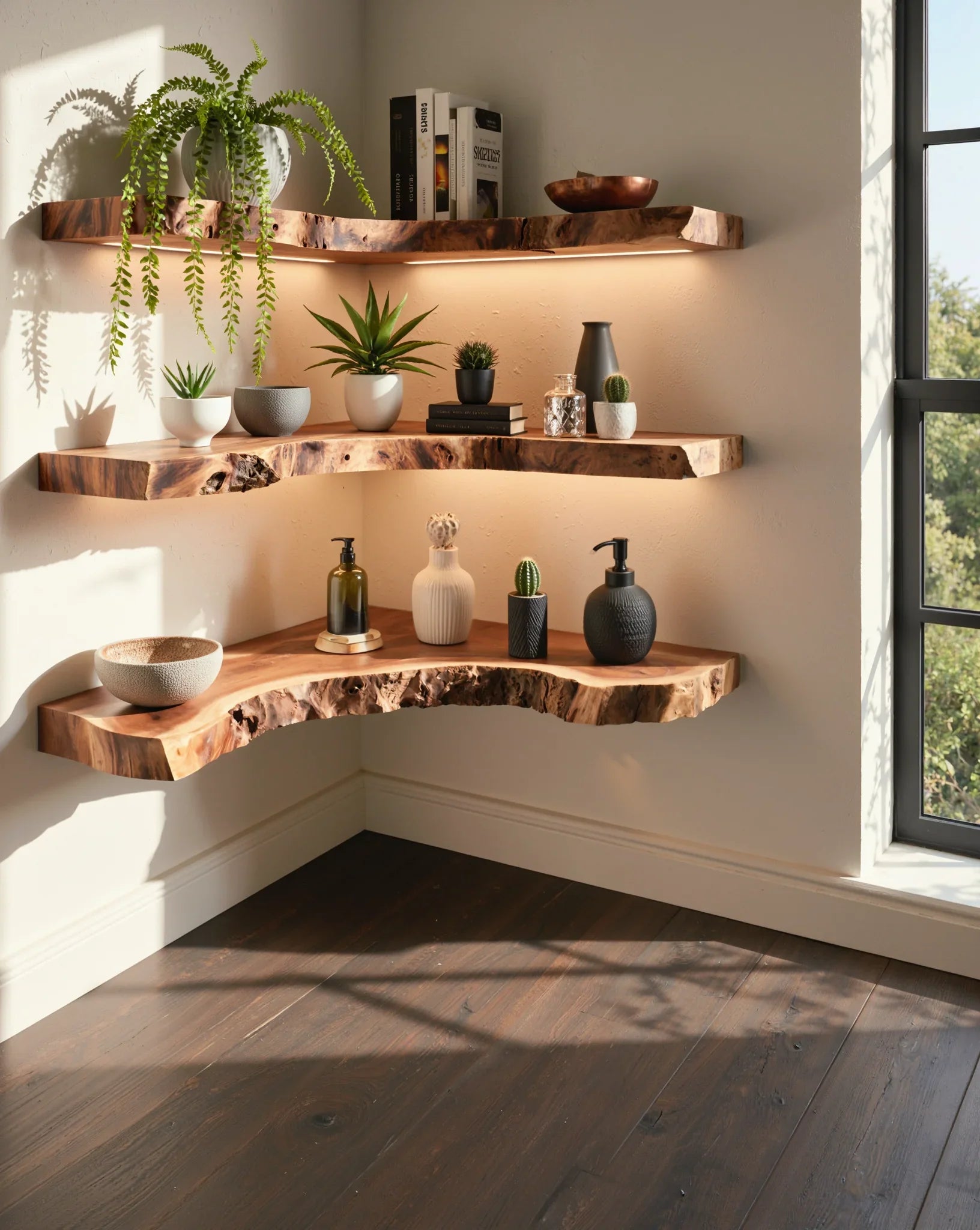
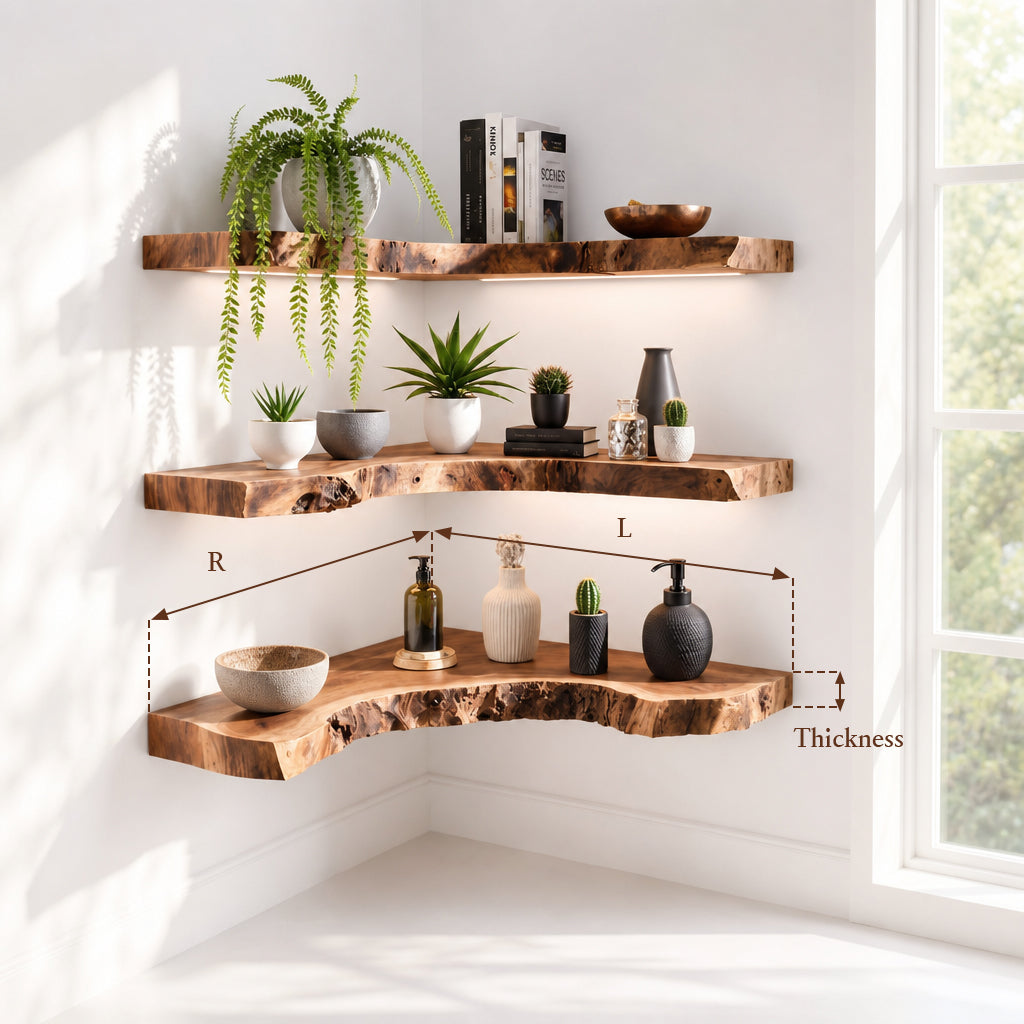
Corner floating shelves maximize the corner space around your chair. Use them for the book you're currently reading, a candle, or a small cup of tea.
They're also perfect for readers who like to keep their "to-be-read" stack visible and inviting. Stack three or four corner shelves vertically and you've got a compact TBR tower.
Layer Textiles for Maximum Coziness
A reading nook should make you feel physically warm. Drape a chunky knit throw over the chair arm. Add a soft lumbar pillow for lower back support. Place a plush sheepskin or faux fur across the seat.
The textiles serve double duty: they add warmth for actual comfort and visual warmth that makes the nook look inviting from across the room. We cover this in more detail in our farmhouse living room ideas guide.
Get the Lighting Right
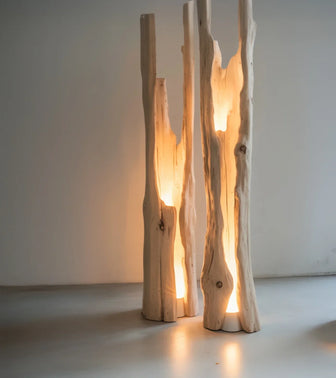
Reading light needs to be bright enough to read comfortably but warm enough to feel cozy. A swing-arm wall lamp or an adjustable floor lamp positioned over your reading shoulder is the ideal setup.
Aim for a light source that casts focused light on your book without illuminating the whole room. This creates a pool-of-light effect that makes the nook feel intimate. Better Homes & Gardens recommends 450-800 lumens at 2700-3000K for reading light.
Add Mushroom Shelves for Whimsical Touches
Mushroom floating shelves scattered on the wall near your reading nook add a playful, storybook quality. Use them to hold a candle, a tiny succulent, or a small figurine.
Their organic shape fits the fantasy-escape feeling that a reading nook should evoke. Group two or three at different heights for a whimsical installation.
Include a Side Table or Tray
You need somewhere to put your tea, your phone (face down - this is reading time), and your bookmark. A small side table, a C-shaped table that slides over the chair arm, or even a sturdy tray on a stack of books works.
The surface should be just large enough for essentials. This isn't a desk - it's a reading companion.
"A reading nook doesn't need to be Pinterest-perfect. It needs to be the place where you lose track of time. If you read there for an hour and it feels like ten minutes, you've nailed it."
Create a Reading Nook Anywhere
You don't need a dedicated room. Here are quick reading nook setups for different spaces:
- Living room corner: Armchair + tree bookshelf + floor lamp
- Bedroom corner: Accent chair + floating shelves above + throw blanket
- Window seat: Cushioned bench + corner shelves + pendant light
- Under the stairs: Built-in bench + corner tree bookshelf + sconce
- Wide hallway: Narrow bench + floating shelves + wall lamp
Each requires about 16 to 25 square feet. That's the size of a small closet.
Make It Phone-Free
The most important reading nook accessory is a rule: no phone in the nook. Put it in another room, face it down, or place it in a drawer. The entire purpose of a reading nook is sustained attention, and nothing kills that faster than a notification.
Elle Decor calls the reading nook "the last analog space in the digital home." Honor that.

---
Frequently Asked Questions
How much space do I need for a reading nook?
A comfortable reading nook needs roughly 16 to 25 square feet - enough for a chair, a small side table, and a bookshelf. A corner that's about 4x4 feet or 4x6 feet is ideal. Even a 3x5 foot alcove can work with a narrower chair and wall-mounted shelving.
What's the best chair for a reading nook?
Deep-seated armchairs with soft cushioning are the gold standard. Look for a seat depth of at least 22 inches so you can curl up. Club chairs, wingback chairs, and oversized accent chairs all work. Test by sitting with your legs tucked under you - that's how most people actually read.
How do I light a reading nook properly?
Position a focused light source (swing-arm wall lamp or adjustable floor lamp) over your reading shoulder. The light should illuminate the book without flooding the room. Aim for 450-800 lumens at 2700-3000K for warm, comfortable reading light. Avoid overhead lights, which create shadows on the page.
Can I create a reading nook for kids?
Absolutely. Lower the shelving to kid-reachable heights, add floor cushions or a beanbag instead of a chair, and keep the book selection visible and accessible. A small tree bookshelf is perfect for kids - the branching design makes choosing a book feel like an adventure.