





















Quick view
Shop this guide
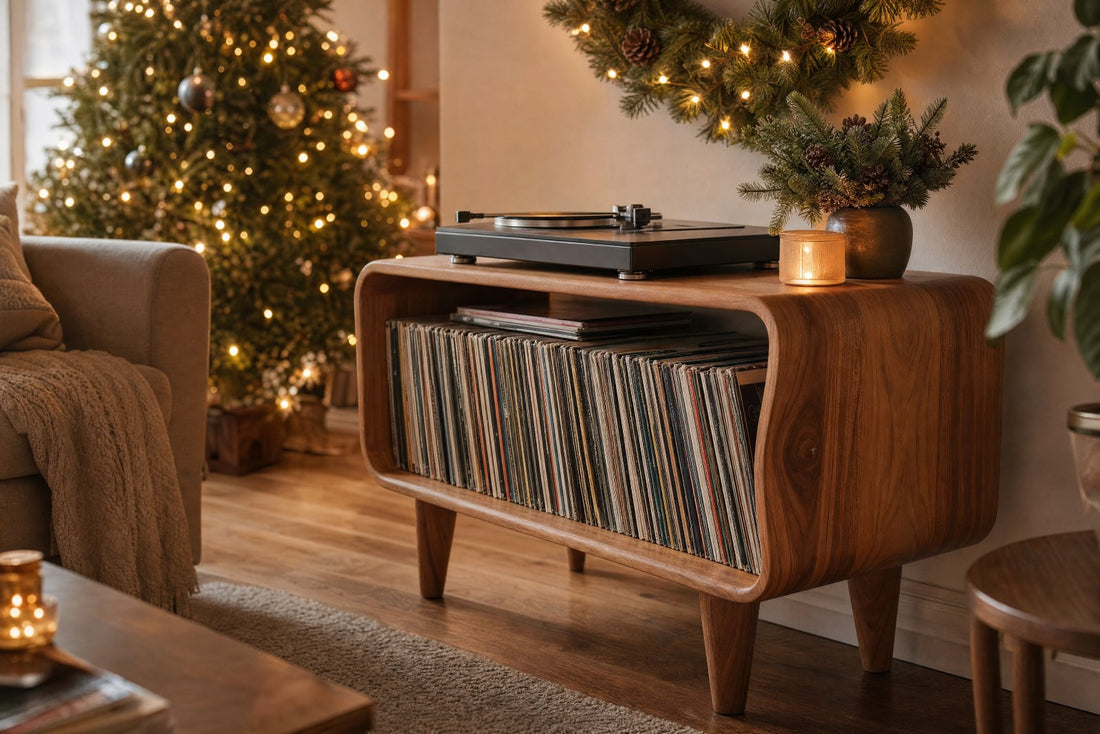
Handcrafted Record Player Stand, made to order in solid wood.
 Mid Century Stepped Solid Wood Record Player Stand with Vinyl Storage and Drawers
From $2,318.0010% off at checkout
Mid Century Stepped Solid Wood Record Player Stand with Vinyl Storage and Drawers
From $2,318.0010% off at checkout
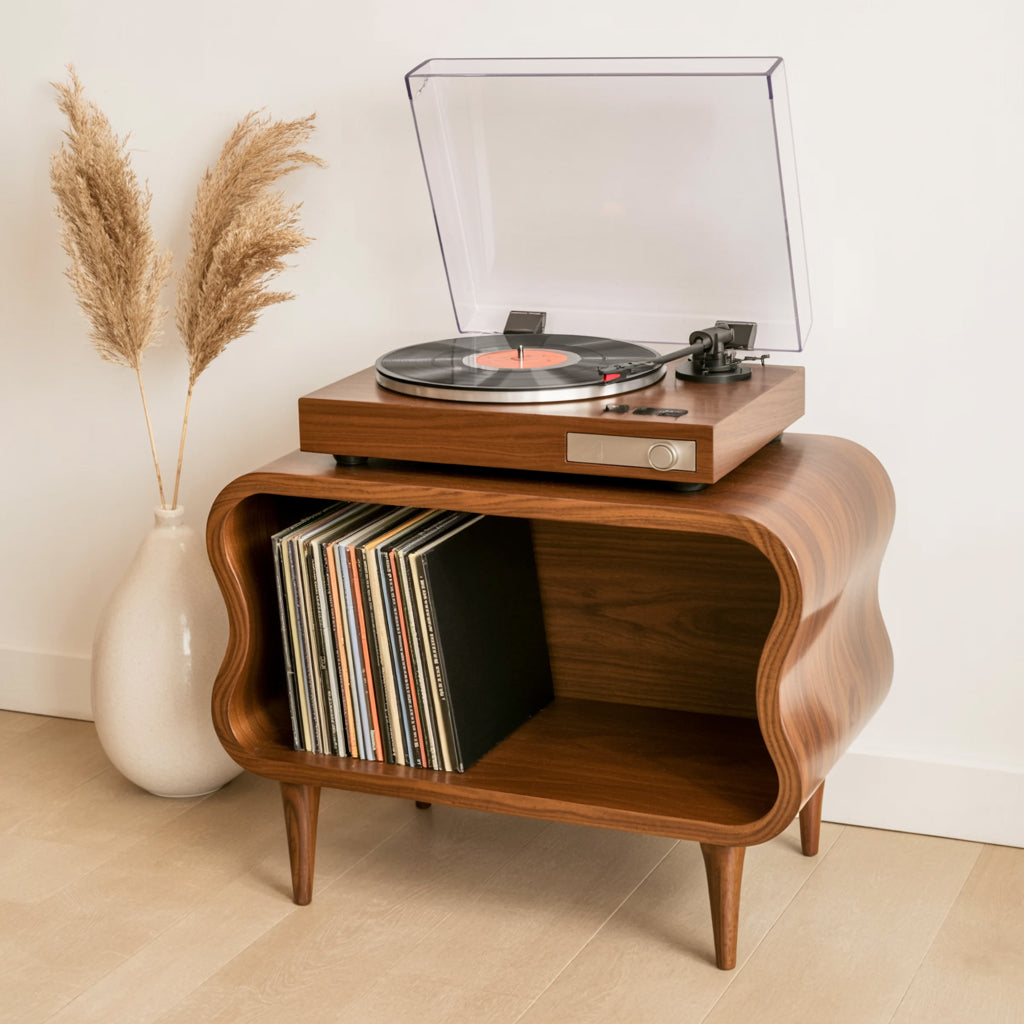
 Sculptural Wavy Solid Wood Record Player Stand with Vinyl Storage and Drawers
From $1,536.00
Sculptural Wavy Solid Wood Record Player Stand with Vinyl Storage and Drawers
From $1,536.00
 Biophilic Sculptural Solid Wood Vinyl Record Credenza - Handcrafted Turntable Console & Media Sideboard
From $2,743.0010% off at checkout
Biophilic Sculptural Solid Wood Vinyl Record Credenza - Handcrafted Turntable Console & Media Sideboard
From $2,743.0010% off at checkout
 Sculptural Handcrafted Solid Wood Vinyl Record Storage Console with Circular Tunnel Base
From $2,217.0010% off at checkout
Sculptural Handcrafted Solid Wood Vinyl Record Storage Console with Circular Tunnel Base
From $2,217.0010% off at checkout
 Sculptural Handcrafted Z-Shape Solid Wood Turntable Stand & 2-Tier Vinyl Record Storage Rack
From $1,564.00
Sculptural Handcrafted Z-Shape Solid Wood Turntable Stand & 2-Tier Vinyl Record Storage Rack
From $1,564.00
 Sculptural Handcrafted Wave Solid Wood Turntable Stand & Low-Profile Audio Console
From $1,543.00
Sculptural Handcrafted Wave Solid Wood Turntable Stand & Low-Profile Audio Console
From $1,543.00
Thinking about building your own record player stand? You're not alone - DIY turntable furniture is one of the most searched woodworking projects online. But before you grab your tools, there's a critical question most DIYers overlook: will your homemade stand actually protect your vinyl collection and turntable from vibration damage?
Here's an honest breakdown of DIY vs handcrafted record player stands - costs, quality, common pitfalls, and when each option genuinely makes sense.
The Real Cost of a DIY Record Player Stand
Before you start, figure out your storage needs with our record player stand with storage guide. Building a basic record player stand at home costs between $80 and $250 in materials alone, not including tools. Most DIY builds require plywood or dimensional lumber ($30-$80), wood stain or finish ($15-$30), hardware like screws and brackets ($10-$20), and sandpaper and supplies ($10-$15).
But here's what most cost estimates leave out: if you don't already own a table saw, drill press, and orbital sander, tool costs can add $200-$500. Even renting tools for a weekend runs $50-$100.
Hidden Costs Most DIYers Forget
| Expense | DIY Build | Handcrafted Stand |
|---|---|---|
| Materials | $80-$250 | Included |
| Tools (if needed) | $200-$500 | N/A |
| Finish & stain | $15-$30 | Included |
| Time (hours) | 12-20 hrs | 0 hrs |
| Mistakes & redo | $30-$100 | N/A |
| Total | $125-$880 | $200-$600 |
When you factor in time and potential mistakes, a handcrafted stand from skilled artisans often costs the same - or less - than a DIY build done right.
Why Vibration Is the #1 DIY Mistake
The biggest problem with homemade record player stands isn't aesthetics - it's vibration. Your turntable's stylus reads grooves measured in microns. Even subtle vibrations from an unstable stand cause skipping, distortion, and premature record wear.
Common DIY vibration mistakes include:
- Lightweight materials - Particle board and thin plywood resonate and amplify vibrations from speakers and foot traffic
- Poor joint construction - Loose joints wobble over time, creating micro-vibrations
- No isolation consideration - Most DIY plans skip vibration-dampening feet or shelf isolation
- Uneven surfaces - Without precision tools, achieving a perfectly level top surface is surprisingly difficult

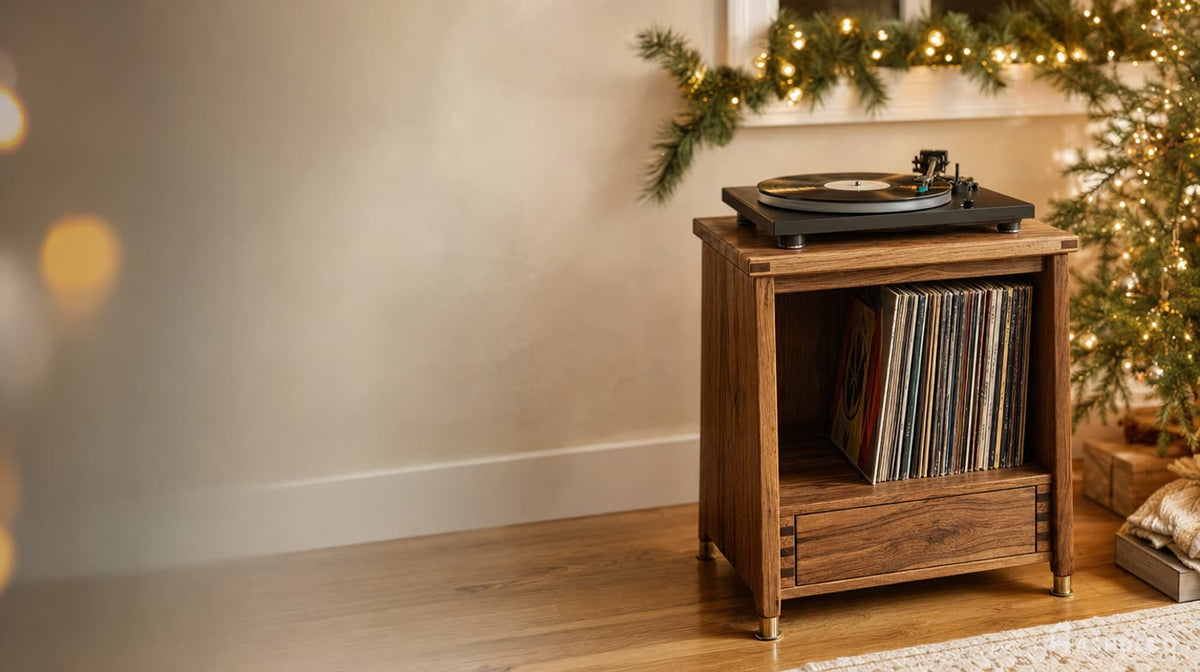
Professional furniture makers solve these problems through solid wood construction, tight joinery, and weighted bases that absorb rather than transmit vibrations. Ashdeco's handcrafted record player stands use sustainably sourced solid wood with precision-fitted joints - the kind of stability that takes years of woodworking experience to achieve.


Skills You'll Need for a Quality DIY Build
Be honest about your skill level before starting. A functional record player stand requires intermediate woodworking skills at minimum.
Beginner-friendly approaches:
- Repurposing existing furniture (old nightstand, bookshelf modification)
- Using pre-cut lumber from home improvement stores with simple butt joints
- Hairpin leg kits attached to a solid wood slab
Intermediate skills required for custom builds:
- Accurate measuring and cutting (within 1/16")
- Dado joints or pocket screws for shelf supports
- Wood finishing (staining, sealing, polyurethane application)
- Leveling and squaring a freestanding piece
Advanced skills for premium results:
- Mortise and tenon joinery
- Live edge slab finishing
- Dovetail drawers for vinyl storage
- Wood selection for tonal properties (denser woods dampen vibration better)
If you're below intermediate level, your finished stand will likely have visible gaps, uneven surfaces, or wobbly joints - all of which affect both appearance and turntable performance.
DIY vs Handcrafted: Side-by-Side Comparison
| Factor | DIY Stand | Handcrafted Stand |
|---|---|---|
| Cost | $125-$880 (with tools) | $200-$600 |
| Build time | 12-20 hours | Ships ready |
| Material quality | Varies (often MDF/plywood) | Solid hardwood |
| Vibration control | Poor to moderate | Excellent |
| Durability | 2-5 years typical | 15-25+ years |
| Vinyl storage | Basic, often afterthought | Purpose-designed |
| Customization | Full creative control | Select styles & finishes |
| Resale value | Minimal | Retains value |
| Satisfaction | High (if successful) | Immediate |
Don't miss
These pieces qualify for 10% off orders over $2,000. Applied automatically at checkout.
10% off
Mid Century Stepped Solid Wood Record Player Stand with Vinyl Storage and Drawers
From $2,318.00
10% off at checkout
10% off
Biophilic Sculptural Solid Wood Vinyl Record Credenza - Handcrafted Turntable Console & Media Sideboard
From $2,743.00
10% off at checkout
10% off
Sculptural Handcrafted Solid Wood Vinyl Record Storage Console with Circular Tunnel Base
From $2,217.00
10% off at checkout
 10% off
Sculptural Handcrafted Live Edge Tree Trunk Solid Wood Vinyl Record Player Stand & Media Console
From $2,178.00
10% off at checkout
10% off
Sculptural Handcrafted Live Edge Tree Trunk Solid Wood Vinyl Record Player Stand & Media Console
From $2,178.00
10% off at checkout
When DIY Actually Makes Sense
DIY record player stands work well in specific situations. If you're an experienced woodworker who enjoys the process, building your own stand is genuinely rewarding. The creative satisfaction of using a piece you built yourself adds real value that goes beyond dollars.
Go DIY if:
- You already own quality woodworking tools
- You have intermediate or advanced skills
- The build process itself is the goal (hobby value)
- You want a completely custom size for an unusual space
- You're building from reclaimed wood with sentimental value
Choose handcrafted if:
- You want reliable vibration dampening from day one
- Your time is worth more than $15-$20/hour
- You value solid wood that lasts decades
- You want a piece made by skilled artisans who understand wood properties
- You'd rather spend your weekend listening to vinyl, not sanding plywood
The Handcrafted Advantage: What Artisan Skill Adds
See our picks for the best record player stands in 2026 to compare what's available. There's a meaningful difference between furniture assembled from pre-cut parts and pieces shaped by experienced woodworkers. Ashdeco's Vietnamese artisans bring decades of solid wood craftsmanship to every record player stand - from selecting wood with the right density for vibration dampening to hand-finishing surfaces that machine processes can't replicate. We've written a full breakdown in our vintage record player cabinet — complete style guide post.
Each handcrafted stand is a one-of-a-kind piece. Natural wood grain patterns mean no two stands look identical. That's something a DIY build from Home Depot lumber simply can't match.
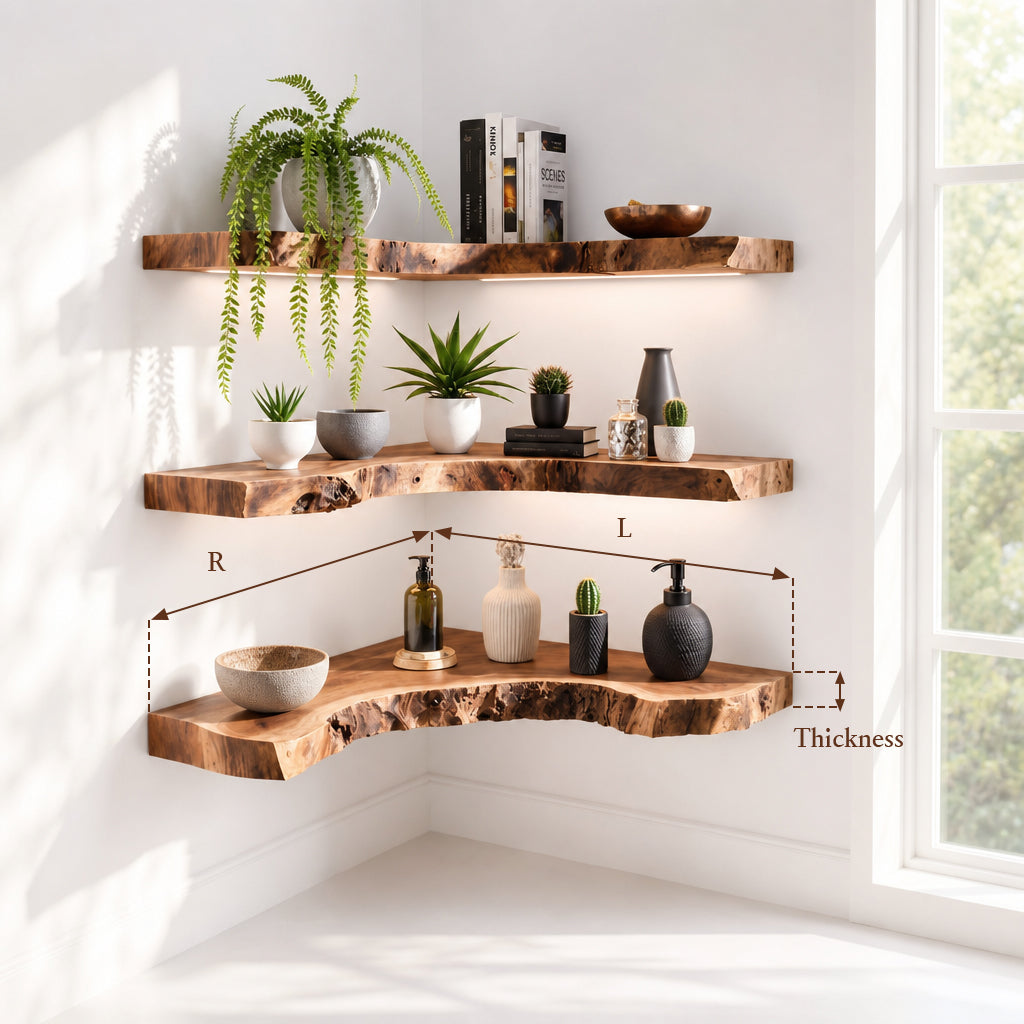
For organizing the rest of your music space, Ashdeco also offers handcrafted floating shelves perfect for displaying album art, and solid wood bookshelves that double as vinyl showcases.
Frequently Asked Questions
How much does it cost to build a record player stand?
A basic DIY record player stand costs $80-$250 in materials, but total costs reach $125-$880 when you include tools, finishes, and inevitable mistakes. Simpler builds using pre-cut lumber and hairpin legs stay under $150, while custom hardwood builds with storage compartments can exceed $400 in materials alone. If you're weighing your options, our guide on record player stand with storage — buyer's guide breaks it down further.
Is MDF or solid wood better for a turntable stand?
Solid wood is significantly better for turntable stands because its density naturally dampens vibrations that cause record skipping and distortion. MDF is lighter and more prone to resonance. Dense hardwoods like walnut, oak, and teak offer the best vibration control, which is why premium turntable furniture almost exclusively uses solid wood construction.
Can vibrations damage vinyl records?
Yes, vibrations can damage vinyl records over time. When a turntable stand vibrates, the stylus picks up unwanted movement, causing audible distortion and accelerated groove wear. Repeated exposure to vibration degrades sound quality permanently. A stable, heavy stand made from dense materials is one of the most important investments for protecting a vinyl collection. We cover this in more detail in our vinyl record storage ideas for small spaces guide.
How long does it take to build a record player stand?
A simple record player stand takes 12-20 hours to build, spread over 2-3 weekends. This includes measuring, cutting, assembly, sanding, staining, and drying time between finish coats. More complex builds with drawers, record dividers, or live edge slabs can take 30-40 hours. Factor in at least one trip back to the hardware store.
What is the best wood for a record player stand?
Walnut, white oak, and teak are the best woods for record player stands due to their density, vibration-dampening properties, and beautiful grain patterns. Walnut offers a warm, dark aesthetic. White oak provides durability and a lighter tone. Teak resists moisture and warping. Avoid softwoods like pine - they're lightweight and transmit vibrations easily.
Conclusion
Building a DIY record player stand can be a satisfying project if you have the tools, skills, and patience. But when you add up real costs - materials, tools, time, and the risk of vibration issues - a handcrafted solid wood stand often delivers better value and far better turntable performance.

Your vinyl collection deserves furniture built by hands that understand wood. Explore Ashdeco's handcrafted record player stands - sustainably crafted solid wood pieces designed to protect your records and look stunning doing it. Our best record player stands for vinyl lovers (2026 guide) article walks through the specifics.
![How to Install a Floating Tree Bookshelf in 30 Minutes [Video Guide] - Ashdeco](http://ashdeco.com/cdn/shop/articles/hkui_26ab4c5c-5827-41bc-a099-02093afb0e06.jpg?v=1785487376&width=2912)