



















Quick view
- What Defines a Vintage Record Player Cabinet?
- Era Styles: 1950s, 1960s, and 1970s
- Best Wood Species for Record Player Cabinets
- Vintage vs. Modern Reproduction Cabinets
- How to Evaluate a Vintage Cabinet's Quality
- Restoration Tips for Vintage Finds
- Styling Your Record Player Cabinet
- Frequently Asked Questions
Shop this guide
Handcrafted Record Player Stand, made to order in solid wood.
 Mid Century Stepped Solid Wood Record Player Stand with Vinyl Storage and Drawers
From $2,318.0010% off at checkout
Mid Century Stepped Solid Wood Record Player Stand with Vinyl Storage and Drawers
From $2,318.0010% off at checkout
 Sculptural Wavy Solid Wood Record Player Stand with Vinyl Storage and Drawers
From $1,536.00
Sculptural Wavy Solid Wood Record Player Stand with Vinyl Storage and Drawers
From $1,536.00
 Biophilic Sculptural Solid Wood Vinyl Record Credenza - Handcrafted Turntable Console & Media Sideboard
From $2,743.0010% off at checkout
Biophilic Sculptural Solid Wood Vinyl Record Credenza - Handcrafted Turntable Console & Media Sideboard
From $2,743.0010% off at checkout
 Sculptural Handcrafted Solid Wood Vinyl Record Storage Console with Circular Tunnel Base
From $2,217.0010% off at checkout
Sculptural Handcrafted Solid Wood Vinyl Record Storage Console with Circular Tunnel Base
From $2,217.0010% off at checkout
 Sculptural Handcrafted Z-Shape Solid Wood Turntable Stand & 2-Tier Vinyl Record Storage Rack
From $1,564.00
Sculptural Handcrafted Z-Shape Solid Wood Turntable Stand & 2-Tier Vinyl Record Storage Rack
From $1,564.00
 Sculptural Handcrafted Wave Solid Wood Turntable Stand & Low-Profile Audio Console
From $1,543.00
Sculptural Handcrafted Wave Solid Wood Turntable Stand & Low-Profile Audio Console
From $1,543.00
There's a reason the vintage record player cabinet never goes out of style. Long before streaming playlists, families gathered around beautifully crafted hi-fi consoles that were as much furniture as they were technology. That warmth - the glow of tube amplifiers behind wooden lattice, the ritual of sliding a record from a cabinet shelf - is exactly what today's vinyl revival is chasing.

This style guide covers the most iconic record player cabinet designs from the 1950s through the 1970s, the wood species that define each era, and how to find (or commission) a cabinet that captures that vintage character in 2026. If you're drawn to handcrafted pieces with real history, explore Ashdeco's record player stand collection - each one built by Vietnamese artisans using the same woodworking traditions that made those original cabinets legendary. We cover this in more detail in our DIY record player stand vs handcrafted: worth the splurge? guide.
What Defines a Vintage Record Player Cabinet?
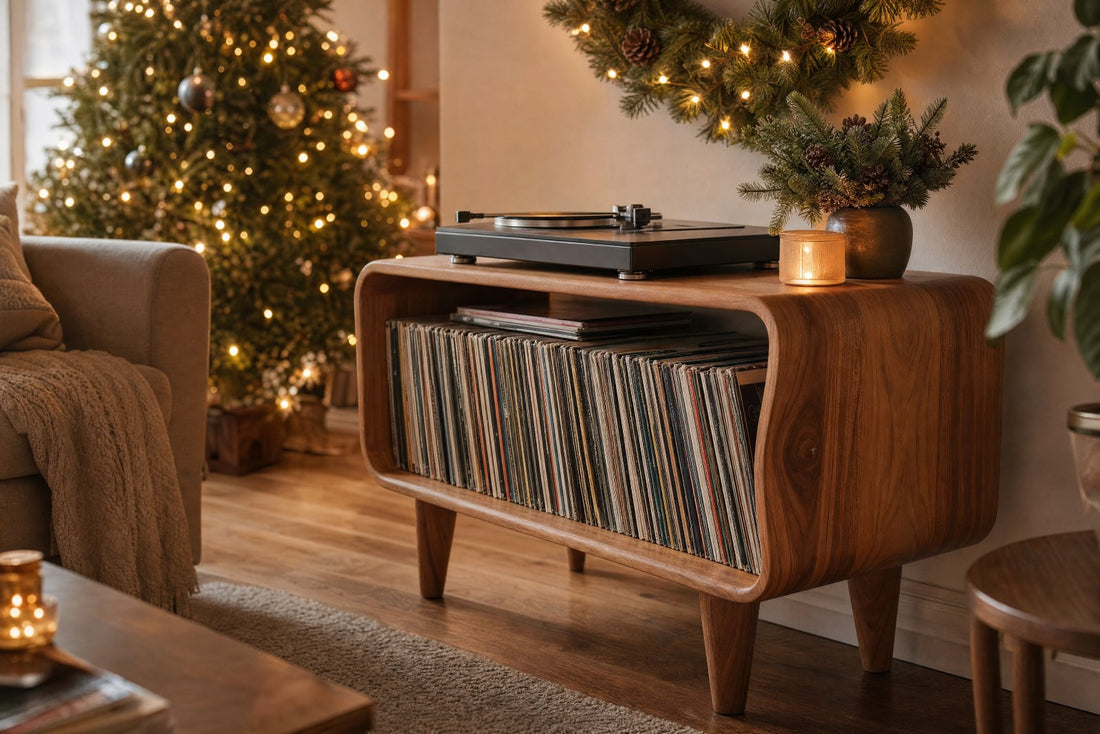
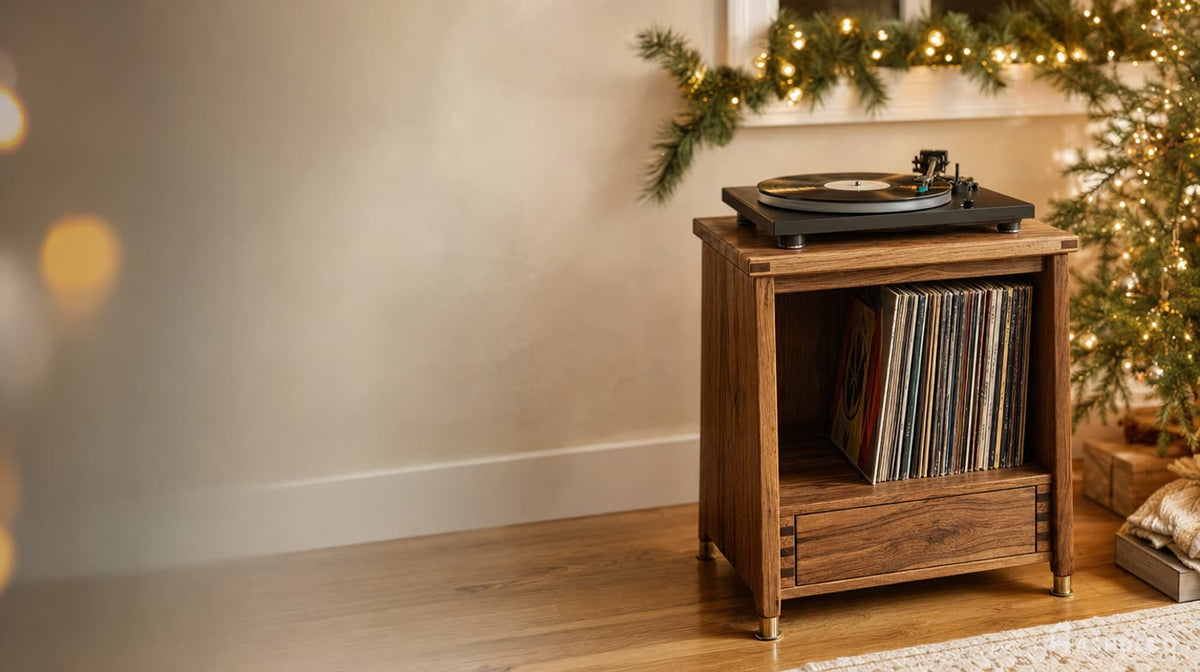
A vintage record player cabinet is a freestanding piece of furniture - typically 36 to 60 inches wide - that houses a turntable on top or behind a lift-top lid, with enclosed storage below for vinyl records, amplifiers, and sometimes speakers. Unlike open shelves or modern minimalist stands, cabinets emphasize concealment: everything tucks away behind doors, drawers, or panels.
The original hi-fi cabinets from the 1950s-70s were built by furniture makers, not electronics companies. Brands like Magnavox, Fisher, and Zenith contracted with skilled woodworkers to produce consoles from solid walnut, oak, and mahogany. According to the Smithsonian National Museum of American History, these consoles represented a peak in the integration of technology and furniture craft.
That emphasis on craftsmanship is what separates a genuine vintage cabinet from a modern reproduction. Real vintage pieces use solid hardwood frames, hand-applied finishes, and joinery techniques that mass production can't replicate economically.
A vintage record player cabinet is a freestanding furniture piece, typically 36-60 inches wide, housing a turntable behind a lift-top or on a dedicated surface with enclosed storage below. Originating in the 1950s-70s, authentic vintage cabinets use solid hardwood frames, hand-applied finishes, and traditional joinery that mass production cannot economically replicate.
Era Styles: 1950s, 1960s, and 1970s
Each decade brought distinct design language to the record player cabinet. Understanding these differences helps you choose - or commission - the right style for your space.
1950s: Atomic Age Elegance
Cabinets from the 1950s feature blonde wood tones (birch, maple), tapered splayed legs, and asymmetric shapes influenced by atomic-age optimism. Hardware is minimal - simple brass pulls or recessed handles. Dimensions tend toward compact: 36-42 inches wide, 16-18 inches deep, 24-28 inches tall. These pieces pair well with Eames-era chairs and boomerang coffee tables.
1960s: Mid-Century Modern Peak
The 1960s refined the form. Walnut became the dominant wood. Legs grew slimmer and more angular - 12-18 degree splay with conical brass ferrules. Cabinets got longer (48-60 inches) to accommodate growing stereo systems with separate tuner, amplifier, and turntable components. Sliding doors replaced hinged panels for cleaner lines.
1970s: Warm, Earthy, Experimental
The 1970s brought darker finishes - teak, rosewood, smoked oak - and heavier proportions. Cabinets sat lower to the ground, often on plinth bases instead of legs. Rattan, cane, and woven panels appeared as decorative door fronts. The aesthetic leaned rustic and earthy, influenced by the back-to-nature movement.
1950s record player cabinets feature blonde woods and splayed legs in compact forms. 1960s designs peak with walnut, angular legs, and longer dimensions for stereo components. 1970s cabinets use darker woods like teak and rosewood, sit lower on plinth bases, and incorporate rattan or cane panel details.


Best Wood Species for Record Player Cabinets
The wood you choose defines the cabinet's character, durability, and acoustic properties. Here's how the most popular species compare.
| Wood Species | Color/Tone | Hardness (Janka) | Best Era Match | Price Tier |
|---|---|---|---|---|
| Walnut | Rich brown, purple undertones | 1,010 lbf | 1960s mid-century | Premium |
| White Oak | Honey gold, visible grain | 1,360 lbf | Versatile, all eras | Mid-Premium |
| Teak | Golden brown, oily texture | 1,155 lbf | 1970s Scandinavian | Premium |
| Cherry | Warm reddish-pink, darkens with age | 950 lbf | 1950s traditional | Mid |
| Maple | Pale cream, tight grain | 1,450 lbf | 1950s atomic age | Mid |
| Acacia | Varied grain, warm golden | 1,750 lbf | Contemporary-vintage | Mid-Premium |
Janka hardness ratings indicate resistance to dents and wear. For a record player cabinet that endures decades of use, choose species above 1,000 lbf. At Ashdeco, we primarily work with walnut, oak, and acacia - Vietnamese artisans select each plank for grain pattern and structural integrity before crafting.
The best woods for record player cabinets are walnut (rich brown, 1,010 Janka), white oak (honey gold, 1,360 Janka), teak (golden brown, 1,155 Janka), and acacia (warm varied grain, 1,750 Janka). Choose species above 1,000 Janka hardness for a cabinet that resists dents and lasts decades.
Vintage vs. Modern Reproduction Cabinets
If you're weighing the DIY route against buying handcrafted, our DIY vs handcrafted record player stand comparison covers the real cost breakdown. Genuine vintage cabinets and modern reproductions each have advantages. Here's an honest comparison.
Authentic Vintage
- Unique patina and character impossible to replicate
- Often solid hardwood construction throughout
- May need restoration (refinishing, hardware replacement, structural repair)
- Dimensions may not fit modern turntables (some are built for specific integrated units)
- Price varies wildly: $200 for thrift finds, $2,000+ for restored designer pieces
Modern Reproduction
- Built to accommodate current turntables and equipment
- New joinery and hardware - no wear concerns
- Available in custom dimensions and finishes
- Quality ranges from excellent (handcrafted solid wood) to poor (MDF with vintage-look veneer)
- Price: $150-$1,500 depending on materials and craftsmanship

The sweet spot for most buyers is a modern cabinet built with vintage-era techniques and materials. This gives you the look and feel of a 1960s walnut console with dimensions designed for a 2026 turntable. Ashdeco's handcrafted record player stands hit exactly this intersection - solid wood, traditional joinery, vintage-inspired design, built to modern dimensions. We've written a full breakdown in our best record player stands for vinyl lovers (2026 guide) post.
Authentic vintage cabinets offer irreplaceable patina and character but may need restoration and might not fit modern turntables. Modern reproductions accommodate current equipment with new construction. The best option is a modern cabinet built with vintage-era techniques - solid wood, traditional joinery, and vintage-inspired design sized for today's turntables.
Don't miss
These pieces qualify for 10% off orders over $2,000. Applied automatically at checkout.
10% off
Mid Century Stepped Solid Wood Record Player Stand with Vinyl Storage and Drawers
From $2,318.00
10% off at checkout
10% off
Biophilic Sculptural Solid Wood Vinyl Record Credenza - Handcrafted Turntable Console & Media Sideboard
From $2,743.00
10% off at checkout
10% off
Sculptural Handcrafted Solid Wood Vinyl Record Storage Console with Circular Tunnel Base
From $2,217.00
10% off at checkout
 10% off
Sculptural Handcrafted Live Edge Tree Trunk Solid Wood Vinyl Record Player Stand & Media Console
From $2,178.00
10% off at checkout
10% off
Sculptural Handcrafted Live Edge Tree Trunk Solid Wood Vinyl Record Player Stand & Media Console
From $2,178.00
10% off at checkout
How to Evaluate a Vintage Cabinet's Quality
Whether you're shopping at an estate sale, antique store, or online marketplace, use this checklist:
- Check the joints. Pull gently on drawers and doors. Wobbly joints mean failed glue or broken dowels - repairable but costly. Dovetail and mortise-and-tenon joints indicate high original quality.
- Inspect the wood. Look for veneer bubbling, delamination, or missing patches. Solid wood pieces show consistent grain on edges and ends. Veneer over particleboard shows a thin layer over a compressed core.
- Test the surface. Press your thumbnail into an inconspicuous spot. Solid hardwood barely dents. MDF or softwood compresses visibly.
- Measure the turntable platform. Vintage cabinets built for integrated systems may have platforms as small as 12 × 10 inches. Modern turntables need at least 18 × 14 inches. Verify before buying.
- Smell the interior. Musty or mildewy odors indicate moisture damage. This can transfer to your records and is extremely difficult to eliminate completely.
According to Apartment Therapy, vintage furniture shopping requires patience and a willingness to look beyond surface flaws - the bones of the piece matter more than the finish, which can always be restored.
Evaluate vintage cabinets by checking joint stability, inspecting for veneer delamination versus solid wood, testing surface hardness with your thumbnail, measuring the turntable platform (minimum 18 × 14 inches for modern turntables), and smelling for musty odors indicating moisture damage that can transfer to vinyl records.
Restoration Tips for Vintage Finds
Found a vintage cabinet with great bones but rough cosmetics? Here's how to bring it back:
- Refinishing: Strip old lacquer with a citrus-based stripper (less toxic than methylene chloride). Sand with 120-grit, then 220-grit. Apply Danish oil or tung oil for a classic hand-rubbed finish that enhances grain without the plastic look of polyurethane.
- Hardware: Replace missing or damaged pulls with period-correct hardware. Rejuvenation and House of Antique Hardware carry authentic reproductions from every era. Budget $15-$40 per pull.
- Structural repair: Loose joints can be reglued with wood glue and clamped overnight. For broken joints, a woodworker can cut new mortises - expect $100-$300 per joint depending on complexity.
- Shelf reinforcement: If shelves sag from decades of weight, flip them upside down (the sag often self-corrects over weeks) or add a center support brace underneath.
Keep in mind that over-restoration destroys value. A cabinet with honest wear and patina tells a story. Sand just enough to smooth splinters, not enough to erase decades of character.
Restore vintage record player cabinets by stripping old lacquer with citrus-based remover, sanding to 220-grit, and applying Danish or tung oil for a hand-rubbed finish. Replace hardware with period-correct reproductions, reglue loose joints with wood glue and clamps, and avoid over-restoration that destroys the authentic patina and character.
Styling Your Record Player Cabinet
Looking beyond vintage? Check our best record player stands for 2026 for modern options too. A vintage record player cabinet anchors a room. Style it intentionally: If you're weighing your options, our guide on record player stand with storage — buyer's guide breaks it down further.
- Top surface: Keep it uncluttered. Turntable, a small plant (pothos or snake plant), and one decorative object maximum. Crowding the surface cheapens the look.
- Nearby wall art: Hang framed album covers, vintage concert posters, or abstract art at eye level above the cabinet. Use frames that match the cabinet's era - simple black frames for 1960s pieces, natural wood frames for 1970s.
- Lighting: A warm-toned table lamp (2700K color temperature) on or near the cabinet creates the right ambiance for evening listening sessions. Avoid cool white LEDs.
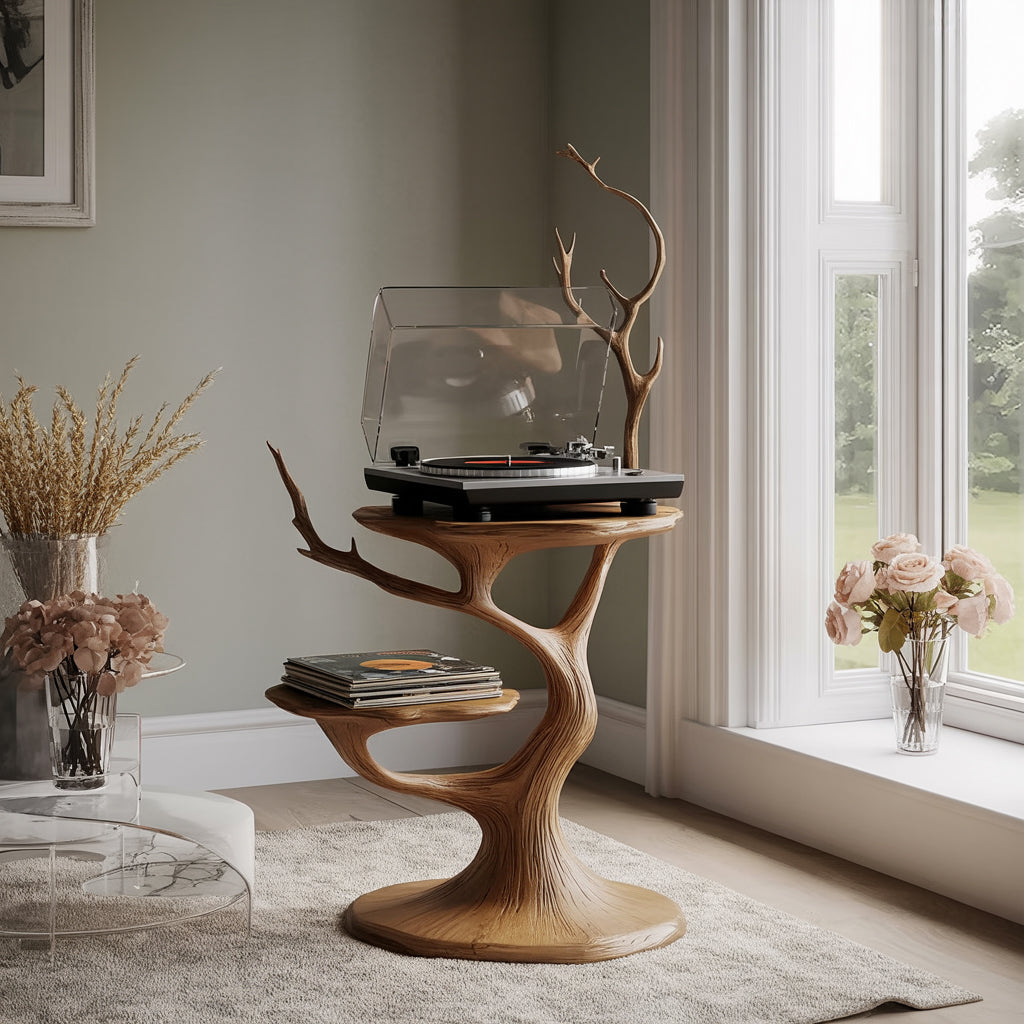
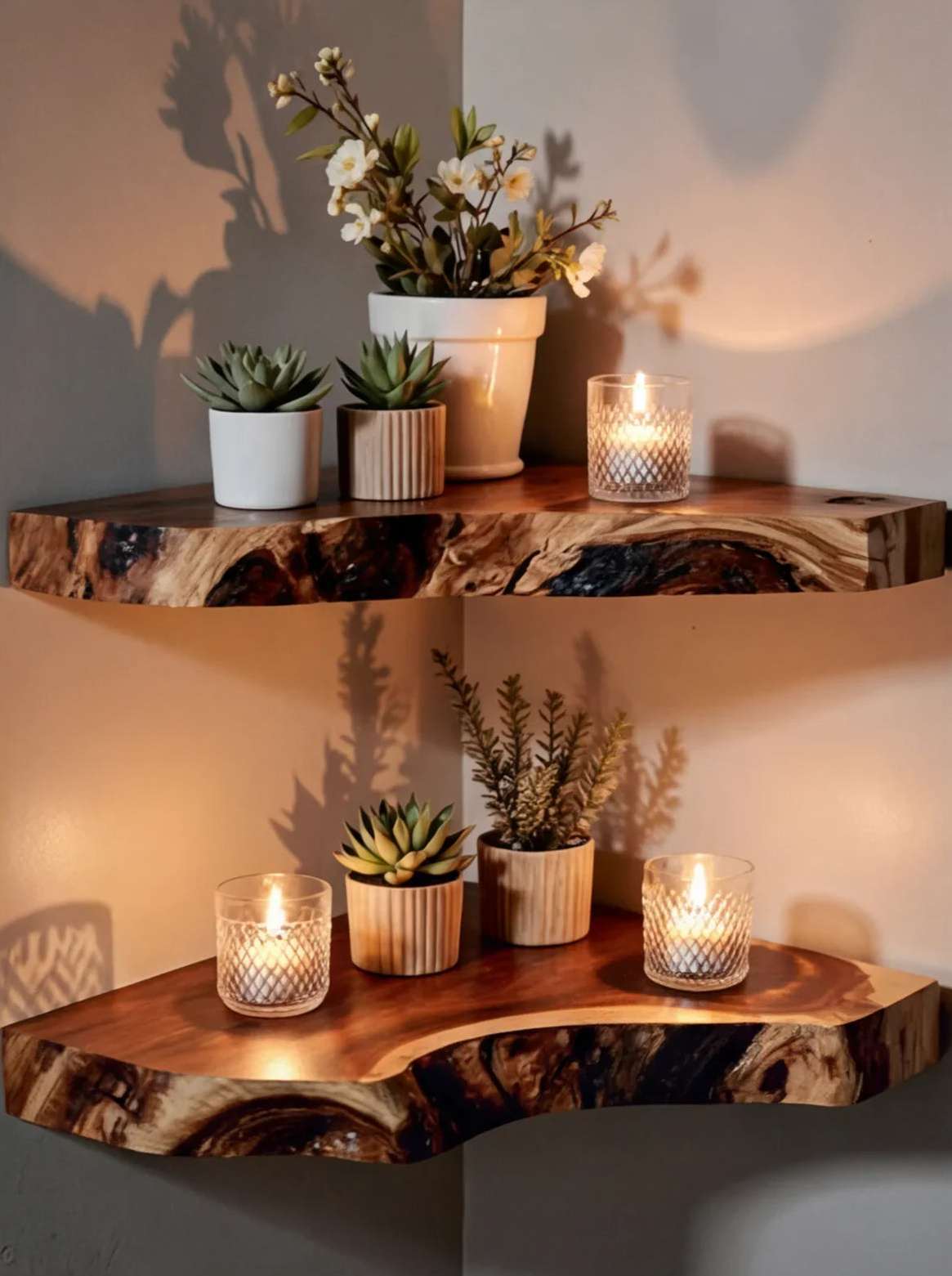
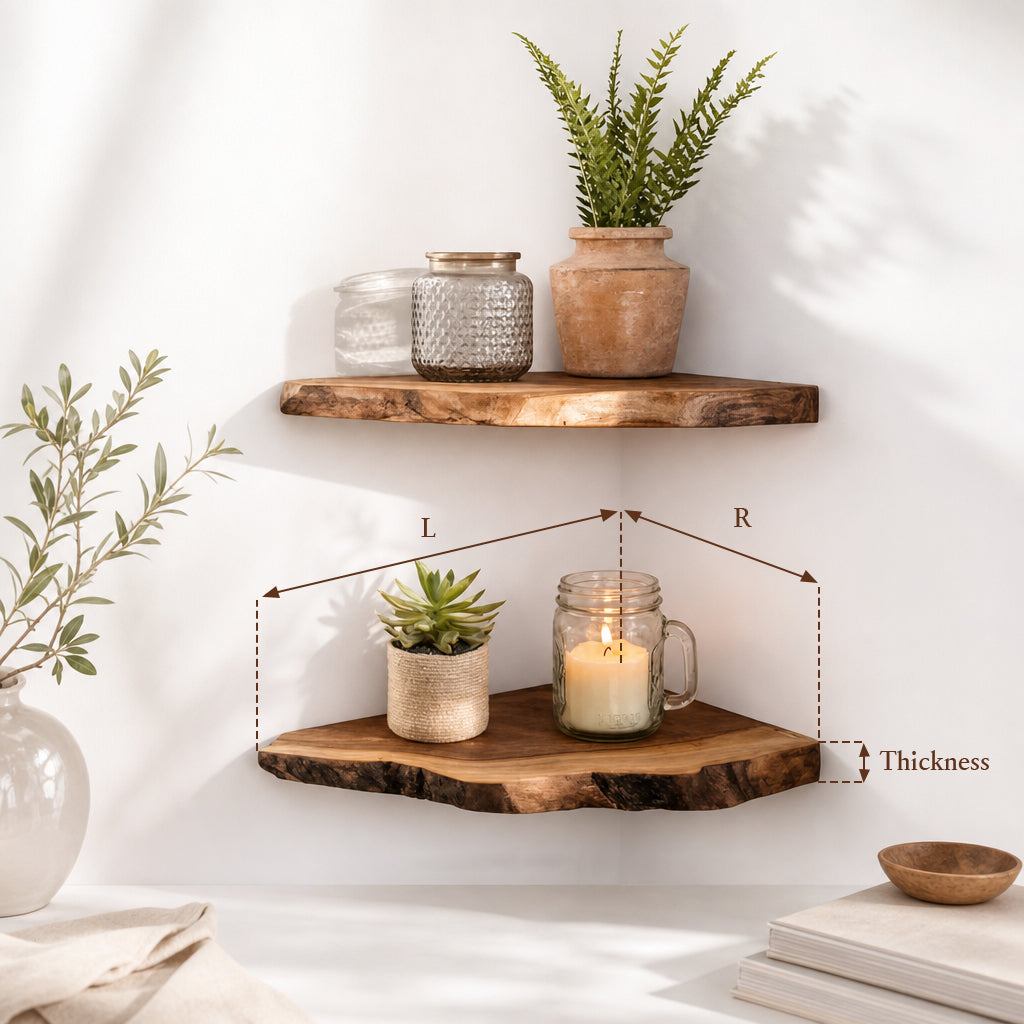
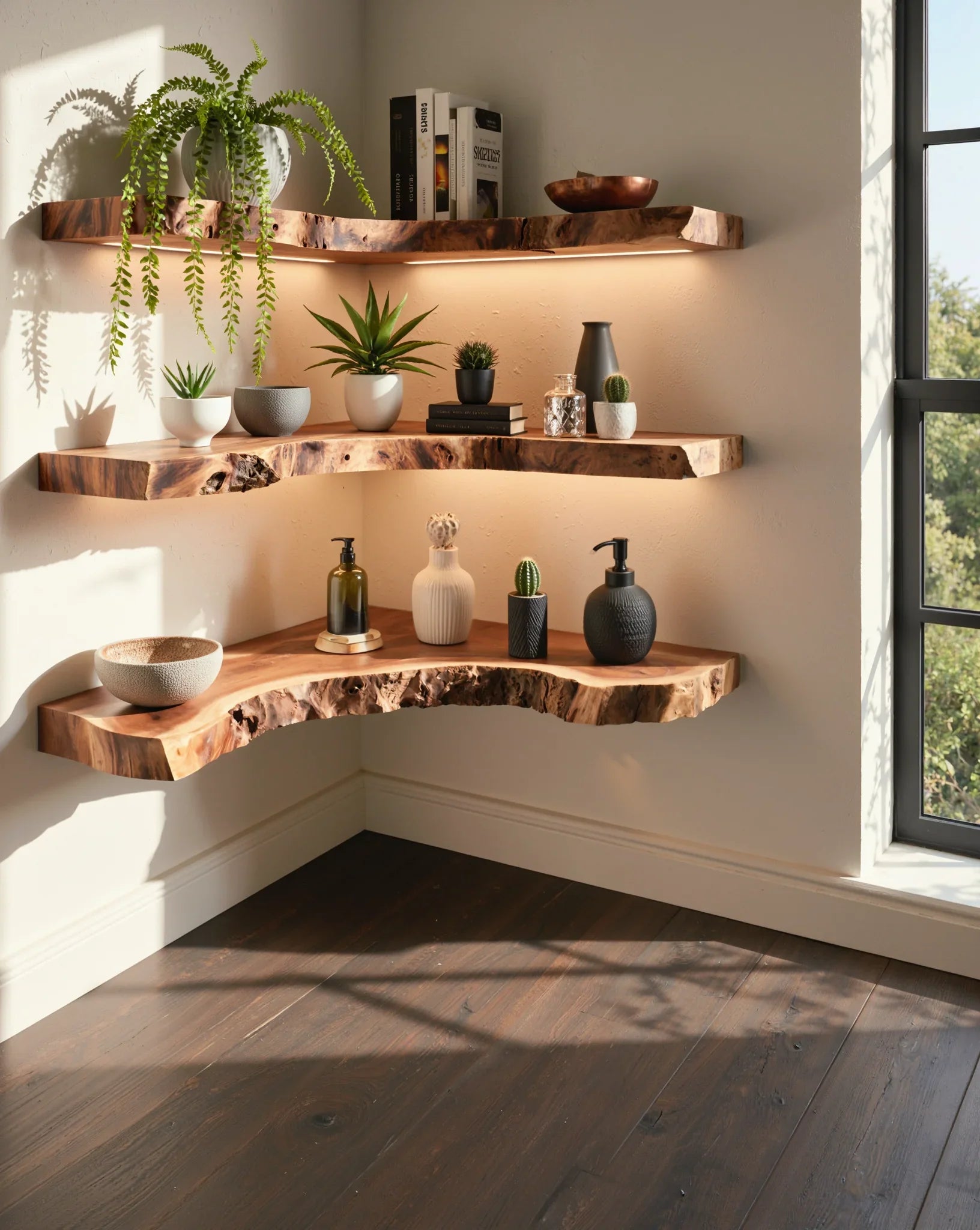
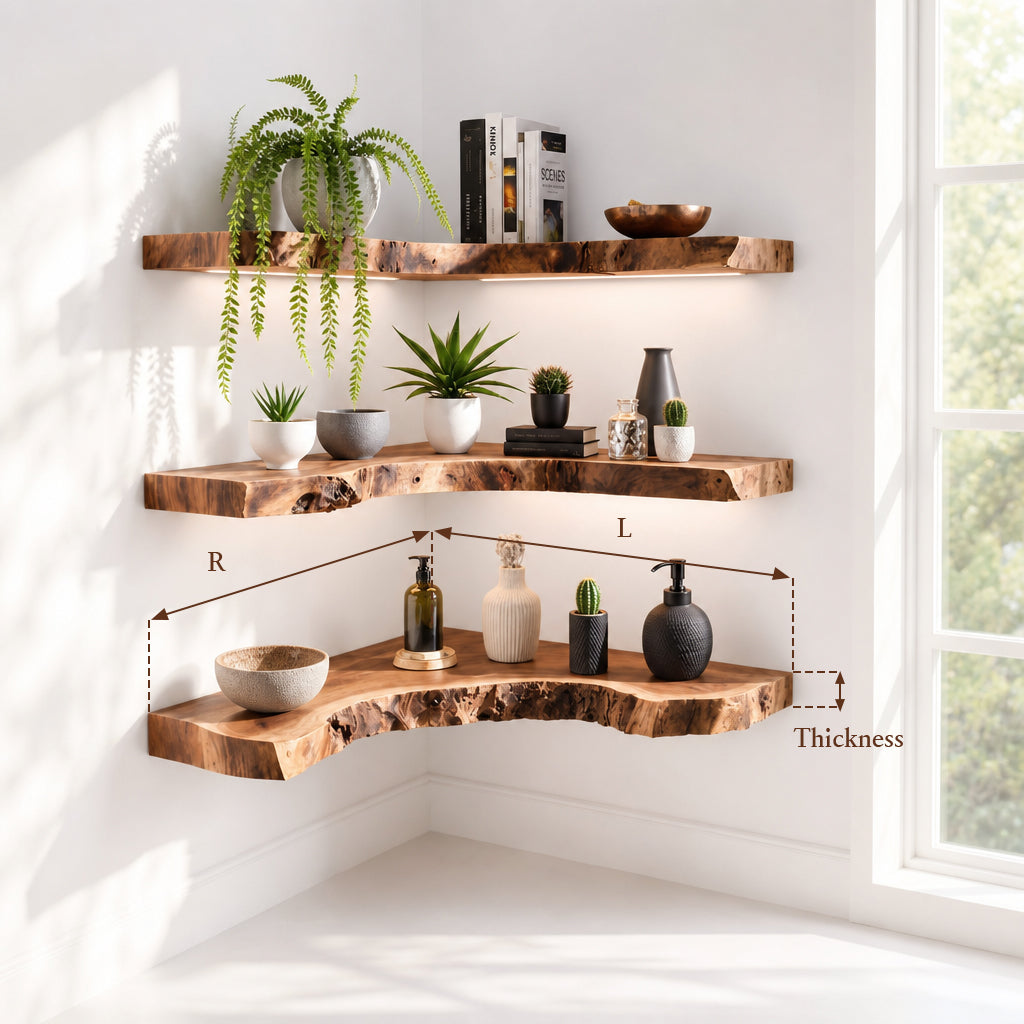
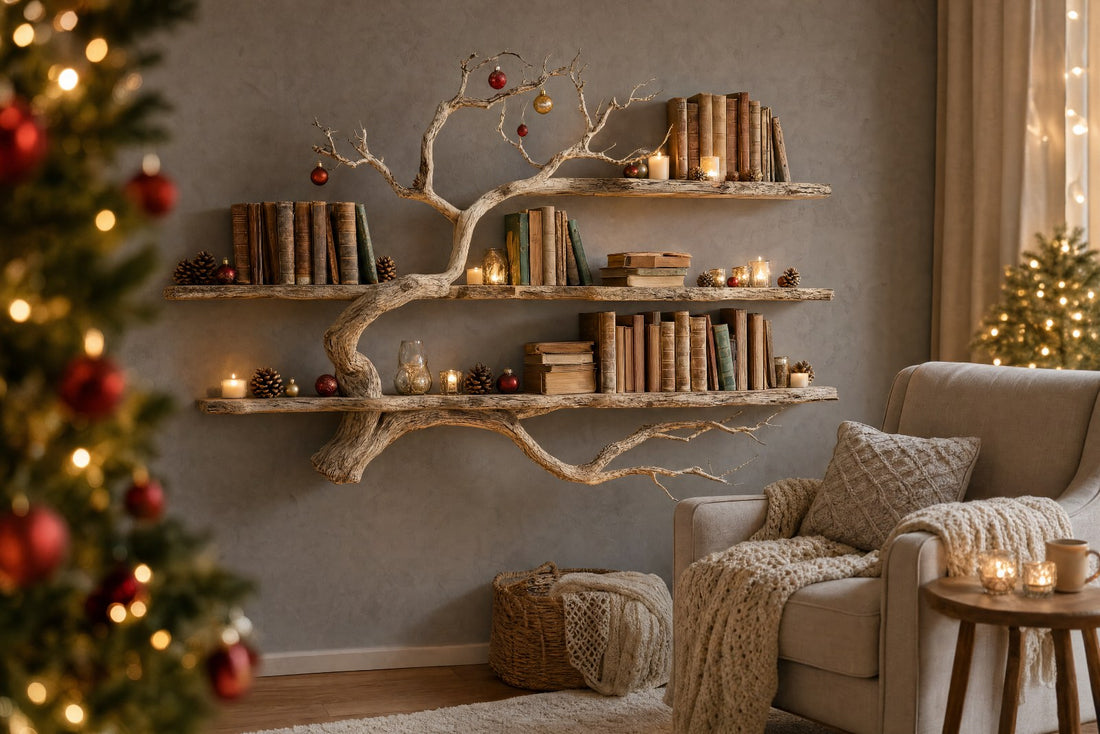
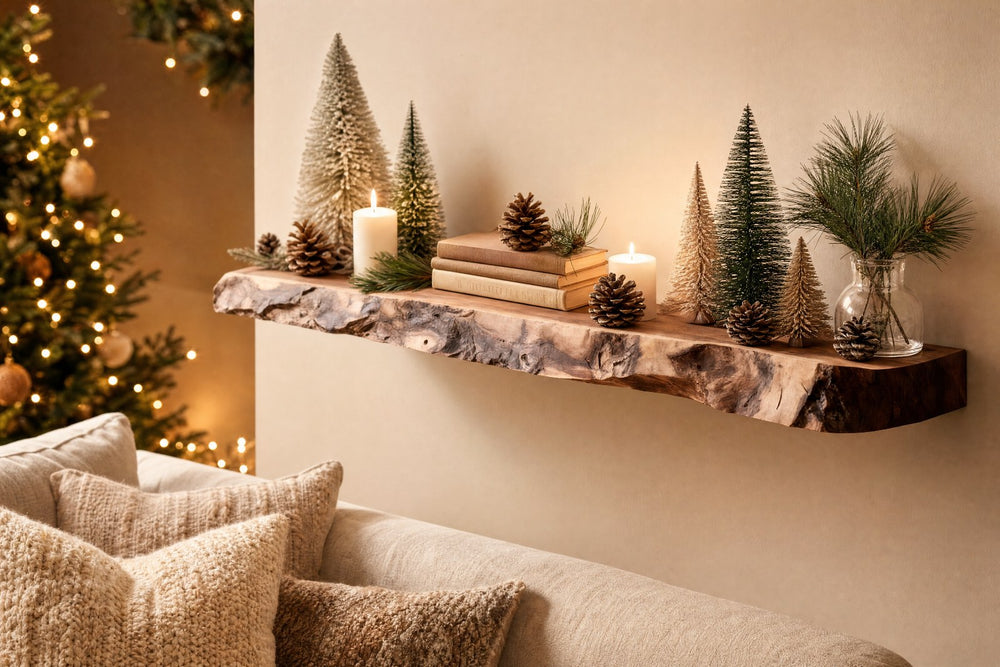
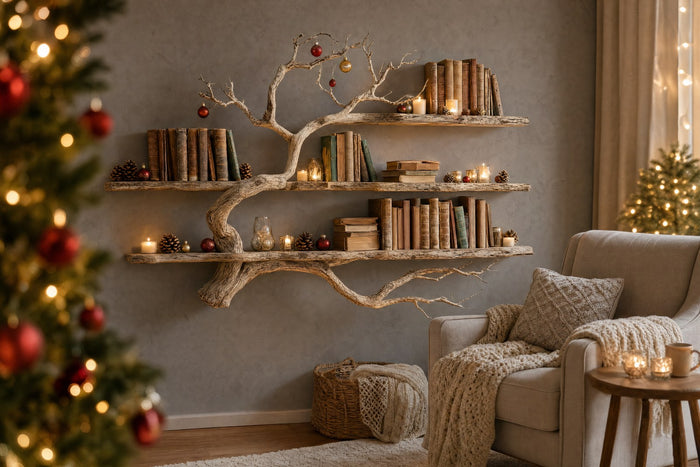
- Complementary storage: If your cabinet doesn't hold your entire collection, add floating shelves on a nearby wall for overflow display or a tree bookshelf for an artistic storage piece.
The goal is to create a listening corner - a dedicated space that invites you to slow down, choose a record, and actually listen. That ritual is what vinyl is all about.
Style a vintage record player cabinet with a clean top surface - turntable, one small plant, and one decorative object maximum. Hang era-appropriate wall art above, use warm 2700K lighting for ambiance, and add complementary floating shelves or bookcases nearby for overflow storage and visual balance. For a deeper dive, see our article on vinyl record storage ideas for small spaces.
Frequently Asked Questions
What is a vintage record player cabinet worth?
Vintage record player cabinet values range from $100 for unrestored thrift finds to $3,000+ for designer pieces by brands like Drexel or Broyhill in excellent condition. Condition, wood species, and brand recognition drive price. Solid walnut cabinets from the 1960s in good condition typically sell for $400-$1,200 at antique dealers.
Can I convert an old stereo console into a record player cabinet?
Yes, and it's one of the most popular vintage furniture projects. Remove the original integrated electronics, reinforce the turntable platform if needed, and add modern components. Ensure the platform measures at least 18 × 14 inches for contemporary turntables. Many consoles already have perfect dimensions and built-in speaker compartments you can repurpose.
What's the difference between a record player cabinet and a credenza?
A credenza is a long, low storage piece with doors or drawers - originally designed for dining rooms. A record player cabinet is specifically designed to house audio equipment and vinyl. Many vintage credenzas work beautifully as record player cabinets, but purpose-built audio cabinets include features like ventilation, cable management, and vibration-dampened turntable platforms.
How do I know if my vintage cabinet is solid wood or veneer?
Check the edges of doors, shelves, and the underside. Solid wood shows consistent grain through the full thickness. Veneer shows a thin layer (usually 1/32 inch or less) over a different core material. Also check for veneer bubbling - solid wood never bubbles. Finally, solid wood is significantly heavier than veneered particleboard of the same dimensions.
What era of vintage cabinet is most popular right now?
Mid-century modern cabinets from the 1960s remain the most popular style in 2026, driven by their clean lines, walnut tones, and versatile aesthetic that fits both modern and traditional interiors. 1970s teak and rattan pieces are gaining momentum as a warmer, earthier alternative. 1950s atomic-age designs appeal to collectors seeking rarer, more distinctive pieces.