




























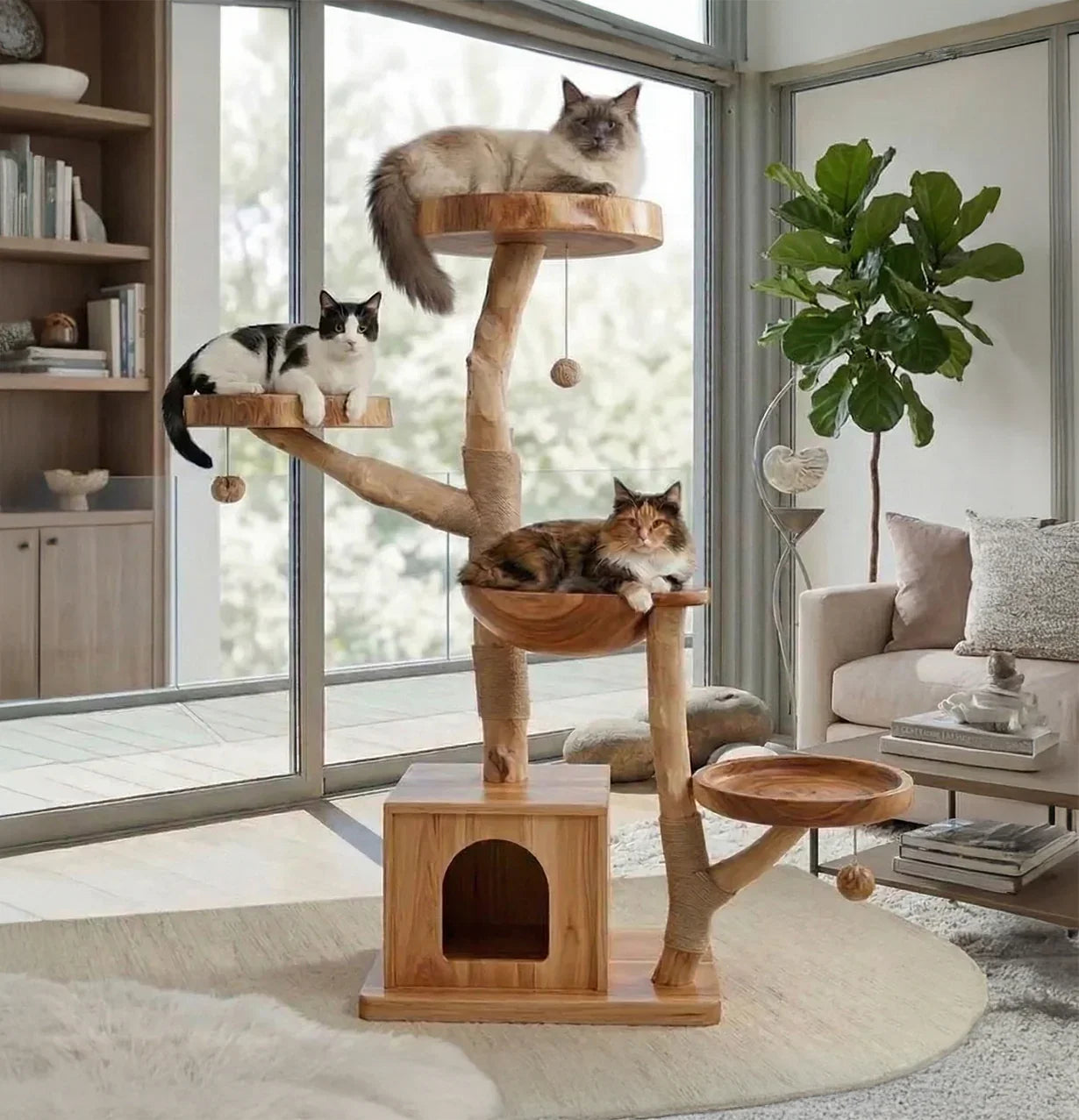
Quick view
- The Real Problem Isn't the Cat Tree - It's Cat Social Dynamics
- Territorial Behavior on Cat Trees - How Cats Claim Space
- Resource Guarding - Why Your Cat "Won't Use" the Tree
- Choosing a Cat Tree Based on Your Cats' Behavior
- Placement Strategy - Where to Put the Cat Tree (Behaviorally Speaking)
- When to Add More Than One Cat Tree (or Supplement with Alternatives)
- What to Look For in a Cat Tree (Behavioral Checklist)
- Troubleshooting - What to Do When Your Cats Won't Use the Tree
- Frequently Asked Questions
Shop this guide
Handcrafted Cat Tree Tower, made to order in solid wood.
 Hollow Tunnel Cave Sisal Scratching Cat Tree Tower in Sculpted Solid Wood
From $1,532.00
Hollow Tunnel Cave Sisal Scratching Cat Tree Tower in Sculpted Solid Wood
From $1,532.00
 Multi Tier Sculpted Botanical Canopy Cat Tree Tower in Matte Finished Solid Wood
From $1,765.00
Multi Tier Sculpted Botanical Canopy Cat Tree Tower in Matte Finished Solid Wood
From $1,765.00
 Sculptural Spiral Solid Wood Cat Tree Tiered Modern Feline Lounger
From $2,217.0010% off at checkout
Sculptural Spiral Solid Wood Cat Tree Tiered Modern Feline Lounger
From $2,217.0010% off at checkout
 Nature Inspired Branch Solid Wood Corner Cat Tree Tower Condo
From $1,854.00
Nature Inspired Branch Solid Wood Corner Cat Tree Tower Condo
From $1,854.00
 Live Edge Slice Tiered Solid Wood Cat Tree Freestanding Multi Level Perch
From $1,732.00
Live Edge Slice Tiered Solid Wood Cat Tree Freestanding Multi Level Perch
From $1,732.00
 Artisanal Solid Wood Sculptural Tree Cat Tower & Multi-Tier Botanical Display Perch Stand
From $2,076.0010% off at checkout
Artisanal Solid Wood Sculptural Tree Cat Tower & Multi-Tier Botanical Display Perch Stand
From $2,076.0010% off at checkout
Stop Buying the Wrong Cat Tree for Multiple Cats: Behavior-Based Guide
Whether you're searching for the perfect cat tree for multiple cats or a taller cat tower for multiple cats to give your whole feline crew room to spread out - the real question isn't which tree has the most features. It's which one actually matches the way your cats interact with each other every single day.
Here's the thing most buying guides skip: you can buy the most expensive, tallest, most beautifully crafted cat tree on the market, and your cats might still ignore it. Not because the tree is bad - but because it doesn't account for the social dynamics playing out in your home.
This guide takes a different approach. Instead of comparing specs and price tiers, we'll look at your cats' behavior - territorial instincts, resource guarding, social hierarchy - and use that to figure out exactly which type of cat tree (or combination of trees) will actually work for your household.

The Real Problem Isn't the Cat Tree - It's Cat Social Dynamics
Cats aren't pack animals. Unlike dogs, who evolved to share resources and cooperate in groups, domestic cats are descended from solitary hunters. They can live together - many do, happily but "sharing" doesn't come naturally to them.
Each cat needs its own territory: a perch to observe from, a scratching post to mark, a hiding spot to retreat to. When those resources are scarce, stress builds. The result? One cat monopolizes the tree, the others avoid it entirely, and you're left wondering why you spent good money on something gathering dust in the corner.
This is exactly why a cat tree that looks "big enough" on paper can still fail in a multi-cat household. The issue isn't square footage - it's whether the tree's design supports the social dynamics your cats have already established.

Territorial Behavior on Cat Trees - How Cats Claim Space
Understanding how cats claim and defend territory on a cat tree is the first step to choosing one that works for everyone.
Vertical Territory - Height Equals Status
In multi-cat homes, height is currency. The higher the perch, the more desirable it is. You'll often notice the more assertive or confident cat consistently occupying the top level, while others settle for lower tiers.
This isn't necessarily aggression - it's just how cats organize space. The cat who controls the highest vantage point controls the most information about the environment. Other cats usually accept this arrangement, as long as they have acceptable alternatives at lower levels.
Cat behaviorists actually push back on the idea of a single "alpha" hierarchy among cats. It's more about who controls which resource at which time, not a fixed rank. The same cat might dominate the top perch but willingly give up a window hammock. Context matters.
Scent Marking - The Invisible "Reserved" Sign
Cats claim territory through scent glands in their cheeks, paws, and flanks. When your cat rubs against a scratching post or kneads a perch, they're leaving chemical signals that say "this is mine."
A cat tree that's been heavily claimed by one cat may be actively avoided by others - not out of fear, but because the scent profile tells them that territory is already occupied. This is especially noticeable when you introduce a new cat tree: the first cat to explore it marks it, and others may hesitate for days or even weeks.
Time-Sharing vs Space-Sharing
Some multi-cat households naturally develop time-sharing schedules: one cat uses the tree in the morning, another takes over in the afternoon. Others split the tree spatially - each cat has their "zone" and rarely crosses into another's.
Both systems work. The key is giving the tree enough structure (multiple perches, multiple routes up and down) so either system can emerge organically without conflict.



Resource Guarding - Why Your Cat "Won't Use" the Tree
If one or more of your cats consistently avoid the cat tree, resource guarding might be the invisible culprit.
One Cat Guards the Only Path Up
Here's a common scenario: your cat tree has a single vertical column with perches stacked along it. The more confident cat settles on a mid-level perch. Now no other cat can reach the levels above without passing right by them.
This is what we'd call resource blocking - not active aggression, just strategic positioning. The cat on the perch might not even be aware they're blocking others. But the result is the same: the upper levels become effectively unusable for the rest of the household.
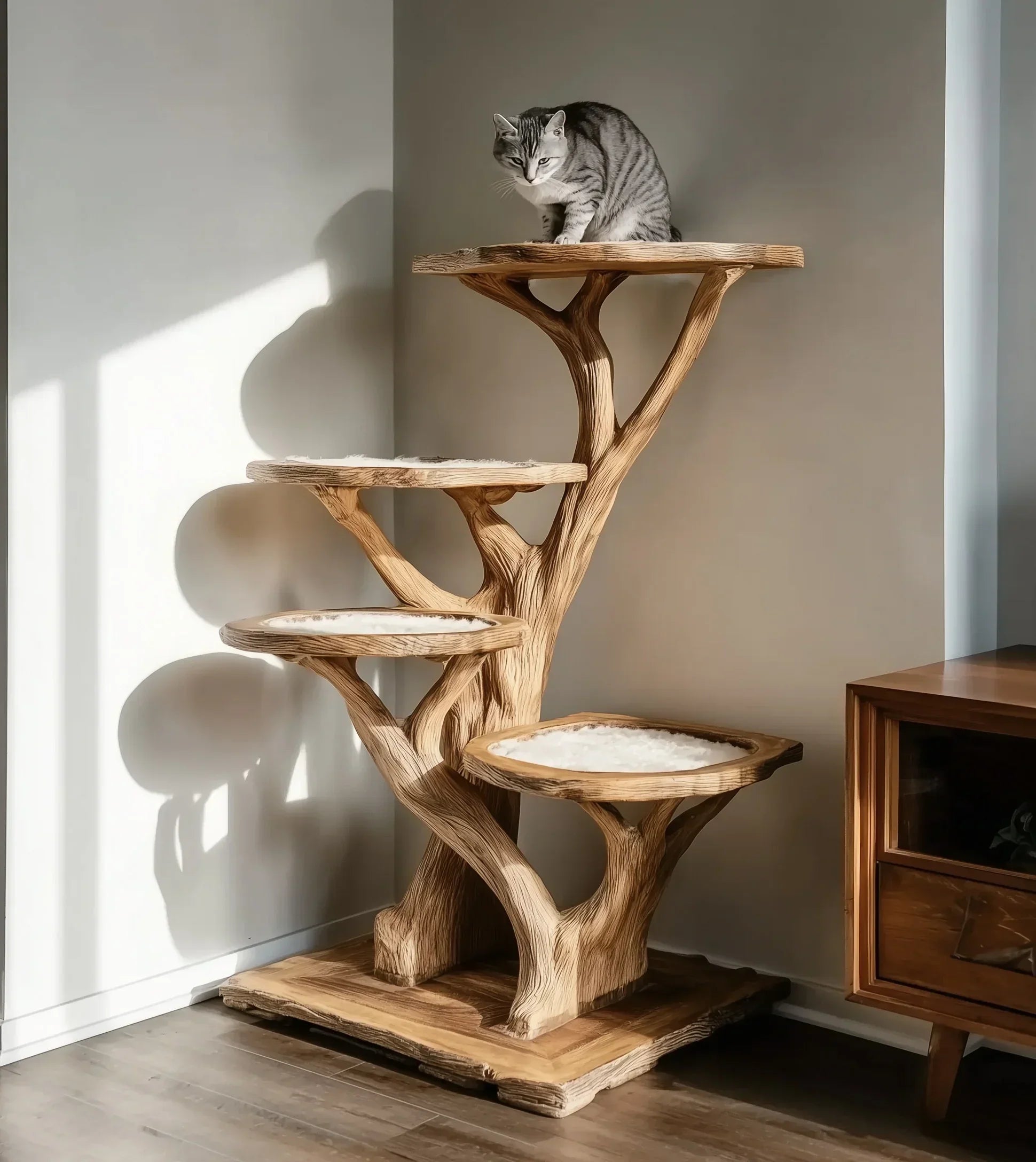
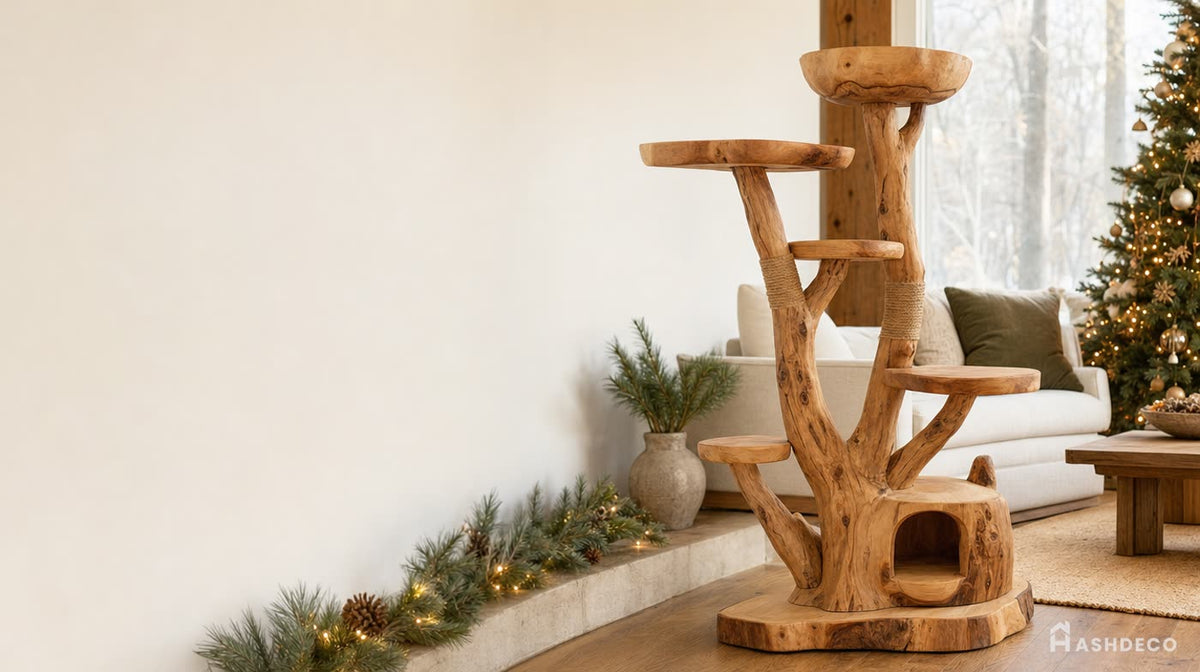
What to look for in a tree design: multiple access routes - not just one central pole. Trees with offset perches, side platforms, or even adjacent wall shelves give cats alternative paths to the top without having to negotiate a chokepoint.
The Single Entry/Exit Problem
Cat trees with enclosed condos often have just one opening. If a less confident cat climbs in and then notices the more assertive cat is sitting right outside, they're effectively trapped. Even if nothing bad happens, the feeling of being cornered is enough to make them avoid that condo - and eventually the entire tree - permanently.
What to look for: condos with multiple openings, or open-style perches where cats always have a clear line of sight and escape route.
How to Spot Resource Guarding
Signs to watch for:
- One cat sits near the base of the tree and watches - they're not using it, they're monitoring it
- Another cat approaches the tree, hesitates, and walks away
- A shy cat starts eliminating outside the litter box or over-grooming
- Hissing or growling when two cats are near the tree at the same time
If any of these sound familiar, the tree's design is likely contributing to the problem.

Choosing a Cat Tree Based on Your Cats' Behavior
Instead of picking by price or material first, start with your cats' behavioral dynamic. That tells you what the tree actually needs to do.
The Peaceful Coexistence Household
Your cats generally get along. They might not cuddle, but they tolerate each other's presence without tension.
What you need: One well-structured multi-tier tree with at least one perch per cat, plus one extra. Two scratching posts minimum. The tree doesn't need to solve conflict - it just needs to provide enough options that nobody feels squeezed out.
A taller cat tower works well here because cats will naturally self-organize by height preference without fighting over it. If you're still deciding between the two shapes, our cat tree vs cat tower guide breaks down which one fits a peaceful multi-cat home best.
The Uneven Household - One Cat Claims Most of the Resources
One cat clearly dominates the best spots - top perch, sunniest window, favorite condo. The others adapt, but you can tell they'd rather have more options.
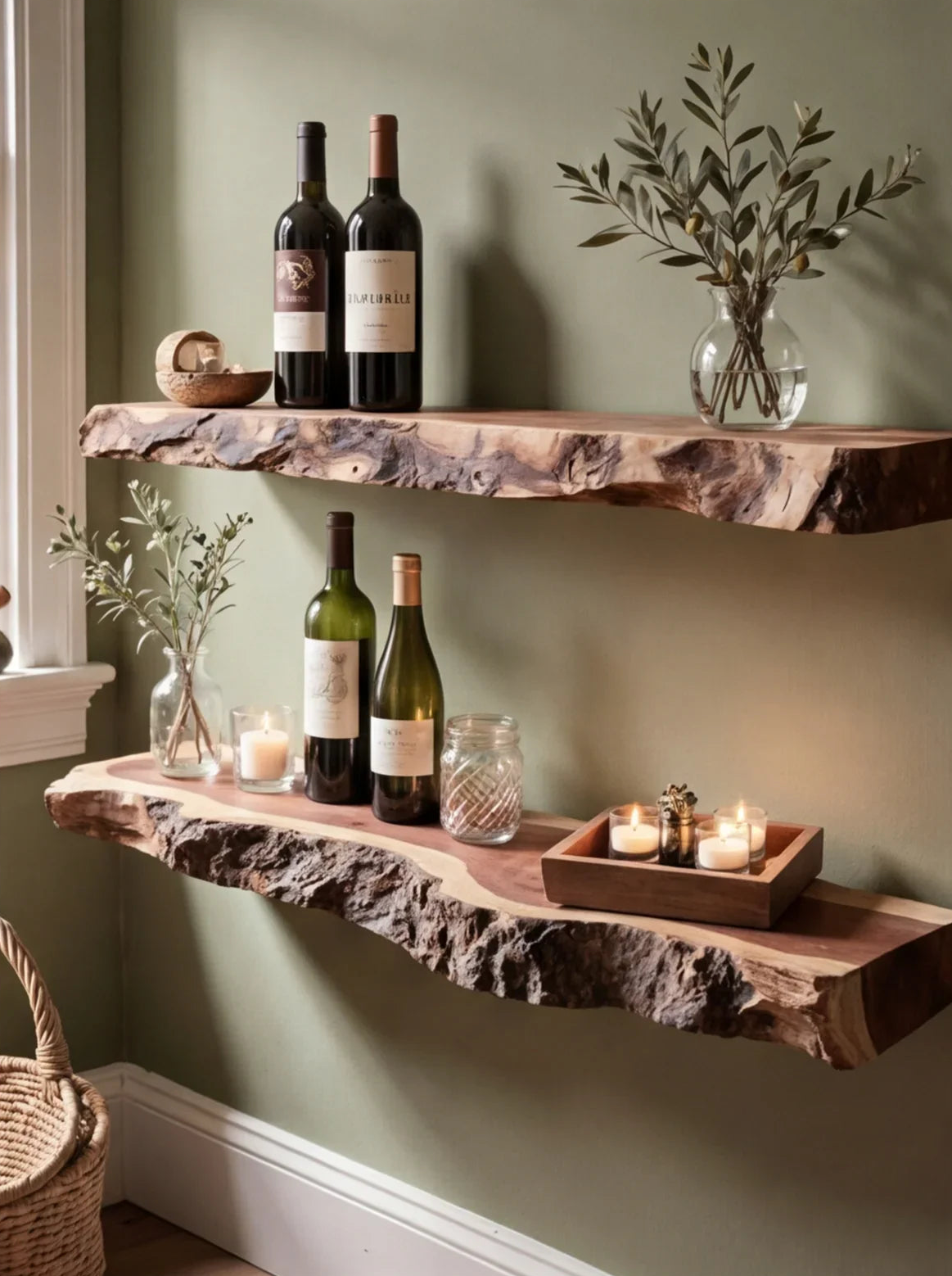
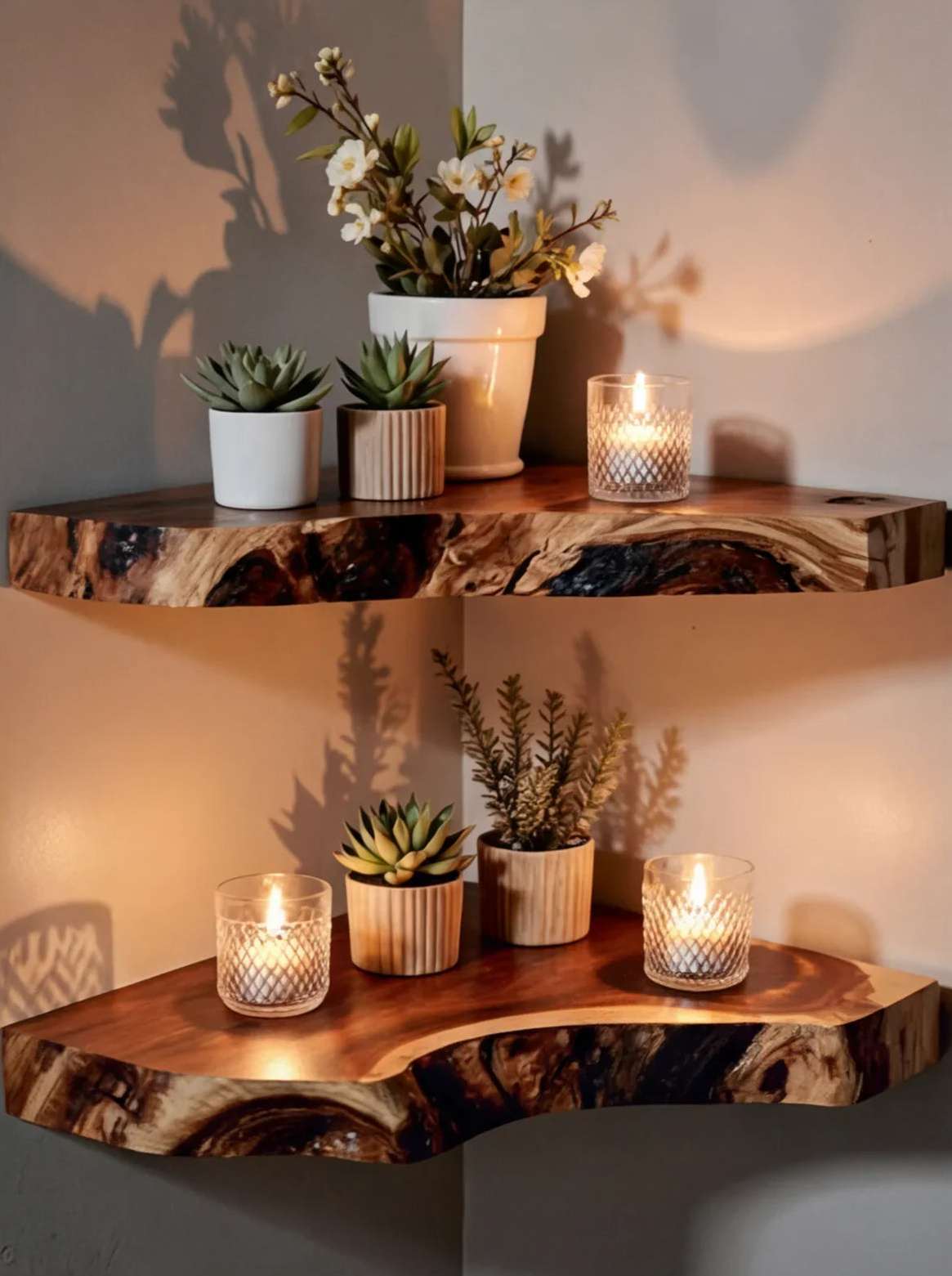
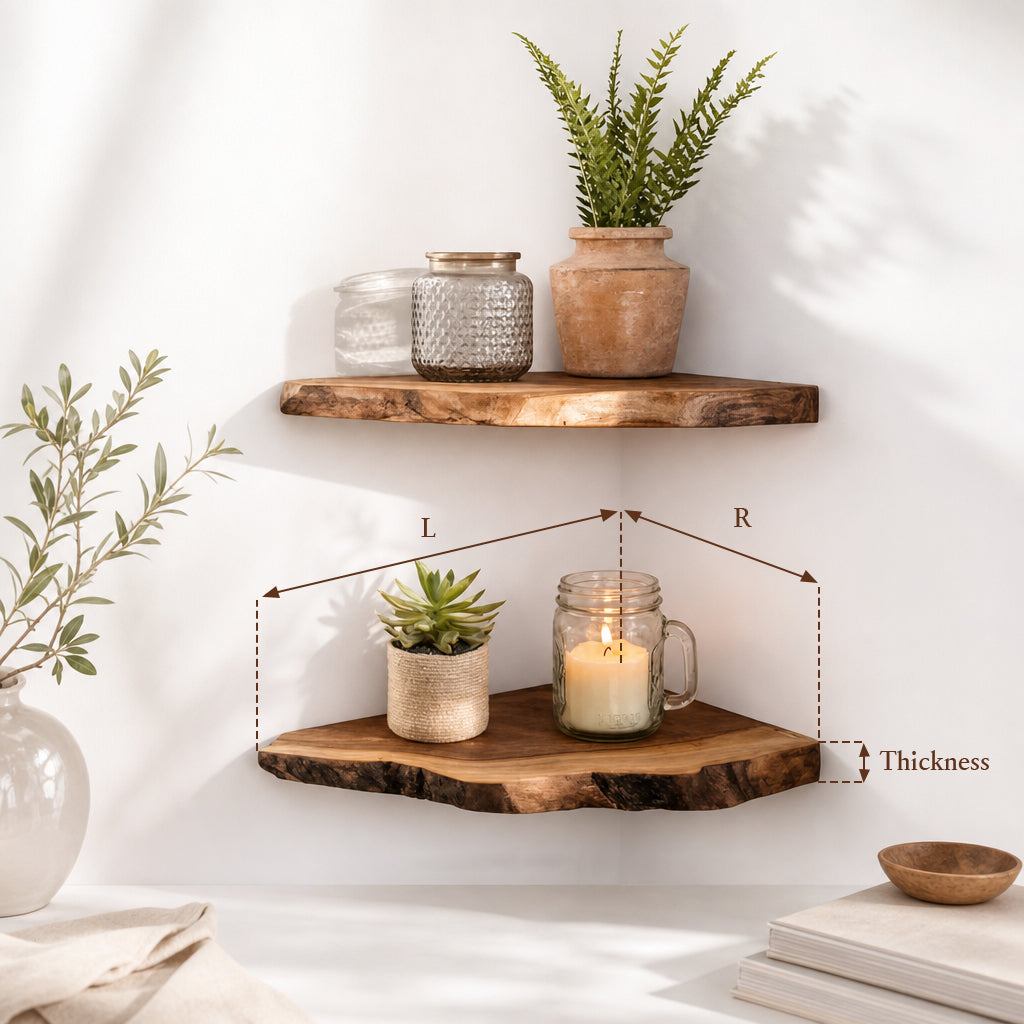
What you need: A tree with multiple perches at different heights so there isn't a single "best" spot to monopolize. Even better: pair the main tree with 2-3 wall-mounted shelves nearby to disperse territory. When the dominant cat claims the top perch, others still have acceptable elevated alternatives within the same visual zone.
Trees with a wide footprint and several branching platforms work better than tall, narrow towers in this scenario - because the territory is spread horizontally too, not just vertically.
The Active Conflict Household
Your cats actively compete for space. Hissing, swatting, one cat chasing another away from shared resources.
What you need: honestly, one cat tree probably won't cut it. You'll get better results with:
- Two or more smaller trees placed in different rooms (not side by side - that just creates one bigger conflict zone)
- Wall-mounted perches as supplemental territory
- Window hammocks as neutral territory
The goal is to give each cat their own zone that they can claim without crossing paths with others. A single massive tree in the living room just concentrates the conflict.
The Shy Cat Household
You have at least one cat who is genuinely timid - they hide when visitors arrive, eat only when no one else is around, and seem to want nothing to do with the cat tree you bought.
What you need: a tree with intermediate perches - gradual steps up, not one giant leap. Hiding spots (condos) at the lower levels where the shy cat can observe without being seen. And critically: the tree shouldn't be placed in a high-traffic "stage" area. Shy cats need to feel invisible before they feel safe enough to explore upward.
Trees with covered lower tiers and progressively more open upper levels mirror this comfort gradient perfectly. It's worth noting this same gradual-access design is exactly what works for older cats - see our cat tree for senior cats guide if age, not shyness, is limiting how high a cat in your household will climb.

Don't miss
These pieces qualify for 10% off orders over $2,000. Applied automatically at checkout.
10% off
Sculptural Spiral Solid Wood Cat Tree Tiered Modern Feline Lounger
From $2,217.00
10% off at checkout
10% off
Artisanal Solid Wood Sculptural Tree Cat Tower & Multi-Tier Botanical Display Perch Stand
From $2,076.00
10% off at checkout
 10% off
Sculptural Hand-Carved Tree Solid Wood Wall-Mounted Cat Climbing Tower with Dual House Condos & Display Shelves
$3,012.00
10% off at checkout
10% off
Sculptural Hand-Carved Tree Solid Wood Wall-Mounted Cat Climbing Tower with Dual House Condos & Display Shelves
$3,012.00
10% off at checkout
 10% off
Sculptural Hand-Carved Tree Solid Wood Cat Tower & Multi-Tier Luxury Feline Climbing Tree with Tunnel Condo Base
From $2,654.00
10% off at checkout
10% off
Sculptural Hand-Carved Tree Solid Wood Cat Tower & Multi-Tier Luxury Feline Climbing Tree with Tunnel Condo Base
From $2,654.00
10% off at checkout
Placement Strategy - Where to Put the Cat Tree (Behaviorally Speaking)
Where you place the cat tree matters almost as much as which one you buy.
Multi-Entry, Multi-Exit Layout
Place the tree so cats can approach it from at least two directions. A tree pushed into a corner with only one way in and one way out creates a natural chokepoint - exactly the kind of setup where resource blocking thrives.
If the tree is against a wall, make sure at least one side is open for approach. Better yet: place it at a slight angle from the wall so cats can circle around.
Avoid Dead-End Placement
A cat tree tucked behind a piece of furniture or in a narrow hallway creates a dead end. A cat using it can be approached from only one direction - and if the approaching cat is the one they're afraid of, the tree becomes a trap rather than a refuge.
Decentralize Resources
Don't place the cat tree right next to food bowls, water fountains, or litter boxes. Cats instinctively keep their eating, elimination, and resting areas separate. Forcing these zones together creates low-grade stress that discourages tree use.
Window Access + Observation Point
If you can place the cat tree near a window, do it. Window watching is one of the highest-value activities for indoor cats. A tree that offers both elevation and a view will get used far more than an identical tree in a blank-wall location.

When to Add More Than One Cat Tree (or Supplement with Alternatives)
There comes a point where adding more perches to a single tree stops helping and starts making things worse. Here's how to know you've hit that point:
- The shy cat still avoids the tree entirely
- Cats are still fighting over specific perches
- You notice stress behaviors: over-grooming, inappropriate elimination, excessive vocalization
The Tiered Territory Strategy
Instead of buying one enormous tree, try this approach:
- One tall cat tower in the main living area (the "social hub")
- One smaller perch or tree in a quieter room (bedroom, study - the "retreat")
- Wall-mounted shelves connecting zones - these act as elevated highways that let cats move through the house without touching the ground
Wall shelves are especially useful because they're essentially unlimited territory. You can add as many as your walls allow, at whatever height works, and they don't compete for floor space. They're also easy to position in a way that creates alternative routes around the main tree - solving the chokepoint problem at the household level, not just the tree level.
What to Look For in a Cat Tree (Behavioral Checklist)
Use this checklist when evaluating any cat tree for your multi-cat home:
- Perches: minimum = number of cats + 1. More is better, as long as they're at different heights
- Access routes: at least 2 ways to reach the top. Avoid single-pole designs
- Condos: at least one with multiple openings. Lower-level hiding spots are essential for shy cats
- Scratching posts: minimum 2, preferably 3+, wrapped in natural sisal
- Stability: the tree should not wobble noticeably when a cat jumps onto it. Unstable trees lose cat trust quickly - once a cat has one bad landing experience, they often won't try again.
- Material: solid wood cat trees hold up best and don't trap odors the way carpet-covered ones do. Cats are extremely scent-sensitive, and a tree that smells like "someone else" is more likely to be avoided. For a deeper comparison of how material choice affects durability, see our solid wood vs MDF guide
- Weight capacity: calculate the total weight of all your cats using the tree simultaneously, then add a buffer. Most trees are rated for far less than multi-cat households actually need
Troubleshooting - What to Do When Your Cats Won't Use the Tree
Even the right tree sometimes needs an adjustment period. Here are common issues and fixes:
Only one cat uses it. Add alternative elevated territory nearby - a wall shelf or window perch at a similar height. This gives the non-dominant cat an acceptable alternative without forcing a confrontation.
The shy cat won't climb. Start at ground level. Place a familiar blanket (one that already smells like them) on the lowest perch. Use treats to encourage short visits. Don't rush - it can take a few weeks for a timid cat to feel comfortable going higher.
The tree is being completely ignored. Re-check placement. Is it too exposed? Too close to a noisy appliance? Too near the litter box? Sometimes simply moving the tree three feet to the left makes all the difference.
Cats are scratching furniture instead of the scratching posts. Rub catnip on the posts. Try a thicker sisal wrap - some cats prefer to sink their claws in deep. And make sure the post is tall enough for a full stretch, taller for large breeds.
Frequently Asked Questions
Why does only one of my cats use the cat tree?
Likely resource guarding - the dominant cat controls access, and others have found alternatives.
How many cat trees do I need, or is one cat tree for multiple cats enough?
Rule of thumb: one tree per 2 cats, plus wall-mounted shelves to supplement.
Can a cat tower replace multiple cat trees?
For peaceful households, yes - if it has enough perches and multiple access routes. For conflict households, no - spread territory across rooms instead.
How do I stop my cats from fighting over the same perch?
You can't force sharing. Instead, add equivalent perches at the same height nearby so both cats can have their preferred elevation without competing.
My shy cat won't climb - what can I do?
Start with a familiar blanket on the lowest perch, use treats, and give it a few weeks. Don't force it.
Is it normal for cats to take turns using the same tree?
Yes - time-sharing is a common and healthy multi-cat arrangement.
Should I put cat trees in the same room or separate rooms?
Same room only if your cats coexist peacefully. Otherwise, separate rooms to give each cat their own territory.
How do I introduce a new cat tree to multiple cats?
Place it in a central area, let the boldest cat explore first, and don't interrupt. Others will follow once scent-marking makes it feel "safe."
Does cat tree size matter more than behavior when buying for multiple cats?
Size matters, but it's not the deciding factor - a tall, spacious tree with only one route to the top can still fail in a multi-cat home. Get the behavioral design right first (multiple perches, multiple routes, no chokepoints), then size up from there. For the specifics on matching height to your ceiling and your cats' energy levels, see our cat tree height guide.
How much weight capacity do I need for a multi-cat tree?
More than most listings account for. Add up the weight of all your cats who might use the tree at once, then build in a buffer - a tree rated for one cat jumping isn't rated for two landing on the same platform seconds apart. Design still matters more than the number on the spec sheet: a well-distributed, chokepoint-free tree holds up better in daily use than a high-capacity tree that funnels every cat through one path. For the full breakdown of how weight capacity actually works, see our cat tree weight and stability guide.

Rustic Solid Wood Cat Tree - Natural Cat Tower, Bed & Play Stand
Multiple platforms, multiple routes up, and three sizes (59"–80"H) to fit a multi-cat household. ★ 4.9 from 390+ reviews.
Shop This Cat Tree for Multiple Cats →
Not sure which type fits your situation? Check our guide comparing solid wood vs MDF to understand the durability difference before buying.