



















Quick view
Shop this guide
Handcrafted Trending, made to order in solid wood.
 Christmas edit
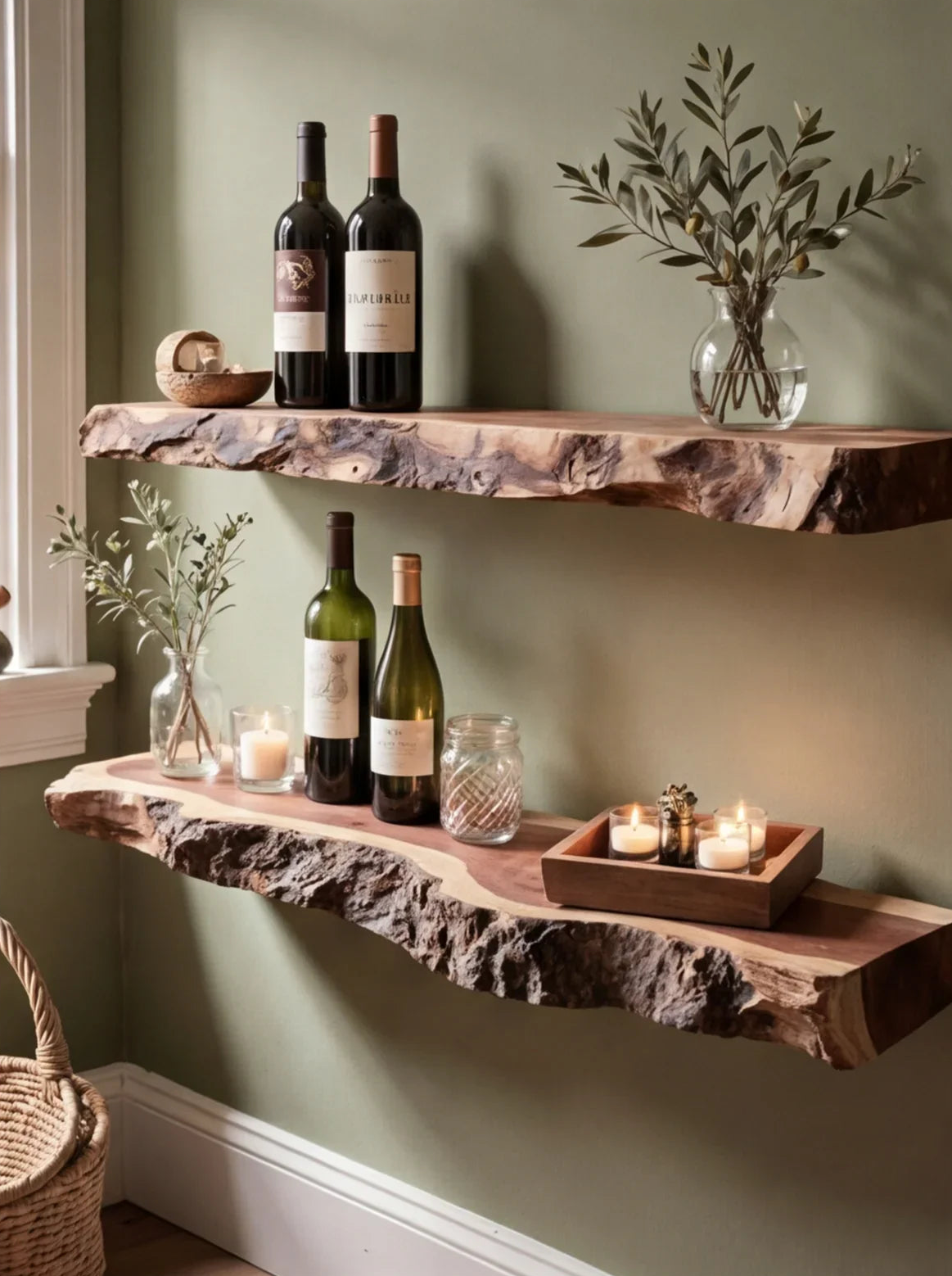
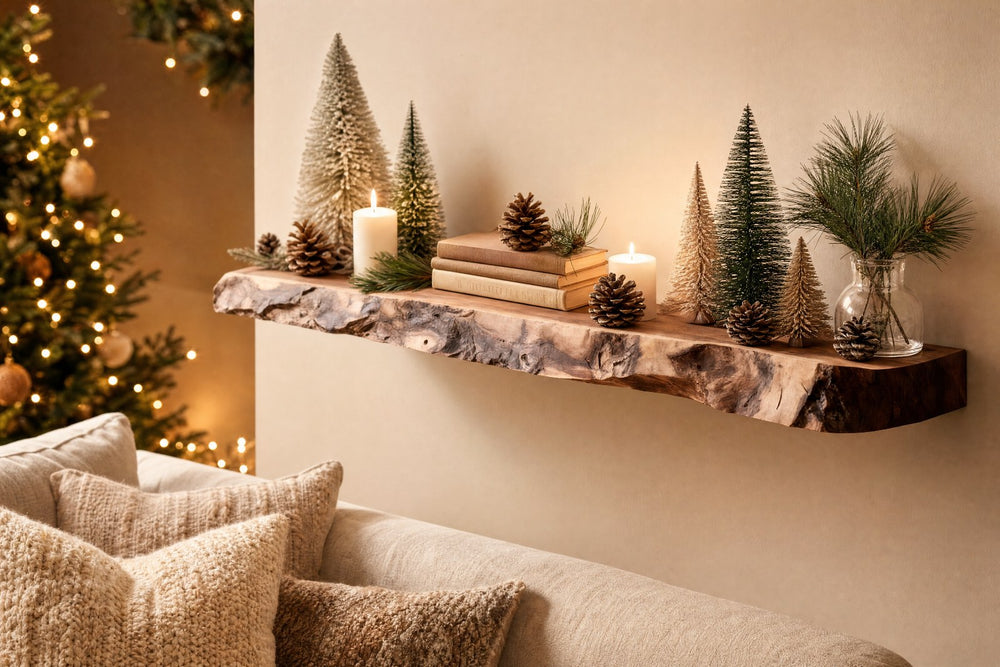
Handcrafted Live Edge Floating Bar Shelf – Rustic Solid Wood Wall Shelf for Kitchen or Bar
From $167.00
Christmas edit
Handcrafted Live Edge Floating Bar Shelf – Rustic Solid Wood Wall Shelf for Kitchen or Bar
From $167.00
 Christmas edit
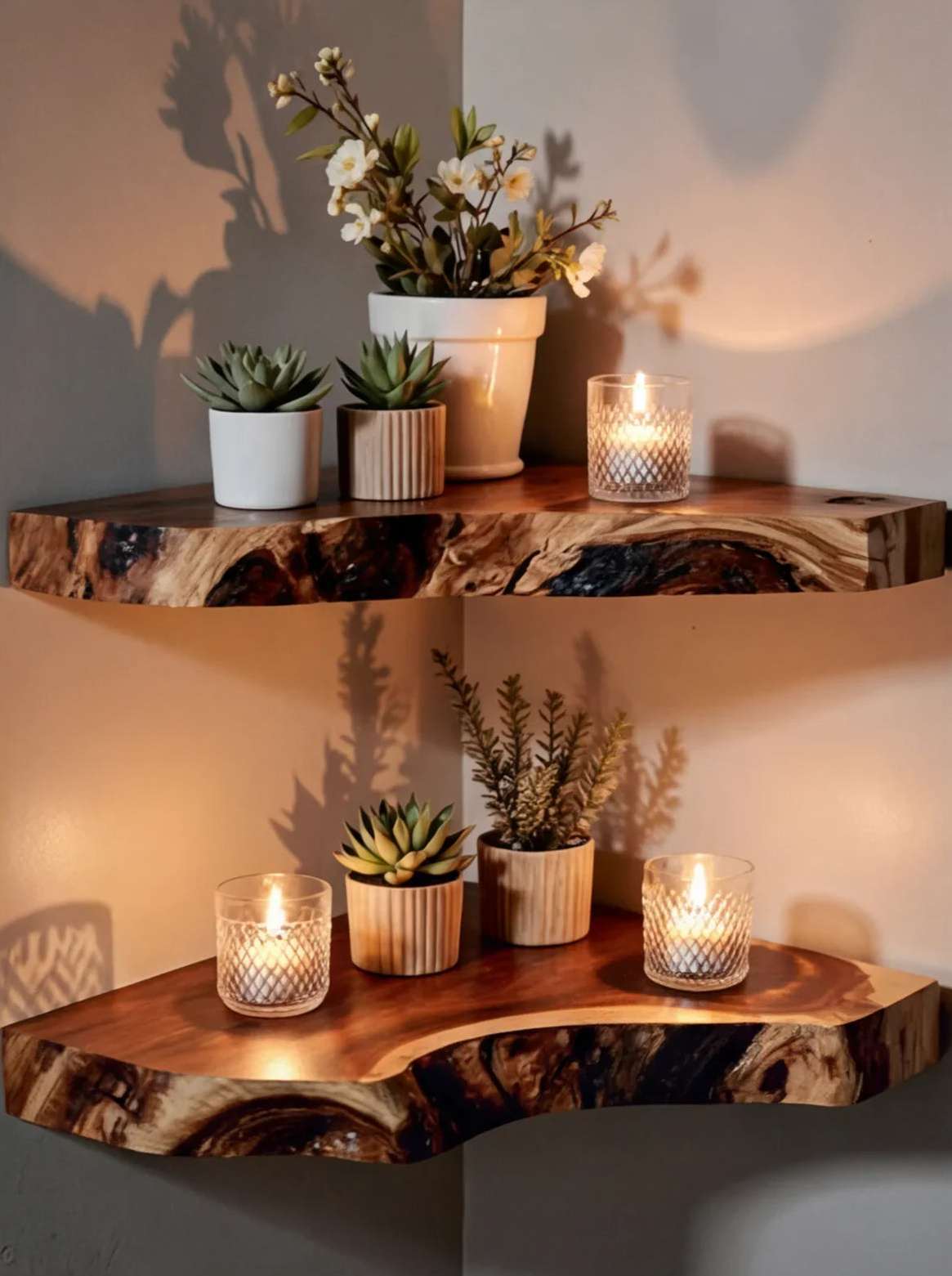
Rustic Corner Wall Shelf – Natural Live Edge Wood Floating Shelf for Candles and Plants
From $176.00
Christmas edit
Rustic Corner Wall Shelf – Natural Live Edge Wood Floating Shelf for Candles and Plants
From $176.00
 Christmas edit
Rustic Live Edge Floating Vanity – Handmade Wooden Bathroom Shelf with Brackets
From $180.00
Christmas edit
Rustic Live Edge Floating Vanity – Handmade Wooden Bathroom Shelf with Brackets
From $180.00
 Christmas edit
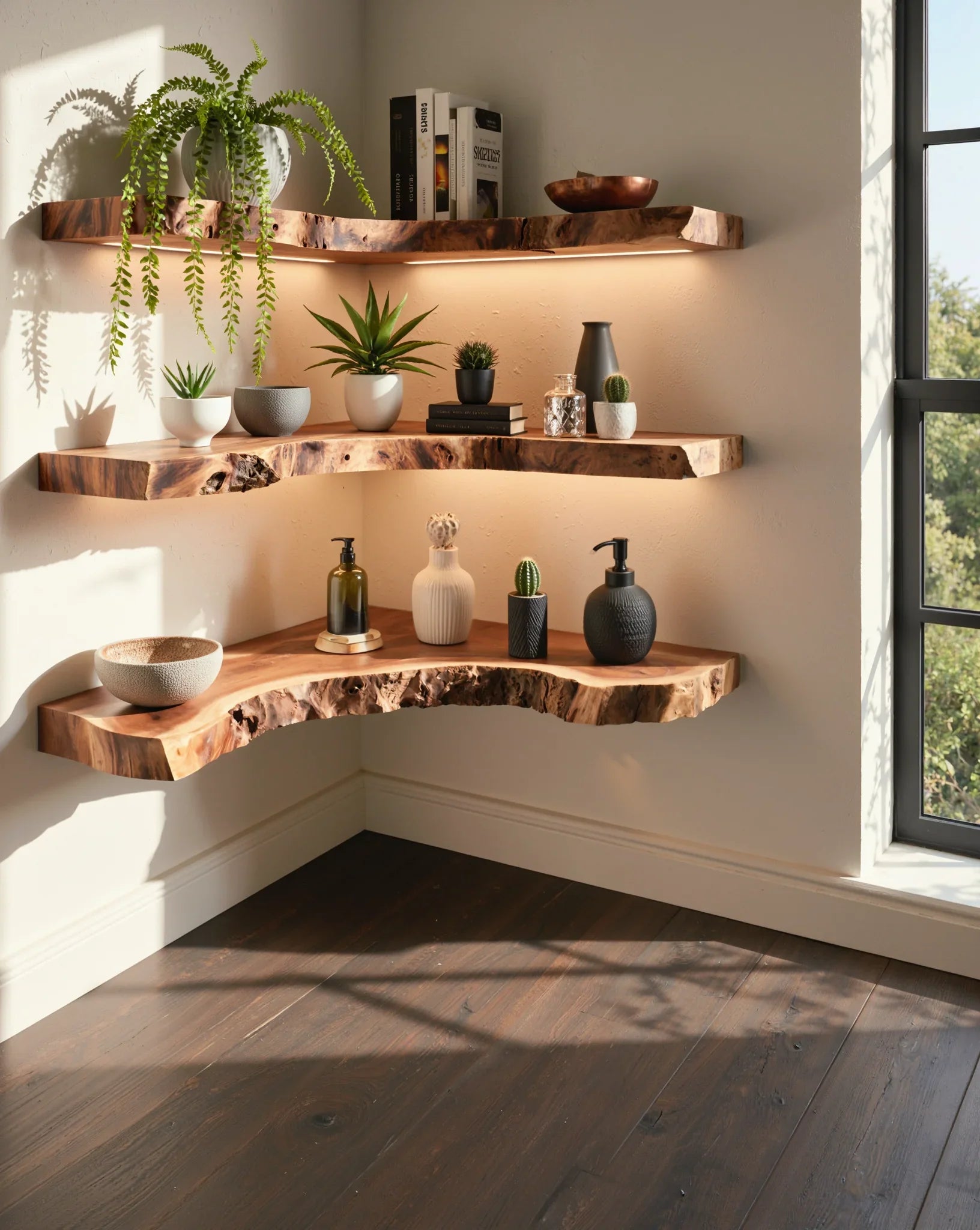
Rustic Teak Root Wood Corner Shelf - Floating Corner Shelf Decor
From $176.00
Christmas edit
Rustic Teak Root Wood Corner Shelf - Floating Corner Shelf Decor
From $176.00
 Christmas edit
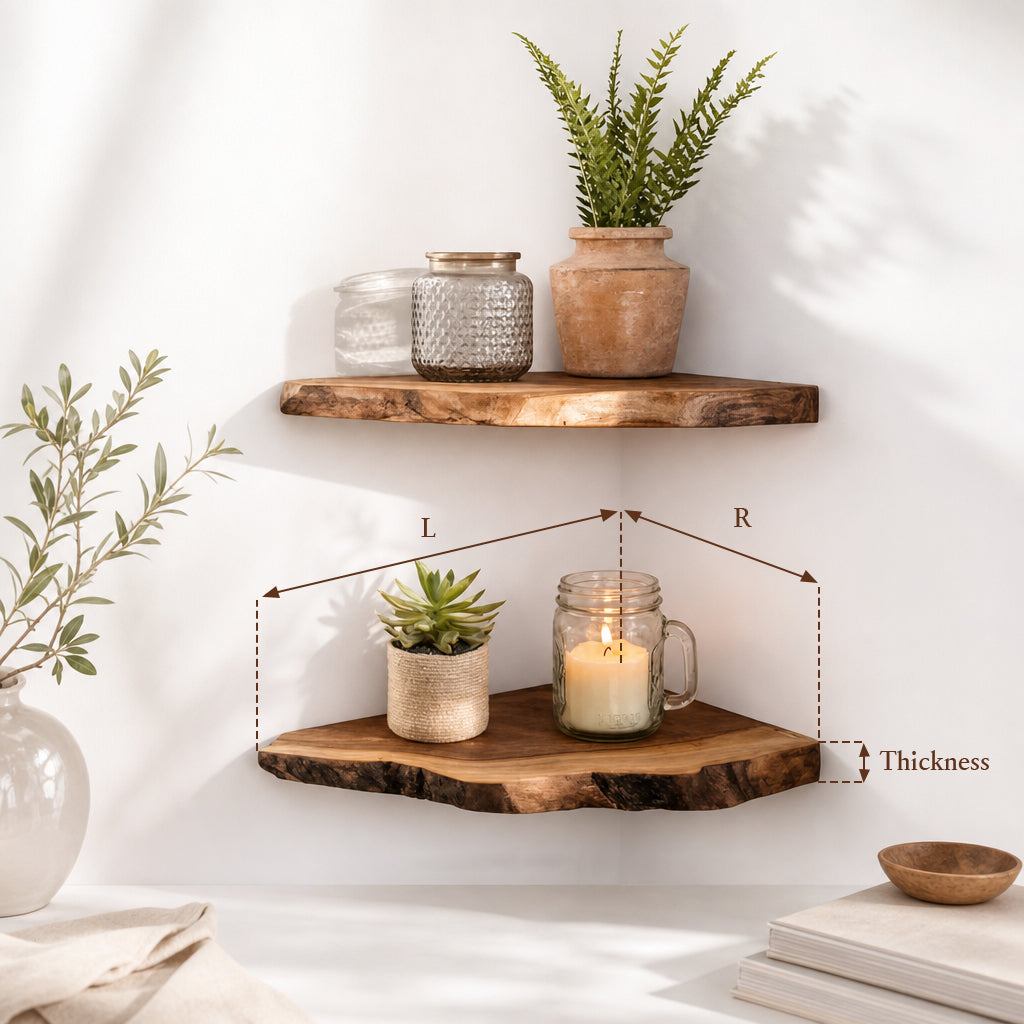
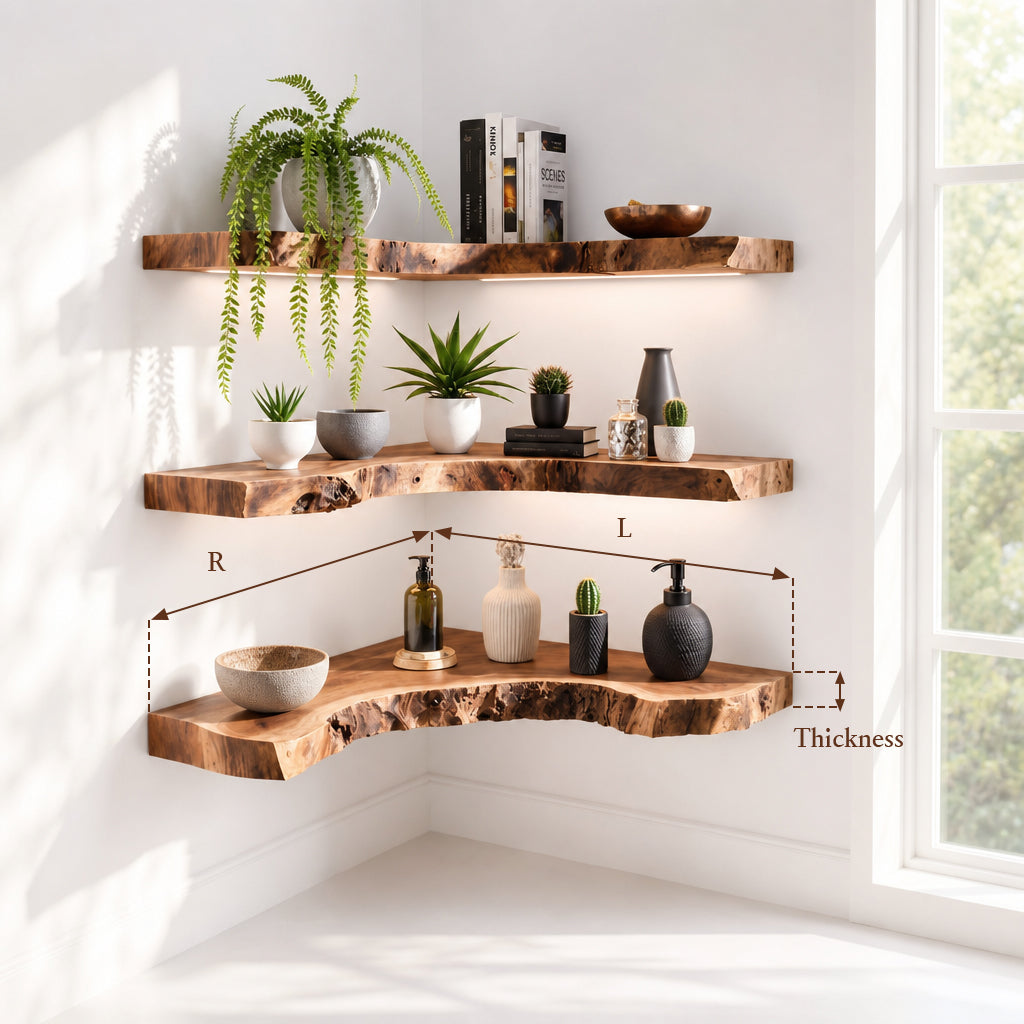
Live Edge Corner Floating Shelf – Handcrafted Solid Wood Wall Shelf
From $140.00
Christmas edit
Live Edge Corner Floating Shelf – Handcrafted Solid Wood Wall Shelf
From $140.00
 Christmas edit
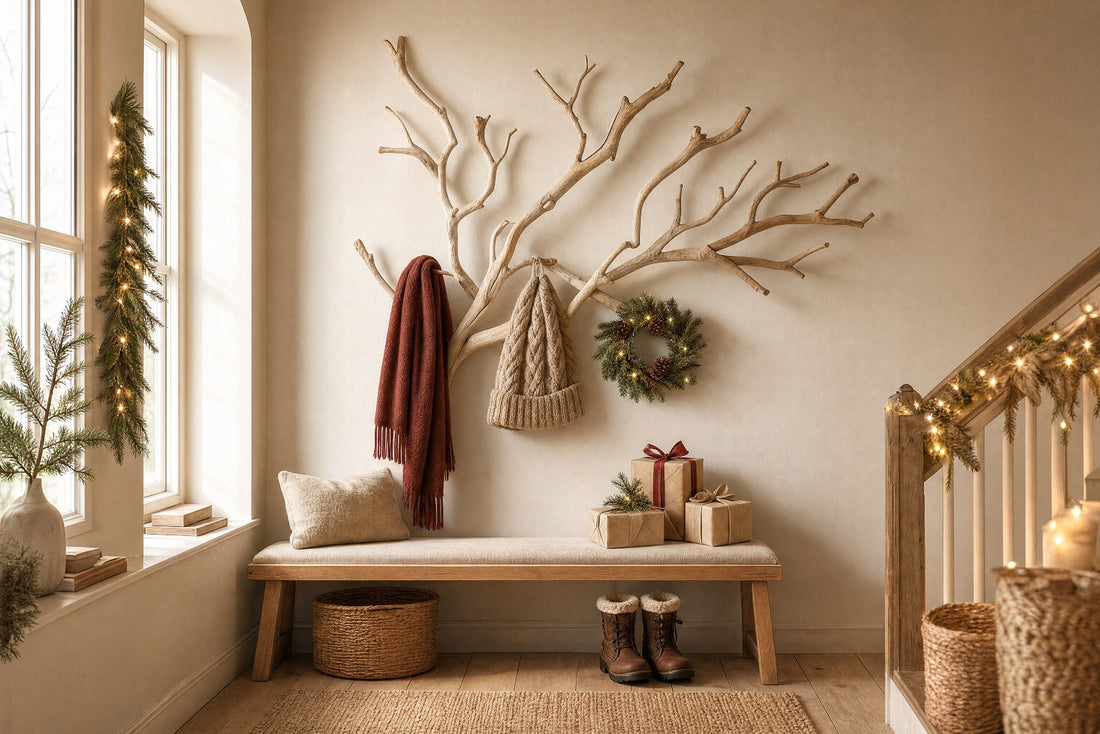
Custom Wood Coat Rack – Driftwood Wall Mount Clothes Rack with Unique Hooks
From $697.00
Christmas edit
Custom Wood Coat Rack – Driftwood Wall Mount Clothes Rack with Unique Hooks
From $697.00
A solid wood TV cabinet and a particle board TV cabinet look surprisingly similar in a showroom. At year one, both hold your TV, both store your remotes, both look fine. But wood ages. Particle board decays. The difference between a wood TV cabinet that develops character over a decade and a particle board unit that ends up on the curb is measurable - in scratch depth, hinge cycles, moisture absorption, and refinishability.

Here's what happens to each material at Year 1, Year 3, Year 5, and Year 10, based on what our workshop sees when customers replace particle board with solid wood from our TV cabinet collection.
Year 1: Both Look Good - But the Damage Is Already Starting
At year one, most owners can't tell a practical difference between solid wood and particle board TV cabinets in daily use. Both surfaces are clean, both doors open smoothly, both hold the same weight.
Solid wood at Year 1: Light surface scratches from remotes, game controllers, and cleaning. A walnut TV cabinet may show 2-3 hairline scratches - invisible at arm's length, visible at 6 inches. The finish (oil, lacquer, or poly) is fully intact. The wood grain has begun its natural color shift - walnut darkens slightly, cherry warms, ash mellows. This is the beginning of patina.
Particle board at Year 1: The laminate surface resists scratches slightly better than unfinished wood (laminate is essentially a plastic shell). However, any chip or nick that penetrates the laminate exposes the compressed fiber core beneath. A remote control dropped on the edge - even once - can create a chip that's impossible to repair invisibly. Hinges are still tight. Shelves still level.
MDF at Year 1: Similar to particle board but denser. The painted or veneered surface holds up, but edges (especially shelf pin holes and the bottoms of cabinet doors) show the first signs of wear where the finish is thinnest. Our tv cabinet dimensions guide article walks through the specifics.
Year 3: The Divergence Begins
Year 3 is where the materials separate. Environmental factors - humidity cycling, temperature changes, and accumulated micro-damage - start affecting particle board in visible ways.
Solid wood at Year 3: The patina has developed noticeably. Walnut is 15-20% darker than its original tone. Minor scratches have blended into the surface character, much like how leather softens with use. If the cabinet was oil-finished, one maintenance oiling (a 15-minute process) has been applied - or should have been. Hardware remains tight; wood's screw-holding strength is unchanged. Weight capacity is identical to day one.
Particle board at Year 3: The first real problems appear. Any area where moisture has contacted exposed particle board (the back panel near wall condensation, shelf interiors where a glass left a water ring, the bottom panel near floor-level humidity) has begun to swell. Swelling is subtle - 1/16 to 1/8 inch - but it causes doors to stick and drawers to bind.
Hinges show the first signs of loosening. Particle board's screw-holding strength is 40-60% lower than solid wood (Forest Products Laboratory data). After approximately 3,000 open-close cycles (roughly 3 years of daily use for a TV cabinet door), hinge screws in particle board begin to strip. The fix - a longer screw or a toothpick-and-glue repair - is temporary.
MDF at Year 3: Better than particle board but showing wear at edges. The bottom edge of cabinet doors, which contacts the frame each time the door closes, shows compressed fibers and finish wear. If any edge was factory-trimmed and left unsealed, moisture has entered. MDF swells slower than particle board but responds identically once saturated.


Year 5: Solid Wood Improves; Particle Board Needs Replacing
At the five-year mark, the trajectory of each material is unmistakable.
Solid wood at Year 5: This is where a wood TV cabinet hits its stride. The patina is rich and even. Walnut has reached its mature color - deep chocolate with golden undertones. Surface scratches from years 1-3 have been absorbed into the overall character, similar to how a well-worn leather chair looks better at year 5 than year 1.
Hardware remains solid. All original screws hold full torque. If the cabinet has adjustable shelves, the shelf pin holes are undamaged - solid wood holds shelf pins securely for decades. The cabinet has potentially been waxed or oiled 2-3 times. Total maintenance investment: under 2 hours across 5 years.
If a scratch bothers you, a light sanding with 220-grit sandpaper and a touch-up coat of oil or wax makes it vanish in 10 minutes. This is the fundamental advantage of solid wood: it's repairable at the surface level indefinitely.
Particle board at Year 5: Multiple repair points. At least one hinge has been re-tightened or replaced. The back panel (typically 3mm hardboard) may have warped from wall condensation. Surface chips from years of use expose the brown fiber core in 3-5 visible spots. These chips can be filled with touch-up markers, but the repair never matches the original laminate.
The cabinet still functions, but it no longer looks good. Doors don't close flush. Drawers stick on humid days. The bottom shelf sags under the weight of a gaming console that hasn't moved in 3 years - sustained static load causes particle board to creep (permanently deform) at loads as low as 40% of its rated capacity.
This is the year most particle board TV cabinets get replaced. Industry data suggests the average lifespan of particle board furniture is 3-7 years, versus 20-50+ years for solid wood.
MDF at Year 5: Performing better than particle board but worse than solid wood. Hinges need attention. Edges show visible wear. If the finish has been chipped, the exposed MDF has absorbed moisture and darkened. Surface is not refinishable - MDF doesn't sand cleanly because the fibers tear rather than cut.
Year 10: Patina vs Landfill
A decade of use provides the final verdict.

Solid wood at Year 10: A 10-year-old solid wood TV cabinet from our collection is, functionally, identical to the day it shipped. All joints tight. All hardware secure. Full weight capacity retained. Visually, it's objectively more beautiful than new - the grain depth, color richness, and accumulated character give it the look of a family heirloom.
If the owner wants a different look, the cabinet can be sanded to bare wood and refinished in a new color or finish type. A dark walnut cabinet can become a natural-toned cabinet with a weekend of work. Try that with any other material.
One of our customers told us their parents had a solid teak TV stand for 25 years before giving it to them. They refinished it in an afternoon. That piece is now on its second family.
Particle board at Year 10: The overwhelming majority of particle board TV cabinets don't reach year 10. Those that survive show significant degradation: multiple hinge failures, visible swelling on at least one panel, permanent shelf sag, and surface damage that no touch-up can disguise. The cost of "repairing" a 10-year-old particle board cabinet exceeds the cost of replacing it with another particle board unit - which will last another 5-7 years.
The environmental cost is significant. Particle board furniture is the single largest category of furniture waste in US landfills. It's too damaged to donate, too mixed (fiber + adhesive + laminate) to recycle efficiently, and too bulky to ignore. Solid wood furniture, by contrast, is the most commonly donated and resold furniture category because it retains value.
Don't miss
These pieces qualify for 10% off orders over $2,000. Applied automatically at checkout.
 10% off
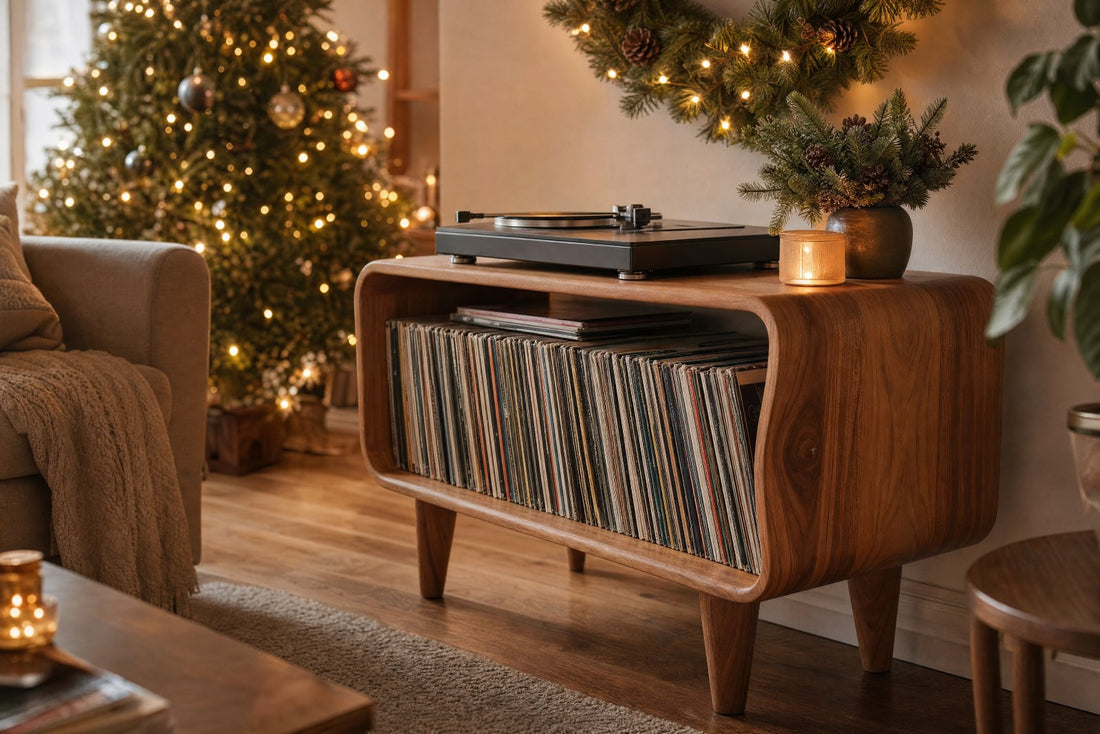
Solid Wood Turntable Stand – Rustic Record Player Cabinet with Farmhouse Storage
From $2,036.00
10% off at checkout
10% off
Solid Wood Turntable Stand – Rustic Record Player Cabinet with Farmhouse Storage
From $2,036.00
10% off at checkout
 10% off
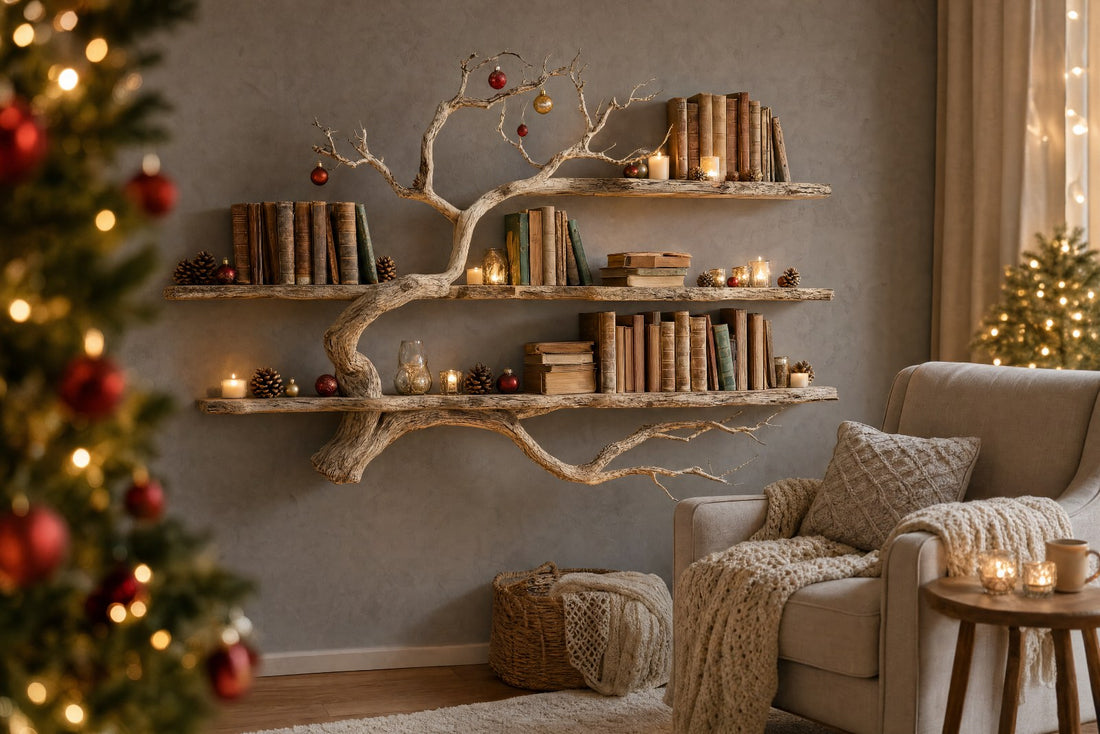
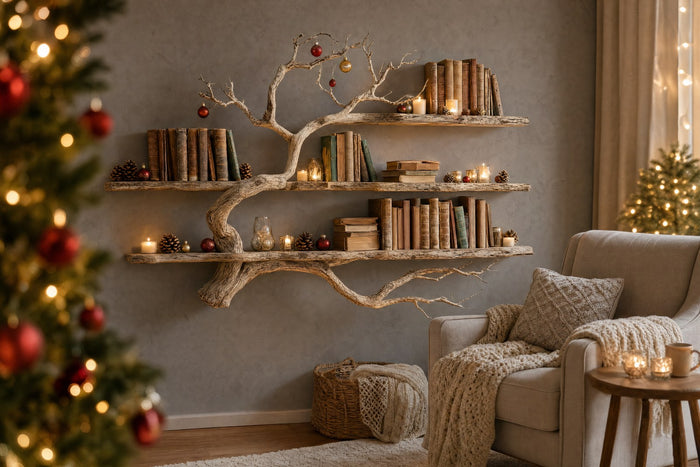
Tree Bookshelf – Rustic Wooden Book Tree Shelf, Wall-Mounted Natural Wood Décor
$2,099.00
10% off at checkout
10% off
Tree Bookshelf – Rustic Wooden Book Tree Shelf, Wall-Mounted Natural Wood Décor
$2,099.00
10% off at checkout
 10% off
Live Edge L-Shaped Desk – Handmade Solid Wood Corner Desk for Home Office
From $2,340.00
10% off at checkout
10% off
Live Edge L-Shaped Desk – Handmade Solid Wood Corner Desk for Home Office
From $2,340.00
10% off at checkout
 10% off
Handcrafted Walnut Bench – Organic Sculptural Mid-Century Design
From $2,327.00
10% off at checkout
10% off
Handcrafted Walnut Bench – Organic Sculptural Mid-Century Design
From $2,327.00
10% off at checkout
The Full Comparison Table
| Factor | Solid Wood | Particle Board | MDF |
|---|---|---|---|
| Year 1 appearance | Excellent | Excellent | Excellent |
| Year 5 appearance | Better (patina) | Damaged | Worn |
| Year 10 appearance | Heirloom quality | Likely discarded | Heavily worn |
| Scratch resistance (Janka) | 950-1,320 lbf | N/A (laminate dependent) | N/A (finish dependent) |
| Screw-holding strength | 100% baseline | 40-60% of wood | 60-80% of wood |
| Moisture resistance | Good (sealed) | Poor | Moderate |
| Hinge lifespan | 20+ years | 3-5 years | 5-8 years |
| Shelf sag under 30 lbs | None (10+ years) | Visible at 3-5 years | Visible at 5-8 years |
| Refinishable | Yes (unlimited) | No | No |
| Average lifespan | 20-50+ years | 3-7 years | 5-10 years |
| Cost (60" cabinet) | $300-$800 | $80-$250 | $120-$400 |
| Cost per year of use | $6-$40 | $11-$83 | $12-$80 |
The "cost per year" row reveals the real economics: solid wood costs less per year of use than particle board in every scenario where the solid wood piece lasts 10+ years - which it reliably does. We've written a full breakdown in our real wood vs particle board shelves post.
Check our console tables and coffee tables - the same solid wood construction principles apply across every piece we build.
FAQ
Is a solid wood TV cabinet worth the higher price? Yes, when measured by cost per year of ownership. A $500 solid wood TV cabinet lasting 25 years costs $20/year. A $150 particle board cabinet lasting 5 years costs $30/year - and you buy three of them in the same timeframe, totaling $450 plus the hassle of disposal and shopping. Solid wood is cheaper long-term.
How can I tell if a TV cabinet is solid wood or particle board? Check three things: weight (solid wood is significantly heavier - a 60-inch walnut cabinet weighs 80-120 lbs vs 40-60 lbs for particle board), edge construction (solid wood shows consistent grain on all surfaces; particle board shows a different material on cut edges), and the price (solid wood TV cabinets rarely cost under $250 for quality construction).
Can particle board TV cabinets be refinished? No. Particle board's surface is either a laminate (plastic film) or a thin veneer glued to the fiber core. Sanding through the surface exposes the compressed fiber beneath, which cannot take stain or paint evenly. The only option is to paint over the existing laminate with adhesion primer and paint - a temporary fix that chips within 1-2 years.
How do I maintain a solid wood TV cabinet? Oil-finished: apply maintenance oil (tung or Danish oil) every 12-18 months using a cloth - takes 15 minutes. Lacquer or poly finished: wipe with a damp cloth weekly, no refinishing needed for 5-10 years. For all finishes: use coasters under anything that could leave moisture rings, and dust weekly to prevent grit from scratching the surface.
Does humidity damage solid wood TV cabinets? Extreme humidity cycling (below 30% or above 65% relative humidity for extended periods) can cause minor wood movement - typically 1/32 to 1/16 inch across a 20-inch panel. This is normal and rarely affects function or appearance. Maintaining indoor humidity between 35-55% (recommended for human comfort anyway) keeps solid wood completely stable. Particle board is far more sensitive to humidity - swelling is visible and irreversible at 60%+ sustained humidity.