




















Quick view
Shop this guide
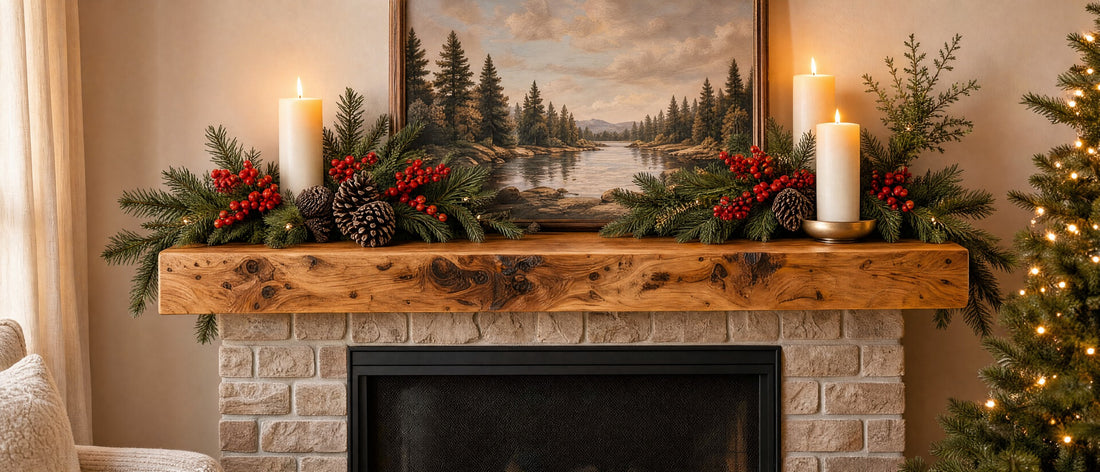
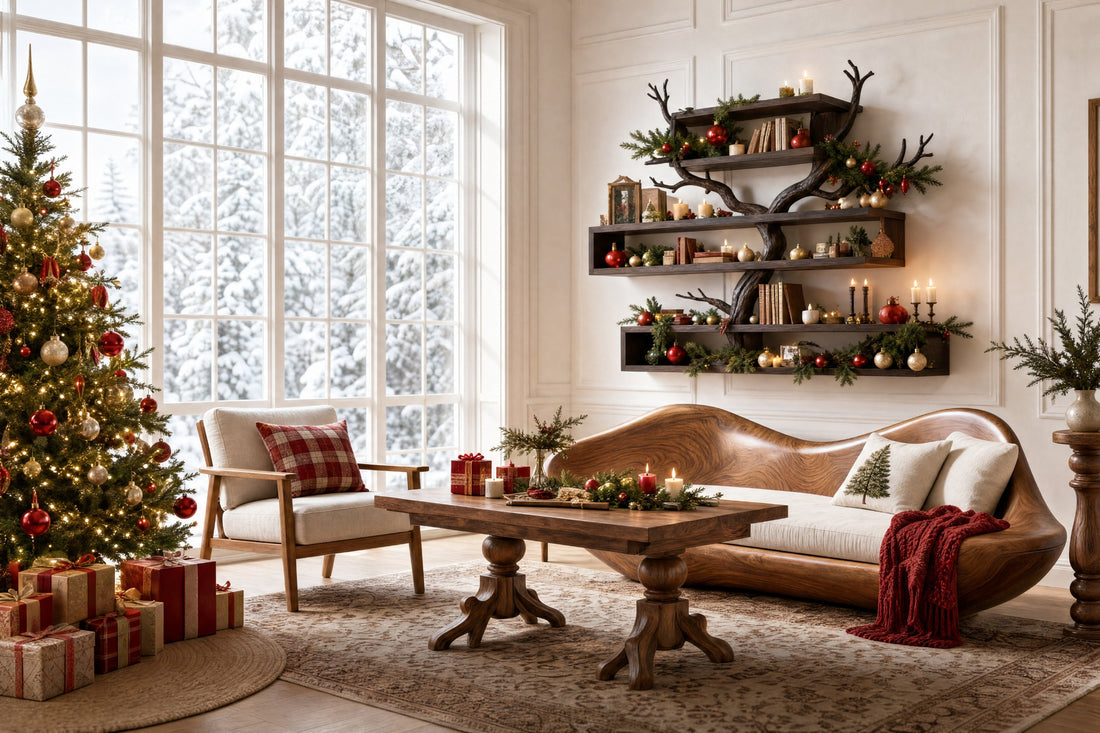
Handcrafted Trending, made to order in solid wood.
 Christmas edit
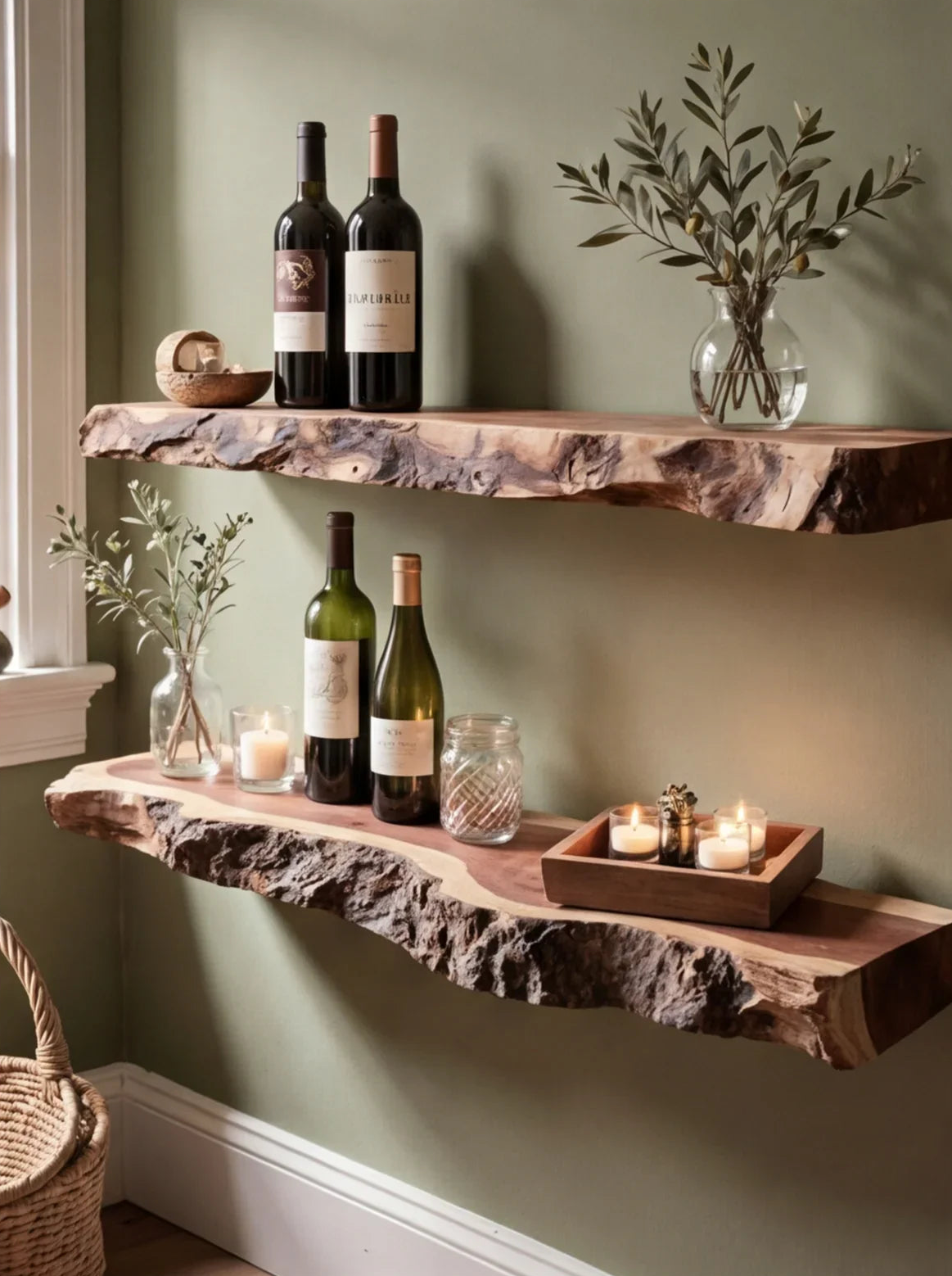
Handcrafted Live Edge Floating Bar Shelf – Rustic Solid Wood Wall Shelf for Kitchen or Bar
From $167.00
Christmas edit
Handcrafted Live Edge Floating Bar Shelf – Rustic Solid Wood Wall Shelf for Kitchen or Bar
From $167.00
 Christmas edit
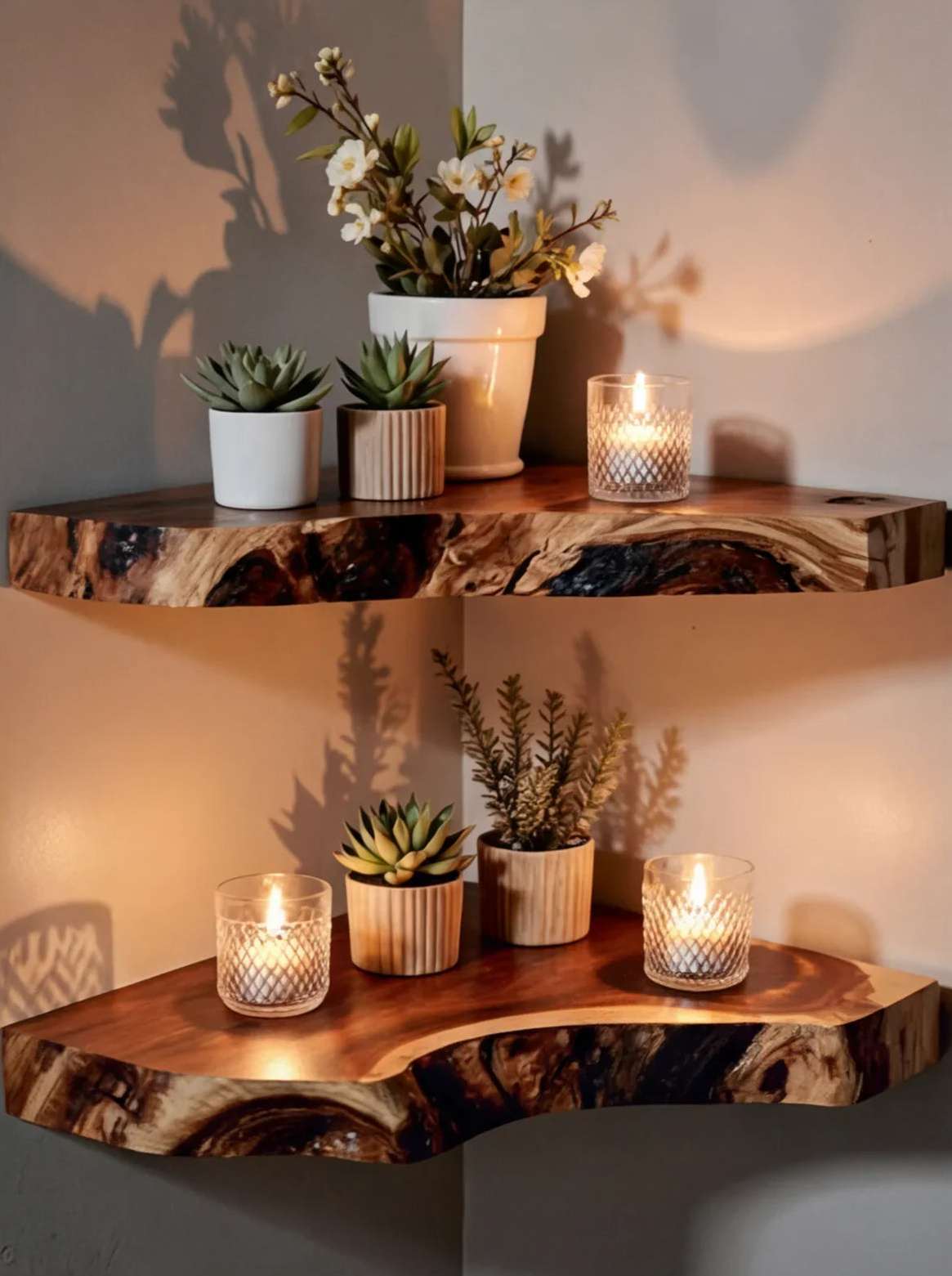
Rustic Corner Wall Shelf – Natural Live Edge Wood Floating Shelf for Candles and Plants
From $176.00
Christmas edit
Rustic Corner Wall Shelf – Natural Live Edge Wood Floating Shelf for Candles and Plants
From $176.00
 Christmas edit
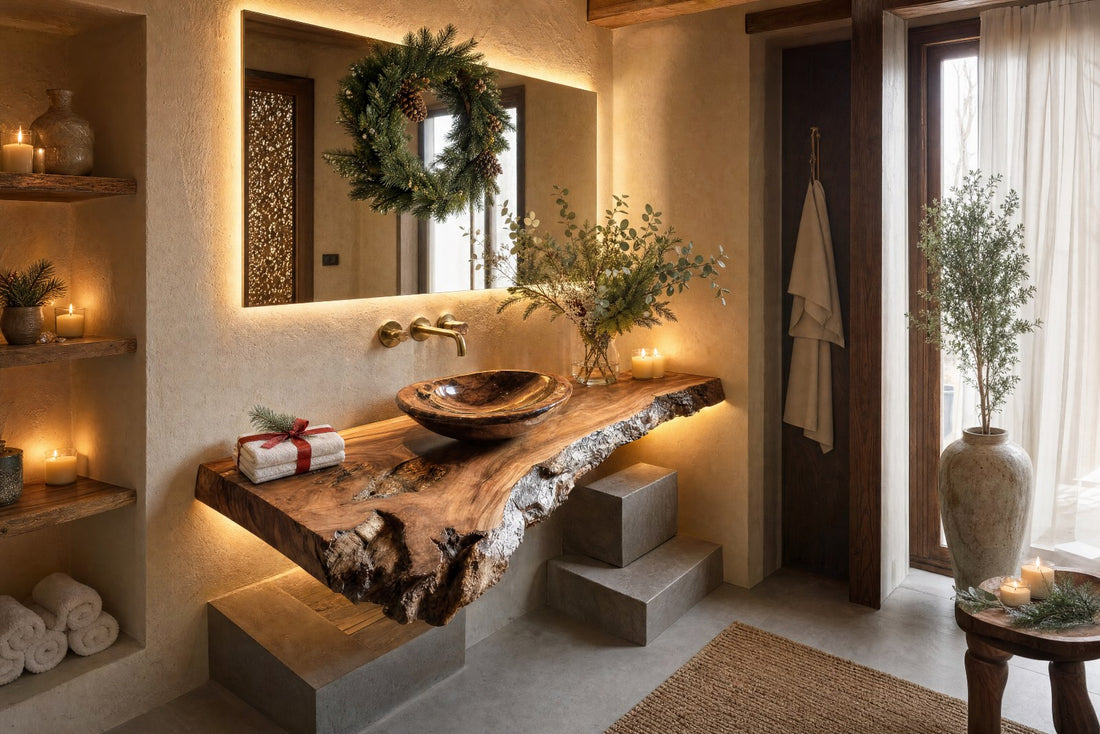
Rustic Live Edge Floating Vanity – Handmade Wooden Bathroom Shelf with Brackets
From $180.00
Christmas edit
Rustic Live Edge Floating Vanity – Handmade Wooden Bathroom Shelf with Brackets
From $180.00
 Christmas edit
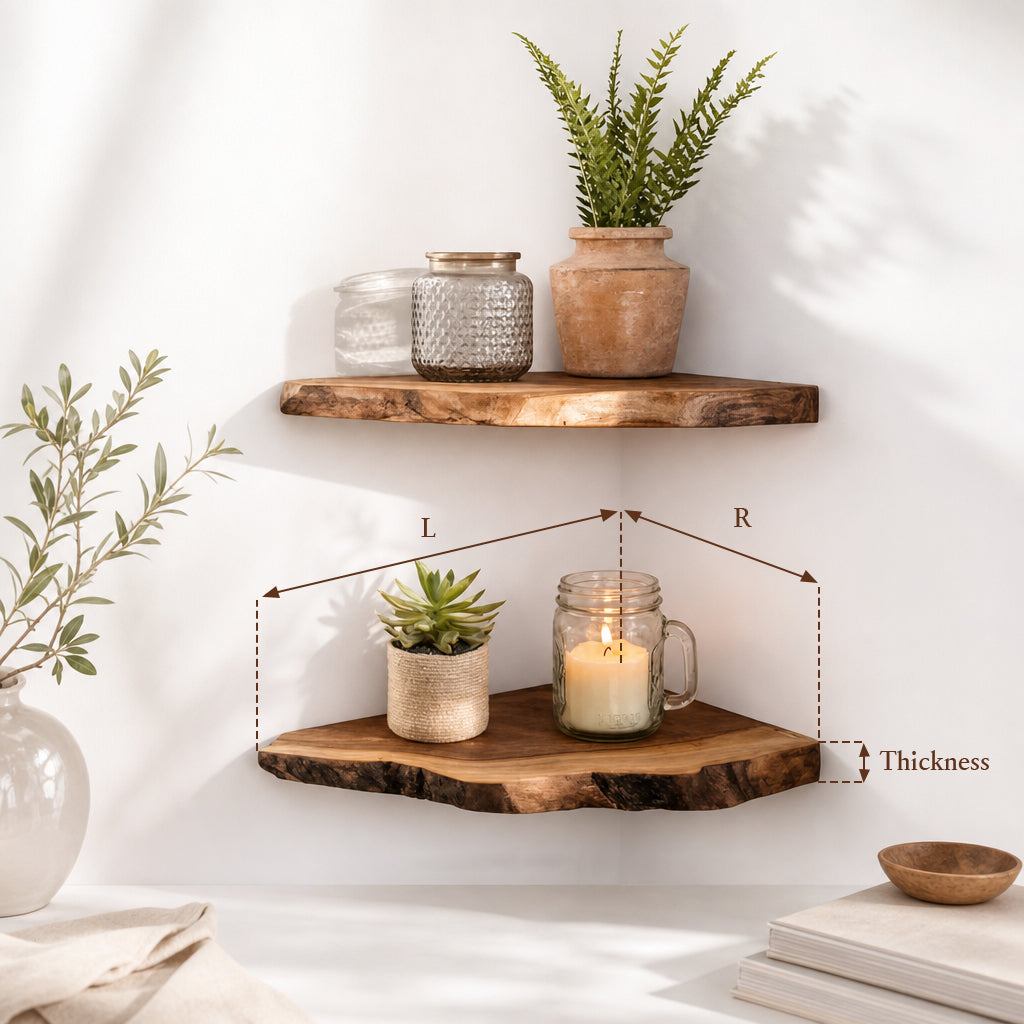
Rustic Teak Root Wood Corner Shelf - Floating Corner Shelf Decor
From $176.00
Christmas edit
Rustic Teak Root Wood Corner Shelf - Floating Corner Shelf Decor
From $176.00
 Christmas edit
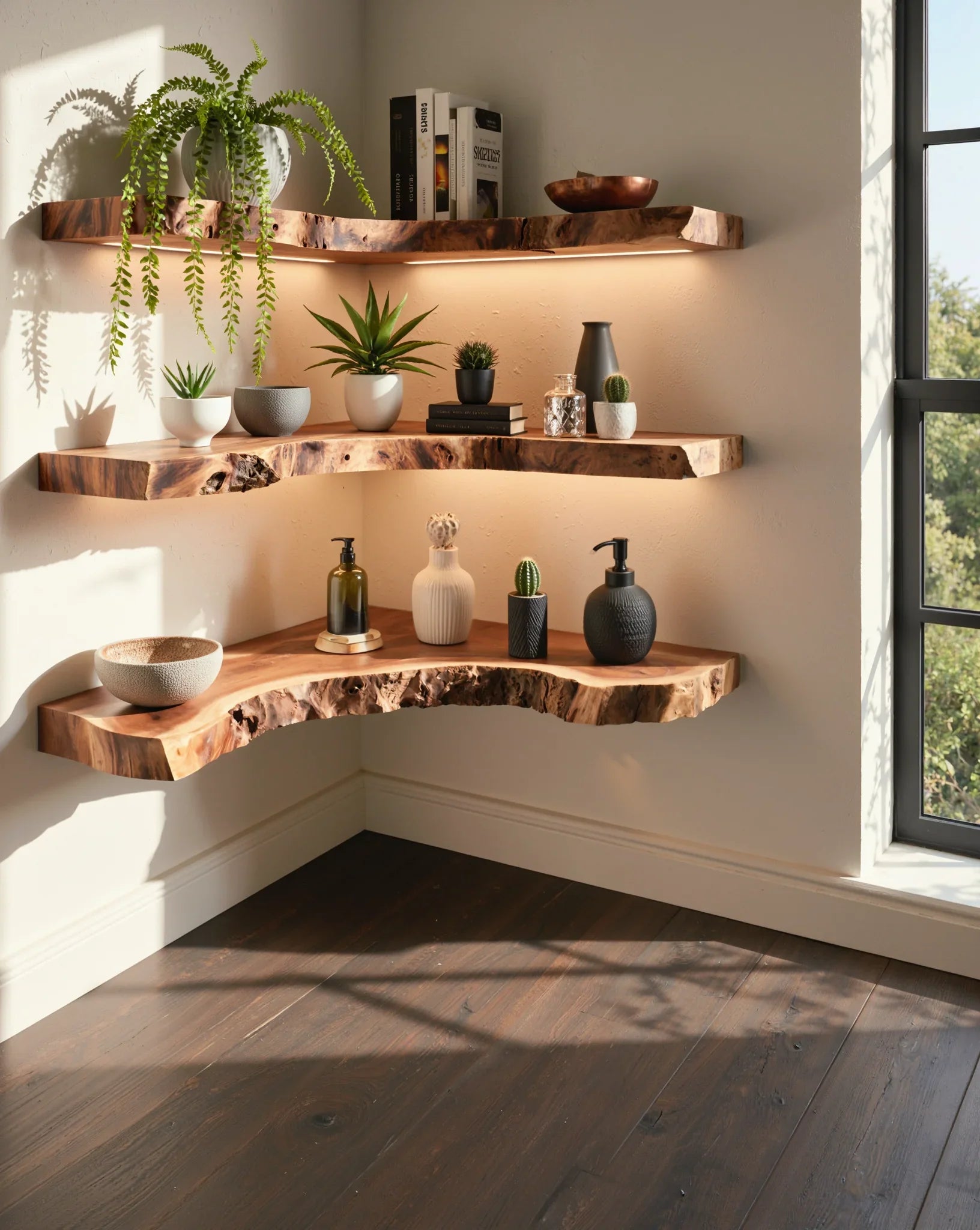
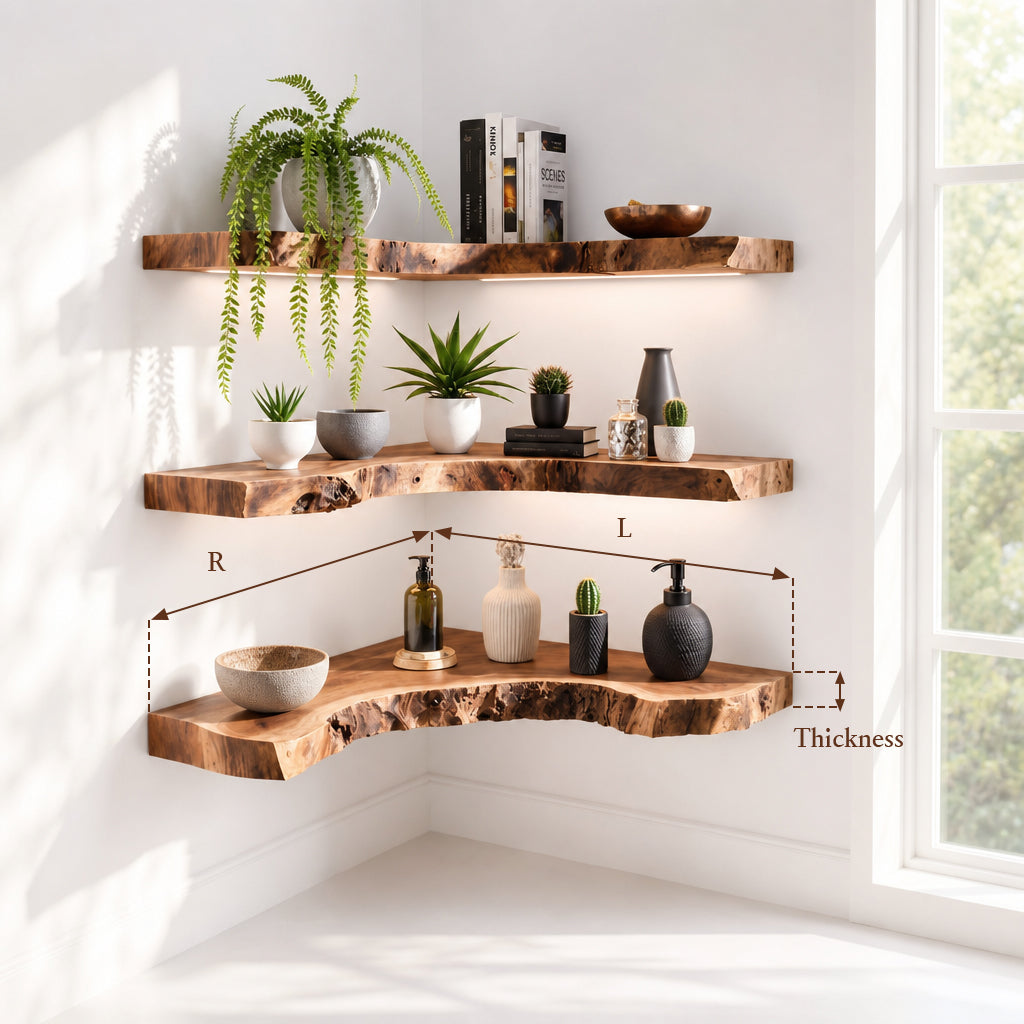
Live Edge Corner Floating Shelf – Handcrafted Solid Wood Wall Shelf
From $140.00
Christmas edit
Live Edge Corner Floating Shelf – Handcrafted Solid Wood Wall Shelf
From $140.00
 Christmas edit
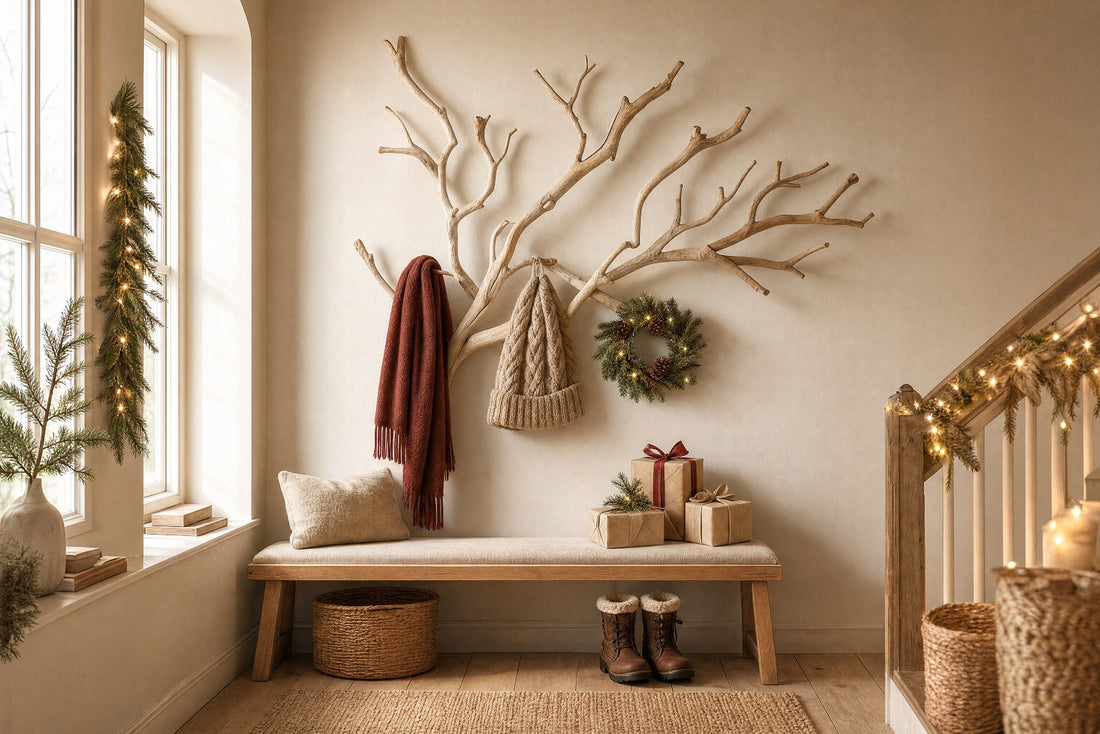
Custom Wood Coat Rack – Driftwood Wall Mount Clothes Rack with Unique Hooks
From $697.00
Christmas edit
Custom Wood Coat Rack – Driftwood Wall Mount Clothes Rack with Unique Hooks
From $697.00
Think about the furniture you grew up with.
Your parents probably had a couch that got replaced. A coffee table that chipped and went to the curb. A bookshelf from a big box store that sagged in the middle after a few years.
Now think about the pieces that survived. The dining table at your grandmother's house. The wooden bench in the hallway. The shelf your grandfather built.
Those were solid wood. And they're still there.
The lifespan gap is massive
This isn't opinion. It's material science.
| Material | Expected lifespan | Can you refinish it? |
|---|---|---|
| Particle board | 5-10 years | No. Once damaged, it's done. |
| MDF | 5-15 years | No. Water swells it, chips expose the core. |
| Plywood | 15-25 years | Limited. Surface veneer is thin. |
| Solid hardwood | 50-100+ years | Yes. Sand, oil, repeat. Indefinitely. |
Particle board and MDF are made from wood dust, glue, and pressure. They're flat, cheap, and consistent. They also absorb water, sag under weight over time, and cannot be repaired. When the surface chips, you see the compressed dust inside. That's the end.
Solid wood is the opposite. It dents instead of crumbling. It scratches instead of peeling. And every single one of those marks can be sanded out.


The refinish factor
This is the part most people don't think about when buying furniture.
A solid wood shelf gets scratched after 5 years. You sand it down with 120-grit sandpaper, then 220-grit. Wipe it clean. Apply a coat of wood oil. Wait a day.
It looks new. Not "repaired" new. Actually new. The wood grain comes back, the color deepens, and the surface is smooth again. Total cost: $15 in sandpaper and oil. Total time: an afternoon.
Try that with an MDF shelf from a flat-pack store. You can't. The scratch exposes the pressed fiber core. The laminate doesn't sand. You throw it away and buy another one.
Over 20 years, that cycle of buying and replacing cheap furniture costs more than one solid wood piece that you maintain. A $400 solid wood floating shelf that lasts 50 years costs $8 per year. A $60 MDF shelf that lasts 7 years costs $8.50 per year, plus the hassle of replacing it three times.
Wood gets better with age
Particle board will never do this: improve.
Solid wood develops a patina over time. The color warms. The grain becomes more visible. Light exposure gives it depth that new wood doesn't have. Furniture makers call this "aging in." It's why antique wood furniture sells for more than new pieces of the same type.

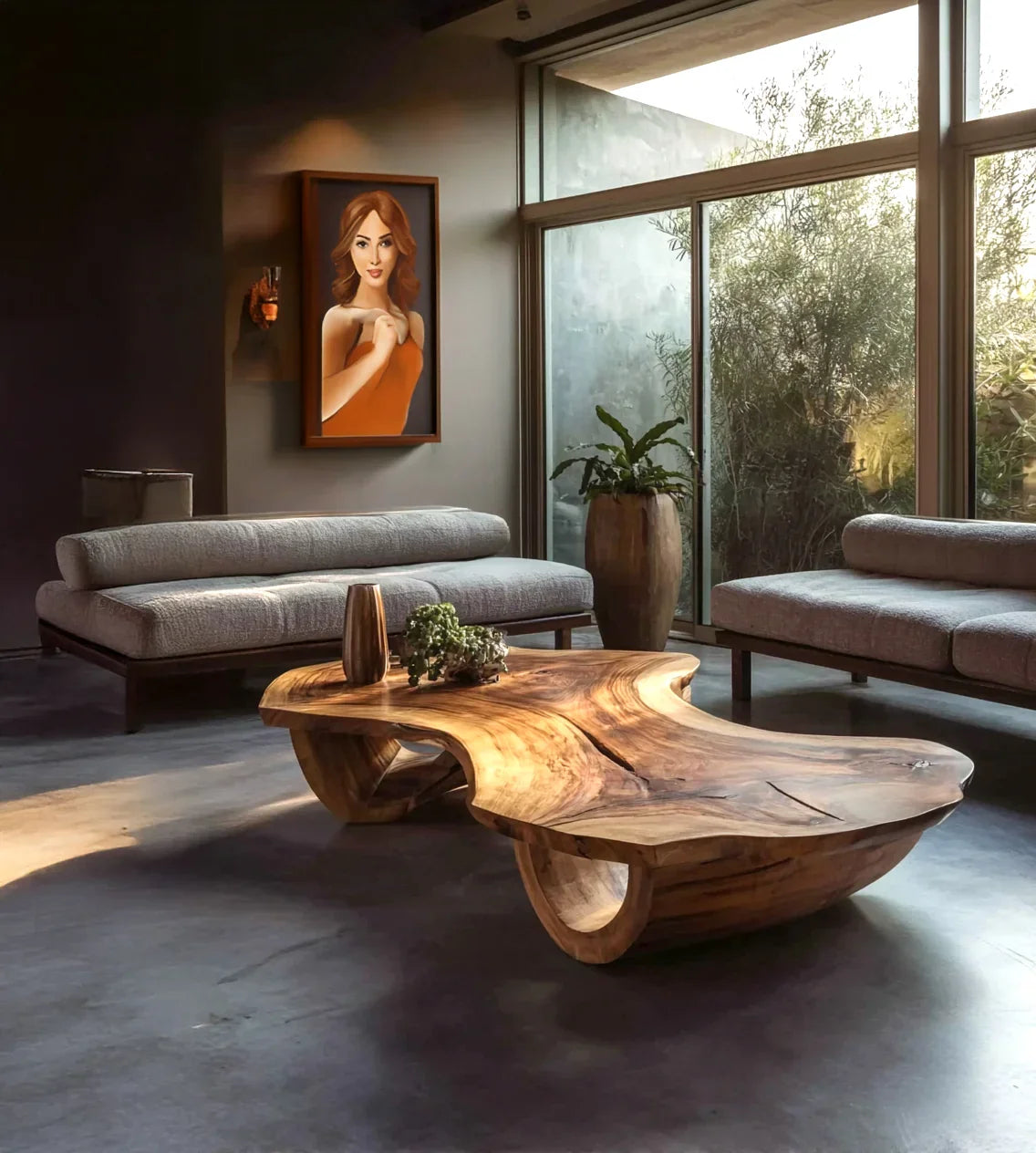
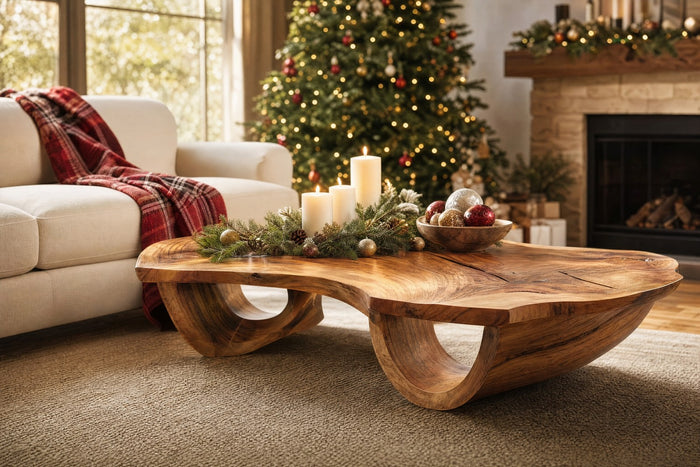
A live edge coffee table like this develops deeper color and character over the years
That live edge coffee table with a water ring from 2026? Sand it lightly in 2036 and it'll look better than the day you bought it. The wood has had 10 years to settle, breathe, and develop character.
MDF in 2036? It's in a landfill.
Don't miss
These pieces qualify for 10% off orders over $2,000. Applied automatically at checkout.
 10% off
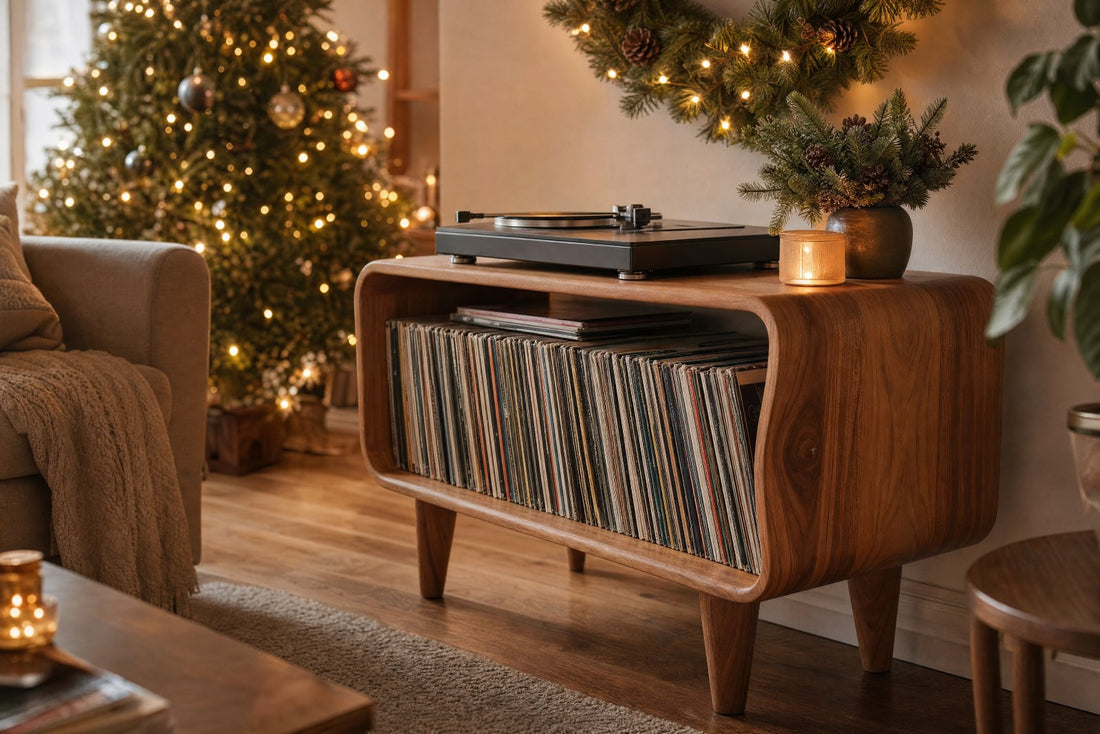
Solid Wood Turntable Stand – Rustic Record Player Cabinet with Farmhouse Storage
From $2,036.00
10% off at checkout
10% off
Solid Wood Turntable Stand – Rustic Record Player Cabinet with Farmhouse Storage
From $2,036.00
10% off at checkout
 10% off
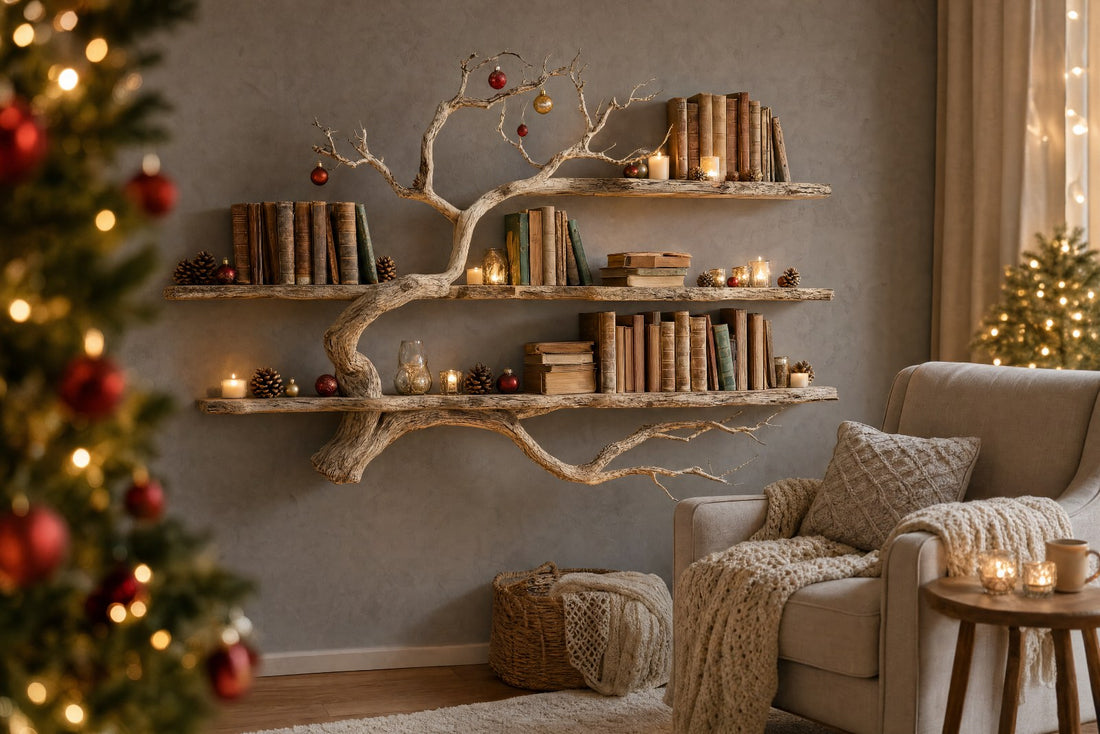
Tree Bookshelf – Rustic Wooden Book Tree Shelf, Wall-Mounted Natural Wood Décor
$2,099.00
10% off at checkout
10% off
Tree Bookshelf – Rustic Wooden Book Tree Shelf, Wall-Mounted Natural Wood Décor
$2,099.00
10% off at checkout
 10% off
Live Edge L-Shaped Desk – Handmade Solid Wood Corner Desk for Home Office
From $2,340.00
10% off at checkout
10% off
Live Edge L-Shaped Desk – Handmade Solid Wood Corner Desk for Home Office
From $2,340.00
10% off at checkout
 10% off
Handcrafted Walnut Bench – Organic Sculptural Mid-Century Design
From $2,327.00
10% off at checkout
10% off
Handcrafted Walnut Bench – Organic Sculptural Mid-Century Design
From $2,327.00
10% off at checkout
It becomes a thing you pass down
Nobody inherits a particle board bookshelf. Nobody tells their kids "this shelf was your grandmother's."

A tree bookshelf that holds your books today holds your daughter's books in 20 years

Floating shelves with family photos stay on the wall through moves, renovations, and generations
That's not marketing. That's what wood does when you take basic care of it.
Basic care is really basic
Weekly: Dust with a dry cloth. That's it.
Every 6-12 months: Apply wood oil or beeswax. Takes 10 minutes per piece.
When scratched: Light sanding (220-grit) and re-oil the area. 30 minutes.
When deeply damaged: Full sand and refinish. Once every 10-20 years if needed.
For the complete maintenance routine, read our wood furniture care guide.
The honest downsides
Solid wood isn't perfect for every situation.
It costs more upfront. A solid wood coffee table starts from $860. An MDF one from a big box store is $120. If budget is the only factor, MDF wins short-term.
It's heavier. A solid wood shoe bench weighs significantly more than a flat-pack equivalent. If you move frequently, that matters.

Solid wood shoe bench: heavier, but built to last decades
It needs some attention. Not a lot. But more than zero. If you never oil it and leave it in direct sunlight for years, it will dry out and crack. MDF doesn't care about oil (it also doesn't last, but it doesn't ask for maintenance before it falls apart).
Wood moves. It expands and contracts with humidity. A tiny gap in winter, a tight fit in summer. This is normal, not a defect. Engineered materials don't move, because they're not alive. Wood once was.
So why put wood in your home?
Because you'll have it longer than almost anything else you own.
Your phone lasts 3 years. Your couch lasts 8. Your car lasts 12.
A solid wood shelf, table, or vanity? Your grandkids might sand it down and oil it one afternoon, 40 years from now. And it'll look beautiful.
That's not something you get from a furniture store in a flat box.
Frequently Asked Questions
How long does solid wood furniture actually last?
With basic care (dusting, occasional oiling), solid hardwood furniture lasts 50-100+ years. Many antique wood pieces are 150+ years old and still functional. The key is keeping it dry, oiled, and out of prolonged direct sunlight.
Is solid wood worth the higher price?
Over its lifetime, yes. A $400 solid wood piece lasting 50 years costs less per year than a $60 MDF piece you replace every 7 years. You also avoid the hassle and environmental cost of repeated replacements.
Can I refinish solid wood furniture myself?
Yes. Light scratches need 220-grit sandpaper and wood oil. Deeper damage needs starting at 120-grit. No special skills required, just patience and a well-ventilated space. Our care guide has step-by-step instructions.
What about engineered wood or plywood?
Plywood is stronger than MDF and particle board. It lasts 15-25 years. But the surface veneer is thin, so refinishing options are limited. It's a middle ground between solid wood and particle board, but it won't develop patina or last generations.