



















Quick view
- Why mushroom shelf designs go wrong so easily
- What makes a mushroom shelf feel balanced
- Best rooms for this mushroom shelf design
- How to keep the look from becoming childish
- Why material quality matters here
- Example of a good styling direction
- What buyers usually get wrong
- Honest downsides
- My recommendation
- FAQ
Shop this guide
Handcrafted Lamps for Modern Homes, made to order in solid wood.
 Christmas edit
Rustic Driftwood Floor Lamp – Handmade Solid Wood Standing Light for Home Décor
From $1,220.00
Christmas edit
Rustic Driftwood Floor Lamp – Handmade Solid Wood Standing Light for Home Décor
From $1,220.00
 Christmas edit
Driftwood Wall Sconce - Handcrafted Rustic Wooden Wall Lamp
From $650.00
Christmas edit
Driftwood Wall Sconce - Handcrafted Rustic Wooden Wall Lamp
From $650.00
 Christmas edit
Rustic Driftwood Floor Lamp with Shelves – Handmade Wooden Standing Light
From $2,350.0010% off at checkout
Christmas edit
Rustic Driftwood Floor Lamp with Shelves – Handmade Wooden Standing Light
From $2,350.0010% off at checkout
 Christmas edit
Twisted Vine Wooden Floor Lamp - Handcrafted Driftwood Standing Light With Leaf Shade
From $1,280.00
Christmas edit
Twisted Vine Wooden Floor Lamp - Handcrafted Driftwood Standing Light With Leaf Shade
From $1,280.00
 Christmas edit
S-Curve Wooden Floor Lamp - Driftwood Standing Light With Dual Glow Openings
From $1,480.00
Christmas edit
S-Curve Wooden Floor Lamp - Driftwood Standing Light With Dual Glow Openings
From $1,480.00
 Christmas edit
Dual Nursery Mushroom Floor Lamp with Gill Glow Caps
From $1,680.00
Christmas edit
Dual Nursery Mushroom Floor Lamp with Gill Glow Caps
From $1,680.00
A mushroom shelf design can add a lot of charm to a room, but it can also tip into looking childish faster than buyers expect. The difference usually has nothing to do with the shelf itself. It comes down to how the shelf is styled, what room it is in, and whether the surrounding decor supports the same softness without turning the whole space into a theme.
This guide shows how to style a mushroom shelf so it feels intentional, balanced, and grown-in rather than overdone.

Handcrafted solid wood · 13 styles ★ Bestseller: Nursery Mushroom Shelf
Hand-carved · free US shipping
Why mushroom shelf designs go wrong so easily
Mushroom shelf styling goes wrong when buyers stack too much whimsy into one small zone. The carved shape already does a lot of visual work, so the shelf does not need more novelty piled on top of it. Once every object on the shelf is also cute, themed, or heavily decorative, the room starts feeling juvenile instead of layered.
The shelf usually needs editing more than embellishment.
What makes a mushroom shelf feel balanced
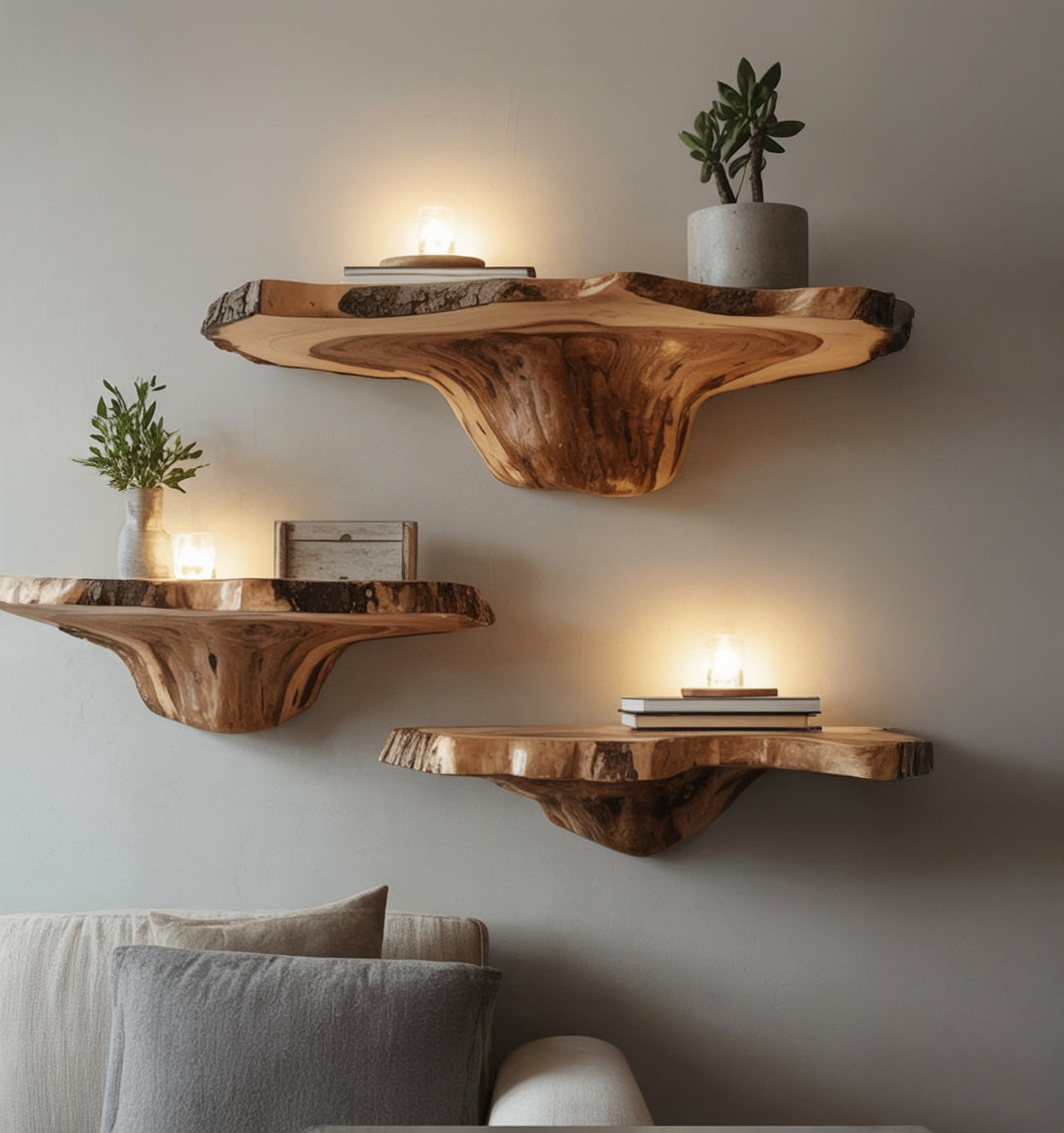
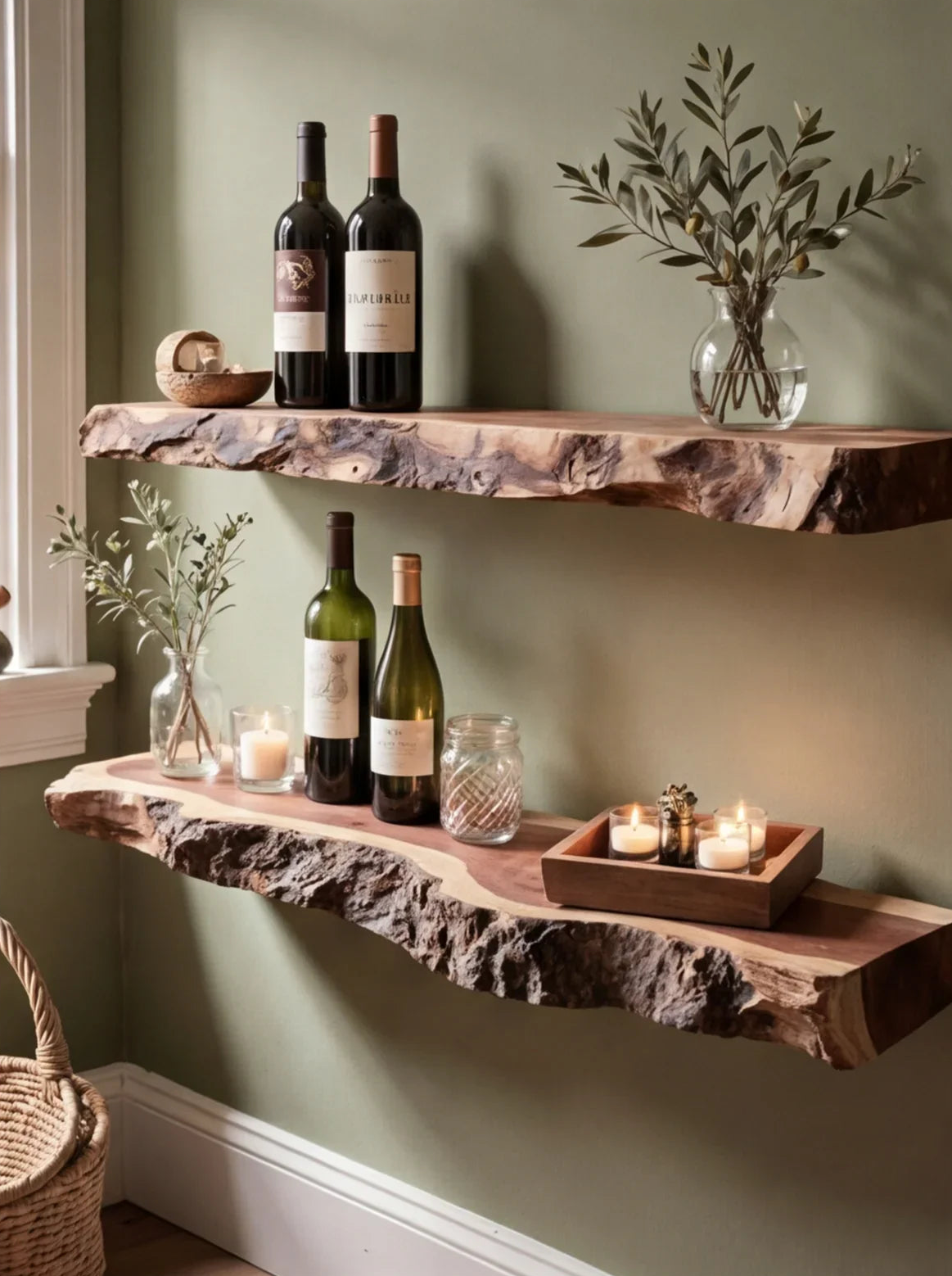
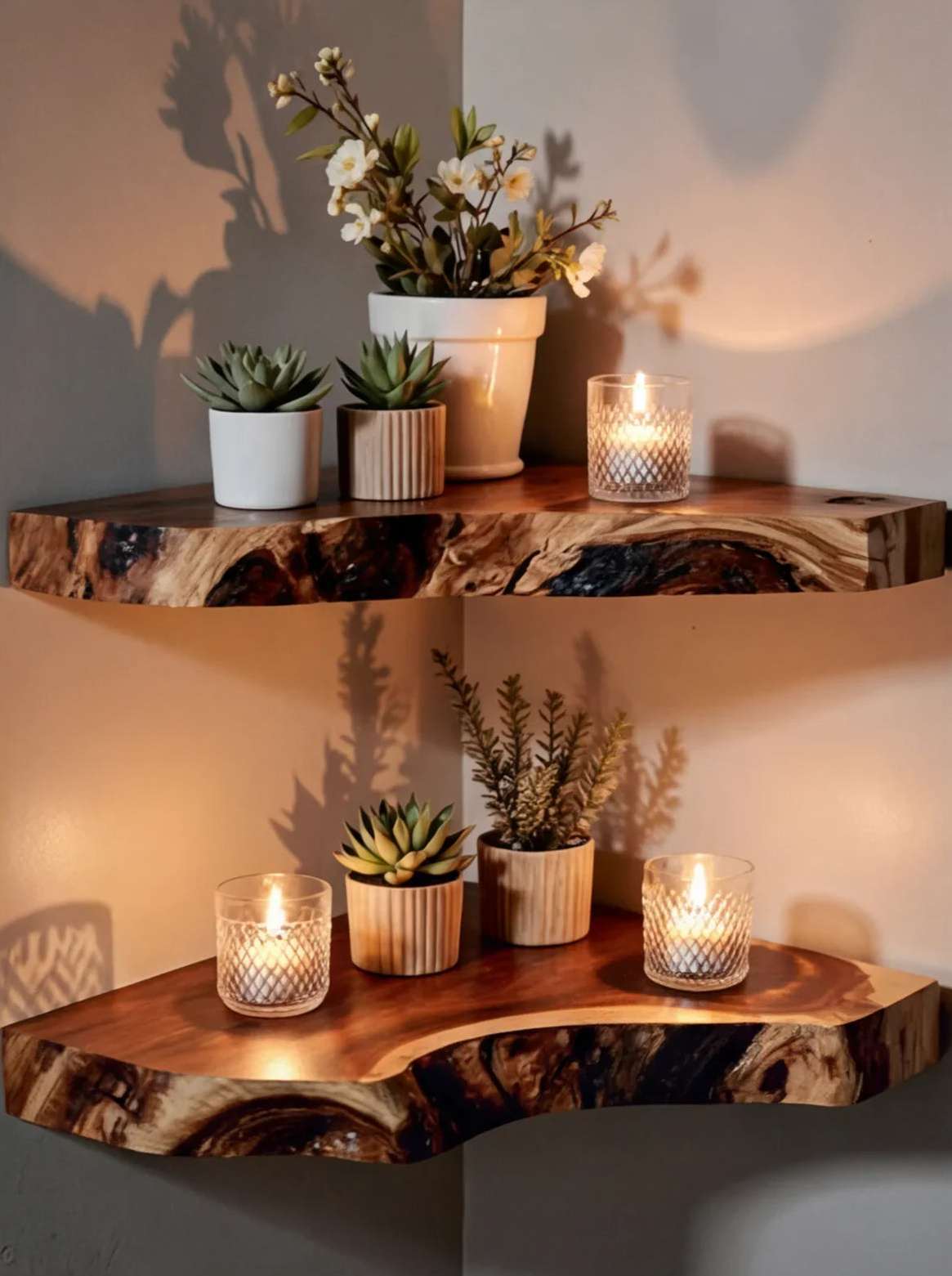
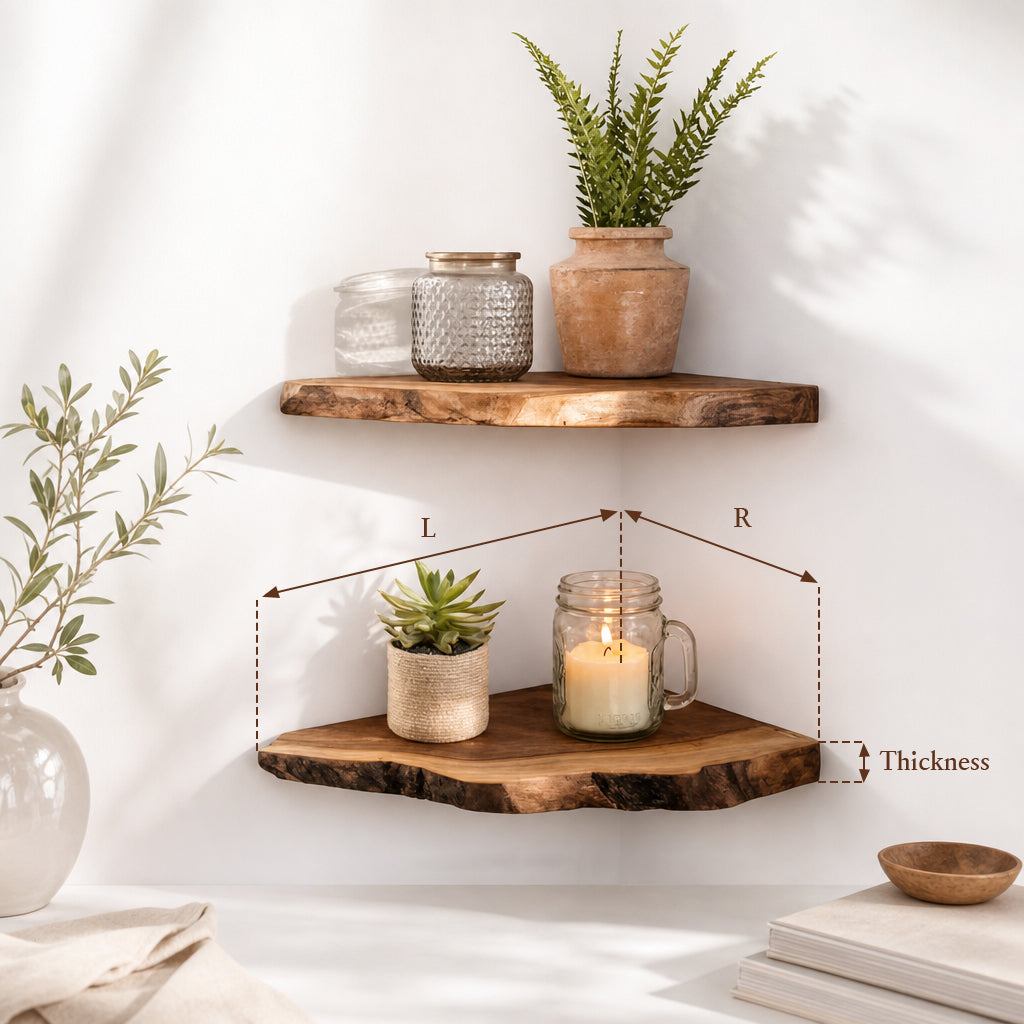
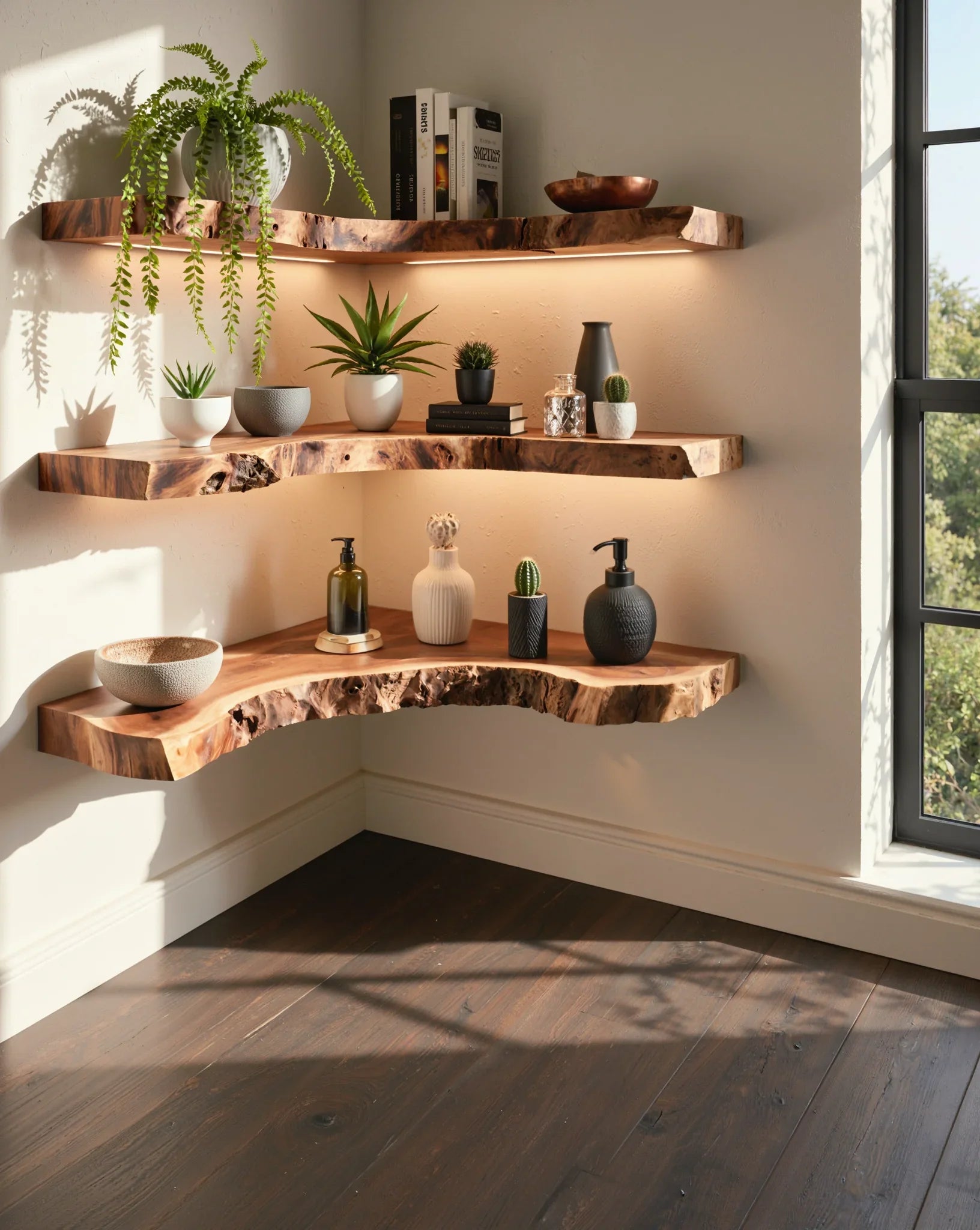
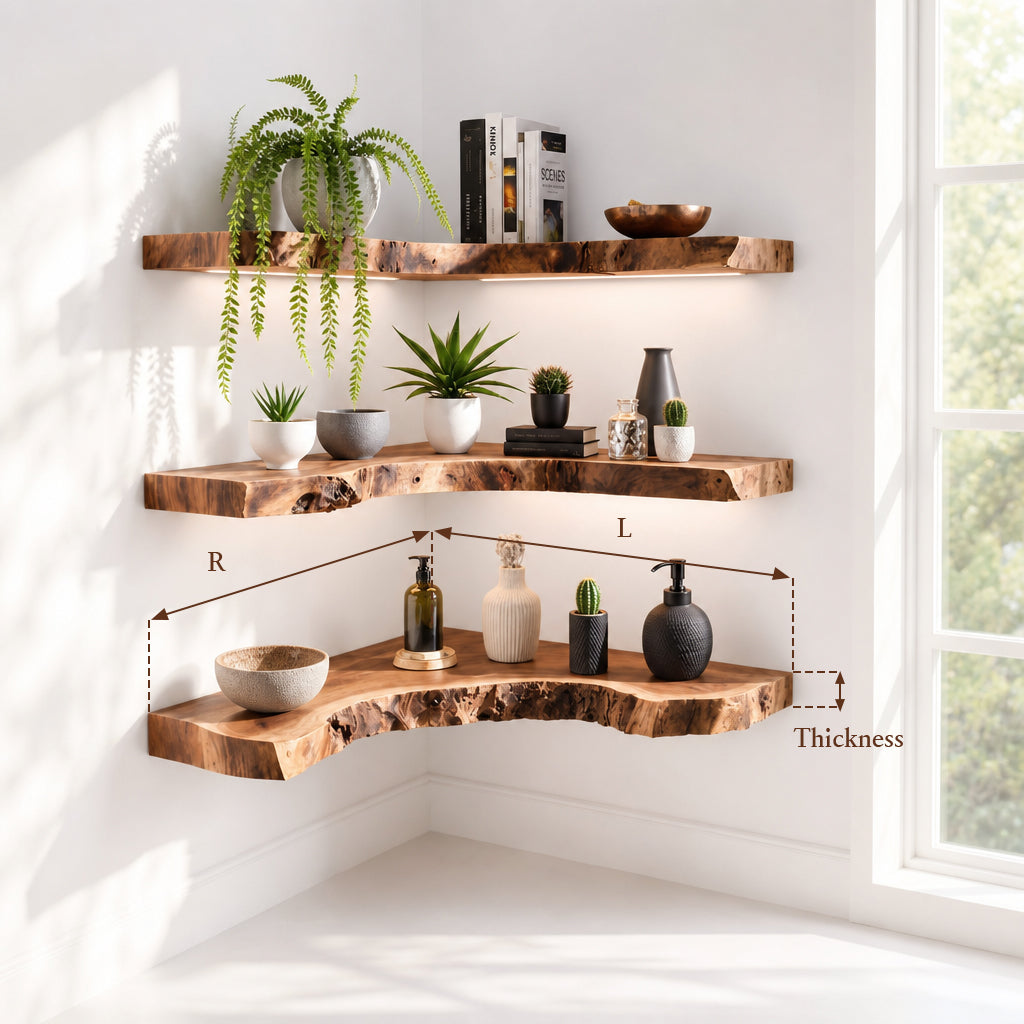
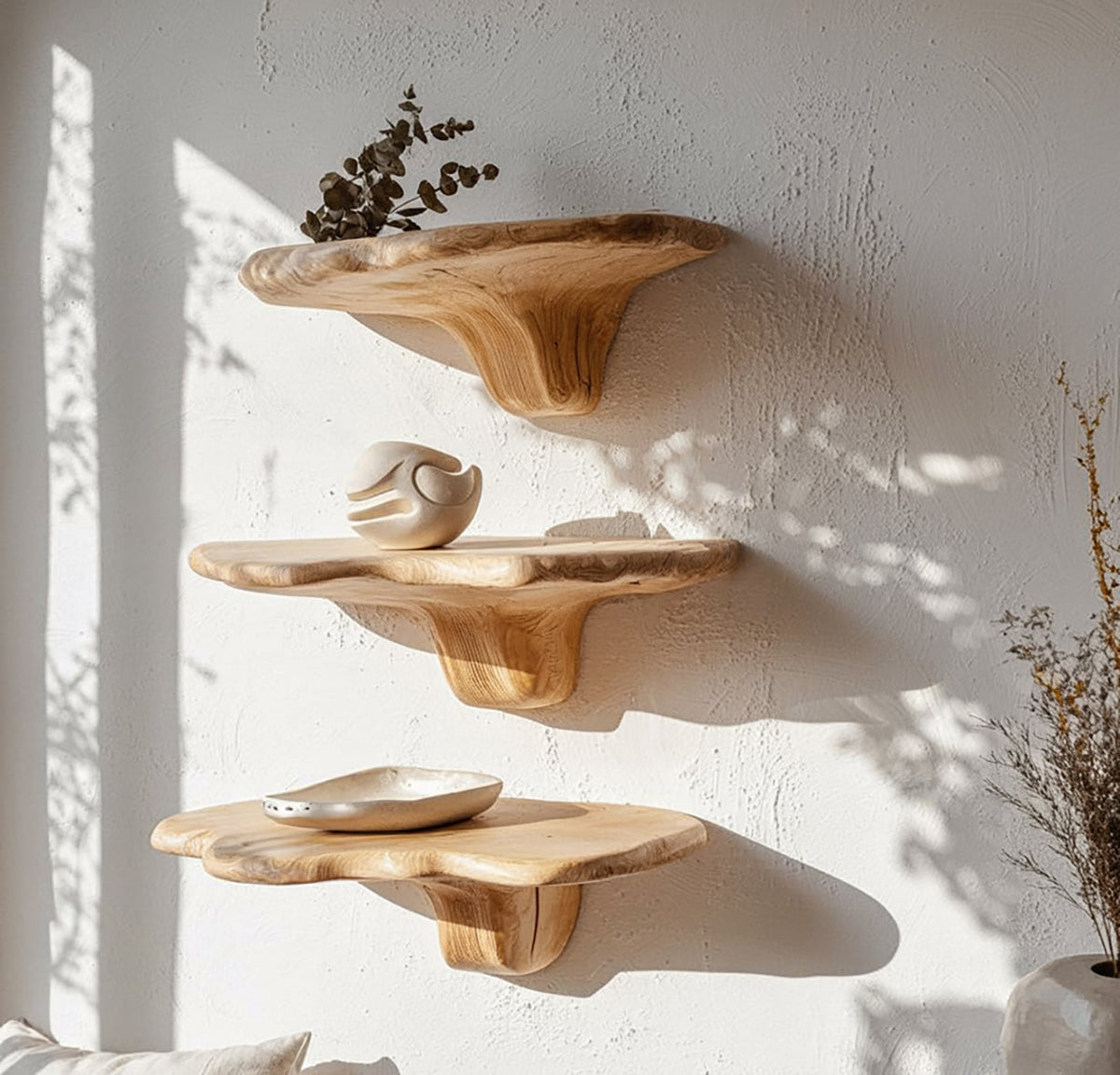
A mushroom shelf feels balanced when the items on it are simple, restrained, and not all competing for attention. One small plant, one candle, a compact framed print, or one stack of small books often works better than trying to fill every inch. The shape of the shelf should be the main point of character, not the beginning of a themed pileup.
| Styling move | Usually works well | What to avoid |
|---|---|---|
| One plant or vase (Perfect for mushroom shelf design) | Adds softness naturally | Too many small novelty objects |
| Simple framed art | Keeps the vignette grounded | Theme-heavy signs or slogans |
| One candle or lamp accent | Adds mood without clutter | Layering many decorative trinkets |
| Short stack of books | Gives visual weight | Overfilling the shelf edge to edge |


Best rooms for this mushroom shelf design
The room matters as much as the styling - a mushroom shelf reads differently in a softly-lit bedroom than in a strictly geometric living room. For a full breakdown of which rooms and exact wall spots work best, see our guide to where to place a mushroom floating shelf.
How to keep the look from becoming childish
The easiest way to keep the look from becoming childish is to mix the shelf's playful shape with calmer surrounding elements. Neutral walls, natural textures, solid wood, quiet textiles, and simple accessories help a lot. The shelf can then read as one warm accent instead of a signal that the room is trying to become a fantasy set.
This is usually where adult rooms succeed. They keep one playful element and let the rest stay grounded.
Don't miss
These pieces qualify for 10% off orders over $2,000. Applied automatically at checkout.
10% off
Rustic Driftwood Floor Lamp with Shelves – Handmade Wooden Standing Light
From $2,350.00
10% off at checkout
 10% off
Rustic Driftwood Floor Lamp with Side Table – Solid Wood Standing Light with Rattan Shade
From $2,350.00
10% off at checkout
10% off
Rustic Driftwood Floor Lamp with Side Table – Solid Wood Standing Light with Rattan Shade
From $2,350.00
10% off at checkout
 10% off
Authentic Hand-Carved Solid Wood Twisted Floor Lamp - Sculptural Timber Column with Fabric Shade
From $2,280.00
10% off at checkout
10% off
Authentic Hand-Carved Solid Wood Twisted Floor Lamp - Sculptural Timber Column with Fabric Shade
From $2,280.00
10% off at checkout
 10% off
Authentic Hand-Carved Solid Wood Abstract Floor Lamp - Sculptural Biomorphic Accent Light
From $2,280.00
10% off at checkout
10% off
Authentic Hand-Carved Solid Wood Abstract Floor Lamp - Sculptural Biomorphic Accent Light
From $2,280.00
10% off at checkout
Why material quality matters here
Because the form is already expressive, cheap material can make the whole setup feel novelty-heavy very quickly. Handcrafted solid wood gives the shelf more weight and legitimacy, which helps the styling look intentional even when the shape is playful. Ashdeco's handcrafted mushroom floating shelves are carved by Vietnamese artisans from solid wood for exactly this reason. For what else to check before buying - mounting hardware, usable surface, wood type - see our mushroom wall shelf buying guide.
Example of a good styling direction
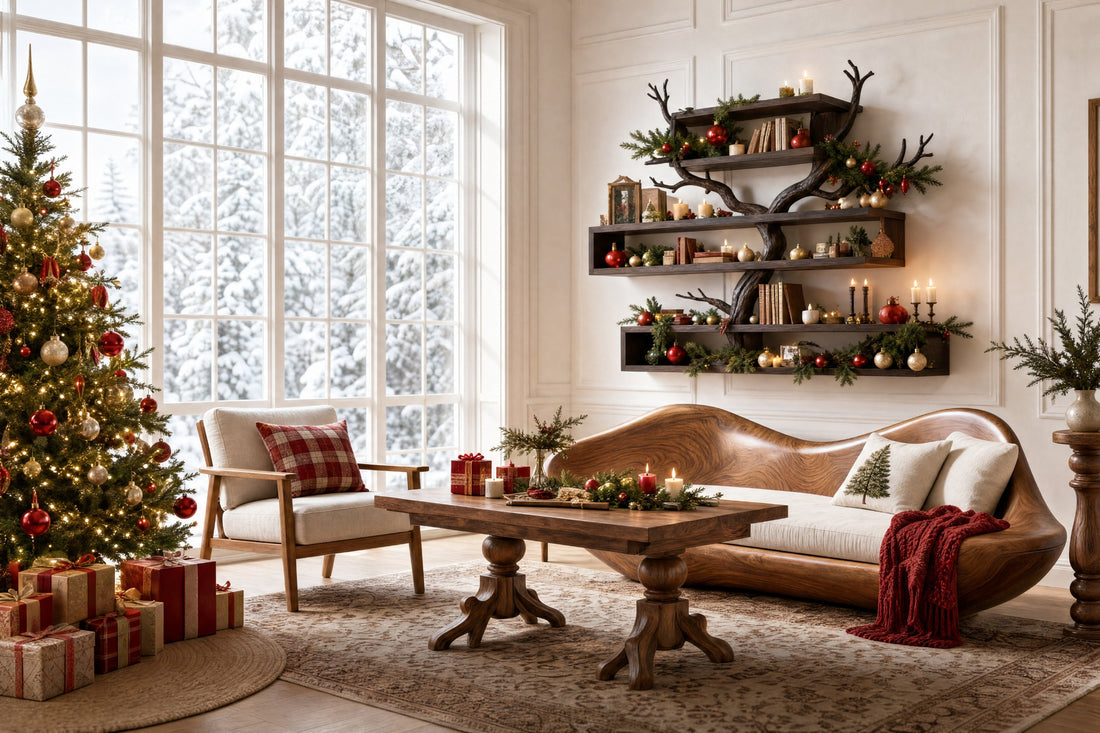
The mushroom floating shelf collection works best when treated as one accent within a calm room rather than the start of a full mushroom-themed scheme. A bedside wall, reading corner, or quiet decorative nook are usually the strongest fits.

If the room needs broader storage or a calmer visual line, compare with standard floating shelves instead of trying to style around the wrong shelf shape.
What buyers usually get wrong
The biggest mistake is repeating the motif too many times. Mushroom shelf, mushroom print, mushroom lamp, mushroom pillow, and mushroom figurines all in one corner is usually too much. Another mistake is choosing bright, overly sweet accessories that push the setup toward kids' decor even if the room was meant for adults.
Less usually does more here. The shelf shape already carries the idea.
Honest downsides
This kind of shelf is more style-specific than a standard floating shelf, so buyers are making a stronger visual choice. That means the styling can look amazing in the right room and awkward in the wrong one. It also means the shelf depends more on surrounding restraint than neutral decor does.
If you want maximum flexibility, a simpler shelf shape will always be easier to live with.
My recommendation
Style a mushroom shelf with only one or two quiet objects and let the shape of the shelf do the interesting work. Use it in a room that already has softness or natural texture, and do not repeat the mushroom motif too aggressively nearby.
That is the cleanest way to keep the shelf charming instead of childish.
Ready to style one?
Browse Ashdeco's handcrafted mushroom floating shelves - carved from solid wood, made to live in adult rooms as well as kids' rooms.
Shop the Mushroom Shelf Collection →
FAQ
How do I make a mushroom shelf look less childish?
Use fewer objects, calmer colors, and more grounded surrounding materials. The shelf should be the playful note, not part of an overly themed arrangement.
What should I put on a mushroom shelf?
A small plant, a candle, a compact framed print, or a short stack of books usually works well. Keep the shelf lightly styled.
Can this mushroom shelf design work in an adult bedroom?
Yes, especially if the room already has soft textures, natural materials, or a gentle decorative style. Restraint is what makes it work.
When should I skip this kind of shelf?
Skip it when the room is highly formal, strongly minimal, or needs practical storage more than visual character.
Why does solid wood help?
Because better material makes the playful shape feel more sculptural and intentional, which helps the whole setup avoid a novelty look.