Quick view
Shop this guide
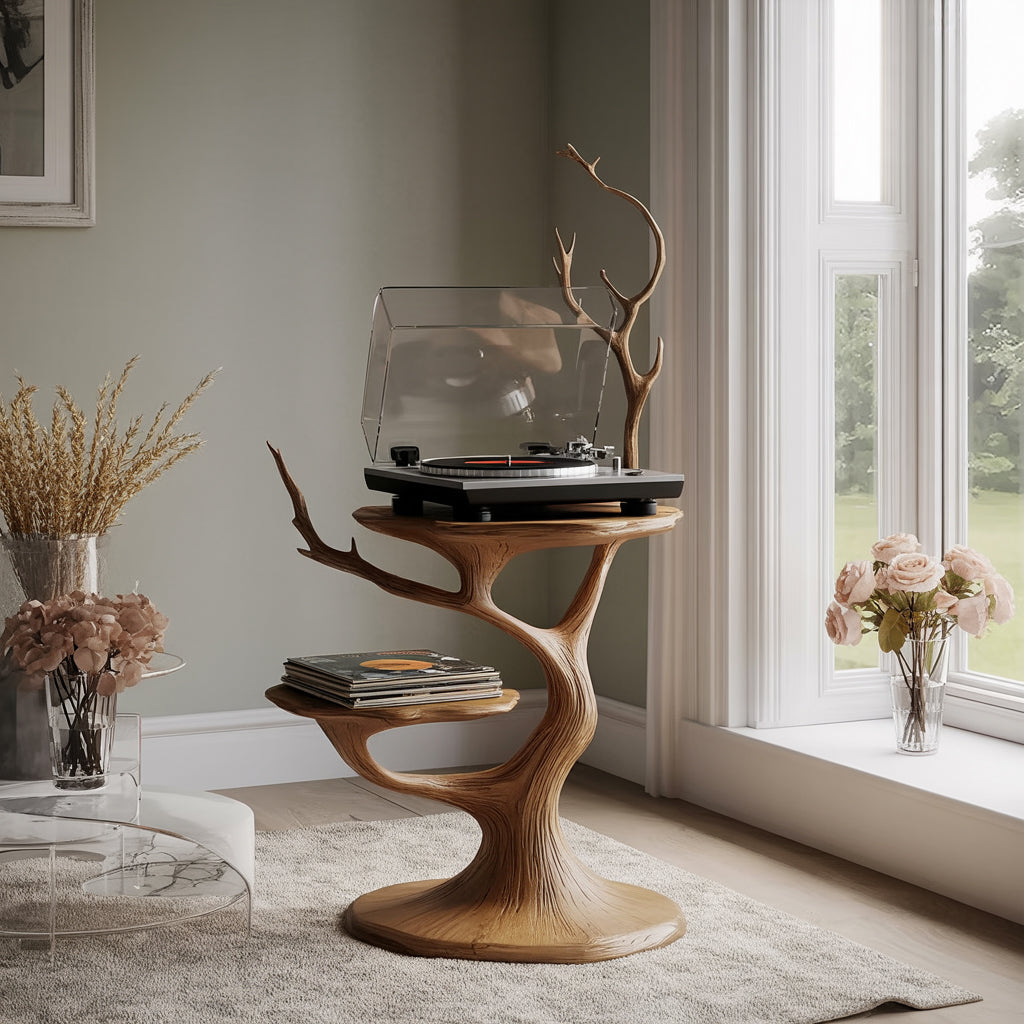
Handcrafted Tree Bookshelf, made to order in solid wood.
 Christmas edit
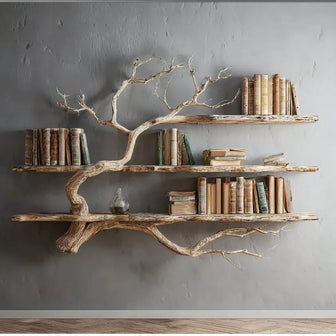
Corner Tree Floating Bookshelf – Driftwood Branch Wall Mounted Hanging Shelf, Artistic Corner Furniture Decoration
From $901.00
Christmas edit
Corner Tree Floating Bookshelf – Driftwood Branch Wall Mounted Hanging Shelf, Artistic Corner Furniture Decoration
From $901.00
 Christmas edit
Handcrafted Solid Wood Nursery Decor & Kids' Library
$2,834.0010% off at checkout
Christmas edit
Handcrafted Solid Wood Nursery Decor & Kids' Library
$2,834.0010% off at checkout
 Christmas edit
Handcrafted Wooden Tree Wall Shelf – Rustic Branch Bookshelf
From $1,087.00
Christmas edit
Handcrafted Wooden Tree Wall Shelf – Rustic Branch Bookshelf
From $1,087.00
 Christmas edit
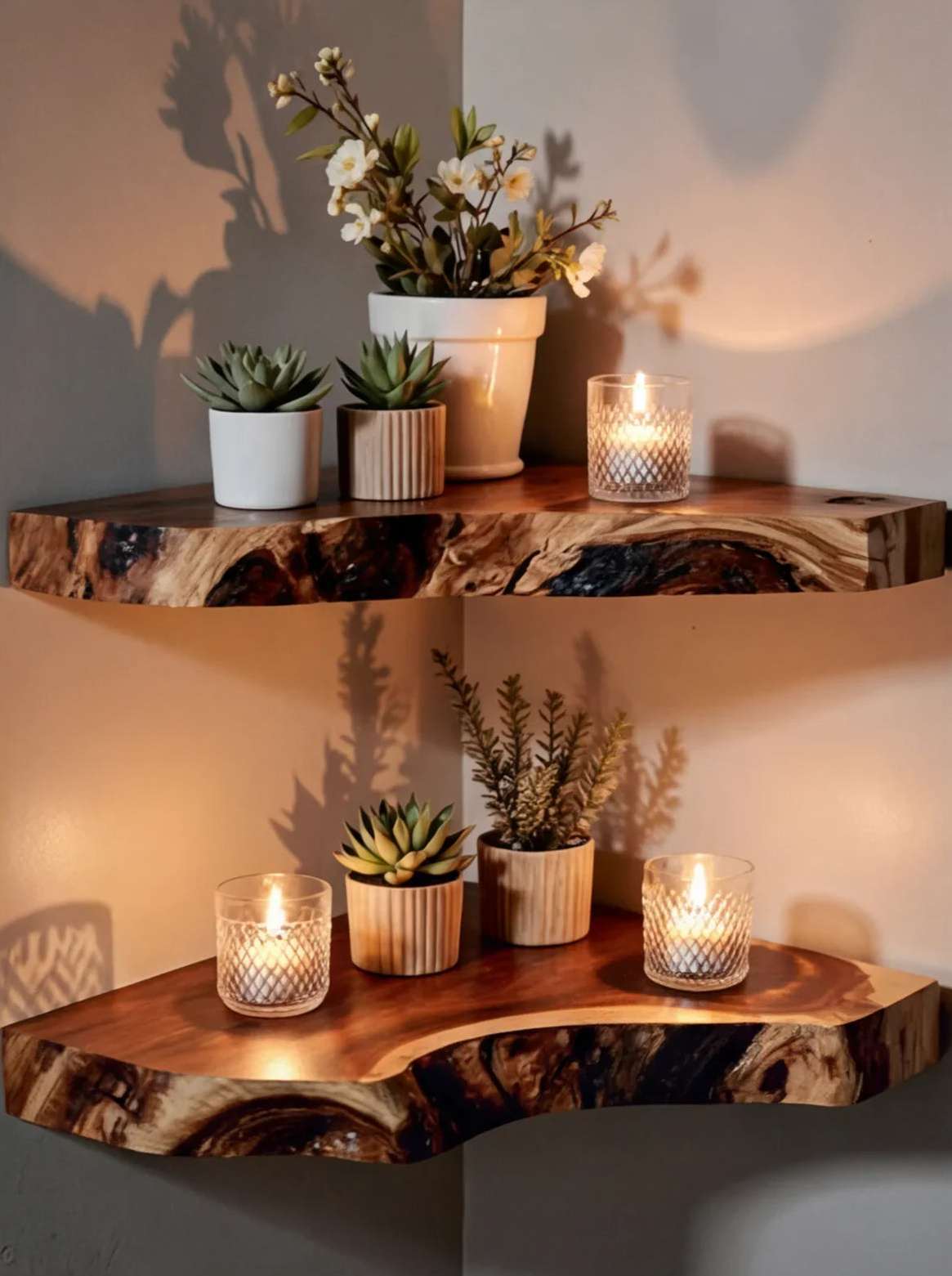
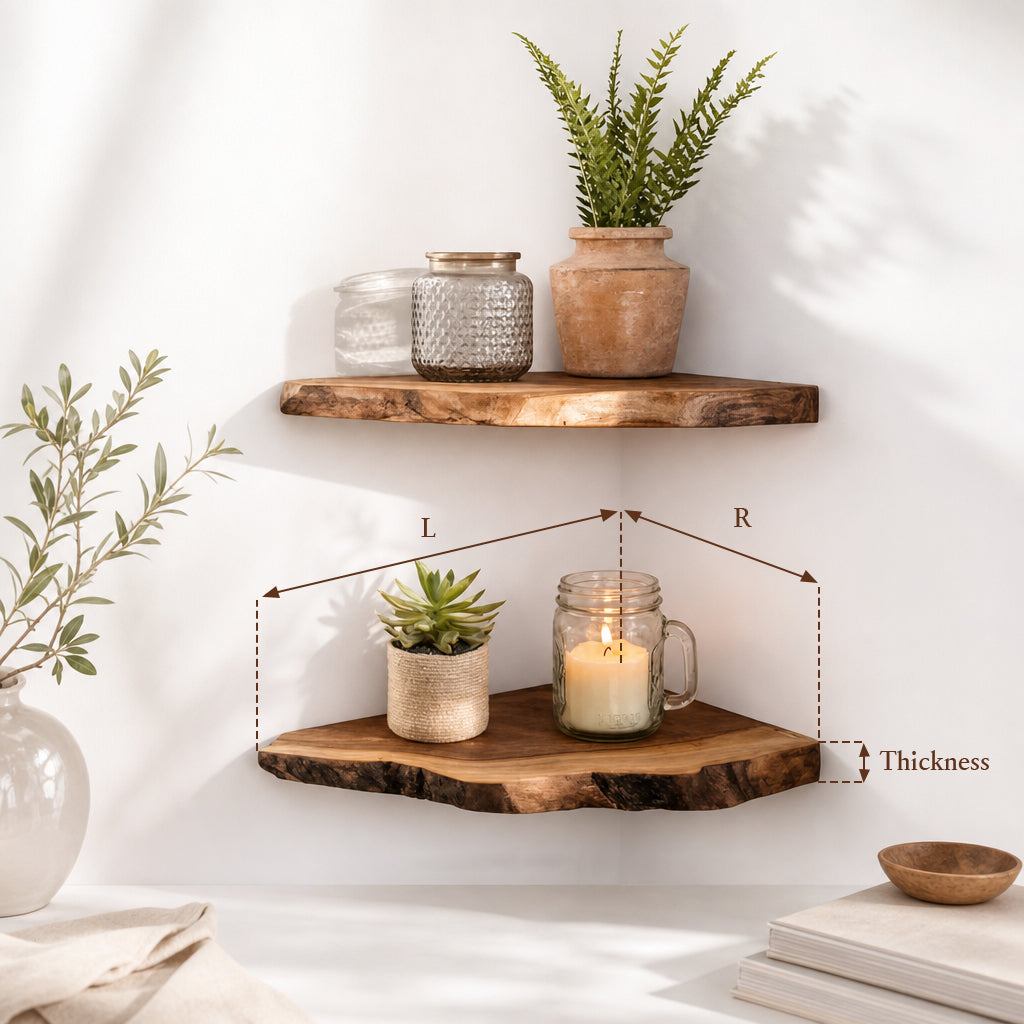
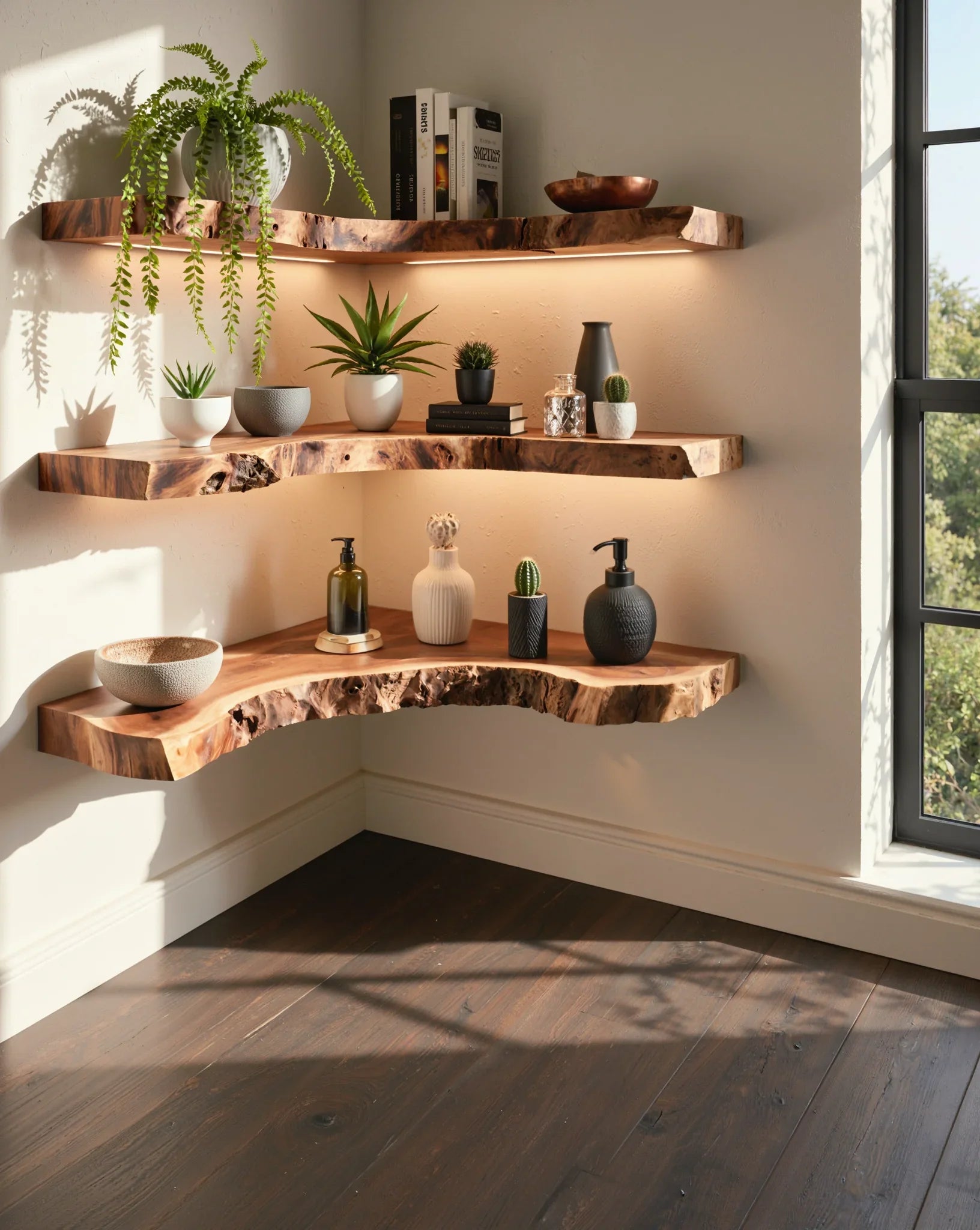
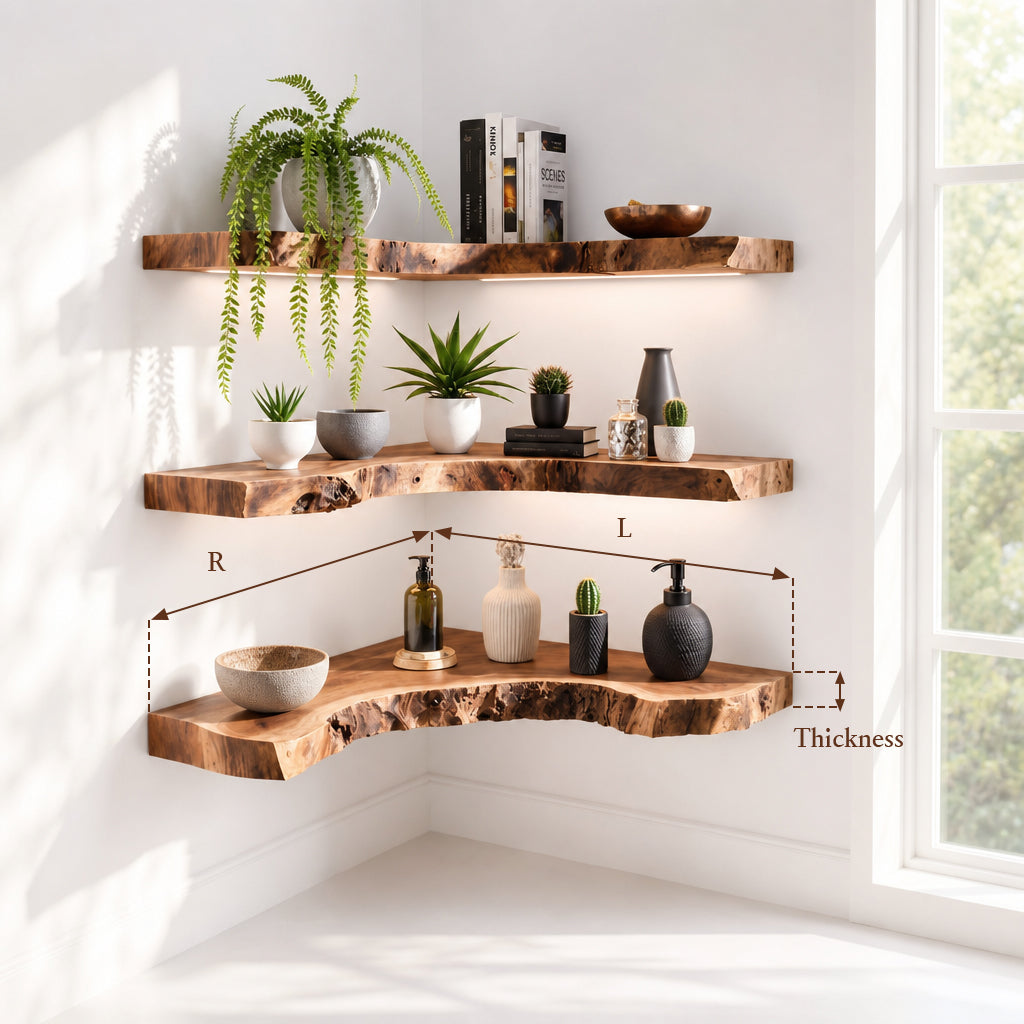
Solid Wood Floating Corner Shelf – Driftwood Branch Wall Shelf
From $789.00
Christmas edit
Solid Wood Floating Corner Shelf – Driftwood Branch Wall Shelf
From $789.00
 Christmas edit
Tree Bookshelf – Rustic Wooden Book Tree Shelf, Wall-Mounted Natural Wood Décor
$2,099.0010% off at checkout
Christmas edit
Tree Bookshelf – Rustic Wooden Book Tree Shelf, Wall-Mounted Natural Wood Décor
$2,099.0010% off at checkout
 Christmas edit
Floating Bookshelf – Tree Branch Wall-Mounted Bookcase for Rustic Home Decor
From $1,000.00
Christmas edit
Floating Bookshelf – Tree Branch Wall-Mounted Bookcase for Rustic Home Decor
From $1,000.00
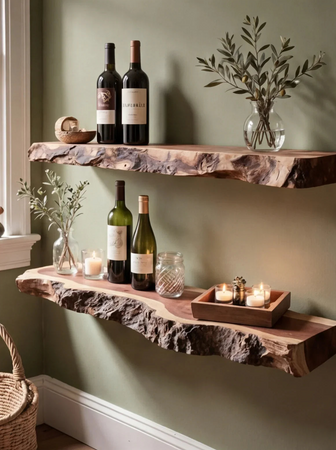
A live edge bookcase keeps the natural outer edge of the wood - bark line, curves, and all - instead of cutting it into a straight line. The result is a bookshelf that looks like it grew into shape rather than being manufactured. If you've been drawn to natural wood furniture but want something more expressive than a plain slab, a live edge bookshelf is where craftsmanship meets nature.
This guide explains what live edge actually means, how it's made, how it connects to tree-shaped bookshelves, and what to look for when buying one.
What Does "Live Edge" Mean?
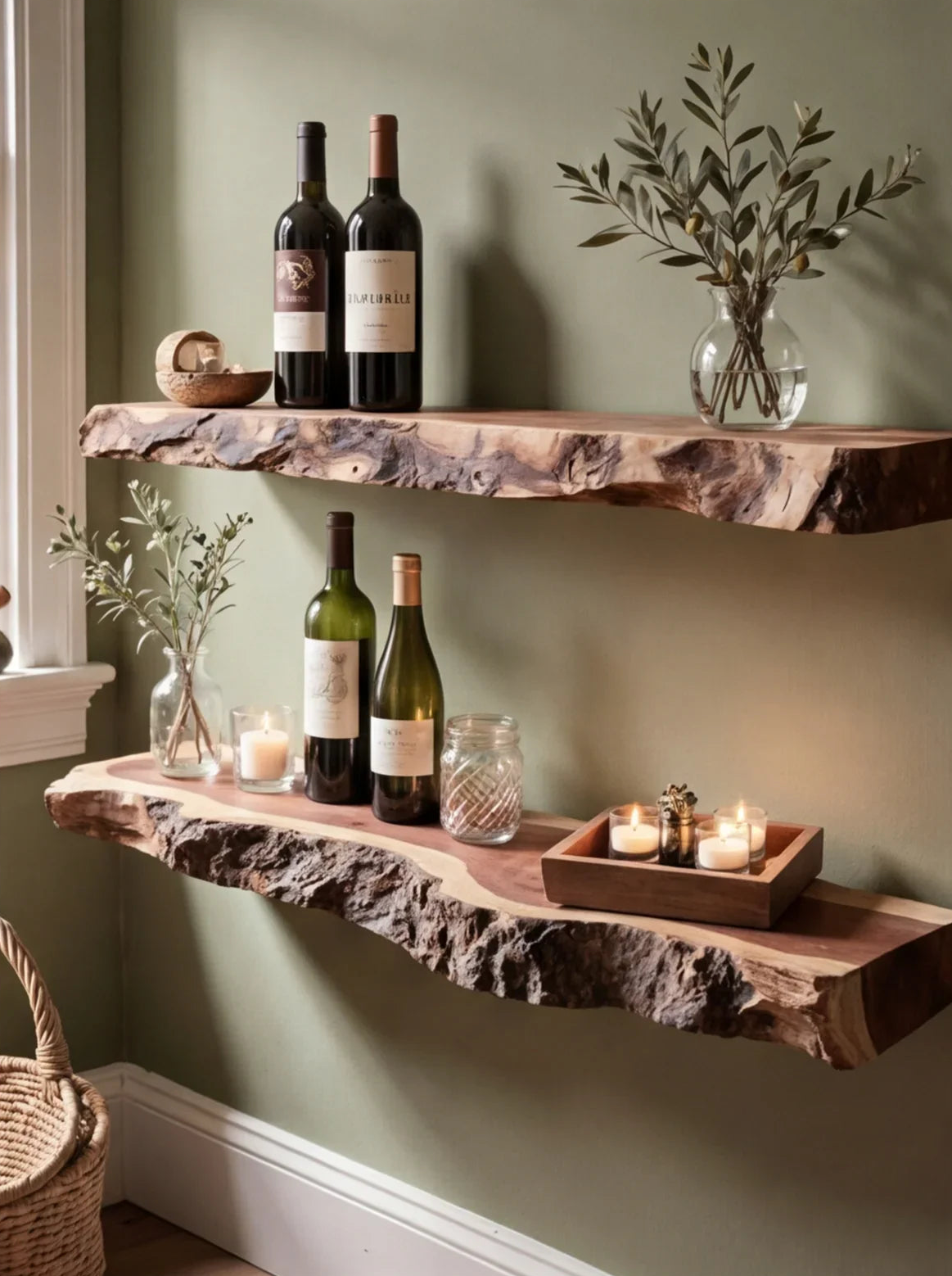
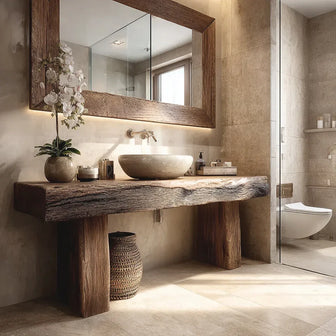
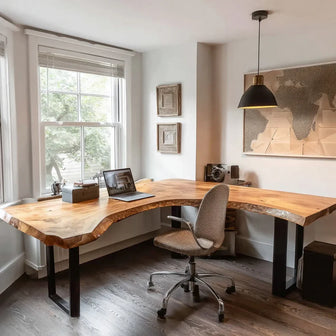
Live edge refers to the natural, uncut outer edge of a wood slab - the edge that was once directly beneath the bark. Instead of trimming it straight, the woodworker preserves the organic contour, creating a shelf surface where one side follows the tree's original growth pattern. No two live edge pieces look the same.
The "live" in live edge means that edge is alive with the tree's history. Knots, grain swirls, slight curves, and color variations along the edge tell the story of how that particular tree grew. It's the opposite of engineered uniformity.
Live edge furniture has surged in popularity over the past decade, especially for dining tables and desks. Bookshelves are the next evolution - applying the same organic aesthetic to vertical display and storage.
How Live Edge Bookcases Are Made
Creating a live edge bookcase requires more skill than standard furniture construction. The woodworker selects slabs with interesting edge profiles, stabilizes any bark remnants or soft spots, and builds the shelving structure around those organic shapes. Every piece demands individual attention because no slab is the same width or contour.
The process typically involves these steps:
- Slab selection - choosing wood with compelling edge character (curves, knots, color variation)
- Drying and stabilization - kiln-drying to prevent warping, filling voids with epoxy if needed
- Edge cleaning - removing loose bark while preserving the natural contour
- Structural assembly - building the frame to accommodate irregular shelf widths
- Finishing - sanding smooth, applying oil or sealant to protect the wood and highlight the grain
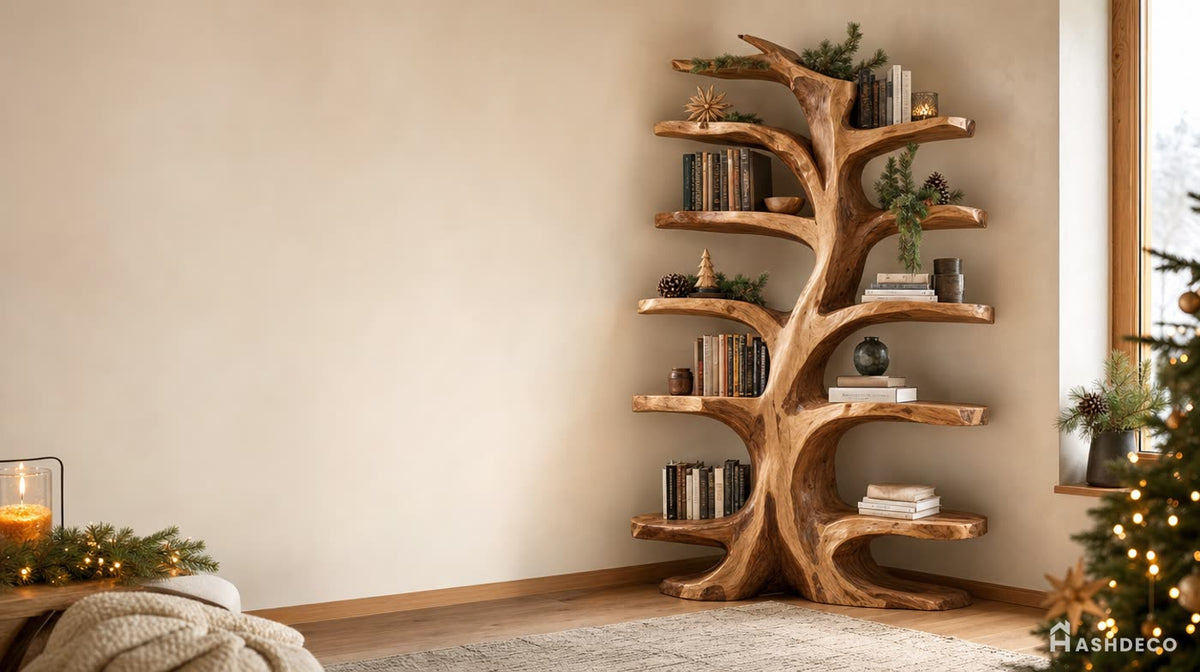
Ashdeco's live edge and tree-shaped bookshelves are handcrafted by Vietnamese artisans who specialize in working with solid wood's natural forms. Each artisan follows the wood's grain and edge character, carving shapes that enhance rather than fight the material's organic properties. We cover this in more detail in our tree bookshelf ideas for every room guide.


Live Edge vs Tree Bookshelf: What's the Difference?
Live edge and tree-shaped bookshelves share a design philosophy - celebrating natural wood rather than hiding it - but they execute the idea differently. Understanding the distinction helps you choose which style fits your space and aesthetic.
| Feature | Live Edge Bookcase | Tree Bookshelf |
|---|---|---|
| Shape | Shelves with natural wavy edges | Entire unit shaped like a tree |
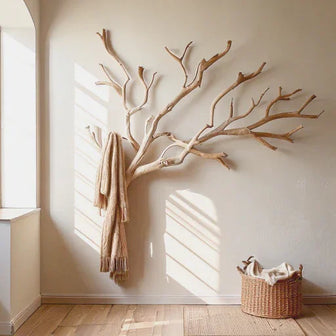
| Silhouette | Mostly rectangular with organic edges | Trunk and branch structure |
| Shelf layout | Horizontal shelves, uneven widths | Branches at varying angles and heights |
| Best for | Rustic, modern, Scandinavian interiors | Eclectic, playful, nature-inspired rooms |
| Visual effect | Subtle organic warmth | Bold sculptural statement |
Many buyers love both styles. Tree bookshelves use the same commitment to natural wood and artisan craftsmanship, just expressed as a full tree silhouette rather than individual wavy-edged shelves. Browse handcrafted tree bookshelves to see how the two approaches complement each other. For a deeper dive, see our article on store bought vs handmade bookshelves.
Why Natural Wood Bookshelves Are Worth the Investment
Mass-produced bookshelves use engineered materials - MDF, particleboard, laminate - that imitate wood without delivering its benefits. Natural wood bookshelves, whether live edge or tree-shaped, offer three advantages that engineered alternatives simply cannot match.
Durability That Improves With Age
Solid wood gets better over time. The grain deepens, the patina warms, and minor surface marks add character. MDF and particleboard do the opposite - they chip, swell, and degrade from the moment you unbox them. A live edge bookshelf bought today will look better in 10 years than it does now.
Uniqueness You Can't Replicate
Every live edge piece is literally one-of-a-kind. The edge contour, knot placement, and grain pattern are unrepeatable - even from the same tree. That's not a marketing claim. It's biology. No factory can duplicate what nature produces.
Structural Integrity for Real Use
Natural wood handles weight better than any engineered material, especially across the irregular shapes that make live edge and tree designs interesting. Thin branch tips in solid hardwood hold up under load. The same shape in MDF crumbles.
Don't miss
These pieces qualify for 10% off orders over $2,000. Applied automatically at checkout.
10% off
Handcrafted Solid Wood Nursery Decor & Kids' Library
$2,834.00
10% off at checkout
10% off
Tree Bookshelf – Rustic Wooden Book Tree Shelf, Wall-Mounted Natural Wood Décor
$2,099.00
10% off at checkout
 10% off
Authentic Hand-Carved Solid Wood Tree Bookshelf Daybed - Sculptural Lounge Library
From $4,087.00
10% off at checkout
10% off
Authentic Hand-Carved Solid Wood Tree Bookshelf Daybed - Sculptural Lounge Library
From $4,087.00
10% off at checkout
 10% off
Rustic Tree Shaped Wooden Bookshelf with Branch Design for Living Room or Home Library
$2,145.00
10% off at checkout
10% off
Rustic Tree Shaped Wooden Bookshelf with Branch Design for Living Room or Home Library
$2,145.00
10% off at checkout
Where to Use a Live Edge Bookshelf
Live edge bookshelves work best in rooms where the natural edge can be seen and appreciated - meaning well-lit spaces where the shelf isn't shoved behind other furniture. The edge detail is the entire point; it deserves visibility.
Living Room Feature Wall
Mount live edge shelves in a staggered arrangement across a single wall. The varying edge profiles create a gallery-like effect that's far more interesting than matching floating shelves. Choose a wall color that contrasts with the wood tone - dark shelves on a white wall, or honey-toned shelves on charcoal.
Home Office

A wall-mounted natural wood bookshelf behind your desk adds warmth to video calls without looking cluttered. The live edge detail reads as intentional design, even through a webcam.
Dining Room
Live edge shelves in the dining room display cookbooks, wine bottles, and ceramics with rustic elegance. They pair naturally with wooden dining tables - especially if the wood species matches.
How to Care for Live Edge Wood Furniture
Live edge pieces need slightly more attention than standard furniture because the natural edge is more porous and textured than a cut surface. That said, the care routine is simple once you know the basics.
- Dust regularly with a soft cloth, following the grain direction
- Reapply wood oil (tung or Danish oil) every 6–12 months to keep the edge from drying
- Avoid direct sunlight on the edge - UV exposure can lighten the natural color unevenly
- Clean spills immediately - live edge surfaces are more absorbent along the natural contour
- Use coasters and felt pads under objects to prevent scratching
With basic maintenance, a solid wood live edge bookshelf lasts 20–30+ years. The wood's character deepens with every passing year.
Finding the Right Live Edge Bookcase
The live edge furniture market ranges from mass-produced imitations (vinyl edge stickers on MDF - avoid these) to genuinely handcrafted pieces. Here's how to tell the difference:
- Check the edge - real live edge has irregular thickness and visible grain end. Fake versions have uniform, printed patterns.
- Ask about wood species - legitimate makers know exactly what wood they use and where it's sourced.
- Look for weight - solid wood is heavy. If a "live edge" shelf weighs next to nothing, it's not real wood.
- Examine underneath - real wood has grain visible on all surfaces, including the bottom.

Ashdeco's collection of solid wood tree shelves and natural wood bookshelves uses genuine hardwood with authentic edge character. Each piece is crafted to showcase the wood's natural beauty rather than hiding it behind veneers.
FAQ
What is a live edge bookcase?
A live edge bookcase features shelves that preserve the natural outer edge of the wood slab - the contour where the bark once grew. This creates organic, wavy shelf edges that are unique to each piece. No two live edge bookshelves look identical.
Is live edge furniture more expensive than regular furniture?
Yes, typically 30–50% more than equivalent-sized pieces in standard cut wood. The premium covers slab selection, individual shaping, and the additional craftsmanship required to work with irregular edges. However, the uniqueness and longevity justify the investment.
How do I clean a live edge bookshelf?
Dust with a soft cloth along the grain. For deeper cleaning, use a slightly damp cloth and dry immediately. Apply tung oil or Danish oil every 6–12 months to maintain the edge's moisture and color. Avoid chemical cleaners that can strip the wood's natural finish.
Can live edge shelves hold heavy books?
Solid wood live edge shelves handle 10–15+ lbs per shelf - more than enough for hardcover books. The natural wood grain provides structural strength that engineered materials can't match, especially across irregular shelf widths.
What's the difference between live edge and tree bookshelves?
Live edge bookshelves have natural wavy edges on otherwise standard shelf shapes. Tree bookshelves are carved into entire tree silhouettes - trunk, branches, and all. Both celebrate natural wood, but tree designs are more sculptural while live edge is more subtle.