Why Solid Wood Furniture Deserves Better Care (and How to Give It)
You spent good money on solid wood furniture. Maybe it's a coffee table with visible grain patterns that caught your eye. Maybe it's a console table in your entryway that greets you every time you walk through the door. Whatever the piece, it's real wood - and real wood behaves differently than the laminate and veneer surfaces most care guides assume you have.
The good news: solid wood furniture is remarkably forgiving. Unlike particleboard that falls apart at the first sign of moisture, or veneer that chips and can't be repaired, real hardwood can be cleaned, restored, and maintained almost indefinitely. The key is understanding what wood needs and building a few simple habits.
This guide covers everything from daily cleaning to seasonal maintenance, scratch repair, humidity management, and the products that actually work versus the ones that do more harm than good.
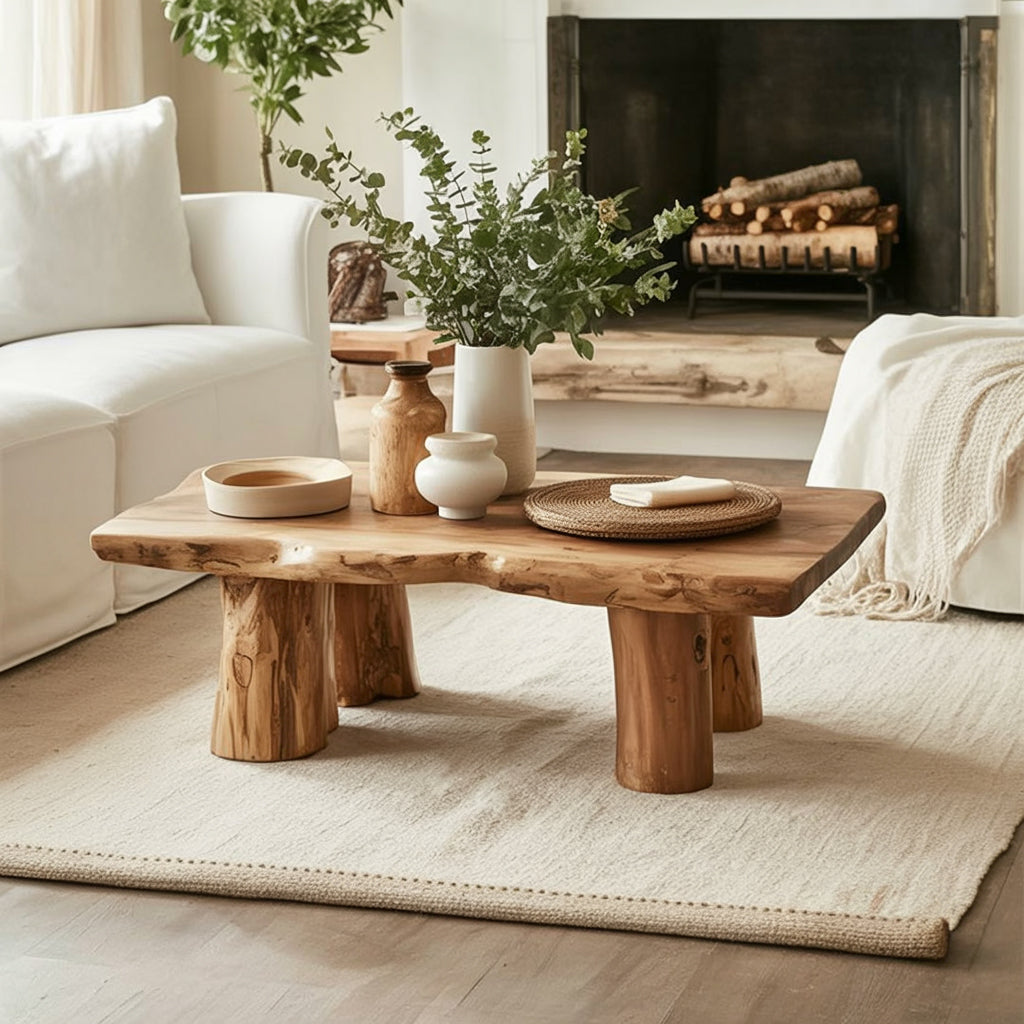
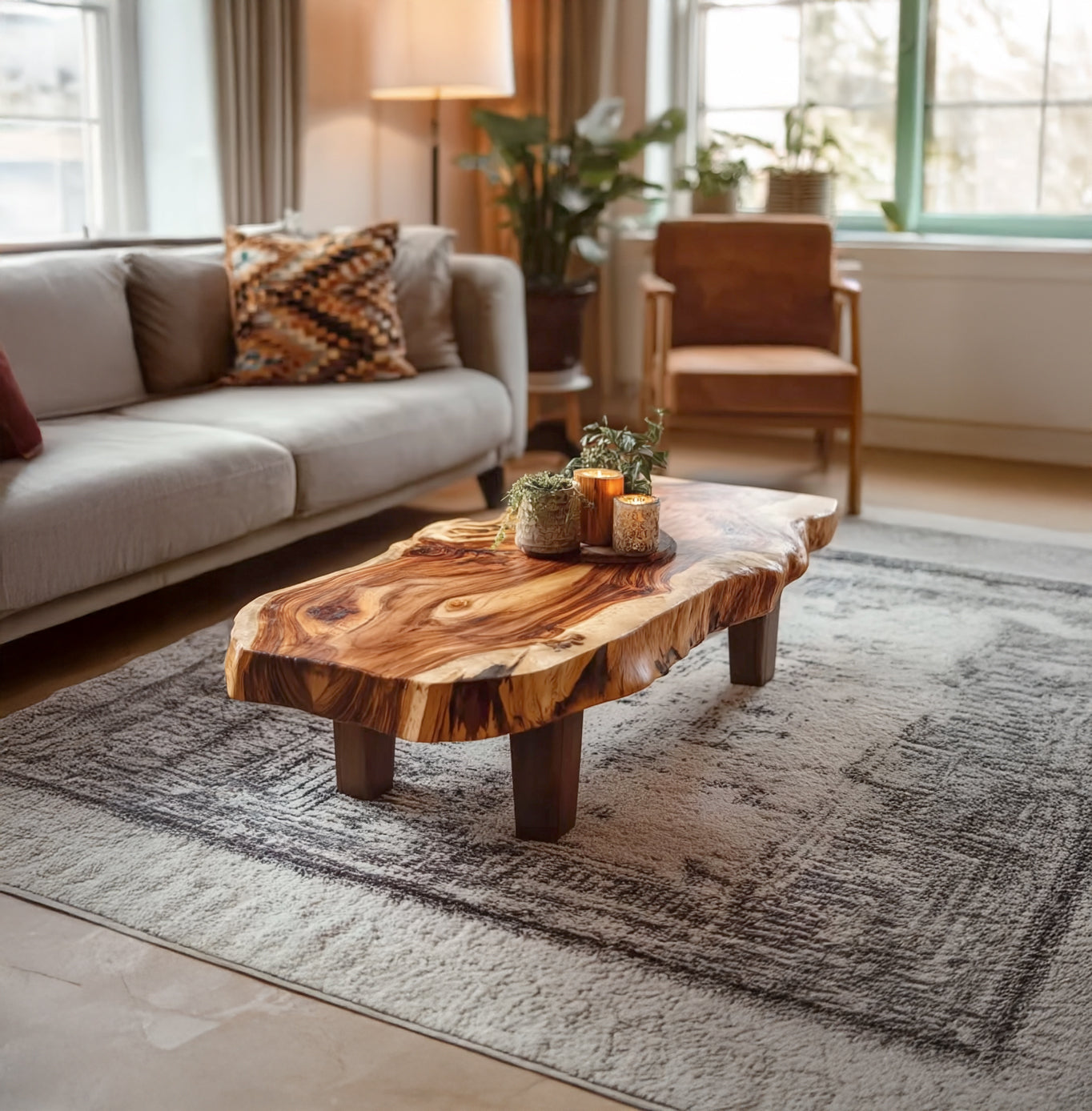
Functional Vintage Natural Wood Coffee Table For Stylish Living Rooms
Daily and Weekly Cleaning: The Basics That Matter Most
Most damage to wood furniture comes from neglecting the simple stuff. Dust, spills, and surface grime do more cumulative harm than any single dramatic event.
Dusting (2-3 Times Per Week)
Dust is more abrasive than it looks. Those tiny particles include grit, fibers, and microscopic debris that, when pushed across a wood surface with a dry cloth, create fine scratches over time.
What to use:
- A microfiber cloth, slightly dampened with water - this traps dust instead of pushing it around
- A soft, lint-free cotton cloth works too
- Feather dusters are fine for light daily maintenance but don't remove stuck particles
What to avoid:
- Paper towels - they're surprisingly scratchy on finished wood
- Dry dusting with pressure - you're essentially sanding your furniture with grit
- Compressed air , it just relocates the dust
Cleaning Spills (Immediately)
Water is not the enemy of finished wood , standing water is. A quick splash wiped up in seconds won't hurt anything. A wet glass sitting for an hour can leave a white ring that takes real effort to remove.
The rule: Blot, don't wipe. Wiping pushes the liquid across a wider area. Blotting picks it up.
For sticky spills (juice, wine, food): dampen a cloth with warm water and a tiny drop of dish soap. Clean the area, then immediately dry with a separate cloth. Don't let soapy water sit on the surface.
Weekly Wipe-Down
Once a week, give your wood furniture a proper cleaning:
- Dust first with a dry microfiber cloth
- Dampen a clean cloth with water (wring it thoroughly , the cloth should feel barely damp)
- Wipe the entire surface following the grain direction
- Dry immediately with a separate soft cloth
That's it. No special products needed for routine cleaning. Plain water and proper technique handle 95% of what your furniture encounters.
Polishing and Conditioning: Feeding the Wood
Wood is an organic material. Over time, finishes wear thin and the wood itself can dry out, especially in climate-controlled environments. Periodic conditioning keeps the surface protected and the wood nourished.
How Often to Polish
For most homes: every 2-3 months. If your furniture sits in direct sunlight or near heating vents, monthly conditioning is better. If it's in a stable environment away from extremes, quarterly is fine.
Choosing the Right Product
For oil-finished furniture:
- Tung oil or Danish oil , penetrates the wood and refreshes the protective layer
- Apply a thin coat with a soft cloth, let it soak for 15-20 minutes, then buff off the excess
- This is what most natural-finish handcrafted furniture needs
For lacquered or varnished furniture:
- Beeswax-based furniture polish , provides a protective layer without damaging the existing finish
- Carnauba wax is another good option for hard, durable protection
- Apply sparingly, buff to a soft sheen
What to avoid , seriously:
- Silicone-based polishes (most spray polishes from grocery stores): These create a slick surface initially but build up into a gummy residue that attracts more dust and can interfere with future refinishing
- Pledge and similar aerosol products: They contain silicone and solvents that provide short-term shine at the cost of long-term finish health
- Olive oil: A persistent home remedy that actually goes rancid on furniture surfaces, creating a sticky, smelly film
- Vinegar solutions (undiluted): The acidity can damage certain finishes over time

Humidity Control: The Silent Killer of Wood Furniture
If there's one thing that causes more damage to solid wood furniture than anything else, it's humidity fluctuation. Wood is hygroscopic , it absorbs and releases moisture from the air. When humidity rises, wood expands. When it drops, wood contracts. This is completely natural and something well-built furniture is designed to handle.
The problem comes when the swings are extreme or rapid.
Ideal Humidity Range
Solid wood furniture performs best between 35-55% relative humidity. Within this range, the wood moves slowly and predictably, and quality joinery accommodates the movement without stress.
What Happens Outside This Range
Too dry (below 30% RH):
- Wood shrinks, potentially causing cracks along the grain
- Joints can loosen as wood contracts
- Finish may develop fine hairline cracks (called "crazing")
- Common cause: winter heating without a humidifier
Too humid (above 65% RH):
- Wood swells, which can make drawers stick and doors bind
- Prolonged high humidity can encourage mold growth on unfinished surfaces
- Finish may cloud or develop a milky appearance
- Common cause: basement storage, coastal climates without AC
Practical Solutions
- Get a hygrometer: A simple digital humidity gauge costs under $15 and tells you exactly what your room conditions are. Place one in each room with significant wood furniture.
- Use a humidifier in winter: Forced-air heating can drop indoor humidity to 15-20% , well below what wood can handle comfortably. A room humidifier makes a significant difference.
- Use AC or a dehumidifier in summer: If you live in a humid climate, climate control isn't just for comfort , it protects your furniture investment.
- Avoid extreme placement: Don't put wood furniture directly against exterior walls, over heating vents, or in direct sunlight. These locations create localized temperature and humidity extremes.
Scratch Repair: From Minor to Moderate
Scratches happen. Kids, pets, keys, that one time you slid a ceramic vase without a felt pad. The advantage of solid wood is that almost all scratches can be repaired , unlike laminate or veneer, where a scratch through the surface layer exposes the composite material underneath and there's no going back.
Hairline Scratches (Surface-Level Only)
These light scratches affect only the finish, not the wood itself. They show up as fine white or light lines.
Fix: Rub a walnut meat (yes, the food) along the scratch. The natural oils darken the exposed finish and often make hairline scratches disappear entirely. Alternatively, use a furniture touch-up marker that matches your finish color.
Light Scratches (Into the Wood Surface)
You can feel these with your fingernail, but they're not deep gouges.
Fix:
- Clean the area thoroughly
- Apply a matching wood filler or wax stick, pressing it into the scratch
- Wipe excess with a soft cloth
- Allow to dry, then buff gently
- Apply a thin coat of your regular wood polish
Deeper Scratches and Gouges
For deeper damage, you have more options than you might expect:
Steam method (for dents without broken fibers):
- Place a damp cloth over the dent
- Apply a hot iron to the cloth for 15-30 seconds
- The steam causes the compressed wood fibers to swell back to their original shape
- Repeat if needed, then refinish the area
Fill and refinish (for gouges):
- Fill with wood filler matched to your wood color
- Sand smooth once dry (220-grit sandpaper)
- Apply matching stain if needed
- Seal with the same finish as the rest of the piece
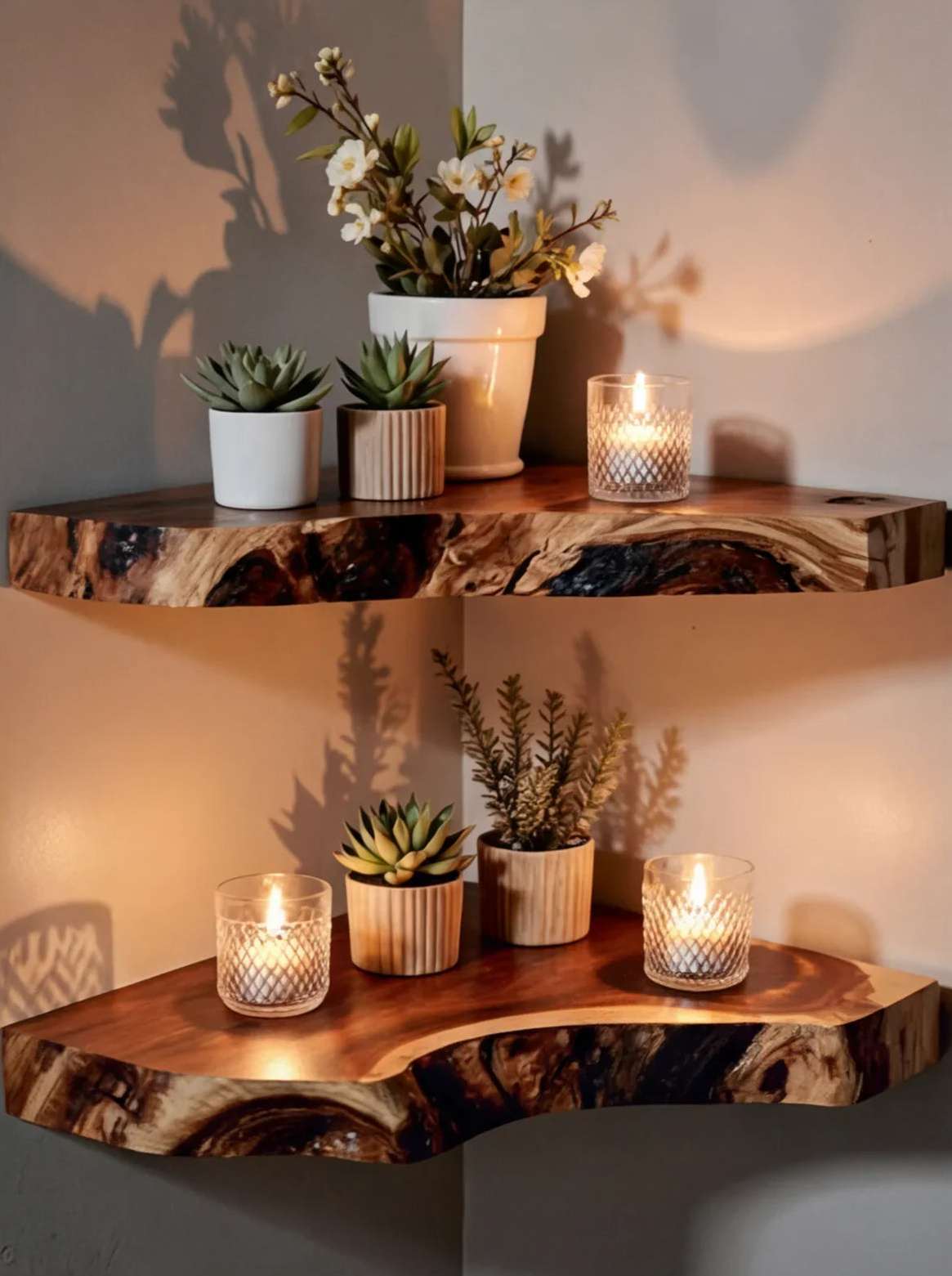
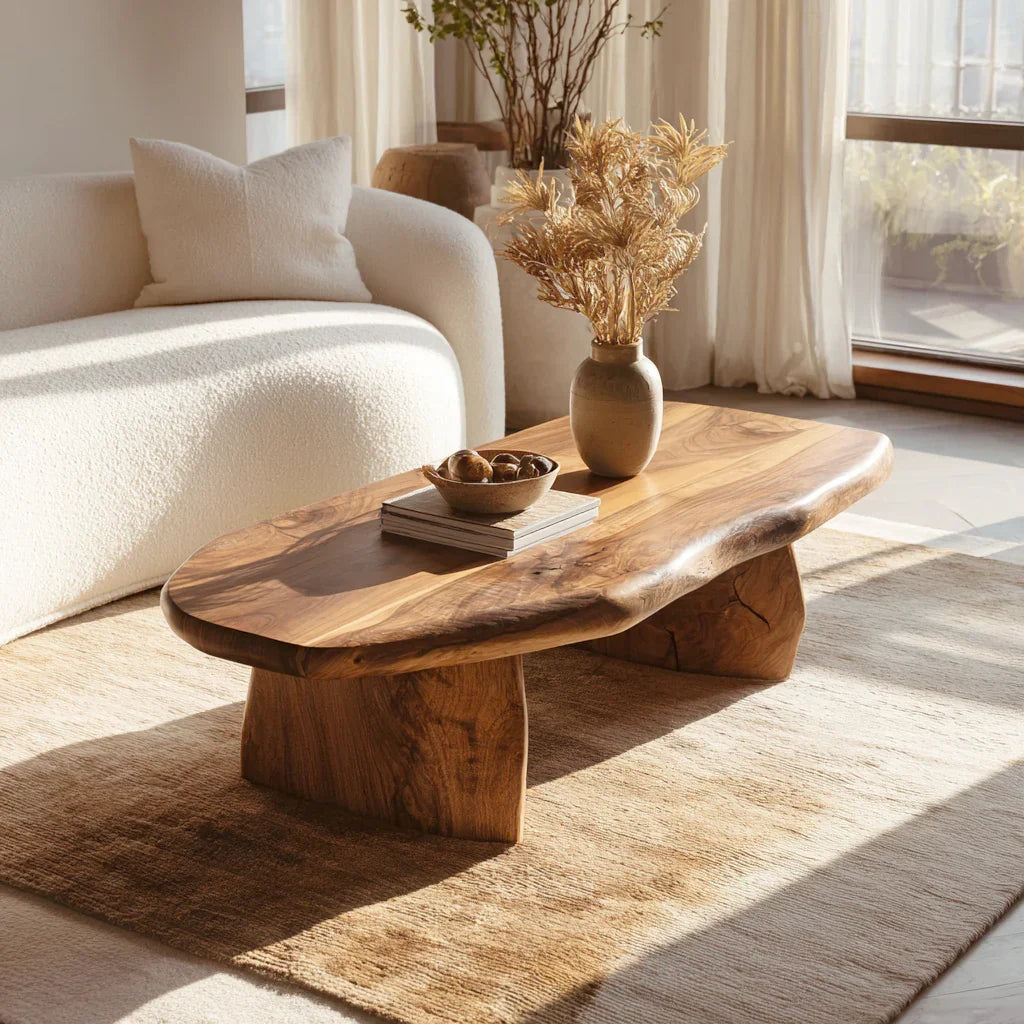
Solid Wood Organic Coffee Table - Handcrafted Live Edge Centerpiece for Living Room
Seasonal Maintenance: A Simple Calendar
Building a seasonal routine takes the guesswork out of wood furniture care. Here's a practical schedule:
Spring
- Deep clean all wood surfaces (damp cloth method described above)
- Inspect for any winter-related drying damage , check for new cracks or loose joints
- Apply conditioning treatment (oil or wax depending on finish)
- Check felt pads under furniture legs , replace any that are worn or missing
Summer
- Monitor humidity levels, especially in air-conditioned rooms that may become too dry
- Check for UV exposure , if sunlight patterns have shifted, consider repositioning furniture or adding window treatments
- Light conditioning if wood surfaces feel dry
Fall
- Another deep clean and conditioning treatment before the heating season begins
- Tighten any hardware that may have loosened during humidity changes
- Inspect and treat any scratches or wear accumulated over summer
Winter
- Run a humidifier in rooms with wood furniture
- Avoid placing furniture near radiators or heating vents
- Be extra careful with water glasses and hot mugs , always use coasters (temperature differential from hot/cold vessels causes finish damage)
- Monthly humidity checks with your hygrometer
Protecting Your Investment: Daily Habits
The most effective furniture care isn't the quarterly conditioning treatment , it's the small daily habits that prevent damage in the first place.
- Use coasters. Always. Hot drinks, cold drinks, anything with moisture. This single habit prevents 80% of surface damage.
- Use placemats and trivets. Direct heat from pots, pans, or serving dishes can permanently damage wood finishes.
- Felt pads under everything. Decorative objects, vases, lamps , anything that sits on your wood furniture should have felt pads on the bottom. They cost pennies and prevent scratches.
- Lift, don't drag. Whether it's a stack of books or the furniture itself, dragging across a wood surface creates scratches.
- Keep pets' nails trimmed. Dog and cat nails are one of the most common sources of furniture scratches.
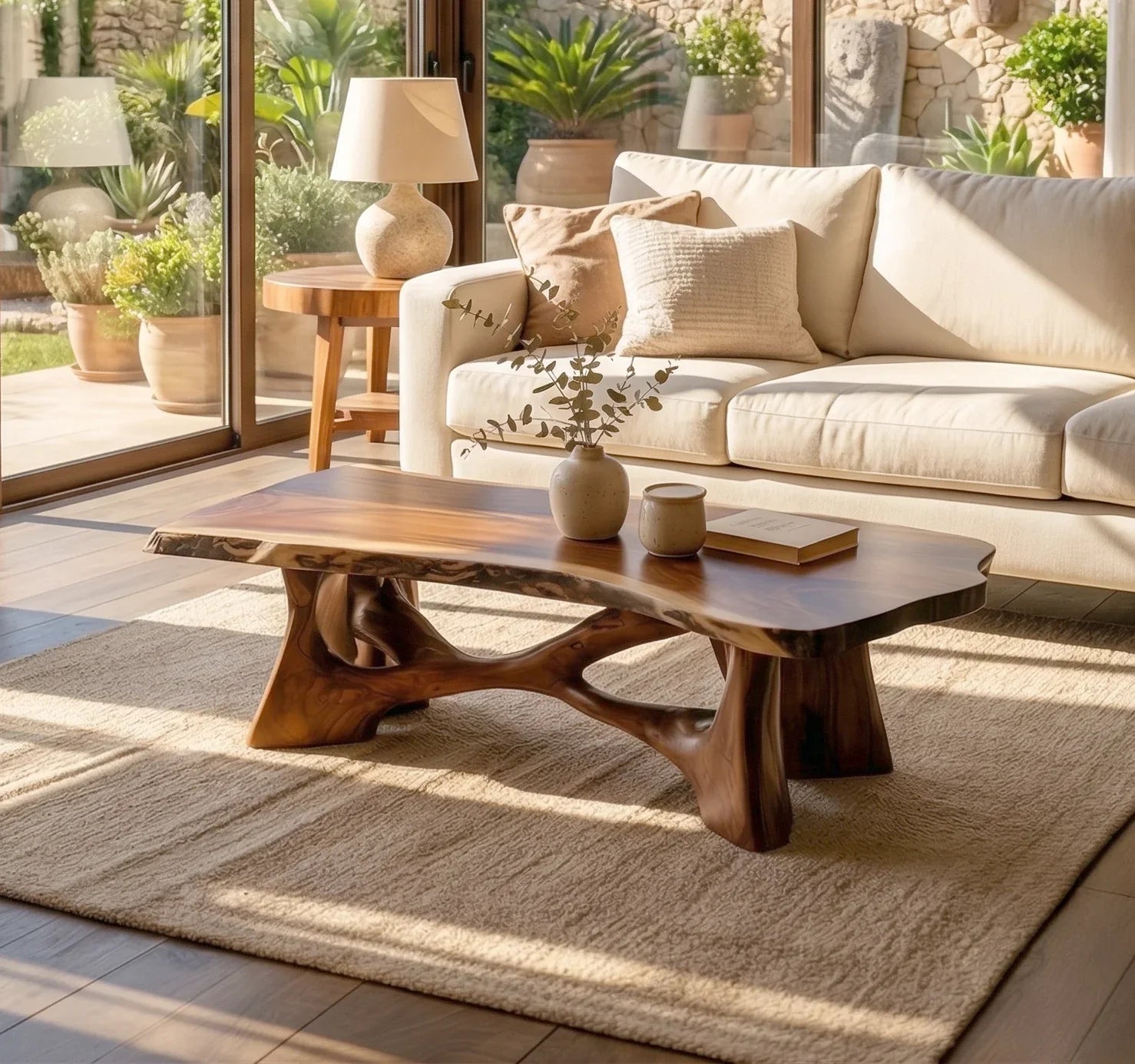
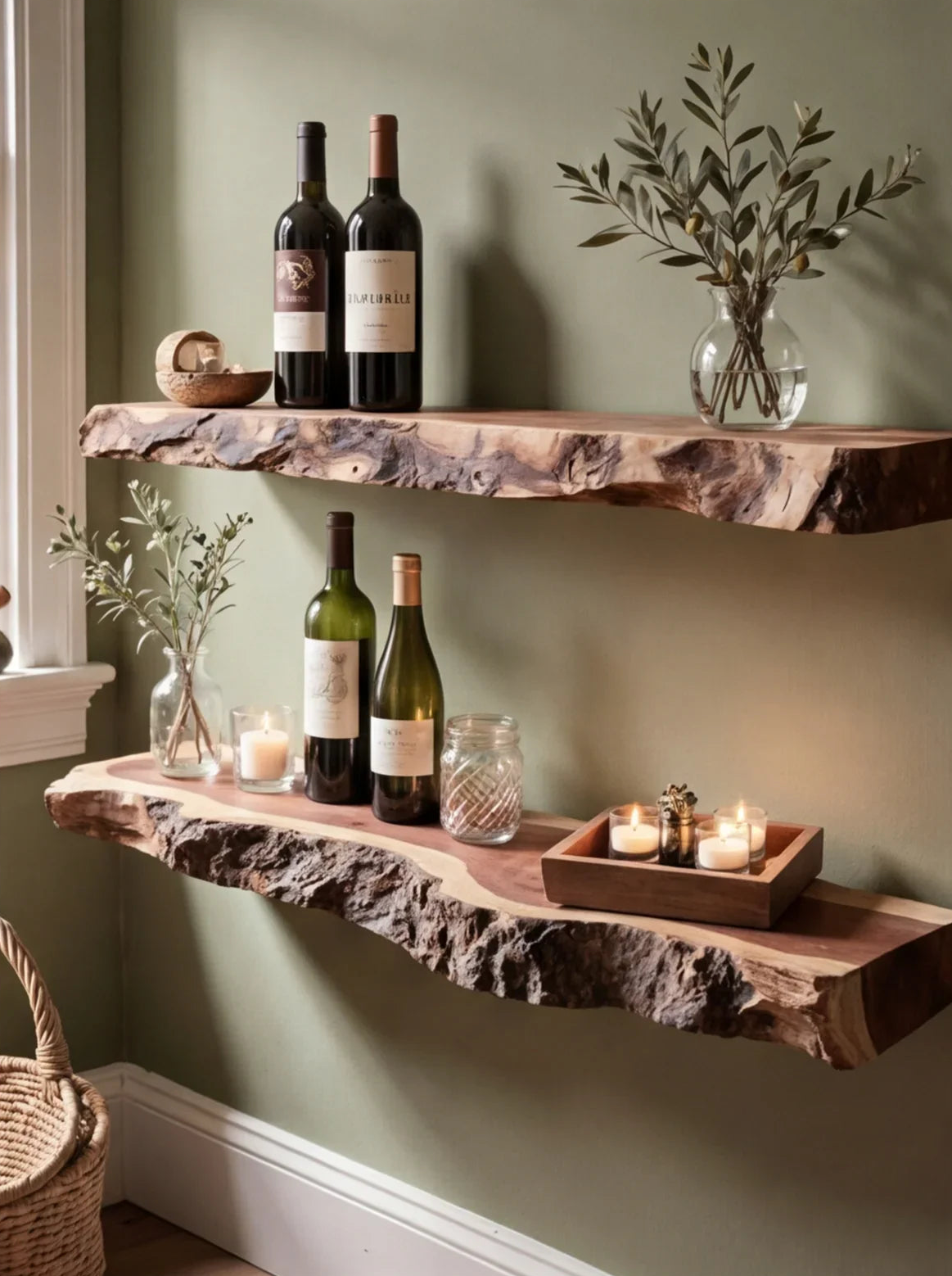
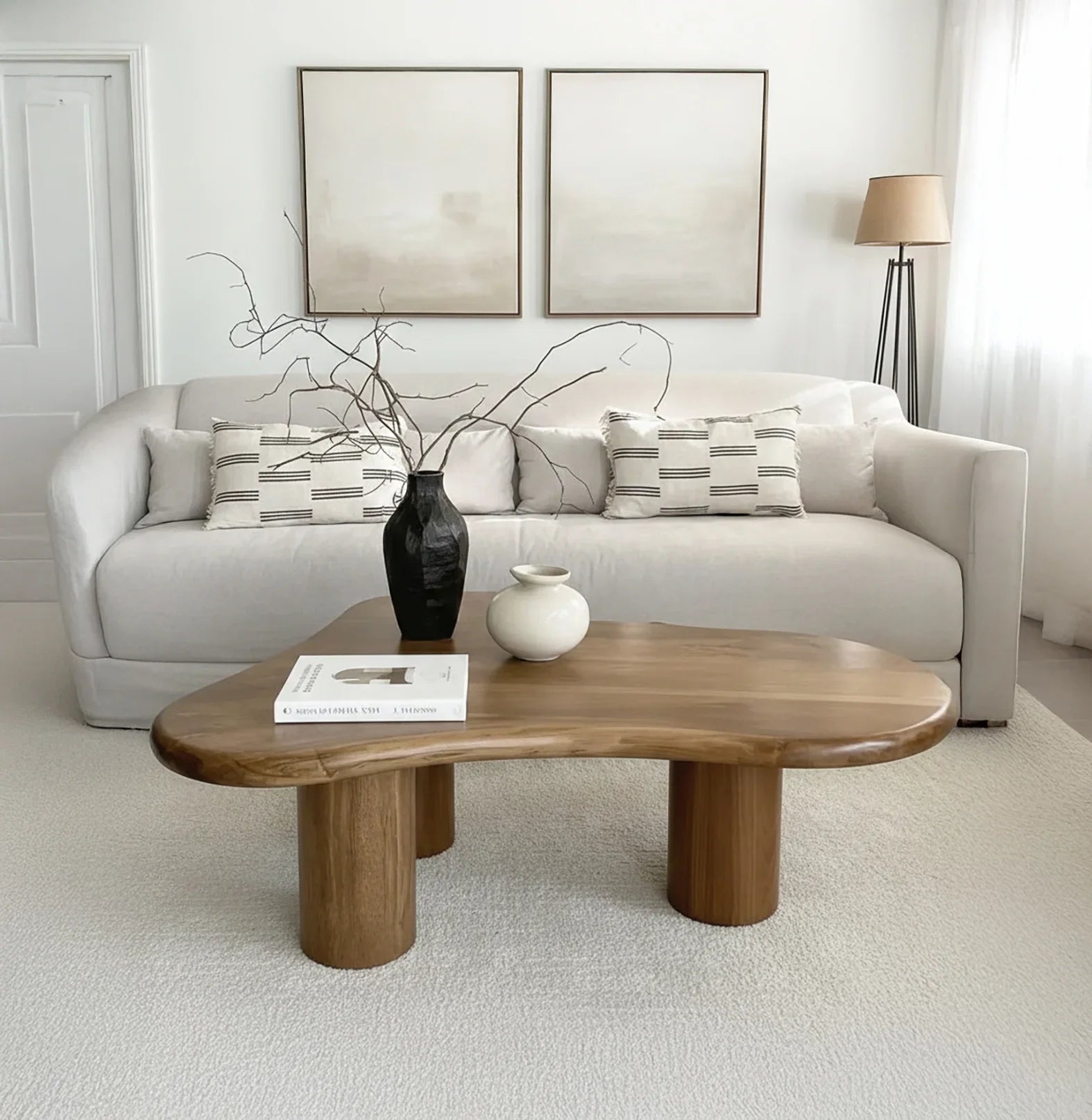
Rustic Wood Slab Live Edge Coffee Table Living Room Family Room
When to Call a Professional
Most wood furniture maintenance is straightforward enough to handle yourself. But some situations benefit from professional attention:
- Deep scratches through multiple finish layers that affect the visual appearance significantly
- Water damage staining , dark rings or blotches that have penetrated below the finish
- Structural issues , loose legs, cracked panels, or separating joints
- Complete refinishing , stripping and reapplying finish to the entire piece
- Antique or high-value pieces , where incorrect repair could reduce value
A professional furniture restorer can handle all of these issues and often bring a piece back to near-original condition. This is another advantage of solid wood , it's worth restoring. Nobody pays to professionally refinish a particleboard bookshelf.
Frequently Asked Questions
Can I use water to clean solid wood furniture?
Yes, but use it sparingly. A slightly damp cloth for wiping down surfaces is perfectly safe for finished wood. The key is "damp," not "wet" , you shouldn't see water pooling on the surface. Always dry immediately after cleaning. Standing water is what causes damage, not brief contact with moisture.
How do I remove white water rings from wood furniture?
White rings mean moisture is trapped in the finish, not the wood itself. Try placing a clean cloth over the ring and applying gentle heat with a hair dryer on medium setting for 30-60 seconds. The heat helps evaporate the trapped moisture. For stubborn rings, a paste of baking soda and non-gel toothpaste rubbed gently over the area often works. Apply your regular polish afterward.
Is it necessary to oil wood furniture that already has a lacquer finish?
No , lacquered furniture has a sealed surface that oil won't penetrate. For lacquered pieces, use a beeswax or carnauba wax polish instead. Oil treatments are specifically for oil-finished furniture where the oil soaks into the wood pores. Using oil on lacquer just creates a sticky surface film.
How do I know what finish is on my furniture?
Drop a tiny amount of water on an inconspicuous area. If it beads up and sits on the surface, you have a film finish (lacquer, polyurethane, or varnish). If it soaks in slowly and darkens the wood, you have an oil or wax finish. This determines which care products to use.
Can solid wood furniture handle central heating?
Yes, but it needs humidity management. Central heating drops indoor humidity significantly during winter months. Running a humidifier to maintain 35-50% relative humidity protects your furniture (and your skin, sinuses, and hardwood floors too). Keep furniture at least 2 feet from heating vents and radiators.
My wooden table has developed a crack along the top. Is it ruined?
Not at all , this is likely caused by extreme dryness. Small cracks along the grain are repairable with wood filler or clear epoxy. Address the humidity issue first (add a humidifier), let the wood stabilize for a few weeks, then fill the crack. For wider cracks or structural concerns, consult a furniture restorer. The crack doesn't affect the structural integrity of most table designs.
Your Wood Furniture Is Worth the Effort
Taking care of solid wood furniture isn't complicated or time-consuming. A few minutes of attention each week, quarterly conditioning, and reasonable humidity management are all it takes to keep your pieces looking great and functioning well for decades.
The beauty of investing in quality handcrafted furniture , like the solid wood coffee tables and console tables in Ashdeco's collection , is that these pieces are built from materials that respond to care. Every coat of oil you apply, every scratch you buff out, every season of proper humidity management adds up. Your furniture develops character and patina while remaining structurally sound.
That's the real difference between solid wood and disposable alternatives: solid wood rewards you for paying attention. Give it basic care, and it'll be part of your home for longer than you might imagine.