Handcrafted vs Factory Furniture: Why the Difference Matters More Than You Think
Walk into any furniture store and you'll find two very different worlds sitting side by side. On one end, mass-produced pieces churned out by machines at breakneck speed. On the other, handcrafted furniture shaped by skilled hands over days or even weeks. The price tags look different. The materials feel different. And years down the road, the way these pieces hold up tells entirely different stories.
If you've ever wondered whether handcrafted furniture is actually worth the investment - or if it's just marketing - this guide breaks down exactly what separates the two, from raw materials to construction methods to long-term value.
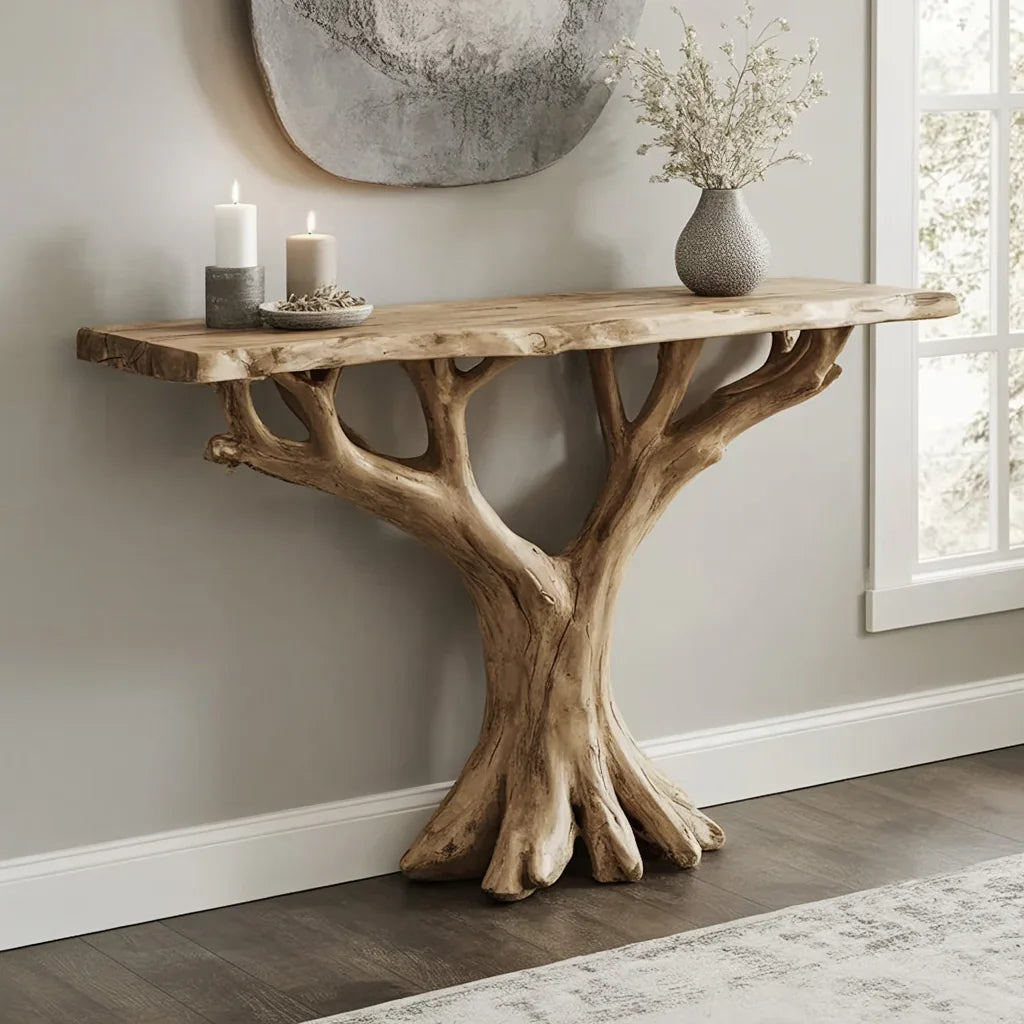
Handcrafted Live Edge Console Table – Rustic Hallway Decor
What "Handcrafted" Actually Means
The word "handcrafted" gets thrown around loosely in the furniture industry. Some brands use it to describe pieces that were merely assembled by hand after being cut by CNC machines. That's not what we're talking about here.
True handcrafted furniture involves a skilled artisan working with the wood from start to finish. They select each board, reading the grain patterns and checking for defects. They shape the wood using a combination of hand tools and carefully controlled machinery. They cut joints, test the fit, make adjustments, and assemble the piece with a level of attention that no automated production line can replicate.
In Vietnam's woodworking tradition, this kind of craftsmanship runs generations deep. Villages like Đồng Kỵ in Bắc Ninh and Liên Hà near Hanoi have been producing fine wood furniture for hundreds of years. The techniques passed down through these communities - from hand-carved details to precision mortise-and-tenon joinery - represent knowledge that simply cannot be programmed into a machine.
What Factory Furniture Actually Is
Factory-produced furniture prioritizes speed and cost efficiency above all else. The typical process looks something like this:
- Materials: Particleboard, MDF, or low-grade wood veneered with a thin decorative layer
- Cutting: Computer-controlled machines cut hundreds of identical pieces per hour
- Assembly: Cam locks, dowels, and staples hold pieces together , fast but not particularly strong
- Finishing: Spray-applied lacquer or laminate wrapping, often hiding the material underneath
There's nothing inherently wrong with this approach for certain applications. A college dorm desk doesn't need to last 50 years. But when you're furnishing a home you plan to live in long-term, the limitations of factory furniture become painfully obvious.

Material Quality: The Foundation of Everything
This is where the gap between handcrafted and factory furniture starts , and it's significant.
Handcrafted: Solid Wood Throughout
Handmade wood furniture uses solid timber as its primary material. Depending on the piece and the maker, you might see oak, walnut, ash, maple, or other hardwoods. The key characteristics:
- Structural integrity: Solid wood is strong in every direction. It can bear weight, resist impact, and handle daily use without compromising its structure.
- Natural beauty: Every board has unique grain patterns, color variations, and character marks. No two pieces are identical.
- Repairability: Scratches can be sanded out. Dents can often be steamed. Finishes can be stripped and reapplied. Solid wood gives you options when damage happens.
- Aging: Good hardwood develops a patina over time that many people find more attractive than the original finish.
Factory: Engineered and Composite Materials
Mass-produced furniture typically relies on engineered wood products:
- MDF (Medium-Density Fiberboard): Wood fibers bonded with resin and pressed into sheets. Smooth surface, but swells permanently when exposed to moisture.
- Particleboard: Wood chips and sawdust bonded together. The weakest common furniture material , screws pull out easily, edges chip, and it sags under sustained weight.
- Plywood: Layers of thin wood glued together. Actually a decent material when high-quality, but factory furniture often uses the cheapest grades.
- Veneer over composite: A thin slice of real wood (sometimes less than 1mm thick) glued onto MDF or particleboard. Looks real at first glance, but peels, chips, and can't be refinished.
Construction Methods: Where Longevity Is Built (or Isn't)
How a piece of furniture is joined together determines how long it will last under real-world use. This is arguably the most important difference between handcrafted and factory furniture.
Traditional Joinery in Handcrafted Furniture
Skilled woodworkers use joints that have been refined over centuries:
- Mortise and tenon: A projecting piece (tenon) fits into a corresponding hole (mortise). When properly cut and glued, this joint is extraordinarily strong , stronger than the wood itself in many cases.
- Dovetail joints: Interlocking wedge-shaped cuts, most commonly seen in drawer construction. A well-cut dovetail joint will hold a drawer together for decades without any hardware.
- Tongue and groove: Used for panel construction and tabletops. Allows wood to expand and contract with humidity changes without cracking or separating.
- Dowel joints: Wooden pegs align and reinforce connections between boards. Combined with quality wood glue, these joints are remarkably durable.
Vietnamese artisans are particularly known for their joinery skills. Many traditional Vietnamese furniture pieces use complex interlocking joints that require no metal hardware at all , the wood holds itself together through precise geometry and the natural properties of the timber.
Factory Assembly Methods
Speed demands simpler connections:
- Cam locks and bolts: Those Allen-key-driven connectors you find in flat-pack furniture. They work initially but loosen over time, especially if the piece is ever moved.
- Staples and brads: Used to attach backs, bottoms, and thin panels. These are the first points of failure in cheap furniture.
- Butt joints with screws: Two flat surfaces screwed together. Minimal surface area for glue, relying entirely on the screws , which often pull out of particleboard.
The Real Cost Comparison: Price Per Year of Use
Here's where the conversation gets interesting. Factory furniture is cheaper upfront , that's undeniable. But furniture cost should be measured over its useful lifespan, at the checkout counter.
Let's run some realistic numbers:
Factory Coffee Table
- Purchase price: $150
- Expected lifespan: 3-5 years before visible wear, wobbly legs, or surface damage makes it look tired
- Cost per year: $30-50
- Resale value: Essentially zero
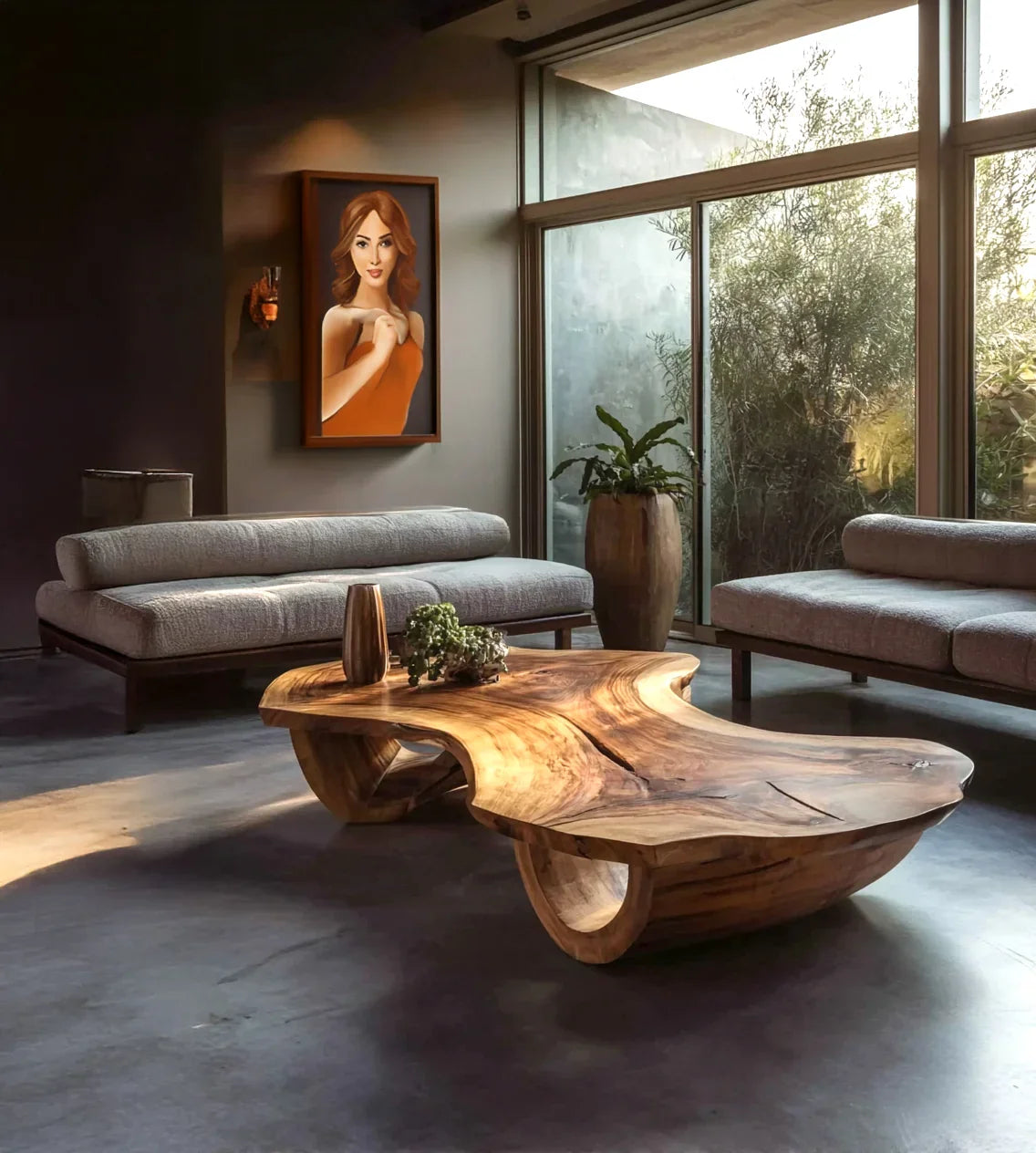
Handcrafted Solid Wood Coffee Table
- Purchase price: $500-800
- Expected lifespan: 20-50+ years with basic care
- Cost per year: $10-40
- Resale value: Solid wood furniture retains value and can often be sold for 30-50% of the original price
When you look at it this way, handcrafted furniture is often the cheaper option over time. You buy it once instead of replacing the same piece three or four times.
Environmental Impact: A Factor Worth Considering
Sustainability has become a significant factor in purchasing decisions, and the environmental comparison between handcrafted and factory furniture is worth examining.
Factory furniture contributes to waste in several ways:
- Short lifespan means more frequent replacement and more items in landfills
- Composite materials are difficult or impossible to recycle
- Formaldehyde-based adhesives in particleboard and MDF raise indoor air quality concerns
- Global shipping of flat-pack components adds significant carbon footprint
Handcrafted furniture tends to be more sustainable:
- Longer lifespan means less total material consumed over time
- Solid wood is biodegradable and recyclable
- Many artisan workshops use locally sourced timber, reducing transportation impact
- Pieces can be repaired, refinished, and passed down rather than discarded

How to Tell the Difference When Shopping
Not every retailer is transparent about their construction methods. Here are concrete ways to evaluate a piece of furniture before buying:
Check the Weight
Solid wood furniture is heavy. A real hardwood dining table should require two people to move. If you can easily lift a "wood" dresser with one hand, it's likely particleboard with a veneer or laminate surface.
Look at the Edges and Underside
Turn the piece over or look at edges that aren't normally visible. Solid wood will show consistent grain throughout. Veneer-covered particleboard will show a distinct line where the thin surface layer meets the composite core.
Examine the Joints
Open drawers and look at how they're constructed. Dovetail joints at the corners indicate quality construction. Stapled butt joints indicate mass production. Check where legs meet the body of the piece , bolted or screwed connections in factory furniture vs. integrated joints in handcrafted pieces.
Ask About the Wood Species
A reputable maker will tell you exactly what wood they use . "solid ash" or "American walnut," for example. Vague descriptions like "wood-look" or "wood composite" are red flags. If the listing says "engineered wood" or "wood-based material," that's industry language for not-actually-wood.
Check the Finish
Run your hand across the surface. Solid wood with a hand-applied finish has a distinct feel , you can often sense the grain under the finish. Laminate surfaces feel uniformly smooth and slightly plastic.
The Vietnamese Artisan Tradition: Where Ashdeco's Furniture Comes From
Vietnam has one of the richest woodworking traditions in Southeast Asia. For centuries, Vietnamese craft villages have produced furniture that combines functional design with artistic expression.
At Ashdeco, every piece is made by skilled Vietnamese artisans who bring this tradition into contemporary design. The process starts with careful selection of solid hardwood , each board is inspected for quality, grain pattern, and structural soundness. From there, the wood is shaped, joined, and finished by hand, with each step supervised by craftspeople who have spent years mastering their trade.
This approach takes more time than factory production. A single solid wood coffee table might require several days of hands-on work. But the result is a piece of furniture that feels different the moment you touch it , and continues to feel different years into ownership when it's still solid, still beautiful, and still very much part of your home.
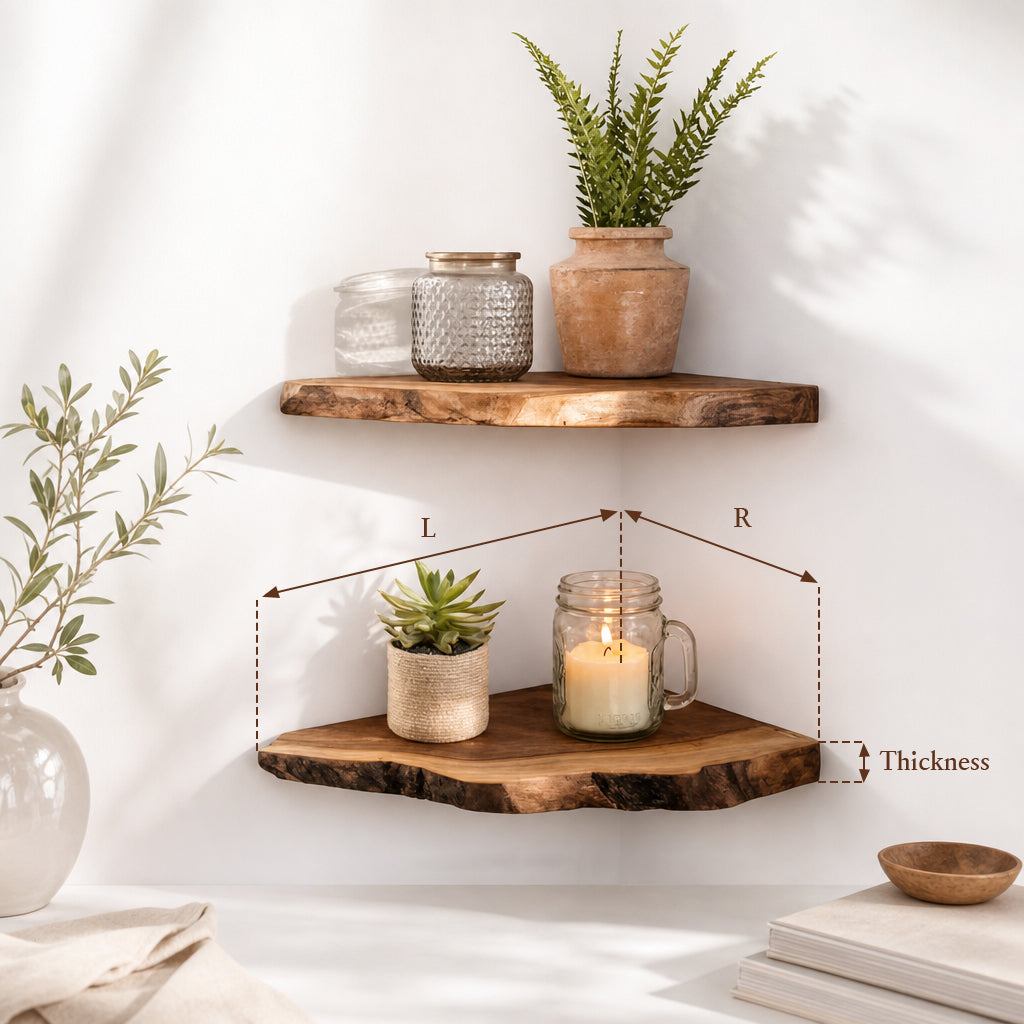
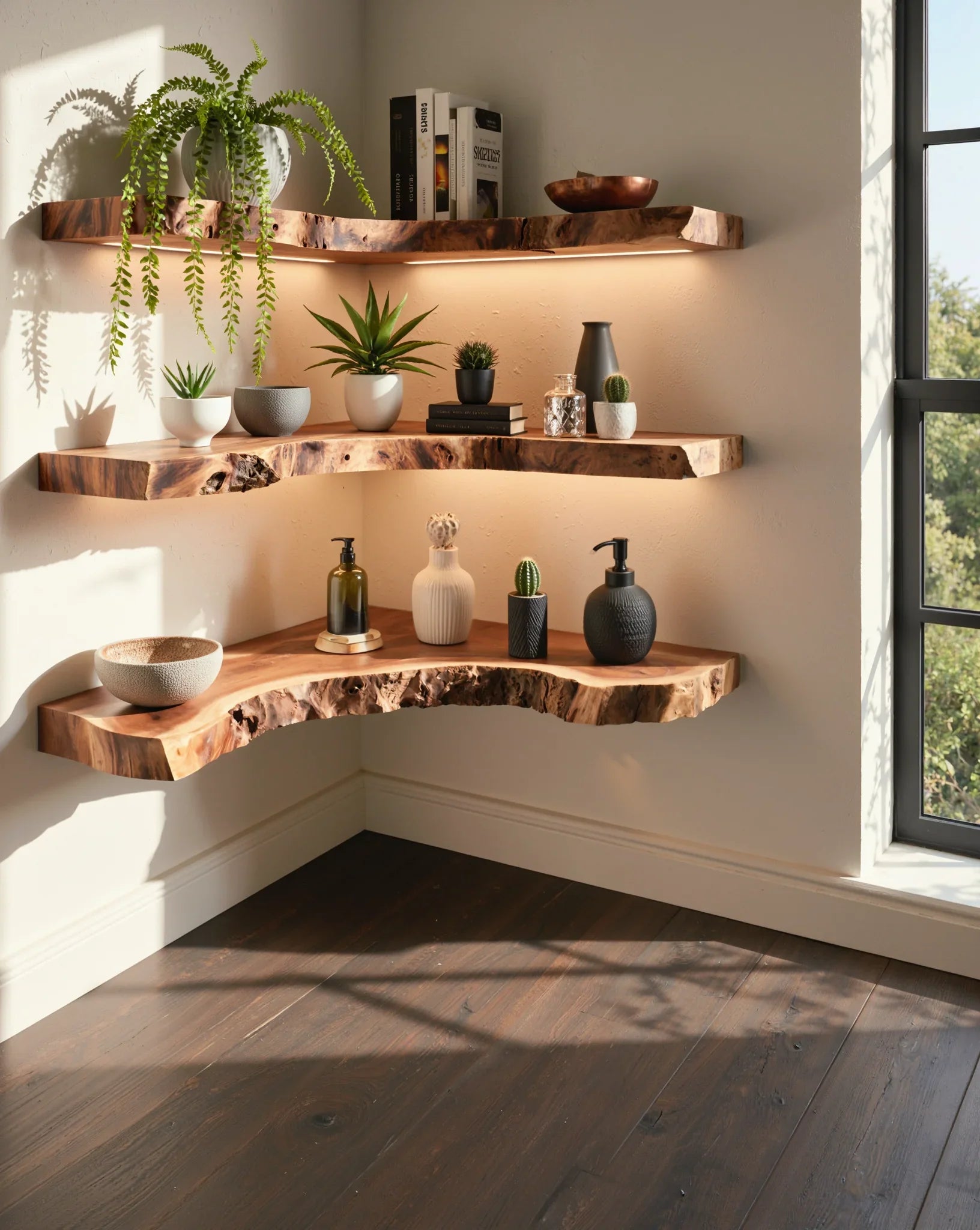
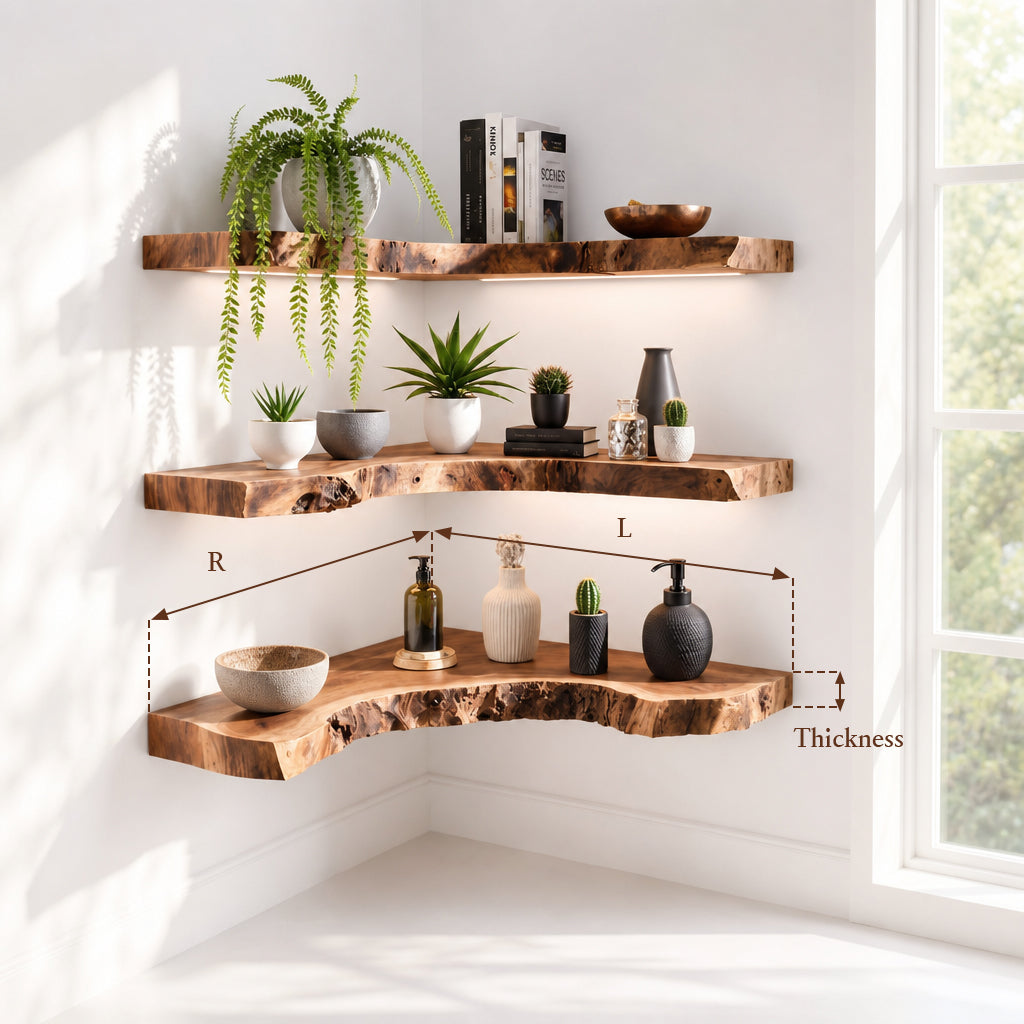
Our tree bookshelves are another example of what's possible when skilled hands work with quality materials. The organic, branch-like forms of these pieces would be nearly impossible to produce on an automated line , they require an artisan's eye for balance, proportion, and the natural characteristics of the wood.
When Factory Furniture Makes Sense
Fairness matters, so let's acknowledge when mass-produced furniture is the right choice:
- Temporary living situations: If you're moving in six months, investing in handcrafted furniture may not make sense yet.
- Children's furniture: Kids outgrow furniture quickly. A budget desk they'll use for two years doesn't need to last forever.
- Tight budgets: Sometimes the upfront cost is the only cost that matters right now, and that's completely valid.
- Specific aesthetic preferences: Some modern designs are best achieved through manufacturing processes that artisan shops don't use.
The key is making an informed decision rather than defaulting to the cheapest option without understanding what you're giving up.
Frequently Asked Questions
Is handcrafted furniture always more expensive than factory furniture?
The upfront price is typically higher, yes , usually 2-5 times more than a comparable factory-made piece. However, when you calculate cost per year of use, handcrafted furniture often costs less over time because it lasts decades rather than years. A $700 table that lasts 30 years costs about $23 per year, while a $200 table replaced every 4 years costs $50 per year.
How can I verify that furniture is genuinely handcrafted?
Look for specific details: the maker should be able to tell you the exact wood species used, the joinery methods, and ideally where and by whom the piece was made. Examine the piece for slight variations in grain, finish thickness, and joint execution , these natural inconsistencies are actually signs of hand craftsmanship. Perfectly uniform everything usually means machine-made.
Does handmade wood furniture require more maintenance than factory furniture?
Not significantly. Solid wood furniture needs occasional dusting, periodic treatment with appropriate wood oil or wax, and protection from extreme humidity swings. Factory furniture actually requires more careful handling , you can't sand out scratches in laminate, and water damage to particleboard is usually permanent and irreparable.
Can handcrafted furniture be customized?
This is one of the biggest advantages. Most artisan workshops can adjust dimensions, wood species, finish color, and design details to match your specific needs. Try asking a factory for custom dimensions , it's either impossible or costs more than the handcrafted version would.
Is all factory furniture bad quality?
No. Some manufacturers produce excellent furniture using modern methods and quality materials. The issue is with the bottom end of the market , the disposable furniture that dominates big-box retailers. The distinction isn't really hand vs. machine; it's quality materials and careful construction vs. cutting every possible corner to minimize cost.
How long does handcrafted solid wood furniture actually last?
With reasonable care, solid hardwood furniture can last 50-100+ years. Many antique furniture pieces still in use today were built 150-200 years ago using the same joinery techniques that quality makers use now. The wood itself doesn't have an expiration date , it's the construction quality that determines lifespan.
Making the Right Choice for Your Home
The furniture in your home does more than fill space. It's where you eat meals, where your kids do homework, where you set your morning coffee, where you stack your favorite books. These pieces are part of your daily life in a way that few other purchases are.
Handcrafted furniture made from solid wood by skilled artisans represents a different philosophy than factory-produced alternatives. It's an investment in quality, durability, and the kind of character that only develops when human hands shape natural materials with care and expertise.
At Ashdeco, we work directly with Vietnamese artisans to create furniture that embodies this philosophy , pieces built from solid hardwood using traditional joinery methods, designed for contemporary homes but built to last for generations. Every table, shelf, and cabinet in our collection reflects the skill and dedication of the people who made it.
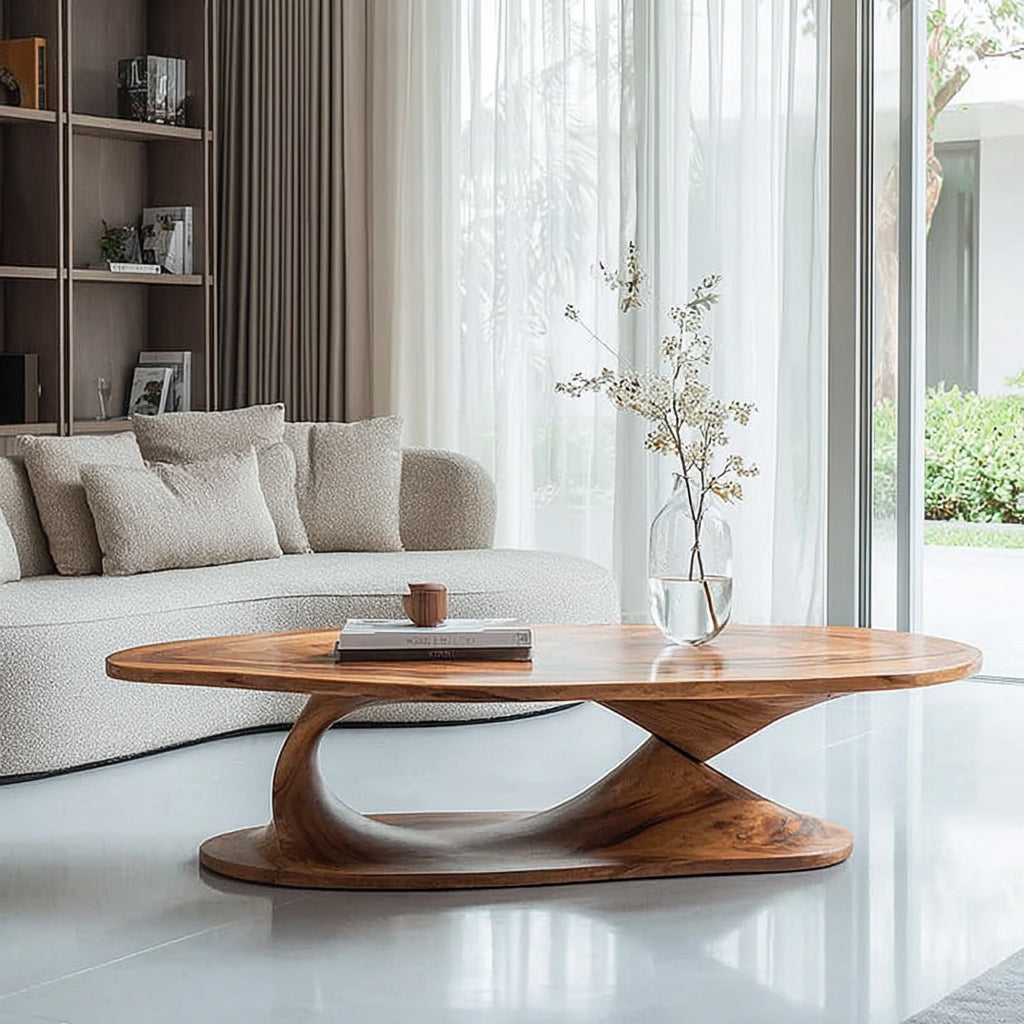
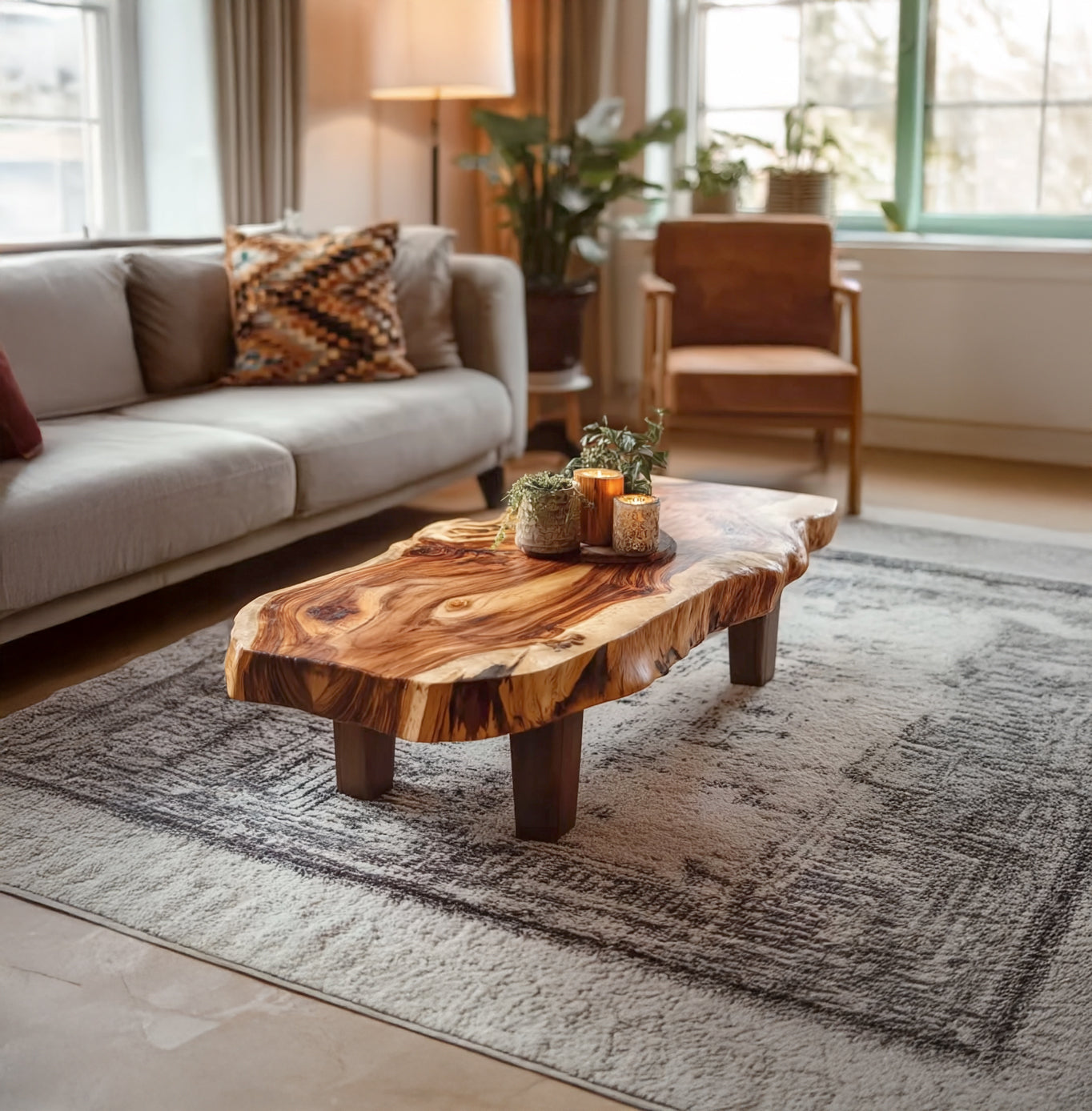
Browse our handcrafted coffee tables and tree bookshelves to see the difference that real craftsmanship makes.