
















Quick view
- A Practical Guide to the Most Common Wood Species Used in Furniture
- How Wood Hardness Affects Furniture Performance
- Oak: The Workhorse
- Walnut: The Luxury Standard
- Maple: Clean and Contemporary
- Ash: The Underrated Choice
- Cherry: Elegant Warmth
- Pine: The Budget Option
- Choosing the Right Wood for Your Furniture
- Quick Comparison Table
- How Ashdeco Selects Wood for Our Furniture
- Frequently Asked Questions
- Choose the Wood That Fits Your Life
Shop this guide
Handcrafted Trending, made to order in solid wood.
 Christmas edit
Handcrafted Live Edge Floating Bar Shelf – Rustic Solid Wood Wall Shelf for Kitchen or Bar
From $167.00
Christmas edit
Handcrafted Live Edge Floating Bar Shelf – Rustic Solid Wood Wall Shelf for Kitchen or Bar
From $167.00
 Christmas edit
Rustic Corner Wall Shelf – Natural Live Edge Wood Floating Shelf for Candles and Plants
From $176.00
Christmas edit
Rustic Corner Wall Shelf – Natural Live Edge Wood Floating Shelf for Candles and Plants
From $176.00
 Christmas edit
Rustic Live Edge Floating Vanity – Handmade Wooden Bathroom Shelf with Brackets
From $180.00
Christmas edit
Rustic Live Edge Floating Vanity – Handmade Wooden Bathroom Shelf with Brackets
From $180.00
 Christmas edit
Rustic Teak Root Wood Corner Shelf - Floating Corner Shelf Decor
From $176.00
Christmas edit
Rustic Teak Root Wood Corner Shelf - Floating Corner Shelf Decor
From $176.00
 Christmas edit
Live Edge Corner Floating Shelf – Handcrafted Solid Wood Wall Shelf
From $140.00
Christmas edit
Live Edge Corner Floating Shelf – Handcrafted Solid Wood Wall Shelf
From $140.00
 Christmas edit
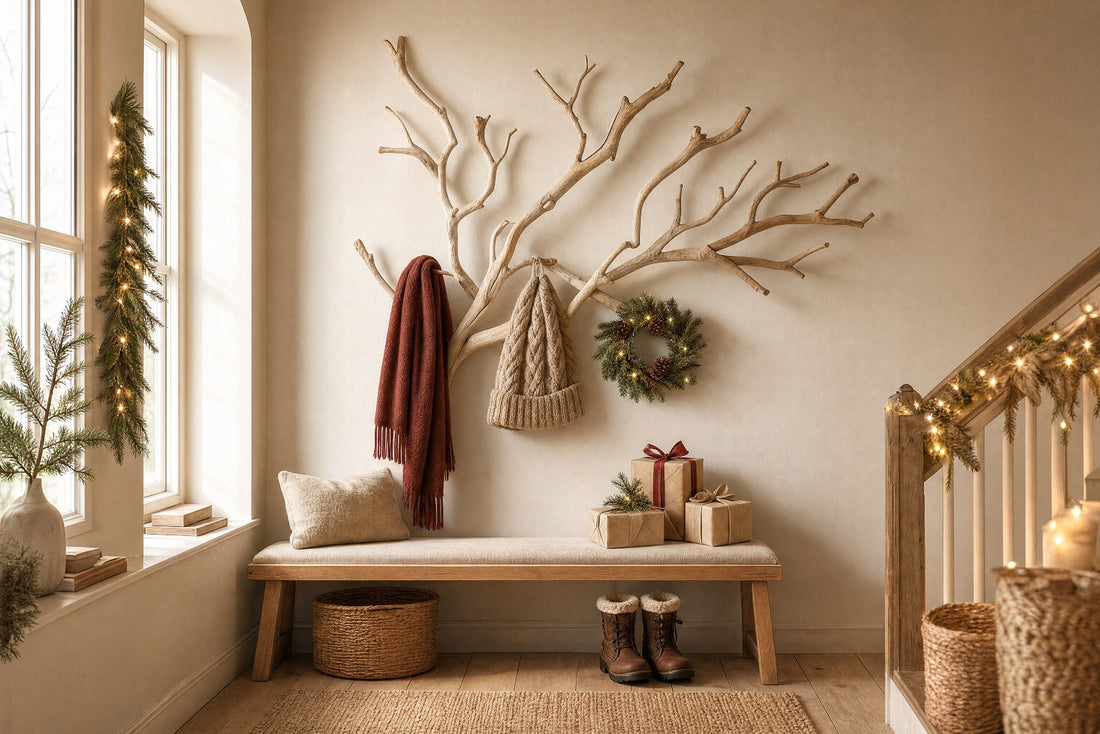
Custom Wood Coat Rack – Driftwood Wall Mount Clothes Rack with Unique Hooks
From $697.00
Christmas edit
Custom Wood Coat Rack – Driftwood Wall Mount Clothes Rack with Unique Hooks
From $697.00
A Practical Guide to the Most Common Wood Species Used in Furniture
When you're shopping for furniture - especially solid wood furniture - the species of wood matters far more than most people realize. It affects how the piece looks, how it feels, how heavy it is, how it handles wear and tear, and ultimately how long it lasts in your home.
But wood species information is scattered across woodworking forums, lumber yard catalogs, and manufacturer spec sheets that assume you already speak the language. This guide translates all of that into practical knowledge: what each major wood species looks like, how it performs as furniture, what it costs, and which types of furniture suit it best.

How Wood Hardness Affects Furniture Performance
Before diving into individual species, it helps to understand the Janka hardness scale - the standard measurement for wood hardness used in the lumber industry. The test measures the force (in pounds) required to embed a steel ball halfway into a wood sample.
Why this matters for furniture:
- Higher Janka ratings mean better resistance to dents, scratches, and everyday wear. Ideal for surfaces that take heavy use - dining tables, desks, flooring.
- Lower Janka ratings mean the wood is softer and easier to work with but more susceptible to surface damage. Better for pieces that don't take direct impact , wall shelves, decorative items, bedroom furniture.
- The sweet spot for most furniture is 1,000-1,500 lbf. Hard enough to resist daily wear, soft enough to work with hand tools and achieve fine details.


Oak: The Workhorse
White Oak
Janka Hardness: 1,360 lbf
Color: Light to medium brown with olive and golden undertones
Grain: Prominent, with distinctive ray fleck patterns (especially in quartersawn cuts)
Price Range: $$-$$$ (mid to upper-mid)
White oak is arguably the most versatile furniture wood available. It's hard enough for dining tables and desks, visually interesting enough for showcase pieces, and available in large enough quantities to keep prices reasonable.
The grain is the star here , bold and visible, with long, sweeping patterns that give each piece strong visual character. Quartersawn white oak reveals a distinctive "ray fleck" pattern that's been a hallmark of quality furniture for centuries. The Craftsman and Arts & Crafts movements of the early 1900s favored white oak specifically for this characteristic.
Best for: Dining tables, desks, bookshelves, cabinets, bed frames , nearly anything
Key advantage: White oak contains tyloses (cellular structures that block its pores), making it naturally water-resistant. This is why it's also used for whiskey barrels and boats. For furniture, this means excellent durability against spills and humidity.
Red Oak
Janka Hardness: 1,290 lbf
Color: Light pinkish-red to medium brown
Grain: Bold and open, even more prominent than white oak
Price Range: $-$$ (budget to mid)
Red oak was the dominant furniture wood in North America for decades. It's strong, readily available, and more affordable than white oak. The grain is very open and pronounced , which is either a feature or a bug depending on your aesthetic preference.
Best for: Sturdy, everyday furniture where budget matters , kitchen tables, bookshelves, storage pieces
Consideration: Red oak's bold grain doesn't take dark stains as evenly as white oak. If you want a dark walnut-look finish, white oak is a better base.
Walnut: The Luxury Standard
Janka Hardness: 1,010 lbf
Color: Rich chocolate brown with purple and gray undertones; lighter sapwood near the edges
Grain: Flowing, with occasional swirls, burls, and cathedral patterns
Price Range: $$$-$$$$ (premium)
American black walnut is the prestige wood of furniture making. Its deep brown color needs no stain , the natural color is the whole point. Good walnut has a warmth and depth that photographs don't fully capture. In person, the color shifts with the light, revealing purple, brown, and golden tones depending on the angle.
Walnut is softer than oak (1,010 vs 1,290-1,360 lbf), which means it's more prone to denting. But it's still a hardwood , we're talking about relative differences, not dramatic ones. A walnut dining table will handle normal family use without issues. It just might show more character over time than a comparable oak table.
Best for: Statement pieces , dining tables, coffee tables, headboards, credenzas, anywhere the wood is the design
Key advantage: Walnut darkens slightly and develops a richer patina with age. A 10-year-old walnut table often looks better than a new one.

Don't miss
These pieces qualify for 10% off orders over $2,000. Applied automatically at checkout.
 10% off
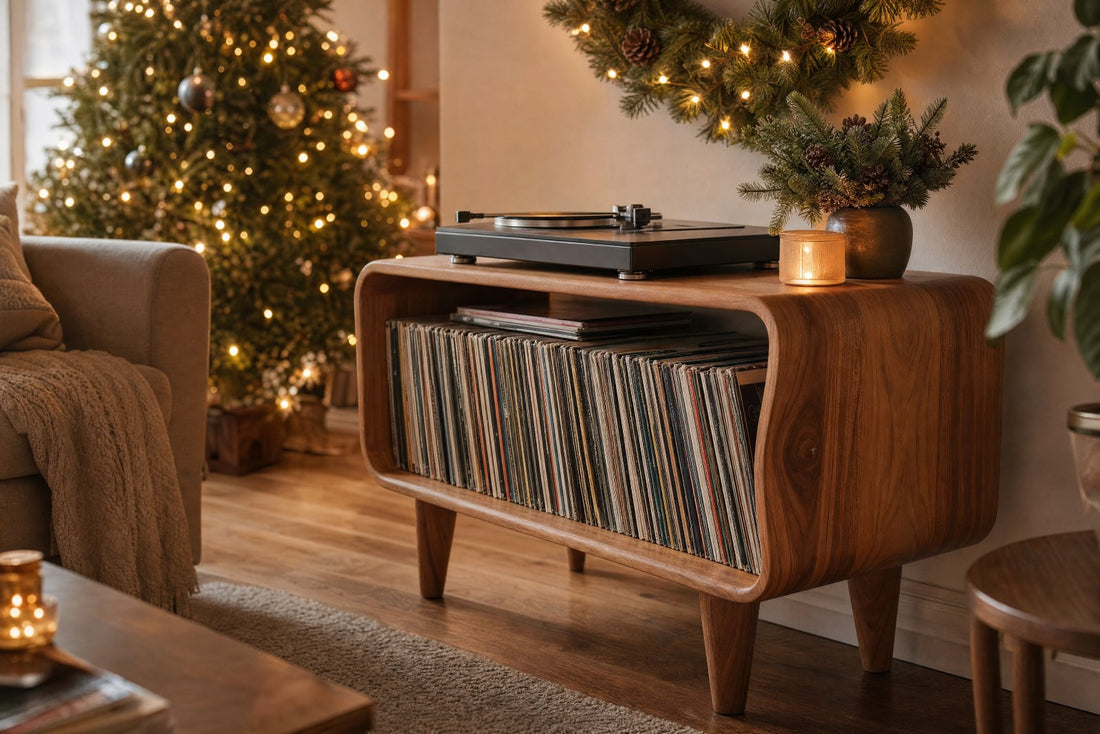
Solid Wood Turntable Stand – Rustic Record Player Cabinet with Farmhouse Storage
From $2,036.00
10% off at checkout
10% off
Solid Wood Turntable Stand – Rustic Record Player Cabinet with Farmhouse Storage
From $2,036.00
10% off at checkout
 10% off
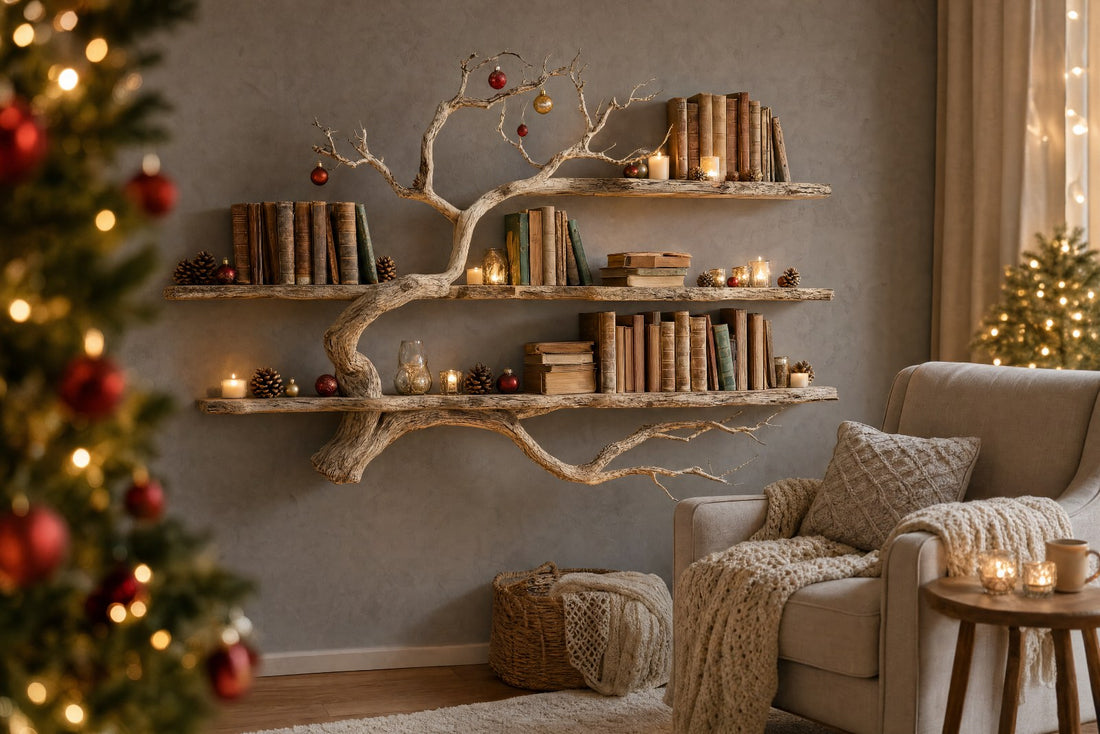
Tree Bookshelf – Rustic Wooden Book Tree Shelf, Wall-Mounted Natural Wood Décor
$2,099.00
10% off at checkout
10% off
Tree Bookshelf – Rustic Wooden Book Tree Shelf, Wall-Mounted Natural Wood Décor
$2,099.00
10% off at checkout
 10% off
Live Edge L-Shaped Desk – Handmade Solid Wood Corner Desk for Home Office
From $2,340.00
10% off at checkout
10% off
Live Edge L-Shaped Desk – Handmade Solid Wood Corner Desk for Home Office
From $2,340.00
10% off at checkout
 10% off
Handcrafted Walnut Bench – Organic Sculptural Mid-Century Design
From $2,327.00
10% off at checkout
10% off
Handcrafted Walnut Bench – Organic Sculptural Mid-Century Design
From $2,327.00
10% off at checkout
Maple: Clean and Contemporary
Hard Maple (Sugar Maple)
Janka Hardness: 1,450 lbf
Color: Creamy white to very light golden-brown
Grain: Fine, tight, and relatively uniform; occasional figuring (bird's eye, curly)
Price Range: $$-$$$ (mid to upper-mid)
Hard maple is one of the most durable domestic hardwoods for furniture. Its tight grain and high hardness make it extremely resistant to wear , there's a reason it's used for bowling lanes, basketball courts, and butcher blocks.
Aesthetically, maple is the opposite of oak and walnut. Where those woods make a statement with bold grain and rich color, maple is quiet, clean, and modern. The surface is smooth and relatively uniform, making it popular for contemporary and Scandinavian-inspired designs.
Best for: Kitchen furniture, desks, children's furniture (extremely durable), modern/minimalist designs
Key advantage: Figured maple varieties , bird's eye, curly, quilted , are among the most visually striking woods in existence. These natural patterns command premium prices and turn simple furniture into art pieces.
Soft Maple (Red Maple, Silver Maple)
Janka Hardness: 950 lbf
Color: Similar to hard maple, sometimes slightly darker
Price Range: $-$$ (budget to mid)
Despite the name, soft maple is still a hardwood , just not as hard as its sugar maple cousin. It's a popular choice for painted furniture since it's easier to work with and less expensive, while the paint eliminates the visual similarity to cheap woods.
Ash: The Underrated Choice
Janka Hardness: 1,320 lbf
Color: Light tan to medium brown, with clear distinction between heartwood and sapwood
Grain: Prominent and straight, similar to oak but slightly smoother
Price Range: $-$$ (budget to mid)
Ash doesn't get the attention it deserves in the furniture world. It's nearly as hard as white oak, takes stain beautifully, bends exceptionally well (it's the wood of choice for baseball bats and tool handles for a reason), and costs less than most comparable hardwoods.
The grain is bold and clear , think of it as oak's more refined cousin. Where oak grain can feel rustic and heavy, ash grain reads as clean and athletic. It works equally well in traditional and modern designs.
Best for: Chairs (its bending properties are unmatched), tables, shelving, any piece that benefits from strength with moderate weight
Key advantage: Ash is exceptionally shock-resistant. Furniture made from ash handles impacts (dropped objects, chair legs hitting the floor) better than almost any other domestic hardwood.
Cherry: Elegant Warmth
Janka Hardness: 950 lbf
Color: Light pinkish-brown when new, deepening to rich reddish-brown over years
Grain: Fine, smooth, with occasional pin knots and gum pockets that add character
Price Range: $$$-$$$$ (premium)
Cherry is the chameleon of furniture woods. A freshly milled cherry board looks pale and almost bland. But within months of exposure to light, it transforms , deepening to the warm, reddish-brown tone that has made it a favorite of fine furniture makers for centuries.
This color change isn't a flaw; it's a feature. A cherry dining table at six months looks noticeably different than it did at purchase, and at five years, it's developed a richness that no stain can replicate.
Best for: Bedroom furniture, formal dining sets, display cabinets, heirloom pieces
Consideration: Cherry is relatively soft compared to oak and maple. It develops a patina quickly, which includes the wear marks that many people love but some find frustrating.
Pine: The Budget Option
Janka Hardness: 380-690 lbf (varies by species)
Color: Light yellowish-white, darkening to amber with age
Grain: Visible knots, straight grain, informal character
Price Range: $ (budget)
Pine is a softwood, which puts it in a different category from everything else on this list. It's significantly softer, dents more easily, and isn't suitable for surfaces that take heavy wear.
That said, pine has its place. It's affordable, widely available, and has a casual, warm character that works well in rustic, farmhouse, and cottage styles. Pine furniture that's well-built can last decades , plenty of antique pine pieces are still in use today. The key is understanding that pine will show wear, and either embracing that character or protecting surfaces accordingly.
Best for: Bedroom furniture, storage pieces, shelving, rustic/farmhouse style, children's rooms (affordable to replace as tastes change)
Choosing the Right Wood for Your Furniture
With all these options, how do you decide? Here's a practical framework:
For Maximum Durability
Choose hard maple or white oak. Both rate above 1,300 on the Janka scale and handle heavy daily use. If you have kids, pets, or just a busy household, these woods forgive a lot.
For Visual Impact
Choose walnut or cherry. These woods are beautiful enough to be the focal point of a room without any special design treatment. The natural color and grain do the heavy lifting.
For Best Value
Choose ash or red oak. Both are strong, attractive hardwoods that cost less than walnut, cherry, or white oak. Ash in particular offers exceptional performance at a reasonable price point.
For Modern/Minimalist Aesthetics
Choose maple or ash. Their lighter tones and cleaner grain patterns complement contemporary design. They also take well to light, natural finishes that showcase the wood without overpowering a room.
For Traditional/Warm Aesthetics
Choose cherry, walnut, or white oak. The deeper tones and more expressive grain of these woods suit traditional, mid-century, and transitional interiors.

Quick Comparison Table
| Wood Species | Janka Hardness | Color | Price | Best Use |
|---|---|---|---|---|
| White Oak | 1,360 lbf | Light-medium brown | $6-12 | All-purpose |
| Red Oak | 1,290 lbf | Pinkish-red to brown | $4-8 | Budget hardwood |
| Black Walnut | 1,010 lbf | Chocolate brown | $12-20 | Statement pieces |
| Hard Maple | 1,450 lbf | Creamy white | $6-10 | High-wear, modern |
| Ash | 1,320 lbf | Light tan to brown | $4-7 | Best value |
| Cherry | 950 lbf | Pink → rich red-brown | $8-14 | Elegant, heirloom |
| Pine | 380-690 lbf | Yellow-white | $2-5 | Rustic, budget |
How Ashdeco Selects Wood for Our Furniture
At Ashdeco, our Vietnamese artisans work primarily with solid hardwoods chosen for both durability and beauty. Each piece in our collection uses wood that's been selected to match the design and function of that specific product.
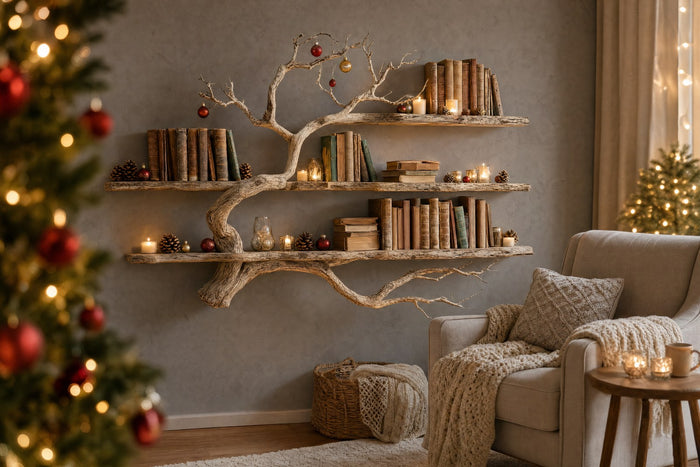
Our tree bookshelves showcase the natural character of the wood , the organic, branch-like forms highlight the grain patterns and color variations unique to each piece. No two tree bookshelves look exactly alike, because no two pieces of wood are the same.
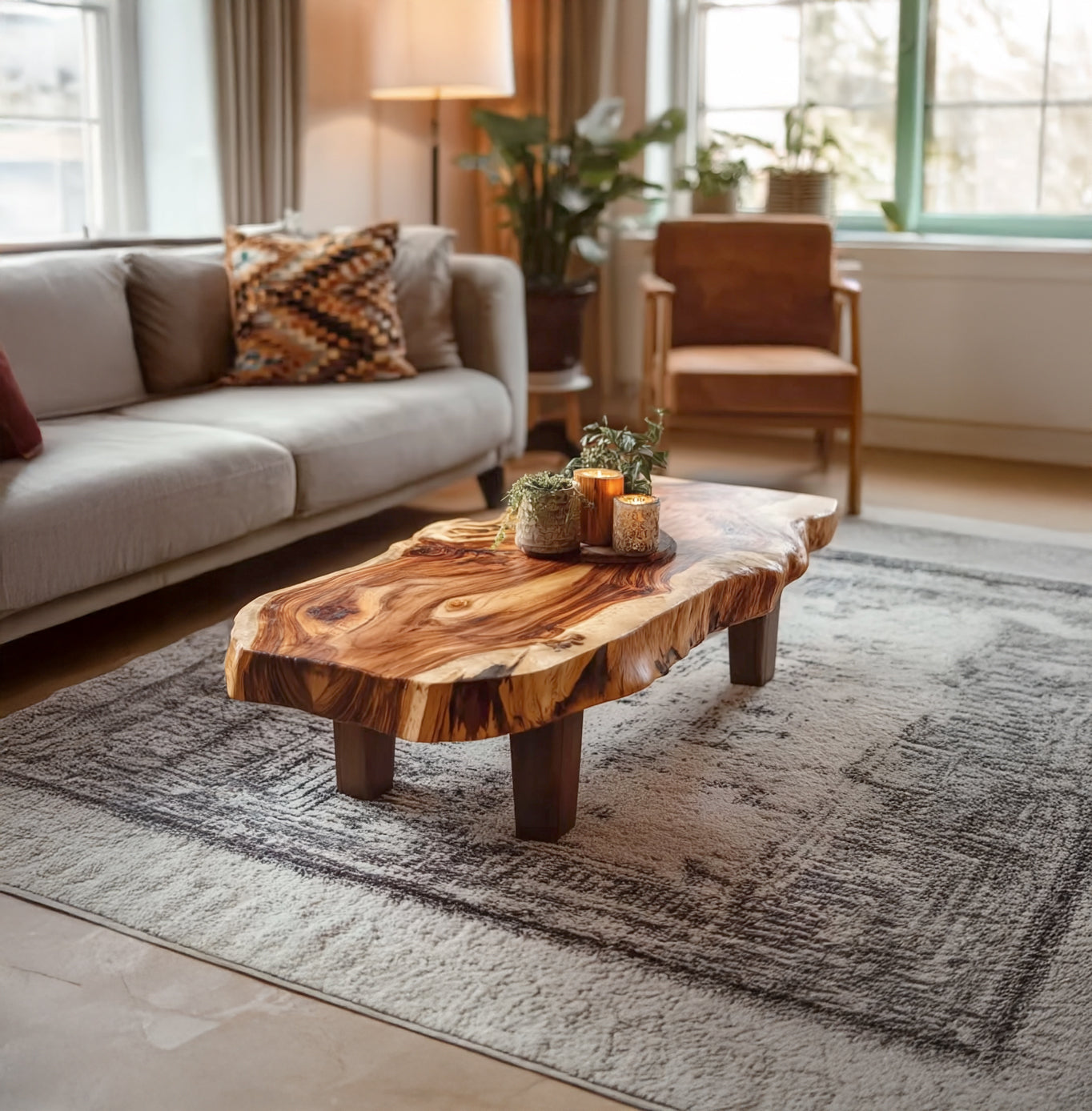
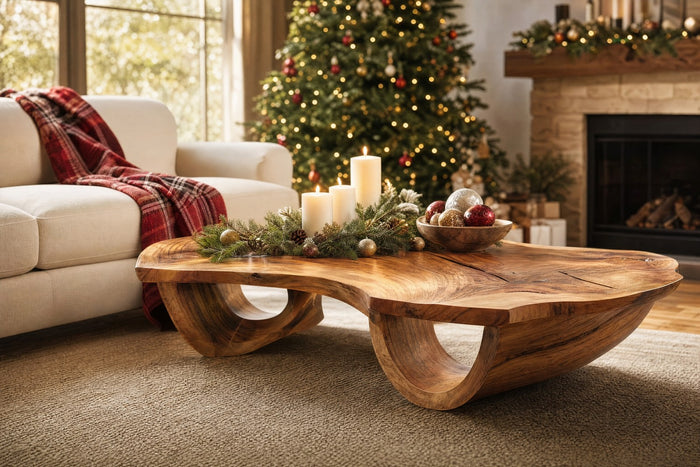
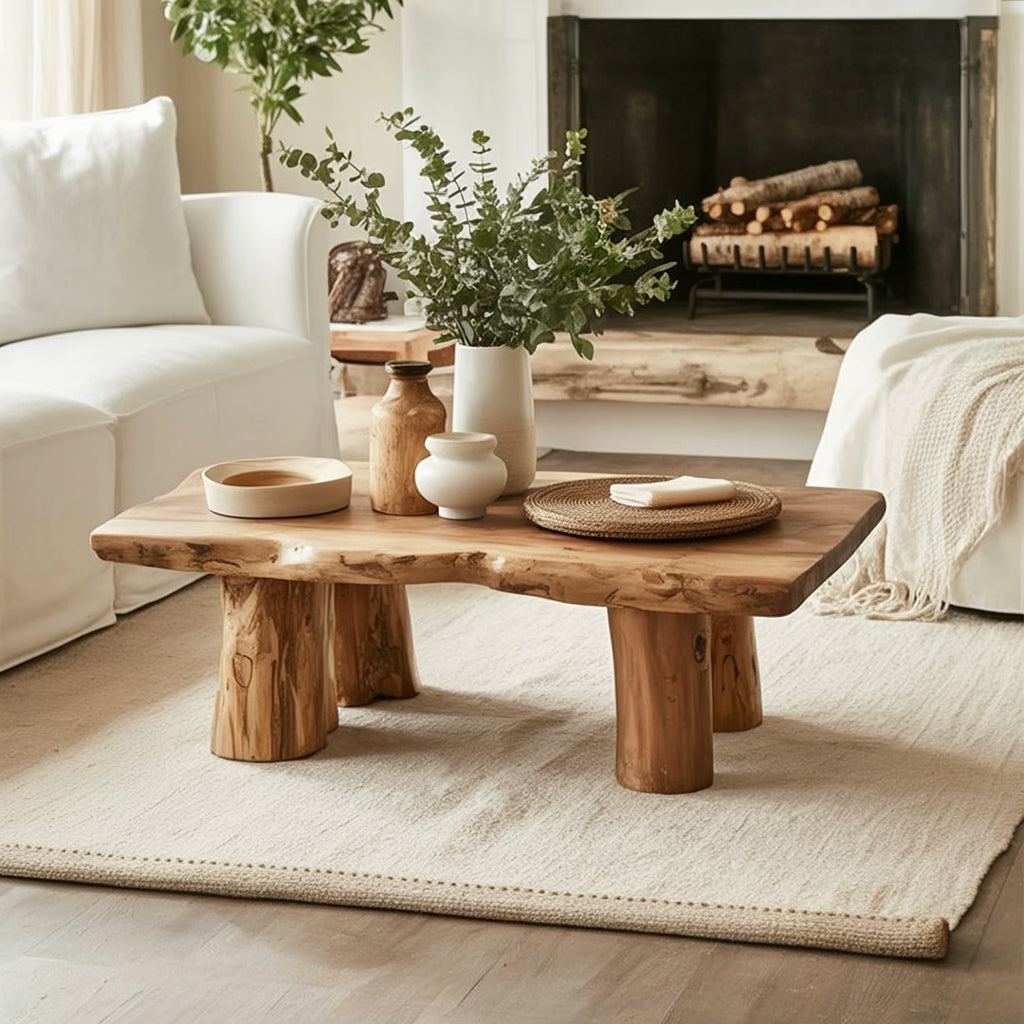
For our coffee table collection, we prioritize hardwoods that handle daily use while maintaining their visual appeal. These are surfaces that will hold coffee cups, support stacked books, and serve as the center of your living room , the wood needs to be up to the task.
Every piece is crafted from solid wood, not veneer over particleboard or MDF with a wood-look finish. When you run your hand across an Ashdeco table or shelf, you're touching real timber, shaped by skilled hands.
Frequently Asked Questions
What is the most durable wood for a dining table?
Hard maple (1,450 Janka) and white oak (1,360 Janka) are the top choices for dining tables that need to handle daily meals, homework sessions, craft projects, and everything else families throw at them. White oak has the added advantage of natural water resistance thanks to its closed-pore structure.
Is walnut too soft for everyday furniture?
No. Walnut at 1,010 Janka is softer than oak or maple, but it's still a legitimate hardwood. It handles everyday use just fine , chairs pushed against a walnut dining table, coffee cups set on a walnut coffee table, books stacked on a walnut shelf. It will develop more surface character over time than harder woods, which many people consider a positive quality.
Why does cherry furniture change color?
Cherry wood contains natural compounds that oxidize when exposed to ultraviolet light. This photochemical reaction gradually darkens the wood from its initial pale pinkish tone to the deep reddish-brown that cherry is famous for. Most of the color change happens in the first 6-12 months, then slows significantly. It's an entirely natural process and one of the things that makes cherry unique among furniture woods.
What's the best wood for a first solid wood furniture purchase?
White oak or ash offer the best combination of durability, visual appeal, and price. Both are forgiving woods that handle real-world use well, look great with natural finishes, and won't break the bank. Once you experience the difference between solid hardwood and particleboard furniture, you won't want to go back.
Can I mix different wood species in the same room?
Absolutely. Mixing woods adds visual interest and depth to a space. The key is to keep some element consistent , for example, mixing walnut and oak works well if both have similar finish tones, or if you use them in clearly different roles (dark walnut dining table with lighter oak bookshelves). Aim for contrast with intention rather than random combinations.
Does the wood species affect the price of furniture significantly?
Yes. The raw lumber cost difference between species can be substantial. Walnut and cherry typically cost 2-3 times more than oak or ash per board foot. This difference is reflected in finished furniture prices. However, the wood cost is only part of the total , labor, design, finishing, and shipping also factor in. A well-crafted ash table can easily outlast a poorly constructed walnut one.
Choose the Wood That Fits Your Life
There's no single "best" wood for furniture , only the best wood for your specific needs, aesthetic preferences, and budget. What matters most is that you're choosing solid wood in the first place. Any of the hardwoods discussed here will outperform and outlast engineered alternatives by decades.
Understand what each species offers, match it to how you'll actually use the furniture, and invest in quality craftsmanship. The wood and the maker together determine how long a piece lasts and how much you enjoy living with it.