
Sustainable Furniture Guide: What to Look For in 2026
The furniture industry has a sustainability problem. Mass production relies on cheap materials, long-distance shipping, and planned obsolescence. The average piece of disposable furniture lasts 3-7 years before it ends up in a landfill. In the U.S. alone, over 12 million tons of furniture waste reaches landfills annually - and that number keeps climbing.
But the conversation around sustainable furniture is shifting. Consumers are asking harder questions: Where does the wood come from? Who made this? How long will it last? Can it be repaired or repurposed when it wears out?
This guide cuts through the marketing noise. We'll cover what actually makes furniture sustainable, which certifications matter, how to evaluate wood sourcing, and why handcrafted furniture often outperforms mass-produced "eco-friendly" alternatives on every environmental metric.
What "Sustainable Furniture" Actually Means
Sustainability in furniture isn't a single checkbox. It's a spectrum that covers the entire lifecycle: raw material sourcing, manufacturing, transportation, useful lifespan, and end-of-life disposal.
A truly sustainable piece of furniture checks most of these boxes:
- Responsibly sourced materials. Wood from managed forests, recycled metals, natural fibers - not materials extracted through deforestation or exploitative mining.
- Low-impact manufacturing. Minimal chemical treatments, water-based finishes, efficient use of raw materials with little waste. Handcrafted production typically uses less energy than automated factory lines.
- Longevity. The most sustainable furniture is furniture you don't replace. A solid wood table that lasts 50 years beats five particleboard tables that each last 10, even if the particleboard was made from "recycled" content.
- Repairability. Can it be fixed when something breaks? Solid wood can be sanded, re-glued, refinished, and repaired indefinitely. Particleboard with a laminate finish? Once it chips or swells, it's done.
- End-of-life potential. Solid wood is biodegradable, recyclable, and can be repurposed. Composite materials containing adhesives, plastics, and chemical treatments are difficult to recycle and don't decompose cleanly.
Wood Sourcing: The Foundation of Sustainable Furniture
Wood is the primary material in most furniture, and how it's sourced determines the environmental impact of the final product.
Managed vs. unmanaged forests
Managed forests operate on a simple principle: don't harvest more than the forest can regenerate. Trees are selectively cut, new trees are planted, and biodiversity is maintained. Unmanaged harvesting - clear-cutting large areas without replanting - destroys ecosystems, contributes to carbon release, and depletes resources for future generations.
What to look for:
- Specific species identification. Reputable furniture makers tell you exactly what wood they use , walnut, oak, ash, acacia, rubberwood. Vague labels like "solid wood" or "natural hardwood" without species identification are red flags.
- Origin transparency. Where was the wood grown? Where was it milled? Where was the furniture assembled? Companies that answer these questions openly are usually doing things right.
- Plantation-grown vs. old-growth. Rubberwood, acacia, and mango wood are commonly plantation-grown , these trees mature relatively quickly and are harvested as part of agricultural cycles, making them among the most sustainable wood options available.

Certifications That Actually Matter
The sustainable furniture space is crowded with labels, seals, and certifications. Some are rigorous. Others are effectively self-awarded marketing tools. Here's what to pay attention to:
FSC (Forest Stewardship Council)
The gold standard for wood sourcing. FSC certification means the wood was harvested from forests managed according to strict environmental, social, and economic standards. Independent third-party auditors verify compliance. If a piece of furniture carries FSC certification, the wood sourcing is credible.
PEFC (Programme for the Endorsement of Forest Certification)
The world's largest forest certification system by area. PEFC endorses national certification systems rather than operating a single global standard. It's widely used in Europe and covers responsible forest management. Slightly less rigorous than FSC in some areas but still meaningful.
GREENGUARD / GREENGUARD Gold
Certifies that furniture meets strict chemical emission limits for volatile organic compounds (VOCs). Important for indoor air quality , especially for nursery furniture, bedrooms, and any enclosed living space. GREENGUARD Gold has stricter limits and is designed for sensitive environments like schools and healthcare facilities.
B Corp Certification
Company-level (not product-level) certification that measures social and environmental performance across the entire business. A B Corp furniture company has been audited on supply chain practices, worker treatment, environmental impact, and community involvement.
What to be skeptical of:
- "Eco-friendly" without specifics. Any brand can call their product eco-friendly. Without a third-party certification or detailed sourcing information, the claim is meaningless.
- "Made from recycled materials" without percentage. A product containing 5% recycled content can technically make this claim. Ask for the actual recycled content percentage.
- Self-created sustainability labels. Some companies create their own "green" seal with no external verification. If you can't find the certification on an independent third-party website, it's not a real certification.
Handcrafted vs. Mass-Produced: The Carbon Footprint Gap
This is where the numbers get interesting. Mass-produced furniture marketed as "sustainable" often has a larger carbon footprint than handcrafted alternatives , even when the raw materials are responsibly sourced.
Why mass production carries hidden environmental costs:
- Factory energy consumption. Automated furniture factories run CNC machines, conveyor systems, spray booths, and climate-controlled curing rooms. This infrastructure requires significant electricity , much of which comes from non-renewable sources in major manufacturing countries.
- Material waste. Factory production optimizes for speed, not material efficiency. Cut-off waste, defective pieces, and overproduction add up. Industry estimates suggest 15-20% material waste in mass furniture production.
- Multi-stage shipping. A typical mass-produced furniture piece moves through 3-5 shipping stages: raw material to mill, mill to component factory, factory to assembly, assembly to distribution center, distribution center to customer. Each stage burns fuel and generates emissions.
- Packaging. Mass-produced furniture uses extensive packaging , cardboard, foam, plastic wrap, pallets , to survive automated handling and long-distance shipping. Much of this packaging isn't recycled.
The handcrafted advantage:
- Lower energy input. Hand tools and small-shop power tools use a fraction of the energy of factory automation. A skilled artisan with a hand planer, chisel set, and a table saw can produce furniture with minimal electrical consumption.
- Less material waste. Artisans work with individual pieces of wood, adapting their approach to each board's grain, size, and character. They use more of each piece and waste less.
- Shorter supply chain. Handcrafted furniture often moves from workshop to customer in one or two shipping stages, reducing transportation emissions.
- Built to last. This is the biggest factor. A handcrafted solid wood table that lasts 50+ years replaces what might otherwise be 5-10 mass-produced tables over the same period. The cumulative environmental cost of repeated manufacturing, shipping, and disposal dwarfs the one-time cost of a quality piece.

Materials to Prioritize (and Avoid)
Prioritize:
- Solid hardwood. Oak, walnut, ash, maple, cherry, acacia, rubberwood. Durable, repairable, refinishable, biodegradable. The gold standard for sustainable furniture.
- Bamboo. Grows to harvest maturity in 3-5 years (vs. 20-80 years for hardwoods). Extremely strong for its weight. Processed bamboo products are widely available for shelving, flooring, and small furniture.
- Reclaimed wood. Salvaged from old buildings, barns, shipping pallets, or fallen trees. No new trees cut. Character and history built into every piece. Verify the source . "reclaimed" is sometimes used loosely.
- Natural fibers. Cotton, linen, hemp, jute, and wool for upholstery and accessories. Biodegradable and renewable. Organic versions avoid pesticide use.
- Recycled metals. Steel and aluminum for hardware, frames, and legs. Metal recycling uses 60-95% less energy than producing new metal from ore.
Avoid or minimize:
- MDF and particleboard. Made from wood fibers bound with urea-formaldehyde resins. The formaldehyde off-gasses (health concern), the material can't be repaired when damaged, and it doesn't decompose cleanly in landfills.
- PVC and vinyl. Used in edge banding and some furniture finishes. Non-biodegradable, difficult to recycle, and releases toxic chemicals when manufactured or incinerated.
- Polyurethane foam. Standard cushion fill in most upholstered furniture. Petroleum-derived, non-biodegradable, and often treated with chemical flame retardants. Natural latex, wool, or recycled foam are alternatives.
- Fast-furniture composites. Products made from mystery mixtures of compressed fibers, plastic, and adhesives. Designed to be cheap and disposable , the antithesis of sustainable.


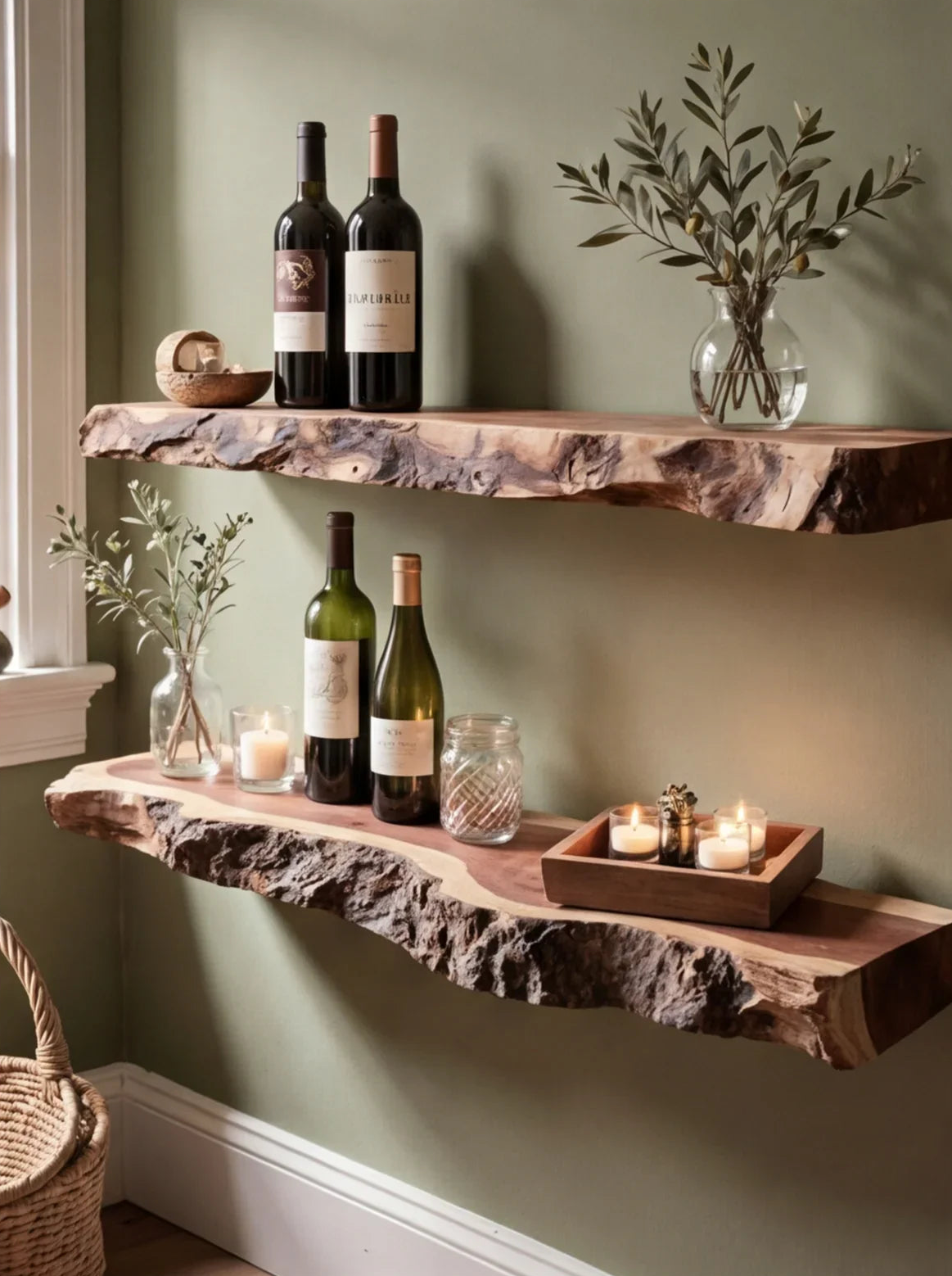
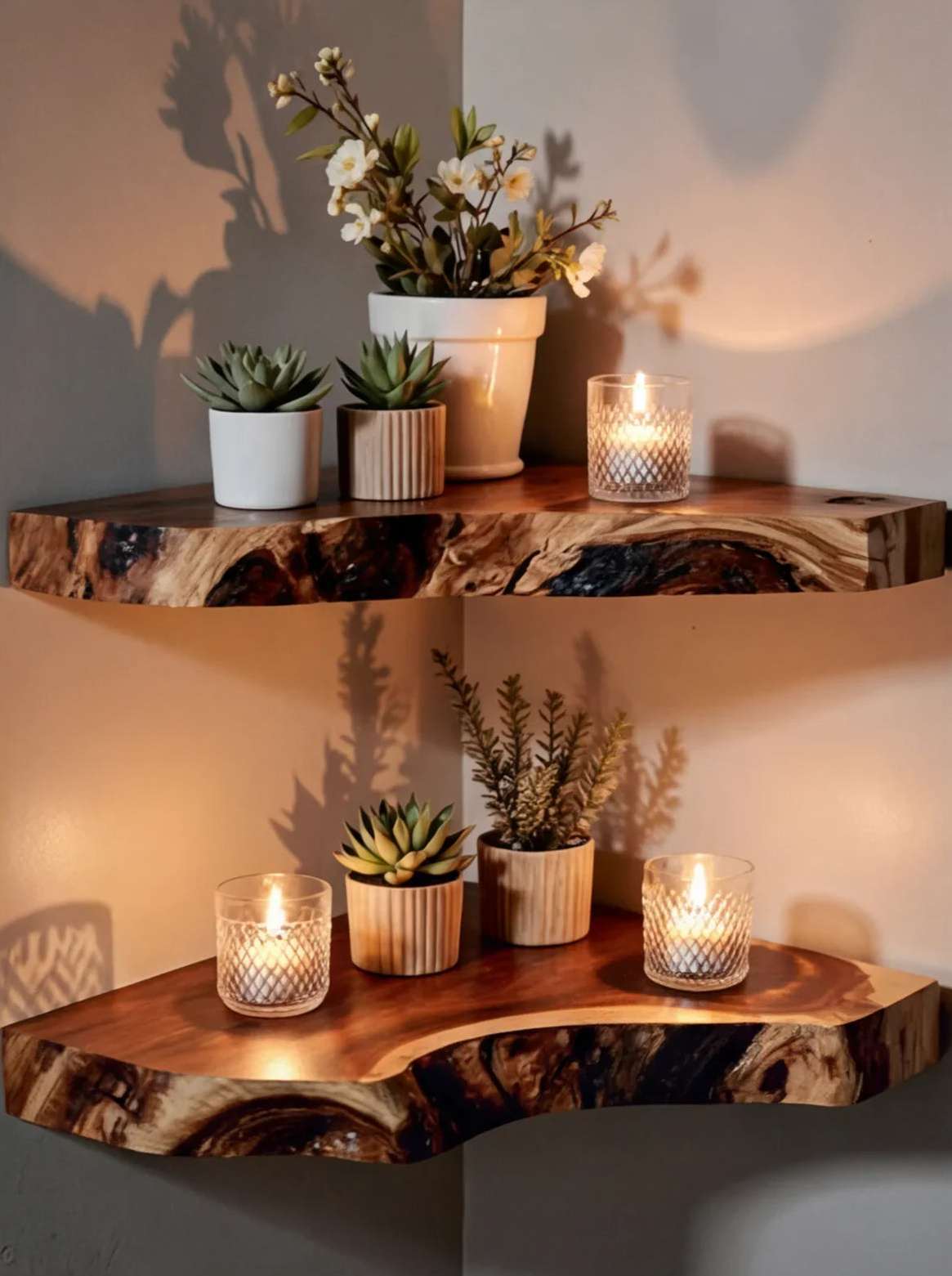
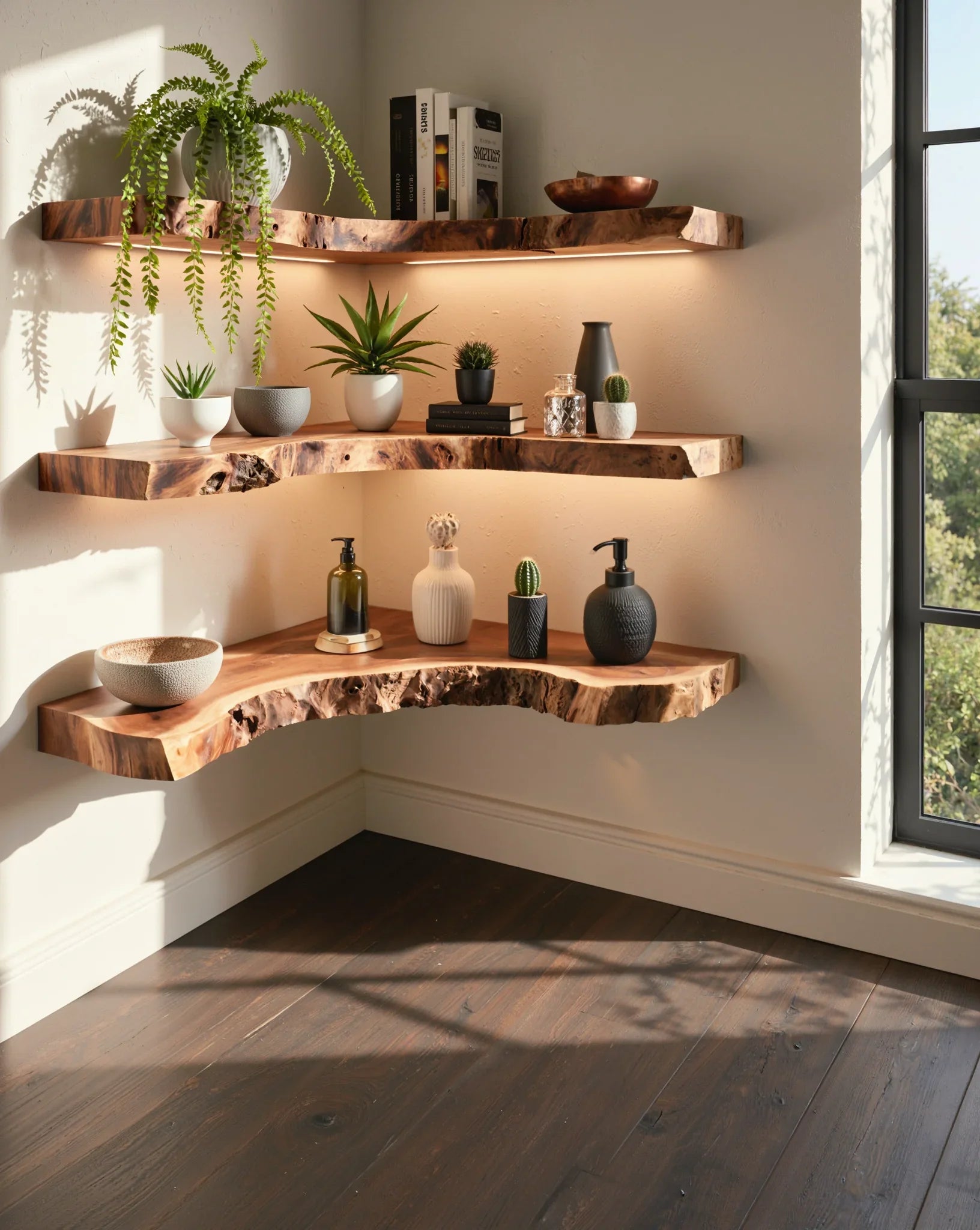
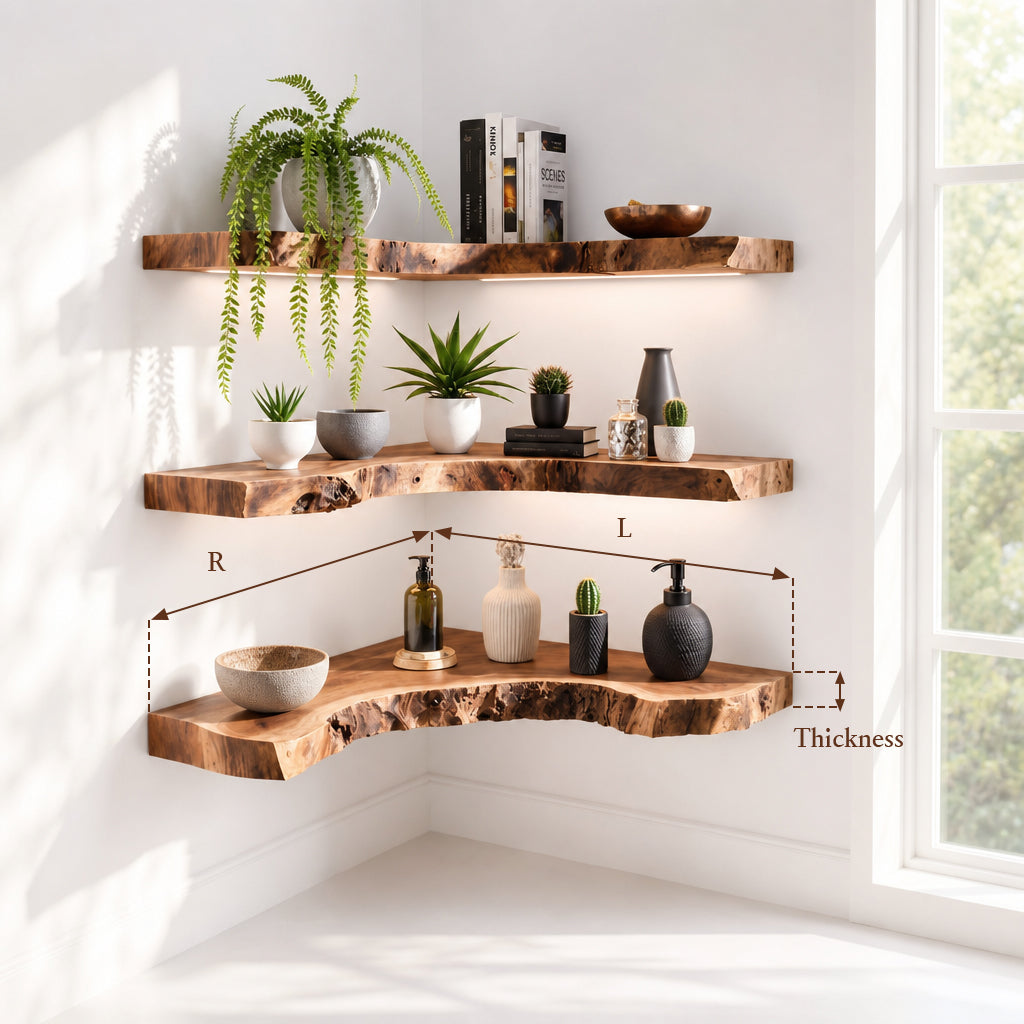
Handmade Live Edge Wooden Floating Shelves – Rustic Wall Decor
How to Evaluate a Furniture Brand's Sustainability Claims
Use this checklist before making a purchase:
- Can they name the wood species? "Solid acacia" or "white oak" is a good sign. "Premium wood" or "natural material" is evasive.
- Do they disclose where materials are sourced? Country and region of origin matter. Transparency suggests nothing to hide.
- Where is it made? Factory production in countries with lax environmental regulations is different from artisan workshops with accountable practices.
- What finish is used? Water-based stains and natural oils (tung oil, linseed oil) have lower VOC emissions than solvent-based lacquers and polyurethanes.
- What's the expected lifespan? If the brand doesn't discuss durability or offer a meaningful warranty, they're not confident it'll last.
- Do they offer repair guidance? Brands that sell truly durable products also help customers maintain and repair them. Disposable brands don't.
The True Cost of "Cheap" Furniture
A $200 bookshelf that lasts 5 years costs $40 per year. A $500 solid wood bookshelf that lasts 25 years costs $20 per year , half the price. Factor in the environmental cost of manufacturing and disposing of five cheap bookshelves versus one lasting piece, and the economics tilt even further toward quality.
This isn't about shaming anyone's budget. It's about reframing the value equation. When you can invest in a piece that lasts, the per-year cost is lower, the environmental impact is smaller, and you get something that actually looks and feels good in your home for decades.
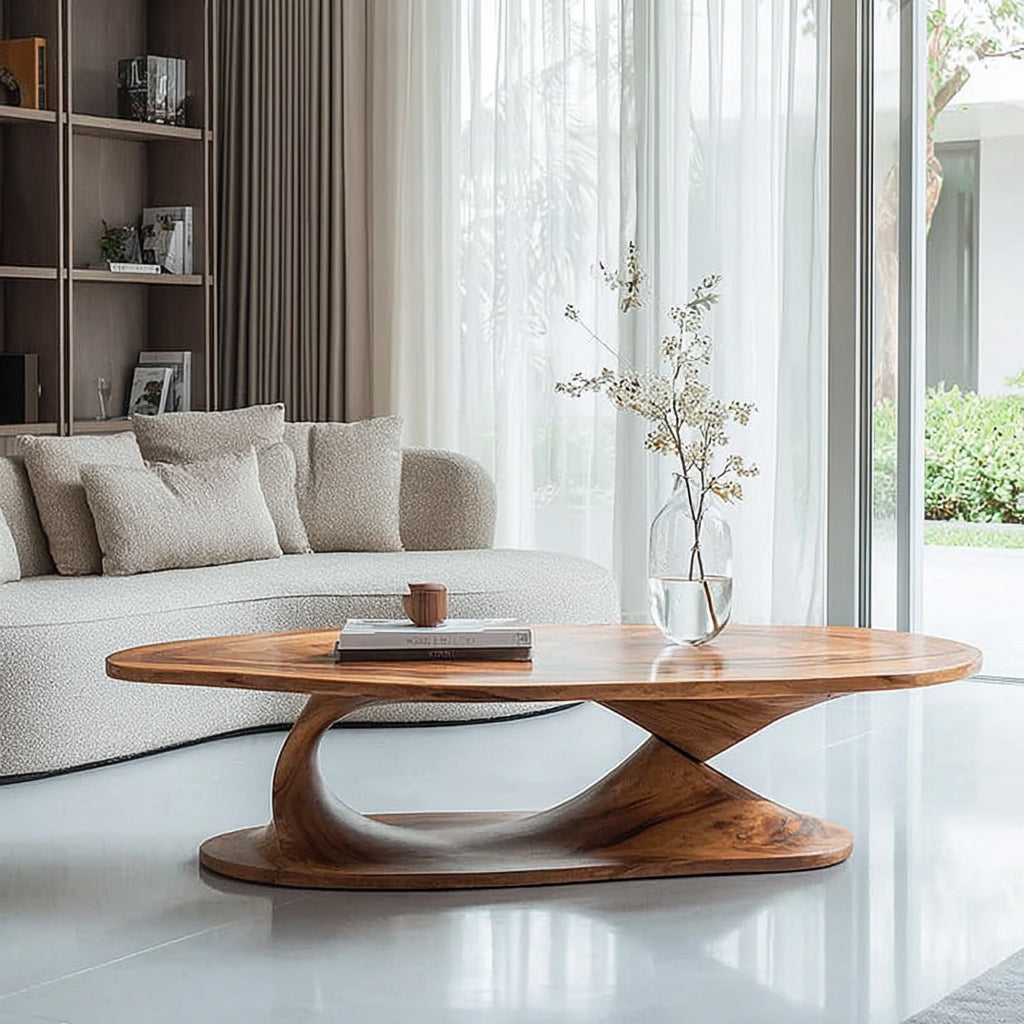
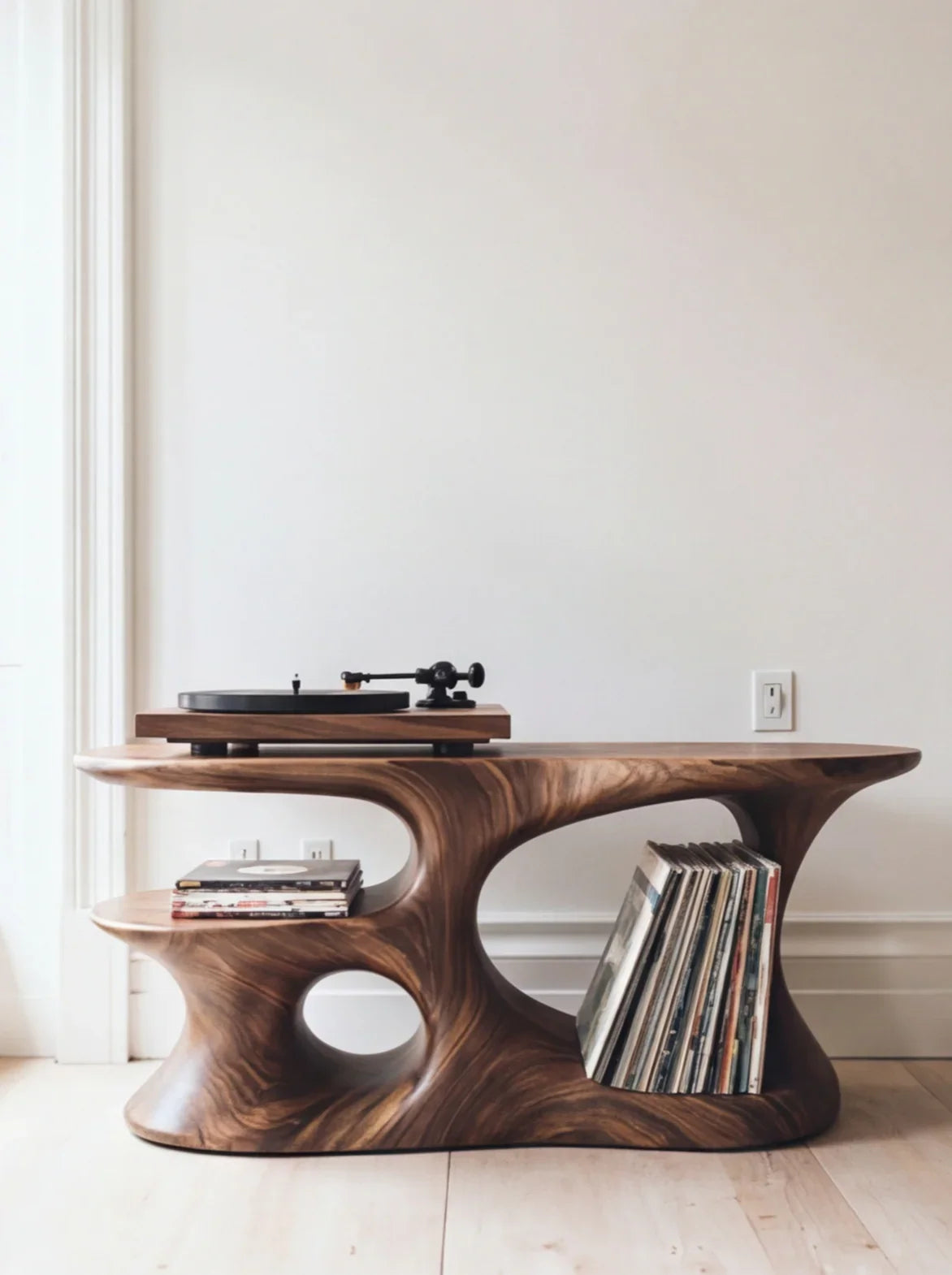
Ashdeco's tree bookshelves and coffee tables are handcrafted from solid wood by Vietnamese artisans. Each piece is built to last generations , no composite fillers, no formaldehyde adhesives, and no planned obsolescence.
Frequently Asked Questions
Is all solid wood furniture sustainable?
Not automatically. The wood source matters. Solid wood from illegally logged tropical forests is not sustainable, regardless of the material quality. Look for FSC or PEFC certification, or buy from brands that disclose their sourcing practices in detail.
Is bamboo more sustainable than hardwood?
In many cases, yes. Bamboo reaches harvest maturity in 3-5 years versus 20-80 years for most hardwoods. It regenerates from its root system without replanting. However, processing bamboo into boards requires adhesives and energy, so the final product's sustainability depends on manufacturing practices.
How do I dispose of old furniture sustainably?
In order of preference: (1) Sell or donate if it's still functional. (2) Repurpose , a damaged table can become shelving material, garden furniture, or art supplies. (3) Recycle , many municipalities have bulky-item recycling programs. (4) Landfill as last resort. Solid wood decomposes naturally; composite materials don't.
Does "handcrafted" always mean sustainable?
Not automatically, but handcrafted production tends to be more sustainable by default. Smaller batches mean less waste. Manual techniques use less energy. Artisans who work closely with their materials are more likely to use them efficiently. The biggest sustainability factor in handcrafted furniture is longevity , pieces built with care and skill simply last longer.
What certifications should I look for when buying sustainable furniture?
Start with FSC (wood sourcing) and GREENGUARD (chemical emissions). B Corp certification indicates company-wide sustainability commitment. PEFC covers forest management. These four certifications, independently or combined, provide the most reliable assurance of sustainable practices.
Are flat-pack furniture brands sustainable?
Some are making progress , using recycled materials, reducing packaging, and improving supply chain efficiency. However, flat-pack furniture is fundamentally designed for a shorter lifespan. The assembly hardware weakens with each move and reassembly, and the particleboard/MDF materials can't be refinished or repaired. For long-term sustainability, solid wood outperforms flat-pack every time.
Buy Less, Buy Better
The most sustainable furniture decision is buying something you won't need to replace. That means prioritizing materials that last (solid wood over composites), construction that can be repaired (joinery over glue-and-staple assembly), and designs that won't feel dated in five years.
If you're ready to invest in furniture that lasts, explore Ashdeco's collections , from tree bookshelves to coffee tables. Every piece is handcrafted from solid wood by skilled Vietnamese artisans who understand that sustainability starts with quality.