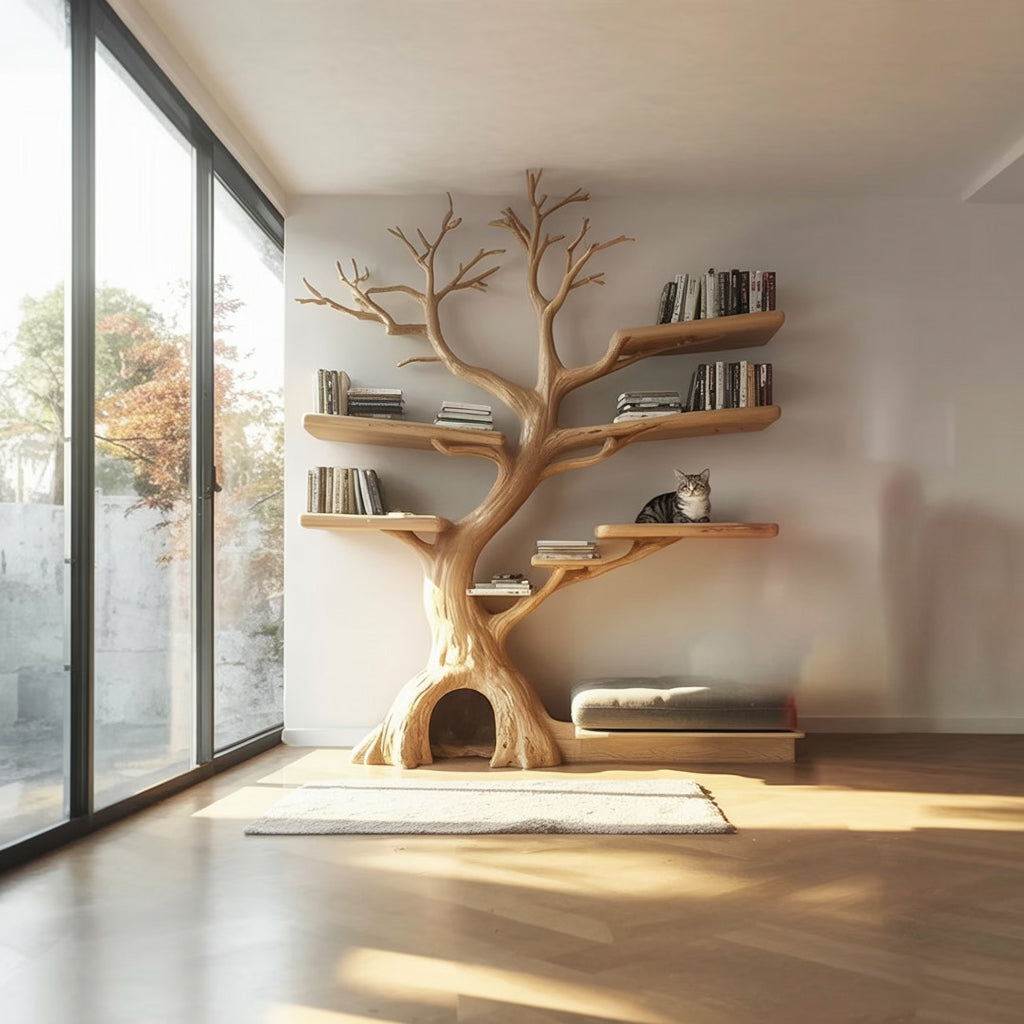
Wall-Mounted Cat Shelf: Space-Saving Climbing Solutions Your Cat Will Love
Cats climb. It's not a preference - it's a biological drive. In the wild, height means safety, vantage points for hunting, and territory. Indoor cats have that same instinct, which is why they scale your bookshelves, perch on top of the fridge, and claim the highest point in every room.
A wall-mounted cat shelf channels that climbing instinct into something intentional. Instead of cats improvising their own vertical paths (often knocking things over in the process), wall shelves give them dedicated climbing routes, resting platforms, and elevated lookout spots - all without taking up a single square foot of your floor space.
This guide covers everything you need to know about wall-mounted cat shelves: planning climbing paths, installation considerations, weight capacity, and creating a cat-friendly home that still looks good to the humans who live there.
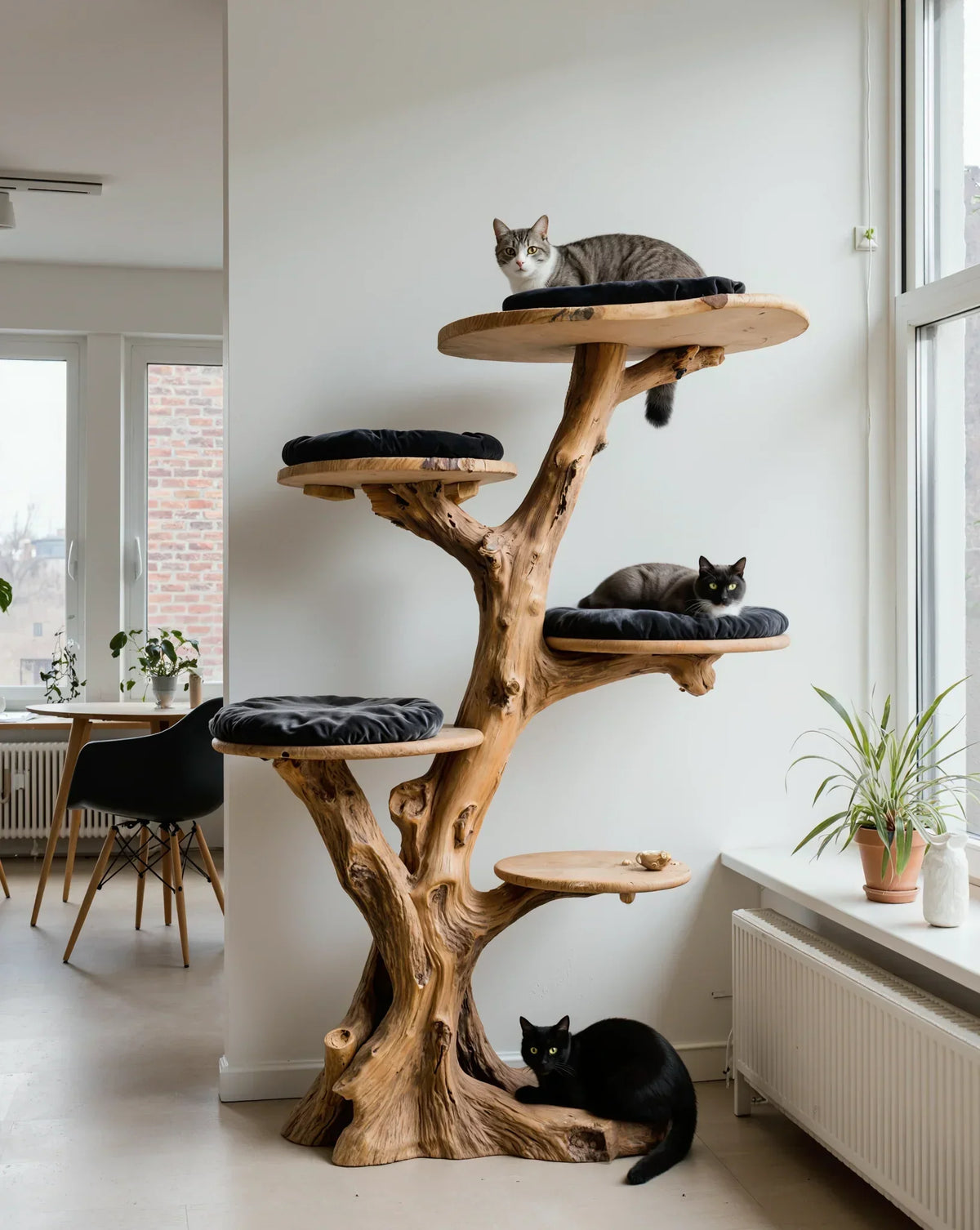
Why Wall-Mounted Shelves Beat Traditional Cat Trees
Traditional cat trees have their place, but they come with compromises. They occupy 2-4 square feet of floor space - significant in apartments. They're covered in carpet that collects hair, traps odors, and can't be easily cleaned. And let's be honest: most cat trees are eyesores that clash with every other piece of furniture in the room.
Wall-mounted cat shelves solve these problems:
- Zero floor footprint. Everything is on the wall, leaving your floor space open for furniture, walking paths, and cleaning.
- Height advantage. Wall shelves can reach higher than any floor-standing cat tree, giving cats the elevated positions they naturally prefer. Cats feel more secure at heights of 5-6 feet, which wall shelves achieve easily.
- Customizable layout. You choose the path, the spacing, and the arrangement. Unlike a pre-built cat tree with fixed positions, wall shelves can be configured to fit any wall size and room layout.
- Better aesthetics. Solid wood cat shelves look like intentional home decor, not like a carpet-covered tower you're hiding in a corner.
- Easier to clean. Wood surfaces wipe down quickly. No carpet fibers to vacuum or replace when they get matted and stained.
Planning Climbing Paths: Thinking Like Your Cat
The key to a successful wall-mounted cat shelf system is designing it from your cat's perspective. Cats don't just want a platform to sit on - they want a route to get there.
The Step Pattern
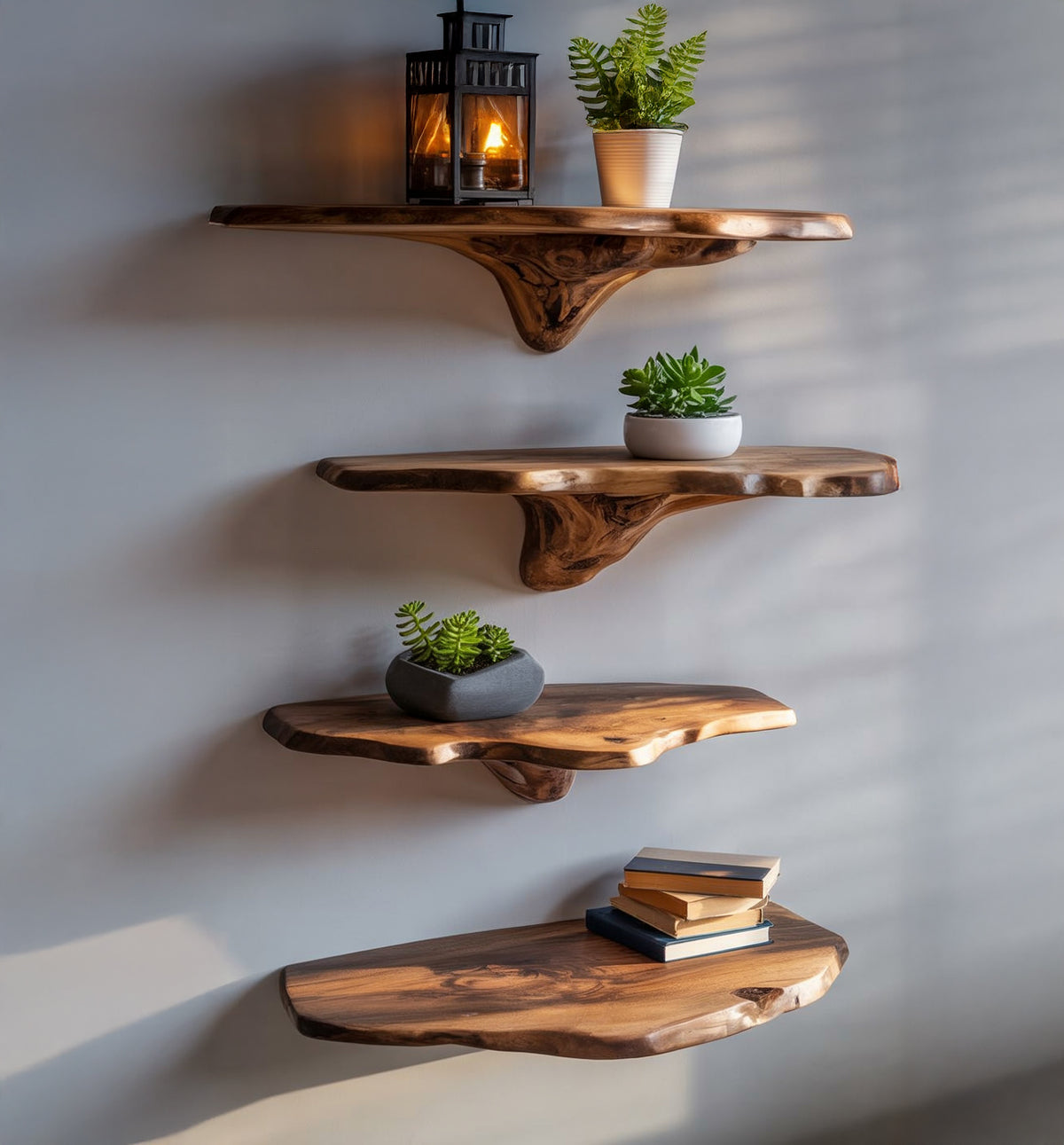
The simplest climbing path is a staircase pattern: shelves staggered diagonally up the wall, each one 12-16 inches higher and 12-18 inches to the side of the one below. This gives cats an easy, intuitive path upward with each shelf serving as both a step and a potential resting spot.
For most cats, vertical gaps of 12-16 inches between steps are comfortable. Kittens and senior cats do better with 10-12 inch gaps, while athletic breeds (Bengals, Abyssinians) can handle up to 18 inches.
The Loop Circuit
More advanced setups create a loop: up one side of the wall, across the top, and down the other side. This gives cats a complete circuit they can traverse without needing to backtrack. Loops are especially valuable in multi-cat households because they prevent territorial bottlenecks , no cat gets "trapped" at a dead end by a dominant cat.
Window Connections
If possible, route the climbing path to end near a window. Cats spend hours watching outdoor activity, and a shelf positioned beside a window becomes a premium lounging spot. The window view gives cats mental stimulation that reduces boredom-related behavior problems.
Room-to-Room Routes
In open floor plans, wall shelves can create elevated highways between rooms , across doorway openings or along shared walls. This gives cats territory that exists entirely above human head height, maximizing the usable space in your home for both species.
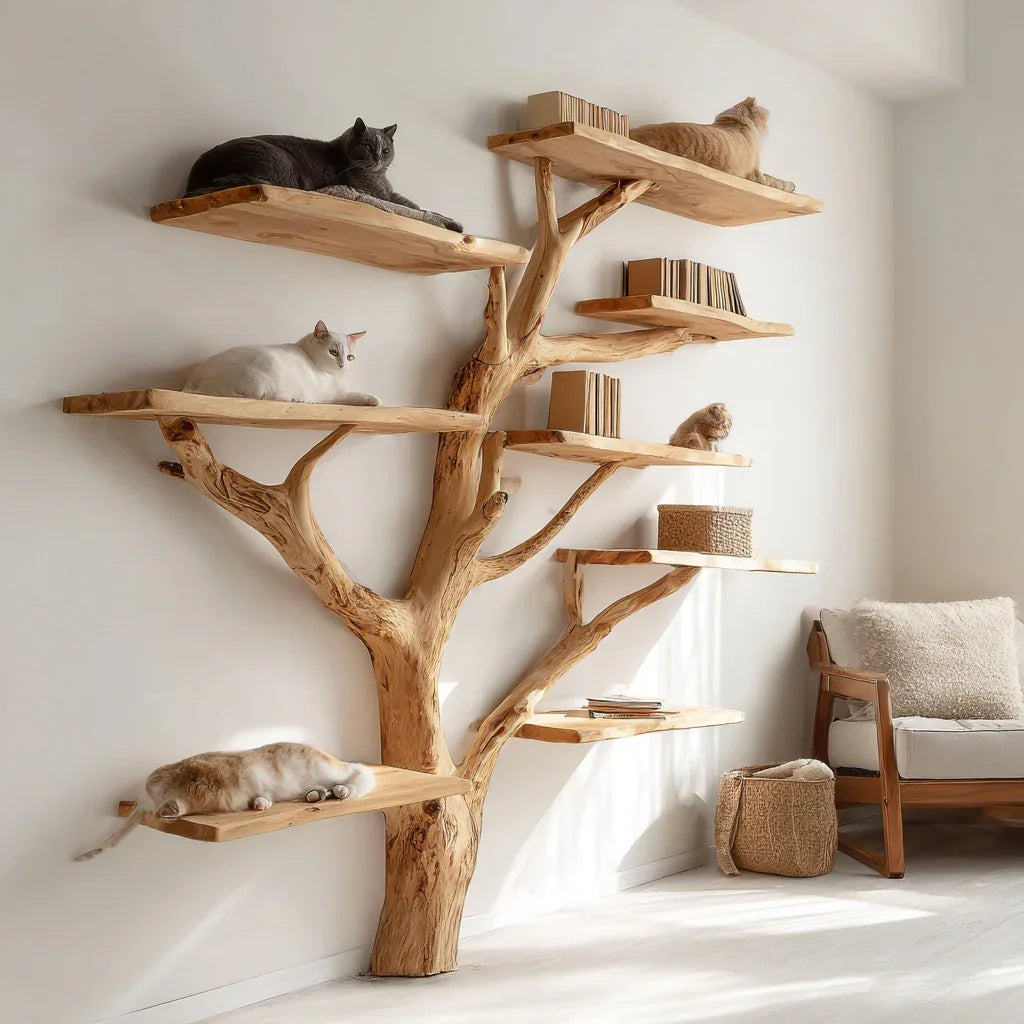
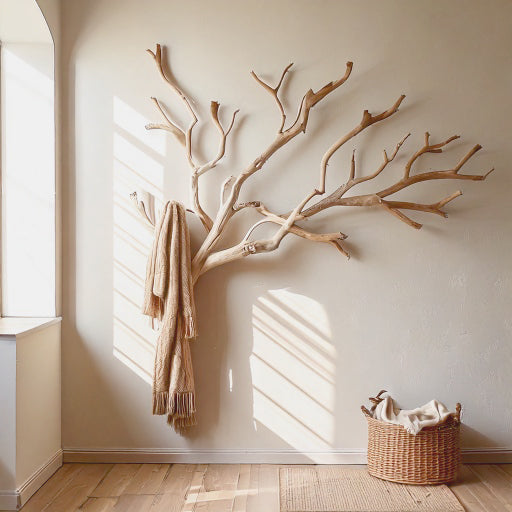
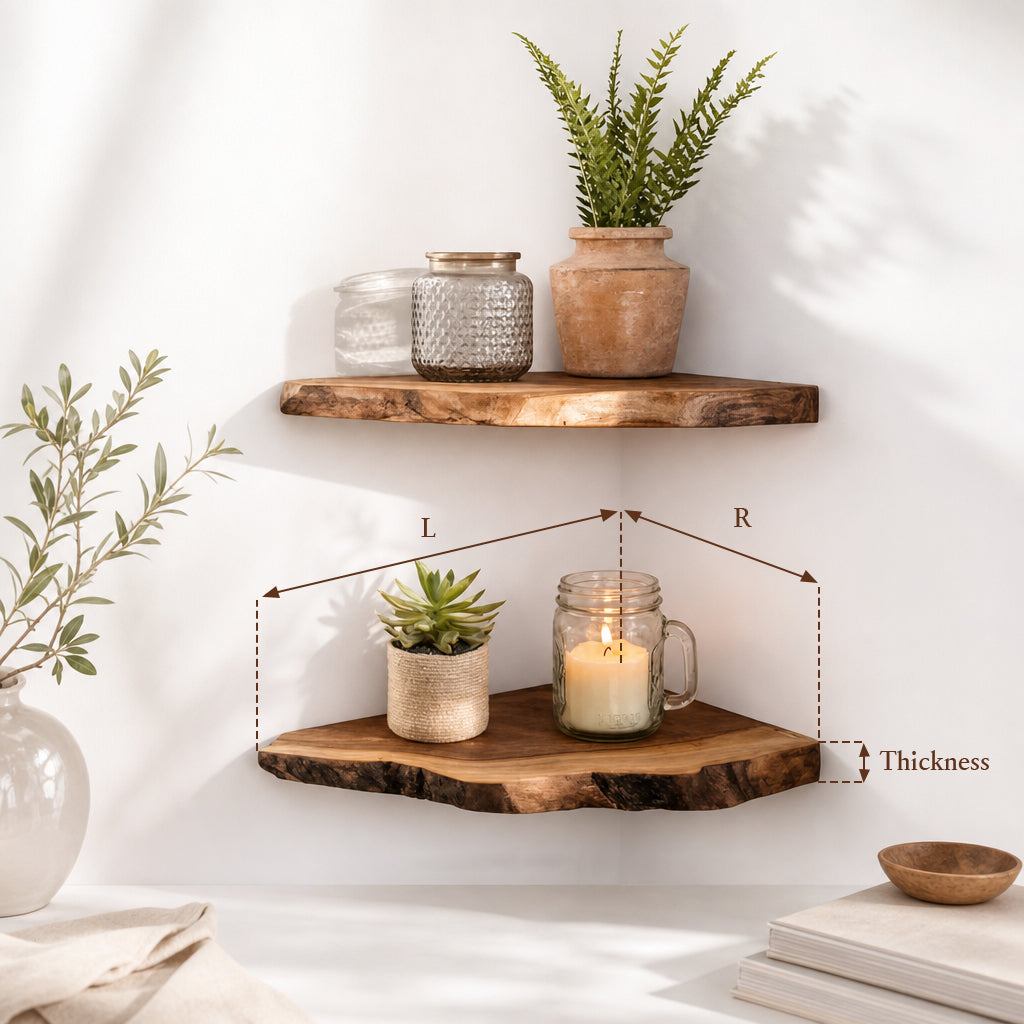
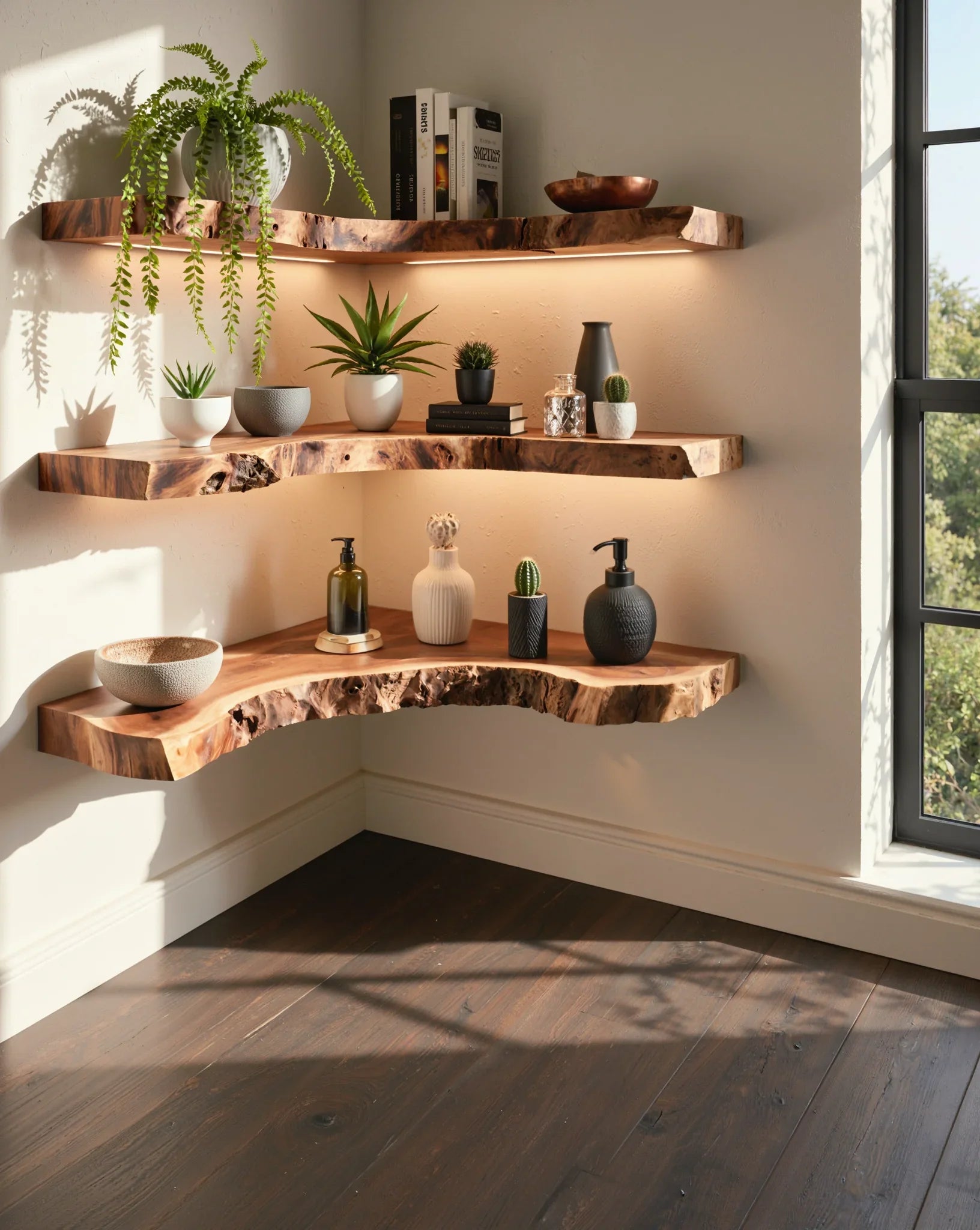
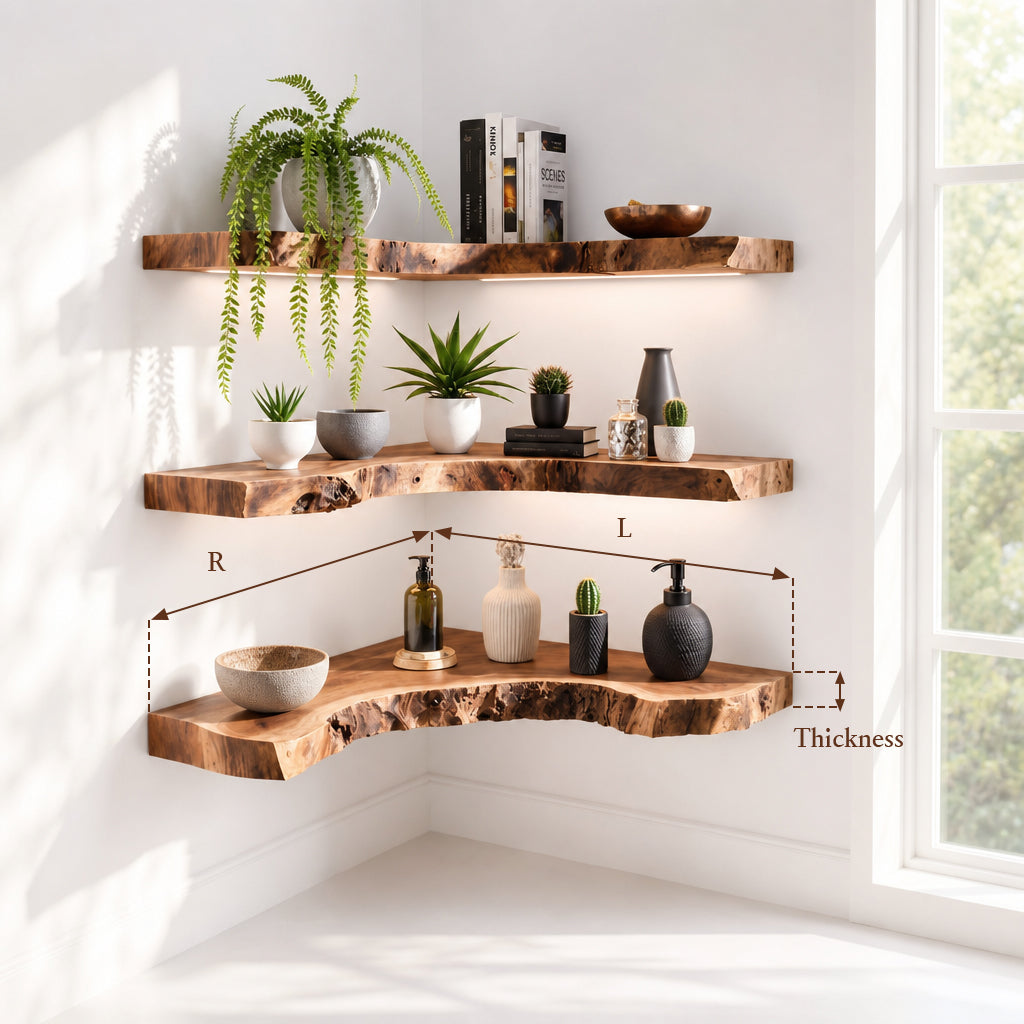
Handmade Wooden Cat Tree Bookshelf – Natural Solid Wood Multi-Level Shelves
Weight Capacity: What Your Shelves Need to Support
This is where cat shelves differ from decorative shelves. A cat jumping onto a shelf creates a dynamic load , a sudden impact force significantly higher than the cat's static weight.
Here's the math: an average domestic cat weighs 8-12 lbs. But a cat jumping from another shelf or the floor can generate 2-3 times its body weight in impact force at the moment of landing. That means a 10 lb cat can create a 20-30 lb instantaneous load on the shelf.
For safe margins, each shelf in a cat climbing system should support at least 30-40 lbs, even for single-cat households. Multi-cat homes where two cats might share a shelf simultaneously should aim for 50+ lbs per shelf.
What determines weight capacity:
- Shelf material: Solid hardwood handles dynamic loads better than MDF or particleboard, which can crack under sudden impact. Wood's natural flexibility absorbs some of the landing force rather than transmitting it directly to the mounting hardware.
- Mounting method: Stud-mounted shelves are significantly stronger than drywall-only installations. For cat shelves, stud mounting is strongly recommended , each stud-mounted bracket can support 50+ lbs, while drywall anchors max out at 15-25 lbs per anchor.
- Bracket type: Heavy-duty L-brackets or French cleat systems handle the stress of cat landings better than decorative floating shelf hardware, which is designed for static loads.
- Shelf thickness: Thicker shelves (at least 0.75 inches for solid wood) distribute the load more evenly and resist bending under dynamic forces.
Installation Guide for Cat Wall Shelves
Tools You'll Need
- Stud finder
- Level
- Drill with appropriate drill bits
- Lag screws (3-3.5 inches for stud mounting)
- Measuring tape
- Pencil for marking
Step-by-Step Process
- Map your layout. Before drilling a single hole, plan the entire climbing path on paper or use painter's tape on the wall to visualize shelf positions. Live with the tape layout for a day to see how it feels in the room and whether it creates logical cat pathways.
- Locate studs. Mark stud positions along your planned path. You may need to adjust shelf positions slightly to align with studs , this is worth it for the added security.
- Install from bottom to top. Start with the lowest shelf (the "on-ramp" to the climbing path) and work upward. This lets you test each shelf's stability before adding the next level.
- Level every shelf. Cats are more confident on level surfaces. Even a slight tilt can make a cat hesitate to use a shelf, especially at higher positions where they're already assessing safety.
- Test before introducing your cat. Apply firm downward pressure to each shelf with your hands. Push from the front edge, which is where landing impact concentrates. If there's any give or creaking, reinforce the mounting before your cat tests it for you.
Making Cat Shelves Cat-Friendly
A shelf that looks great to you might not appeal to your cat. Here's what cats need:
Traction
Smooth surfaces can be slippery for cat paws, especially during landing. Options for adding traction:
- A thin layer of cork glued to the shelf surface
- Sisal rope wrapped around one section for scratching
- A removable washable fabric pad
- Leaving the wood unfinished (natural wood grain provides some traction) or using a matte finish rather than high-gloss
Adequate Width
Cats need enough space to land, turn around, and lie down. A minimum shelf width of 10 inches is recommended, with 12-14 inches being more comfortable for larger cats. Depth should be at least 10 inches for resting shelves where cats might curl up.
Edge Lips or Raised Borders
A small raised edge (0.5-1 inch) on the outer side of the shelf gives cats a sense of security and prevents toys or napping cats from rolling off. This feature also prevents cat beds or pads from sliding off the shelf.
Variety of Shelf Types
Mix it up within the climbing system:
- Steps (small, 8-10 inches wide) for climbing transitions
- Platforms (larger, 12-16 inches) for resting and lounging
- Bridges (long, narrow shelves connecting two points) for traversal
- Hammocks or beds (mounted between brackets) for sleeping spots
Multi-Cat Households: Special Considerations
If you have more than one cat, your wall shelf system needs additional planning:
- Multiple routes: Never create a single path with no alternate routes. A dominant cat can block a linear path, trapping a subordinate cat at the top. Include bypass options , two shelves at the same height that offer different paths around a potential blocker.
- Enough platforms: Provide at least one resting platform per cat, plus one extra. This reduces competition for prime spots.
- Multiple entry/exit points: The climbing system should have at least two "on-ramps" from the floor or from furniture, so no single cat can guard access.
- Spacing between resting spots: Cats that don't get along well need resting platforms that are at least 3-4 feet apart, so they can share the system without direct confrontation.
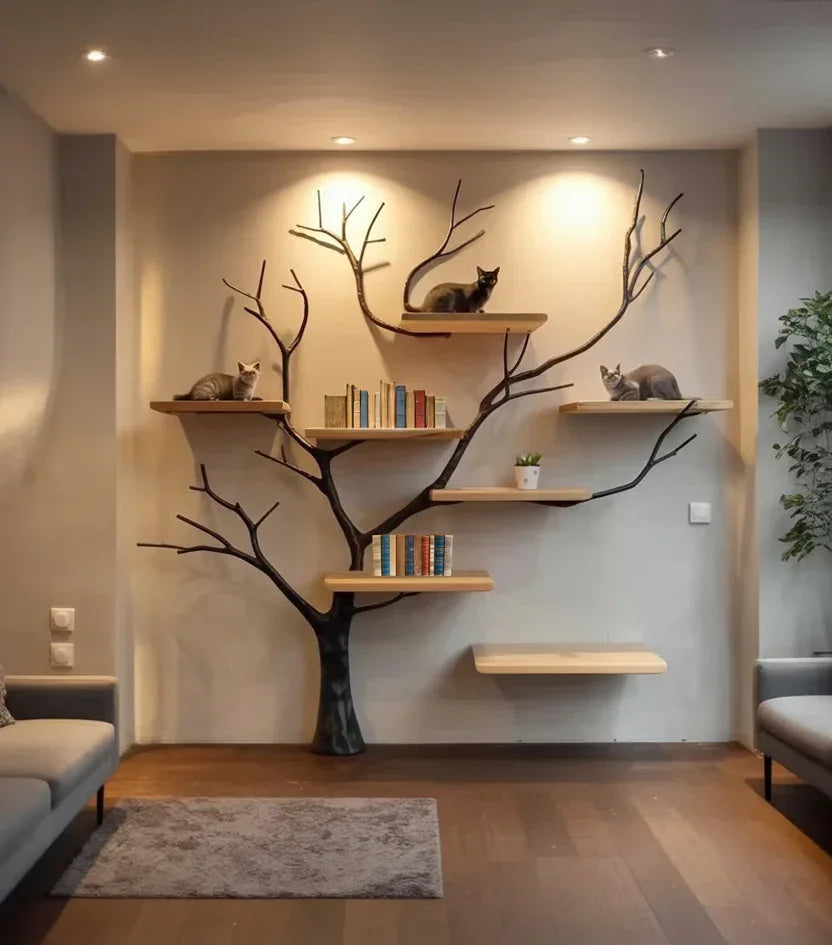
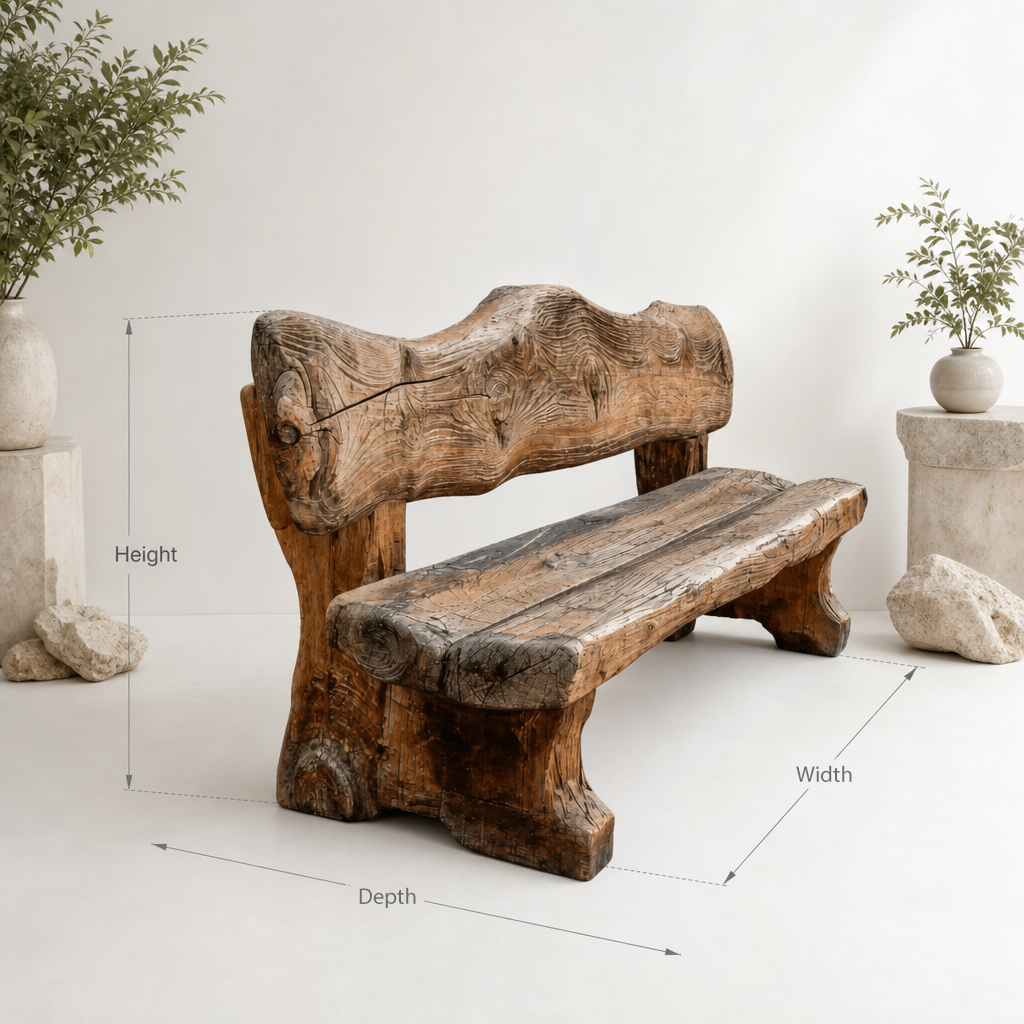
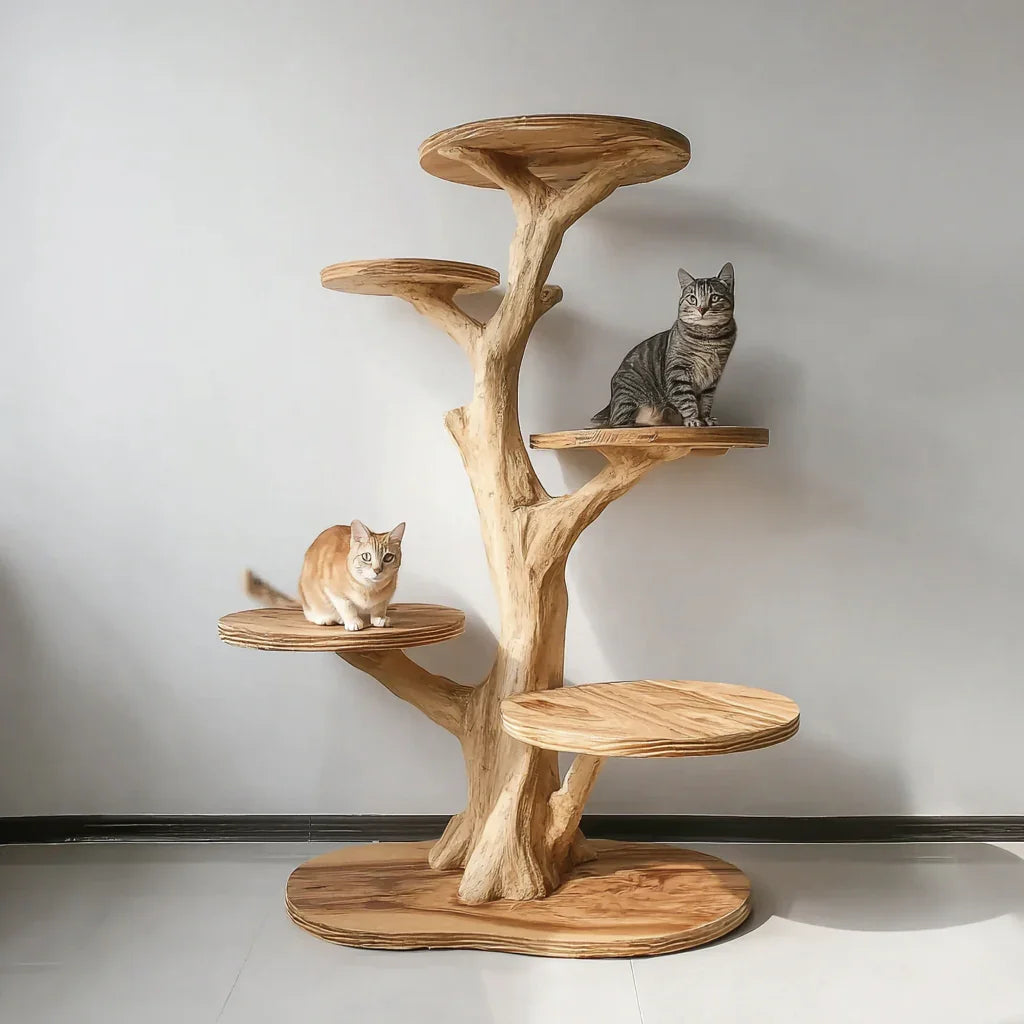
Rustic Solid Wood Cat Tree – Handmade Large Cat Tower Stand, Natural Cat Furniture for Play & Decor
Integrating Cat Shelves with Your Home Decor
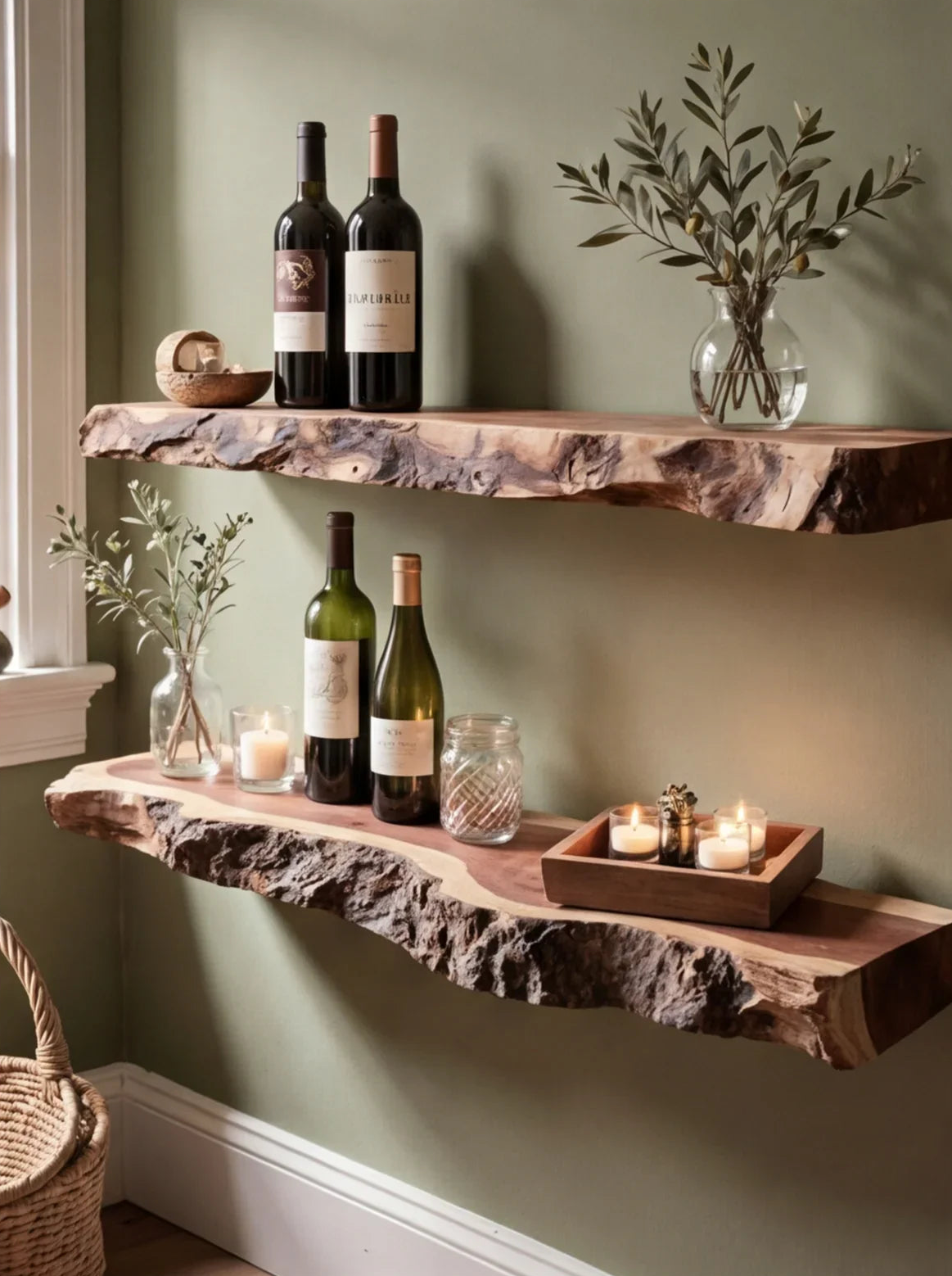
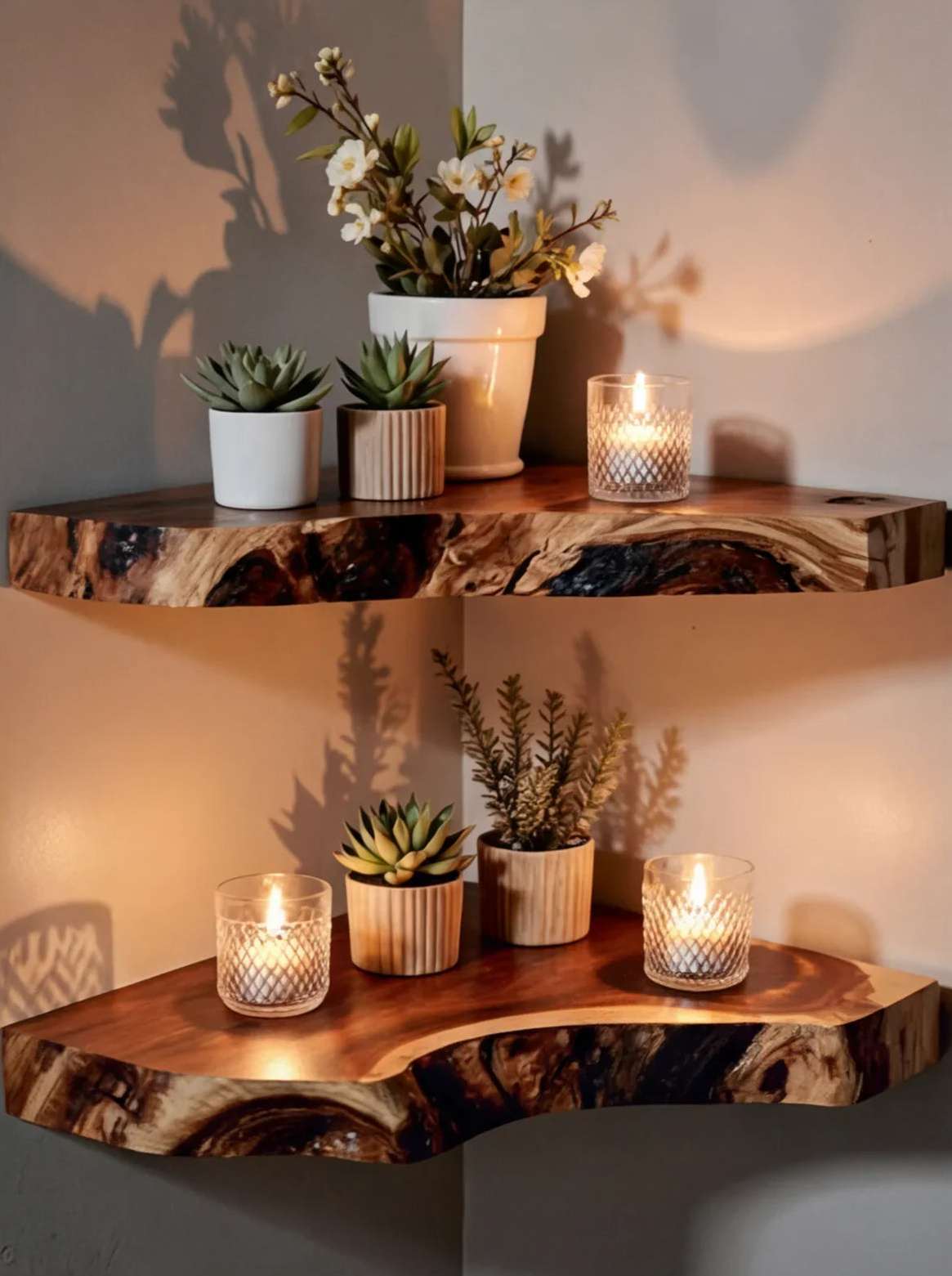
The best cat shelves don't look like cat furniture , they look like well-placed wall shelves that happen to be arranged for feline use. Here's how to keep the aesthetics strong:
- Match your home's wood tones. If your furniture is warm-toned (walnut, cherry), choose cat shelves in similar wood. Consistency in material creates a cohesive look.
- Use consistent hardware. The same bracket style across all shelves creates visual unity even when shelves are at different heights and angles.
- Add non-cat items. Not every shelf needs to be exclusively for cats. Placing a small plant (cat-safe species only), a framed photo, or a decorative object on some shelves blurs the line between cat furniture and home decor.
- Keep it tidy. Remove loose fur regularly and keep shelves clean. A well-maintained solid wood shelf looks like intentional design; a dusty, hair-covered one looks like neglect.
Frequently Asked Questions
How much weight can a wall-mounted cat shelf hold?
A solid wood shelf mounted into wall studs with lag screws can typically support 50+ lbs. For cat use, you want each shelf rated for at least 30-40 lbs to safely handle the dynamic impact of a jumping cat. Drywall-only mounting is not recommended for cat shelves due to insufficient support for dynamic loads.
How far apart should cat shelves be spaced?
Vertical spacing of 12-16 inches works for most adult cats. Kittens, senior cats, and less agile breeds do better with 10-12 inch gaps. Horizontal spacing of 12-18 inches creates a comfortable stepping distance. Watch your specific cat's jumping ability and adjust accordingly.
Will my cat actually use wall-mounted shelves?
Most cats take to wall shelves quickly, especially if the shelves lead to a desirable destination (like a window perch or high vantage point). Start with low shelves and place treats on them to encourage exploration. Some cats need a few days to build confidence; others start climbing within minutes of installation.
What's the best material for cat wall shelves?
Solid wood is the best choice. It handles the dynamic forces of cat jumping without cracking (unlike MDF or particleboard), provides natural traction for paws, and looks good as home decor. Hardwoods like oak, ash, and walnut are particularly durable for cat use.
Can I install cat shelves in a rental apartment?
Technically, shelf installation requires drilling holes. Stud-mounted cat shelves leave small screw holes that can be patched and painted when you move out , the damage is minimal and usually covered by a normal security deposit. Some renters use heavy-duty adhesive systems, but these are not recommended for cat shelves due to the dynamic loads involved.
How do I get my cat to stop using regular shelves after installing cat shelves?
Make the cat shelves more appealing than the alternatives. Place them higher, add comfortable pads, and put treats or catnip on them initially. You can also make regular shelves less appealing by moving items to block comfortable sitting positions. Most cats naturally prefer dedicated cat shelves because they're designed for comfortable lounging.
Give Your Cat the Vertical Space They Crave
Your cat wants to climb. That's not going to change. The question is whether you provide a dedicated system for that instinct or let them improvise on your furniture, curtains, and shelves full of breakable objects.
Wall-mounted cat shelves are the answer that works for both species. Cats get the height, the climbing routes, and the territory they need. You get your floor space back and a home that doesn't revolve around a carpet-covered tower in the corner.
At Ashdeco, our cat shelves and climbing systems are handcrafted by skilled Vietnamese artisans from solid wood. They're built to handle the dynamic forces of cat life , jumping, landing, climbing , while looking like they belong in a well-designed home. Because they do.
Ready to create a climbing paradise for your cat? Explore our cat shelf collection and start planning your wall layout.