



















Quick view
- Small Space Furniture Solutions: How to Maximize Every Inch of Your Home
- The Small Space Mindset Shift
- Multi-Functional Furniture That Actually Works
- Floating Furniture vs. Floor Furniture: When to Go Vertical
- Room-by-Room Small Space Strategies
- Visual Tricks That Make Small Rooms Feel Larger
- What to Avoid in Small Spaces
- Frequently Asked Questions
- Work With What You Have
Shop this guide
Handcrafted Trending, made to order in solid wood.
 Christmas edit
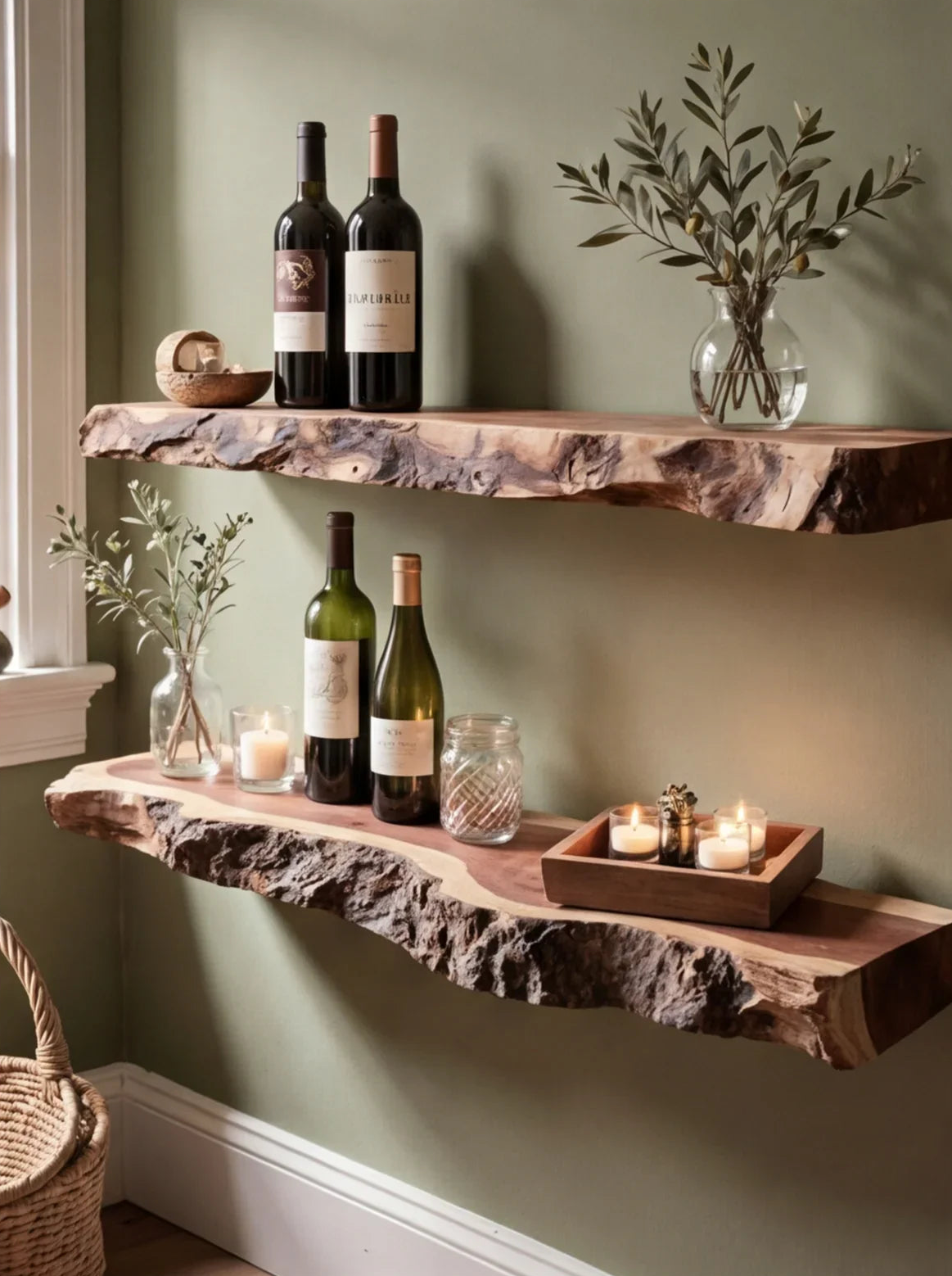
Handcrafted Live Edge Floating Bar Shelf – Rustic Solid Wood Wall Shelf for Kitchen or Bar
From $167.00
Christmas edit
Handcrafted Live Edge Floating Bar Shelf – Rustic Solid Wood Wall Shelf for Kitchen or Bar
From $167.00
 Christmas edit
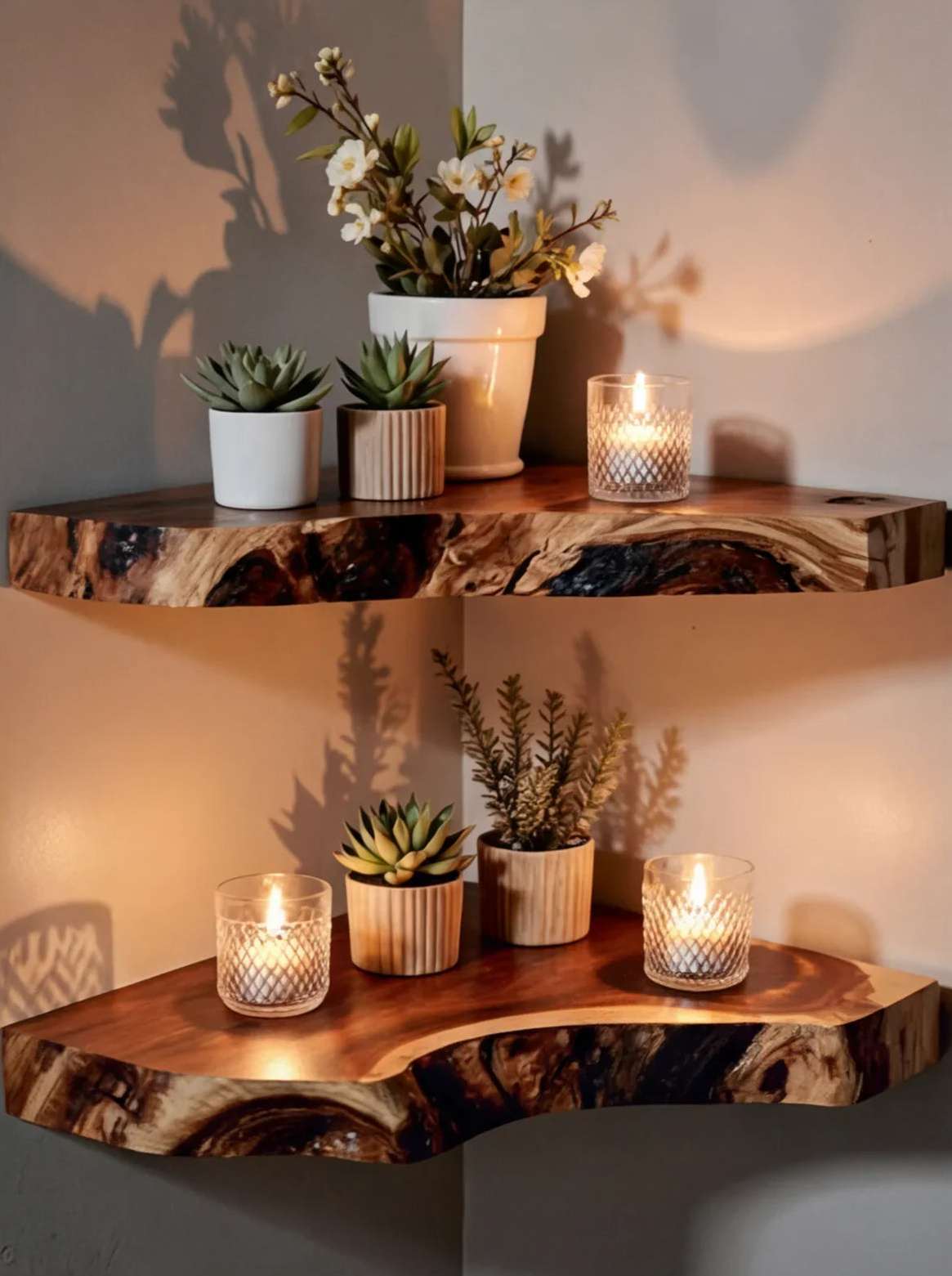
Rustic Corner Wall Shelf – Natural Live Edge Wood Floating Shelf for Candles and Plants
From $176.00
Christmas edit
Rustic Corner Wall Shelf – Natural Live Edge Wood Floating Shelf for Candles and Plants
From $176.00
 Christmas edit
Rustic Live Edge Floating Vanity – Handmade Wooden Bathroom Shelf with Brackets
From $180.00
Christmas edit
Rustic Live Edge Floating Vanity – Handmade Wooden Bathroom Shelf with Brackets
From $180.00
 Christmas edit
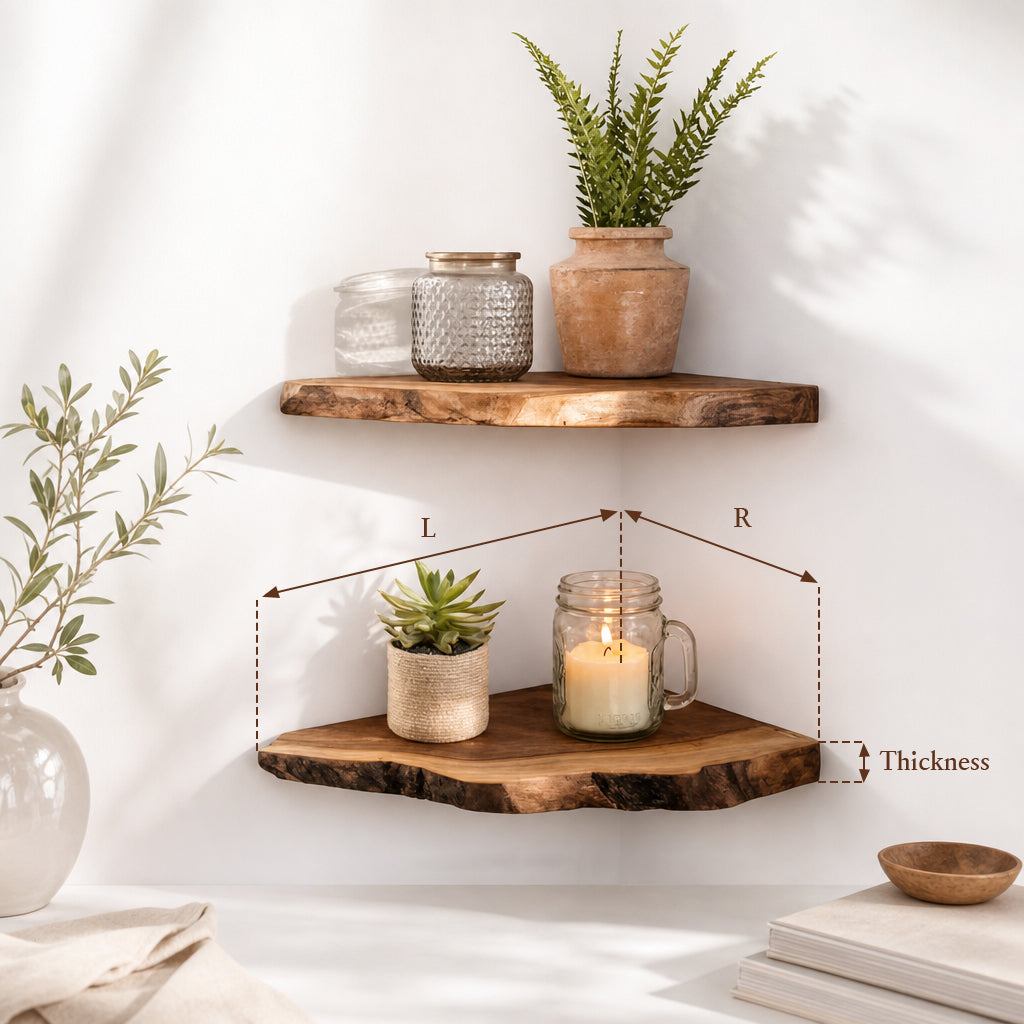
Rustic Teak Root Wood Corner Shelf - Floating Corner Shelf Decor
From $176.00
Christmas edit
Rustic Teak Root Wood Corner Shelf - Floating Corner Shelf Decor
From $176.00
 Christmas edit
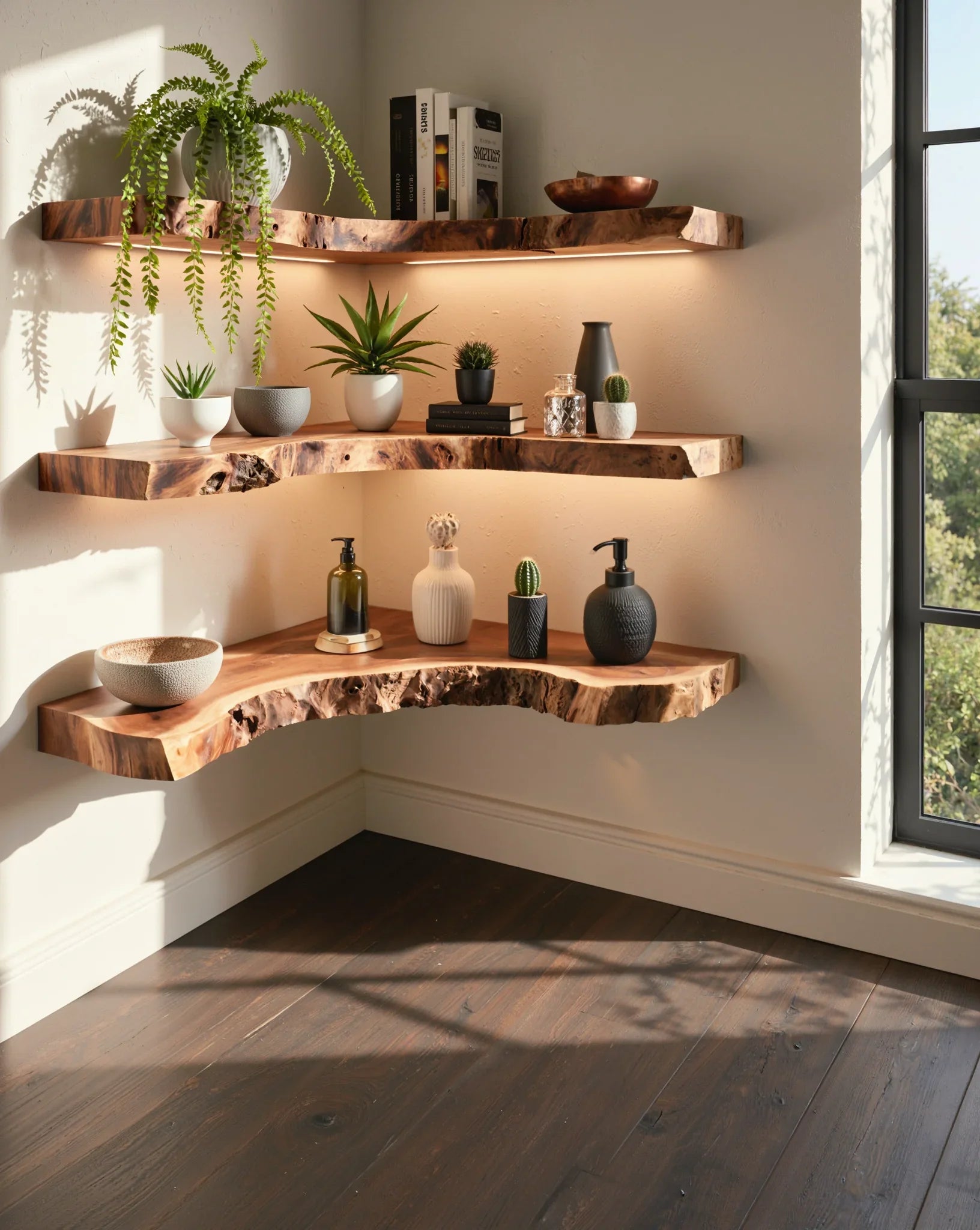
Live Edge Corner Floating Shelf – Handcrafted Solid Wood Wall Shelf
From $140.00
Christmas edit
Live Edge Corner Floating Shelf – Handcrafted Solid Wood Wall Shelf
From $140.00
 Christmas edit
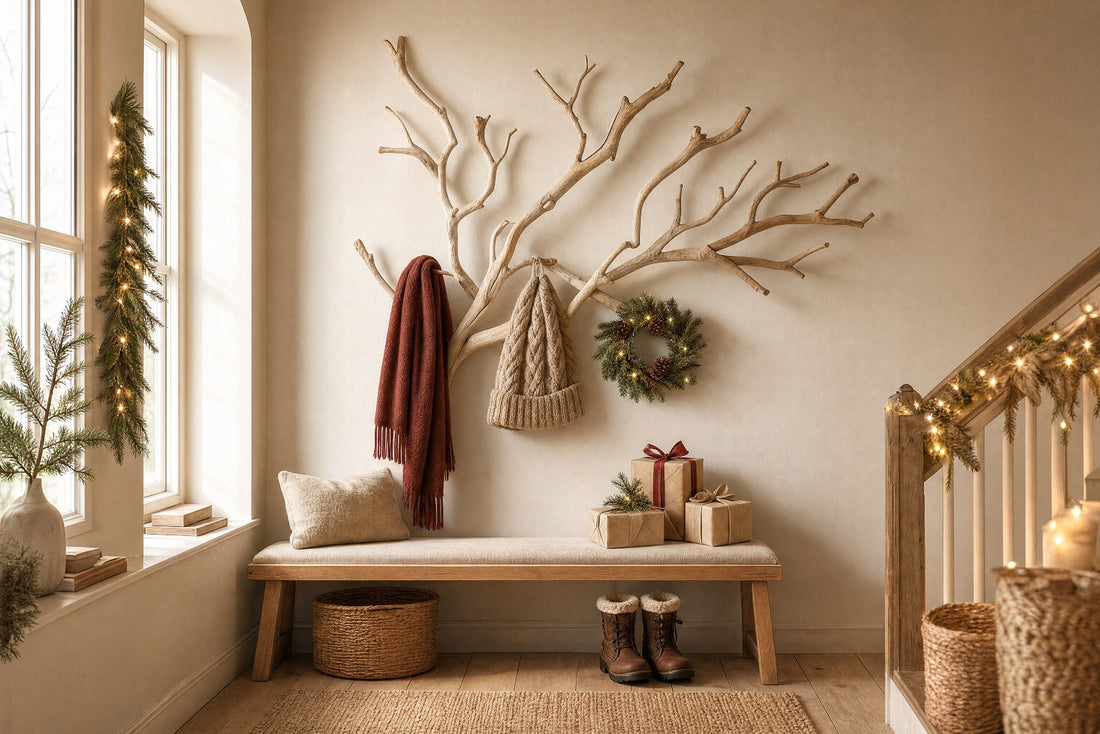
Custom Wood Coat Rack – Driftwood Wall Mount Clothes Rack with Unique Hooks
From $697.00
Christmas edit
Custom Wood Coat Rack – Driftwood Wall Mount Clothes Rack with Unique Hooks
From $697.00
Small Space Furniture Solutions: How to Maximize Every Inch of Your Home
Living in a small space doesn't mean living with less. It means choosing differently. The average apartment in a major U.S. city is around 750 square feet. In cities like New York, San Francisco, and Tokyo, many people make do with 400-500 square feet. At that scale, every piece of furniture either earns its spot or becomes an obstacle.
Small space furniture isn't about miniature versions of full-sized pieces. It's about furniture that does double duty, uses vertical space, and adapts to how you actually live - not how a furniture catalog imagines you live.
This guide covers multi-functional furniture, vertical storage strategies, floating vs. floor-based solutions, and room-by-room approaches for getting the most out of limited square footage.

The Small Space Mindset Shift
Before buying anything, recalibrate how you think about furniture:
- Floor space is expensive. Every square foot of floor a piece of furniture occupies is a square foot you can't walk through, exercise on, or use for something else. Prioritize pieces with small footprints or no footprint at all (wall-mounted).
- Single-purpose furniture is a luxury. In a large home, you can afford a console table that just holds a lamp. In a small space, every piece should serve at least two functions - ideally three.
- Vertical space is free storage. Most rooms use 3-4 feet of vertical space (furniture height). The remaining 4-5 feet up to the ceiling is wasted. Wall shelves, tall bookcases, and overhead storage unlock that potential.
- Visual weight matters as much as physical weight. Bulky, dark, opaque furniture makes rooms feel smaller. Light-colored, slim-profiled, and open-base pieces create visual breathing room even in tight quarters.


Multi-Functional Furniture That Actually Works
The concept of multi-functional furniture is popular, but most implementations are gimmicky. A coffee table that "converts" into a dining table sounds clever until you have to clear it, raise it, and wrestle with the mechanism every time you eat. Good multi-functional furniture works smoothly - you barely notice the second function until you need it.
Proven multi-functional pieces:
- Storage ottoman. Serves as seating, footrest, coffee table (with a tray on top), and hidden storage. One piece, four functions. The top lifts to reveal a compartment for blankets, pillows, or board games.
- Shoe bench with storage. Sits in the entryway for putting on shoes, stores 6-12 pairs underneath, and tops with a cushion for comfort. Beats a shoe rack and a separate bench. Explore Ashdeco's shoe bench collection for handcrafted solid wood options.
- Wall-mounted desk (floating desk). Folds up or down as needed, leaving floor space clear when not in use. Even permanently mounted floating desks have a fraction of the footprint of a traditional desk. Check out Ashdeco's floating desk options.
- Daybed. Functions as a sofa during the day and a bed at night. In studio apartments, this one piece replaces two major items. Look for versions with built-in drawers underneath for bedding storage.
- Nesting tables. Two or three tables that stack inside each other. Pull them out when you need extra surface area (guests over, project work) and nest them back when you don't.

Floating Furniture vs. Floor Furniture: When to Go Vertical
This is the biggest use point in small space design. Floating (wall-mounted) furniture keeps the floor clear, which makes the room feel larger, easier to clean, and more flexible.
When to choose floating:
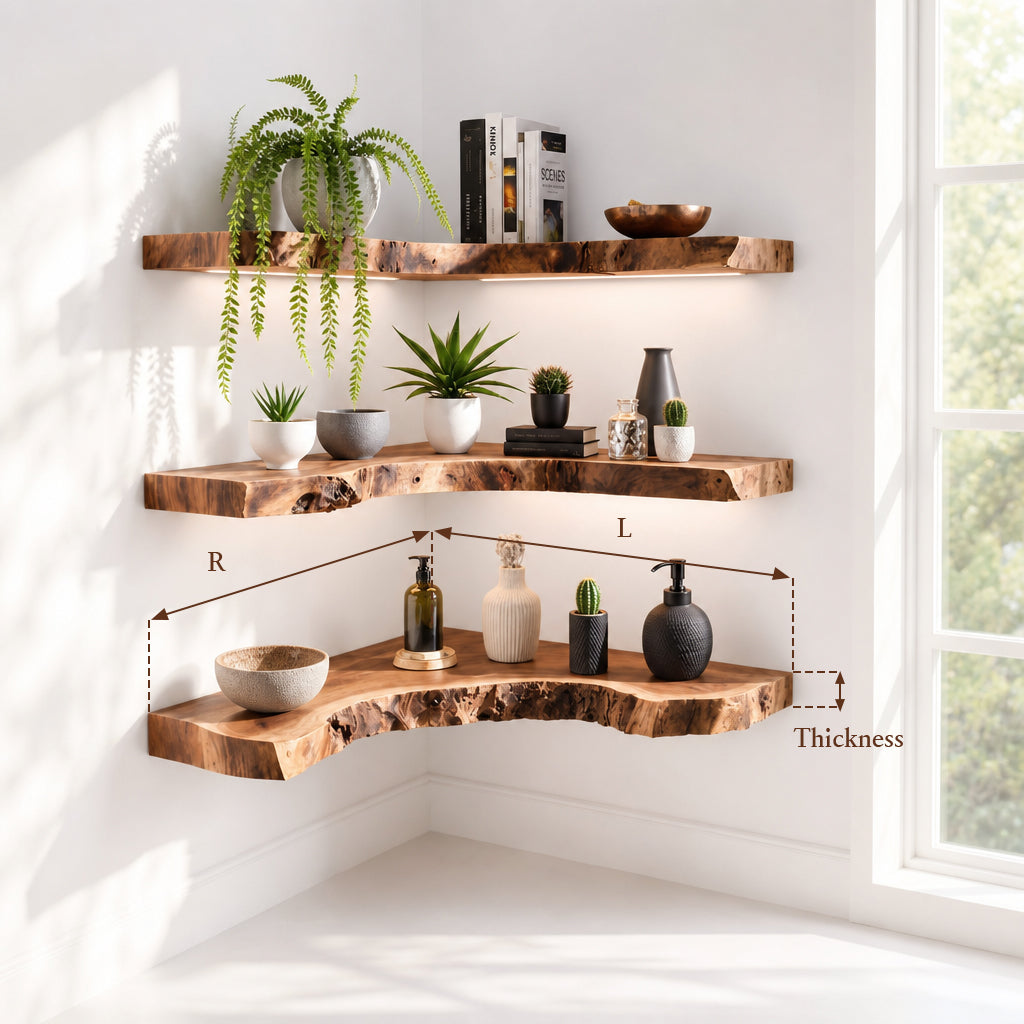
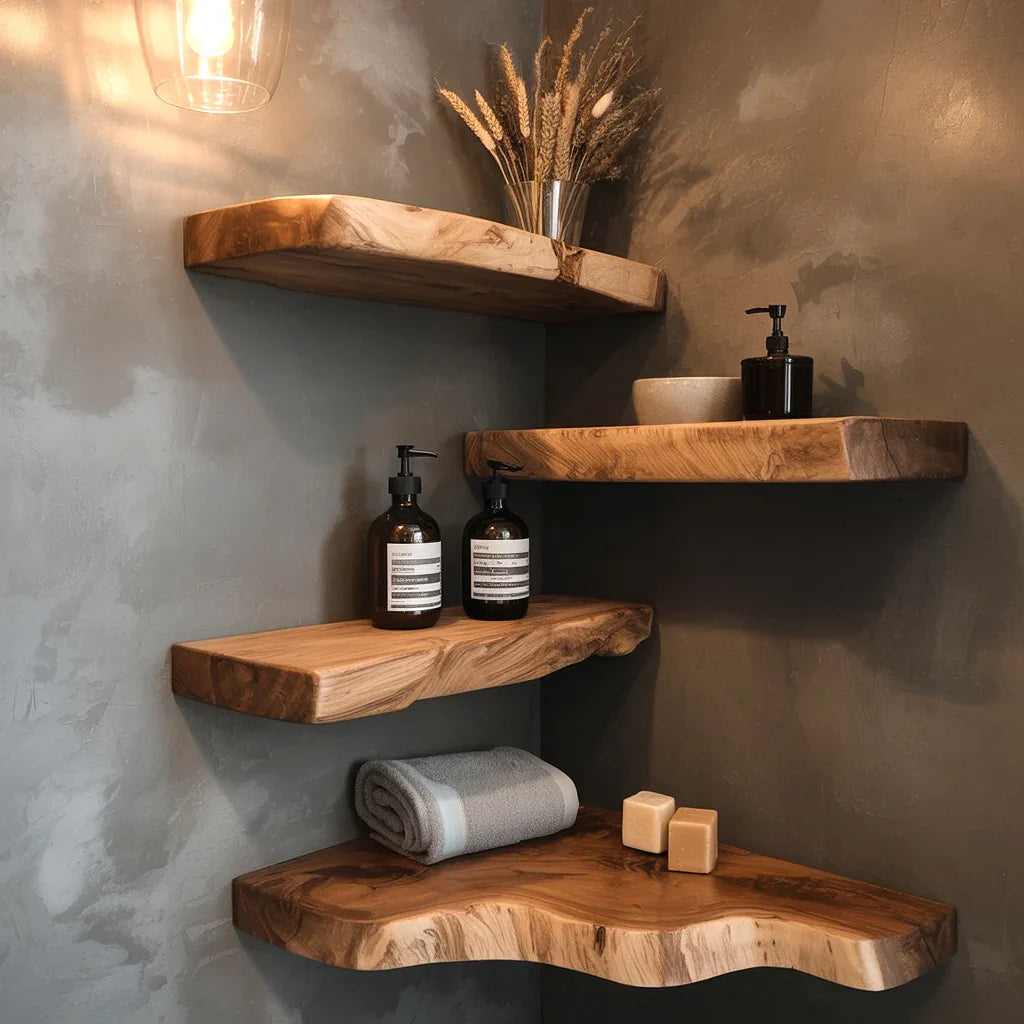
- Shelving. Almost always. Floating shelves use zero floor space and can be installed at any height. In a small bathroom, kitchen, or entryway, floating shelves add storage without shrinking the walkable area.
- Desks. If you work from home in a small room, a floating desk mounted to the wall frees the area underneath for your chair to tuck away completely. No desk legs means no visual clutter.
- Nightstands. A floating shelf or small wall-mounted box beside the bed replaces a floor-standing nightstand. You gain the under-bed area for storage bins.
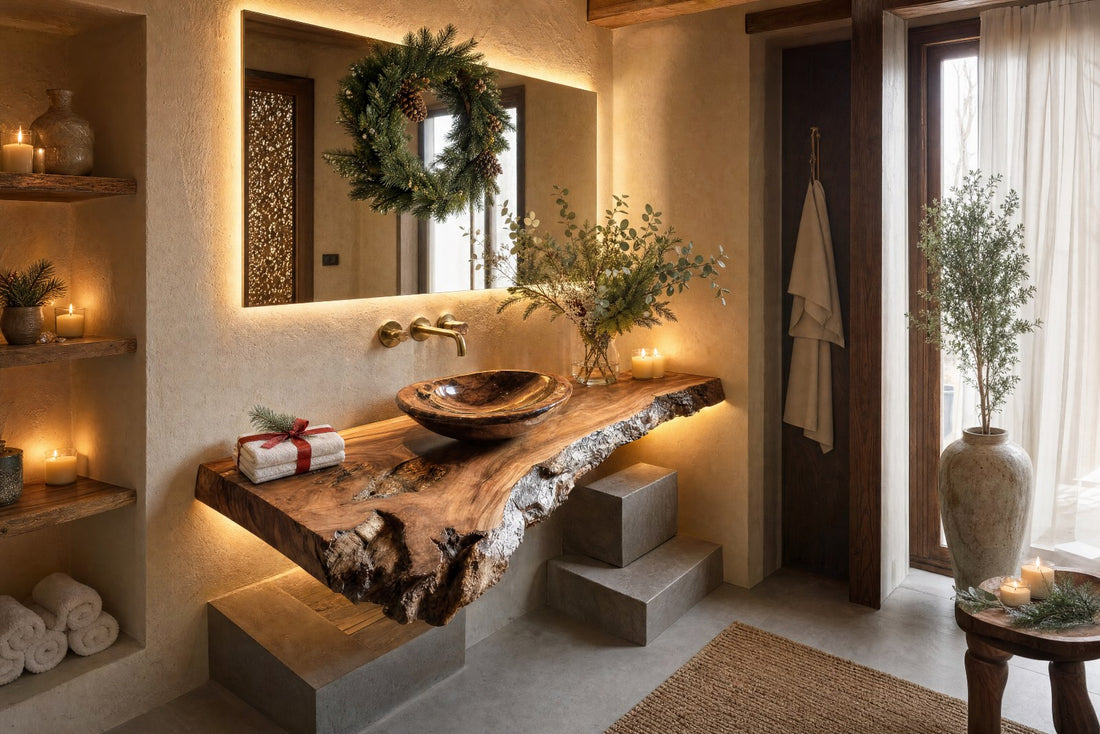
- Bathroom vanity. A wall-mounted vanity exposes the floor underneath, making a small bathroom feel more spacious and easier to mop.
When floor furniture makes more sense:
- Seating. Couches, chairs, and benches need to be on the floor for obvious reasons. Choose pieces with legs (not skirted or boxed bases) to maintain visual lightness.
- Heavy storage. A tall bookcase holding 100+ pounds of books needs floor contact for stability. Wall-mounting heavy loads requires serious hardware and stud-to-stud mounting.
- Dining tables. Tables need floor support. In small spaces, choose a round table (fewer dead corners than rectangular) or a drop-leaf table that folds down when not in use.
Don't miss
These pieces qualify for 10% off orders over $2,000. Applied automatically at checkout.
 10% off
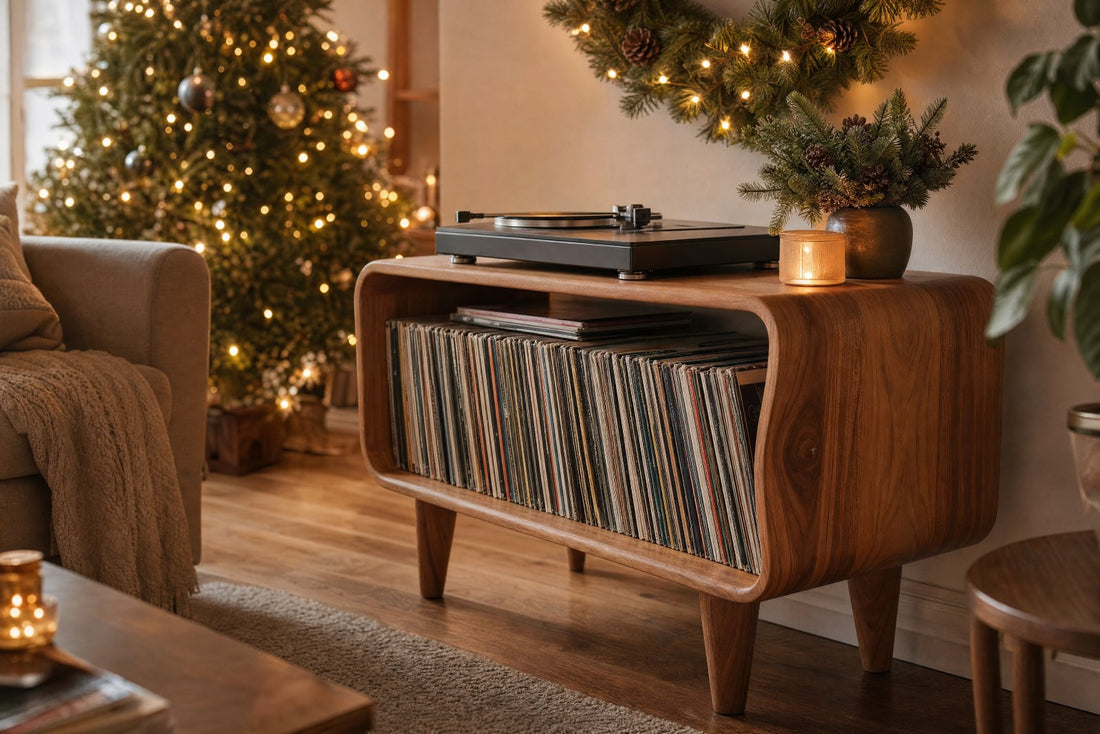
Solid Wood Turntable Stand – Rustic Record Player Cabinet with Farmhouse Storage
From $2,036.00
10% off at checkout
10% off
Solid Wood Turntable Stand – Rustic Record Player Cabinet with Farmhouse Storage
From $2,036.00
10% off at checkout
 10% off
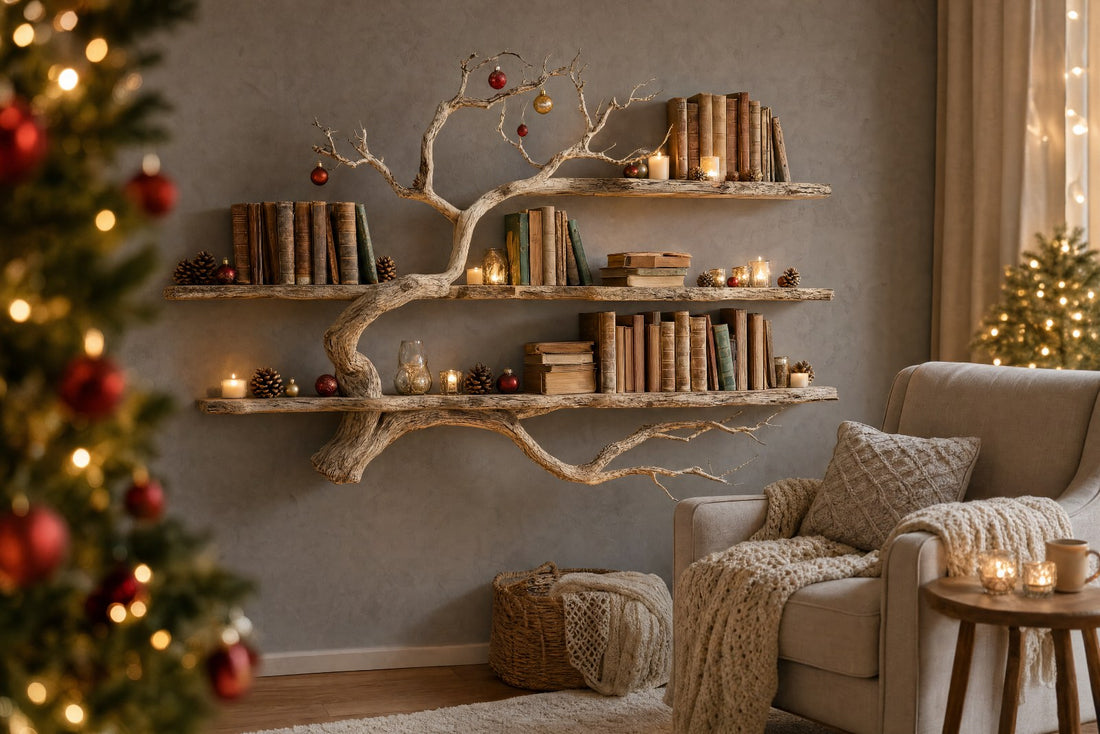
Tree Bookshelf – Rustic Wooden Book Tree Shelf, Wall-Mounted Natural Wood Décor
$2,099.00
10% off at checkout
10% off
Tree Bookshelf – Rustic Wooden Book Tree Shelf, Wall-Mounted Natural Wood Décor
$2,099.00
10% off at checkout
 10% off
Live Edge L-Shaped Desk – Handmade Solid Wood Corner Desk for Home Office
From $2,340.00
10% off at checkout
10% off
Live Edge L-Shaped Desk – Handmade Solid Wood Corner Desk for Home Office
From $2,340.00
10% off at checkout
 10% off
Handcrafted Walnut Bench – Organic Sculptural Mid-Century Design
From $2,327.00
10% off at checkout
10% off
Handcrafted Walnut Bench – Organic Sculptural Mid-Century Design
From $2,327.00
10% off at checkout
Room-by-Room Small Space Strategies
Living room
- Use a sofa with exposed legs , the visible floor underneath makes the room feel bigger.
- Mount the TV on the wall. Eliminate the TV stand entirely.
- Replace a traditional bookcase with 3-4 floating shelves. Same storage, no floor footprint.
- Use a round coffee table. They take up less visual space than rectangular ones and have no sharp corners to navigate around.
Bedroom
- Bed with built-in drawers underneath (captain's bed or storage platform). Eliminates the need for a separate dresser.
- Floating shelves as nightstands. One small shelf per side, mounted at mattress height.
- Over-bed shelving. A shelf or two above the headboard stores books and alarm clock without side-table sprawl.
- If closet space is tight, a clothing rack in the corner takes less room than a wardrobe and keeps frequently worn items visible.
Kitchen
- Open floating shelves instead of upper cabinets. They feel less imposing and keep dishes accessible.
- Magnetic knife strip instead of a knife block (saves counter space).
- Hooks on the inside of cabinet doors for mugs, measuring cups, or pot lids.
- Slim rolling cart that fits between the fridge and wall , instant extra prep surface and storage.
Bathroom
- Floating vanity to keep floor space open.
- Over-toilet floating shelves for towels and toiletries.
- Tension-pole shower caddy instead of a floor-standing rack.
- Over-door hooks for towels and robes.
Entryway
- Wall-mounted coat hooks instead of a standing coat rack.
- Shoe bench that doubles as seating and storage.
- A single floating shelf for keys, wallet, and sunglasses , everything you grab on the way out.
Visual Tricks That Make Small Rooms Feel Larger
Furniture choice is half the battle. The other half is how you arrange and present it:
- Legs over bases. Furniture with visible legs shows more floor, which the eye interprets as more space. Sofas on legs beat sofas on solid bases. Beds on legs beat platform beds with skirts.
- Light colors expand; dark colors contract. A white or light wood floating shelf feels lighter than the same shelf in dark walnut. In very small rooms, lighter finishes help the walls recede.
- Mirrors multiply space. A large mirror on one wall reflects the room back at you, doubling the perceived depth. Place it across from a window to maximize natural light reflection.
- Keep sightlines clear. Position furniture so you can see from one end of the room to the other without obstacles at eye level. Low-profile furniture maintains these sightlines.
- One large rug beats several small ones. A single area rug that extends under furniture unifies the room and prevents the choppy, fragmented look that multiple small rugs create.

What to Avoid in Small Spaces
Some furniture decisions make small rooms feel even smaller:
- Oversized sectionals. A sectional that fills 60% of a living room leaves no room for movement or other furniture. Scale seating to the room, not to your comfort fantasy.
- Matching furniture sets. A matching sofa, loveseat, coffee table, and end table from the same collection creates visual monotony and often wastes space with redundant pieces. Mix and match pieces that each serve a specific purpose.
- Excessive side tables. In a small living room, one side table is enough. Two flanking a sofa eat up floor space for minimal benefit.
- Floor-standing storage towers. A tall, narrow storage tower seems space-efficient but blocks sightlines and creates visual weight. Floating shelves at the same heights store the same amount while keeping the floor clear.
- Furniture with closed, opaque bases. Solid-sided furniture (dressers without legs, box-style bed frames) creates visual blocks that make rooms feel crowded. Open bases and legs restore visual flow.
Frequently Asked Questions
What's the most space-saving furniture for a studio apartment?
A wall-mounted floating desk, a daybed (serves as both sofa and bed), floating shelves for storage, and a storage ottoman as a coffee table/extra seat/storage unit. These four pieces cover sleeping, working, sitting, and storage with minimal floor impact.
Are floating desks sturdy enough for daily work?
Quality floating desks mounted into wall studs support 50-80 pounds , more than enough for a laptop, monitor, and desk accessories. The key is proper installation. Cheap brackets in drywall alone won't hold up, but a well-made floating desk on solid hardware handles everyday use without issues.
How do I choose furniture scale for a small room?
Measure the room and mark furniture footprints on the floor with painter's tape before buying. Leave at least 30 inches for walkways and 18 inches for chair pull-out space at tables. If the tape footprint makes the room feel cramped, the furniture is too big.
Is it better to have fewer large pieces or more small pieces?
Generally, fewer well-chosen pieces work better. Many small items create visual clutter, even if each individual piece is small. One multi-functional piece that replaces three single-purpose items reduces both physical and visual clutter.
Do floating shelves work in rental apartments?
Yes, but check your lease about holes. Most leases allow small nail or screw holes (easily patched when moving out). If your lease prohibits holes, command strips support very light shelves (up to 7-8 pounds), or use freestanding leaning shelves that don't require wall mounting.
What's the best color for small space furniture?
Light to mid-tones: white, natural wood, light gray, and warm beige make rooms feel open. Dark furniture (black, dark walnut, espresso) creates visual weight but can work as an accent , one dark piece among lighter surroundings adds depth without overwhelming the space.
Work With What You Have
Small space living is a design discipline, not a compromise. The constraints force creativity, and the results often feel more intentional and curated than a large room filled with whatever fits. Start by auditing your vertical space , most rooms have 4-5 feet of unused wall above furniture. Add floating shelves, a wall-mounted desk, or hanging storage, and you'll find space you didn't know existed.
For furniture built to work in tight quarters, explore Ashdeco's floating shelves, floating desks, and shoe benches , handcrafted from solid wood by Vietnamese artisans, designed with small-space living in mind, and built to last well beyond your current lease.