The bookshelf styling problem is real
Bookshelves look great in showrooms and terrible in homes. Not because homeowners have bad taste, but because showroom shelves are empty props staged by professionals with access to unlimited decorative objects and zero actual books to store.
At home, the bookshelf has to do two things at once: hold your actual stuff and look good while doing it. That tension is where most attempts go wrong. Either the shelf is pure storage (books crammed spine-to-spine, stuff jammed in every gap) or it's pure display (three carefully placed objects per shelf with no practical use). Finding the middle ground is the whole challenge.
What follows is a system that works whether you have a standard rectangular bookcase, a wall of built-ins, or a tree bookshelf with irregular branch-shaped shelves. The principles are the same. Only the shapes change.

Solid Wood Tree Bookshelf - from $1,449
The zone method: work shelf by shelf

Instead of treating the whole bookshelf as one project, work in zones. Each shelf or section gets a job based on its position.
Top shelf: display zone. The shelves you can't easily reach should hold things you rarely touch. Tall items work here: a large vase, a framed print leaning against the back, a tall plant (pothos or trailing ivy works). These pieces create a visual cap that finishes the top of the bookshelf. Without something tall up top, the bookshelf looks like it just ran out of shelf instead of ending on purpose.
Upper middle: visual anchor. Your largest decorative piece goes here. A sculptural object, a framed photo, a substantial plant. This shelf draws the eye first and establishes the personality of the whole bookshelf. It's the anchor point that everything else relates to.
Eye level: the hero zone. This is prime real estate. People look here first and longest. Put your best books here (spine out or stacked horizontally) alongside one or two standout objects. A small plant, a ceramic piece, something with color or texture that catches attention. The hero zone should feel like it represents you, not a catalog.
Lower middle: supporting cast. Medium-height objects grouped in odd numbers. This is where most of your books go. Mix vertical books with horizontal stacks. Break up long rows of spines with a small object every 8 to 12 books: a bookend, a small frame, a candle, a box. The breaks prevent the shelf from reading as a wall of spines.
Bottom shelf: heavy and functional. Baskets for small items, large format books (art books, coffee table books), storage boxes. Heavy items near the floor keep the visual weight low, which makes the bookshelf feel grounded and stable. This is also the most accessible shelf for kids and pets, so fragile items don't belong here.
The 60/30/10 formula
Here's a ratio that works across any bookshelf size:
60 percent books. This is a bookshelf, after all. Books should dominate. Mix vertical and horizontal orientations. Group similar colors loosely (not obsessively) to create visual coherence without looking over-organized. The color-coding trend from social media photographs well but falls apart in practice because you can never find anything.
30 percent decorative objects. Plants, frames, ceramics, sculptural pieces, candles, small boxes. These are the items that give the shelf personality. Spread them across shelves rather than clustering them all in one spot. Each decorative item should differ in material or texture from its neighbors.
10 percent empty space. This is the part people skip, and it's the part that makes the biggest visual difference. Leave gaps. Let some shelf sections breathe. A shelf that's 100 percent full reads as overwhelming regardless of how carefully you arranged it. The empty space tells the eye that this arrangement was a choice, not a space-filling exercise.
On a tree bookshelf with irregularly shaped branches, this ratio adjusts naturally because the branch shapes create built-in negative space. You need fewer decorative objects because the shelf structure itself provides visual interest.
Seven items that work on almost any bookshelf
Not every object belongs on a shelf. These seven categories reliably look good and mix well with books.
Plants. Small potted plants, trailing vines, or dried arrangements. Plants add organic texture that contrasts with straight book spines. Trailing plants on upper shelves create a cascade effect that softens the geometry of the bookshelf.
Framed photos or art. Lean small frames against the back of the shelf instead of standing them upright. Leaning creates a casual look and lets you swap pieces easily. Mix frame materials (wood, metal, white) rather than matching them all.
Ceramic or pottery pieces. A single handmade bowl, a textured vase, or a small sculptural form. Ceramics add organic curves to a shelf full of rectangular shapes. One piece per shelf is enough. More than that and the shelf becomes a pottery display.
Candles. Unscented pillar candles or candles in containers. They add vertical variety and warm tone. Never light candles on a bookshelf (fire hazard with paper). They're decorative only in this context.
Small boxes or containers. Wooden boxes, woven baskets, decorative containers. These serve double duty: they look intentional and hide small items that would otherwise clutter the shelf (remotes, chargers, pens, loose items).
Bookends. Functional and decorative. Bookends let you display a partial row of books without the domino effect. Choose bookends that contrast with the books: metal bookends against colorful spines, stone bookends against neutral covers.
One personal object. A souvenir, a family heirloom, something from a trip. One object with a story makes the bookshelf feel like yours. More than one per bookshelf section crosses into memorabilia display.
Common mistakes that make bookshelves look off
Every spine facing out. A bookshelf where every book stands vertically with the spine showing looks like a library return cart. Mix orientations: some vertical, some in horizontal stacks of 3 to 5. The horizontal stacks create flat surfaces where you can place small objects on top.
Too symmetrical. Perfectly mirrored arrangements on both sides of a bookshelf look staged and rigid. Aim for approximate balance (similar visual weight on left and right) without exact mirroring.
Nothing tall, nothing short. Everything the same height creates a flat visual line across each shelf. Vary heights deliberately. Put a tall vase next to a short stack of books. Stand a frame behind a small plant. The height variation creates the visual rhythm that makes people say a shelf looks "styled."
Ignoring the back panel. If your bookshelf has a visible back (not wall-mounted), consider painting it a contrasting color. A dark back panel behind light-colored objects creates depth and makes the items pop. It's a ten-dollar change that transforms the whole piece.
Forcing a theme. "Beach themed" bookshelves with seashells on every shelf. "Travel themed" with souvenirs crowding out the books. One or two themed items work. A whole themed shelf looks like a gift shop.
Tree bookshelves: styling the irregular shapes
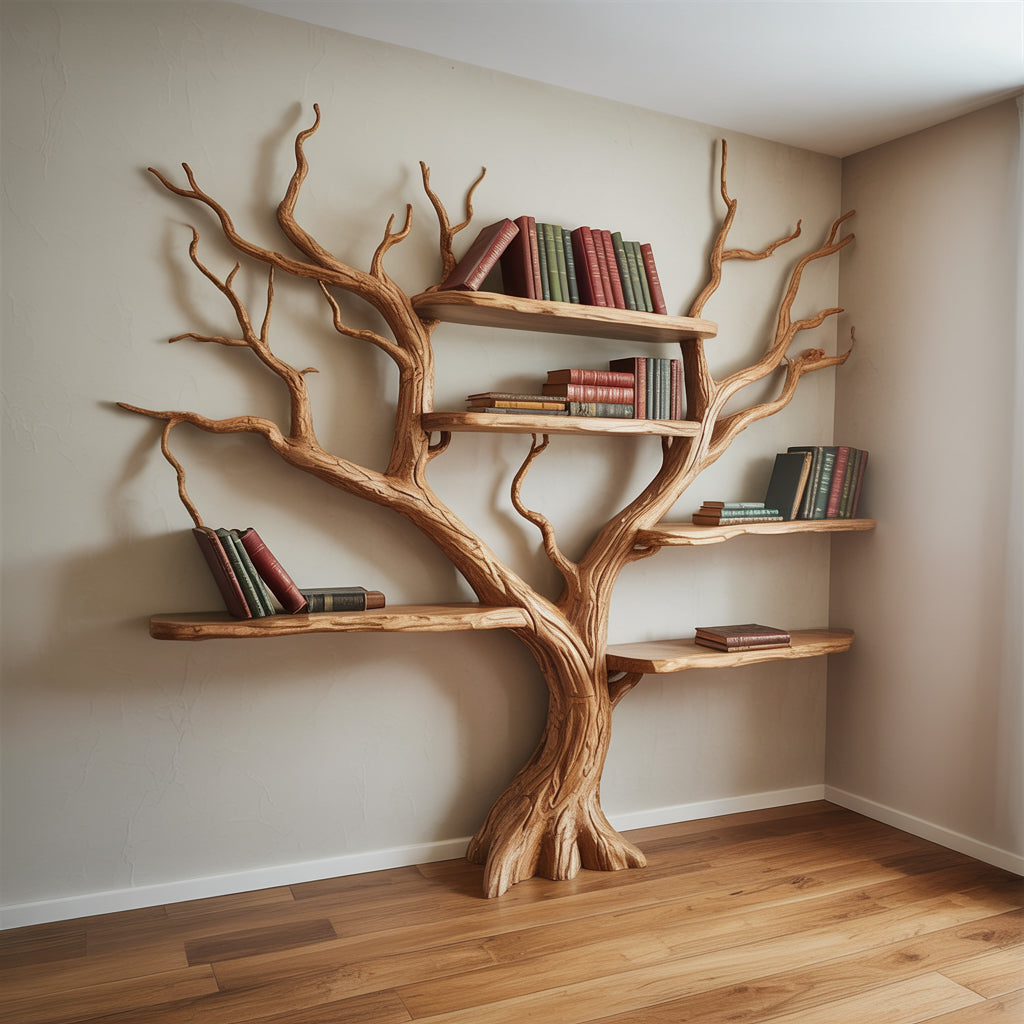
Tree-shaped bookshelves have branches instead of horizontal shelves, which changes the styling approach.
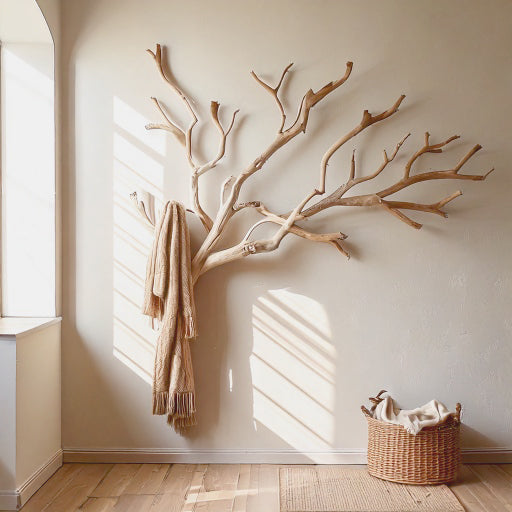
The branch structure does most of the visual work for you. The organic curves, the varying shelf sizes, the asymmetry, that's already more interesting than a rectangular grid. Your job is to not fight the shape.
Let some branches stay empty. The tree form looks better with some negative space. An empty branch reads as a natural pause in the design, like a bare branch in winter. Fill every branch and the tree form disappears into clutter.
One item per small branch. Short or narrow branches get one object: a small plant, a single book, a small ceramic. Trying to fit multiple items on a branch that's 6 inches wide makes it look stuffed.
Books on the wider branches. The thicker, wider branch sections hold books well. Small stacks of 3 to 5 books work better than long rows on tree shelves because the branches have natural endpoints.
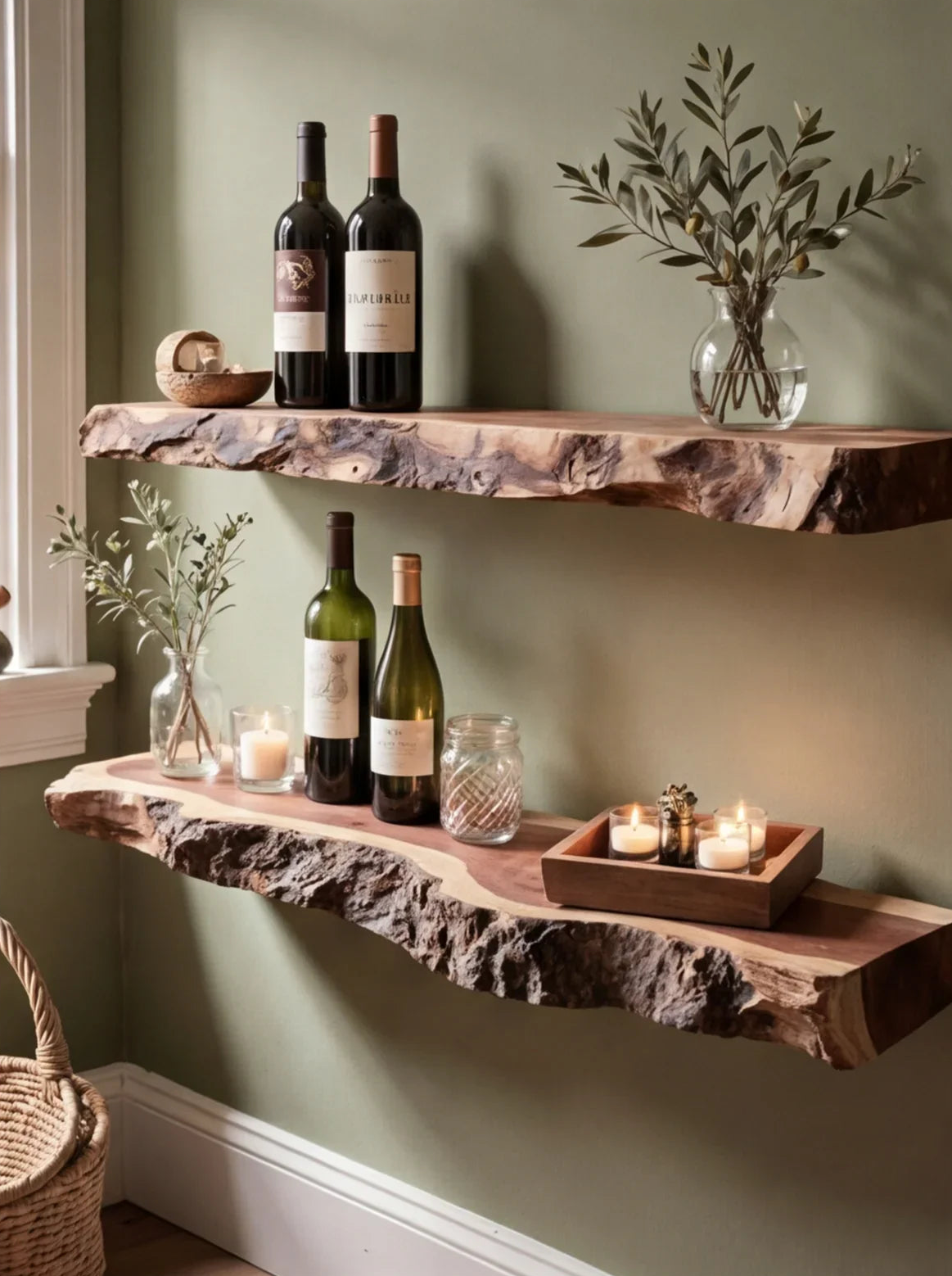
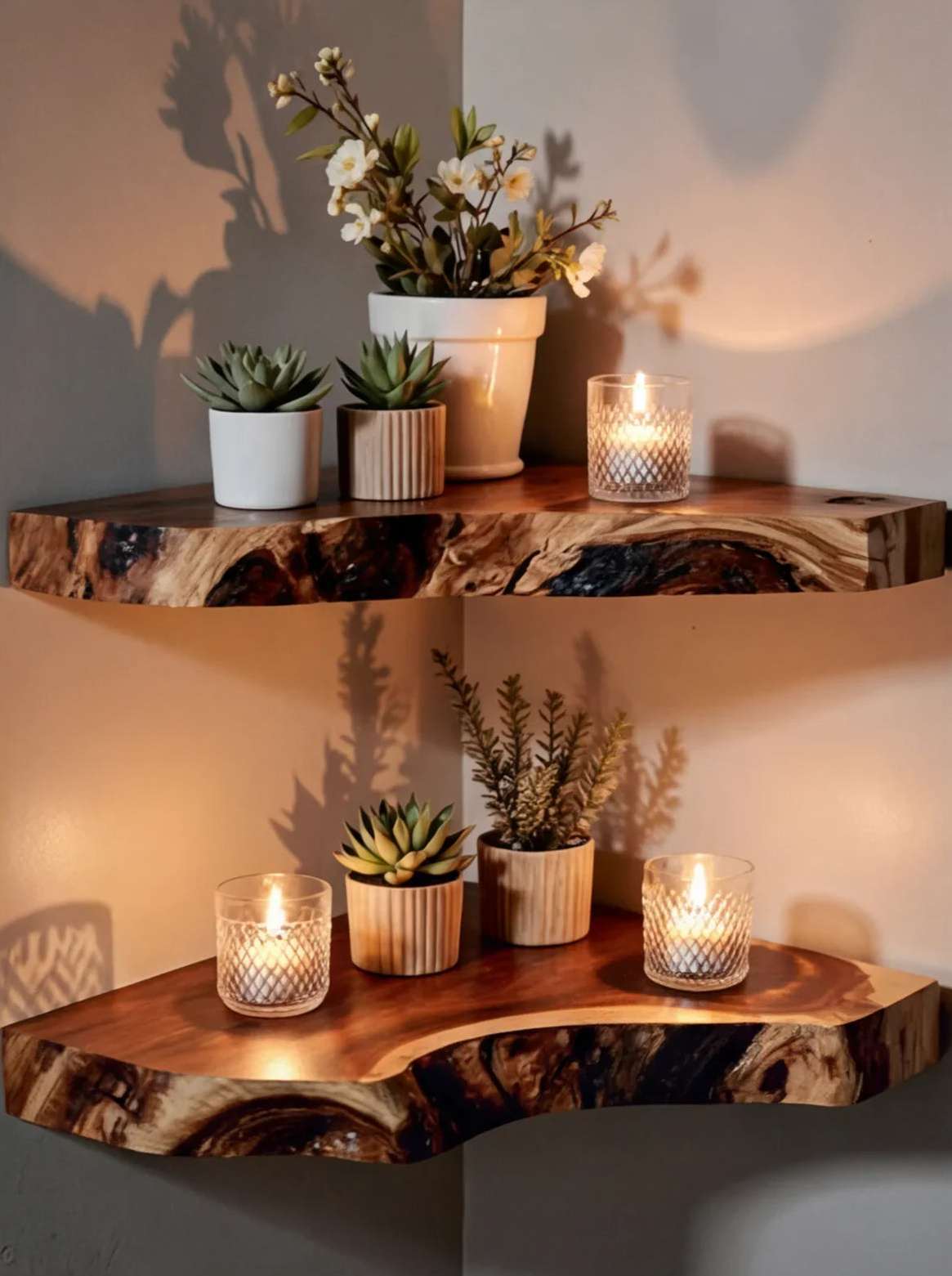
Let the wood show. If the bookshelf is handcrafted from solid wood, don't cover the surface completely. The grain, the carved edges, the natural wood color, that's part of the display. Objects on a tree bookshelf should complement the wood, not hide it.
Browse our tree bookshelf collection for handcrafted solid wood options with natural branch forms. Each one is carved by Vietnamese artisans and finished to work as both furniture and sculptural art.
Frequently asked questions
How many items should go on each bookshelf shelf?
For a standard 36-inch shelf: 60 percent books, 2 to 3 decorative objects, and at least one visible gap. That translates to roughly 8 to 12 books and 2 decorative pieces per shelf, with 30 to 40 percent of the space open.
Should I organize books by color?
It photographs well but works poorly in practice. You'll never remember where anything is. Group books loosely by category or size instead. If you want color impact, cluster books of similar tones in one section rather than rainbow-sorting the entire shelf.
How do I style a bookshelf with no books?
Fill the 60 percent that would be books with larger decorative objects, grouped at varying heights. Use horizontal elements (framed prints, shallow baskets) to fill width. A bookshelf with zero books needs more substantial objects to avoid looking empty, but keep the 10 percent breathing room.
What plants work on bookshelves?
Pothos, trailing philodendron, small succulents, dried eucalyptus, and air plants. Choose low-maintenance varieties that tolerate indirect light since bookshelves rarely get direct sun. Trailing plants on upper shelves add the most visual impact.
How often should I restyle my bookshelf?
Seasonally works well. Swap out a few objects, rotate books, change the plant. Major restyling twice a year keeps the shelf feeling fresh without constant effort. In between, just maintain: straighten leaning books, remove items that migrated there, wipe dust.
Does the bookshelf material affect how I style it?
Yes. Dark wood shelves need lighter objects for contrast. Light or white shelves can handle darker objects and bold colors. Natural wood grain (especially on tree bookshelves) adds its own texture, so you need fewer decorative items to achieve visual interest. The more interesting the shelf itself, the simpler the styling should be.