How to Mix 90s Furniture With Modern Interiors (Without It Looking Dated)
The 90s aesthetic is back. And no, we don't mean the "digging through your parents' attic for that hideous glass coffee table" version. What's returning is the good stuff - chunky wooden frames, woven rattan, warm earthy tones slowly pushing out the cold grays that dominated the 2010s.
But here's the catch: pulling off the 90s design aesthetic in a modern space isn't about recreating a 1996 living room. It's about cherry-picking what actually worked, quietly forgetting what didn't, and blending the two so seamlessly that your guests can't quite put their finger on why the room feels good.
That's exactly what this guide covers - practical, no-nonsense rules for mixing 90s home decor with contemporary interiors, complete with real examples and product picks that make it easier to pull off.

What Defines the 90s Design Aesthetic?
Before you start dragging that oversized armchair into your apartment, it helps to understand what made 90s interiors feel like the 90s in the first place.
The 80s were all neon, glass blocks, and excess. The 90s swung hard the other way. Earthy warm tones - terracotta, olive, warm beige - replaced the electric palette. Minimalist Scandinavian influence crept in. Furniture got chunkier, heavier, more honest. Natural materials took over: rattan, raw wood, linen, cotton. The result? Rooms that felt lived-in, not staged.
A few signature elements:
- Earthy color palettes - warm browns, muted greens, cream, terracotta
- Natural textures - woven baskets, rattan chairs, jute rugs
- Chunky, solid wood furniture - nothing too sleek or metal-heavy
- Understated minimalism - fewer pieces, more breathing room
- Warm, layered lighting - floor lamps, table lamps, nothing too clinical
If your space already has a few of these elements, you're closer to the 90s room aesthetic than you might think. The trick is knowing what to keep, what to add, and what to politely decline.

The 90s Room Aesthetic - A Quick Breakdown by Space
The 90s aesthetic didn't look the same in every room. Here's how it played out across the two spaces people care about most.
90s Living Room Aesthetic
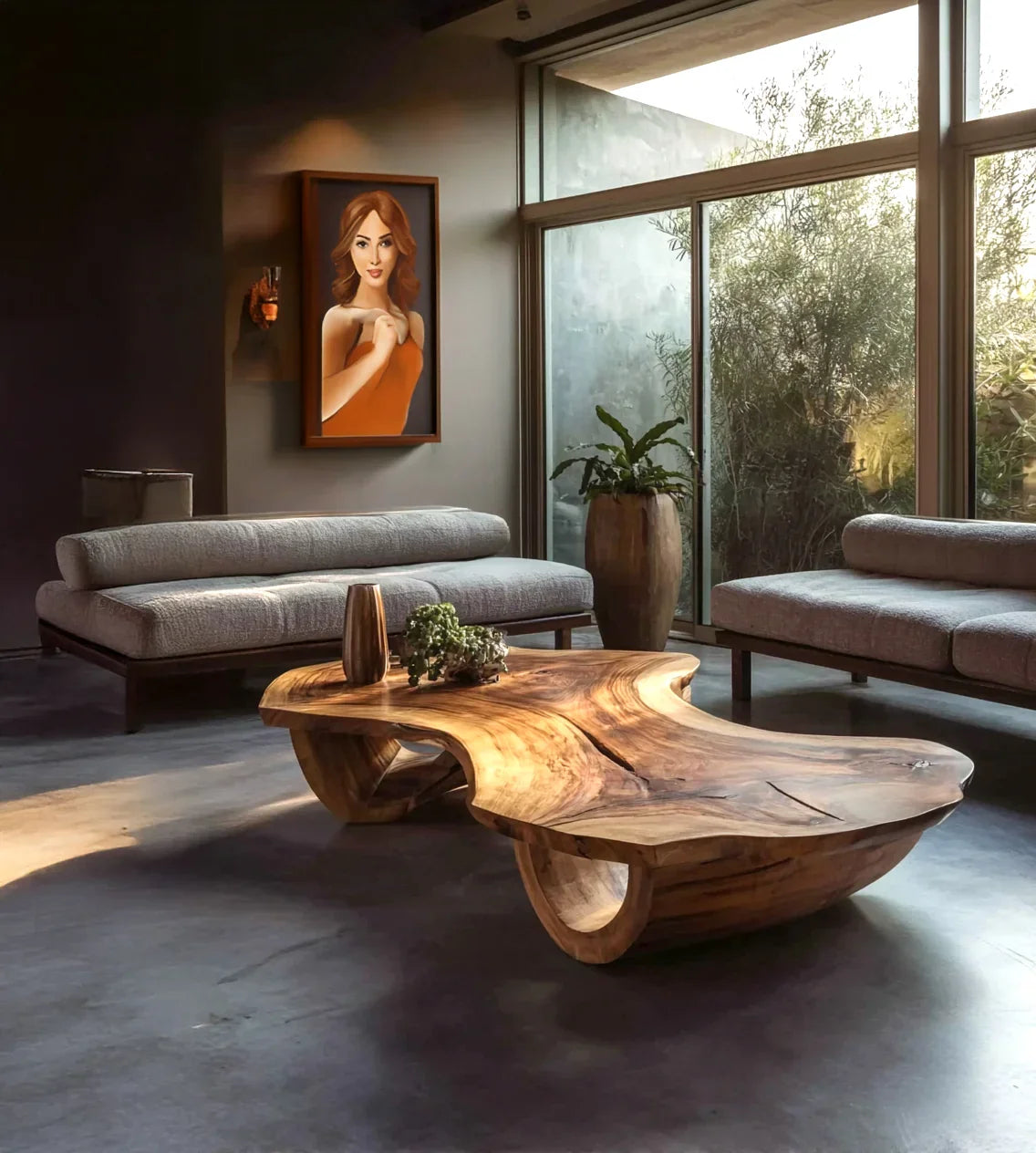
Picture this: oversized sofa in a warm neutral - beige, maybe olive green - with a knit throw tossed across it. A chunky wooden coffee table sitting on a jute rug. One or two rattan accent chairs in the corner. Art is minimal, maybe a single large framed print or a small gallery wall. The whole thing feels cozy without being cluttered.
Key pieces that defined the era:
- Slipcovered sofas in natural fabrics
- Solid wood coffee and side tables
- Woven or natural-fiber rugs
- Rattan or wicker accent chairs
- Warm-toned table and floor lamps
Notice what isn't there: no neon, no glass-top tables, no chrome everything. The 90s living room aesthetic put comfort first and style a very close second.

90s Bedroom Aesthetic
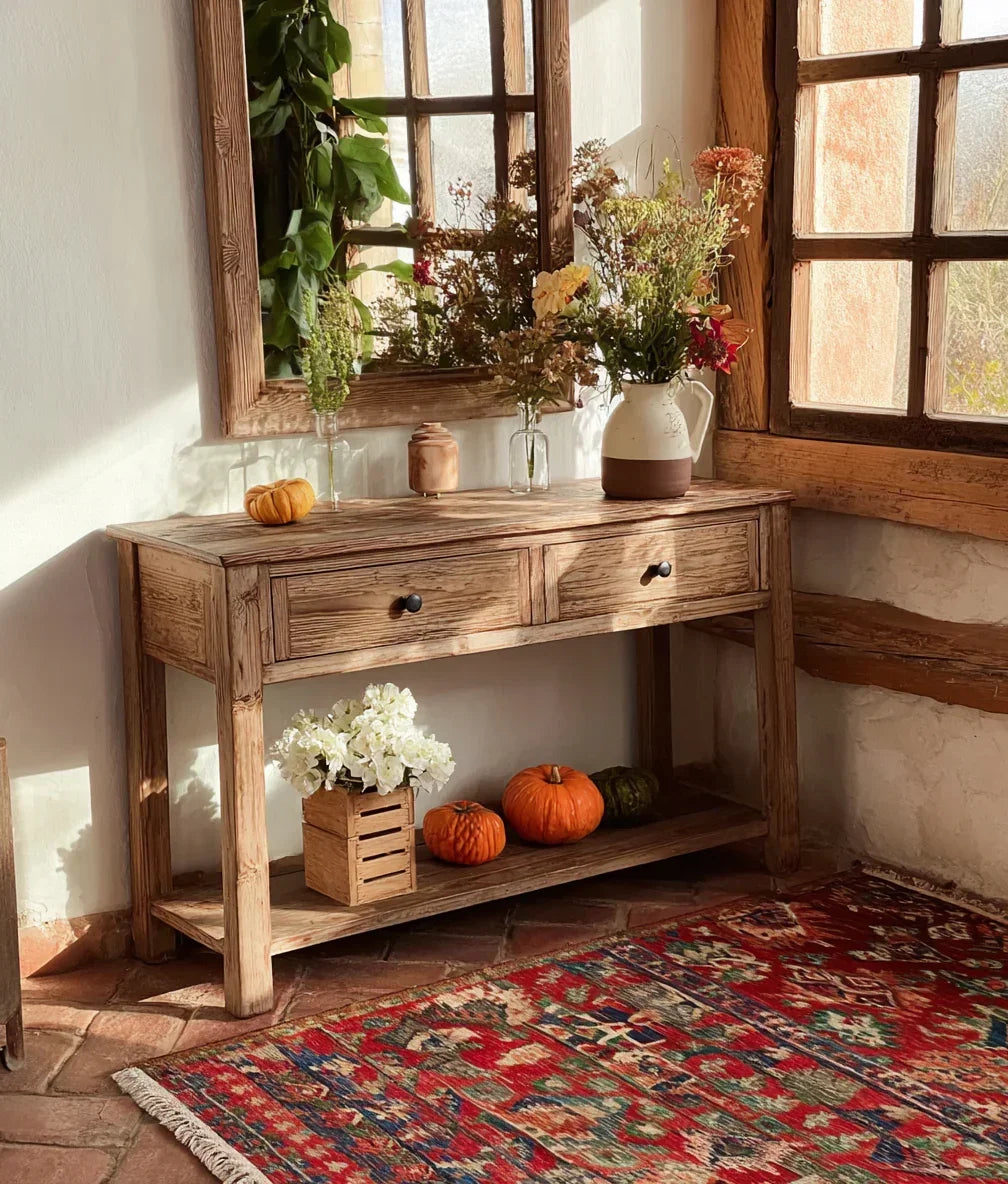
Warmth and texture defined the 90s bedroom. Warm wood dressers. Layered bedding in earthy or muted tones. A canopy bed if you were feeling fancy. Lighting was soft - table lamps with linen shades, nothing overhead if you could help it. Plants were everywhere. Mirrors had wooden frames, not metal ones.
"Quiet retreat," not "hotel suite." And honestly? That approach has aged better than most design trends we've seen since.

Rules for Blending 90s Pieces With Modern Interiors
Alright. Here's where it gets practical. These are the rules that actually work when you're standing in the middle of your living room staring at a 90s armchair and wondering, "Does this actually go with anything I own?"
Rule 1: Pick 2–3 Statement 90s Pieces Max
Don't furnish an entire room in 90s pieces - that's how you end up with a time capsule. Pick two or three you genuinely love. A rattan armchair, a chunky wooden dresser, a woven rug. Let everything else be contemporary. The 90s pieces become accents, not the foundation.
When one or two pieces scream "1996," you get character. When every piece does, you get your parents' basement.
Rule 2: Balance Proportions
The 90s loved chunky. Modern design leans slim. That contrast works - but only if you manage it with intention.
Pair a bulky 90s sofa with a sleek, low-profile coffee table. Balance a heavy wooden sideboard with a thin-framed mirror above it. The visual tension between heavy and light is what makes the mix feel fresh instead of dated.
Rule 3: Unify With a Neutral Base Palette
This is probably the most important rule on this list. If your walls, large rugs, and main upholstery sit in whites, creams, or warm neutrals, almost any 90s piece will feel intentional rather than accidentally inherited.
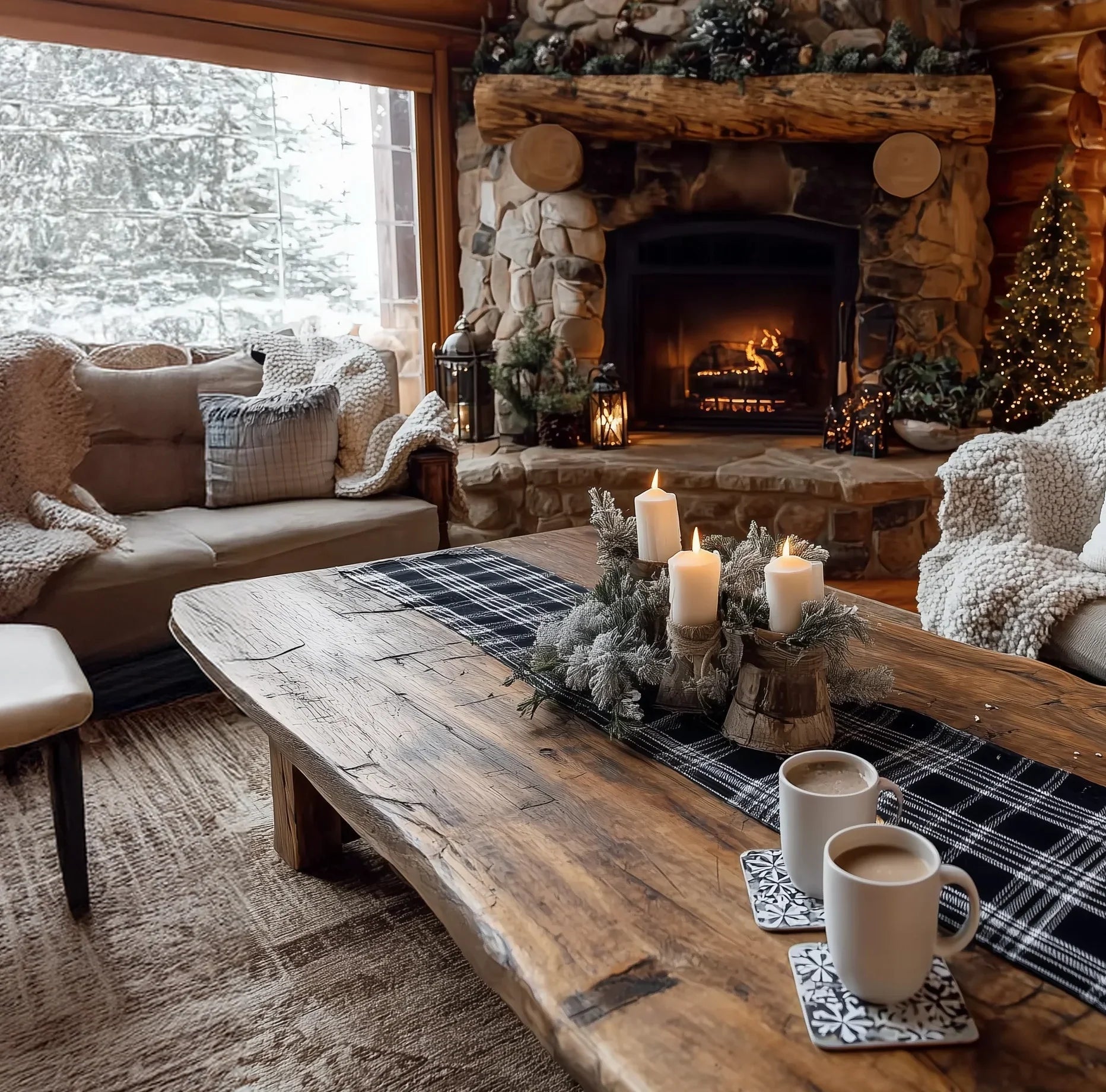
Take a look at how Rustic Coffee Table Ideas handles this - a linen table runner layered over natural wood, a neutral palette built on whites, creams, and warm tones. That's the exact principle at work here: when your base is calm and cohesive, the interesting pieces get room to breathe.
If your current palette leans cool (grays, blues, stark whites), warm it up first. Swap one or two items - a cream throw, a jute rug, a warm-toned lamp shade - before introducing 90s furniture. The transition matters.

Rule 4: Mix Materials Intentionally
The 90s didn't really do chrome-and-glass. It did wood, rattan, linen, jute, clay. But that doesn't mean you need to ban every modern material from the room.
The goal is intentional contrast:
- A rattan chair next to a metal side table
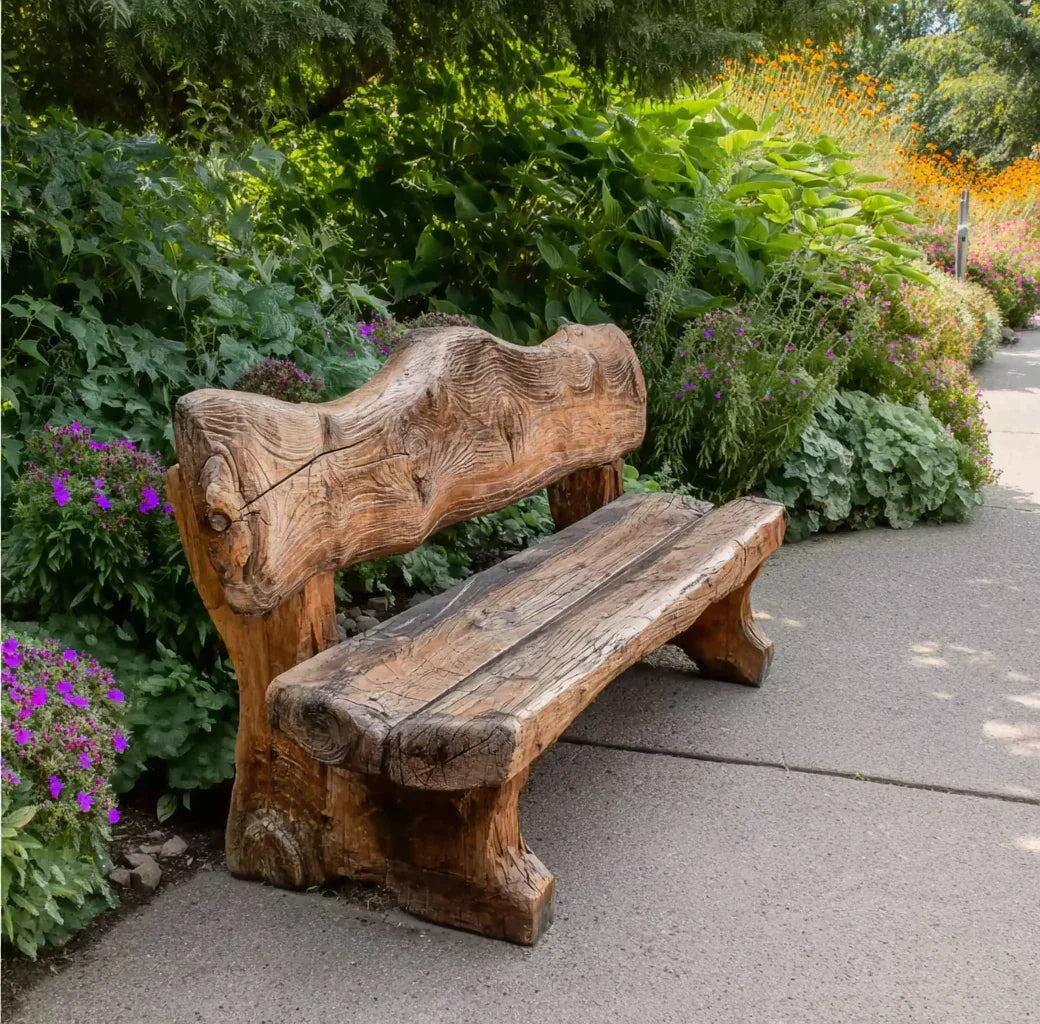
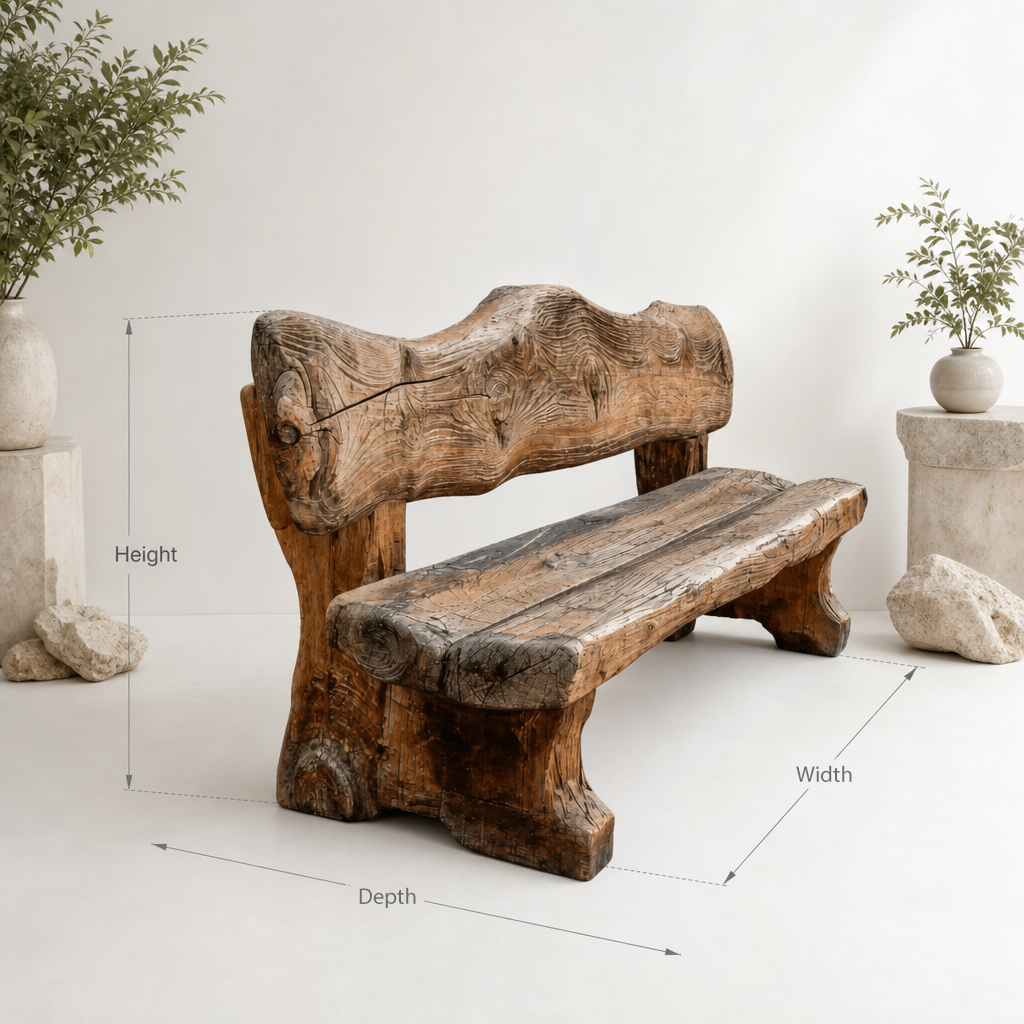
- A solid wood bench against a painted drywall wall
- A woven basket beside a sleek ceramic vase
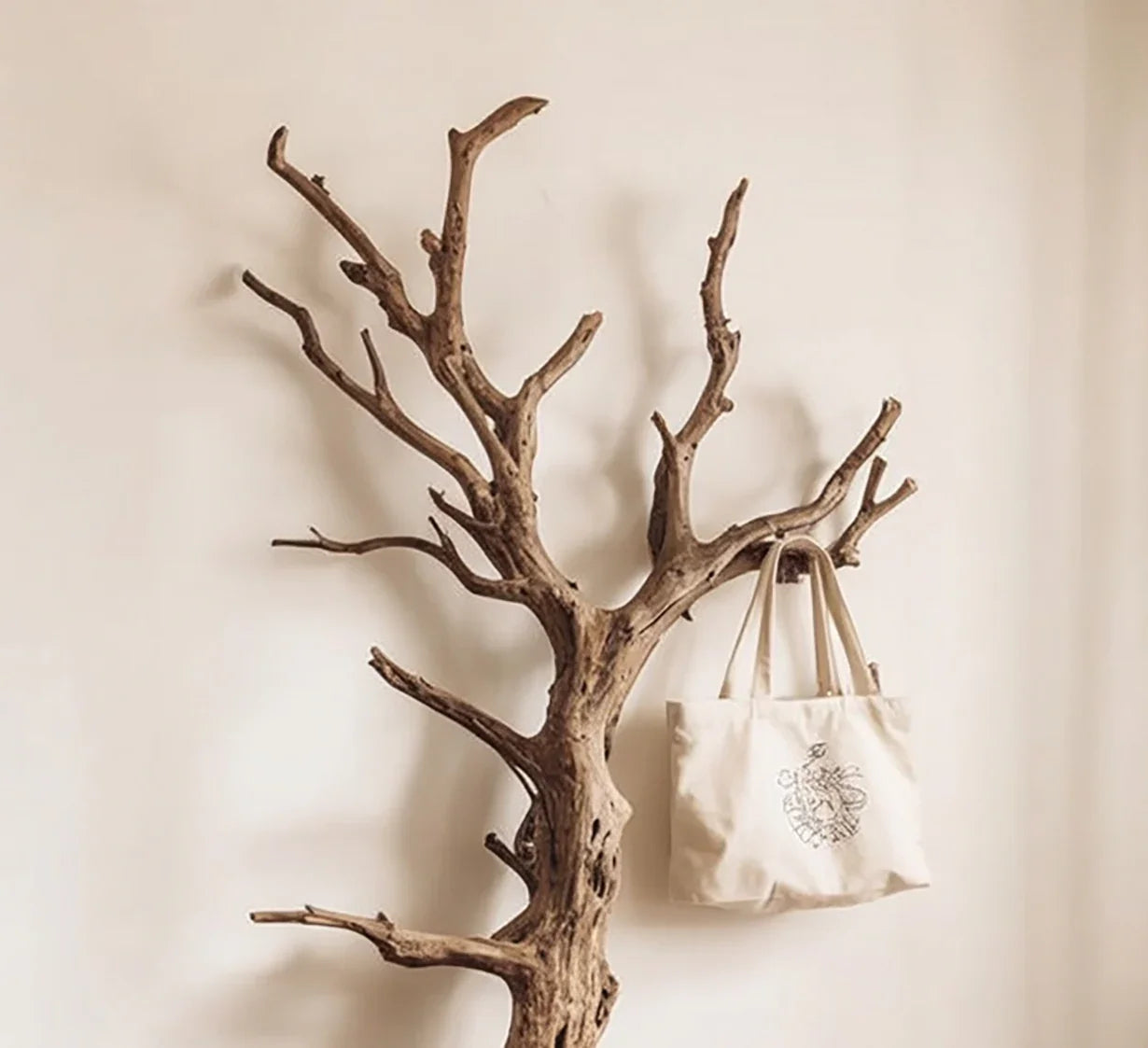
For a concrete example, check out our Rustic Coat Rack Ideas - the featured pieces lean heavily into natural materials, rattan-adjacent textures, and warm wood tones. That's the material palette you want echoing through a 90s-inspired room.
If you're looking for specific product anchors, consider pieces like a wooden or rattan-frame bench for your entryway or bedroom, or a rustic coffee table with visible grain and honest construction. These pieces ground a room in the 90s sensibility without overwhelming it.

Rule 5: Update the Lighting
Nothing dates a room faster than harsh overhead lighting. The 90s got this right - warm-bulb table lamps, linen-shade floor lamps, rattan pendants everywhere. And honestly? They were onto something.
A linen-shade floor lamp like our Driftwood Floor Lamp does double duty: it brings that warm, diffused light the 90s loved, and the natural wood base fits the material palette without feeling like a period piece.
Other lighting moves that work:
- Swap cool-white bulbs for warm white (2700K–3000K)
- Add a rattan pendant over a dining table or reading nook
- Layer table lamps on sideboards and nightstands
- Avoid recessed lighting as your primary source if you can
Lighting is the cheapest way to shift a room's era. Use it.

Rule 6: Edit, Don't Accumulate
The 90s had... a lot going on. Not all of it deserves a second act.
Modern interiors succeed because they edit ruthlessly. One item per shelf. Negative space as a design choice, not an accident. Every object earns its place.
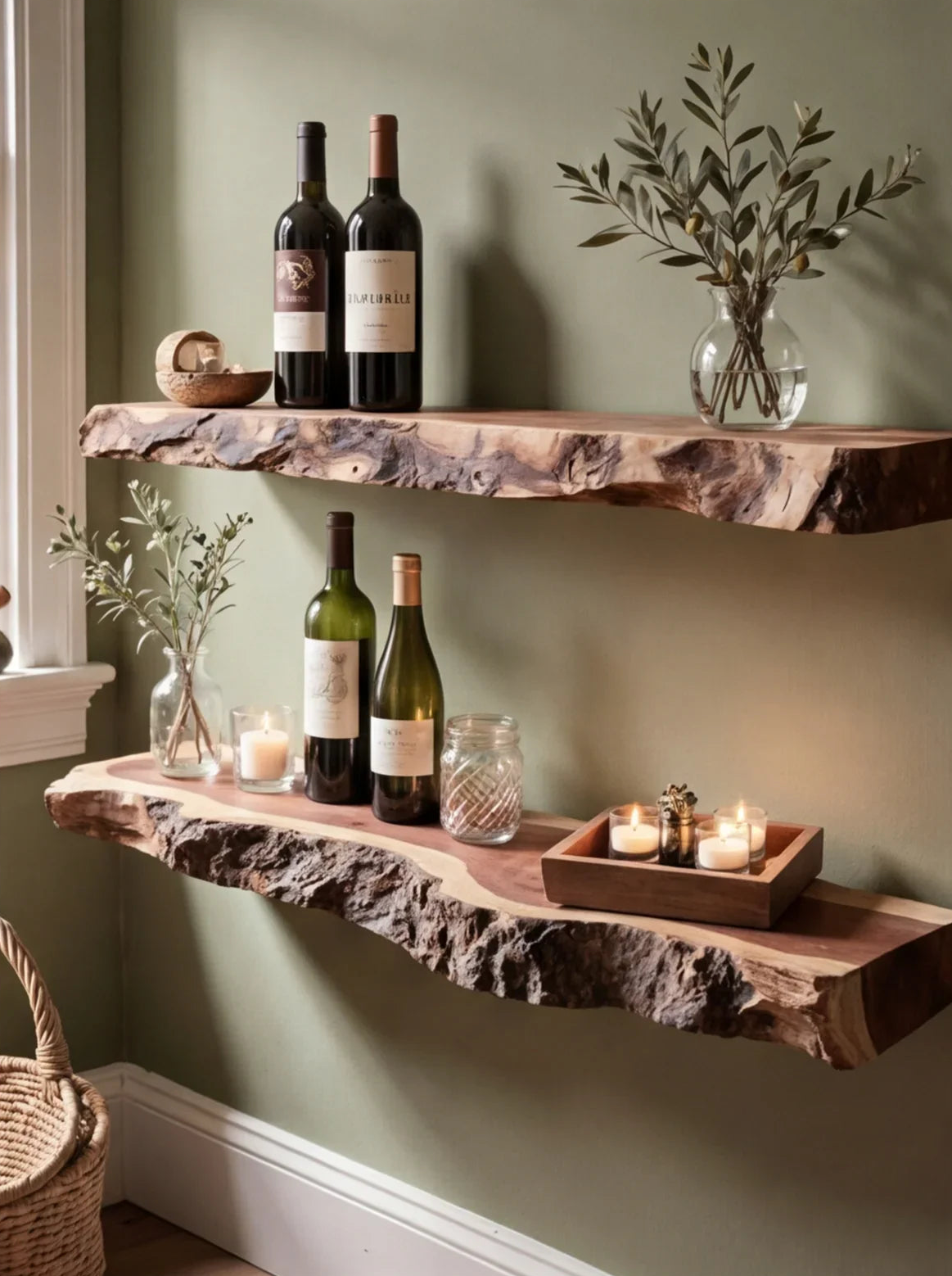
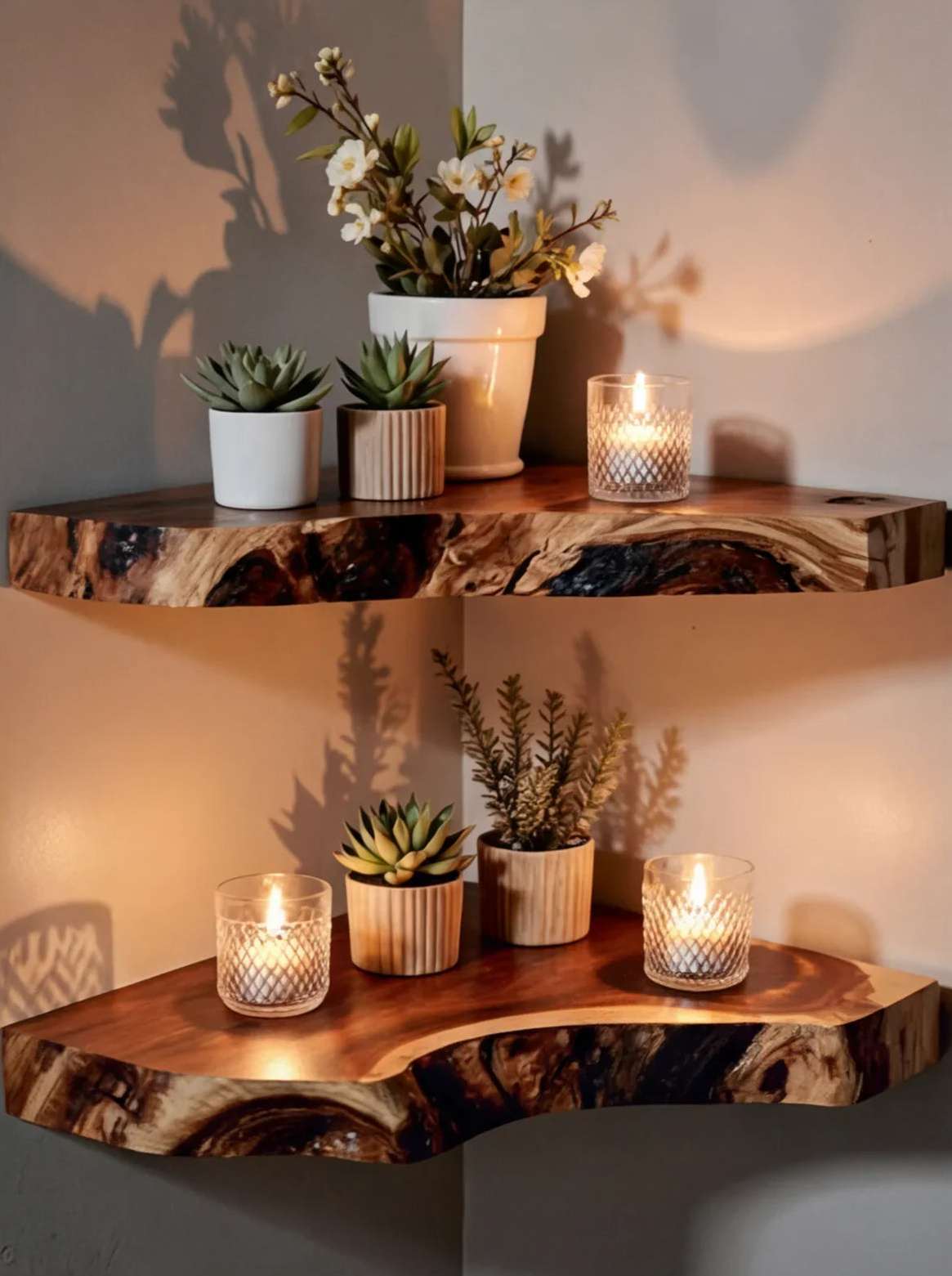
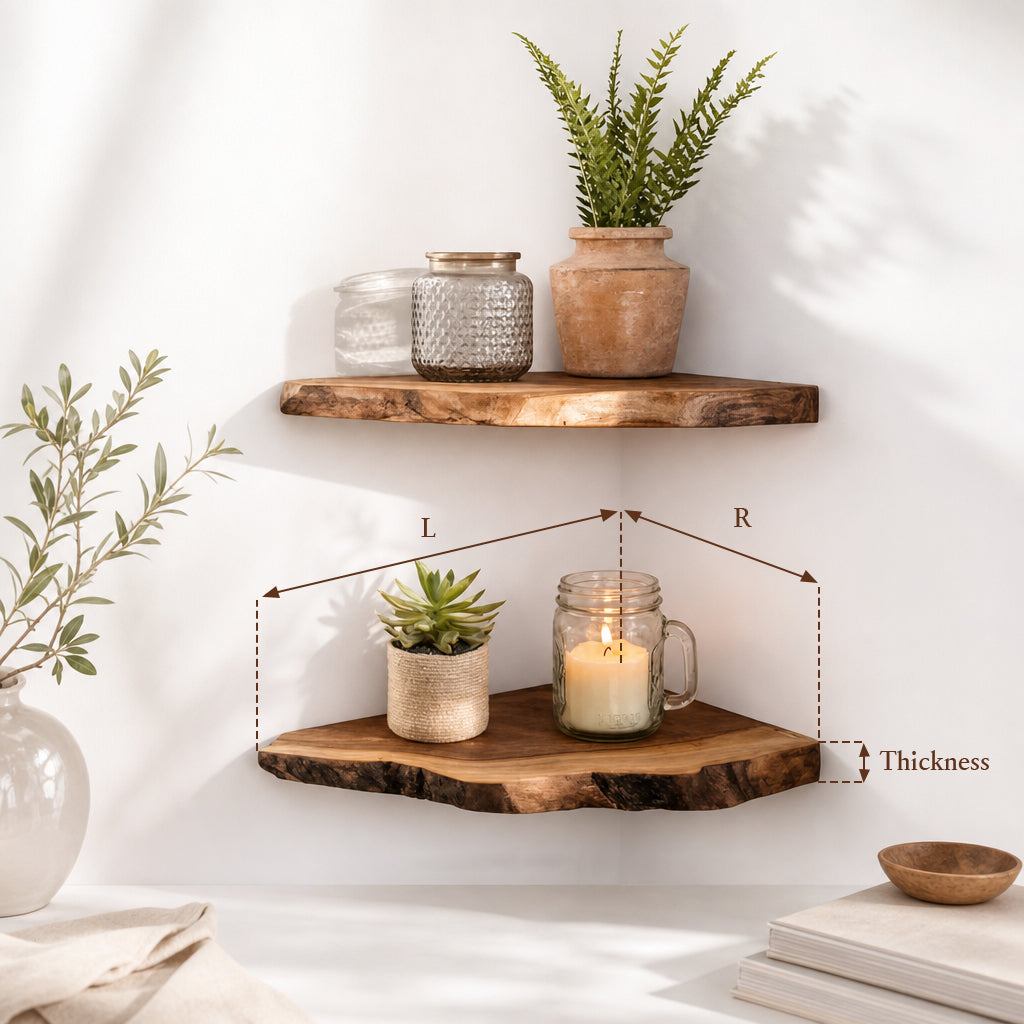
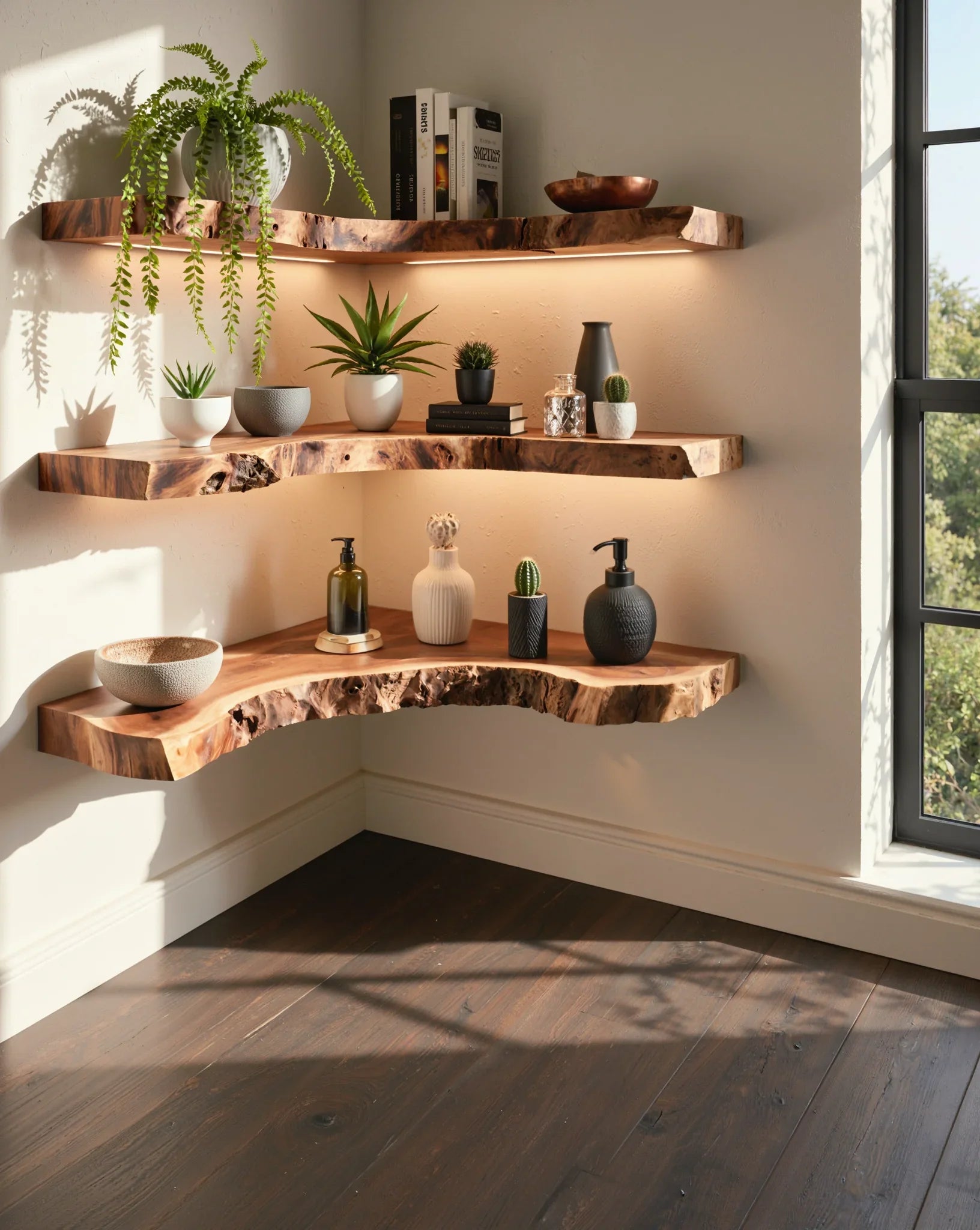
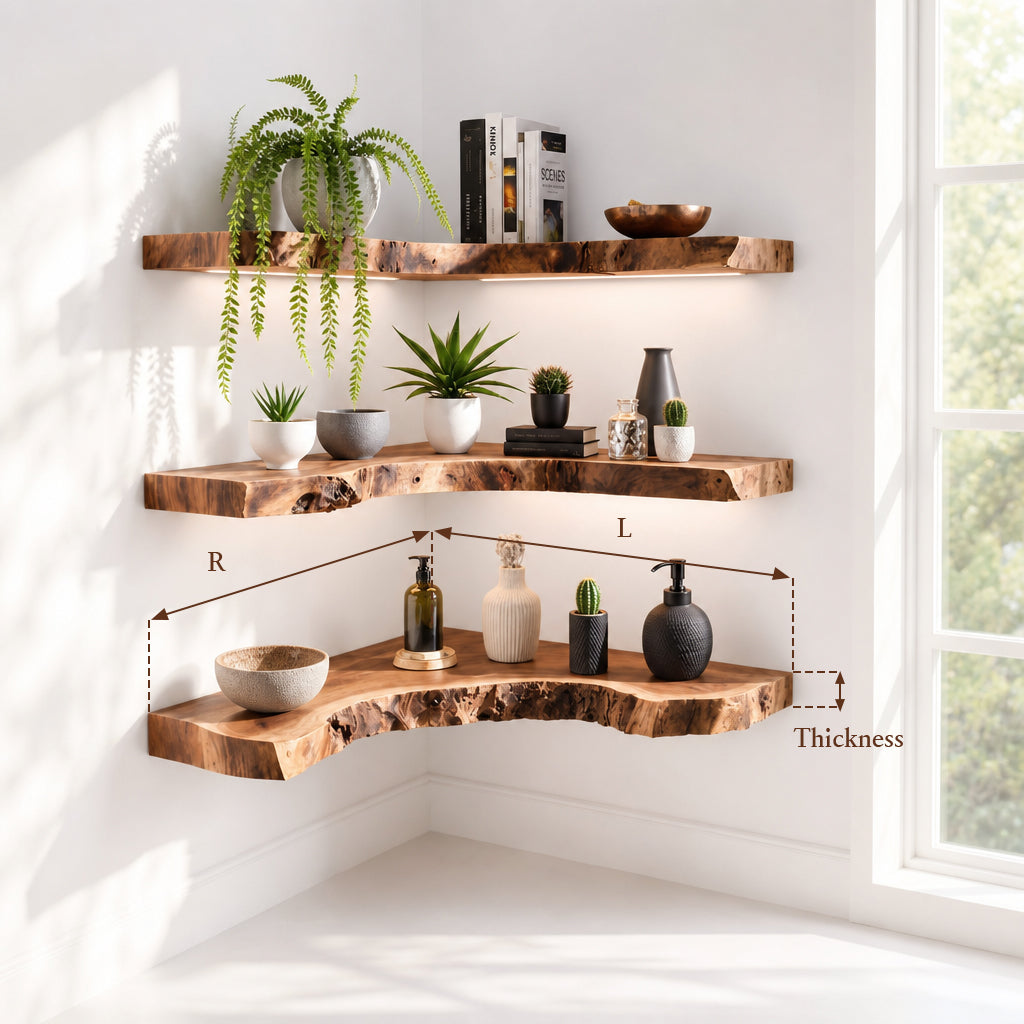
If this sounds abstract, our Rustic Corner Shelf Ideas nails it - the section on minimalist Scandinavian-influenced styling spells it out clearly: one item per shelf, intentional negative space, nothing crammed in for the sake of filling gaps. That's the energy you want when placing 90s pieces in a modern room.
Before adding something, ask: Does this room feel better with or without it? If the answer isn't immediate, leave it out.

Common Mistakes When Mixing 90s Home Decor
Too many era pieces at once. Three 90s items in a modern room looks curated. Ten 90s items looks like your parents' living room in 1997. Know the difference.
Ignoring scale and proportion. A massive 90s sectional in a small apartment will swallow the room whole. Scale your picks to your space, not to the era they came from.
Clashing color palettes without transition. You can't just drop a terracotta 90s armchair into a room full of cool grays and expect it to look intentional. Bridge the gap first - a cream rug here, a wooden side table there, a warm-toned lamp to tie it together.
Buying "vintage-washed" new items. You know the type - brand-new furniture with fake distressing sold as "rustic vintage." It reads as inauthentic because it is. If you want the 90s look, go for honest materials - real wood, real rattan, real linen - even if the piece itself is newly made.
Forgetting about function. A beautiful 90s chair means nothing if nobody wants to sit in it. Always test comfort, not just how it looks.

Frequently Asked Questions
What is the 90s aesthetic in interior design?
It centers on warm, earthy tones, natural materials like rattan and wood, chunky furniture silhouettes, and a calmer, more understated approach compared to the 80s excess. Think cozy, lived-in spaces where comfort and texture matter more than shine and spectacle.
Can you mix 90s furniture with modern minimalist style?
Absolutely - that's actually the sweet spot. Modern minimalism gives you a clean canvas. 90s pieces bring warmth and personality. The key is restraint: two or three statement pieces, neutral base doing the heavy lifting, and you're set.
What colors define the 90s home decor palette?
Warm neutrals dominated: cream, beige, warm brown, terracotta, olive green, muted mustard. Cool grays and stark whites barely showed up. If you're working with a cool-toned room right now, introduce warmth gradually - textiles, lighting, natural materials - before bringing in any 90s furniture.
Is the 90s design aesthetic making a comeback?
It has been, and the shift's been building for a few years now. As people tire of millennial gray and the all-white-everything trend, the door opens wider for warmer, more textured spaces - which is exactly what the 90s did best. Expect more rattan, warm wood tones, and layered textiles in mainstream design for the rest of the decade.
How do I tell if a piece is actually 90s or just 90s-inspired?
Look at the construction. Authentic 90s pieces tend toward solid wood (not MDF), natural fabrics (not polyester blends), and simpler joinery. Modern 90s-inspired pieces usually have cleaner lines and more uniform finishes. Both can work in a mixed space - authenticity matters less than whether the piece actually fits your palette and proportions.
Wrapping Up
Mixing 90s furniture with modern interiors isn't about nostalgia. It's about borrowing what worked - the warmth, the texture, the restraint - and quietly leaving the rest behind.
Start with a neutral base. Add a couple pieces you genuinely love. Balance the proportions. Edit ruthlessly. Let the room evolve instead of forcing everything into place on a single weekend.
The 90s aesthetic earned its comeback. Now it's about letting it earn its place in your space, not the other way around.