Brown Furniture Is Back - Here's How to Style It Like a Pro
Brown furniture got a bad rap in the 2010s. "Millennial gray" took over - white-washed floors, cool gray walls, furniture that looked like it belonged in a dental office. Brown wood got pushed into the corner and labeled "dated."
But here's the thing: brown furniture never actually went anywhere. It just waited. And now that the all-white era is fading, it's stepping back into the room where it always belonged.
This isn't a nostalgia play. It's a practical guide - 9 rules for styling brown furniture and mixing wood tones so your room feels warm, intentional, and alive. Let's get into it.

Why Brown Furniture Never Actually Left
The 2010s all-white, gray-washed era was a blip. Brown wood has been the backbone of interior design for centuries, and for good reason.
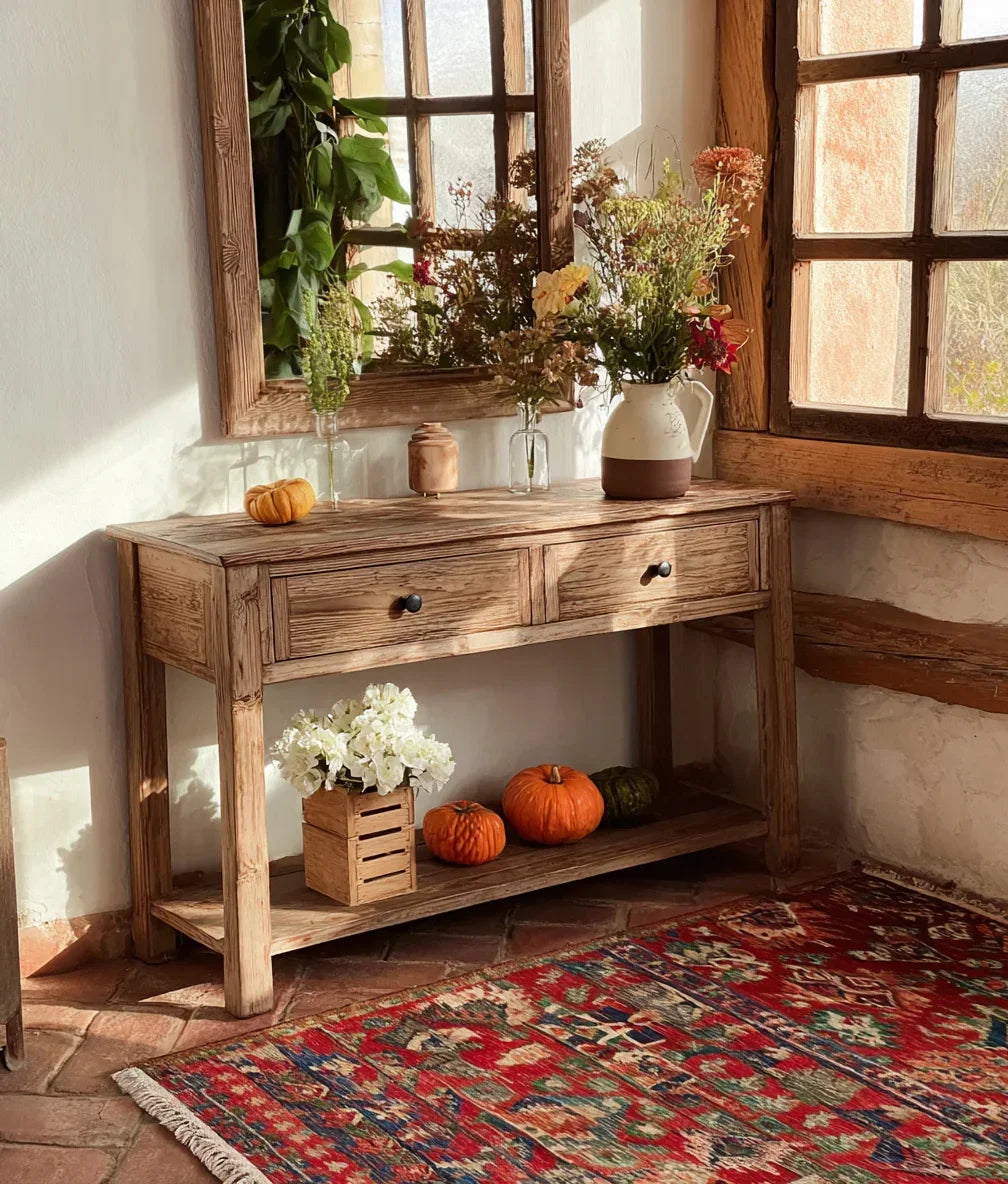
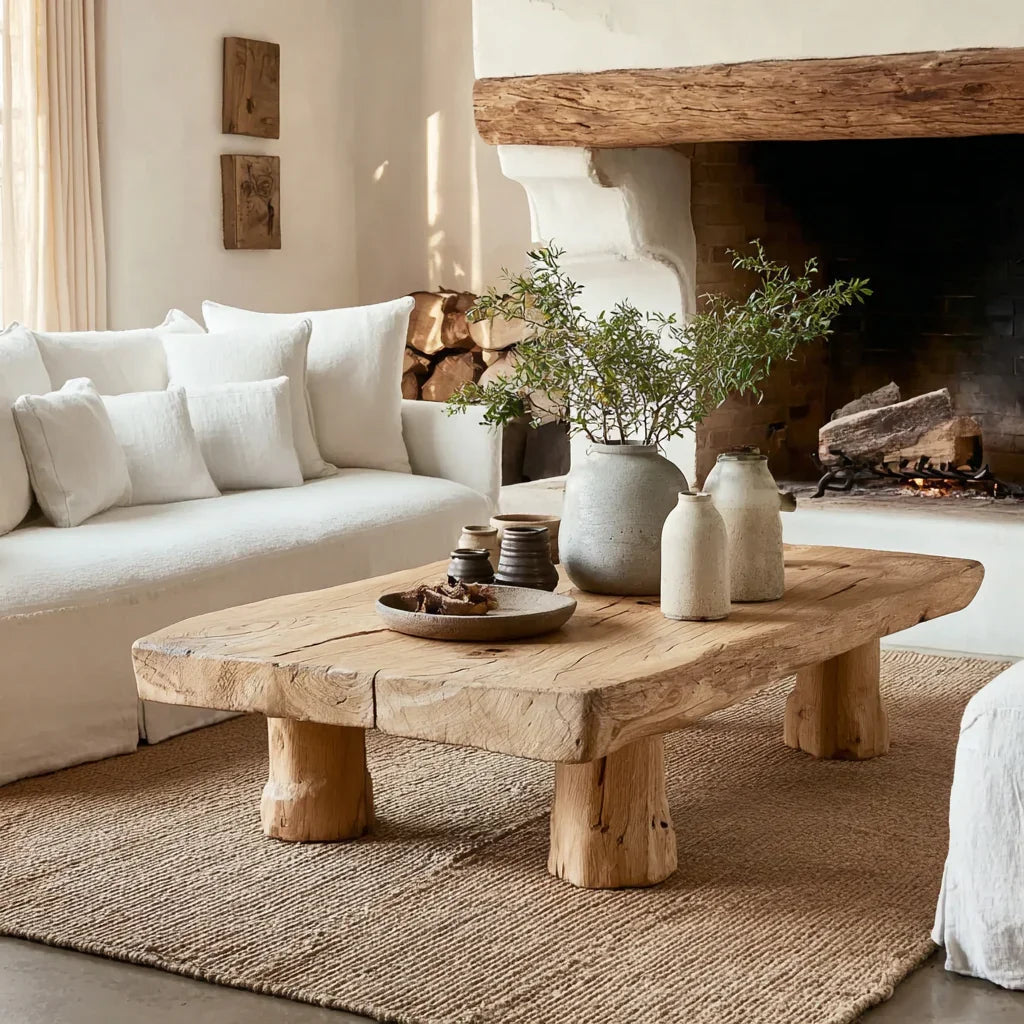
Warm wood tones do something specific to a room: they ground it. A dark wood sideboard against a cream wall. A walnut coffee table on a jute rug. These combinations feel right because they echo the natural world - earth, wood, stone. Our brains don't need a design degree to process that.
The 90s ran on this energy. Heavy wood, warm tones, rooms that felt lived-in rather than staged. And now that same sensibility is returning, just filtered through a more modern lens - less bulk, more intention.
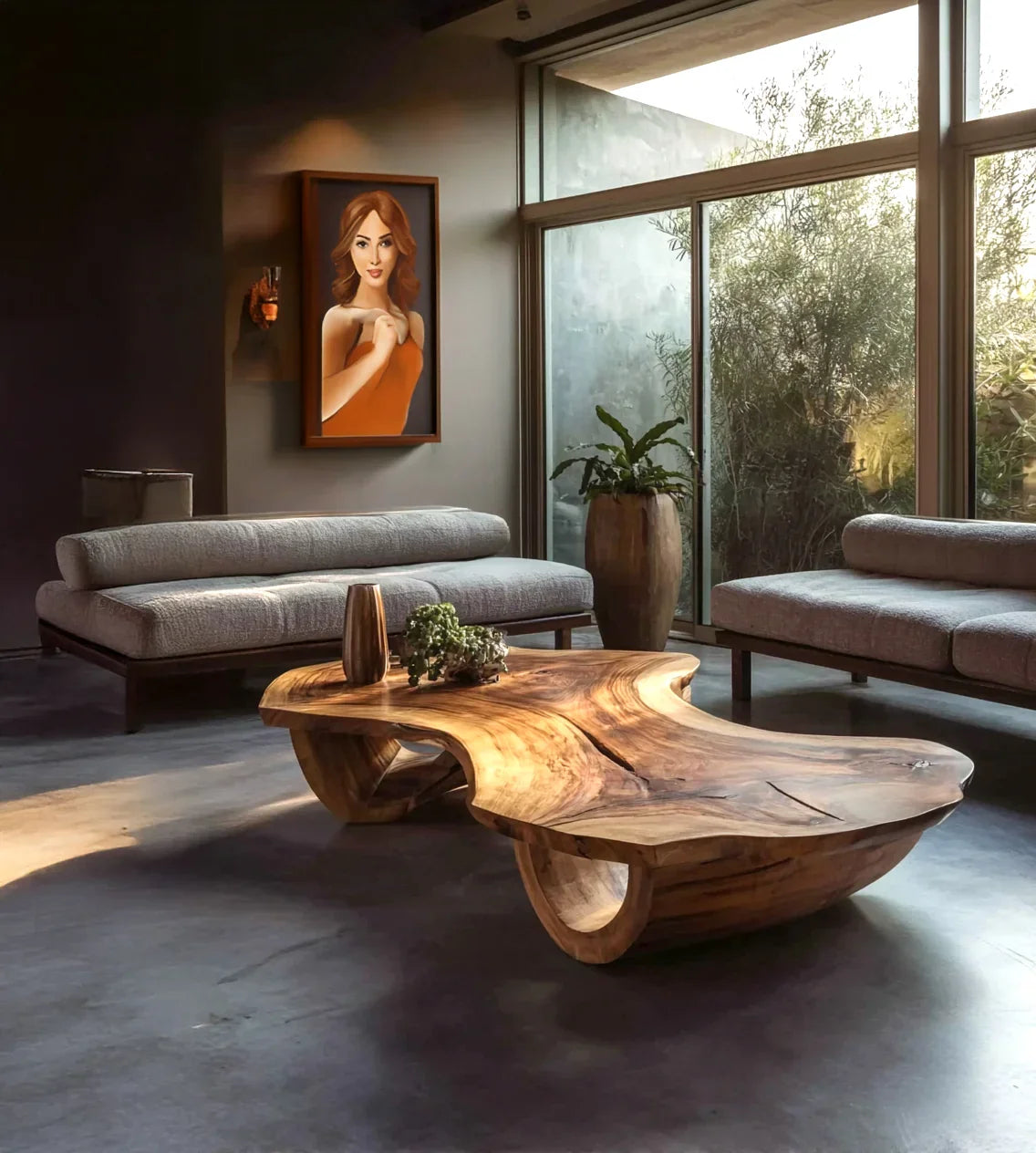
If you want to understand the broader framework, our How to Mix 90s Furniture With Modern Interiors guide covers the full picture. And for a deep dive on one specific piece, our Dark Wood Coffee Tables guide breaks down exactly why that one piece can transform a room.

Rule 1 - Start With One Anchor Piece
Don't try to furnish an entire room in brown furniture at once. Pick one anchor piece - a coffee table, a sideboard, a dining table - and let it set the wood tone for everything else.
That anchor becomes the reference point. Every other piece either echoes it (same wood family) or contrasts it (lighter wood, metal, glass). But it all starts with one.
And please - skip the matching bedroom or dining sets. They look like a showroom catalog. You want curated, not coordinated.
If you're looking for the right anchor piece, our 90s Aesthetic Collection has pieces designed to anchor a room without overwhelming it.

Rule 2 - Mix Wood Tones, But Follow the 60-30-10 Rule
Yes, you can mix different wood tones in the same room. In fact, you should - matching everything is what makes rooms feel flat.
The 60-30-10 rule keeps it from getting chaotic:
- 60% dominant wood tone - your anchor piece and largest surfaces
- 30% secondary tone - complementary pieces (side chairs, small tables)
- 10% accent tone - decorative objects, small details
Example: a walnut coffee table dominates (60%), teak side chairs add warmth (30%), and an acacia bowl on the table brings a touch of variation (10%).
Two guardrails:
- Never mix more than 3 wood tones in one room. Past that, it starts to look random.
- Keep undertones in the same family. Warm woods with warm woods. Cool woods with cool woods. Mixing undertones is where the clash happens.

Rule 3 - Light Walls + Dark Wood = Instant Contrast
This one's simple but non-negotiable. Dark wood furniture against dark walls? That's not a living room - that's a study nook in a cabin.
Light walls - cream, white, warm beige - let brown furniture breathe. The contrast is what makes the wood pop. Without it, the piece disappears into the background.
If your walls are already dark, you've got two options: lighten everything else (rug, textiles, art frames) or accept that the room will feel cozy to the point of claustrophobic. Sometimes that's the goal. Often it's not.

Rule 4 - Texture Is Your Best Friend
Brown furniture without texture = flat. A big wooden block in a room full of smooth surfaces reads as heavy, not warm.
So soften it. Add texture at every level:
- A jute or braided rug under the coffee table
- A linen throw draped over the sofa
- A woven basket tucked beside the sideboard
- A rattan accent chair in the corner
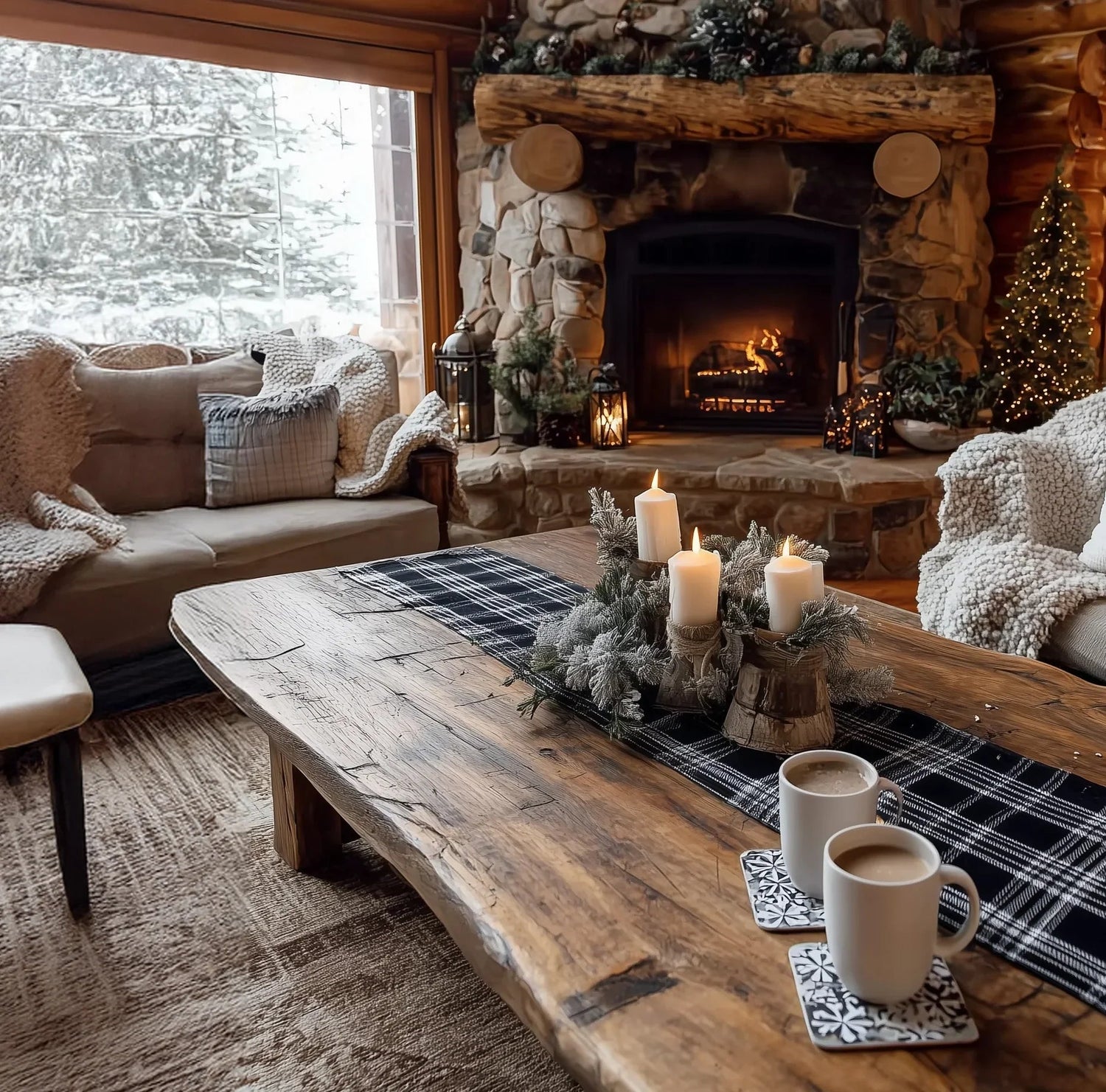
Check out how Rustic Coffee Table Ideas approaches this - linen table runner over natural wood, layered with whites and creams. That same layering principle applies to any brown furniture piece.
And for another angle on natural material layering, Rustic Coat Rack Ideas shows how wood, rattan, and warm tones work together in smaller spaces.

Rule 5 - Metal Accents Break Up the Wood Monotony
Not everything in the room needs to be wood. In fact, it shouldn't be.
A slim brass floor lamp next to a brown sideboard. A matte black metal side table beside a walnut armchair. A ceramic vase on the coffee table. These non-wood elements create visual relief - they give the eye somewhere to rest between all that beautiful timber.
Don't overthink the metal matching. Brass and matte black together actually create more depth than a single metal finish throughout. The goal is variety, not uniformity.
Brown furniture should be the star of the room. Just not the only player.
Rule 6 - Bring in Some Green
Green and warm brown might be the most natural color combination in interior design - literally. Think about it: trees, earth, foliage. The pairing just works.
A large floor plant - fiddle leaf fig, monstera, bird of paradise - next to a brown sideboard or bookshelf creates instant life in the room. Small trailing plants on shelves above brown furniture add softness to hard edges.
You don't need a jungle. One or two well-placed plants are enough to shift the energy of a space from "furniture showroom" to "someone actually lives here."
Rule 7 - Warm Lighting or Nothing
Brown furniture under cool, clinical lighting looks dead. The grain flattens. The warmth disappears. You paid for beautiful wood - don't hide it behind a 5000K bulb.
Warm bulbs (2700K–3000K) bring out the richness in walnut, teak, acacia - all of it. Layer your lighting so the wood gets hit from multiple angles:
- A floor lamp in the corner
- A table lamp on the sideboard
- Maybe a pendant overhead if the room needs it
A linen-shade floor lamp like our Driftwood Floor Lamp does double duty here - warm, diffused light plus a natural wood base that echoes the furniture's material palette.
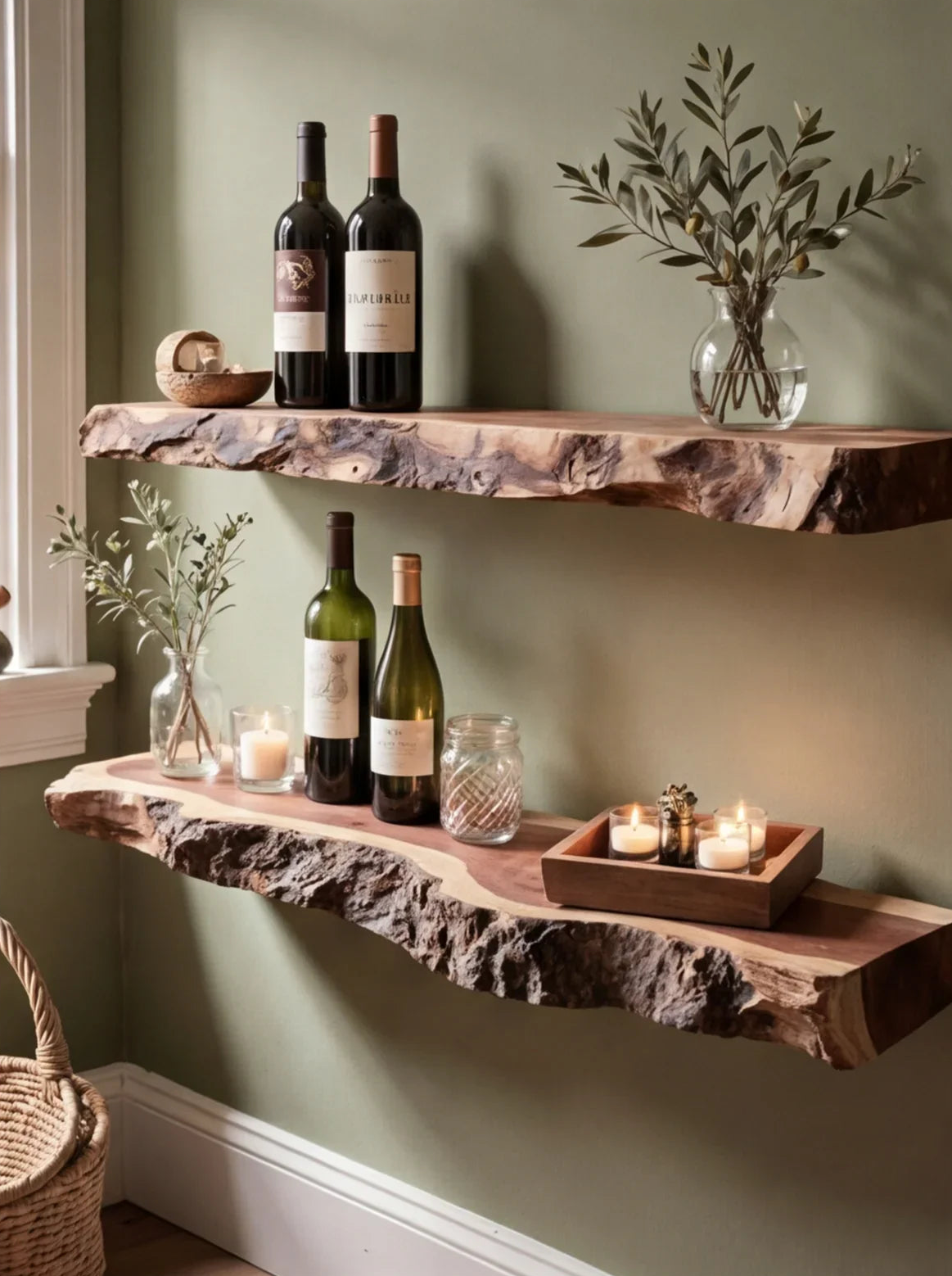
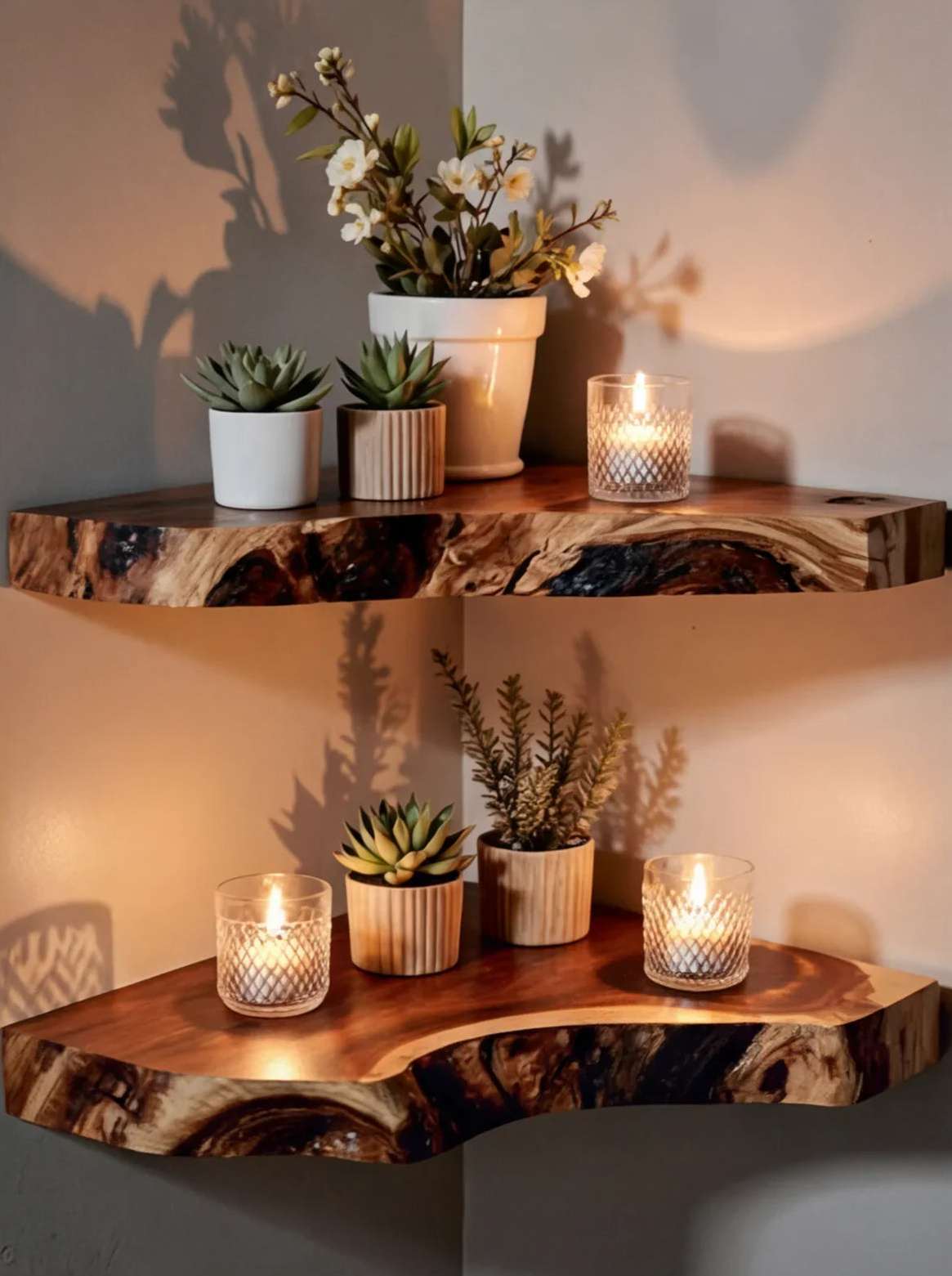
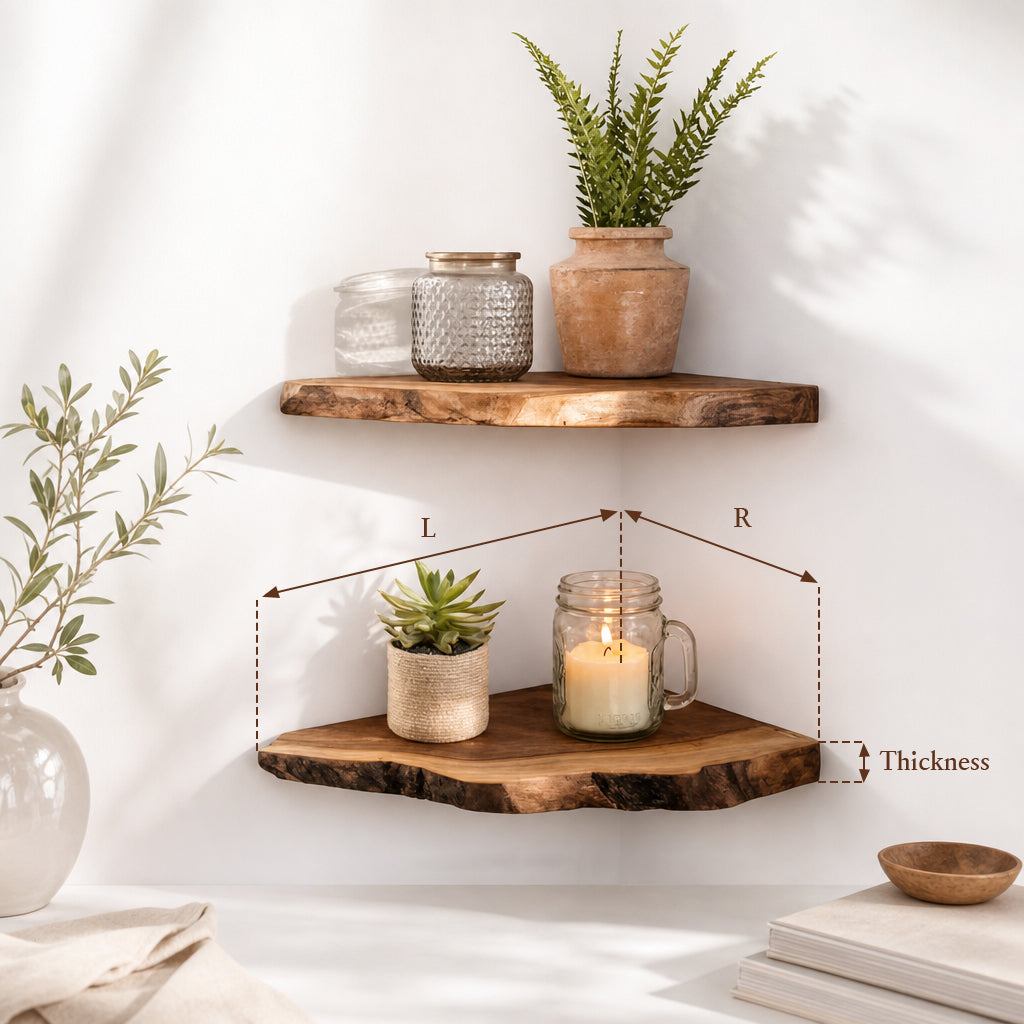
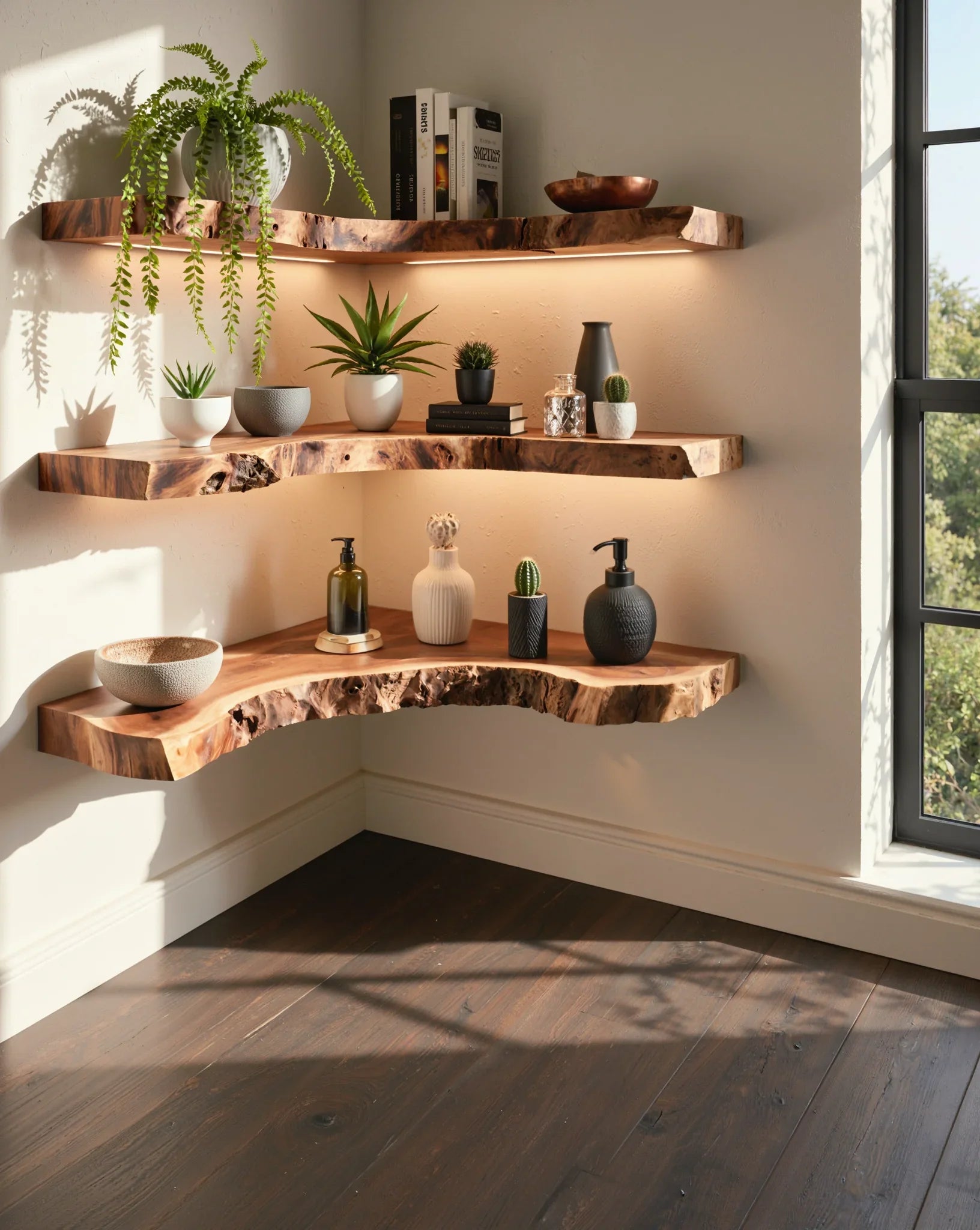
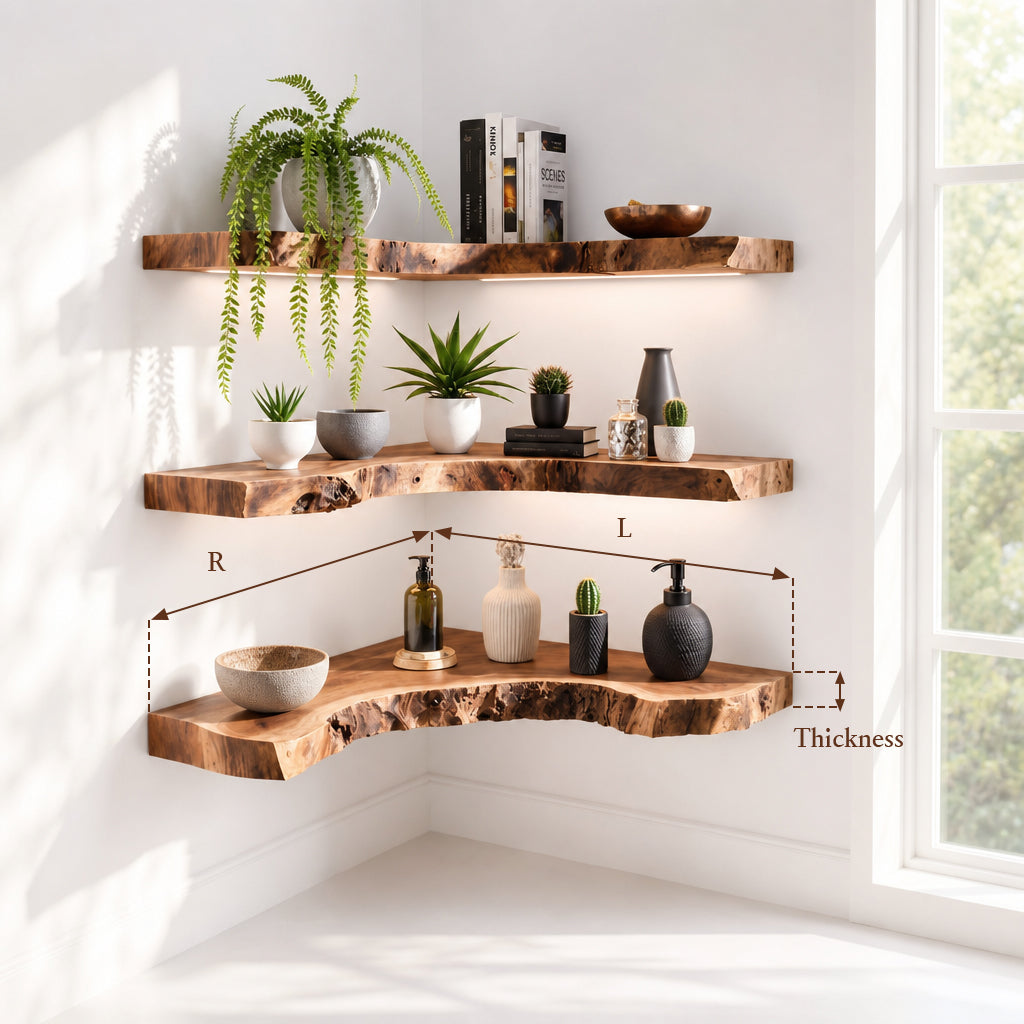
And for a look at how lighting and surface styling work together, Rustic Corner Shelf Ideas nails the combo - one item per shelf, intentional negative space, warm light bringing out the wood grain.

Rule 8 - Edit Ruthlessly
Brown furniture plus clutter equals grandma's house. Not in a good way.
The 90s had a lot of stuff. Not all of it deserves to come back into your room.
Style surfaces with intention:
- 3 objects max on a coffee table
- One item per shelf
- Negative space is a design choice, not an accident
Before adding something to or around a brown furniture piece, ask: does this make the room feel better or just fuller? If the answer isn't immediate, leave it out.
Our 90s Aesthetic Collection follows this principle - each piece is designed to stand on its own, not compete with twenty other things in the same room.
Rule 9 - Let Wood Tone Guide Your Color Palette
Different wood species have different undertones. Your wall color, textiles, and accents should work with those undertones, not fight them.
Here's a quick reference:
- Walnut (warm, rich brown) → cream, olive, terracotta, muted mustard
- Teak (golden-warm) → white, sage, soft blue, warm gray
- Acacia (rich, variable grain) → linen, charcoal, deep green, cream
- Reclaimed barnwood (weathered, characterful) → white, black, denim blue, natural linen
- Oak (medium-warm) → navy, cream, forest green, warm beige
- Saman (dark, dramatic) → off-white, warm gray, muted coral
If you're not sure what undertone your wood has, hold a white sheet of paper next to it in natural light. Warm woods will read yellow/red/orange. Cool woods will read gray/blue. Build your palette from there.
Ready to Pick Your Anchor Piece?
Every piece in our collection is handcrafted from real walnut, teak, acacia, oak, and reclaimed barnwood - built to be the one statement piece your room's wood tones revolve around.
Shop the 90s Aesthetic Collection →Common Brown Furniture Mistakes
Even with good taste, it's easy to mess this up. Here's what we see most often.
Matching everything. A full bedroom or dining set in the exact same wood reads like a furniture store display, not a home. Mix tones. Let pieces have their own identity.
Ignoring undertones. Warm walnut next to a cool-stained oak shelf creates visual tension - but not the good kind. The room will feel off, and you might not know why.
No contrast anywhere. Brown furniture + brown walls + brown floor = overwhelming. At least two of those three need to be lighter.
Skipping maintenance. Wood needs care. Dust regularly. Use coasters. Oil or wax every few months depending on the finish. Brown wood shows wear more than light wood - but that wear can look beautiful if you keep up with basic care.
Forgetting scale. A massive brown armoire in a small room will dominate everything. Scale your pieces to your space, not to the wood's beauty.
Frequently Asked Questions
Is brown furniture out of style in 2026?
Quite the opposite. After the all-white, gray-washed era of the 2010s, brown furniture is having a strong return. People want warmth, character, and authenticity in their spaces - which is exactly what brown wood delivers. Expect this trend to continue strengthening.
Can you mix dark and light wood furniture in the same room?
Absolutely - and you should. The contrast between dark and light wood creates visual interest and depth. Just follow the 60-30-10 rule: one dominant tone, one secondary, and a small accent. And keep undertones compatible (warm with warm, cool with cool).
What wall color goes best with dark wood furniture?
Cream, white, and warm beige are the safest and most effective choices. They create the contrast that lets dark wood shine. If you want color, try sage green, muted terracotta, or soft blue - all of which complement warm wood undertones.
How do I make brown furniture look modern instead of dated?
Three moves: lighten the surrounding palette (walls, rugs, textiles), add non-wood elements (metal, glass, ceramic), and edit ruthlessly. Brown furniture looks modern when it's given room to breathe - not buried under clutter or competing with too many other heavy pieces.
What's the difference between walnut, teak, and acacia furniture?
Walnut is rich, medium-dark, and smooth - the most versatile dark wood. Teak is golden-warm with tight grain and natural durability. Acacia is bolder, with dramatic grain variation and a raw, organic character. All three work beautifully in modern interiors; the choice depends on the vibe you're going for: refined (walnut), warm and organic (teak), or bold and natural (acacia).
Wrapping Up
Brown furniture isn't a trend. It's a foundation.
Wood has been the backbone of interior design for centuries, and it'll still be here after the next trend cycle spins through. The question isn't whether brown furniture works - it's whether you're styling it in a way that lets it do its job.
Start with one anchor piece. Mix wood tones with intention. Light it warmly. Edit ruthlessly. And let the room breathe.
Ready to find your anchor piece? Browse the 90s Aesthetic Collection - warm wood tones, natural materials, pieces designed to anchor a room.