Quick view
Shop this guide
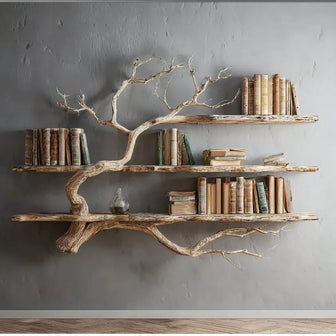
Handcrafted Tree Bookshelf, made to order in solid wood.
 Christmas edit
Corner Tree Floating Bookshelf – Driftwood Branch Wall Mounted Hanging Shelf, Artistic Corner Furniture Decoration
From $901.00
Christmas edit
Corner Tree Floating Bookshelf – Driftwood Branch Wall Mounted Hanging Shelf, Artistic Corner Furniture Decoration
From $901.00
 Christmas edit
Handcrafted Solid Wood Nursery Decor & Kids' Library
$2,834.0010% off at checkout
Christmas edit
Handcrafted Solid Wood Nursery Decor & Kids' Library
$2,834.0010% off at checkout
 Christmas edit
Handcrafted Wooden Tree Wall Shelf – Rustic Branch Bookshelf
From $1,087.00
Christmas edit
Handcrafted Wooden Tree Wall Shelf – Rustic Branch Bookshelf
From $1,087.00
 Christmas edit
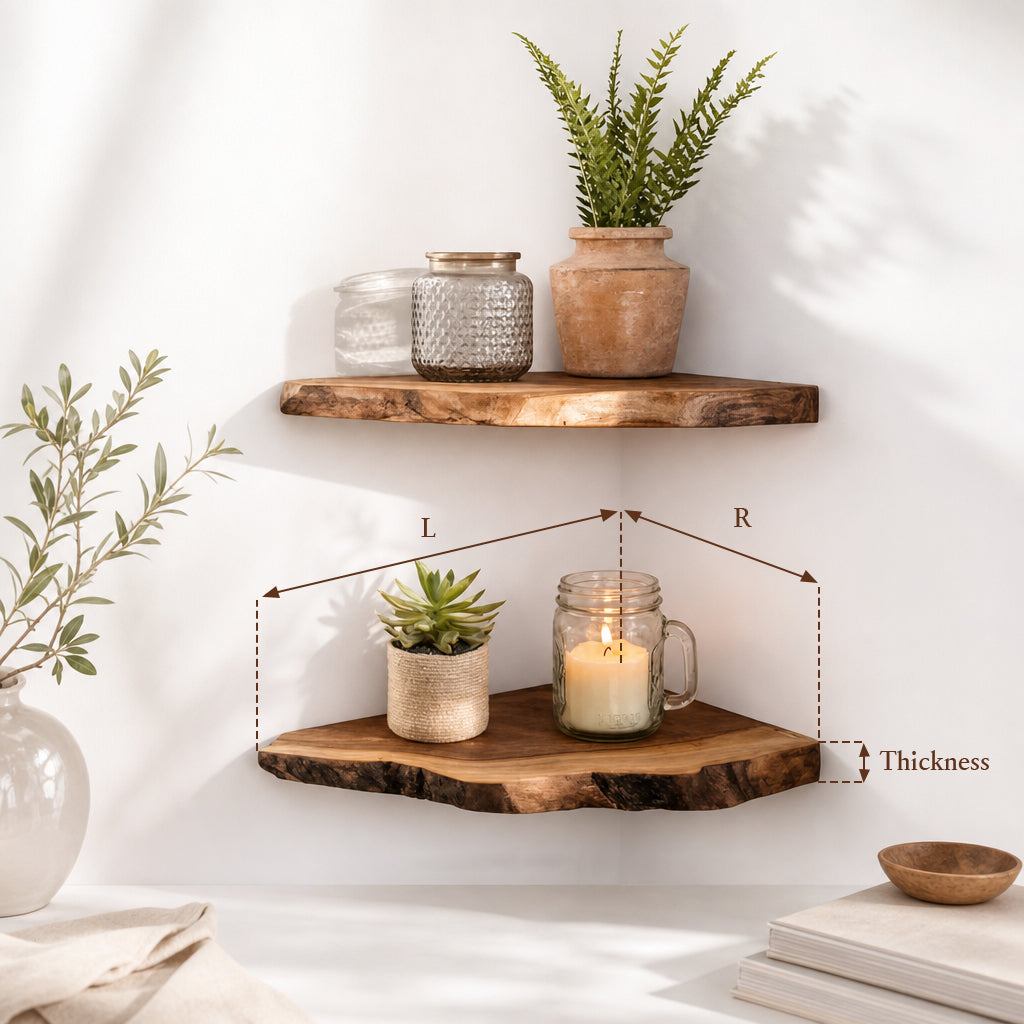
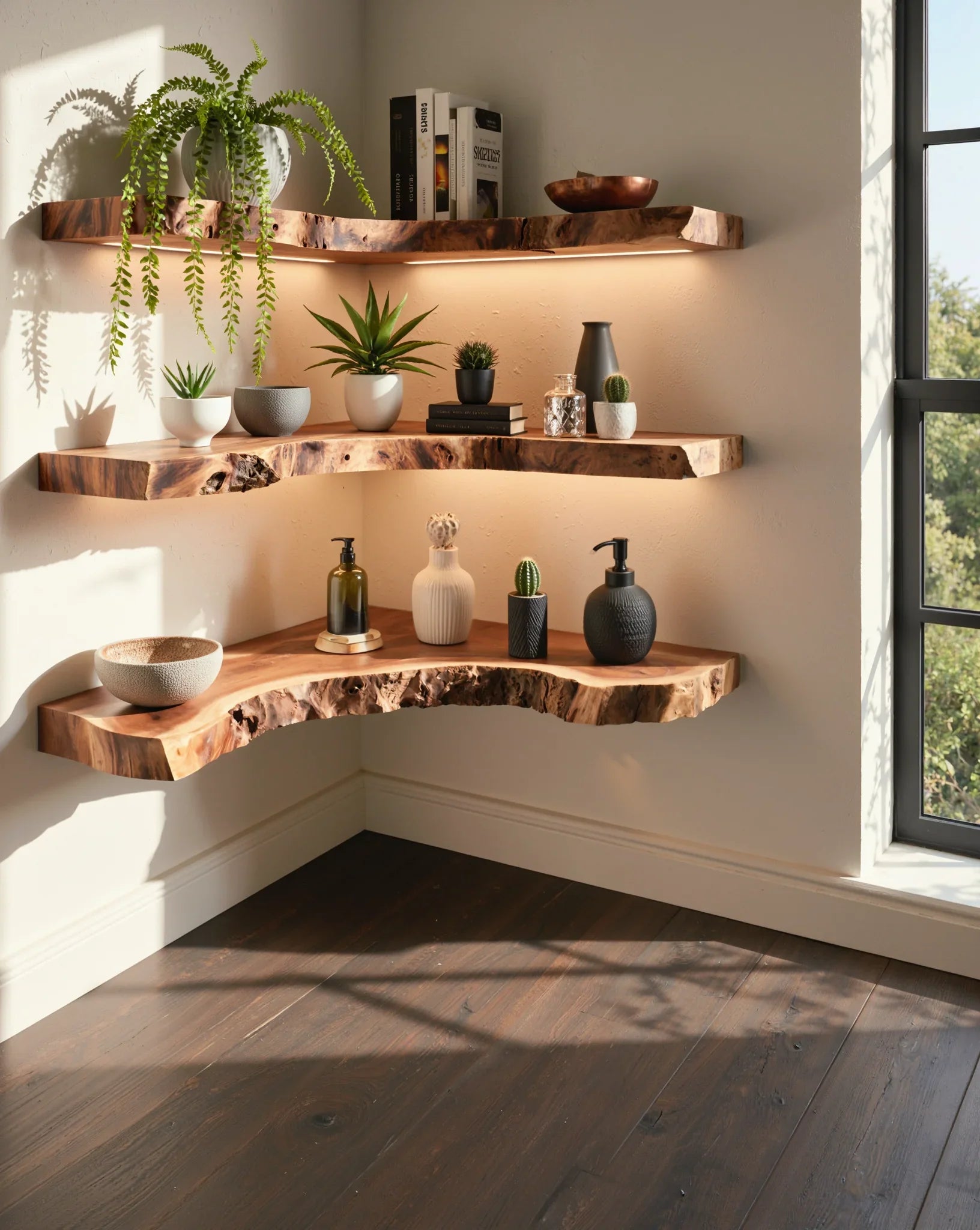
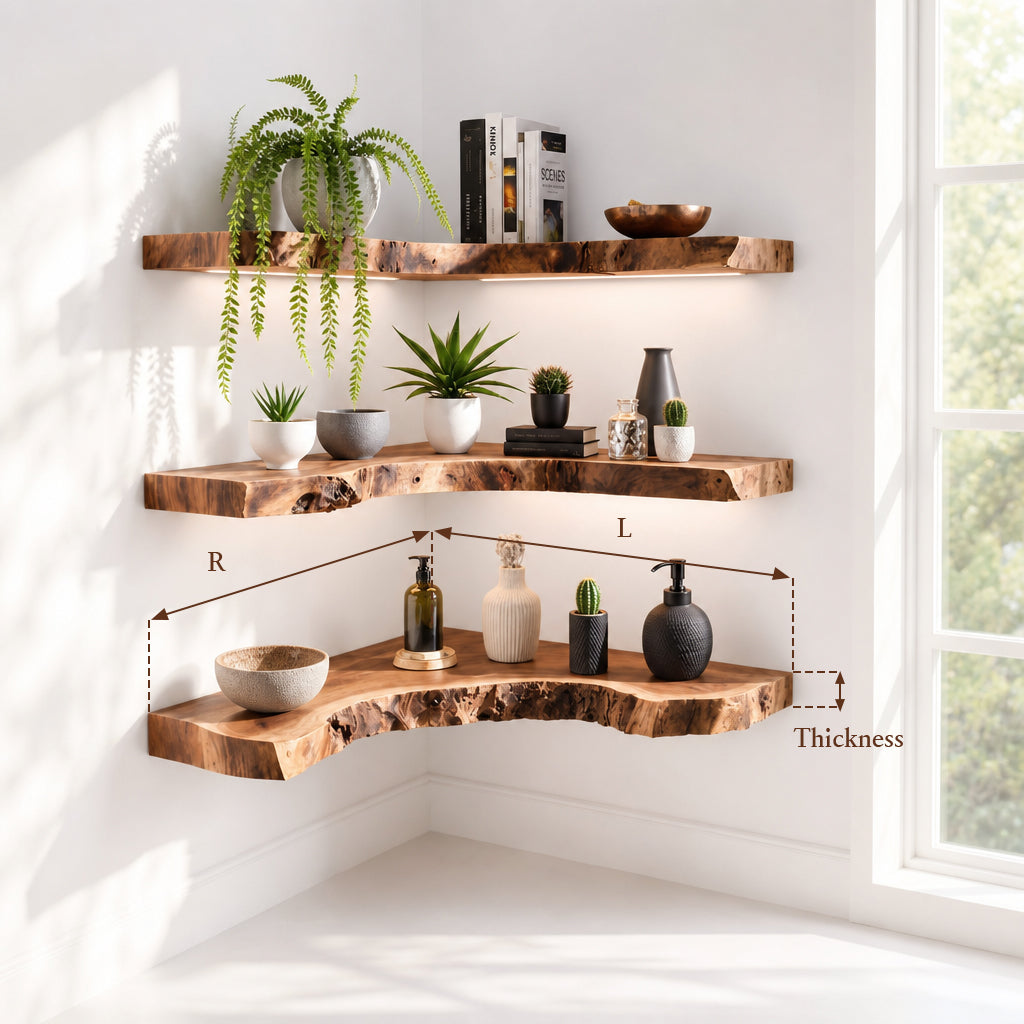
Solid Wood Floating Corner Shelf – Driftwood Branch Wall Shelf
From $789.00
Christmas edit
Solid Wood Floating Corner Shelf – Driftwood Branch Wall Shelf
From $789.00
 Christmas edit
Tree Bookshelf – Rustic Wooden Book Tree Shelf, Wall-Mounted Natural Wood Décor
$2,099.0010% off at checkout
Christmas edit
Tree Bookshelf – Rustic Wooden Book Tree Shelf, Wall-Mounted Natural Wood Décor
$2,099.0010% off at checkout
 Christmas edit
Floating Bookshelf – Tree Branch Wall-Mounted Bookcase for Rustic Home Decor
From $1,000.00
Christmas edit
Floating Bookshelf – Tree Branch Wall-Mounted Bookcase for Rustic Home Decor
From $1,000.00
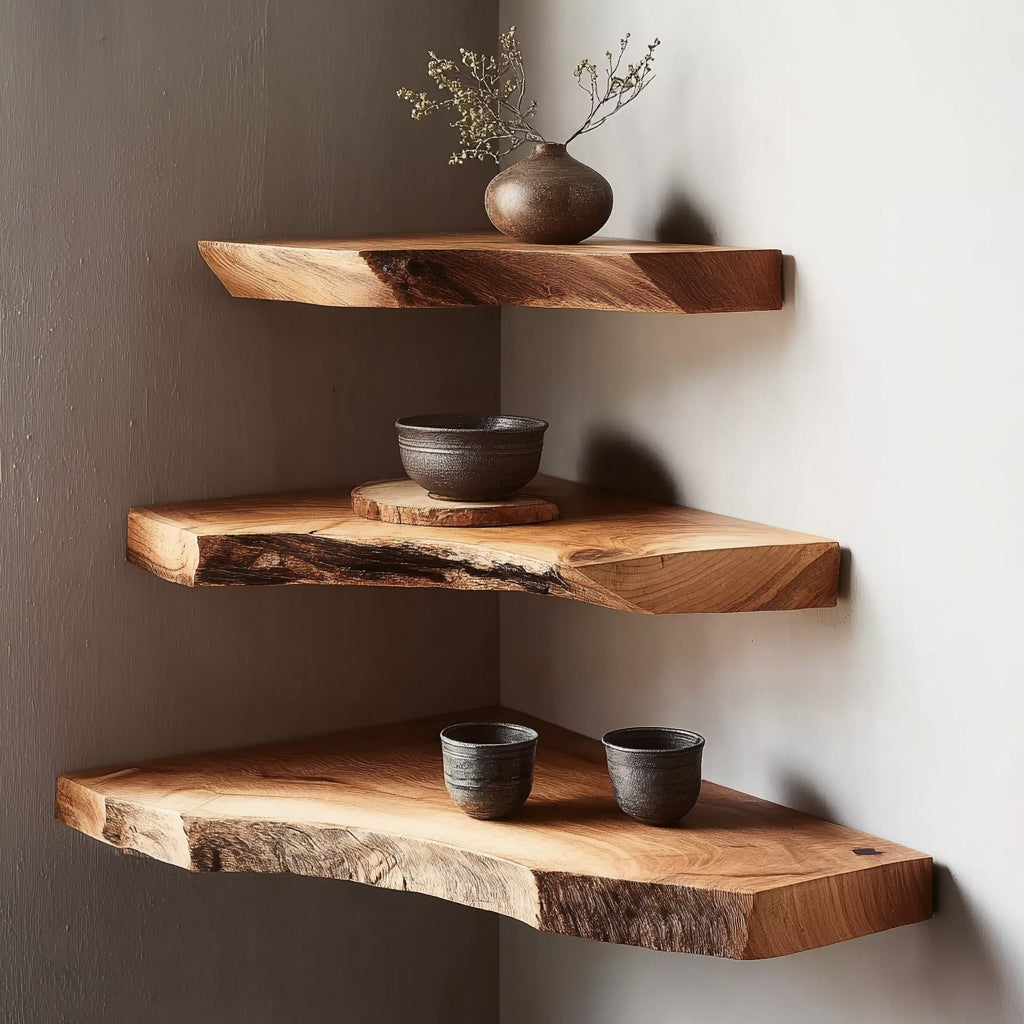
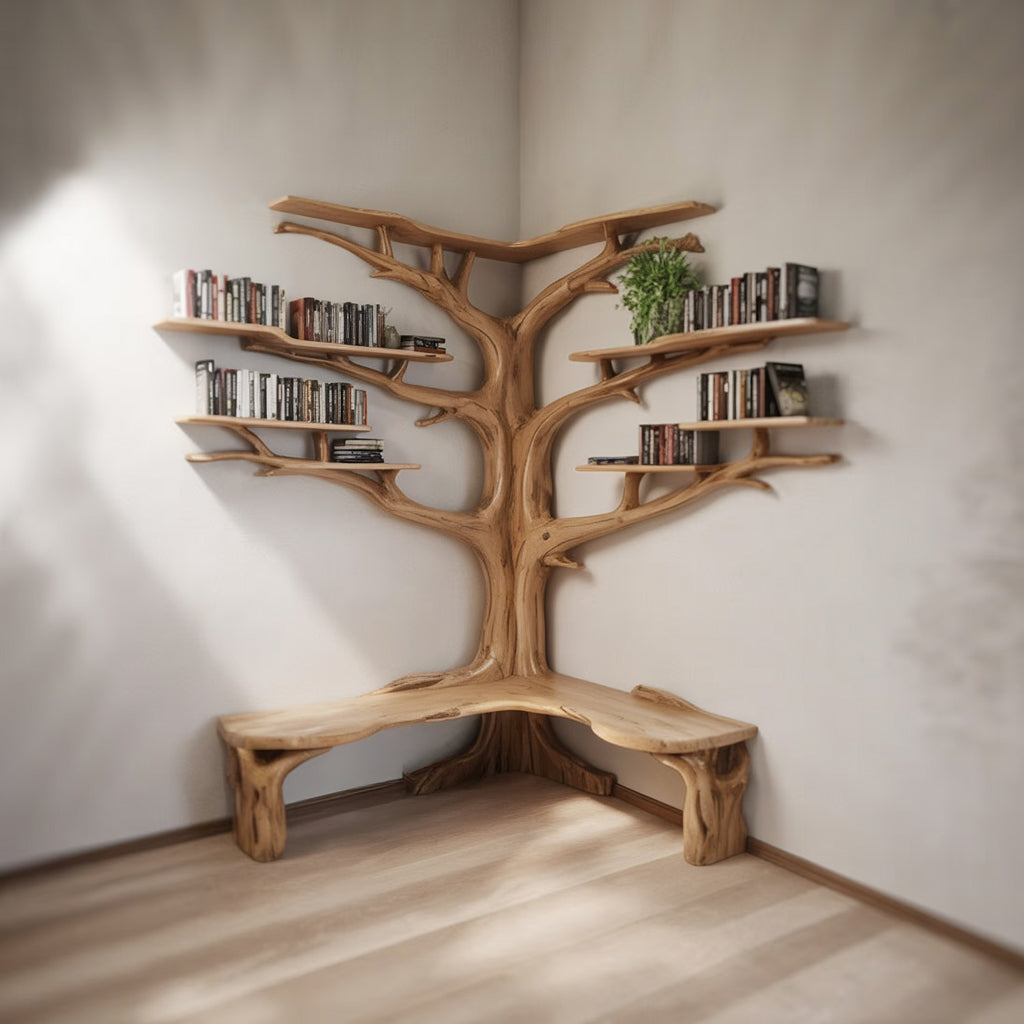
A corner tree bookshelf solves two problems at once: it eliminates wasted corner space and gives your room a sculptural focal point without eating into your floor plan. If you're working with a small room, a studio apartment, or an office that's already tight on space, this is the most efficient bookshelf style you can buy.
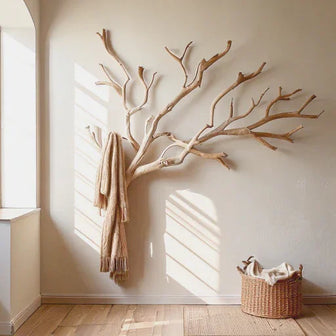
Unlike regular corner shelves that look utilitarian, a tree-shaped design adds personality. The branches create varying display heights, turning a forgotten 90-degree angle into the most interesting spot in the room.
Why Corners Are the Most Underused Space in Your Home
The average room has four corners. Most people use zero of them intentionally. That's 8-16 square feet of vertical display space going completely unused - in every room. A corner bookshelf fills this dead zone without competing with existing furniture, walls, or walkways.
Standard rectangular bookshelves don't fit corners well. They leave awkward gaps or jut out at angles that block traffic flow. Tree-shaped corner models are designed specifically for 90-degree angles, sitting flush against both walls with a triangular footprint.

The result: maximum shelf space from minimum floor space. Most corner tree bookshelf models occupy less than 1.5 square feet on the ground while providing 6-8 usable shelf surfaces. Our how to choose the perfect tree bookshelf — buyer's guide article walks through the specifics.
Best Rooms for a Corner Tree Bookshelf
For room-by-room inspiration beyond corners, check our tree bookshelf ideas for every room. Corner tree bookshelves work in virtually any room, but certain spaces benefit more than others. The key factor is how much unused corner space you have and how visible that corner is to daily traffic. Here are the strongest placements.
Small Bedrooms
Bedrooms under 120 square feet can't afford a freestanding bookshelf along the wall - it crowds the bed and blocks the closet. A corner tree shelf tucks between the bed and wall, giving you a nightstand alternative with 5x the storage. Place a reading light on the top branch and your current read on the one below.
Studio Apartments
When your bedroom, living room, and office share one open space, every square foot is contested. Corner tree bookshelves claim space that nothing else can use effectively. Position one in the corner nearest your desk for reference materials, and another by the bed for nighttime reads.
Home Offices
The corner behind your desk chair is often dead space. A tree bookshelf there serves double duty: functional storage and an interesting video call backdrop. It's more visually engaging than a flat shelf and takes zero desk-adjacent space.
Kids' Rooms
Children's rooms are notorious for floor clutter. A corner tree bookshelf keeps books organized and visible - which means kids actually use it. The tree shape makes it feel less like furniture and more like room decor, so there's less resistance to "put your books away." For a deeper dive, see our article on tree bookshelf ideas for every room in your home.


Sizing Your Corner Tree Bookshelf
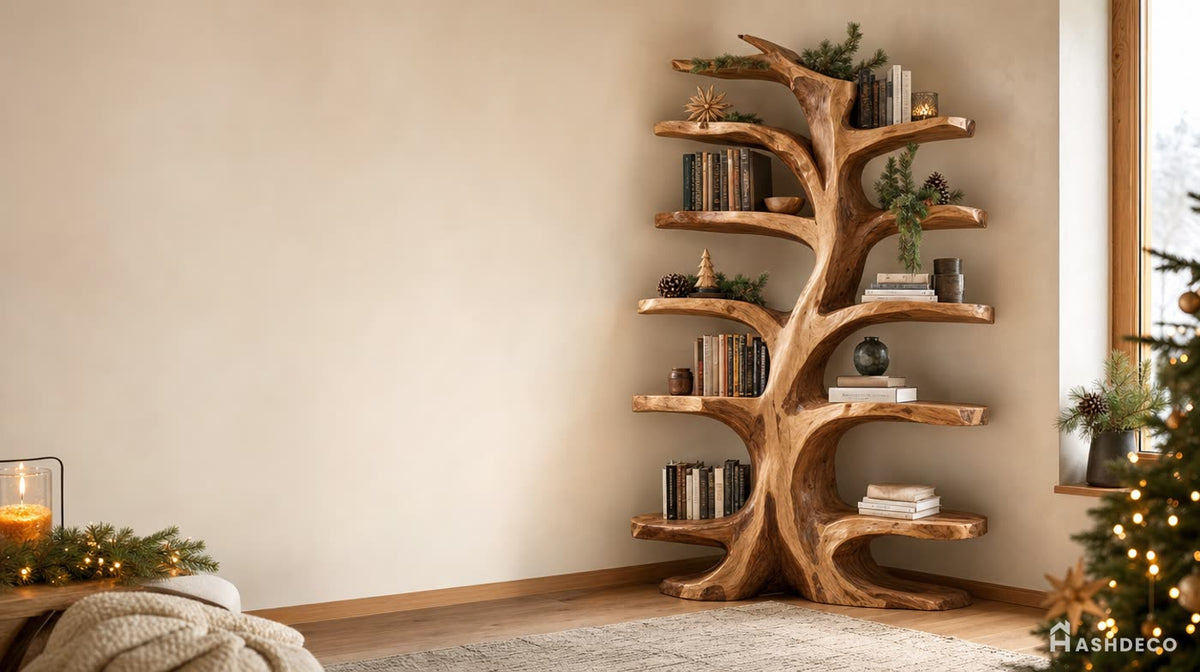
Getting the right size means measuring two things: the available height between the corner's floor and ceiling (or any obstruction like a window frame), and the distance from the corner to the nearest furniture or doorway along each wall. These two measurements determine the maximum height and branch spread.
| Room Size | Recommended Shelf Height | Branch Spread |
|---|---|---|
| Small (under 100 sq ft) | 4-5 ft | 18-24 inches |
| Medium (100-200 sq ft) | 5-6 ft | 24-30 inches |
| Large (200+ sq ft) | 5-7 ft | 30-36 inches |
Pro tip: Leave at least 12 inches between the top of the shelf and the ceiling. A tree bookshelf that reaches the ceiling looks cramped. The visual breathing room above it is part of the design.
Material Considerations for Corner Models
Corner placement adds specific stress factors that material choice needs to address. The shelf sits against two walls, which traps humidity in the corner - a problem for MDF and particleboard that swell and warp when moisture accumulates. Solid hardwood resists this far better.
The triangular base of corner models also concentrates weight differently than flat-back designs. Cheaper materials can develop stress fractures at the corner joint where the two wall-facing sides meet. Look for reinforced joints or solid wood construction to avoid this.
Ashdeco's corner tree bookshelves are handcrafted by Vietnamese artisans from solid wood, with joints designed specifically for corner stress distribution. Each piece is sealed against humidity and finished to develop a richer tone over years of use.
Don't miss
These pieces qualify for 10% off orders over $2,000. Applied automatically at checkout.
10% off
Handcrafted Solid Wood Nursery Decor & Kids' Library
$2,834.00
10% off at checkout
10% off
Tree Bookshelf – Rustic Wooden Book Tree Shelf, Wall-Mounted Natural Wood Décor
$2,099.00
10% off at checkout
 10% off
Authentic Hand-Carved Solid Wood Tree Bookshelf Daybed - Sculptural Lounge Library
From $4,087.00
10% off at checkout
10% off
Authentic Hand-Carved Solid Wood Tree Bookshelf Daybed - Sculptural Lounge Library
From $4,087.00
10% off at checkout
 10% off
Rustic Tree Shaped Wooden Bookshelf with Branch Design for Living Room or Home Library
$2,145.00
10% off at checkout
10% off
Rustic Tree Shaped Wooden Bookshelf with Branch Design for Living Room or Home Library
$2,145.00
10% off at checkout
Styling Your Corner Tree Bookshelf
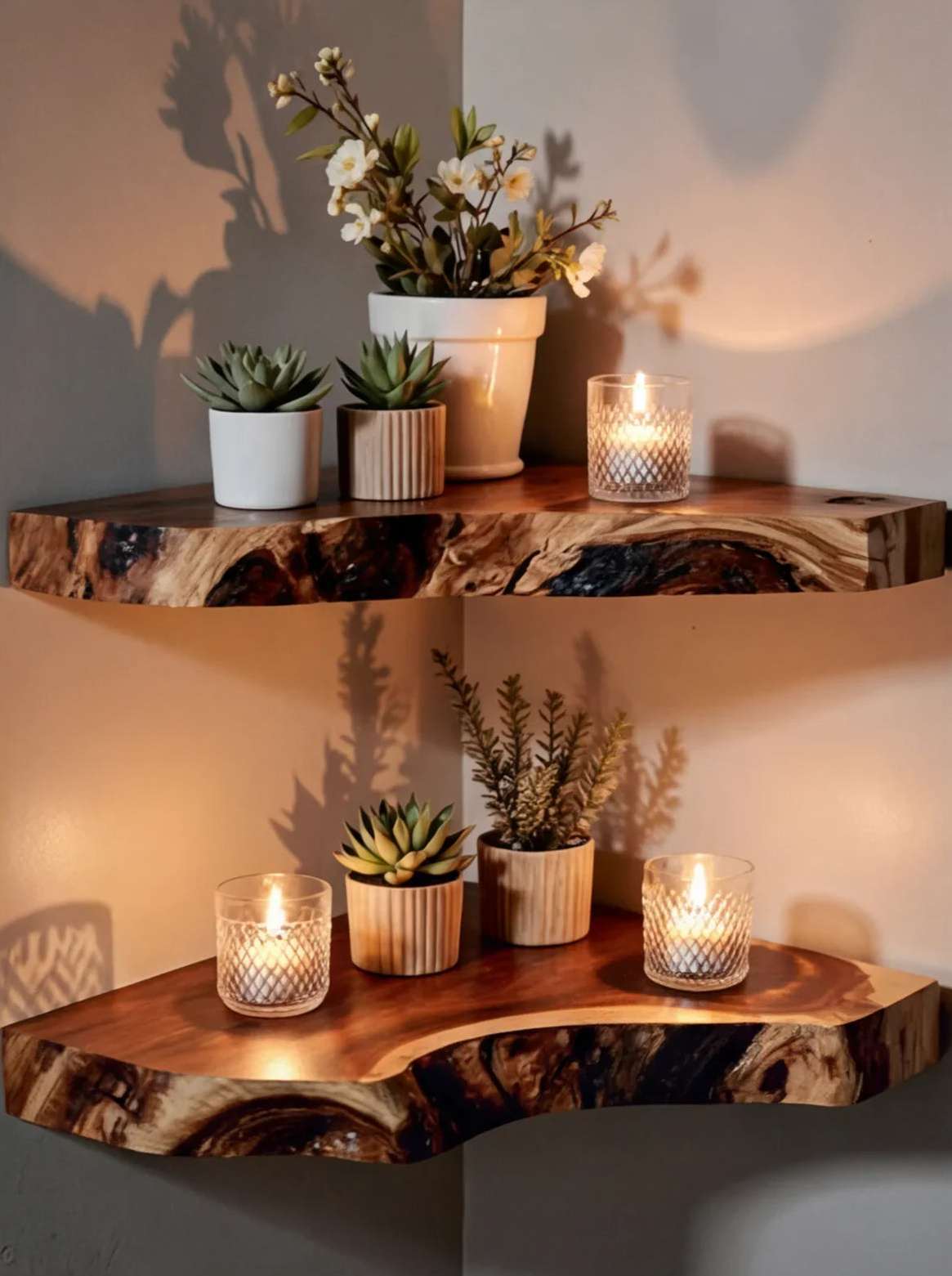
The best-looking corner tree bookshelves aren't filled entirely with books. Mix books with plants, small art objects, candles, and framed photos for a curated display that feels intentional rather than crammed. A good rule of thumb: 60% books, 40% decorative objects. We've written a full breakdown in our corner floating shelf ideas that actually look good post.
Place heavier hardcovers on the lower branches and lighter items up top. This keeps the visual weight grounded and prevents top-heavy instability. Alternate which direction books face (some spine-out, some cover-forward) for variety.
If the corner is dimly lit - and most corners are - add a small clip-on LED or string lights. Light transforms a corner tree bookshelf from functional storage into a room feature.
Corner Tree Bookshelf vs Regular Corner Shelves
Considering floating shelves instead? See our corner floating shelf ideas for a different approach. Standard corner shelves get the job done, but they look exactly like what they are - utility storage. A tree-shaped alternative changes the dynamic of the room by introducing an organic, sculptural element where people expect to see nothing. Here's how they compare on practical terms.
| Feature | Regular Corner Shelf | Corner Tree Bookshelf |
|---|---|---|
| Visual appeal | Basic/functional | Decorative focal point |
| Shelf variety | Uniform spacing | Varied heights and widths |
| Display flexibility | Books only (mostly) | Books + decor + plants |
| Conversation starter | No | Yes - every time |
| Price range | $20-$80 | $100-$500+ |
The price gap is real, but so is the difference in how the room feels. A corner shelf stores things. A tree bookshelf transforms the space.
Where to Find Quality Corner Tree Bookshelves
Mass-market retailers carry corner tree bookshelves in MDF and particleboard - fine for temporary use, but they won't last in a humid corner or under a real book collection. For solid wood options built to handle corner-specific stress, look at makers who specialize in tree-shaped furniture.

Ashdeco's corner tree bookshelf collection includes multiple sizes and finishes, all carved from solid hardwood. Browse the full range of handcrafted tree bookshelves for wall-mounted and freestanding options as well.
FAQ
Will a corner tree bookshelf fit my corner?
Most corners are standard 90-degree angles, and corner tree bookshelves are designed for exactly that. Measure the width along each wall from the corner - you need at least 18 inches per side for a compact model. Wider models need 24-36 inches.
How much weight can a corner tree bookshelf hold?
Solid wood corner models hold 10-15 lbs per branch, similar to wall or freestanding versions. The corner placement actually adds stability since both walls provide support. Particleboard versions handle significantly less - around 3-5 lbs per branch.
Do I need to mount a corner tree bookshelf to the wall?
Most corner models are freestanding and stay stable due to the two-wall contact. However, if you have small children or pets, adding a single wall strap at the top is a smart precaution. It takes 5 minutes and eliminates tip-over risk.
What's the best height for a corner tree bookshelf?
For most rooms with standard 8-foot ceilings, a 5-foot corner tree bookshelf hits the sweet spot - tall enough to make an impact, short enough to leave comfortable visual space above. Go shorter (3-4 ft) for kids' rooms and taller (6 ft) for living areas.
Can I use a corner tree bookshelf as a room divider?
Corner models are designed for wall corners, not open-room placement. For room dividing, a freestanding tree bookshelf works better since it's designed to be viewed from all sides and doesn't need wall support for stability.