



















Quick view
Shop this guide
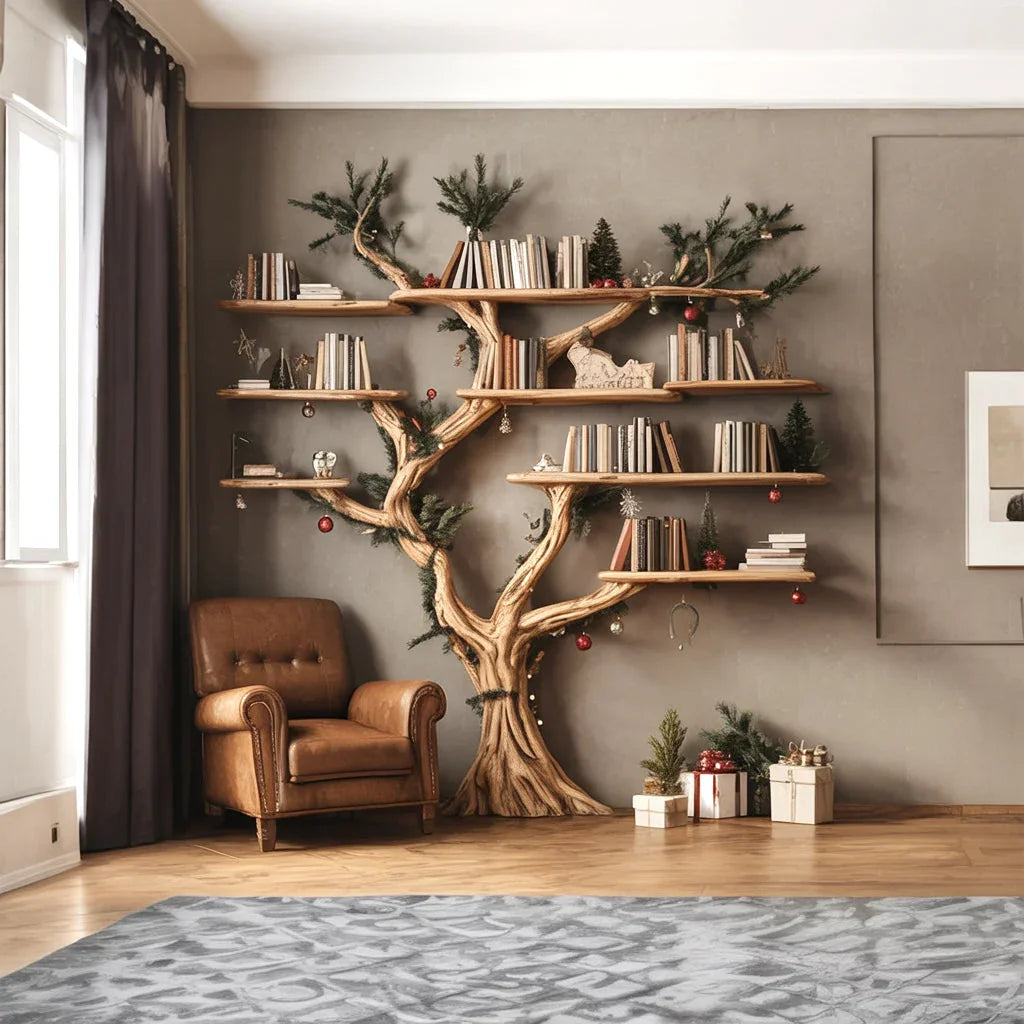
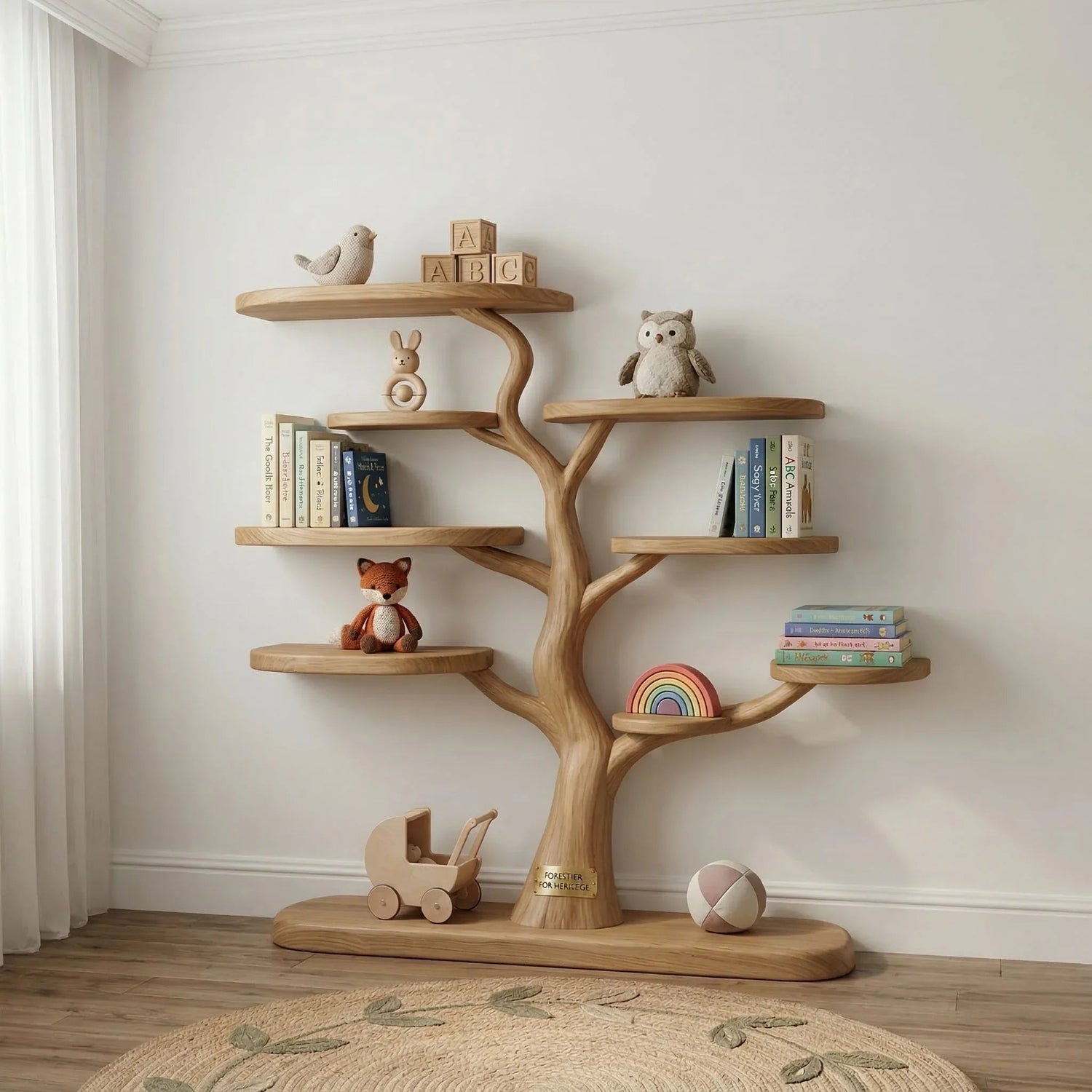
Handcrafted Tree Bookshelf, made to order in solid wood.
 Christmas edit
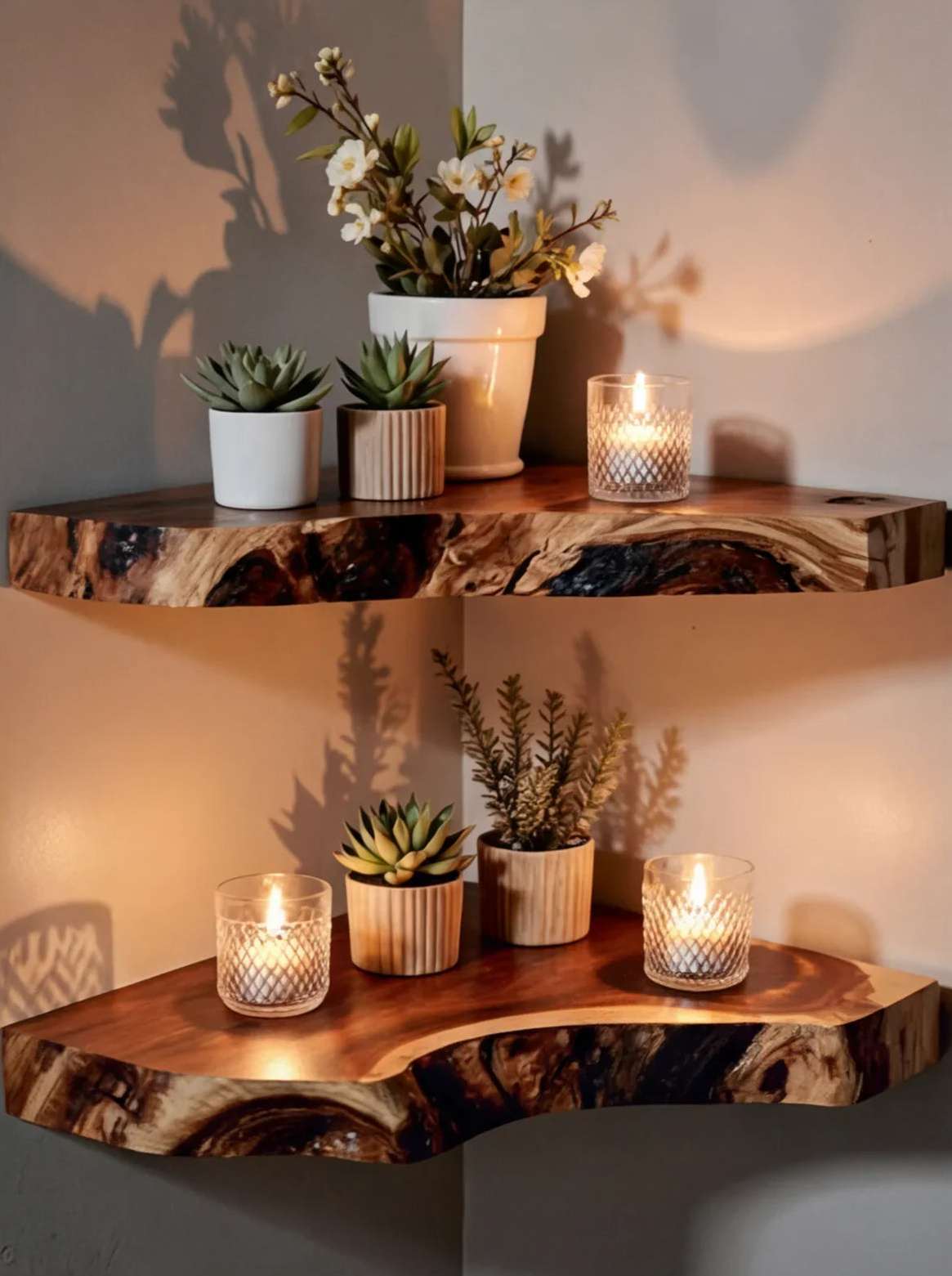
Corner Tree Floating Bookshelf – Driftwood Branch Wall Mounted Hanging Shelf, Artistic Corner Furniture Decoration
From $901.00
Christmas edit
Corner Tree Floating Bookshelf – Driftwood Branch Wall Mounted Hanging Shelf, Artistic Corner Furniture Decoration
From $901.00
 Christmas edit
Handcrafted Wooden Tree Wall Shelf – Rustic Branch Bookshelf
From $1,087.00
Christmas edit
Handcrafted Wooden Tree Wall Shelf – Rustic Branch Bookshelf
From $1,087.00
 Christmas edit
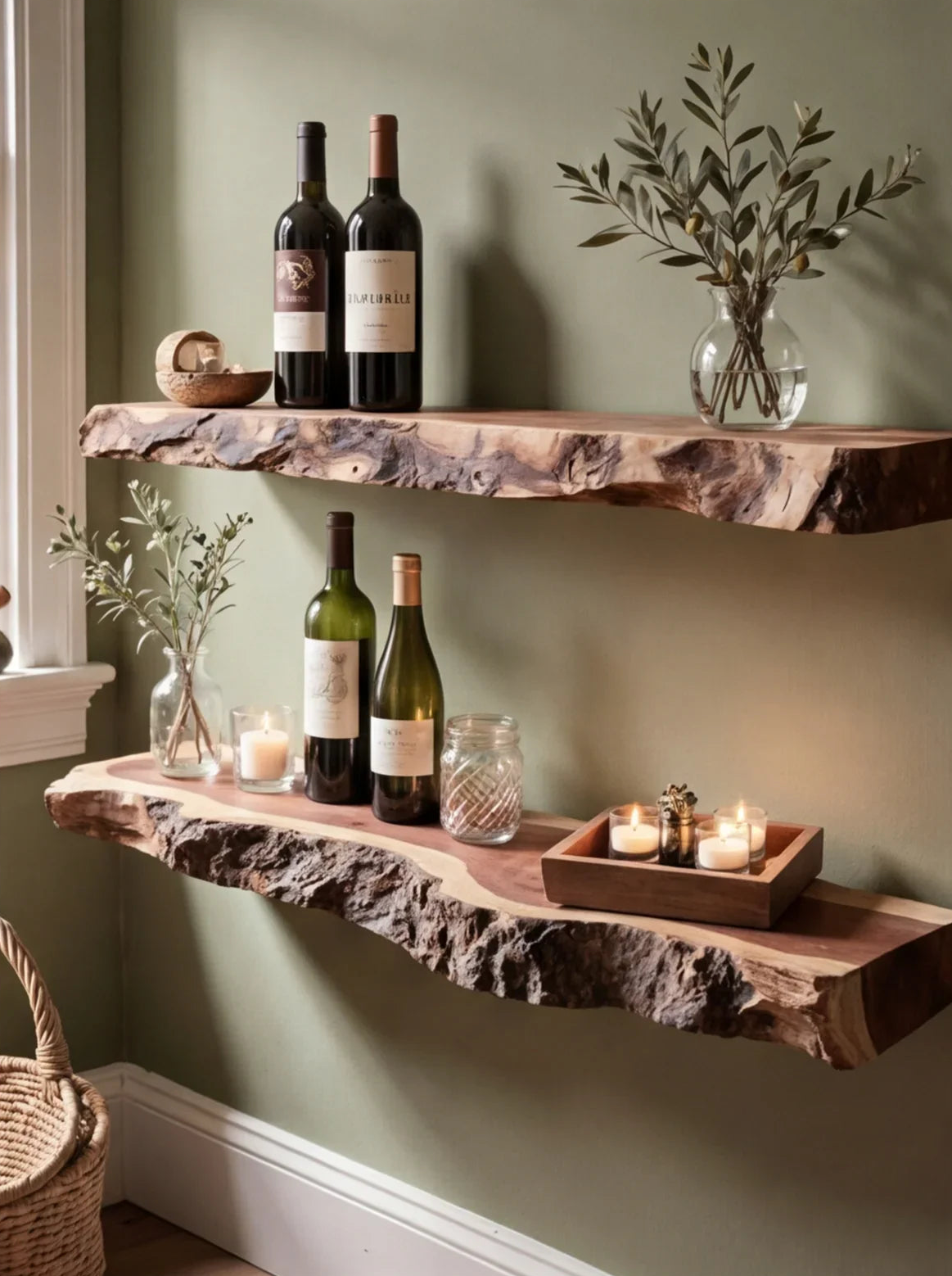
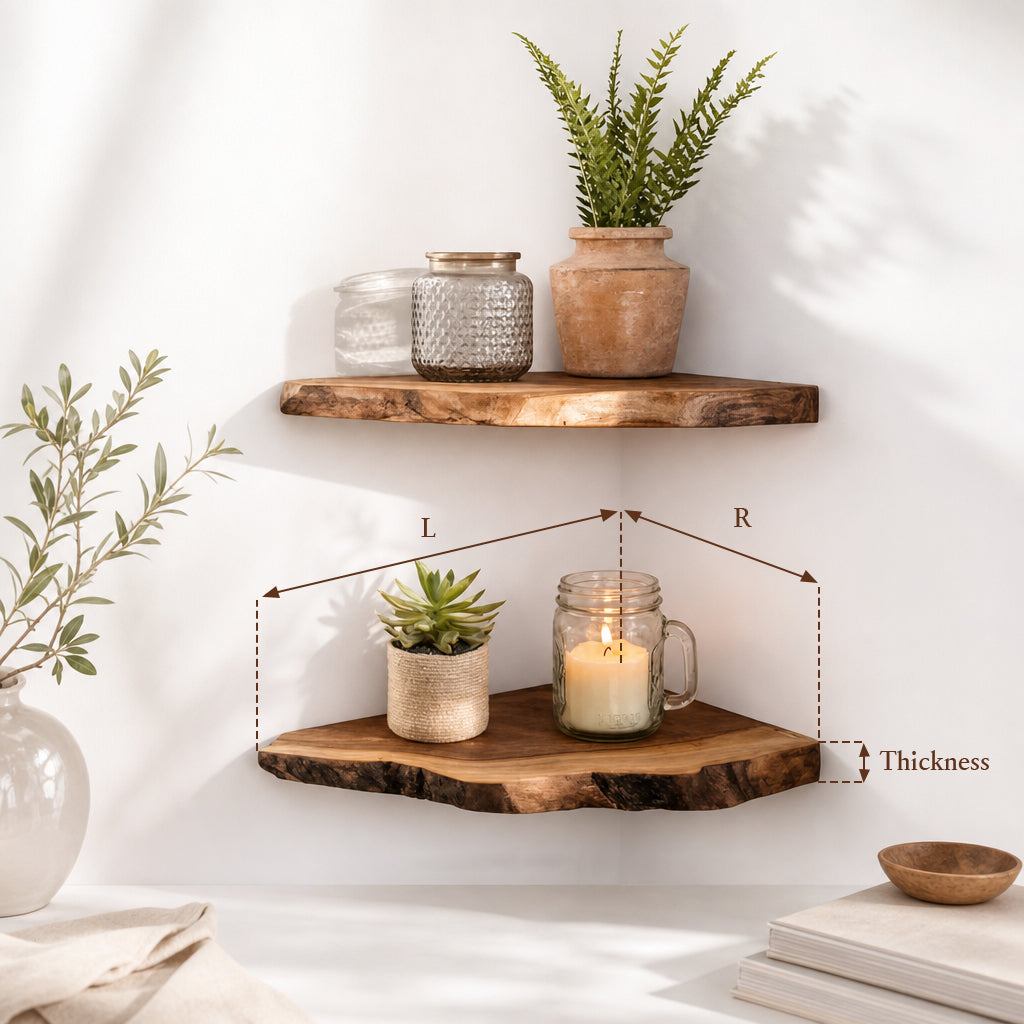
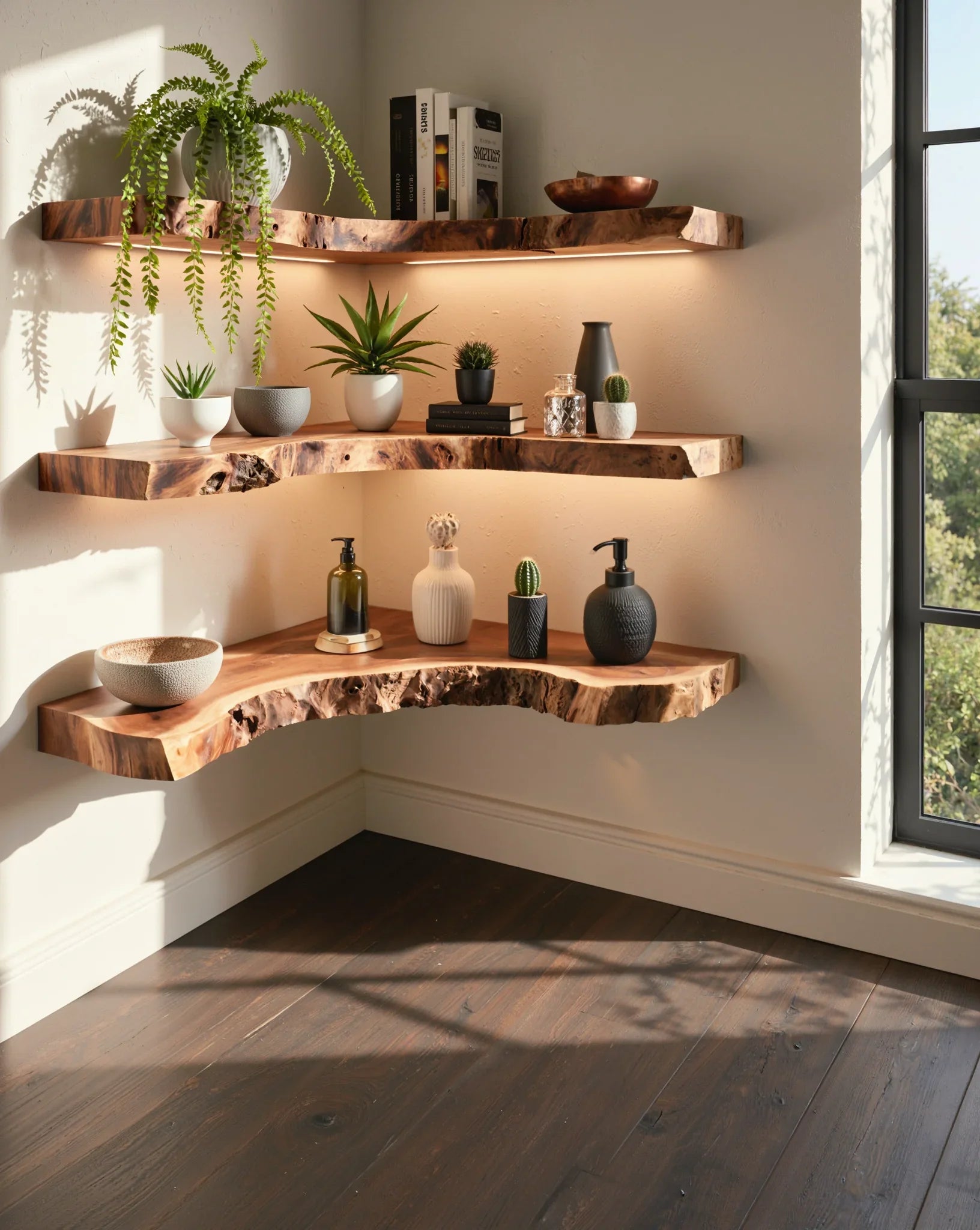
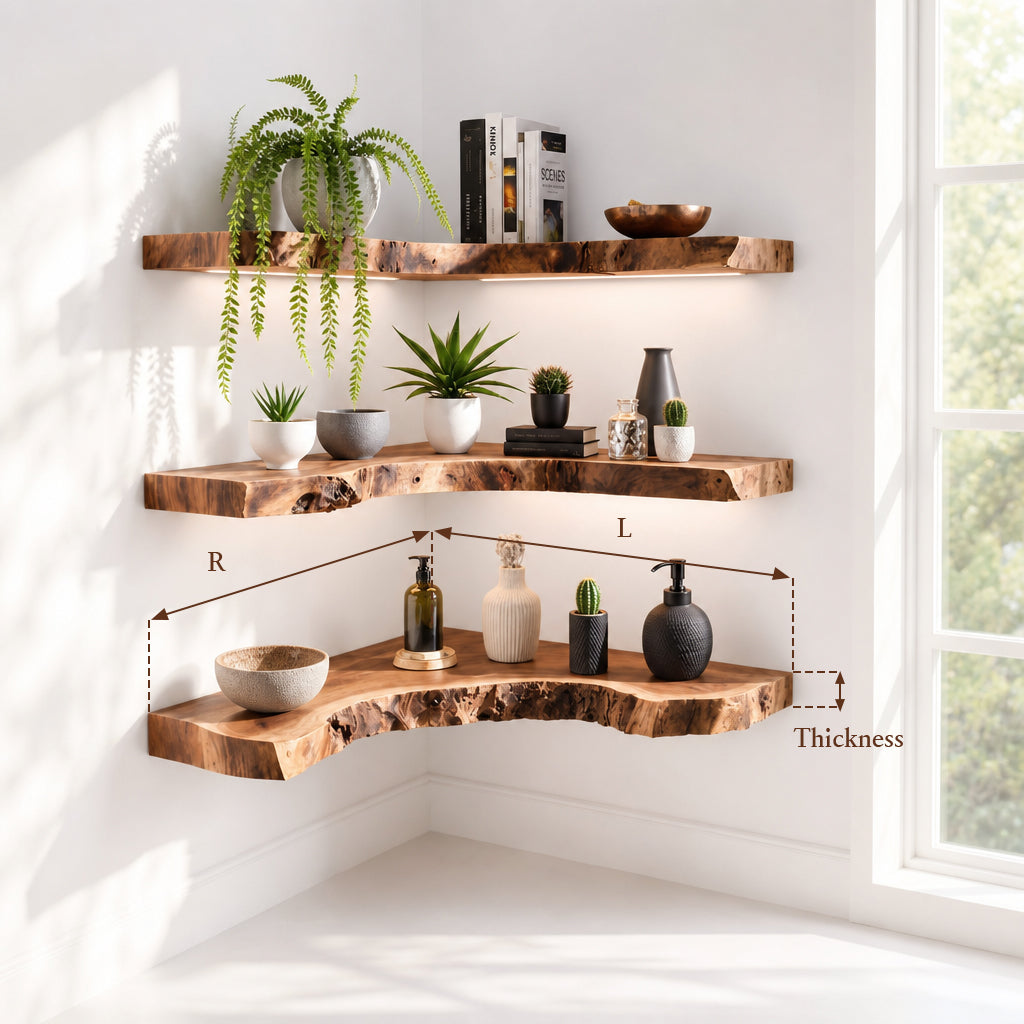
Solid Wood Floating Corner Shelf – Driftwood Branch Wall Shelf
From $789.00
Christmas edit
Solid Wood Floating Corner Shelf – Driftwood Branch Wall Shelf
From $789.00
 Christmas edit
Tree Bookshelf – Rustic Wooden Book Tree Shelf, Wall-Mounted Natural Wood Décor
$2,099.0010% off at checkout
Christmas edit
Tree Bookshelf – Rustic Wooden Book Tree Shelf, Wall-Mounted Natural Wood Décor
$2,099.0010% off at checkout
 Christmas edit
Handcrafted Solid Wood Nursery Decor & Kids' Library
$2,834.0010% off at checkout
Christmas edit
Handcrafted Solid Wood Nursery Decor & Kids' Library
$2,834.0010% off at checkout
 Christmas edit
Floating Bookshelf – Tree Branch Wall-Mounted Bookcase for Rustic Home Decor
From $1,000.00
Christmas edit
Floating Bookshelf – Tree Branch Wall-Mounted Bookcase for Rustic Home Decor
From $1,000.00
Standing Tree Bookshelf: A Freestanding Room Centerpiece
A standing tree bookshelf is exactly what it sounds like: a freestanding bookshelf carved to look like a tree, standing on its own base without wall mounting. It's the most visually dramatic option in the tree bookshelf family - a full-size sculptural tree in your living space that also holds 60-100+ books. If you're still comparing formats, our complete tree shaped bookcase buying guide walks through every option side by side.

What Sets a Standing Tree Bookshelf Apart
The Statement Factor
A wall tree bookshelf is impressive. A corner tree bookshelf is clever. But a standing tree bookshelf is a room centerpiece. It occupies space the way a sculpture does - deliberately, confidently, demanding attention.
Standing tree bookshelves typically reach 5-7 feet tall with branches spanning 3-5 feet wide. They work as room dividers, reading nook anchors, or the defining piece of a living room.
Maximum Capacity
Because they're not constrained by wall-mounting weight limits, standing tree bookshelves hold more than any other tree shelf type:
| Tree Height | Branches | Book Capacity | Total Weight Capacity |
|---|---|---|---|
| 4-5 feet | 8-10 | 40-60 books | 80-120 lbs |
| 5-6 feet | 10-14 | 60-80 books | 120-160 lbs |
| 6-7 feet | 14-18 | 80-120 books | 160-200+ lbs |

Handcrafted Tree Bookshelf - Large Wooden Branch Bookcase for Home Decor
Ready to Bring a Standing Tree Bookshelf Home?
Browse the full range of handcrafted standing, wall, and corner tree bookshelves - each one hand-carved from solid hardwood with anti-tip hardware included.
Shop All Tree Bookshelves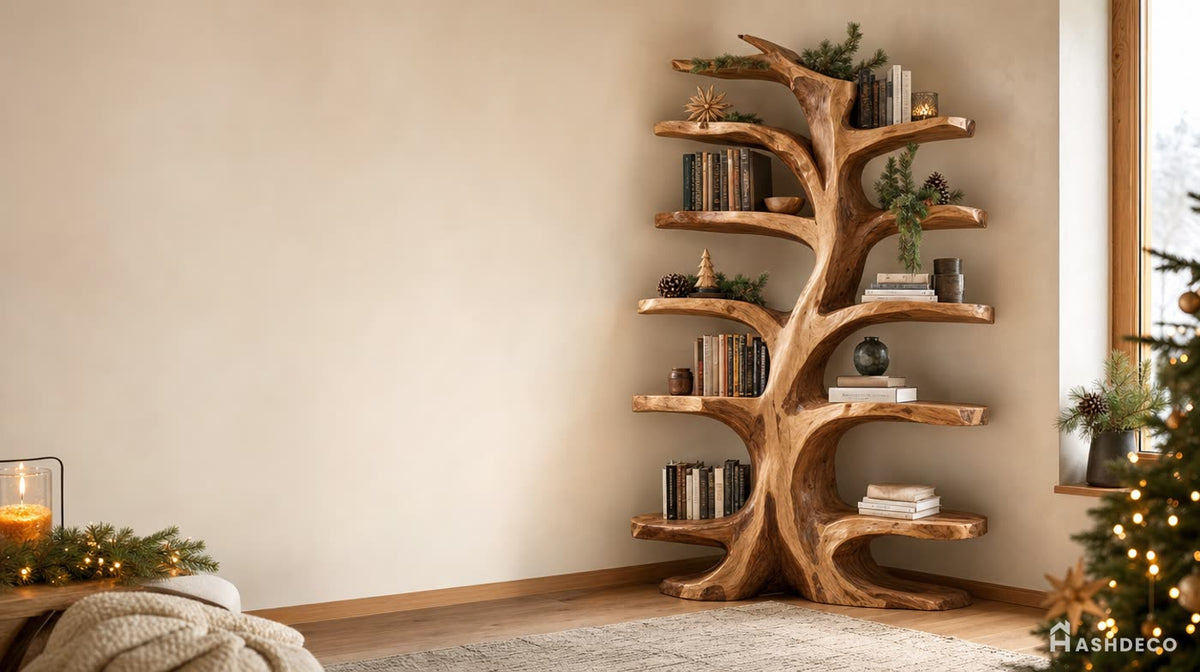


Standing Tree Bookshelf Placement
Feature Wall Centerpiece
Place the tree against the center of your largest wall. Flank with simple, low furniture (a bench or low console) to frame it without competing. This is the boldest option - the tree IS the room's design statement. For more layout inspiration by room type, see our tree bookshelf ideas for every room.
Room Divider
A standing tree bookshelf in the middle of an open floor plan defines zones without blocking light or sightlines. The open branch structure maintains visual flow while clearly separating living and dining areas, or bedroom and office zones in a studio apartment.
Reading Nook Anchor
Place the tree in a corner with a comfortable chair beside it. Add a floor lamp on the other side. You've created a dedicated reading space using one corner and one chair. The tree holds your reading list within arm's reach.
Entryway Statement
If you have a generous foyer, a medium standing tree (4-5 feet) makes a memorable first impression. Lower branches hold keys, sunglasses, and a small plant. Upper branches display art or family photos.

Stability and Safety
Standing tree bookshelves are top-heavy by nature - the branches and books are higher than the base. This requires attention to stability:
Base Design
- Wide base: Minimum 20" diameter for trees under 5 feet, 24"+ for taller trees
- Heavy base: Solid hardwood bases weigh 15-25 lbs, lowering the center of gravity
- Flat and level: Adjustable feet compensate for uneven floors
Wall Anchoring (Mandatory with Children or Pets)
Even with a stable base, always wall-anchor a standing tree bookshelf if there are children or large pets in the home. A simple L-bracket or furniture strap from the tree's back to a wall stud prevents tip-over. Takes 5 minutes to install. If you're furnishing a kids' room specifically, our guide to safe bookshelf designs for every age covers anchoring and sizing in more depth.
Ashdeco includes anti-tip hardware with every standing tree bookshelf. No extra purchase needed.
Don't miss
These pieces qualify for 10% off orders over $2,000. Applied automatically at checkout.
10% off
Tree Bookshelf – Rustic Wooden Book Tree Shelf, Wall-Mounted Natural Wood Décor
$2,099.00
10% off at checkout
10% off
Handcrafted Solid Wood Nursery Decor & Kids' Library
$2,834.00
10% off at checkout
 10% off
Authentic Hand-Carved Solid Wood Tree Bookshelf Daybed - Sculptural Lounge Library
From $3,587.00
10% off at checkout
10% off
Authentic Hand-Carved Solid Wood Tree Bookshelf Daybed - Sculptural Lounge Library
From $3,587.00
10% off at checkout
 10% off
Rustic Tree Shaped Wooden Bookshelf with Branch Design for Living Room or Home Library
$2,145.00
10% off at checkout
10% off
Rustic Tree Shaped Wooden Bookshelf with Branch Design for Living Room or Home Library
$2,145.00
10% off at checkout
Material: Why Solid Wood Matters Even More Here
A standing tree bookshelf is the furniture piece where material matters most:
- Weight = Stability. A 60-lb solid hardwood tree is inherently more stable than a 20-lb MDF tree. The heavy base acts as ballast.
- Joints under stress. Branch-to-trunk joints bear significant load from all angles. MDF joints fail under lateral stress. Mortise-and-tenon hardwood joints distribute force across the grain.
- Visual credibility. A plastic or MDF tree-shaped shelf looks like what it is: a manufactured imitation. Solid wood with natural grain reads as authentic. The whole appeal of a tree bookshelf is the connection to nature - the material needs to support that story.
For a deeper look at why this distinction matters before you buy, read what nobody tells you about real wood vs. mass-produced tree bookshelves.

How Ashdeco Standing Tree Bookshelves Are Made
Each piece starts as kiln-dried hardwood planks. Vietnamese artisans hand-carve the trunk, shape each branch individually, then assemble using traditional mortise-and-tenon joinery. The process:
- Wood selection: Hardwood planks kiln-dried to 8-10% moisture content for dimensional stability
- Trunk carving: The central trunk is carved from a single thick plank or laminated solid wood, shaped to mimic natural tree bark texture
- Branch carving: Each branch is individually carved with natural taper and grain direction
- Joinery: Mortise-and-tenon joints connect branches to trunk. No screws, no cam locks, no glue-only connections
- Assembly and fitting: Branches are fitted, adjusted for angle, then permanently secured
- Finishing: Multiple coats of natural oil finish, hand-rubbed between coats. Zero VOC, food-safe
The entire process takes 2-3 weeks per piece. No two trees are identical because no two pieces of wood have the same grain. The entire process takes 2-3 weeks per piece. No two trees are identical because no two pieces of wood have the same grain - a story we go into further in One Tree, One Story: why Ashdeco creates globally unique bookshelves.
Styling a Standing Tree Bookshelf
Book Arrangement
- By color: Group books by spine color for rainbow effect. Dramatic but impractical if you actually read them.
- By frequency: Currently-reading on eye-level branches. Favorites on lower branches. Read-once on upper branches.
- By size: Larger books on lower, thicker branches. Smaller books on upper, thinner branches. Mimics how a real tree's branches thin toward the top.
Beyond Books
- One trailing plant (pothos, string of pearls) on an upper branch, cascading down
- A small framed photo on a middle branch
- A candle on a lower branch (battery-operated for safety)
- Leave at least 3-4 branches completely empty. The tree shape is beautiful on its own.
Want more styling combinations beyond books? Check out our tree shelf styling guide for books, plants, and decor.
Handcrafted Tree Bookshelf - Large Wooden Branch Bookcase for Home Decor
Frequently Asked Questions
How stable is a standing tree bookshelf?
Very stable with proper base design. Ashdeco standing trees have weighted hardwood bases (20-25 lbs) with adjustable feet. With anti-tip wall anchoring (included), they're as stable as any bookcase. Always anchor if children are present.
Can a standing tree bookshelf work as a room divider?
Yes, it's one of the best uses. The open branch structure separates spaces without blocking light or creating a visual wall. Anchor to the floor with furniture pads or use the included wall anchor on the nearest wall for stability.
How do I move a standing tree bookshelf?
Remove books and items first. The shelf itself weighs 40-70 lbs depending on size. Two people can move it easily. Some Ashdeco designs have modular branches that detach for moving and reattach at the new location - the same modular approach we cover in how to assemble a tree bookshelf in 30 minutes.
What's the weight limit per branch?
Each solid hardwood branch holds 8-15 lbs (10-20 average books) depending on length and thickness. Total tree capacity ranges from 80 lbs (small) to 200+ lbs (large). The mortise-and-tenon joinery distributes weight through the trunk to the base.
Standing tree bookshelf vs wall tree: which should I choose?
Standing for: large rooms, room dividing, maximum capacity, no drilling walls. Wall-mounted for: small rooms, zero floor space, feature wall effect, renters who can patch holes. Both for: anyone who wants the most unique bookshelf in the neighborhood.
Shop Standing Tree Bookshelves
- All Tree Bookshelves (includes standing models)
- Wall Tree Bookshelves
- Corner Tree Bookshelves
Handcrafted by Vietnamese artisans. Free US shipping. Anti-tip hardware included.