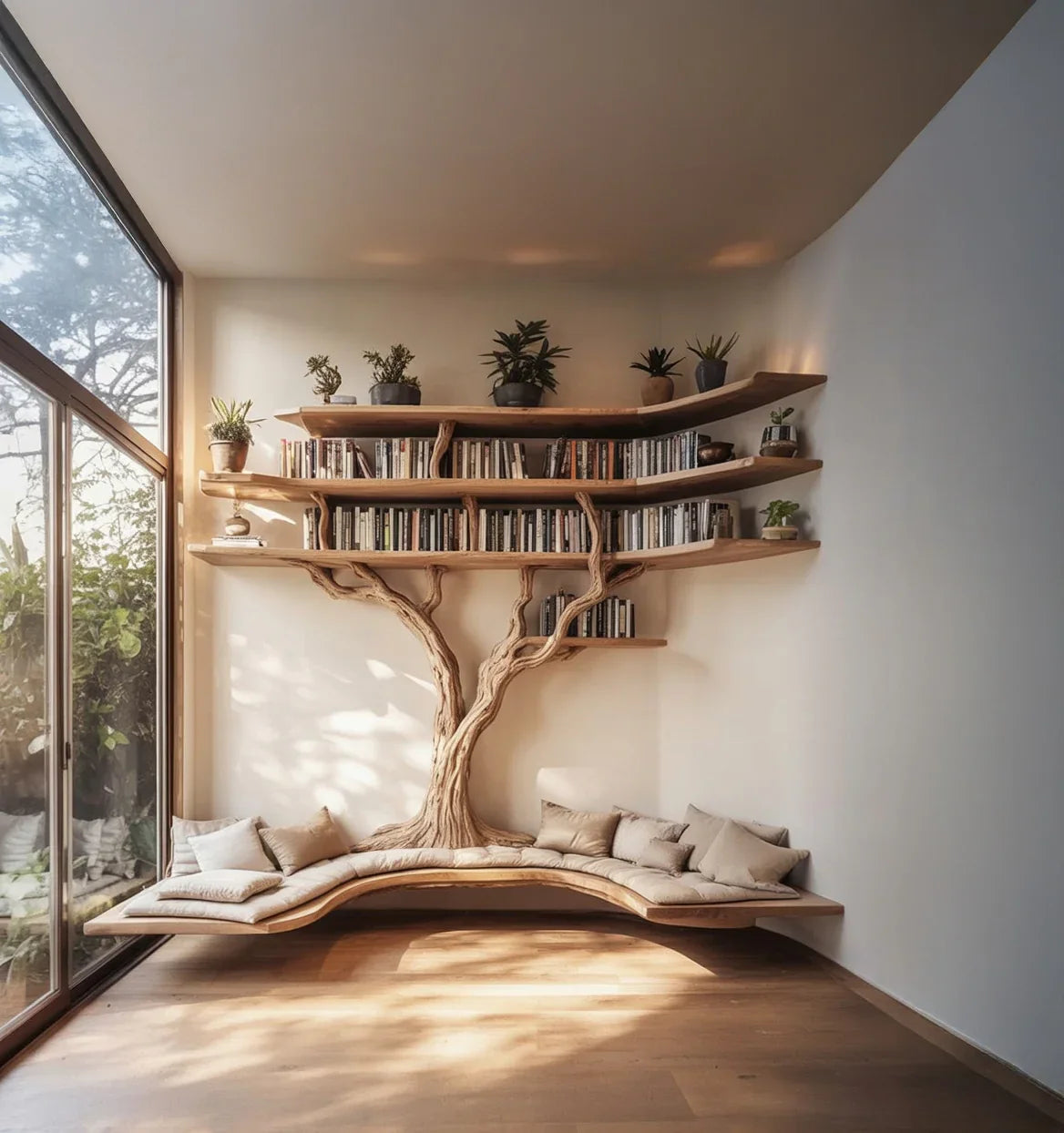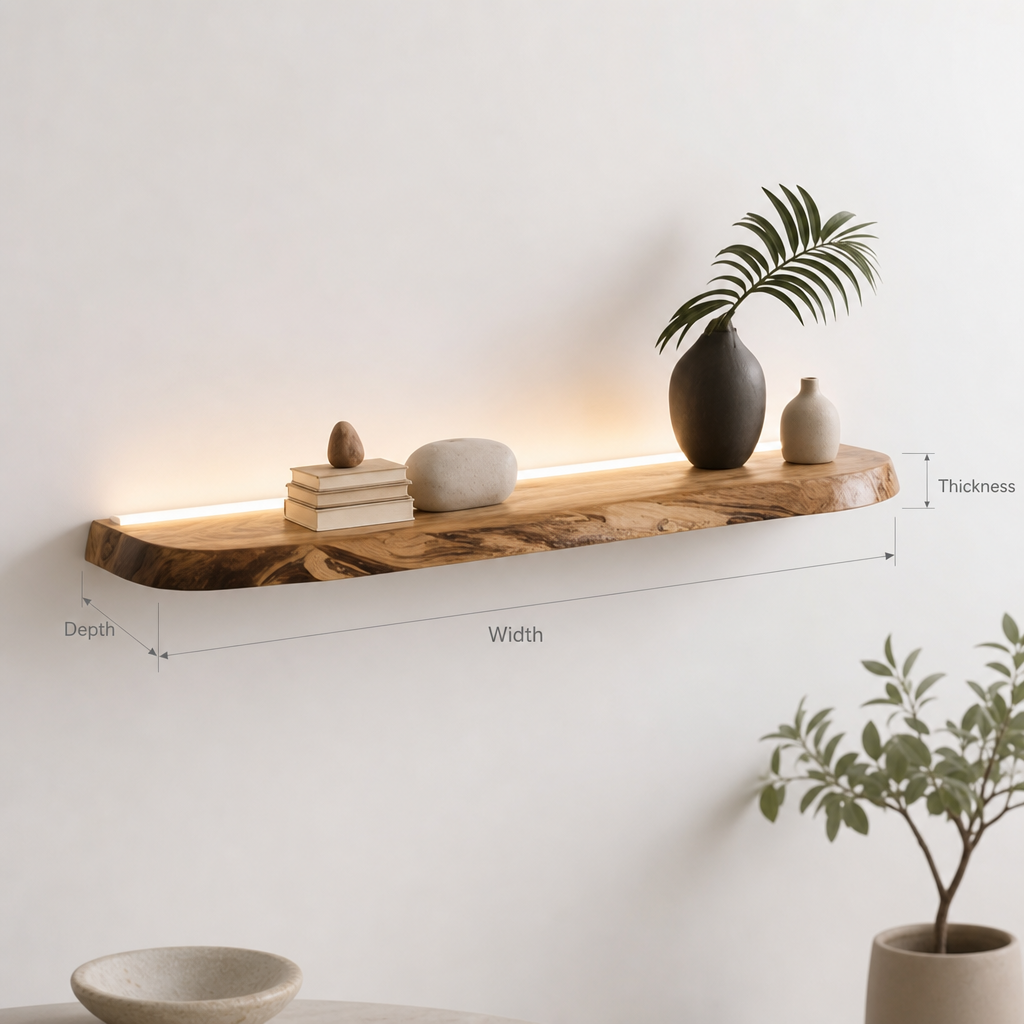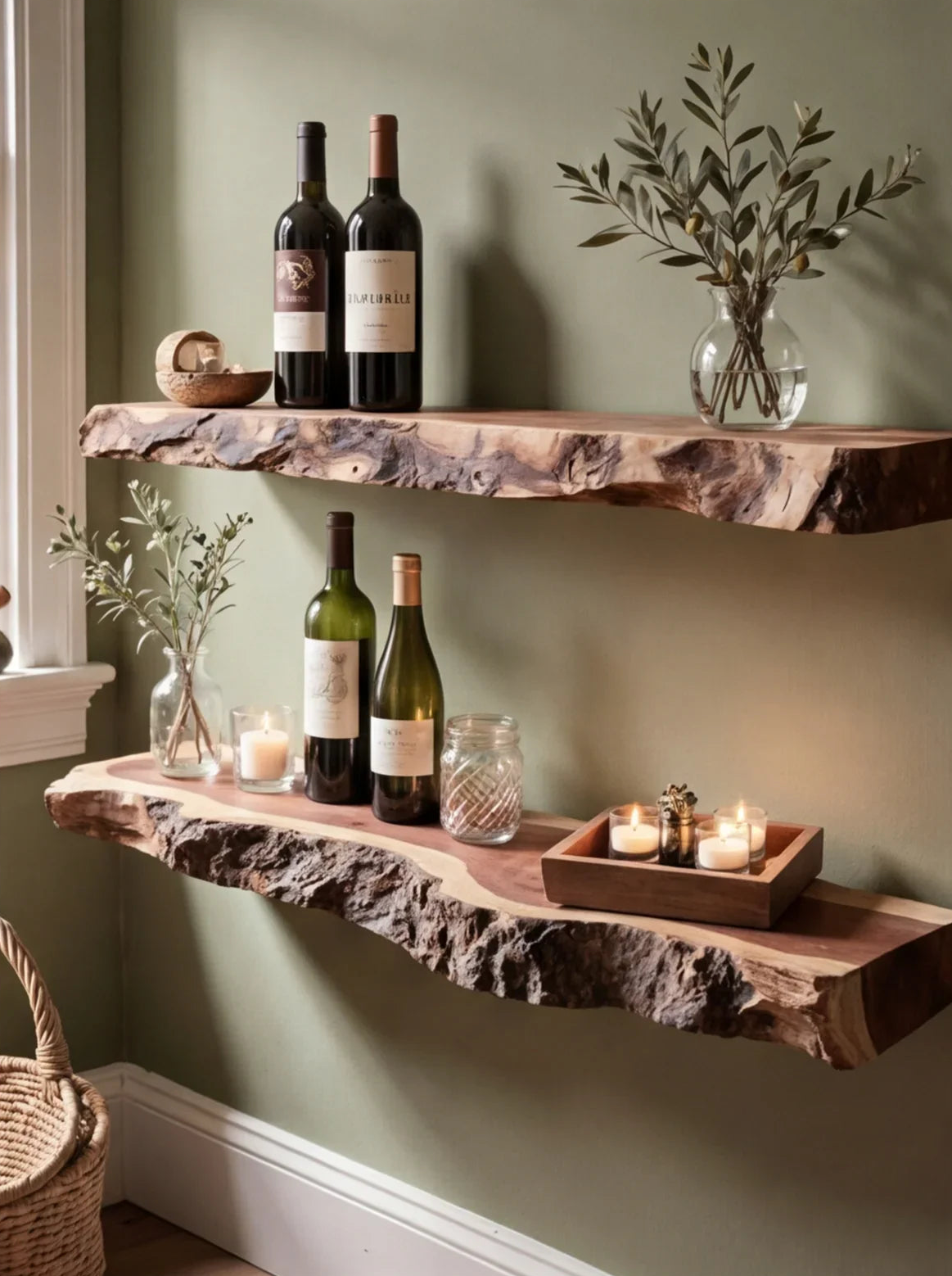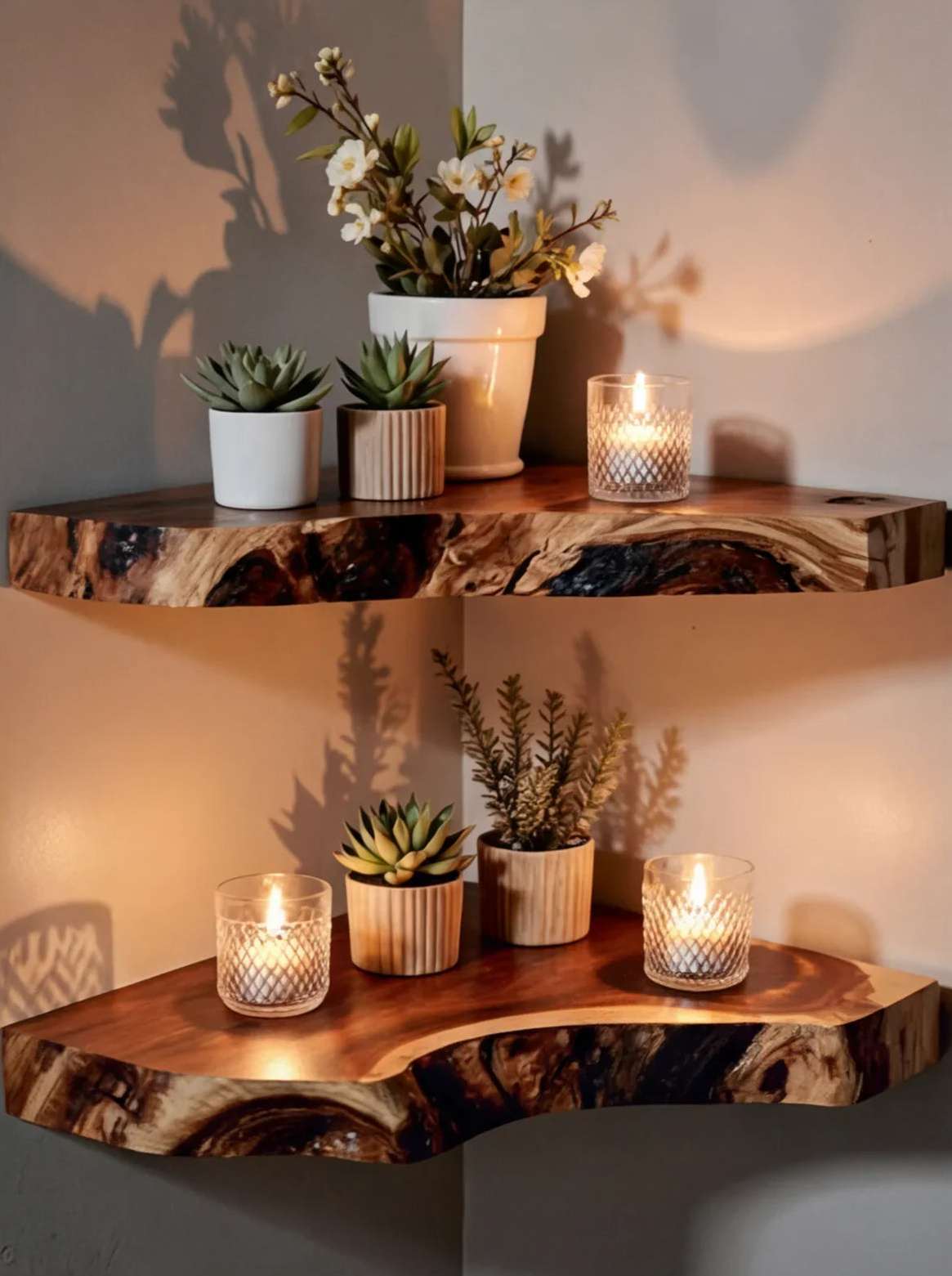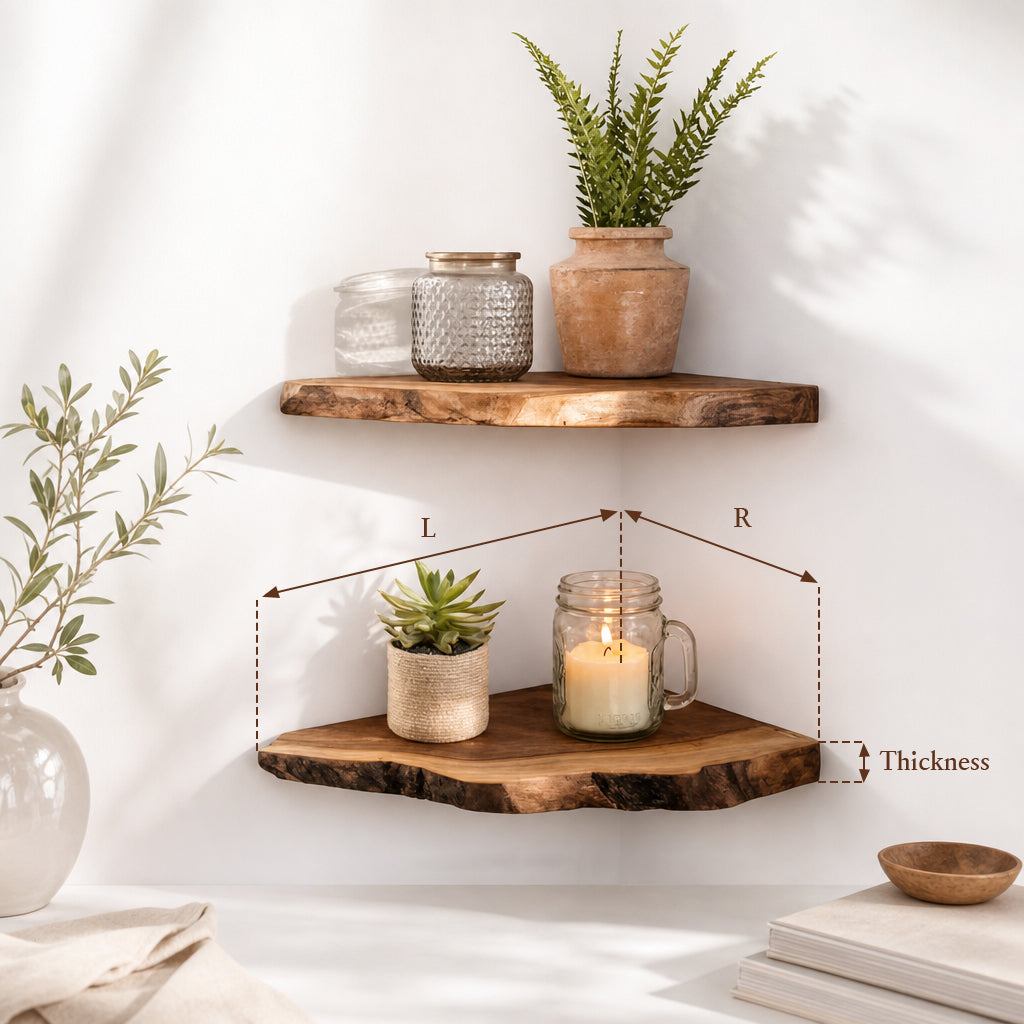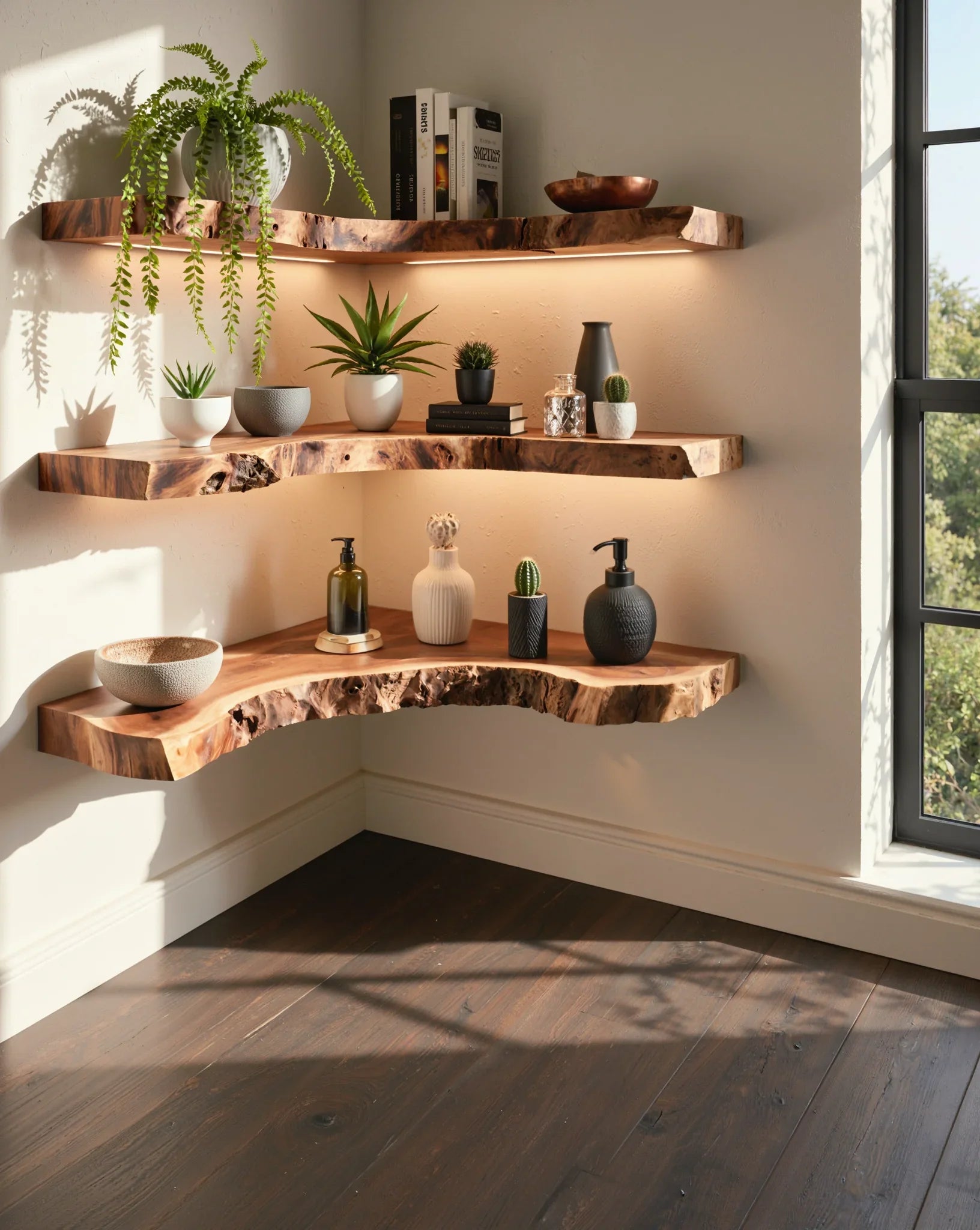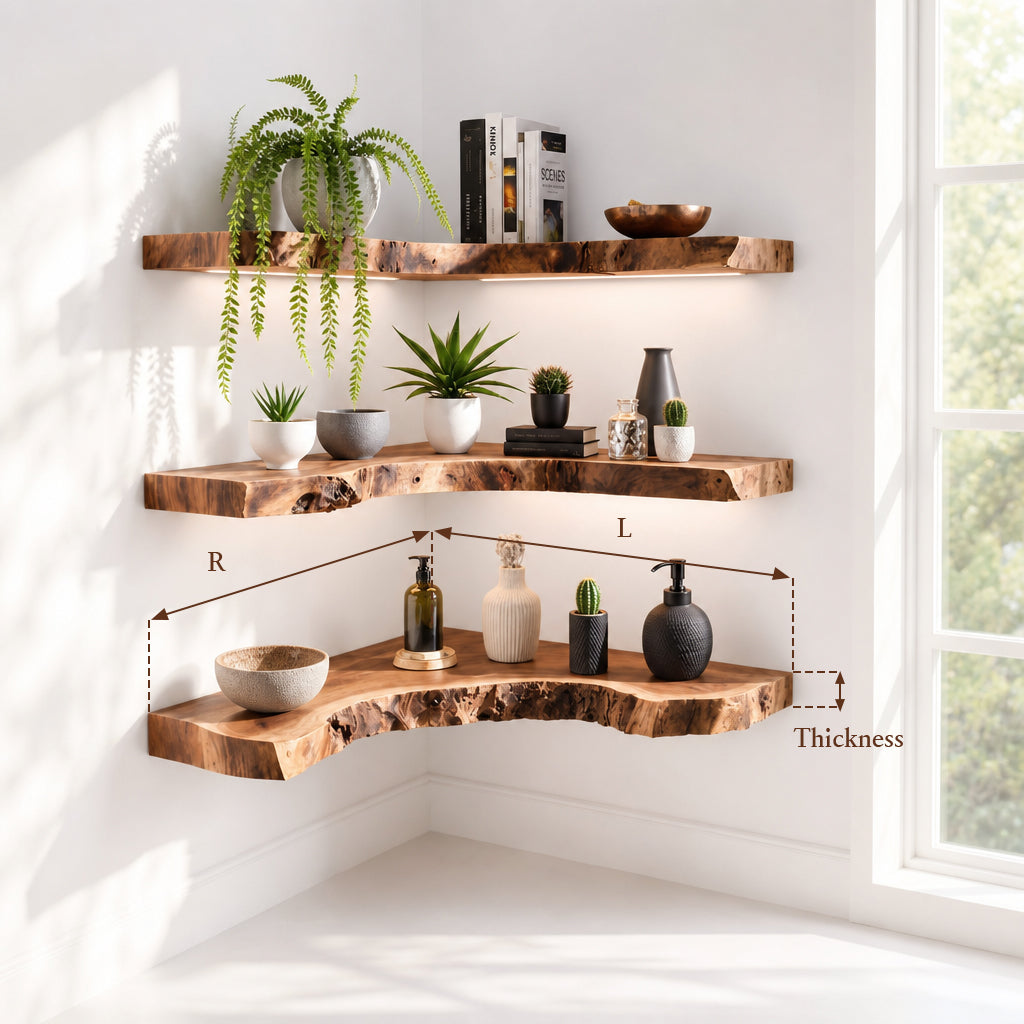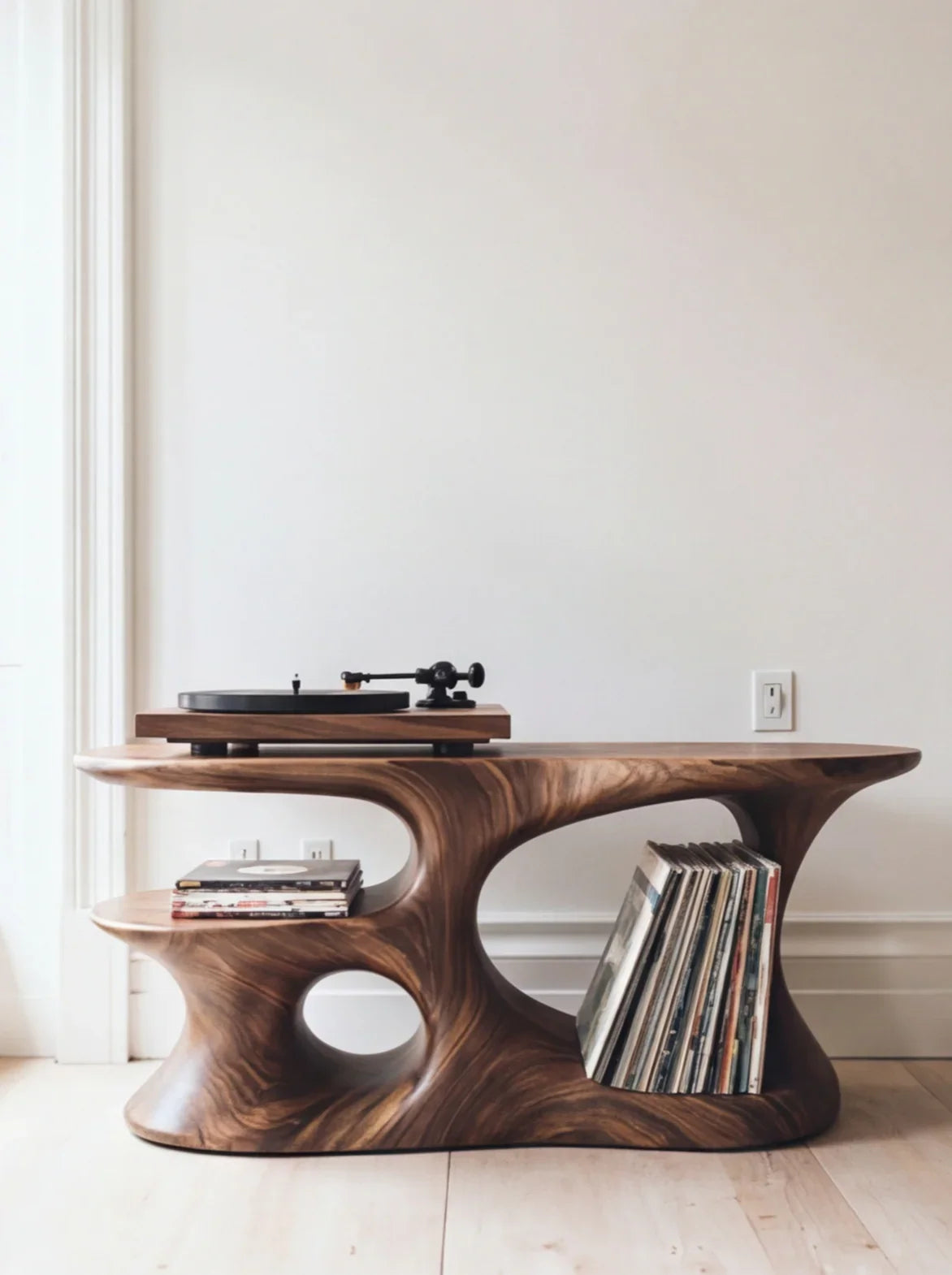

A console table is a narrow, long table that sits flush against a wall. Most are 12 to 18 inches deep, 28 to 34 inches tall, and 30 to 72 inches long. The piece is the most flexible accent in a home: it anchors an entryway, fills an empty hallway, divides a living room behind a sofa, and carries a lamp or a stack of books on a blank wall.
This is the starting point for any console table decision. If you came here for the right height, the right style, or whether a console table is even the right piece for your space, the answer starts below.
What a console table is
A console table is a shallow, wall-hugging table used for display, a drop zone, or to divide a room. The defining trait is depth under 18 inches, narrow enough to fit a hallway, sit behind a sofa, or rest against a wall without crowding a walkway. Length and height change by room, but the silhouette is always slim-front, long-top, open-leg.

Console table vs. other tables
The term "console table" gets used loosely. Here's how it actually differs from cousin pieces:
| Piece | Defining trait | Typical depth | Best for |
| Console table | Long, narrow, against a wall | 12-18" | Entryway, hallway, behind sofa |
| Entryway table | Synonym for console, used in foyer | 12-18" | Entryway, foyer |
| Sofa table | Console built to sit behind a sofa | 10-14" | Behind couch, room divider |
| Sideboard / buffet | Deeper, with storage and legs | 18-24" | Dining room, kitchen |
| Accent table | Small, freestanding, decorative | 12-24" | Beside chair, lamp stand |
| Desk | Working surface, often with drawers | 18-30" | Home office, study |
A sideboard and a console table look similar in photos. The sideboard is built for dining-room storage, so it runs deeper and often has cabinets. A console table is built for visual lightness in a transitional space.

Shop the look
Handcrafted solid wood console tables
109 pieces in stock - narrow, rustic, live edge, and mid-century styles, all built by hand from solid wood. Free shipping on every order.
Shop Console Tables →Types of console tables (how to classify them)
Console tables split cleanly into four axes: placement, style, material, and function. Most buyers shop by placement first, then narrow by style and function. That order is right, because the room dictates the size before the catalog ever should.
By placement
An entryway console table is the most common use. It anchors the foyer and holds keys, mail, a lamp, and a mirror above. 14-18" deep, 30-60" long.
A hallway console table is for corridors under 48" wide. 10-12" deep, 36-60" long. Slim profile is the priority.
A sofa table (or behind-couch console) sits flush behind a sofa and works as a room divider. 10-14" deep, length matches or exceeds the sofa.
A living room accent console goes against a feature wall, often under a window or artwork. Style-forward, less function-driven.

By style
Rustic and farmhouse pieces show natural wood grain, live edge, organic shape. Warm and unpolished.
Mid-century modern consoles have clean lines, tapered legs, walnut or teak tones.
Live edge console tables preserve the natural edge of the wood slab, so no two pieces are alike.
Modern and contemporary styles have straight edges and minimal ornamentation, often painted or stained dark.
Industrial pieces use metal legs and reclaimed wood tops for a raw utilitarian look.
Transitional blends traditional and modern cues and reads as safe for most homes.
By material
Solid hardwood (oak, walnut, acacia, teak, mango) is durable, repairable, and ages well. The standard for handcrafted furniture.
Live edge solid wood is the same as above but with the natural outer edge of the tree preserved. Each piece is unique.
Reclaimed wood comes from old buildings, beams, or barns. Visibly weathered, often marketed as eco.
Veneer over MDF or particleboard is cheaper and lighter, but it chips and swells with moisture. Common in mass-produced flat-pack furniture.
Metal and wood combos show up in industrial or modern designs: wood top with steel or iron base.
Solid wood versus veneer matters more in console tables than in most furniture, because console tables live in high-traffic zones (entryways, hallways) and take daily contact from bags, keys, and shoes. Solid wood holds up. Veneer doesn't.
By function
Open design has no drawers or shelves. The classic console silhouette. Best for display-only rooms.
Trying to decide between the two? See our comparison of console tables with storage vs. open design.
A console with storage includes 1-3 drawers for keys, mail, and small items. See console tables with storage.
A console with a lower shelf has an open shelf underneath for baskets, books, or shoes.
A console with cabinets has closed-door storage below. Rare in this category, more common in sideboards.

Console table dimensions: how to measure correctly
Three dimensions matter, in this order: depth, height, and length. Get depth wrong and the table won't fit. Get height wrong and it looks awkward under a mirror or behind a sofa. Get length wrong and it looks either lost or oversized against the wall.
Standard console table dimensions
| Dimension | Standard range | Most common |
| Depth | 10-18" | 14" |
| Height | 28-34" | 30" |
| Length | 30-72" | 48" |
A "standard" console table is 48" long by 30" tall by 14" deep. Anything outside those ranges is a deliberate fit choice.
Console table height
The right height depends on placement.
For an entryway, 30-33" works best. Slightly taller than other spots because there's no furniture reference around it.
Behind a sofa, match the sofa back height, or 0-2" shorter. Never taller than the sofa back.
In a hallway, 28-32" matches the artwork or mirror that hangs above.
Under a window, match the window sill height, usually 28-32".
For a deeper breakdown with measurement rules and room-by-room tables, see our console table height guide.
Console table depth
Depth is the most overlooked measurement and the easiest to get wrong. A console table that's too deep will block a walkway in a hallway (you need at least 36" of clear walking space on one side), stick out too far in a narrow entryway, or look bulky behind a slim-profile sofa.
Depth by placement:
| Placement | Recommended depth | Max depth |
| Narrow hallway (<48" wide) | 10-12" | 12" |
| Standard hallway | 12-14" | 14" |
| Entryway | 14-18" | 18" |
| Behind sofa | 10-14" | 14" |
| Living room accent wall | 14-18" | 20" |
For a full breakdown of how hallway width dictates console depth, see console table depth for narrow hallways.
Console table length
A general rule: the console table should be about ⅔ the width of the wall (or wall section) it sits against. Shorter than that and it looks lost; longer and it overwhelms.
| Wall width | Ideal console length |
| 36" (small entryway) | 24-30" |
| 48" (standard entryway) | 36-42" |
| 60" | 42-48" |
| 72" | 48-60" |
| 84"+ | 60-72" or pair two 36" tables |
For sizing the length to your specific wall and artwork width, see our console table size guide.
For apartments and tight entryways under 36 inches wide, this guide to small console table ideas has size-specific recommendations.
Where to place a console table (room by room)
Console tables are placement-driven furniture. Where it goes changes the size, the function, and the styling. These five placements cover most of the use cases you'll run into.
Entryway or foyer
The default placement. The console table here does three jobs: it creates a visual anchor the moment someone walks in, provides a drop zone for keys, mail, and bags, and supports a mirror, artwork, or wall hooks above.
Best size: 14-18" deep, 30-60" long, 30-33" tall.
Style match: whatever matches the home's front-door tone. Rustic farmhouse for warm homes, mid-century for modern, live edge for organic-modern.
Pair with: a mirror above, a coat rack or hooks to the side, a shoe bench opposite if the foyer is wide enough.
For styling specifics, see console table entryway styling guide.

Behind the sofa
The second most popular placement. A sofa table (or behind-couch console) sits flush behind a sofa and works as a room divider between living and dining areas, or between living and entry. It adds surface area for lamps, books, and décor without taking up the floor footprint of a side table.
Best size: 10-14" deep, length should match or exceed the sofa length, height equals the sofa back height or 0-2" shorter.
If you're matching the table to a specific sofa length, our sofa-to-console sizing guide maps every common sofa size to the right table dimensions.
Style match: lean modern or live edge here. It's seen from the dining room and should feel intentional.
Pair with: a single tall lamp, a tray, one piece of wall art above.
Not sure a console table behind the sofa is the right move for your layout? This breakdown of when it's worth it (and when it isn't) can help you decide.

Hallway
A console table in a hallway turns a pass-through into a styled moment. The constraint here is depth: the hallway must stay at least 36" clear on one side, which usually caps the console at 10-12" deep.
Best size: 10-12" deep, 36-60" long, 28-32" tall.
Style match: slim and light. A narrow console table with straight legs and no drawers reads as intentional in tight quarters.
Pair with: a runner rug, a single piece of wall art or a series of small frames, a low lamp if there's a plug.
Browse narrow console tables built for tight hallways and corridors.
For the exact math on hallway clearance and depth limits, see our guide to narrow console tables for hallways and small spaces.

Living room accent wall
A console table against a living room accent wall is a display piece, not a drop zone. It carries a lamp, art, books, or a styled vignette. The depth can run deeper here (up to 18-20") because the walkway isn't constrained.
Best size: 14-18" deep, 48-72" long, 30-32" tall.
Style match: whatever the rest of the room calls for. This is the most style-flexible placement.
Pair with: a large mirror or artwork above, a statement lamp, layered books and objects.

Under a window
A console table under a window lets natural light fall on whatever you style. It's also a workaround for rooms where the wall space is taken up by windows, since the console goes where a credenza would.
Best size: 14-16" deep, length that fits the window's width minus 4-8" on each side.
Style match: open-leg designs (hairpin, tapered, trestle) so the table doesn't block window light.
Pair with: a tall plant on one end, a mirror or art on the wall beside the window, not blocking it.
How to choose the right console table
Five questions, in order. Answer them in sequence and the right table makes itself obvious.
1. Where is it going?
Placement dictates depth, length, and height. Don't browse the catalog until you know the wall width, the hallway clearance, or the sofa back height. A 60-inch table in a 36-inch entryway is a return. A 16-inch-deep table in a 40-inch hallway is a tripping hazard.
2. What's the function: display, drop zone, or both?
Display only (living room, accent wall, under window) calls for an open design, style-forward.
Drop zone (entryway) means a console with drawers or storage for keys, mail, and small items.
Both (entryway plus styling) means storage below, open top.
3. What style does the room call for?
Match the console to the dominant style of the room it's in. If the rest of the room is mid-century modern, a rustic farmhouse console will look out of place, no matter how much you love it on its own. The exception: a live edge piece can bridge styles because the wood is neutral.
4. Solid wood or veneer?
For high-traffic zones (entryway, hallway), solid wood pays for itself within a few years. Veneer chips, peels, and swells if it gets wet, which it will in an entryway with wet shoes and dripping umbrellas. A handcrafted solid wood console from a workshop (not a dropshipper) will outlast the trend cycle by decades.
5. How will you style it?
If you already have a mirror, a lamp, and a tray in mind, make sure the console's surface is large enough to hold them with 4-6" of breathing room on each side. A 36" console with a 24" mirror and a 14" lamp base leaves nothing for anything else.
For a room-specific walkthrough, see narrow console table vs standard depth.
Styling a console table (the 3-tier rule)
Console table styling looks effortless in photos and chaotic in real life unless you follow one rule: tier everything in three heights.
The three tiers
| Tier | Height | Examples |
| Back | 12"+ above the table | Tall vase, table lamp, art leaning against wall |
| Middle | 4-12" above the table | Books, small plant, framed photo |
| Front | 0-4" above the table | Tray, candle, decorative bowl |
Place the tallest object at the back (against the wall), the medium-height objects in the middle, and the lowest in front. Vary the heights within each tier. Don't line up three items of the same height. Done well, this gives the table visual depth without clutter.
The 5 anchor pieces
Most console tables can be styled with five categories of object. Pick at least one from each:
-
A light source: table lamp, candle, or pair of candles.
-
A vertical element: vase, sculpture, tall plant, or stack of books standing up.
-
A wall piece: mirror or artwork above the table.
-
A tray or catch-all for keys, mail, or jewelry in an entryway.
-
An organic element: fresh or dried greenery, branch, or stone.
For seasonal styling swaps (spring, summer, fall, winter) without redoing the whole table, see console table decorating ideas for every season.
Building a cohesive entryway set
A console table rarely lives alone. The full entryway set usually includes 2-4 of these pieces:
| Piece | Role | When to include |
| Console table | Anchor | Always |
| Mirror | Above the console | Most entryways |
| Coat rack or hooks | Wall-mounted, beside or opposite | If no closet |
| Shoe bench | Opposite wall or under console | Larger foyers |
| Table lamp | On the console | If no overhead light |
| Runner rug | Under the console | Long or wide entryways |
| Wall art | Above or beside the console | If no mirror |
For full entryway layouts, see small entryway ideas and entryway shelf ideas.

Frequently asked questions
What is the difference between a console table and an entryway table?
They're the same piece. "Console table" is the formal term; "entryway table" describes the most common placement.
What is the standard height of a console table?
28-32" for general use. 30-33" for entryways. Behind a sofa, match the sofa back height or 0-2" shorter. Full rules in our console table height guide.
How long should a console table be?
Roughly ⅔ the wall width, or 4-8" wider than the artwork or mirror above it. Full sizing in our console table size guide.
Can a console table be used as a desk?
Only if depth is 18"+ and height is 28-30". A 14"-deep console won't fit a monitor and keyboard. For a real desk, see floating desk ideas.
What is the most durable material for a console table?
Solid hardwood: walnut, oak, acacia, teak, or mango. See live edge console tables for the most durable style.
Should a console table be anchored to the wall?
Usually no. Anchor it only if you have small kids who might climb it, or a narrow console on carpet that could tip.
How do I style a console table without it looking cluttered?
Use the 3-tier rule (tall in back, medium in middle, low in front) with 3-5 object categories. For seasonal swaps, see console table decorating ideas for every season.
Finding the right console table for your space
A console table is the most flexible piece in a home. It anchors an entryway, divides a living room, fills a hallway, and supports art on any blank wall. The right one comes from measuring the space first, picking the placement, then narrowing by style and material.
Solid wood is the material that outlasts the trend. A handcrafted console from a workshop (not a dropshipper) holds up to daily contact, ages with character, and stays out of the landfill for decades.
Browse 109 handcrafted console tables, from narrow and rustic to mid-century and live edge styles. All solid wood, all built to anchor a wall for the next 20 years.