Quick view
Shop this guide
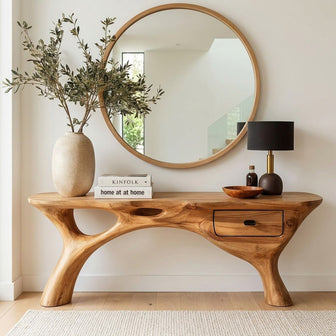
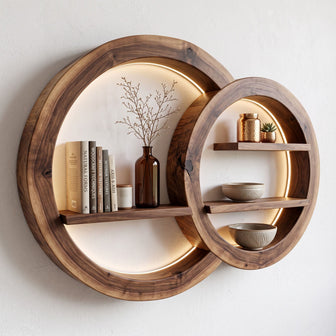
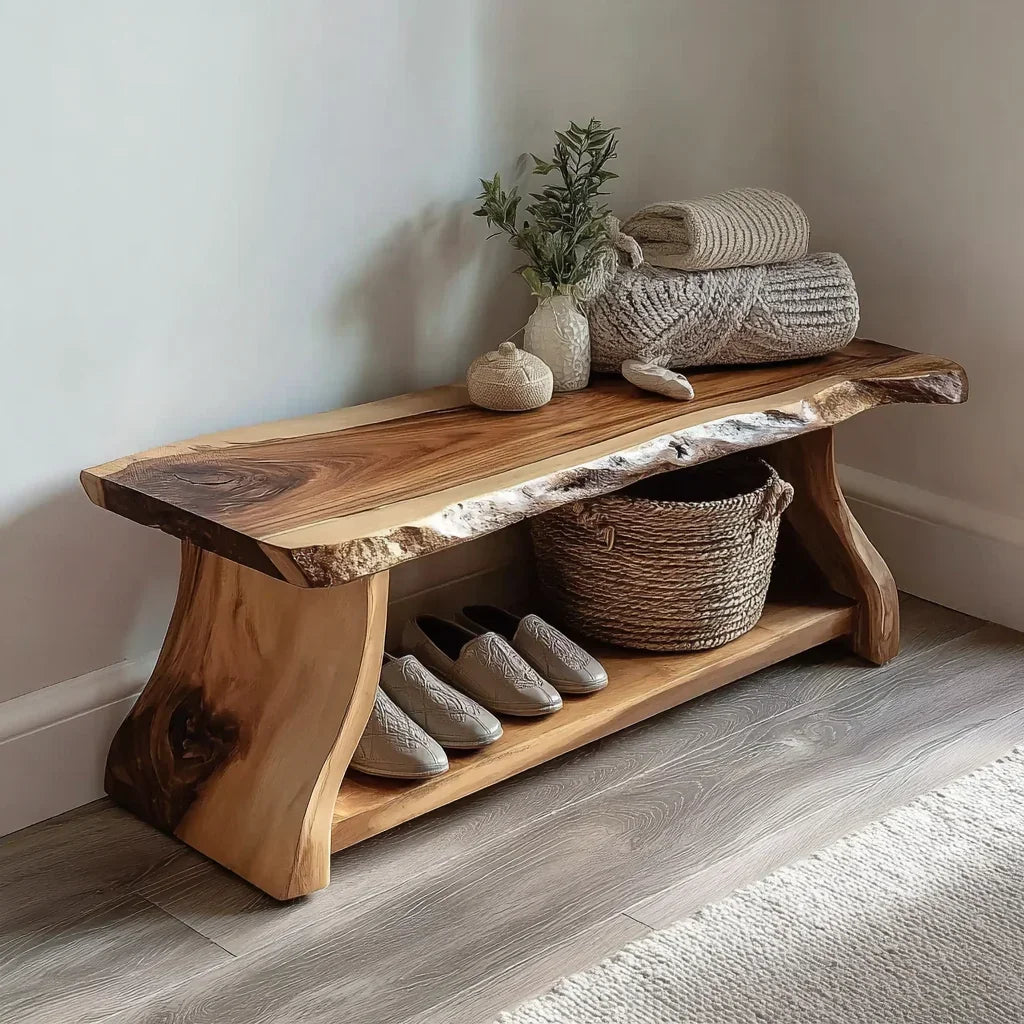
Handcrafted Benches, made to order in solid wood.
 Christmas edit
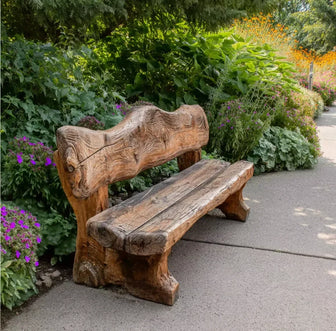
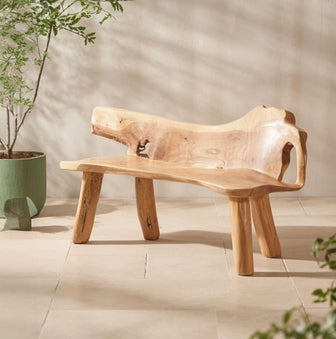
Handcrafted Rustic Solid Wood Bench - Natural Log Seating for Garden & Patio
From $1,553.00
Christmas edit
Handcrafted Rustic Solid Wood Bench - Natural Log Seating for Garden & Patio
From $1,553.00
 Christmas edit
Live Edge Wooden Entryway Bench – Solid Wood Hallway Bench with Shelf
From $1,050.00
Christmas edit
Live Edge Wooden Entryway Bench – Solid Wood Hallway Bench with Shelf
From $1,050.00
 Christmas edit
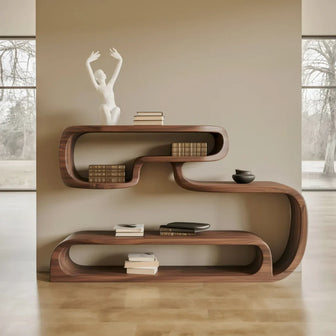
Handcrafted Walnut Bench – Organic Sculptural Mid-Century Design
From $2,327.0010% off at checkout
Christmas edit
Handcrafted Walnut Bench – Organic Sculptural Mid-Century Design
From $2,327.0010% off at checkout
 Christmas edit
Solid Wood Sculptural Bench, Mid-Century Modern Organic Entryway Seating
From $1,876.00
Christmas edit
Solid Wood Sculptural Bench, Mid-Century Modern Organic Entryway Seating
From $1,876.00
 Christmas edit
Handcrafted Sculptural Wood Bench – Modern Organic Curved Entryway Bench
From $2,060.0010% off at checkout
Christmas edit
Handcrafted Sculptural Wood Bench – Modern Organic Curved Entryway Bench
From $2,060.0010% off at checkout
 Christmas edit
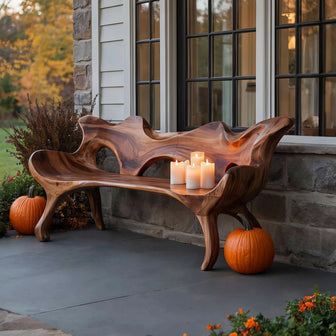
Organic Live Edge Solid Wood Halloween Sculptural Bench
From $2,234.0010% off at checkout
Christmas edit
Organic Live Edge Solid Wood Halloween Sculptural Bench
From $2,234.0010% off at checkout
The IKEA TJUSIG is the default shoe rack bench in America - $49.99, available today, no waiting. But what does that bench actually cost you over five years? When you factor in replacements, repairs, and resale, a bench with shoe storage made from solid wood costs less per year than the budget option. Here's the math.
I've watched this cycle repeat across hundreds of customer conversations. Someone buys a cheap shoe bench, replaces it in two years, buys another, and ends up spending more than they would have on a single solid wood piece that outlasts all of them. Let's put real numbers to it.
The Three Price Tiers of Shoe Benches
Shoe benches fall into three distinct price-and-quality tiers: budget ($30-$70), mid-range ($100-$200), and solid wood ($250-$450). Each tier has a predictable lifespan, failure point, and total cost of ownership. The sticker price tells you almost nothing about what you'll actually spend over five years.
Budget tier ($30-$70): IKEA TJUSIG, Amazon basics, Target threshold models. Materials are particleboard, MDF, or thin metal. Typical lifespan: 1.5-2.5 years.
Mid-range tier ($100-$200): Wayfair, some Amazon brands, and home improvement store options. Mix of engineered wood with veneer or thin hardwood frames. Typical lifespan: 3-5 years.
Solid wood tier ($250-$450): Handcrafted or premium furniture makers using teak, acacia, walnut, or oak with mortise-and-tenon joinery. Typical lifespan: 15-25+ years.
The IKEA TJUSIG: What $49.99 Actually Buys
The TJUSIG shoe rack bench measures 42½ × 12⅝ × 19¼ inches. It's made from solid pine - one of the softest commercial hardwoods at 690 on the Janka scale - with steel hardware. It holds about 6 pairs of shoes and supports up to 220 lbs according to IKEA's specs. For a deeper dive, see our article on shoe bench dimensions guide.
Here's where the real cost hides. Pine dents from normal shoe drops. The steel connecting hardware loosens over time as the soft wood around it compresses. Customer reviews on IKEA's own website consistently report wobbling after 12-18 months of daily use.
The TJUSIG is not designed to be repaired. When a joint fails, you replace the unit. There's no used-furniture market for a wobbly IKEA bench - resale value is effectively $0.


The 5-Year Cost Comparison (Real Numbers)
Here's what each tier actually costs over five years, assuming daily household use by a family of 2-4:
Budget: IKEA TJUSIG ($49.99)
| Year | Event | Cost | Running Total |
|---|---|---|---|
| 0 | Purchase TJUSIG #1 | $49.99 | $49.99 |
| 0 | Assembly time (45 min × $25/hr value) | $18.75 | $68.74 |
| 2 | Wobbling, joints loose. Purchase TJUSIG #2 | $49.99 | $118.73 |
| 2 | Assembly time #2 | $18.75 | $137.48 |
| 2 | Disposal/hauling of TJUSIG #1 | $0-$25 | $150.48 |
| 4 | TJUSIG #2 fails. Purchase TJUSIG #3 | $49.99 | $200.47 |
| 4 | Assembly + disposal again | $31.75 | $232.22 |
| 5 | End of period. TJUSIG #3 still functional | - | $232.22 |
Cost per year: $46.44 Resale value at year 5: ~$0 Landfill contribution: 2 benches
Mid-Range: Engineered Wood ($150)
| Year | Event | Cost | Running Total |
|---|---|---|---|
| 0 | Purchase mid-range bench | $150.00 | $150.00 |
| 0 | Assembly time (30 min) | $12.50 | $162.50 |
| 3.5 | Veneer peeling, shelf sagging. Purchase replacement | $165.00 | $327.50 |
| 3.5 | Assembly + disposal | $30.00 | $357.50 |
| 5 | End of period. Bench #2 still functional | - | $357.50 |
Cost per year: $71.50 Resale value at year 5: ~$10-$20 Landfill contribution: 1 bench
Solid Wood: Handcrafted ($350)
| Year | Event | Cost | Running Total |
|---|---|---|---|
| 0 | Purchase solid wood bench | $350.00 | $350.00 |
| 0 | No assembly needed (arrives built) | $0 | $350.00 |
| 3 | Light sanding to refresh surface (optional, 20 min DIY) | $5.00 | $355.00 |
| 5 | End of period. Bench still solid, no structural issues | - | $355.00 |
Cost per year: $71.00 Resale value at year 5: ~$120-$175 Net cost after resale: $180-$235 ($36-$47/year) Landfill contribution: 0 benches
The Number That Changes the Decision
Over five years, the IKEA path costs $232 and sends two benches to a landfill. The solid wood path costs $355 - or as low as $180 after resale. That makes solid wood 22% cheaper than IKEA when you account for the full lifecycle.
Extend the window to 10 years and the gap widens dramatically. The IKEA route runs approximately $465 with five replacements. A solid wood bench is still on its original purchase at $360 total (with one refinishing session). The Environmental Protection Agency estimates that furniture accounts for 12.2 million tons of landfill waste annually. Choosing durable furniture is a direct reduction.
Don't miss
These pieces qualify for 10% off orders over $2,000. Applied automatically at checkout.
10% off
Handcrafted Walnut Bench – Organic Sculptural Mid-Century Design
From $2,327.00
10% off at checkout
10% off
Handcrafted Sculptural Wood Bench – Modern Organic Curved Entryway Bench
From $2,060.00
10% off at checkout
10% off
Organic Live Edge Solid Wood Halloween Sculptural Bench
From $2,234.00
10% off at checkout
 10% off
Handcrafted Solid Wood Artistic Wood Bench – Soft Organic Wave Silhouette
From $2,534.00
10% off at checkout
10% off
Handcrafted Solid Wood Artistic Wood Bench – Soft Organic Wave Silhouette
From $2,534.00
10% off at checkout
The Repair Factor: What Happens When Something Goes Wrong
Solid wood is repairable in ways that engineered materials simply are not. A scratch on a particleboard surface exposes the compressed fiber underneath - it can't be sanded smooth because there's no wood grain below the surface layer. A scratch on solid acacia or walnut is surface damage only. Light sanding with 220-grit paper and a coat of oil restores it completely.
In our workshop, we've repaired shoe benches that customers have used daily for 8+ years. The most common repair is tightening joints - a 10-minute job with a wrench. The wood itself shows character (patina, slight darkening) rather than deterioration. We've written a full breakdown in our wood species for shoe benches post.
Common repair scenarios:
- Surface scratch: Sand and oil. Cost: $5. Time: 20 minutes.
- Loose joint: Tighten hardware or re-glue. Cost: $0-$10. Time: 15 minutes.
- Water stain: Sand and refinish the affected area. Cost: $5-$15. Time: 30 minutes.
- Structural crack (rare in solid wood): Wood glue and clamp. Cost: $8. Time: 10 minutes active + 24 hours drying.
An IKEA TJUSIG with a loose joint? The particleboard around the screw hole has expanded. The fix is to drill a new hole nearby and hope the material holds. It usually doesn't.
Resale Value: The Hidden Return
Solid wood furniture has a resale market. Facebook Marketplace, Craigslist, and consignment shops actively list used solid wood benches. Based on current listings, a well-maintained solid wood shoe bench retains 35-50% of its purchase price after 5 years.

At Ashdeco, our shoe benches are handcrafted from solid wood by Vietnamese artisans. Each piece is built with joinery designed to last decades, not just survive shipping. That construction quality is what creates resale value - buyers on the secondary market can see and feel the difference.
Pair a solid wood shoe bench with a matching coat rack and you've built an entryway set that functions beautifully for 15+ years while actually holding (and potentially increasing) its value. Our entryway shoe bench ideas article walks through the specifics.
The Verdict: Price ≠ Cost
The cheapest shoe rack bench at checkout is rarely the cheapest shoe rack bench over time. Here's the summary:
| Factor | IKEA TJUSIG | Mid-Range | Solid Wood |
|---|---|---|---|
| Sticker price | $49.99 | $150 | $350 |
| 5-year total cost | $232 | $357 | $355 |
| 5-year cost after resale | $232 | $340 | $180-$235 |
| Benches sent to landfill | 2 | 1 | 0 |
| Repairability | Low | Low | High |
According to the Buy It for Life community on Reddit - 1.8 million members strong - the single best predictor of long-term furniture value is solid wood construction with traditional joinery. That's not opinion. That's 1.8 million people who learned the hard way.
FAQ
Is the IKEA TJUSIG shoe bench solid wood?
The TJUSIG is made from solid pine, which is technically solid wood. However, pine scores just 690 on the Janka hardness scale - one of the softest commercial woods. It dents easily from dropped shoes and the joints weaken faster than harder species like acacia (1,750 Janka) or teak (1,070 Janka).
How long does a solid wood shoe bench last?
A solid wood shoe bench with mortise-and-tenon or dowel joinery typically lasts 15-25+ years with normal daily use. Some solid wood furniture remains functional for 50+ years. The key factors are wood species hardness, joint construction, and basic maintenance (occasional oiling).
Can you refinish a shoe bench?
Solid wood shoe benches can be fully refinished - sanded, re-stained, and re-sealed - multiple times throughout their life. Particleboard and MDF benches cannot be refinished because sanding through the surface veneer exposes compressed fiber that won't accept stain evenly.
Is a $350 shoe bench worth it?
Over five years, a $350 solid wood shoe bench costs $71/year - or as low as $36/year after resale. A $50 IKEA bench costs $46/year with no resale value and two landfill contributions. The solid wood bench is cheaper per year when you factor in replacements, repairs, and resale.
What's the best wood for a shoe bench near a front door?
Acacia and teak handle moisture best, making them ideal for shoe benches near front doors where wet or muddy shoes are common. Acacia scores 1,750 on the Janka hardness scale with natural water resistance. Teak scores 1,070 Janka with the highest natural oil content of any commercial wood.