


















Quick view
Shop this guide
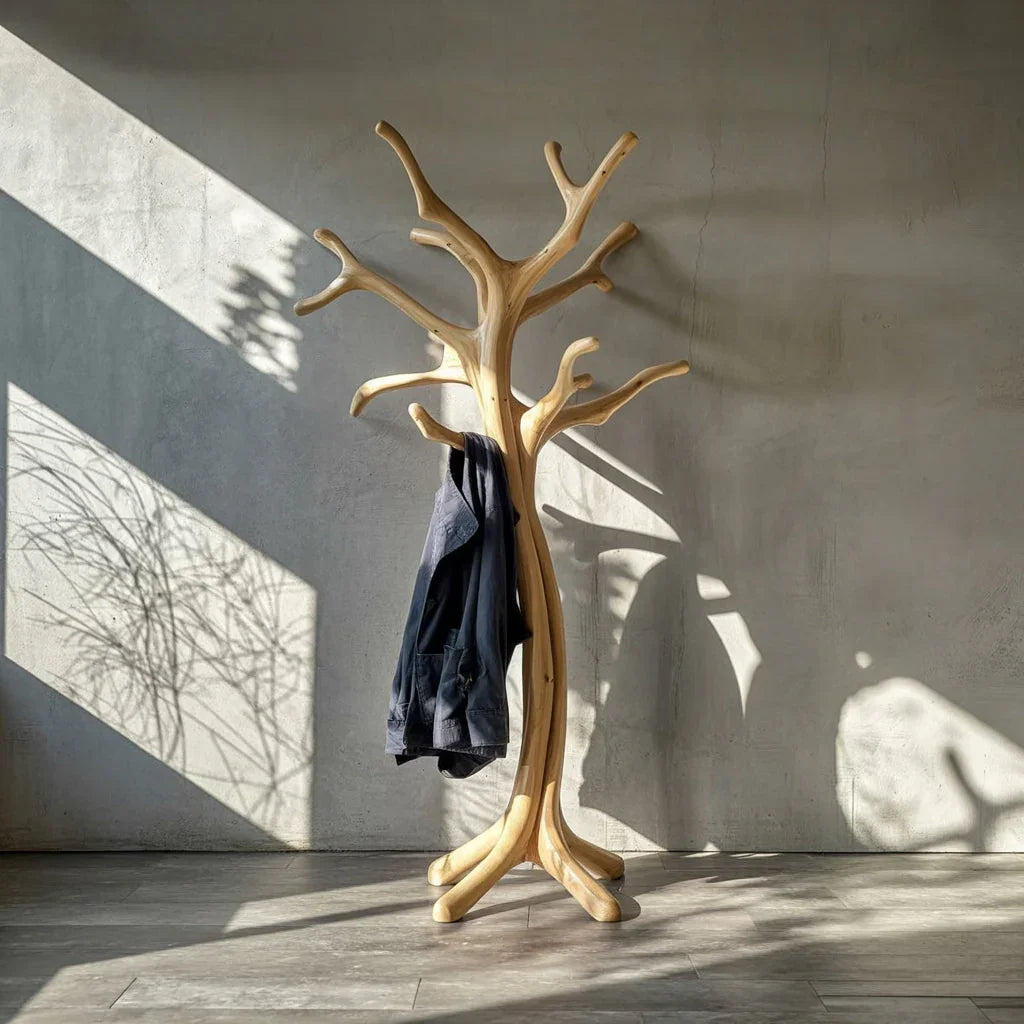
Handcrafted Tree Bookshelf, made to order in solid wood.
 Christmas edit
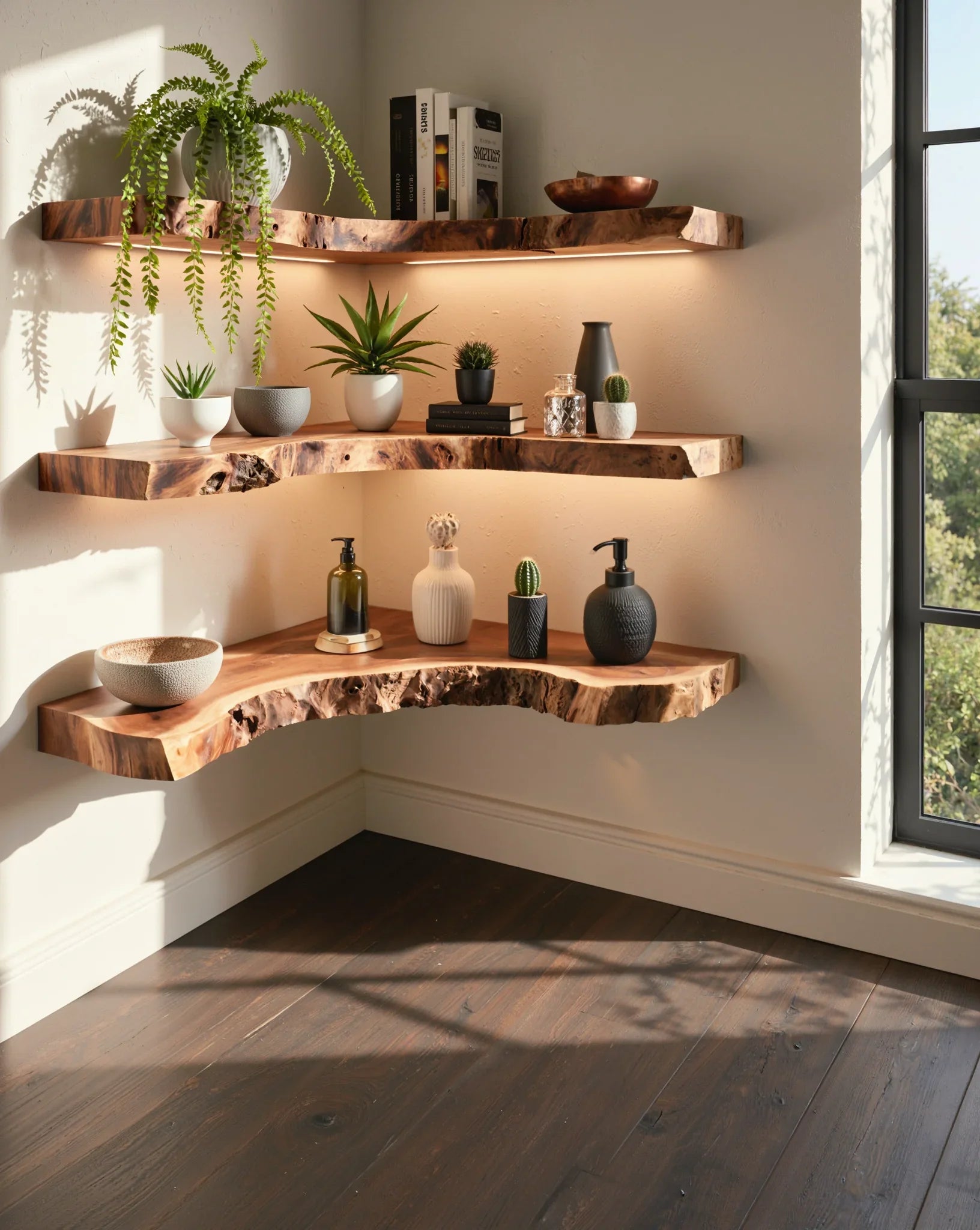
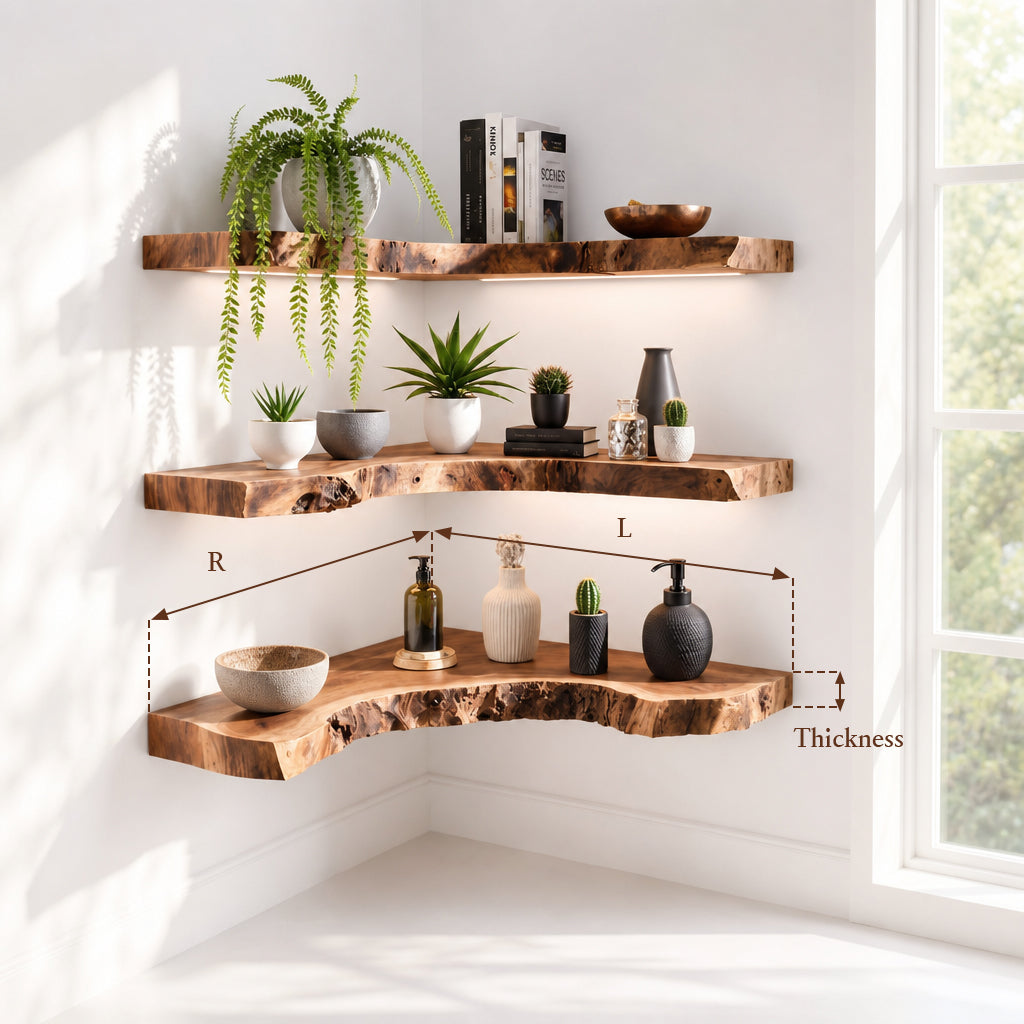
Corner Tree Floating Bookshelf – Driftwood Branch Wall Mounted Hanging Shelf, Artistic Corner Furniture Decoration
From $901.00
Christmas edit
Corner Tree Floating Bookshelf – Driftwood Branch Wall Mounted Hanging Shelf, Artistic Corner Furniture Decoration
From $901.00
 Christmas edit
Handcrafted Wooden Tree Wall Shelf – Rustic Branch Bookshelf
From $1,087.00
Christmas edit
Handcrafted Wooden Tree Wall Shelf – Rustic Branch Bookshelf
From $1,087.00
 Christmas edit
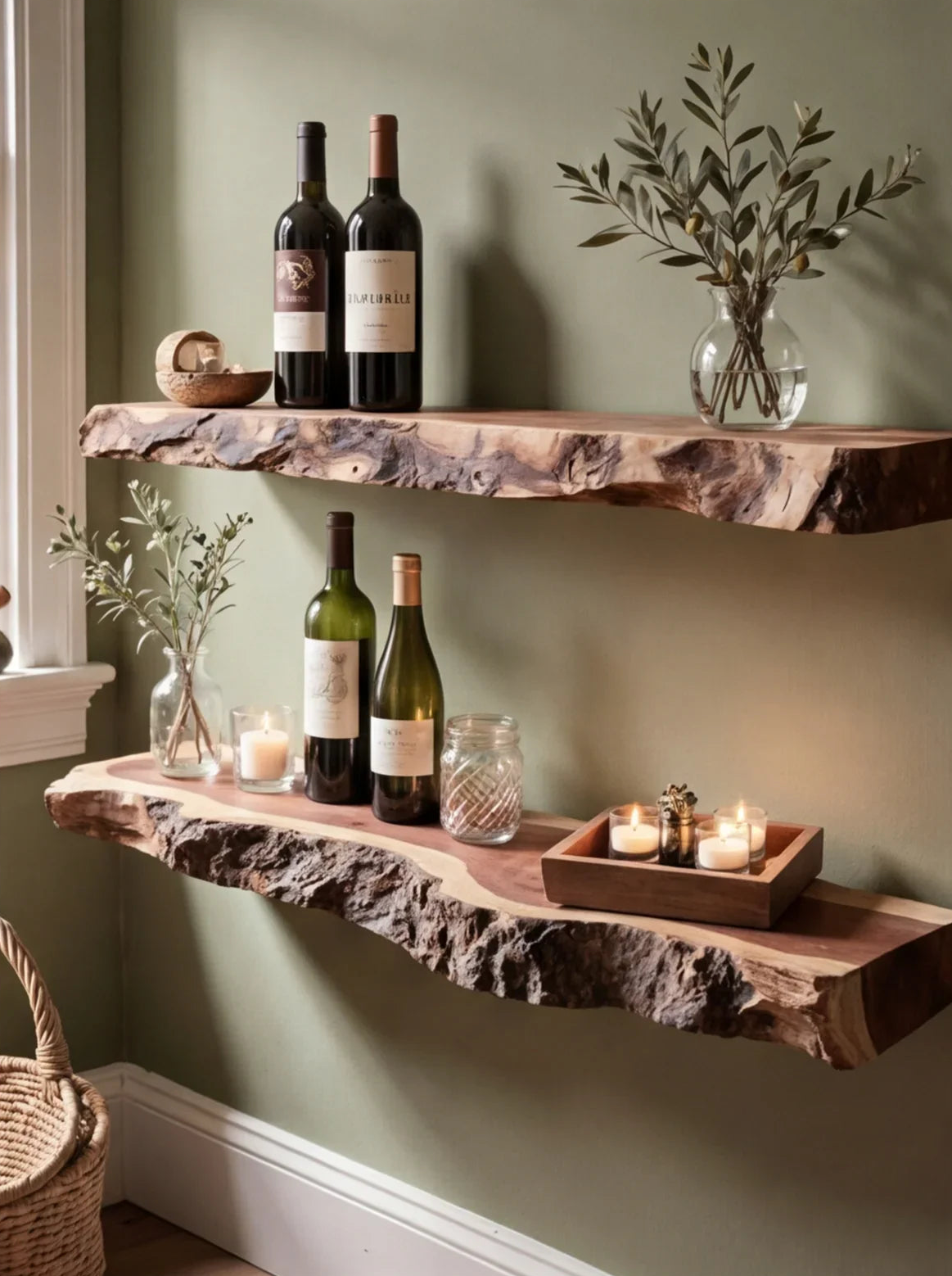
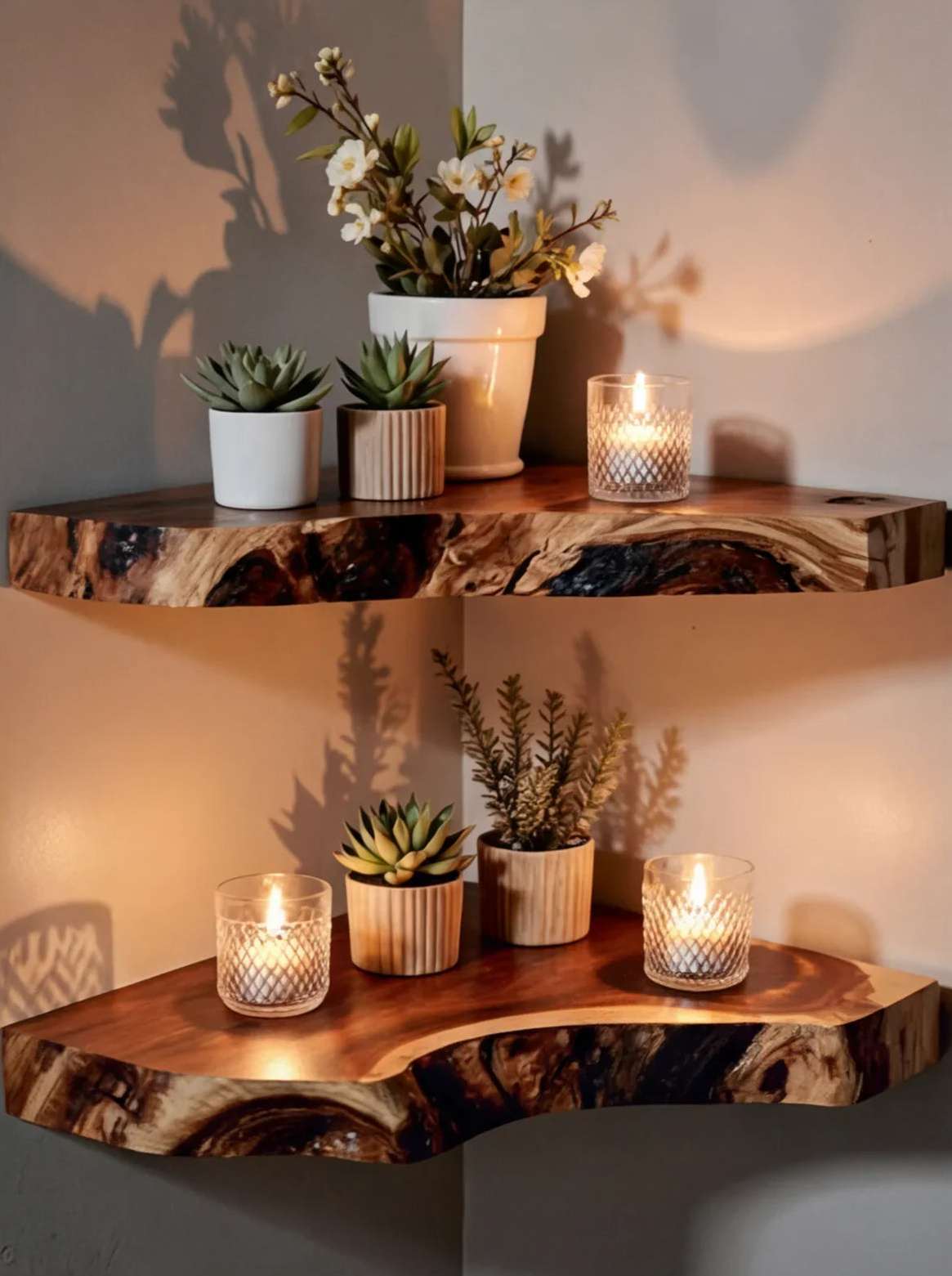
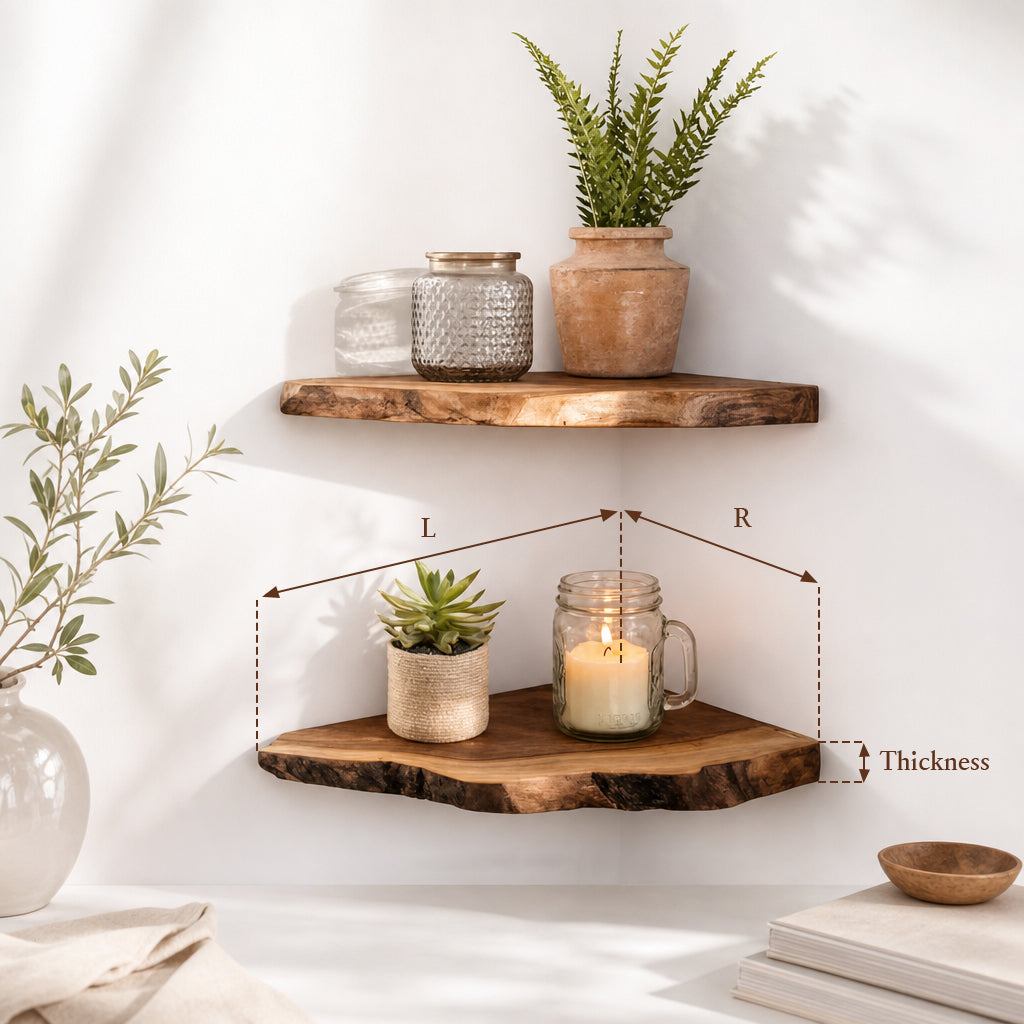
Solid Wood Floating Corner Shelf – Driftwood Branch Wall Shelf
From $789.00
Christmas edit
Solid Wood Floating Corner Shelf – Driftwood Branch Wall Shelf
From $789.00
 Christmas edit
Tree Bookshelf – Rustic Wooden Book Tree Shelf, Wall-Mounted Natural Wood Décor
$2,099.0010% off at checkout
Christmas edit
Tree Bookshelf – Rustic Wooden Book Tree Shelf, Wall-Mounted Natural Wood Décor
$2,099.0010% off at checkout
 Christmas edit
Handcrafted Solid Wood Nursery Decor & Kids' Library
$2,834.0010% off at checkout
Christmas edit
Handcrafted Solid Wood Nursery Decor & Kids' Library
$2,834.0010% off at checkout
 Christmas edit
Floating Bookshelf – Tree Branch Wall-Mounted Bookcase for Rustic Home Decor
From $1,000.00
Christmas edit
Floating Bookshelf – Tree Branch Wall-Mounted Bookcase for Rustic Home Decor
From $1,000.00
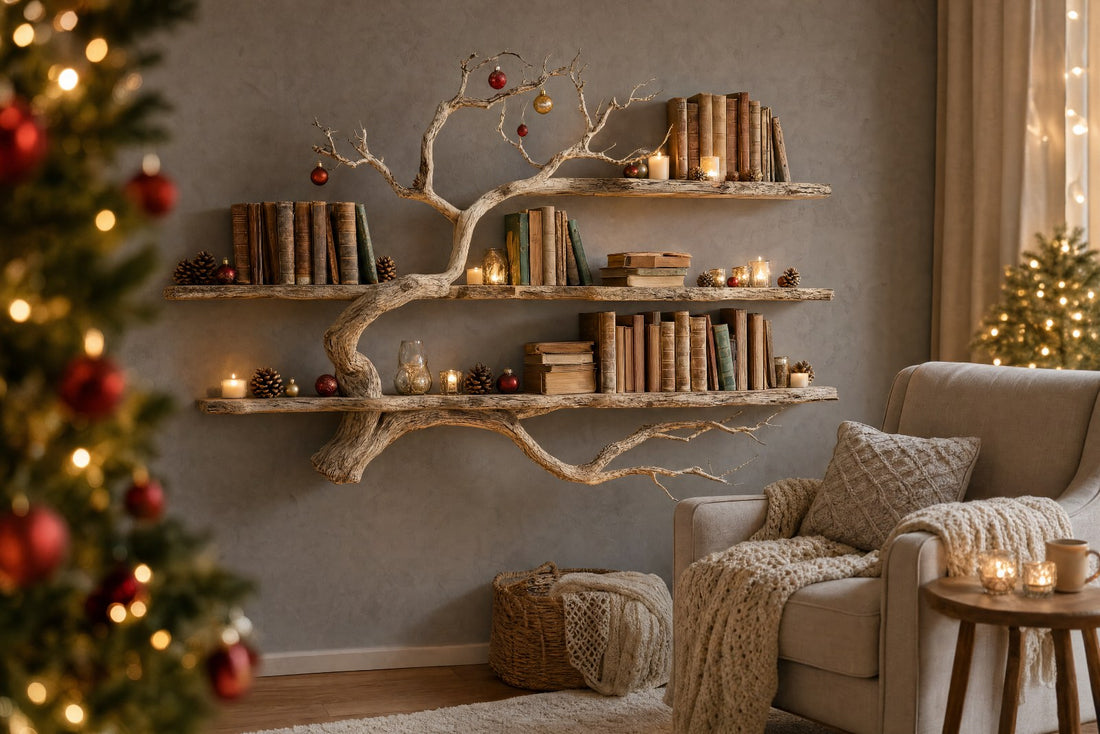
A corner tree bookshelf transforms dead space into a focal point - but only if it actually fits. Most people measure their corner wrong because they assume two things: that their walls meet at exactly 90 degrees (they often don't), and that corner depth is a single number (it changes depending on where you measure). Getting these measurements right is the difference between a corner tree bookshelf that looks intentional and one that gaps, tilts, or blocks a door.

Here's the exact measurement process our customers use before ordering from our corner tree bookshelf collection. Five minutes of measuring saves weeks of returns.
Step 1: Check Your Wall Angle (It's Probably Not 90°)
Most residential corners are not perfectly square. Construction tolerances, settling, and older building methods create corners that range from 87° to 93° - a deviation of up to 3 degrees from the expected 90°. This matters because a corner bookshelf designed for 90° will gap on one side in an 87° corner or pinch in a 93° corner.
How to check: Hold a carpenter's square (the L-shaped metal tool) tight into the corner at three heights - 12 inches from the floor, 36 inches (counter height), and 60 inches (eye level). Look for gaps between the square's edges and the walls.
- Gap of 1/8 inch or less: Your corner is within normal range (89°-91°). Any standard corner shelf fits without issue.
- Gap of 1/8 to 1/4 inch: Your corner is 2-3 degrees off square. The shelf will fit but may show a small gap on one side. A shim behind the shelf corrects this invisibly.
- Gap of 1/4 inch or more: Your corner is significantly off square (4+ degrees). You'll need a corner shelf with adjustable contact points, or consider a freestanding tree bookshelf positioned in the corner without wall contact.
No carpenter's square? Use two hardcover books held spine-to-spine against the walls. If both spines touch the wall flat with no gap, your corner is close to 90°.
Step 2: Measure Corner Depth (Both Walls)
Corner depth is the distance from the corner point (where the two walls meet) to the front face of the bookshelf. But corners aren't symmetrical - the two walls often have different usable depths due to outlets, baseboards, and trim variations.
How to measure:
- Stand facing the corner. Label the left wall "Wall A" and the right wall "Wall B."
- On Wall A, measure from the corner point outward along the wall to the first obstruction (outlet, window casing, door frame, or the point where the shelf would visually intrude on the adjacent wall). Record this number. Common range: 12-24 inches.
- Repeat for Wall B.
- Your corner depth is limited by the shorter of the two measurements.
Example: Wall A has 18 inches before hitting a window casing. Wall B has 22 inches of open wall. Your usable corner depth is 18 inches - the shelf can't extend further along Wall A without hitting the window.
Critical note: Measure at the floor and at the ceiling (or your planned shelf height). Walls can lean - a measurement that reads 18 inches at the floor may read 17.5 inches at 60 inches high. Use the smaller number.


Step 3: Measure Floor-to-Ceiling Height
Corner tree bookshelves are typically tall - 60 to 80 inches - and some designs extend to the ceiling. Measure your floor-to-ceiling height at the corner itself, not at the room center. Corners often differ from center by 0.25 to 0.75 inches due to floor or ceiling unevenness.
Standard ceiling heights and shelf fit:
- 8-foot ceilings (96 inches): Tree bookshelves up to 80 inches fit with 16 inches of visual breathing room. Up to 90 inches for a floor-to-near-ceiling look.
- 9-foot ceilings (108 inches): Any standard corner tree bookshelf fits. The extra height above the shelf becomes display space for the tree's top branches.
- 7-foot ceilings (84 inches, common in basements): Maximum shelf height of 72 inches. Taller shelves will feel cramped.
Leave at least 6 inches between the shelf top and the ceiling for visual balance - unless the design specifically requires ceiling contact.
Step 4: Check Door and Window Clearance

The most overlooked measurement. A corner tree bookshelf that fits the corner perfectly but blocks a door from opening fully is a problem you discover too late. Our corner tree bookshelf for small rooms article walks through the specifics.
Door clearance: Open every door within 36 inches of the corner to its full swing. The door's outer edge (at maximum opening) should clear the bookshelf's front face by at least 2 inches. Measure from the corner to the door's maximum reach - this is your absolute depth limit for the shelf.
Window clearance: If a window is within 12 inches of the corner, the shelf should not extend above the windowsill line. A tree bookshelf branch crossing in front of a window looks accidental and blocks light. We've written a full breakdown in our tree bookshelf buyers guide post.
Light switch and outlet clearance: Mark any switches or outlets on the corner walls. The shelf should not cover these. Most outlets are 12-18 inches from the floor; most switches are 48 inches from the floor. A corner tree bookshelf that contacts the wall at these heights needs a notch or standoff to preserve access.
Don't miss
These pieces qualify for 10% off orders over $2,000. Applied automatically at checkout.
10% off
Tree Bookshelf – Rustic Wooden Book Tree Shelf, Wall-Mounted Natural Wood Décor
$2,099.00
10% off at checkout
10% off
Handcrafted Solid Wood Nursery Decor & Kids' Library
$2,834.00
10% off at checkout
 10% off
Authentic Hand-Carved Solid Wood Tree Bookshelf Daybed - Sculptural Lounge Library
From $3,587.00
10% off at checkout
10% off
Authentic Hand-Carved Solid Wood Tree Bookshelf Daybed - Sculptural Lounge Library
From $3,587.00
10% off at checkout
 10% off
Rustic Tree Shaped Wooden Bookshelf with Branch Design for Living Room or Home Library
$2,145.00
10% off at checkout
10% off
Rustic Tree Shaped Wooden Bookshelf with Branch Design for Living Room or Home Library
$2,145.00
10% off at checkout
The 5 Most Common Corner Measurement Mistakes
Mistake 1: Measuring from the baseboard, not the wall. Baseboards add 0.5-0.75 inches to the corner depth. Measure from the wall surface above the baseboard. If the shelf sits on the floor, you may need to trim the baseboard or notch the shelf back to sit flush against the wall.
Mistake 2: Ignoring crown molding. Crown molding at the ceiling can interfere with tall tree bookshelves. Measure how far the molding projects from the wall (typically 1.5-3.5 inches) and ensure the shelf top doesn't contact it.
Mistake 3: Assuming both corner walls are the same length. Measure each wall independently. One might be 14 inches to an outlet; the other might be 24 inches of open wall. The shelf footprint must fit the shorter dimension.
Mistake 4: Forgetting about heating vents. Floor-level heating vents near corners are common. A bookshelf placed over a vent blocks airflow and creates a heat trap. Check for vents within 6 inches of the corner on both walls and on the floor.
Mistake 5: Not accounting for shelf projection. A corner tree bookshelf's branches extend forward from the trunk into the room. The widest branch determines the shelf's total footprint. Measure the product's maximum depth (trunk to farthest branch tip) and ensure this doesn't intrude into a walkway. Minimum walkway clearance is 30 inches, per standard building guidelines.

For corners where a wall-mounted option works better, explore our corner floating shelves - they mount directly to both walls and don't occupy floor space.
FAQ
How do I know if a corner tree bookshelf will fit my corner? Measure three things: wall angle (use a carpenter's square), corner depth on both walls (from corner to first obstruction), and floor-to-ceiling height. Compare these to the bookshelf's specifications. If your corner is within 3 degrees of 90° and the depth exceeds the shelf's wall-contact dimensions, it will fit.
What if my corner isn't 90 degrees? Corners between 87° and 93° work with most corner bookshelves - use thin shims behind the shelf on the wider-gap side to fill any visible space. For corners significantly off square (more than 5 degrees), a freestanding tree bookshelf placed in the corner without wall attachment is the better solution. It doesn't depend on the wall angle for stability.
How far from the wall does a corner tree bookshelf stick out? Most corner tree bookshelves project 10-16 inches from the corner point to the farthest branch tip. The trunk itself sits 2-4 inches from the corner. Measure the product's maximum depth specification before buying to ensure it doesn't block walkways.
Can I put a corner tree bookshelf on carpet? Yes, but use furniture pads or a thin plywood base (cut to the shelf's footprint) under the shelf on thick carpet. Carpet compresses unevenly under furniture weight, which can cause a tall shelf to lean slightly over months. A solid base distributes the weight and prevents leaning. On low-pile carpet or hard flooring, no base is needed.
Do corner tree bookshelves need to be anchored to the wall? Strongly recommended for any tree bookshelf over 48 inches tall, especially in homes with children or pets. Use a furniture anchor strap attached to a wall stud at approximately 2/3 the shelf's height. This prevents tipping without being visible from the front. Most tree bookshelves include anchor hardware or compatible anchor points.