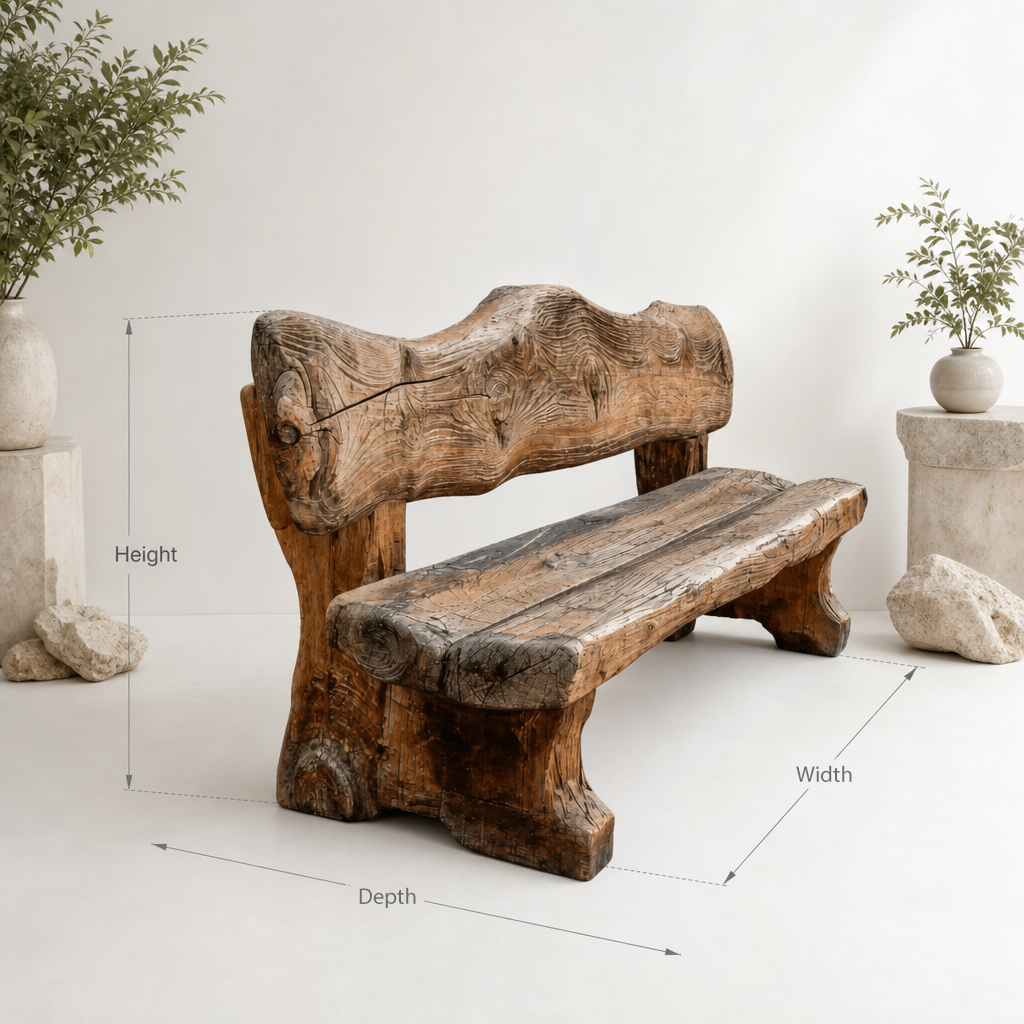

Choosing sustainable furniture means investing in pieces that are good for your home and responsible toward the planet. But the term gets thrown around loosely - not every company that claims to be eco-friendly actually is. This guide helps you cut through greenwashing and choose eco-friendly furniture that genuinely lasts.

What Makes Furniture Sustainable?
Truly ethical furniture checks several boxes:
- Material longevity: Solid wood lasts decades. MDF and particleboard end up in landfills within 5 to 10 years.
- Responsible sourcing: Wood from managed forests or reclaimed sources, not old-growth or illegally logged timber.
- Low-waste production: Handcrafted furniture generates less waste than factory mass-production. Offcuts are repurposed.
- Repairability: Furniture built with real joinery can be repaired and refinished. Flat-pack furniture with stripped cam locks cannot.
- Fair labor: Skilled artisans paid fairly for their craft, not exploited factory labor.
The Disposable Furniture Problem
The average American replaces furniture every 5 to 7 years. Most of it ends up in landfills - over 12 million tons annually in the US alone. The cycle looks like this:
- Buy cheap MDF or particleboard furniture
- It chips, sags, or wobbles within a few years
- It cannot be repaired - the materials are too degraded
- It goes to the dump
- Buy a replacement, repeat
Breaking this cycle starts with buying furniture built to last. A solid wood table that lasts 30 years is more sustainable than three particleboard tables that each last 5 years - even if the upfront cost is higher.

Solid Wood vs Engineered Materials
| Material | Lifespan | Recyclable | Repairable | Carbon Footprint |
|---|---|---|---|---|
| Solid hardwood | 20 to 100+ years | Yes | Yes | Low (carbon storage) |
| Plywood | 10 to 30 years | Limited | Moderate | Medium |
| MDF | 5 to 10 years | No | No | High (formaldehyde) |
| Particleboard | 3 to 7 years | No | No | High |
| Plastic/composite | 5 to 15 years | Limited | No | Very high |
How Ashdeco Approaches Sustainability
At Ashdeco, sustainability is built into every step:
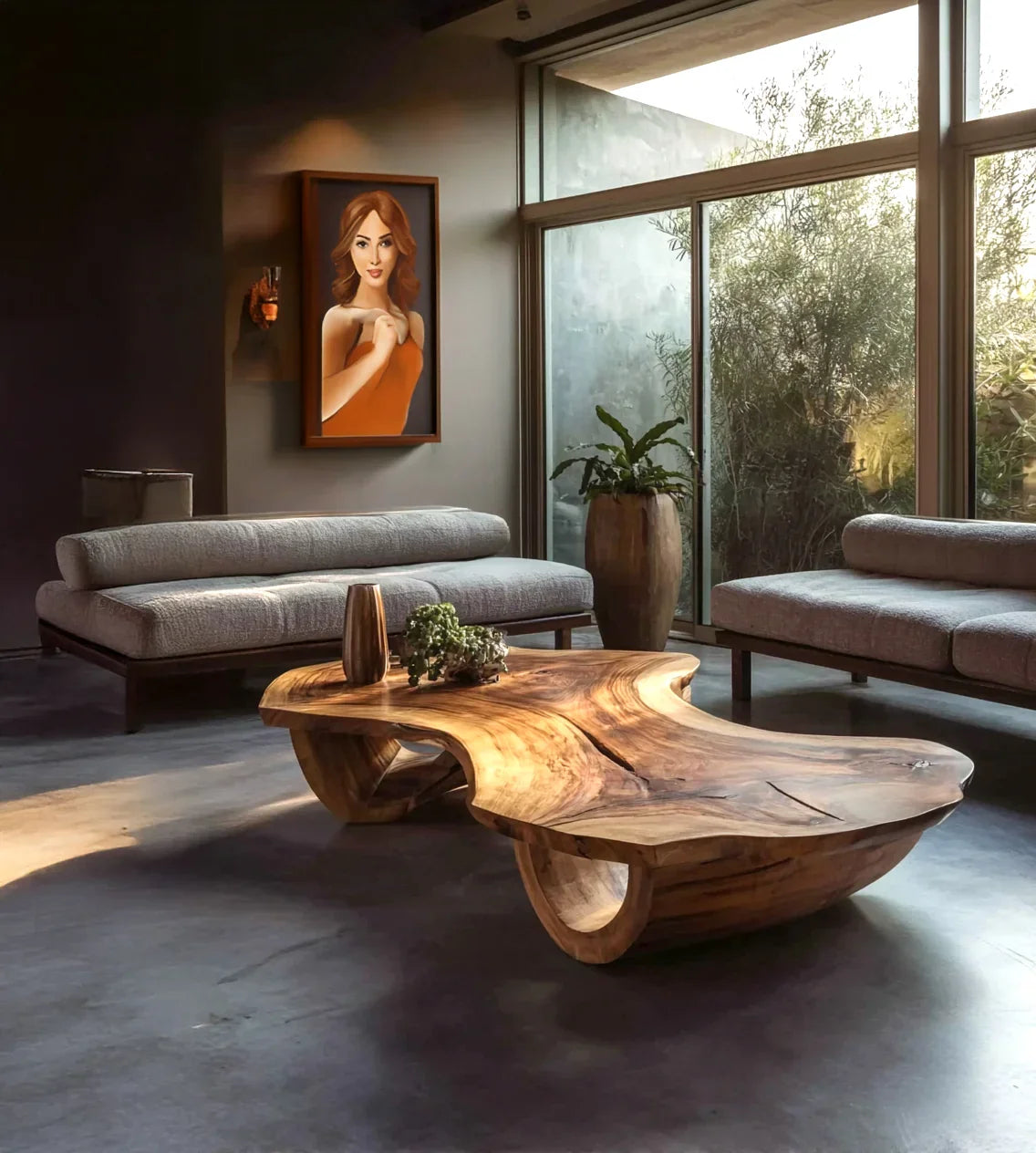
- Solid wood only: Every piece is carved from solid hardwood - no MDF, no particleboard, no veneers. Browse our coffee tables, console tables, and bathroom vanities to see the difference.
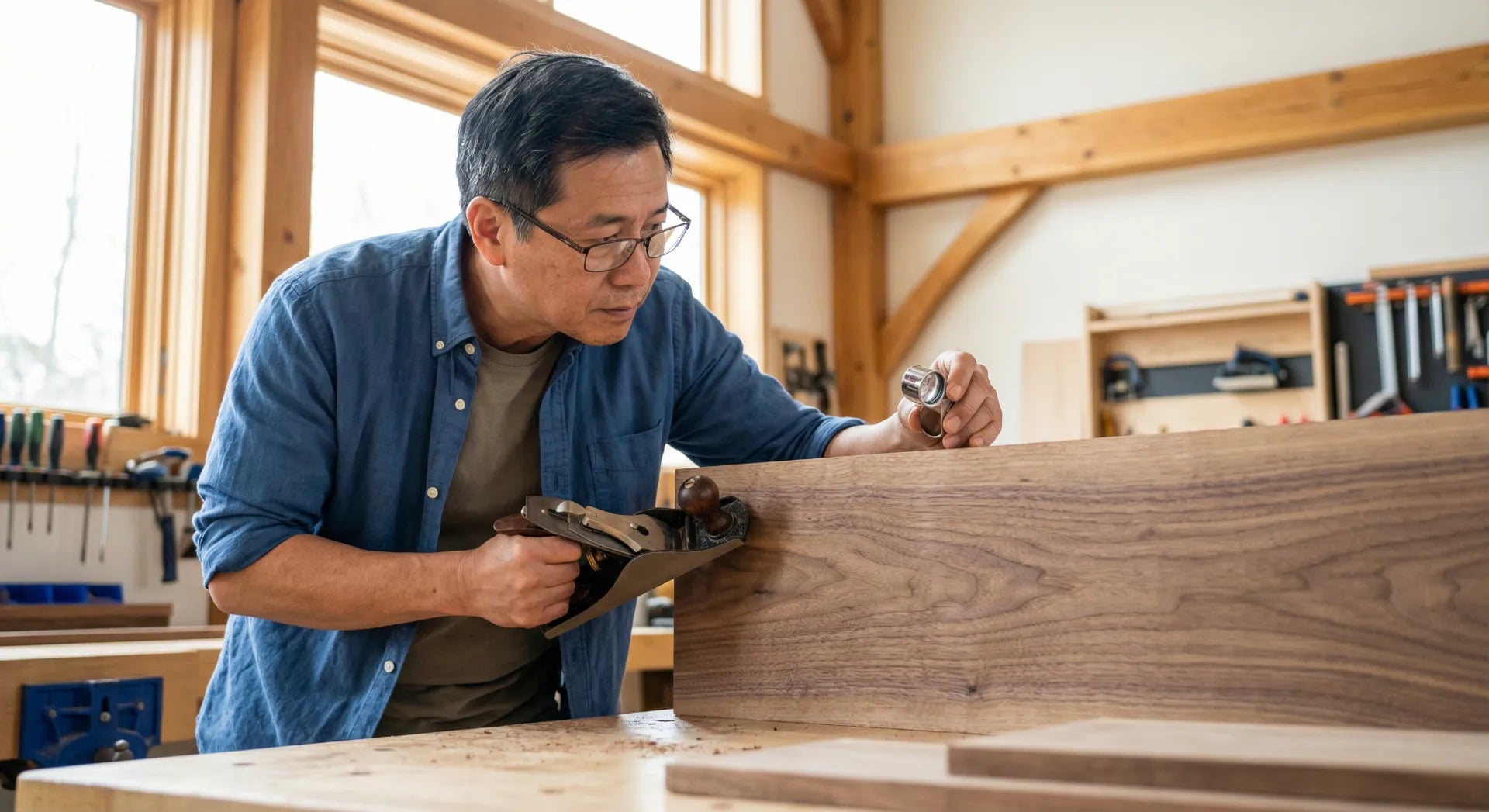
- Handcrafted: Vietnamese artisans hand-carve each piece, generating minimal waste compared to factory CNC cutting.
- Mortise-and-tenon joinery: No disposable hardware. Joints that last and can be reassembled.
- Modular design: Pieces can be disassembled for moving, reducing the chance of damage-driven replacement.
- Direct to consumer: No middlemen, no warehouse chains, no unnecessary shipping loops.

How to Spot Greenwashing
Watch out for these red flags when shopping for eco-friendly furniture:
- "Eco-friendly" with no specifics: If they cannot tell you what the furniture is made from or where, be skeptical.
- "Wood-look" or "wood-style": This means it is not real wood. It is printed laminate over composite.
- Suspiciously low prices: Solid wood furniture costs more than MDF. If a "solid wood" table costs $99, it is not solid wood.
- No maker information: Sustainable brands are transparent about who makes their products and where.
Making Your Furniture Last Longer
The most sustainable piece of furniture is one you already own. Extend the life of your furniture by:
- Using coasters and trivets to prevent heat and moisture marks
- Keeping furniture out of direct sunlight to prevent fading
- Cleaning with appropriate products for the material (not all-purpose cleaners on wood)
- Tightening joinery annually if applicable
- Refinishing solid wood pieces instead of replacing them
Frequently Asked Questions
Is solid wood furniture eco-friendly?
Yes, when sourced responsibly. Solid wood stores carbon, lasts decades, can be repaired and refinished, and is fully biodegradable at end of life. It is one of the most sustainable furniture materials available.
How do I know if furniture is truly sustainable?
Look for solid wood construction, transparent sourcing, identifiable makers, real joinery (not just glue and screws), and a brand that can answer specific questions about materials and labor.
Is it better to buy new sustainable furniture or used furniture?
Used furniture is always the most sustainable option if it meets your needs. When buying new, choose solid wood with real joinery so the piece can eventually become someone else's "used furniture" instead of landfill waste.
Shop Sustainable Solid Wood Furniture
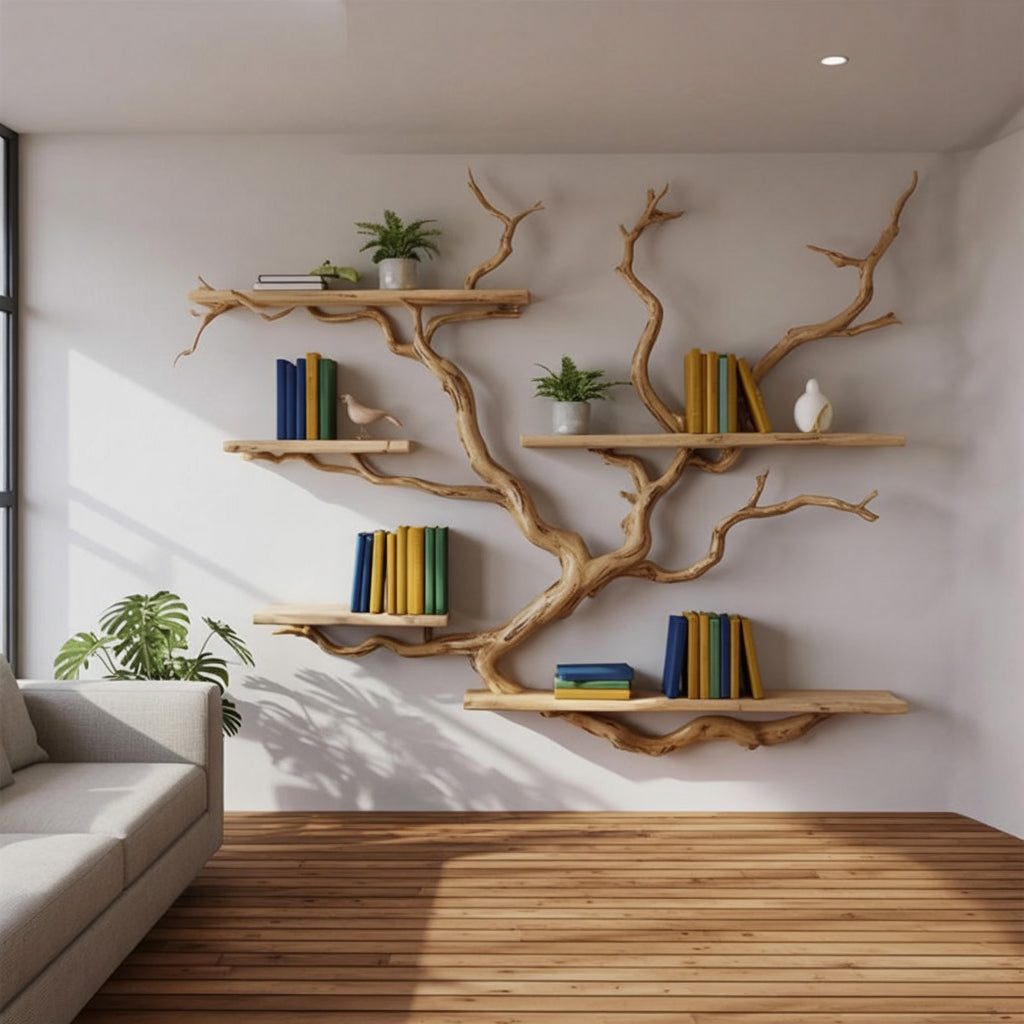
Browse Ashdeco's collections - coffee tables, console tables, bathroom vanities, shoe benches, and tree bookshelves - all handcrafted by Vietnamese artisans from solid wood.