


























Quick view
Shop this guide
Handcrafted Console Table, made to order in solid wood.
 Crisscross X Trestle Base Solid Wood Entryway Console Table with Three Drawers and Bottom Shelf
From $2,265.0010% off at checkout
Crisscross X Trestle Base Solid Wood Entryway Console Table with Three Drawers and Bottom Shelf
From $2,265.0010% off at checkout
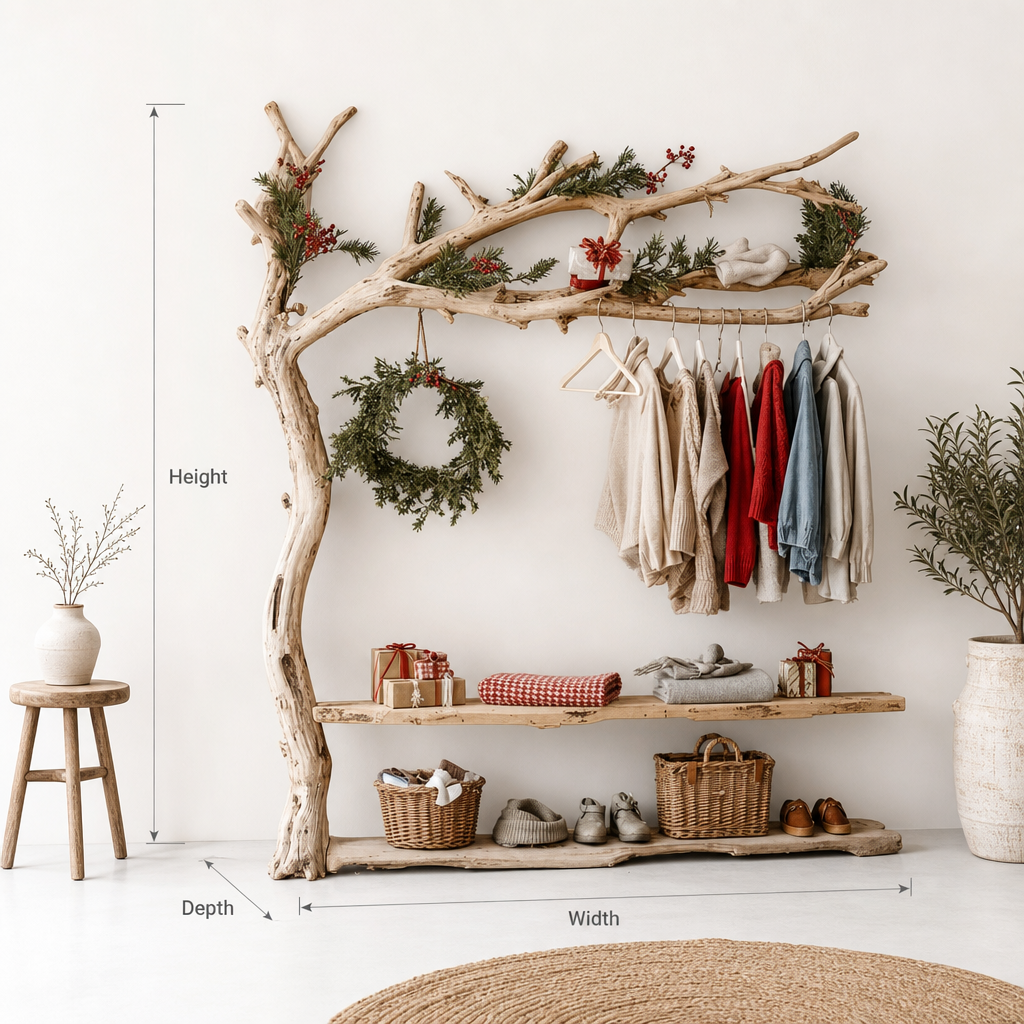
 Botanical Live-Edge Timber Console Table - Hand-Carved Tree Trunk & Canopy Feature
From $1,720.00
Botanical Live-Edge Timber Console Table - Hand-Carved Tree Trunk & Canopy Feature
From $1,720.00
 Solid Wood Sculptural Console Table with Hidden Storage
From $2,330.0010% off at checkout
Solid Wood Sculptural Console Table with Hidden Storage
From $2,330.0010% off at checkout
 Sculptural Solid Wood Console Table – Hand-Carved Twist Entryway Table
From $2,330.0010% off at checkout
Sculptural Solid Wood Console Table – Hand-Carved Twist Entryway Table
From $2,330.0010% off at checkout
 Hand-Carved Solid Wood Ring Console Table - Modern Sculptural Entryway & Hallway Table
From $2,330.0010% off at checkout
Hand-Carved Solid Wood Ring Console Table - Modern Sculptural Entryway & Hallway Table
From $2,330.0010% off at checkout
 Organic Sphere & Curve Solid Wood Console
From $2,330.0010% off at checkout
Organic Sphere & Curve Solid Wood Console
From $2,330.0010% off at checkout
Why Every Entryway Needs a Console Table (Even Small Ones)
An entry console table is the simplest way to turn a chaotic doorway into a welcoming first impression - and you don't need a grand foyer to make it work. Most people walk into their own home every day, drop their keys on the floor, toss mail on a shoe rack, and wonder why the space never feels "done." The fix isn't more storage bins. It's one well-placed table.
The Real Problem: A Messy Entryway Sets the Wrong Tone
Think about the last time you came home with your arms full - grocery bags, a purse, a jacket in the rain. You kick off your shoes, scan for a flat surface, find nothing, and end up balancing everything on a stair railing or the floor. That moment of frustration? It repeats every single day.
Your entryway is the transition between the outside world and your home. When it's cluttered, your brain registers chaos the second you walk through the door. Guests feel it too: they step inside and immediately notice the pile of unsorted mail, the lone key on the windowsill, the umbrella dripping onto bare floor. It's not just untidy - it makes the whole home feel less intentional, even if the living room behind it is beautifully styled.
A messy entry doesn't mean you're disorganized. It means you don't have a drop zone. And that's exactly what an entry console table gives you.

What an Entry Console Table Actually Does for Your Space
An entry console table does three jobs at once - and each one matters more than people expect.
It's your daily drop zone. Keys, wallet, mail, sunglasses, the reusable bag you keep forgetting to bring back to the car. Having one defined surface for all of it means you stop searching for keys at 8:15 AM. A small tray or bowl on the table keeps things from sliding off, and a drawer (if your table has one) hides the junk you'd rather not see - receipts, old pens, takeout menus.
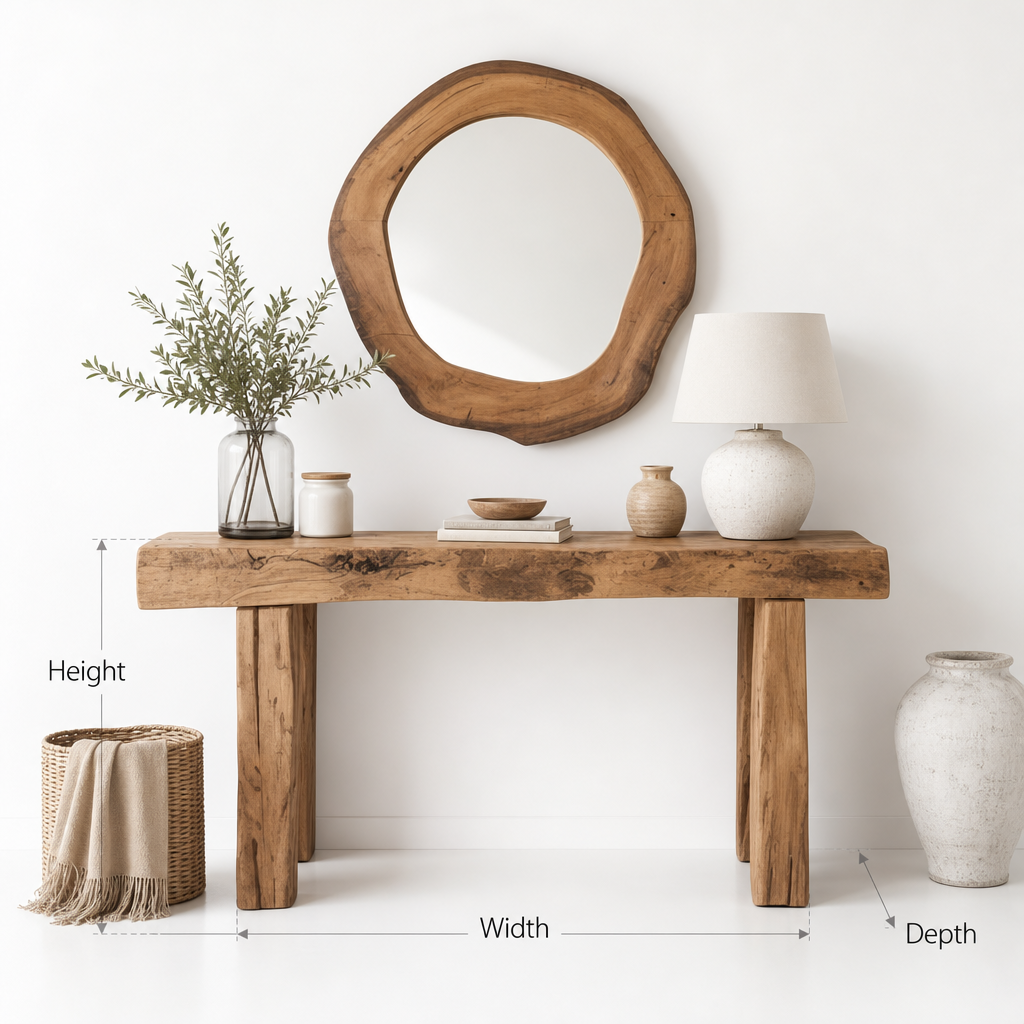
It's the style anchor of your entry. A blank wall with a console table instantly feels designed, not accidental. Layer a lamp for warmth on winter evenings, hang a mirror above to catch your outfit before you leave, add a small vase or a framed photo. The formula is simple: one light source + one functional catch-all + one personal piece. That's it. You don't need a stylist to make an entryway look finished.
It makes a small entry feel intentional, not cramped. This is the part people get wrong - they think a table in a narrow hallway will make it feel tighter. The opposite happens. A slim console (12–14 inches deep) creates a visual anchor that tells the eye "this space has a purpose." Without one, the entry reads as leftover space - a gap between the door and the living room. Add the table, and it becomes a room with a function.
And here's the styling trick most people skip: change one decorative piece each season. A small pumpkin in October, a sprig of eucalyptus in January, a ceramic bowl for summer sunglasses. Two minutes of swapping, and your entry feels fresh without buying anything new.

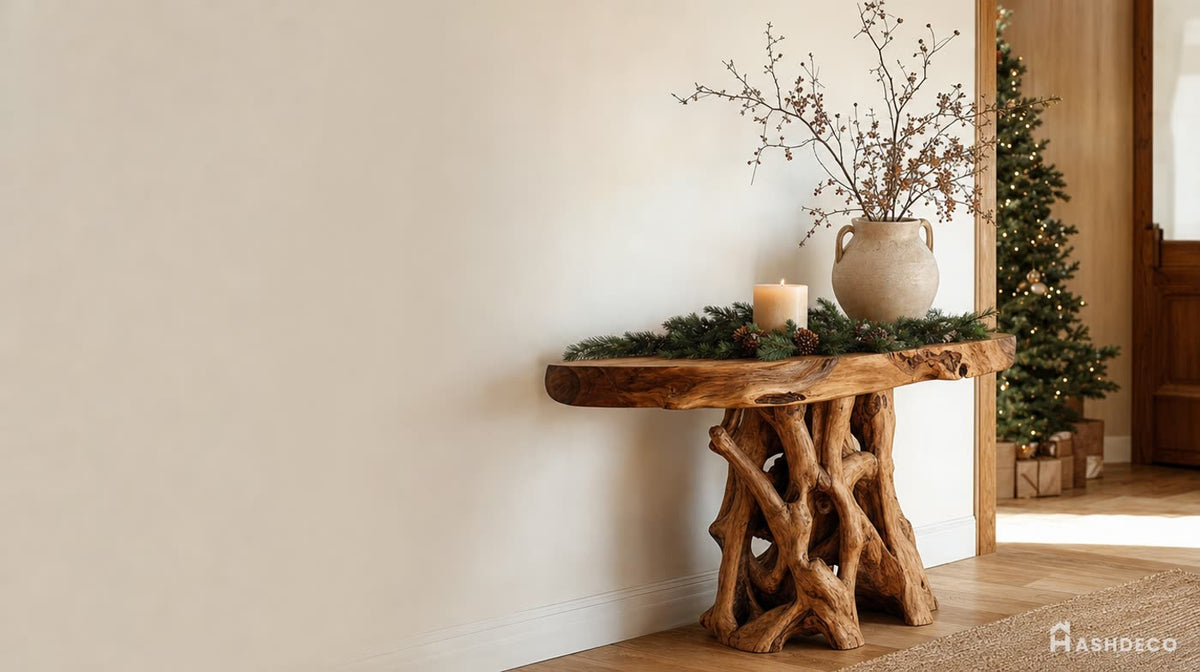


How to Match Console Table Style to Your Home
The biggest mistake people make when buying an entry console table is picking a style they saw in a catalog without checking what their home already looks like. The right table doesn't stand out - it connects.
Start by looking at your flooring and wall color. Warm wood floors with beige or cream walls? A rustic or farmhouse console in oak or acacia will blend naturally. Cool-toned tile with white or grey paint? A mid-century piece in walnut or a clean-lined modern table in matte black reads as intentional. Exposed brick or metal fixtures? An industrial console with iron legs and a reclaimed wood top extends the vibe without trying too hard.
For apartments and condos where the "entryway" is basically a 3-foot stretch of wall next to the door, a floating wall-mounted console or a slim demi-lune (half-moon shape) gives you the surface without eating floor space. The visual effect is the same - a place to set things down and a surface to style - but the footprint is half as deep.
If your home mixes styles - and most do, because people buy furniture over years, not all at once - go transitional. A console with simple lines in a neutral wood tone (think light oak, natural acacia, or soft walnut) sits comfortably between modern and traditional. It doesn't fight with your existing dining table or bookshelf. It just works.
The rule of thumb: match the undertone, not the exact shade. Warm with warm, cool with cool. If your entry table fights your floor color, nothing else in the space will look right either.

Small Entryway? Here's How to Make It Work
Not everyone has a double-door foyer with space to spare. Most homes - especially townhouses, apartments, and older builds - have an entry that's barely wider than the door itself. That's fine. An entry console table still works; you just pick the right type.
Go narrow. Depth matters more than length. A table that's 12 to 14 inches deep fits against almost any wall without blocking the walkway. You need at least 70 to 80 centimeters of clear passage in front of it - anything less and you'll bump into it carrying bags.
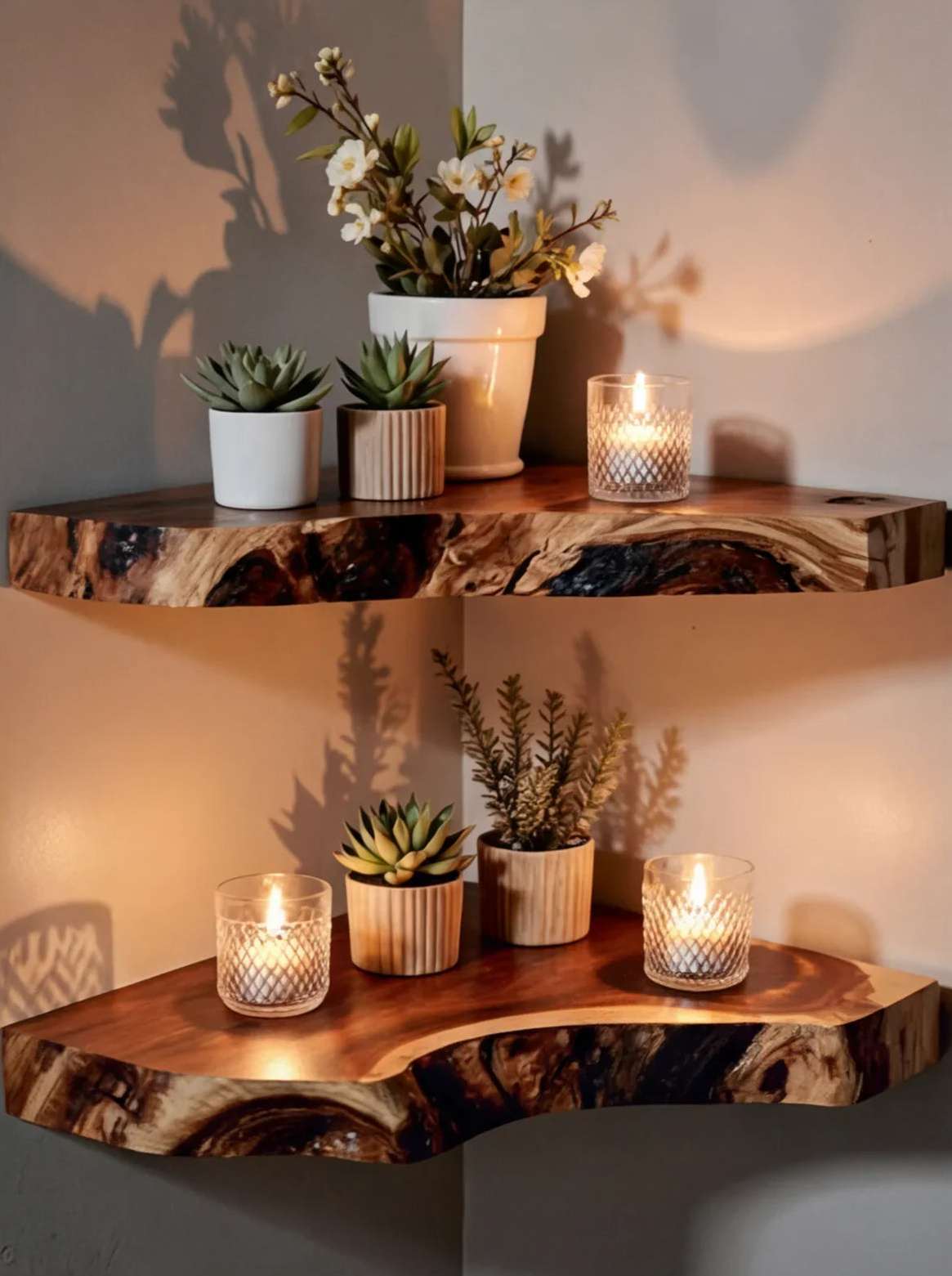
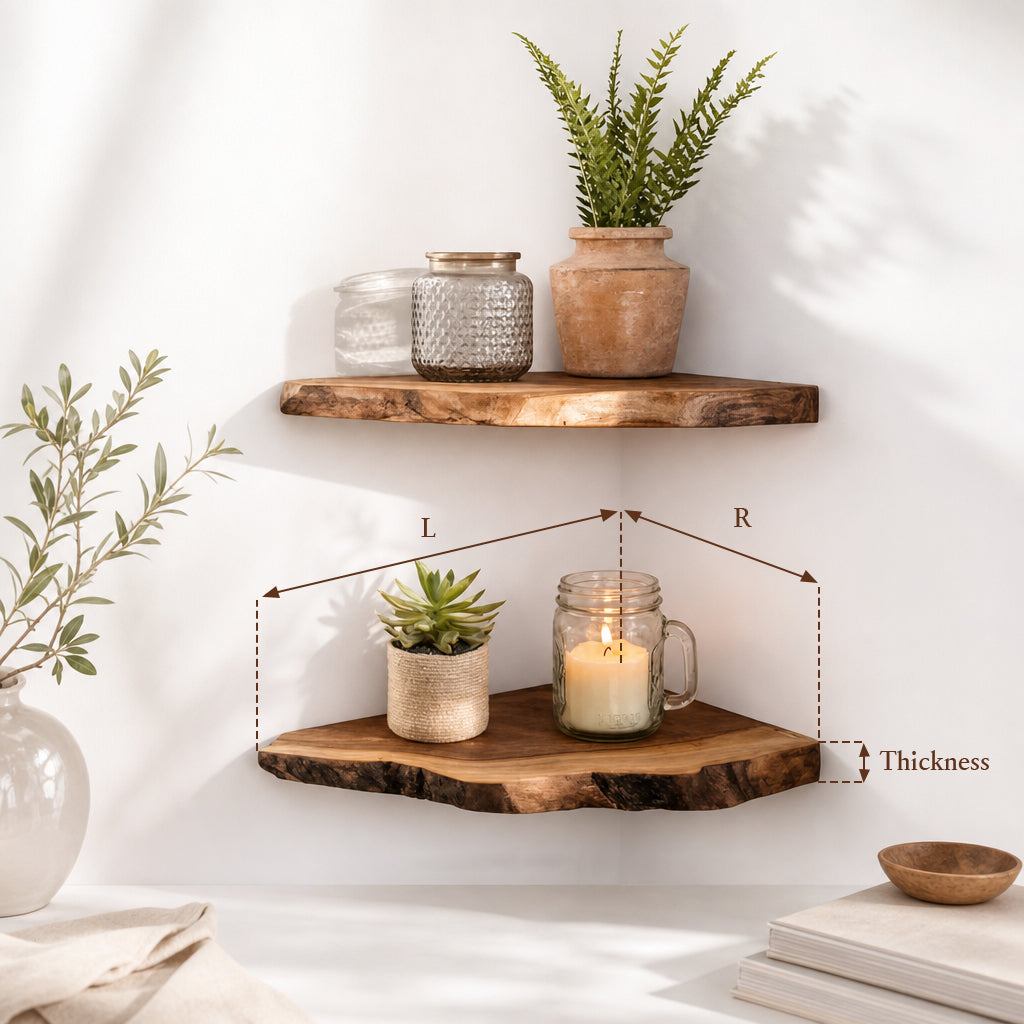
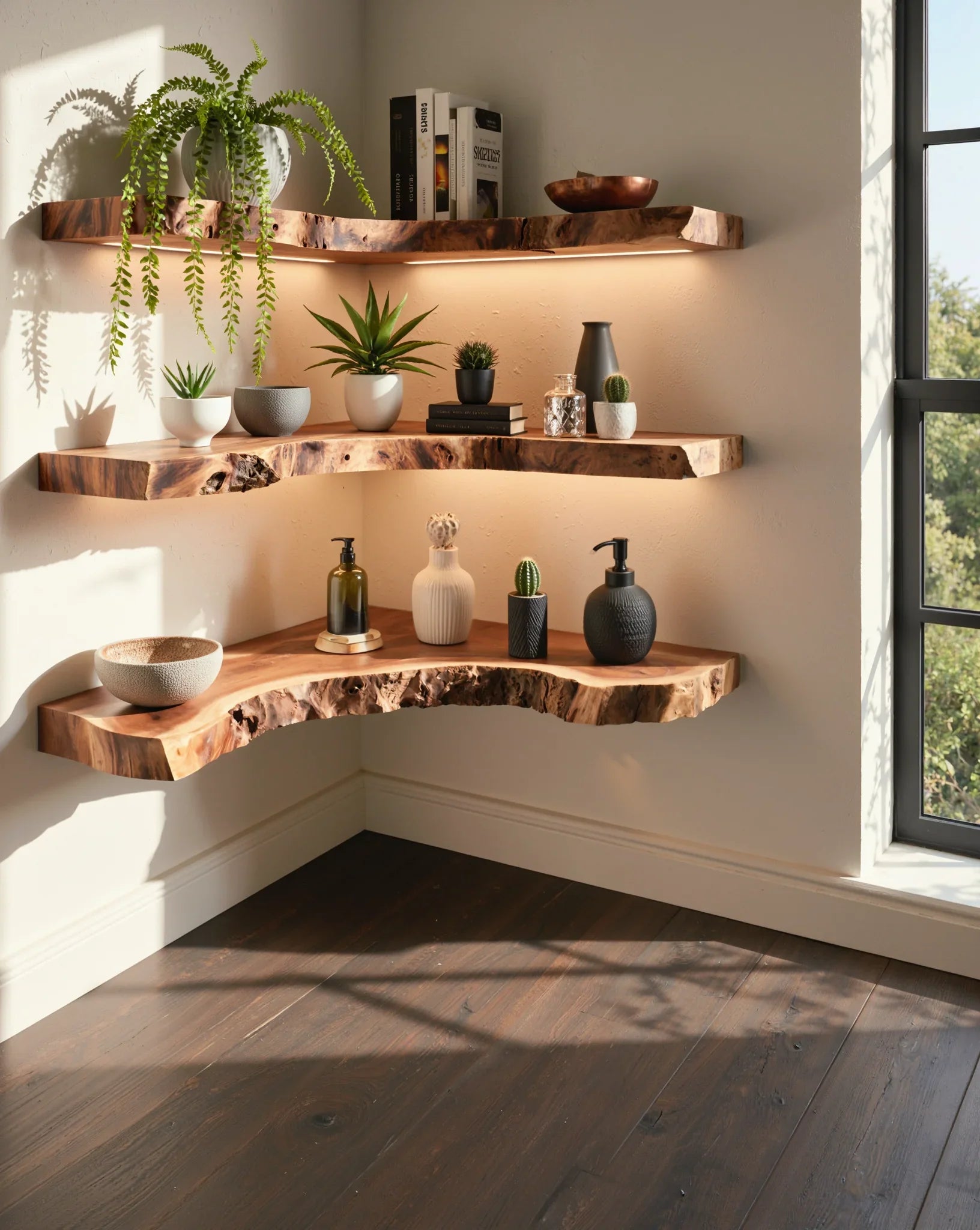
Consider a corner console. If your entry opens directly into a living area, the corner where two walls meet is often dead space. A corner-fit console uses that angle efficiently and keeps the main walkway completely clear.
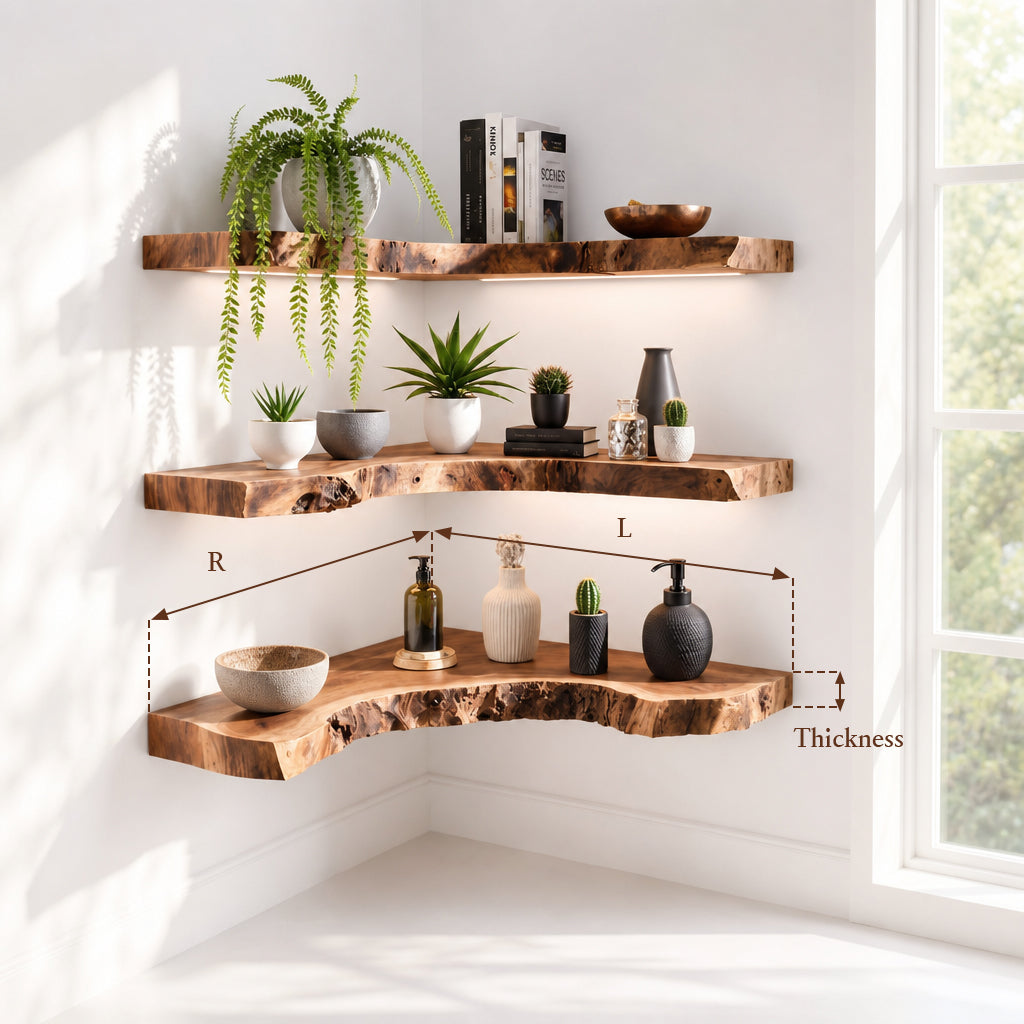
Wall-mounted or floating. No legs means no visual bulk. A floating shelf styled as a console (with a bracket hidden underneath) gives you the same drop zone and styling surface while making the floor fully visible - which tricks the brain into reading the space as larger.
Use vertical space. When the table footprint is small, go up. A mirror or piece of art above the table pulls the eye upward and makes the entry feel taller. Add a narrow shelf above the table for extra display room if your wall height allows it.
Real-world example: an entryway that's 1 meter wide can fit a 60 cm wide console at 30 cm deep with about 70 cm of walking space left. That's enough. You don't need a 90 cm table. A smaller surface still holds your keys, a small lamp, and one decorative piece - which is all the function you actually need.

Don't miss
These pieces qualify for 10% off orders over $2,000. Applied automatically at checkout.
10% off
Crisscross X Trestle Base Solid Wood Entryway Console Table with Three Drawers and Bottom Shelf
From $2,265.00
10% off at checkout
10% off
Solid Wood Sculptural Console Table with Hidden Storage
From $2,330.00
10% off at checkout
10% off
Sculptural Solid Wood Console Table – Hand-Carved Twist Entryway Table
From $2,330.00
10% off at checkout
10% off
Hand-Carved Solid Wood Ring Console Table - Modern Sculptural Entryway & Hallway Table
From $2,330.00
10% off at checkout
What to Look for When Buying an Entry Console Table
Measure first. Not just the wall length - measure the depth from wall to the nearest obstacle (door swing, stair edge, opposite wall). Write down the maximum depth that still leaves 70–80 cm of walkway. Shop to that number, not the one that looks nicest online.
Check the material. Solid wood - oak, acacia, walnut, mango - lasts longer, handles humidity better, and can be refinished if scratched. MDF or particleboard tables are cheaper but swell near exterior doors where moisture and temperature changes are constant. If your entry is unheated or gets direct rain splash, solid wood is worth the extra cost. For a full breakdown of what makes a console table truly sturdy, see our console table sturdiness guide.
Decide on storage. Do you need a drawer for hiding clutter, or is an open shelf underneath enough? Drawers look cleaner but add cost and reduce legroom if you ever want to slide a bench or basket underneath. Open shelves are more flexible - you can add woven baskets later and swap them out when your needs change.
Match the existing tone. Pull a photo of your hallway or living room. Is the dominant wood tone warm (yellow/orange/red undertones) or cool (grey/ash/white)? Pick a console in the same family. You don't need an exact match - in fact, a slight contrast in shade adds depth - but clashing undertones make the space feel accidentally mismatched.

Frequently Asked Questions
How wide should an entry console table be?
For most entryways, 60 to 90 cm (24 to 36 inches) wide is the sweet spot. Wide enough to hold keys, a lamp, and one decorative piece without feeling cramped. If your entry is narrower than 1 meter, drop to a 50–60 cm table. The goal is to leave at least 70 cm of clear walkway in front.
Can you put a console table in a small entryway?
Yes - just go narrow (12–14 inches deep) or wall-mounted. A small entryway actually benefits more from a console table than a large one, because it's the only way to create a defined drop zone in a tight space. The key is choosing a table scaled to the room, not the other way around.
What do you put on an entry console table?
The simplest formula: one light source (a small table lamp), one catch-all (a tray or bowl for keys and mail), and one personal piece (a framed photo, a small plant, or a decorative object). Three items max on a small table - more than that reads as clutter, not styling.
How tall should an entry console table be?
Standard height is 75 to 85 cm (30 to 34 inches) - roughly counter height. This is comfortable for dropping keys without bending down and tall enough to feel substantial. If your table will sit behind a sofa instead of in an entry, aim for the same height as or slightly below the sofa back.
What's the difference between a console table and an entryway table?
Honestly, there isn't one. "Console table" is the broader category - a narrow table designed to sit against a wall. "Entryway table" is just the same piece used specifically in an entry or foyer. You'll see both terms used interchangeably in stores and online. If you're shopping, search both terms to find more options.
Final Thoughts
An entry console table isn't a luxury piece or a staging trick. It's the single fastest way to make your front door area functional and styled at the same time. You come home, set your things down in one place, glance at a space that looks like it was designed on purpose - and that feeling matters more than most people admit.
Even the smallest entry has room for a slim table, a lamp, and a bowl for your keys. Start there. The rest follows.
For everything beyond the entryway - hallway, sofa, and living room placement - our complete guide to console tables covers the full range.
Browse Ashdeco's handcrafted console table collection to find a piece that fits your entry - and your style.