
Quick view
- The Entryway Shelf: Small Addition, Big Difference
- Floating Shelves: The Space-Saving Champion
- Wall-Mounted Shelf Units
- Freestanding Shelves and Ladder Shelves
- What to Store on Your Entryway Shelf
- Styling Tips That Actually Work
- Floating vs. Freestanding: Which Should You Choose?
- Frequently Asked Questions
- Start With What Your Space Allows
Shop this guide
Handcrafted Benches, made to order in solid wood.
 Christmas edit
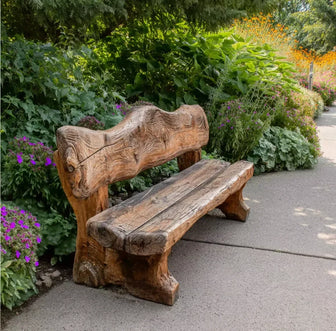
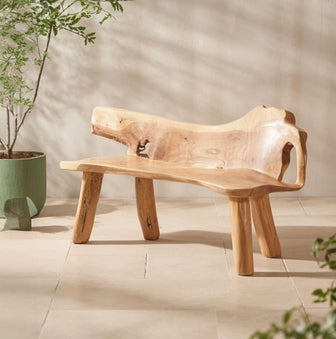
Handcrafted Rustic Solid Wood Bench - Natural Log Seating for Garden & Patio
From $1,553.00
Christmas edit
Handcrafted Rustic Solid Wood Bench - Natural Log Seating for Garden & Patio
From $1,553.00
 Christmas edit
Live Edge Wooden Entryway Bench – Solid Wood Hallway Bench with Shelf
From $1,050.00
Christmas edit
Live Edge Wooden Entryway Bench – Solid Wood Hallway Bench with Shelf
From $1,050.00
 Christmas edit
Handcrafted Walnut Bench – Organic Sculptural Mid-Century Design
From $2,327.0010% off at checkout
Christmas edit
Handcrafted Walnut Bench – Organic Sculptural Mid-Century Design
From $2,327.0010% off at checkout
 Christmas edit
Solid Walnut Sculptural Bench, Mid-Century Modern Organic Entryway Seating
From $1,876.00
Christmas edit
Solid Walnut Sculptural Bench, Mid-Century Modern Organic Entryway Seating
From $1,876.00
 Christmas edit
Handcrafted Sculptural Wood Bench – Modern Organic Curved Entryway Bench
From $2,060.0010% off at checkout
Christmas edit
Handcrafted Sculptural Wood Bench – Modern Organic Curved Entryway Bench
From $2,060.0010% off at checkout
 Christmas edit
Organic Live Edge Solid Wood Halloween Sculptural Bench
From $2,234.0010% off at checkout
Christmas edit
Organic Live Edge Solid Wood Halloween Sculptural Bench
From $2,234.0010% off at checkout
The Entryway Shelf: Small Addition, Big Difference
Not every entryway can handle a full table. Maybe yours is more of a narrow corridor than a grand foyer, or maybe you just prefer clean sightlines over furniture. Either way, an entryway shelf gives you a landing spot for keys, mail, and daily essentials without eating up floor space.
The options range from minimalist floating shelves that seem to hover on the wall to freestanding units that lean or sit on the floor. Each type serves a different purpose, and picking the wrong one for your space creates more problems than it solves.
Here's how to choose the right entryway shelf, what to put on it, and how to make it look like a deliberate design choice rather than an afterthought.

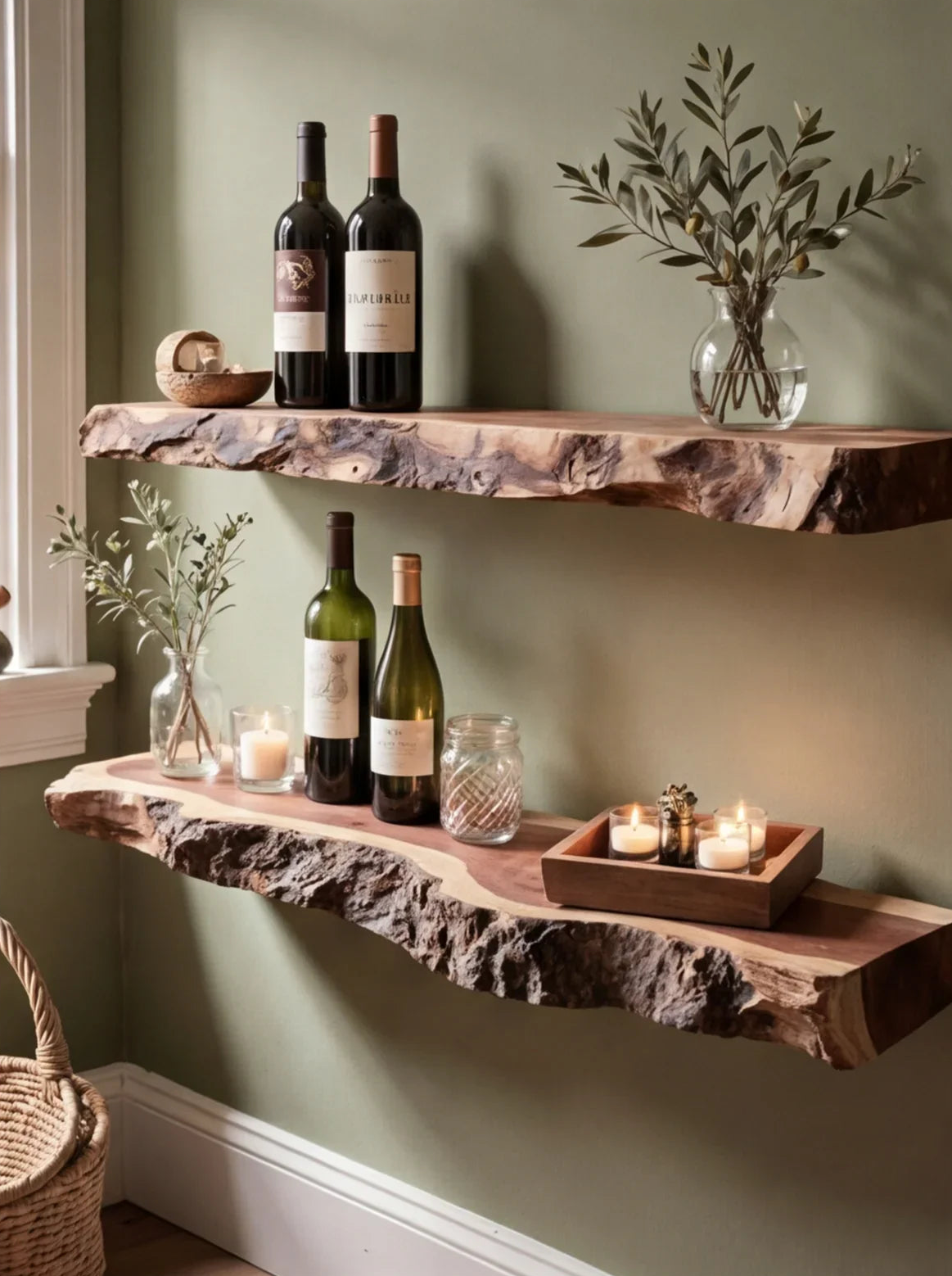
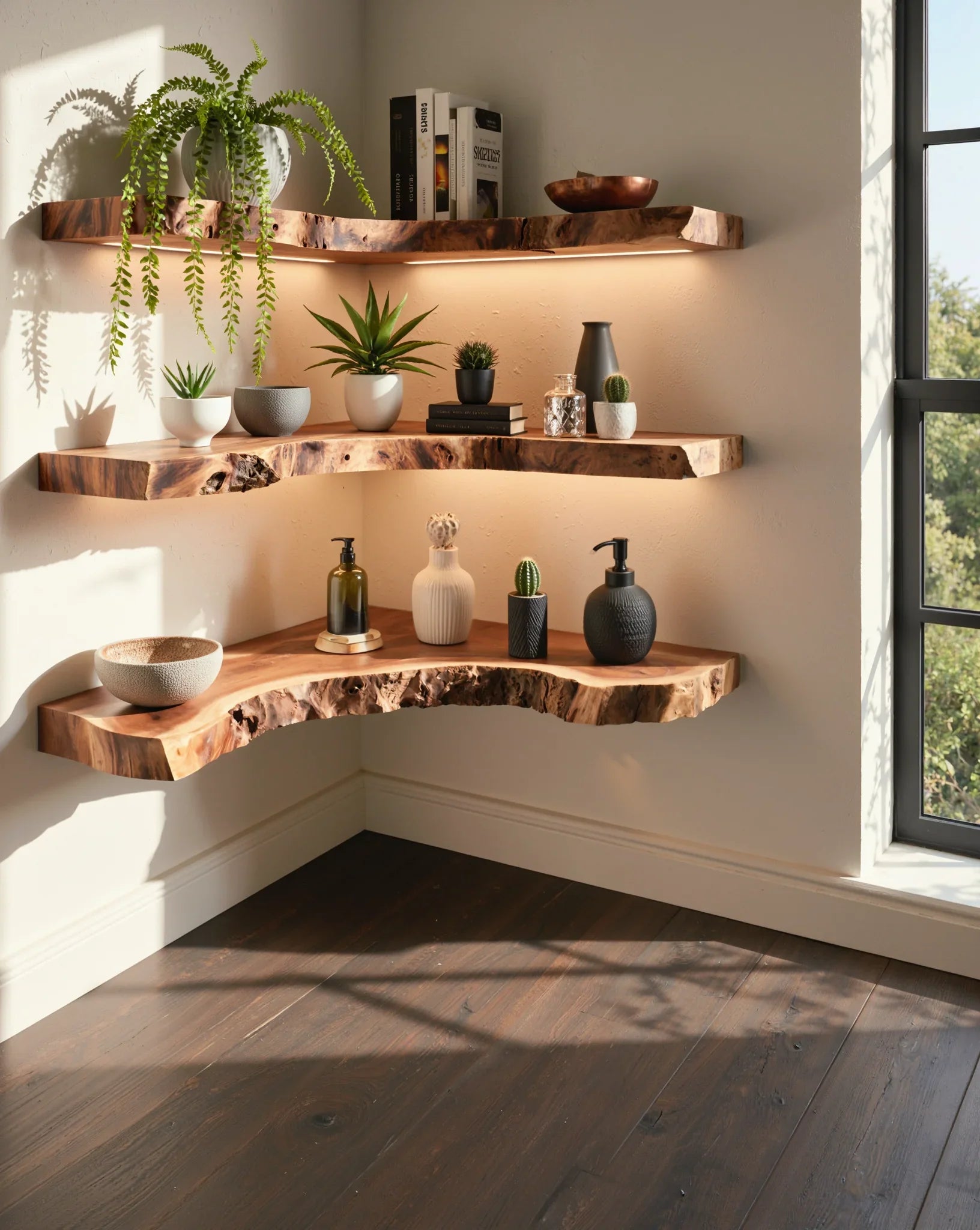
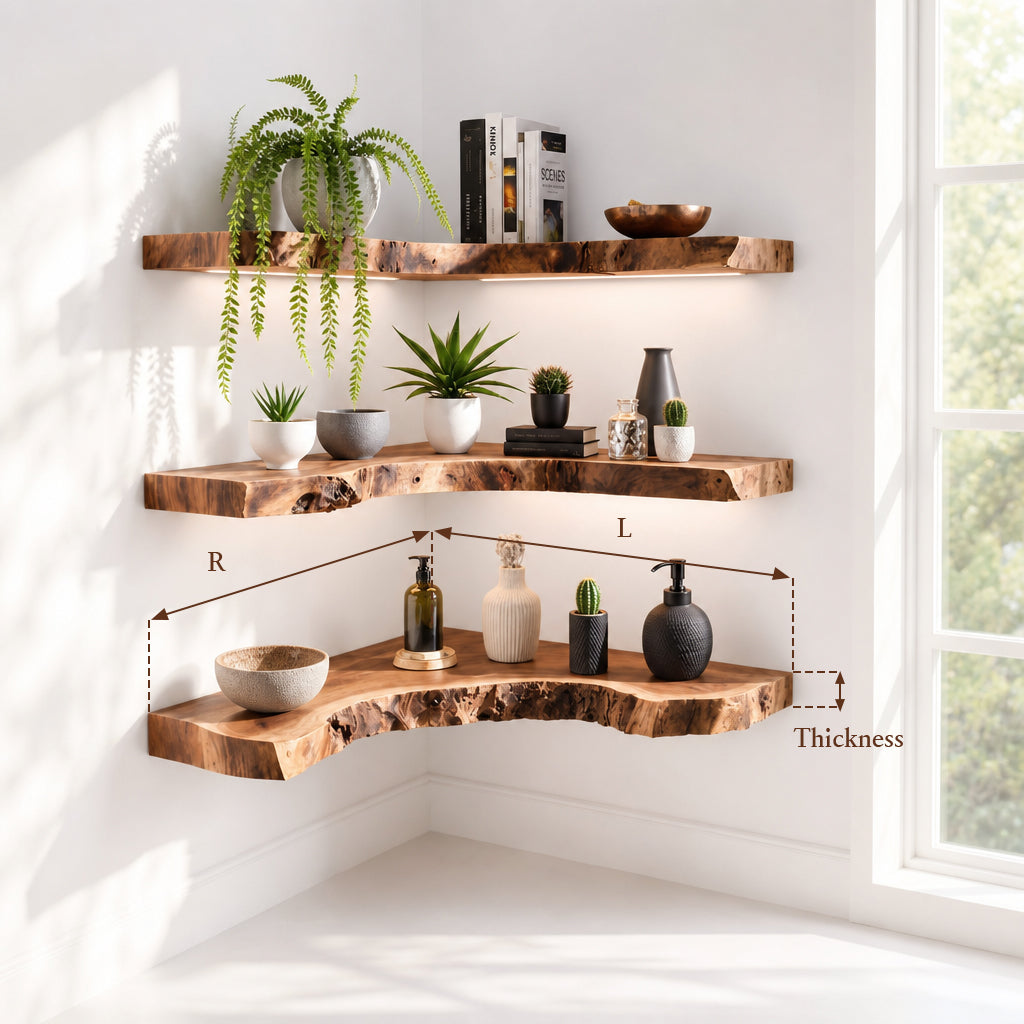
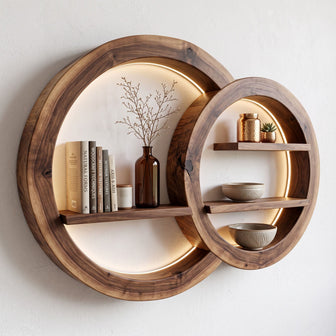
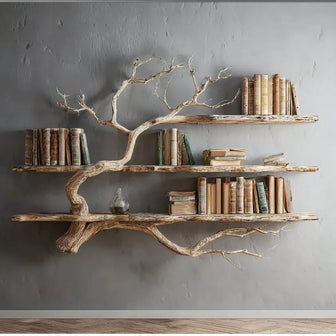
Rustic Wooden Floating Shelves - Farmhouse Wall Shelf for Boots & Decor
Floating Shelves: The Space-Saving Champion
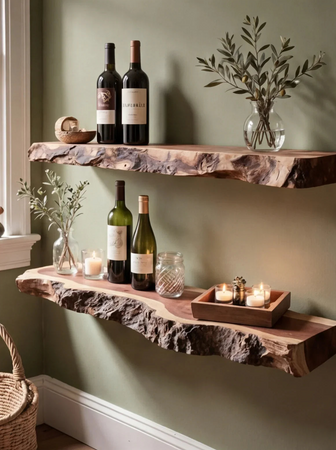
Floating shelves mount directly to the wall with hidden brackets, leaving no visible hardware or supports underneath. This creates a clean, modern look that works in entryways of any size, including ones where a table physically can't fit. Floating shelves use concealed mounting hardware for a sleek, modern entryway look. Follow Family Handyman tutorials for easy entryway shelf installation.
Best for: Narrow hallways, minimalist aesthetics, entryways under 36 inches wide, apartments where floor space is precious.
What they hold well: Keys (especially with hooks mounted below), a small plant, framed photos, a shallow tray for mail, sunglasses.
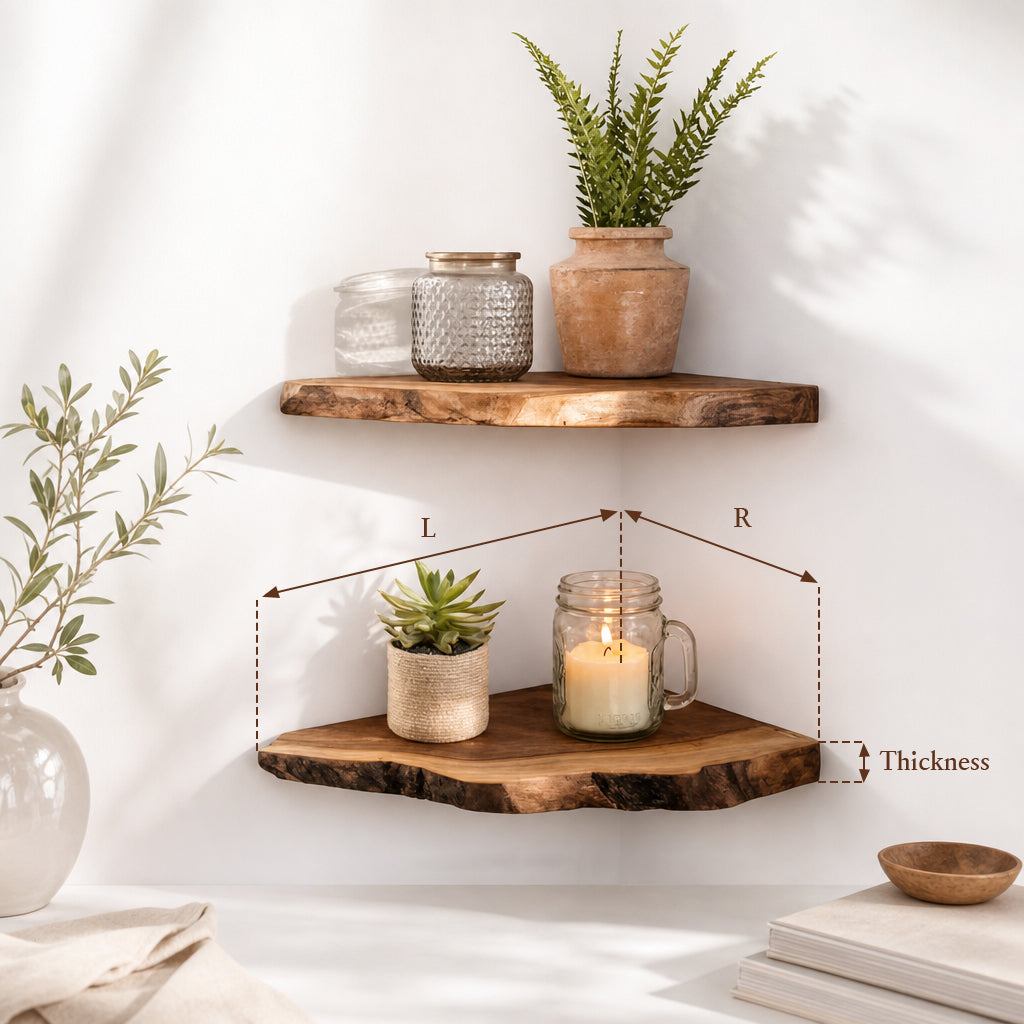
What they don't handle: Heavy items, shoes, bags, or anything wider than the shelf depth (usually 6-10 inches). Floating shelves also have weight limits that vary based on material and mounting method.
A solid wood floating shelf rated for 30+ pounds gives you significantly more usability than a hollow-core or MDF alternative that starts sagging at 10 pounds. If you're using it as a genuine catchall and a decorative accent, material matters.
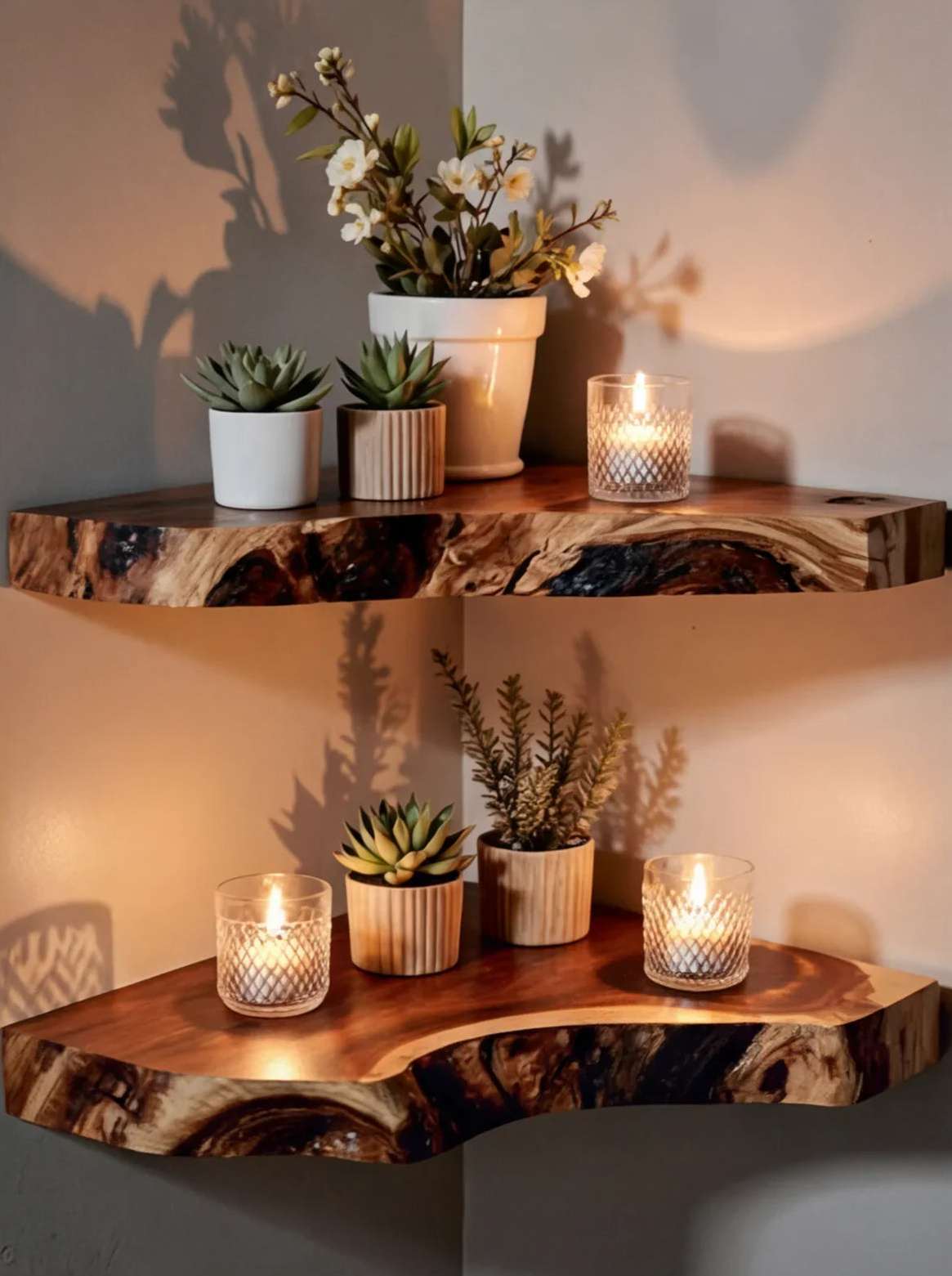
Ashdeco's floating shelves are made from solid hardwood, which means they support real weight without the flex or sag you see in lighter materials. They're also handcrafted by Vietnamese artisans, so the grain and finish have character that a factory-cut shelf can't replicate.


Wall-Mounted Shelf Units
A step up from a single floating shelf, wall-mounted shelf units include multiple tiers, hooks, or cubbies built into a single mounted piece. Think of them as a compact entryway command center that stays off the floor.
Best for: Small entryways that need organized storage, family homes with multiple sets of keys and jackets, entryways near the garage or back door.
Common configurations:
- Top shelf + row of hooks below (the classic mail-and-coat combo)
- Two shelves with a slot for mail between them
- Shelf with cubbies or small compartments for individual family members
- Shelf with a mirror built into the backing
The key with these units is mounting height. The bottom of the lowest element should be at least 48 inches from the floor if there's foot traffic below it, or 36 inches if it's above a bench or shoe rack.

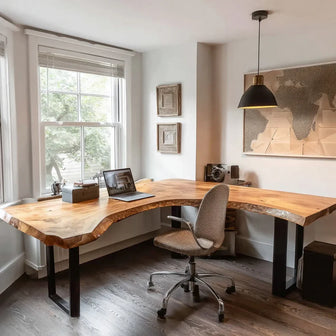
Elegant Live Edge Floating Shelf - Farmhouse Wood for Bedroom, Nursery, and Kitchen
Freestanding Shelves and Ladder Shelves
Freestanding shelves don't require wall mounting. They lean against the wall, stand independently, or use minimal anchoring for tip prevention. Ladder shelves, the most popular freestanding option for entryways, taper from wide at the base to narrow at the top, creating a natural display hierarchy.
Best for: Renters who can't drill into walls, larger entryways with floor space to spare, eclectic or bohemian aesthetics, entryways that double as display areas.
Advantages:
- No drilling or wall damage
- Easy to relocate and rearrange
- Multiple shelf levels for layered storage
- Can handle heavier items on lower shelves
Disadvantages:
- Takes up floor space (12-18 inches of depth typically)
- Can tip if not properly weighted or anchored
- Lower shelves collect dust and are harder to clean around
- May block wall outlets or switches
If you go the freestanding route, always anchor the top to the wall with a simple L-bracket, even if the shelf seems stable. Safety first, especially in homes with children or pets.

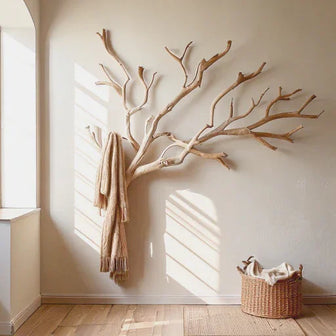
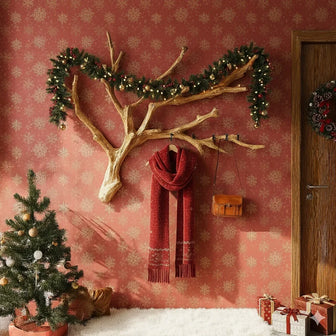
Tree Branch Floating Shelf - Live Edge Wooden Wall Shelf
Don't miss
These pieces qualify for 10% off orders over $2,000. Applied automatically at checkout.
10% off
Handcrafted Walnut Bench – Organic Sculptural Mid-Century Design
From $2,327.00
10% off at checkout
10% off
Handcrafted Sculptural Wood Bench – Modern Organic Curved Entryway Bench
From $2,060.00
10% off at checkout
10% off
Organic Live Edge Solid Wood Halloween Sculptural Bench
From $2,234.00
10% off at checkout
 10% off
Handcrafted Solid Wood Artistic Wood Bench – Soft Organic Wave Silhouette
From $2,534.00
10% off at checkout
10% off
Handcrafted Solid Wood Artistic Wood Bench – Soft Organic Wave Silhouette
From $2,534.00
10% off at checkout
What to Store on Your Entryway Shelf
The best entryway shelves serve a purpose first and look good second. Here's what actually belongs on them:
Daily essentials (top shelf or most accessible level):
- Keys in a small dish or on hooks
- Wallet and phone (a shallow tray corrals these)
- Sunglasses
Rotating items (middle level or secondary shelf):
- Incoming mail (deal with it daily to prevent pile-up)
- Seasonal accessories (gloves, sunscreen, umbrella)
- Dog leash and treat bag
Display and ambiance (wherever space allows):
- A small plant (pothos and succulents tolerate low-light entryways well)
- A candle or diffuser
- One or two framed photos or small art pieces
The rule of thumb: if you don't touch it at least once a week, it doesn't belong on your entryway shelf. Move it elsewhere.
Styling Tips That Actually Work
Entryway shelves occupy a visible, high-traffic zone. People see them every time they enter or leave. A few styling principles help keep the look intentional:
- The 70/30 rule. Fill about 70% of the shelf surface and leave 30% open. An overcrowded shelf looks chaotic. Breathing room makes each object feel chosen.
- Vary heights. Place a tall item (small plant, vase) next to shorter ones (tray, book). Height variation creates visual interest on a flat surface.
- One material, repeated. If your shelf is wood, echo that material in one or two items on it, like a wooden tray or frame. Material consistency ties the arrangement together.
- Contain loose items. Small objects scattered across a shelf look messy. A ceramic bowl, leather tray, or woven basket groups them into a single visual element.
- Pair with something on the wall. A shelf alone can look disconnected. A mirror, piece of art, or row of hooks mounted nearby creates a cohesive entryway vignette.
Floating vs. Freestanding: Which Should You Choose?
Here's a quick decision framework:
Choose floating if:
- Your entryway is under 42 inches wide
- You prefer a minimalist, uncluttered look
- You only need to store small, lightweight items
- You can drill into the wall (and it's not all plaster)
- You want to keep the floor completely clear
Choose freestanding if:
- You're renting and can't modify walls
- You need multiple shelf levels for varied storage
- Your entryway is wide enough for floor-based furniture
- You want to store heavier items (shoes, bags)
- You might want to move the shelf to another room later
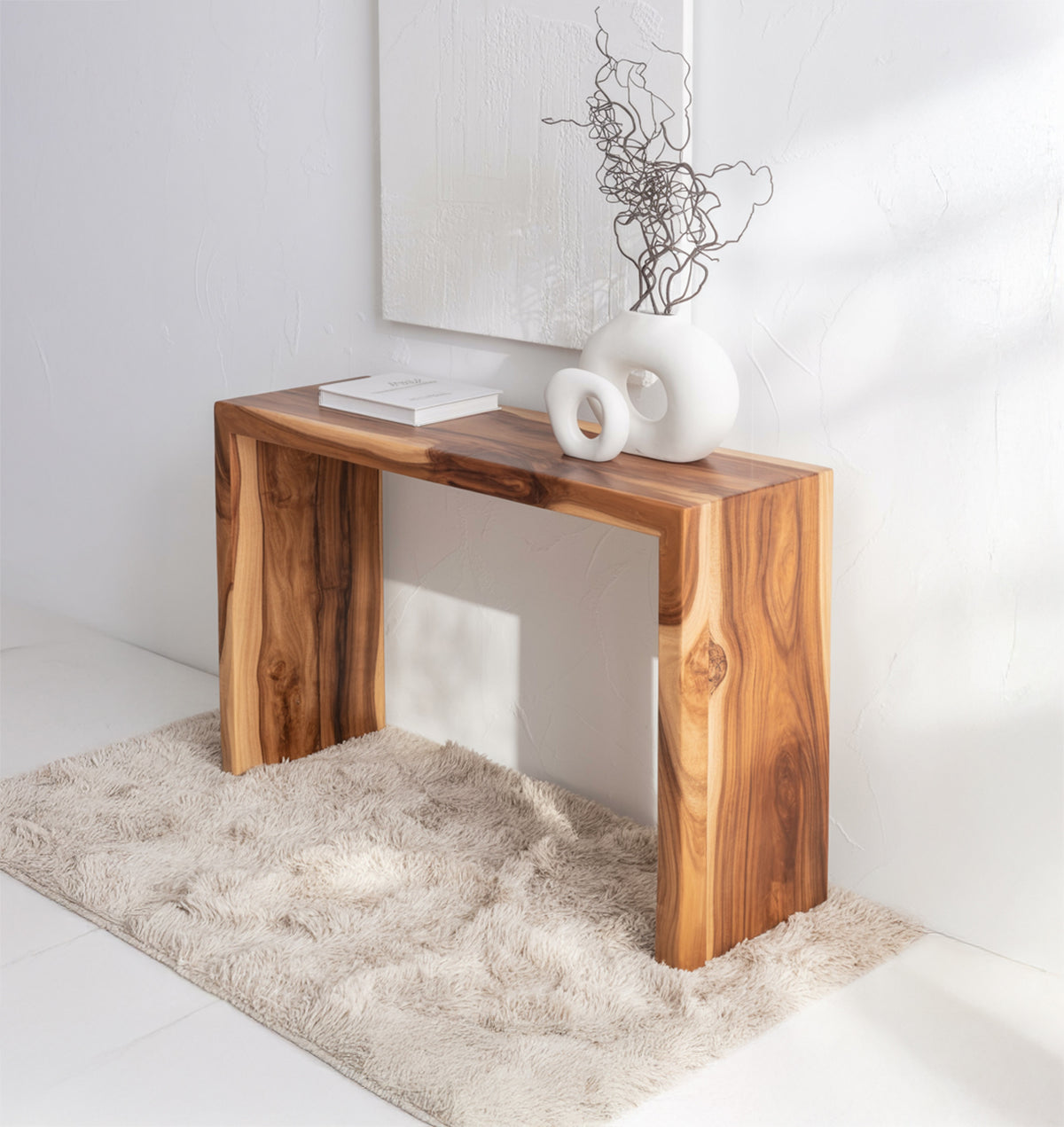
And if you're somewhere in between, consider combining both: a floating shelf at eye level for keys and display, plus a low console table or bench underneath for shoes and bags. This layered approach maximizes storage without overwhelming the space.

Frequently Asked Questions
What type of entryway shelf is best for a rental apartment?
A freestanding ladder shelf or leaning shelf is the best option for rentals because it doesn't require drilling into walls. If you can use small screws (like Command strips allow), a lightweight floating shelf is another option, but check your lease first.
How high should I mount a floating shelf in the entryway?
Mount it at 48-52 inches from the floor for a standalone shelf. If it's above a bench or console table, position it 10-14 inches above the table surface. This keeps items accessible without requiring you to reach or bend.
Can a floating shelf replace an entryway table?
For lightweight items like keys, mail, and a small plant, yes. But floating shelves can't handle shoes, heavy bags, or large decorative items. If you need those functions, pair a floating shelf with a bench or choose a console table instead.
What weight can a solid wood floating shelf hold?
A properly mounted solid wood floating shelf can hold 30-50 pounds depending on the bracket system and wall material. MDF or hollow-core shelves typically max out at 15-20 pounds before sagging. Always check the manufacturer's rating and mount into studs when possible.
How do I style an entryway shelf without making it look cluttered?
Follow the 70/30 rule: fill about 70% of the surface, leave 30% empty. Use a tray or bowl to group small items together, vary the heights of objects, and limit yourself to 3-5 items per shelf. Edit ruthlessly. If it doesn't serve a daily function or bring genuine visual interest, remove it.
Start With What Your Space Allows
The right entryway shelf depends on your space, your walls, and your storage needs. Floating shelves work wonders in tight spaces. Freestanding units handle heavier loads without wall damage. And sometimes, the best solution is a combination of both.
If you're looking for solid wood shelves that hold real weight and age beautifully, check out Ashdeco's floating shelf collection. Handcrafted by Vietnamese artisans from real hardwood, each shelf is built to last and unique in its grain pattern. Pair one with a piece from our console table collection for a complete entryway setup that actually works.