




Quick view
Shop this guide
Handcrafted Coat Racks & Hangers, made to order in solid wood.
 Christmas edit
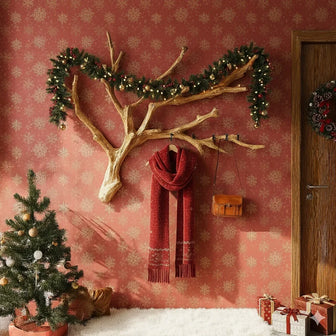
Custom Wood Coat Rack – Driftwood Wall Mount Clothes Rack with Unique Hooks
From $697.00
Christmas edit
Custom Wood Coat Rack – Driftwood Wall Mount Clothes Rack with Unique Hooks
From $697.00
 Christmas edit
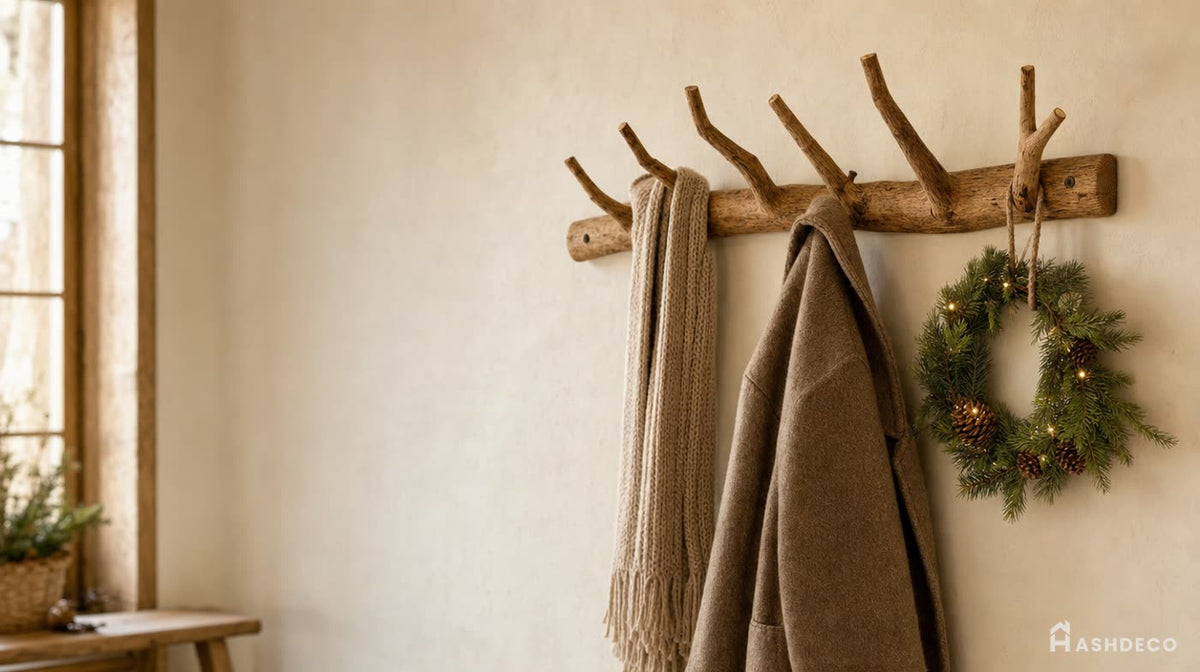
Antler Coat Rack – Rustic Handmade Wall Hook for Home & Office
From $517.00
Christmas edit
Antler Coat Rack – Rustic Handmade Wall Hook for Home & Office
From $517.00
 Christmas edit
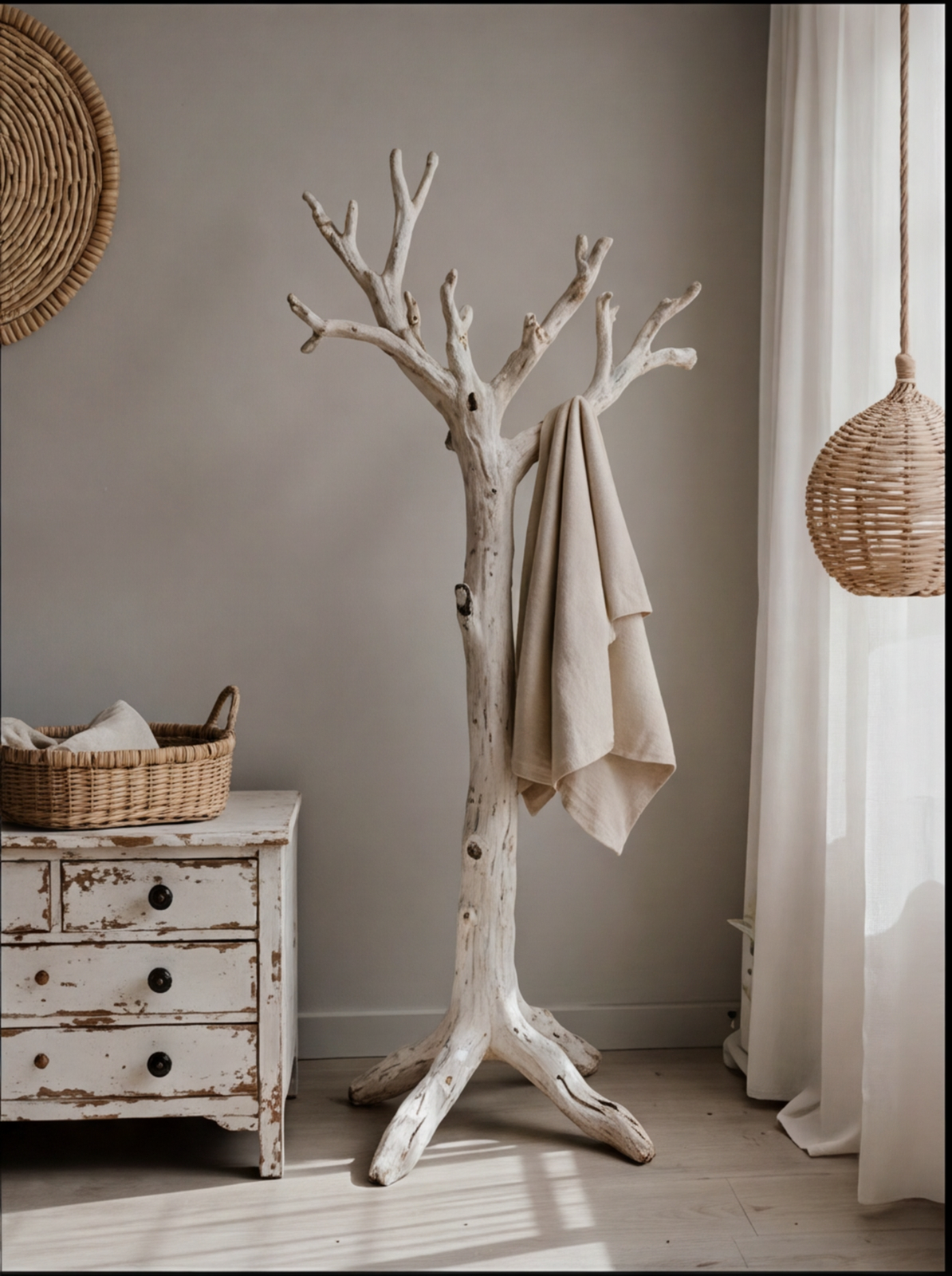
Natural Driftwood Coat Rack – Handcrafted Tree Branch Standing Hanger for Entryway or Bedroom
From $1,056.00
Christmas edit
Natural Driftwood Coat Rack – Handcrafted Tree Branch Standing Hanger for Entryway or Bedroom
From $1,056.00
 Christmas edit
Ashdeco Solid Wood Coat Rack – Vintage 10 Hooks Hat & Clothes Stand
$520.00
Christmas edit
Ashdeco Solid Wood Coat Rack – Vintage 10 Hooks Hat & Clothes Stand
$520.00
 Sculptural Hand-Carved Intertwined Solid Wood Tree Coat Rack & Freestanding Branch Garment Stand
From $1,245.00
Sculptural Hand-Carved Intertwined Solid Wood Tree Coat Rack & Freestanding Branch Garment Stand
From $1,245.00
 Christmas edit
Rustic Tree Branch Coat Rack – Solid Wood Standing Hanger for Home Decor
From $1,556.00
Christmas edit
Rustic Tree Branch Coat Rack – Solid Wood Standing Hanger for Home Decor
From $1,556.00
A tree coat rack does what no row of hooks can - it turns a functional entryway necessity into a genuine design statement. Shaped like a bare tree with branches fanning out at different heights, these racks hold coats, hats, scarves, and bags while looking like a piece of sculptural art. A good coat rack stand anchors your entryway, giving guests an obvious place to shed their layers without cluttering chairs and doorknobs.
This guide covers why tree-shaped coat racks work so well, the difference between standing and wall-mounted options, which wood species look and perform best, and how to style your entryway around a standing coat rack that actually deserves to be seen.
Why Tree Coat Racks Work Better Than Standard Hooks
Tree coat racks outperform basic wall hooks and generic coat stands in both function and form. Their branching design naturally separates items instead of piling everything on the same peg. Here's why this shape has lasted for centuries while trendy rack designs come and go.
Multiple hanging heights: Branches extend at different levels, so a long overcoat hangs freely without dragging on the floor while a scarf sits on a higher branch. Standard pegged racks put everything at one height - which means long items bunch up on the floor.
360-degree access: A freestanding tree coat rack lets you approach from any direction. Wall-mounted hook strips force you to face the wall every time. This matters in narrow entryways where turning around with an armful of bags is awkward.
Visual warmth: Tree shapes bring organic curves into spaces dominated by straight lines and sharp angles. That visual contrast is why interior designers consistently reach for tree-form racks in entryway projects - they soften the space without adding clutter.
Standing Coat Rack vs. Wall-Mounted: Which Fits Your Space?
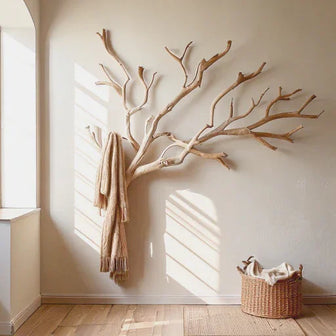
Setting up an entryway? Our rustic entryway table guide pairs perfectly with coat rack planning. Both styles have clear advantages, and the right choice depends on your entryway layout, wall conditions, and how many coats you need to handle daily. A standing coat rack offers flexibility while wall-mounted saves floor space entirely. Here's the full comparison.
| Feature | Standing Coat Rack | Wall-Mounted Coat Rack |
|---|---|---|
| Floor Space | Requires 18-24" diameter footprint | Zero floor space |
| Capacity | 8-15 items depending on branch count | 4-8 items (limited by wall width) |
| Portability | Moves freely - no wall damage | Fixed - leaves screw holes if moved |
| Stability | Can tip if overloaded on one side | Rock solid when properly mounted |
| Visual Impact | High - functions as freestanding sculpture | Moderate - blends with wall decor |
| Best For | Open entryways, rentals, larger foyers | Narrow hallways, small apartments |
For renters: A standing coat rack is the obvious winner - zero wall damage, zero deposit risk. Pick it up and take it when you move.
For narrow hallways: Wall-mounted racks keep the walkway clear. Mount the rack 60-66 inches from the floor (measured to the highest hook) so coats hang freely above shoe storage or a bench.
For families: A standing tree rack with branches at multiple heights lets kids reach lower branches while adults use upper ones. Check out Ashdeco's coat rack collection for tree-form designs with naturally staggered branch heights.


Wood Choices: What Makes a Great Tree Coat Rack
The wood species defines both the look and longevity of a tree coat rack. Mass-produced racks often use rubberwood or pine with a painted finish - functional but forgettable. Premium tree coat racks use hardwoods that develop character as they age. The grain pattern, color, and natural figure of the wood become the design itself.
Walnut
Rich chocolate-brown with dramatic grain patterns. Walnut is strong enough for branch-style hooks that won't snap under heavy winter coats. It darkens slightly with age, developing a warm patina. This is the luxury choice - and it looks it.
White Oak
Light golden color with a distinctive ray-fleck pattern (visible when quarter-sawn). White oak is harder than walnut and extremely durable. It stains well if you want a darker finish but looks equally striking with a clear coat that shows the natural grain.
Maple
Pale, creamy white with subtle grain. Maple suits Scandinavian and minimalist interiors where you want the tree shape to stand out without bold wood grain competing for attention. It's one of the hardest domestic hardwoods - branches and hooks hold up to decades of daily use.
Reclaimed and Natural-Form Wood
Some tree coat racks are carved or shaped from actual tree sections - branches, trunks, and root balls that retain their natural form. Ashdeco's tree coat racks fall into this category: hand-carved from solid wood by Vietnamese artisans who follow the timber's natural curves and knots. No two pieces come out the same because no two trees grow the same way.
Browse the full range of handcrafted coat racks and hangers to see how natural wood forms translate into functional entryway furniture.
Entryway Styling Around a Tree Coat Rack
A tree coat rack is a natural focal point - style around it rather than competing with it. The goal is a functional entryway that looks intentional, not cluttered. These combinations work consistently across different home styles. Our rustic entryway tables: complete style & sizing guide article walks through the specifics.
The Minimalist Entry
Tree coat rack + narrow console table + single potted plant. Keep the console under 12 inches deep so it doesn't block the walkway. Place a catchall tray on the console for keys and wallets. Everything else stays behind closed doors. White walls, natural wood, done.
The Mudroom Setup
Tree coat rack positioned at the end of a storage bench with cubbies underneath for shoes. Add a shelf or two above for baskets. This is the workhorse configuration for families - every item has a designated spot, and the tree rack adds organic texture to an otherwise utilitarian space.
The Statement Foyer
For larger entryways, let the tree coat rack stand alone with nothing competing within 3 feet. A dramatic rack in dark walnut against a light wall becomes art. Add subtle uplighting from a floor-level puck light to cast branch shadows on the wall - a trick borrowed from gallery lighting.
Cross-Functional Styling
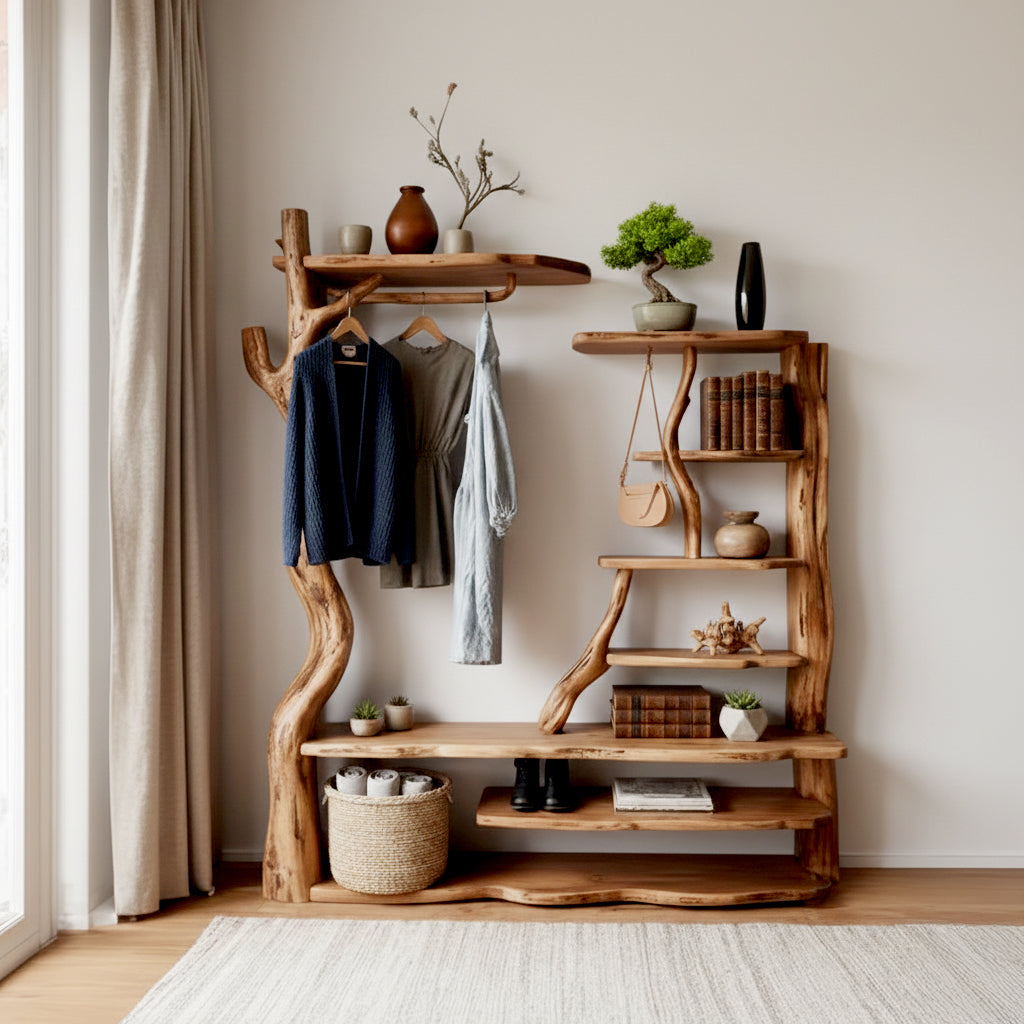
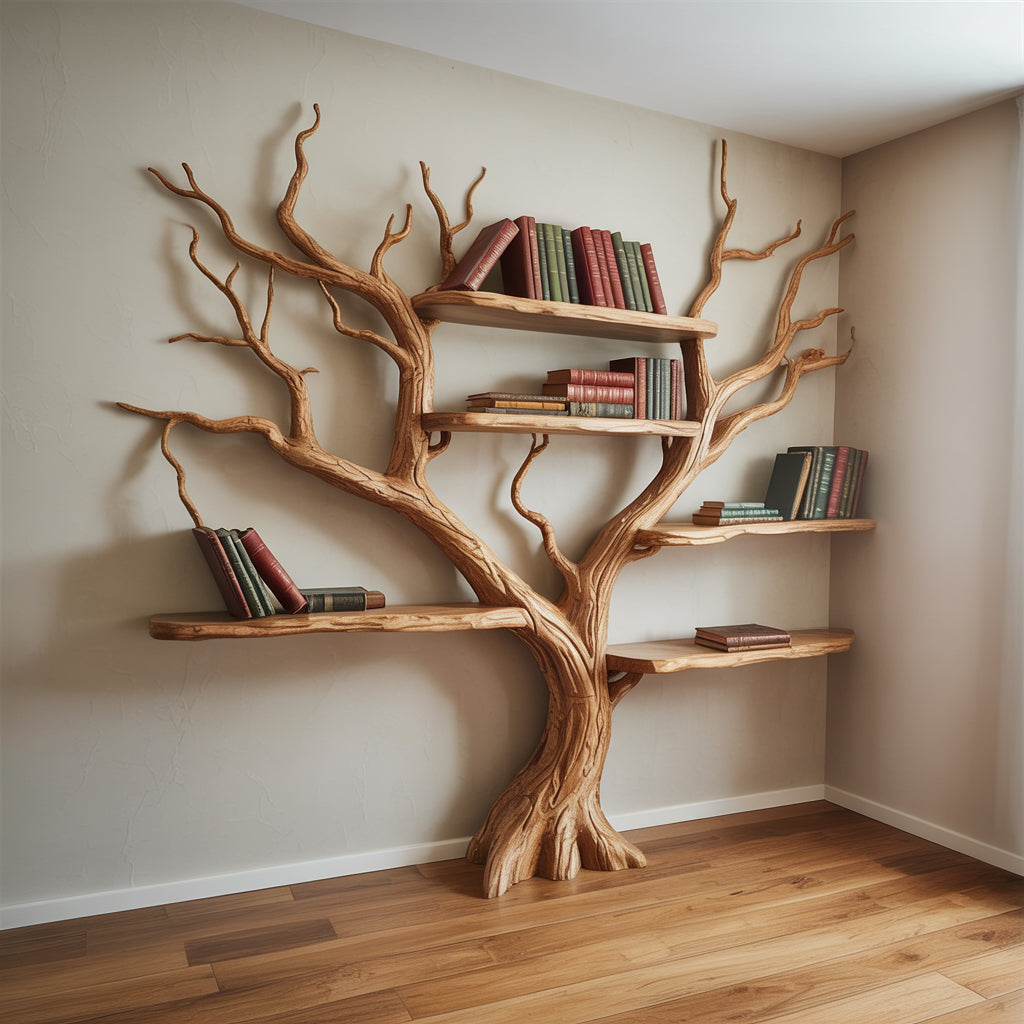
If you love the tree aesthetic beyond the entryway, Ashdeco's tree-shaped bookshelves bring the same organic branching form to living rooms and home offices. Pairing a tree coat rack in the entry with a matching tree bookshelf in the adjacent room creates visual continuity through the home. We've written a full breakdown in our tree bookshelf ideas for every room post.
Don't miss
These pieces qualify for 10% off orders over $2,000. Applied automatically at checkout.
 10% off
Sculptural Solid Wood Hall Tree - Artistic Branch Tree Hanger - Unique Live Edge Entryway Coat Rack
$2,234.00
10% off at checkout
10% off
Sculptural Solid Wood Hall Tree - Artistic Branch Tree Hanger - Unique Live Edge Entryway Coat Rack
$2,234.00
10% off at checkout
 10% off
Handcrafted Tree Branch Clothing Rack – Solid Wood Wardrobe Shelf Organizer for Home Décor
$2,333.00
10% off at checkout
10% off
Handcrafted Tree Branch Clothing Rack – Solid Wood Wardrobe Shelf Organizer for Home Décor
$2,333.00
10% off at checkout
 10% off
Sculptural Hand-Carved Solid Wood Tree Entryway Bench & Branch Coat Rack with Integrated Shoe Shelf
From $2,534.00
10% off at checkout
10% off
Sculptural Hand-Carved Solid Wood Tree Entryway Bench & Branch Coat Rack with Integrated Shoe Shelf
From $2,534.00
10% off at checkout
 10% off
Sculptural Hand-Carved Tree Solid Wood Open Wardrobe Closet System & Branch Wall Storage Bench
$3,876.00
10% off at checkout
10% off
Sculptural Hand-Carved Tree Solid Wood Open Wardrobe Closet System & Branch Wall Storage Bench
$3,876.00
10% off at checkout
How to Choose the Right Size
A coat rack that's too small gets overwhelmed and tips. One that's too large dominates a tight entryway. Getting the proportions right takes three measurements and a bit of honest assessment about how much gear you actually hang daily.
Height: Standing tree racks range from 5 to 7 feet tall. For standard 8-foot ceilings, a 6-foot rack hits the sweet spot - tall enough for presence without looking crammed. With 9-10 foot ceilings, you can go up to 7 feet.
Base diameter: The base needs to be wide enough to prevent tipping when heavy coats hang on one side. Look for a base spread of at least 18 inches for a 6-foot rack. Weighted bases (metal plate or dense wood disc) add stability without increasing footprint.
Branch count and spread: Count how many items you hang daily and add 50% for guests. A household of two that hangs coats, bags, and scarves needs about 8-10 branches. Branch spread (how far they extend from the trunk) should be at least 6 inches for thick winter coats to hang without bunching.

Browse different sizes of Ashdeco coat racks to find proportions that match your space.
Maintenance Tips for Wooden Coat Racks
Solid wood coat racks need very little maintenance compared to metal (which scratches and chips) or painted finishes (which peel). A few simple habits keep a wood tree coat rack looking sharp for decades.
Dust weekly with a dry microfiber cloth. The branching form collects dust in crevices that you won't notice until sunlight hits from the right angle.
Wax annually. Apply a thin coat of paste wax (beeswax-based, not silicone) to maintain the finish and add a subtle sheen. Buff with a soft cloth after 15 minutes. This takes 10 minutes and protects the wood from oils transferred from coats and hands.
Tighten the base every few months. Standing coat racks that use a bolt-together base can loosen over time from the lateral forces of hanging and removing coats. A quick quarter-turn on each bolt prevents wobble before it starts.
Address scratches immediately. For minor scratches on dark wood, rub a walnut (the nut, not the finish) over the scratch - the oils fill and darken the mark. For deeper scratches, touch up with a matching wood stain marker and seal with a dab of wax.
Frequently Asked Questions
How many coats can a tree coat rack hold?
A standard 6-foot standing tree coat rack holds 8-15 items depending on branch count and thickness of the items. Heavy winter coats take more space than light jackets. For stability, distribute weight evenly around the rack - loading all coats on one side causes tipping. Racks with weighted metal bases handle uneven loading better than those with wooden tripod bases.
Will a standing coat rack scratch hardwood floors?
It can if the base lacks protective pads. Apply adhesive felt pads to every contact point on the base before placing it on hardwood, laminate, or tile floors. Replace the felt pads every 6-12 months - they compress and pick up grit that acts like sandpaper. Some racks include rubber feet, which grip better but can leave black marks on light flooring.
What's the best tree coat rack for a small entryway?
Look for a slim-profile rack with branches that angle upward rather than outward. Upward-angled branches hold coats close to the trunk, reducing the overall footprint to under 16 inches in diameter. A 5-foot height is proportional for small spaces with 8-foot ceilings. Wall-mounted tree racks are another option - they eliminate the floor footprint entirely.
Are handcrafted tree coat racks worth the price premium?
For longevity and aesthetics, yes. Mass-produced racks use dowel-jointed rubberwood or pine - functional but generic. Handcrafted racks from solid hardwood use mortise-and-tenon or integral branch joinery that's structurally stronger and visually distinct. Ashdeco's hand-carved coat racks, made by Vietnamese artisans from solid wood, develop unique character that factory-made pieces can't replicate. They also hold value as decorative objects, not disposable furniture.