Quick view
- Why a mushroom wall shelf feels different from a standard wall shelf
- Best rooms for a mushroom wall shelf
- What a mushroom wall shelf can actually hold
- Why wall-mounted mushroom shelves are useful for small spaces
- When a mushroom wall shelf is better than a regular floating shelf
- When a regular floating shelf is the better answer
- Why Ashdeco has an advantage in this category
- What buyers usually get wrong
- Honest downsides
- My recommendation
- FAQ
Shop this guide
Handcrafted Lamps for Modern Homes, made to order in solid wood.
 Christmas edit
Rustic Driftwood Floor Lamp – Handmade Solid Wood Standing Light for Home Décor
From $1,220.00
Christmas edit
Rustic Driftwood Floor Lamp – Handmade Solid Wood Standing Light for Home Décor
From $1,220.00
 Christmas edit
Driftwood Wall Sconce - Handcrafted Rustic Wooden Wall Lamp
From $650.00
Christmas edit
Driftwood Wall Sconce - Handcrafted Rustic Wooden Wall Lamp
From $650.00
 Christmas edit
Rustic Driftwood Floor Lamp with Shelves – Handmade Wooden Standing Light
From $2,350.0010% off at checkout
Christmas edit
Rustic Driftwood Floor Lamp with Shelves – Handmade Wooden Standing Light
From $2,350.0010% off at checkout
 Sculptural Twisted Solid Wood Floor Lamp - Organic Modern Statement Lamp
From $1,780.00
Sculptural Twisted Solid Wood Floor Lamp - Organic Modern Statement Lamp
From $1,780.00
 Christmas edit
Twisted Vine Wooden Floor Lamp - Handcrafted Driftwood Standing Light With Leaf Shade
From $1,280.00
Christmas edit
Twisted Vine Wooden Floor Lamp - Handcrafted Driftwood Standing Light With Leaf Shade
From $1,280.00
 Christmas edit
S-Curve Wooden Floor Lamp - Driftwood Standing Light With Dual Glow Openings
From $1,480.00
Christmas edit
S-Curve Wooden Floor Lamp - Driftwood Standing Light With Dual Glow Openings
From $1,480.00
A mushroom wall shelf can look beautiful in product photos and still be the wrong choice for a real wall. The shape is softer, more sculptural, and more playful than a standard shelf, which is exactly why buyers like it. It is also why buyers get it wrong. A mushroom wall shelf works best when the room, the wall, and the storage need all line up.
This guide breaks down where a mushroom wall shelf works best, what it can realistically hold, and when a more standard wall shelf is the smarter move.
Why a mushroom wall shelf feels different from a standard wall shelf
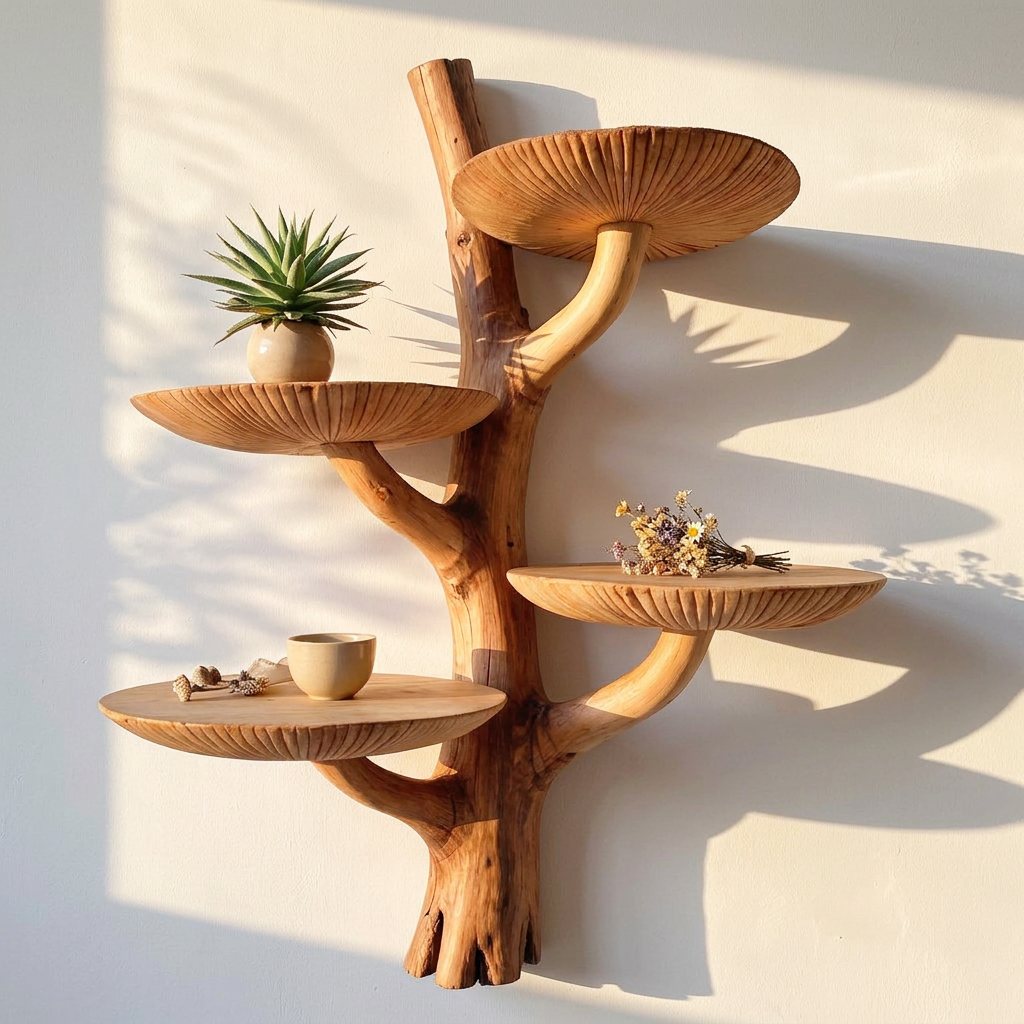
A mushroom wall shelf feels different because the silhouette does more visual work than a plain floating shelf. It is storage, but it is also part decor and part sculptural wall feature. That makes it more memorable in the right room and less flexible in the wrong one.
A standard wall shelf can disappear into the background. A mushroom wall shelf never fully does that. The shape asks to be noticed, which means it needs a room that can support that kind of character.
Best rooms for a mushroom wall shelf
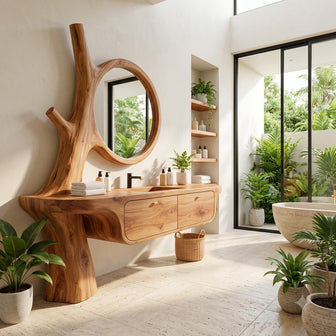
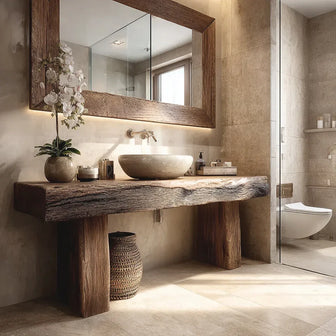
A mushroom wall shelf works best in rooms that benefit from softness, small-scale display, and a little personality. Bedrooms, reading nooks, kids' rooms, powder rooms, and calm living room corners are usually the strongest fit. These are all spaces where the shelf can act as both useful storage and a visual accent.
In a highly practical kitchen wall or a crowded office, the same shelf can start feeling like the wrong tool for the job. If the wall needs maximum storage efficiency, the sculptural shape becomes less helpful.
| Room | Why it works | Main caution |
|---|---|---|
| Bedroom | Good for books, candles, and small decor | Keep styling simple |
| Reading nook | Adds warmth and display space | Avoid overloading one shelf |
| Kids' room | Shape feels playful without needing extra decor | Mounting still needs to be secure |
| Powder room | Great for small objects and visual interest | Watch wall moisture and depth |
| Living room corner | Strong sculptural effect in a small zone | Needs the right room style |


What a mushroom wall shelf can actually hold
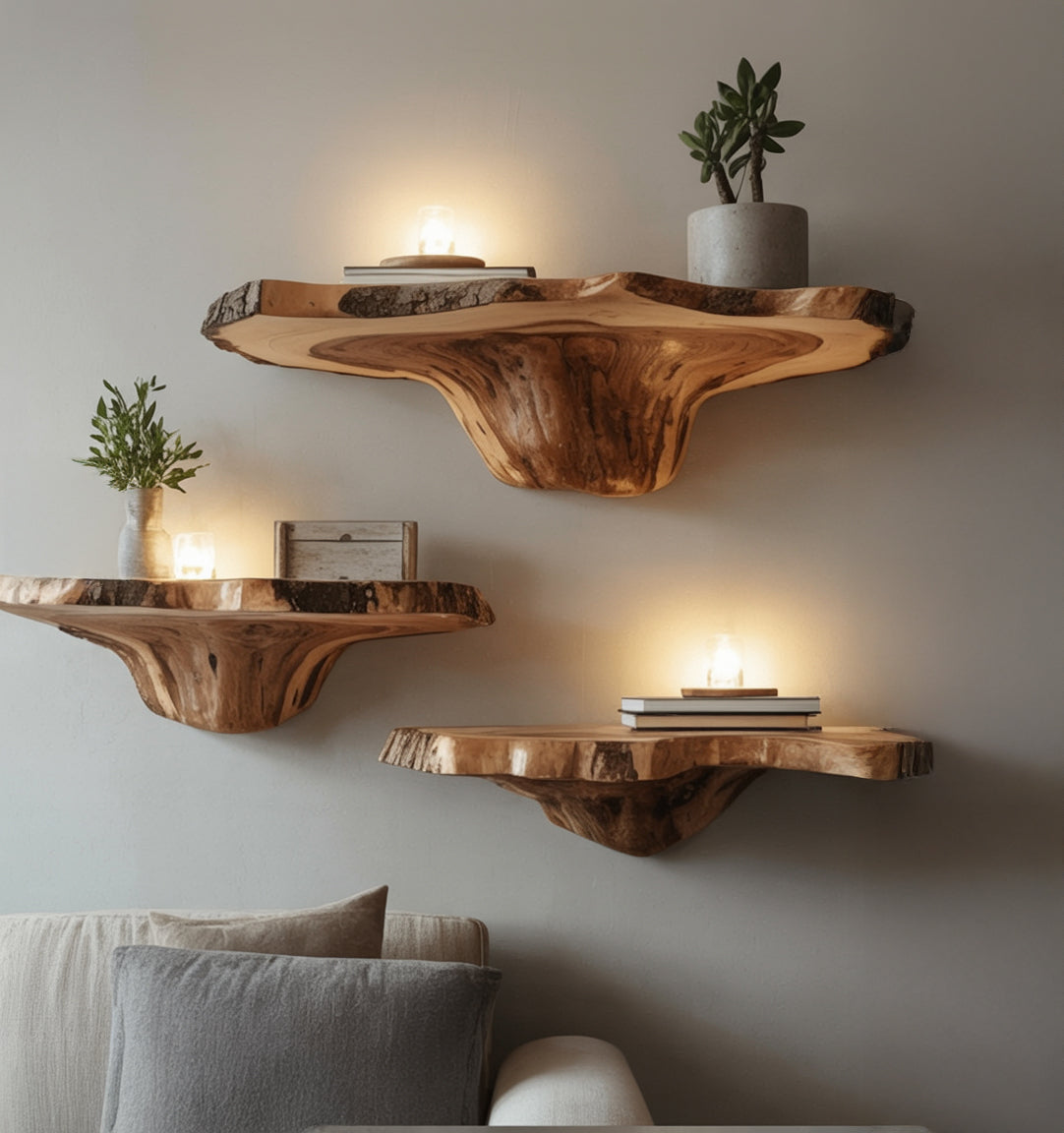
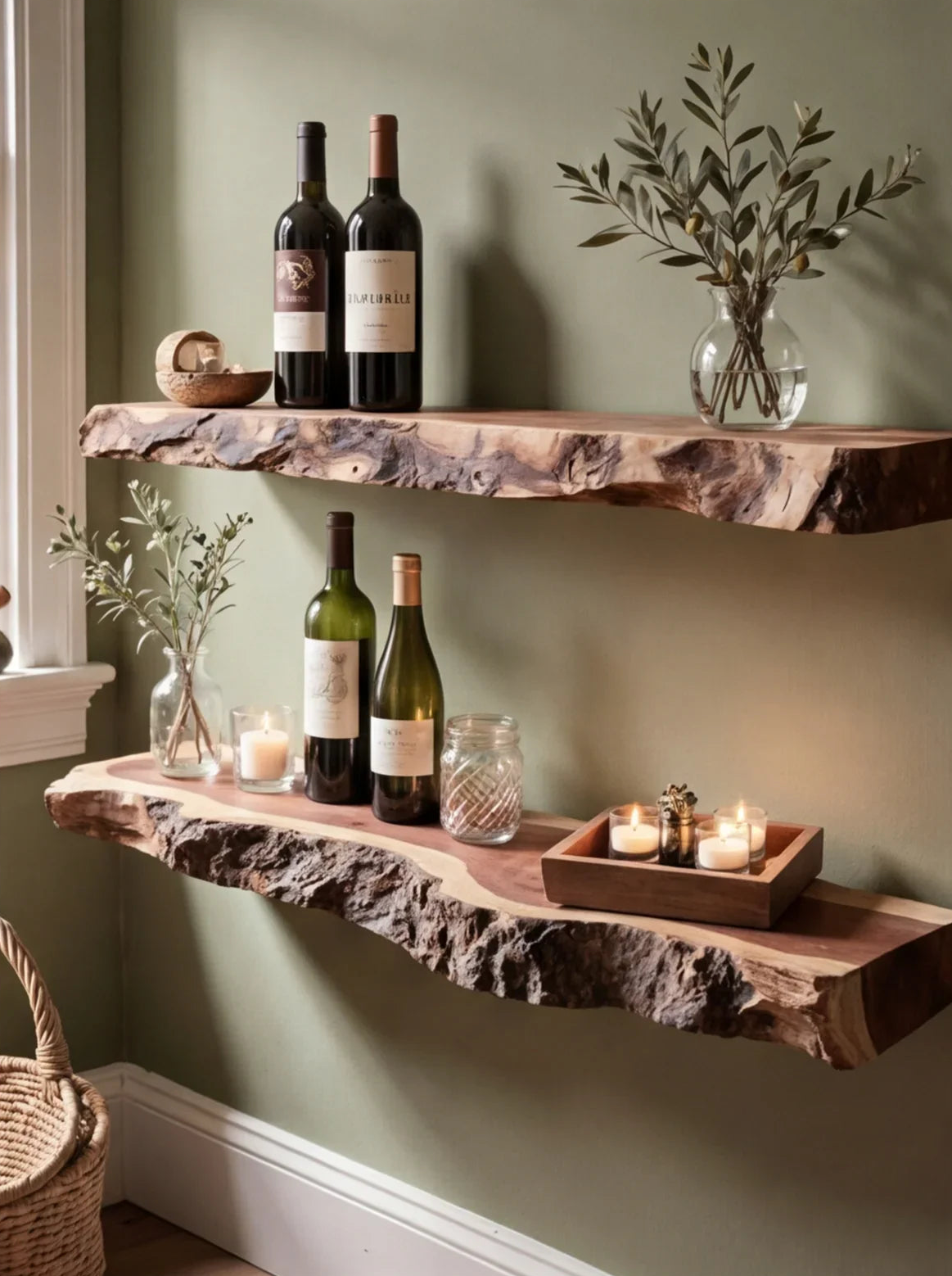
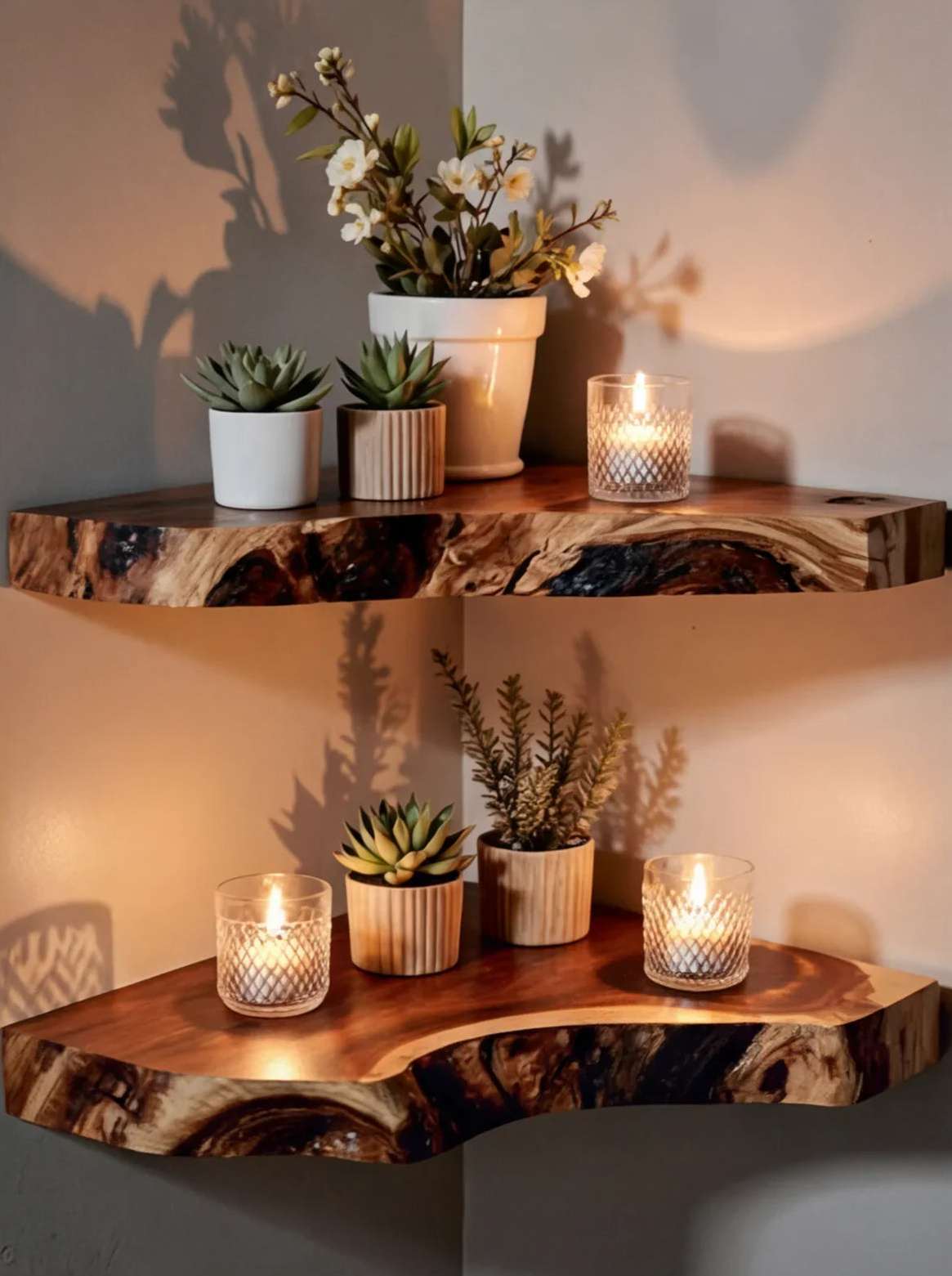
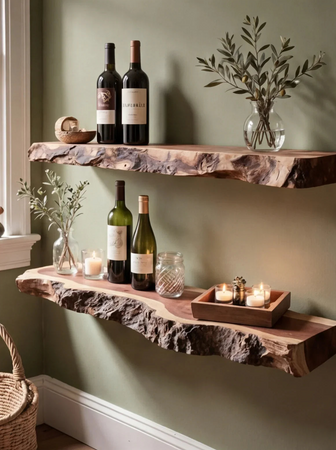
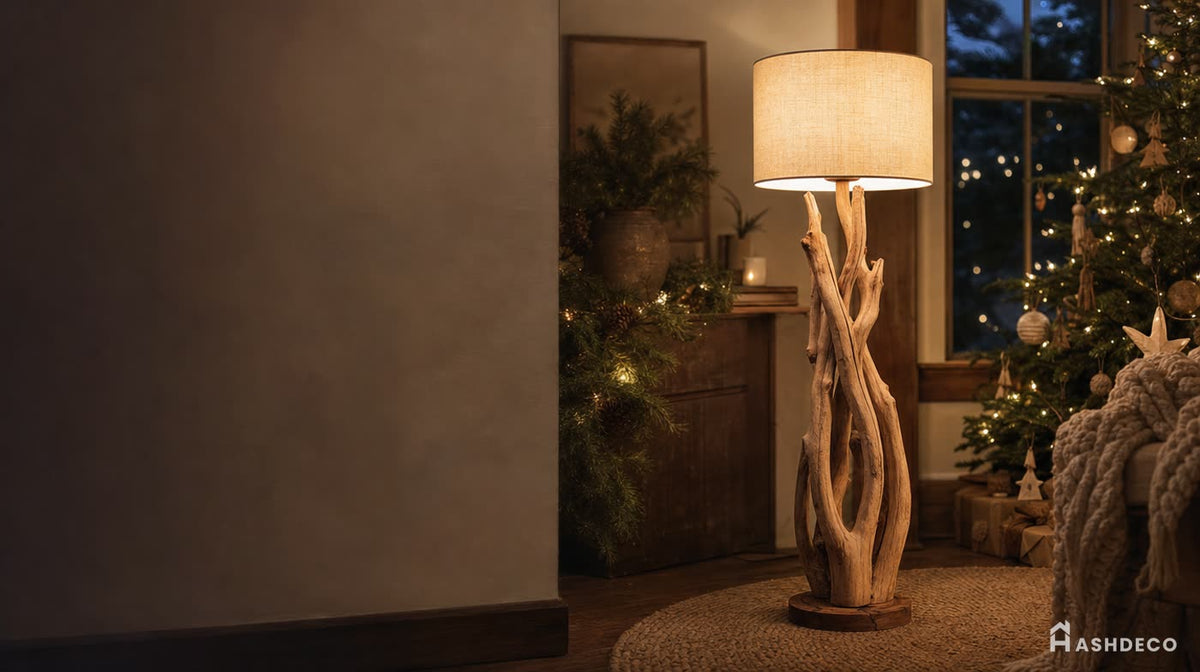
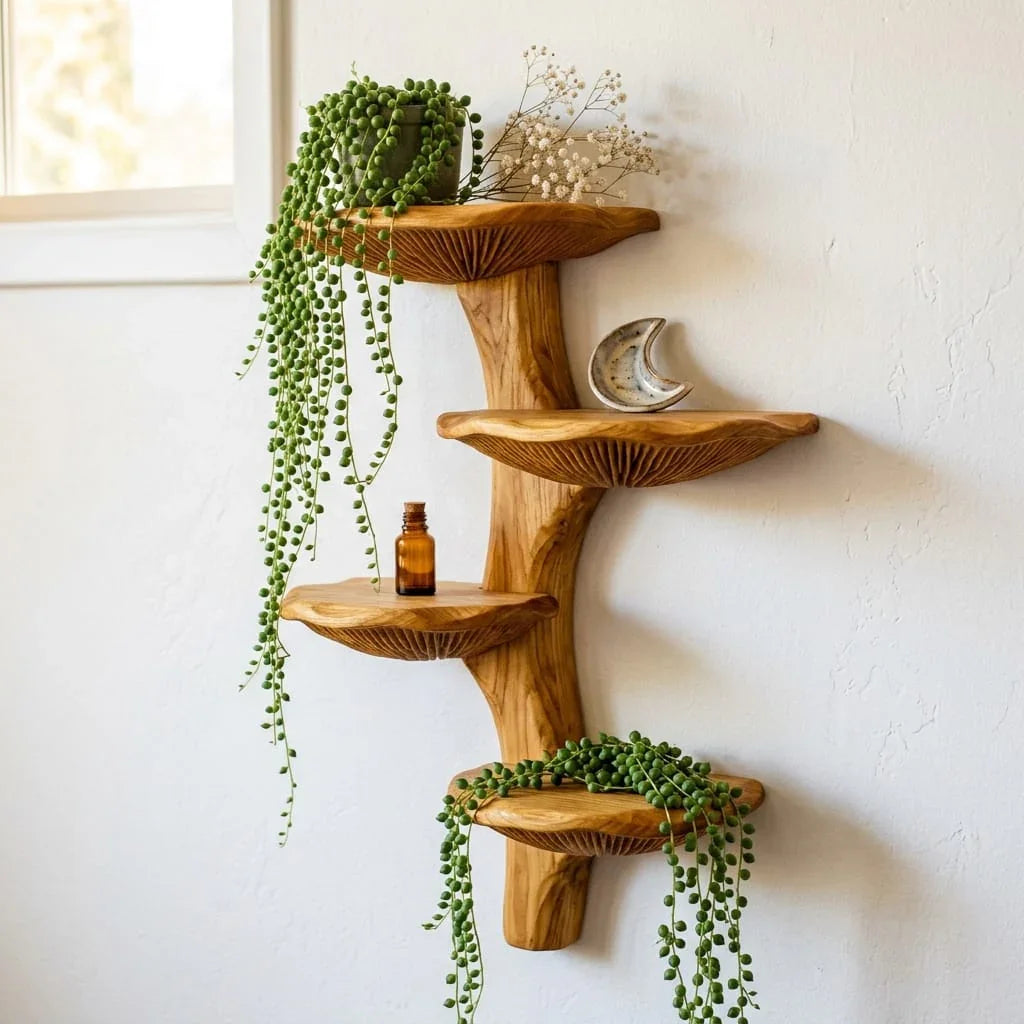
A mushroom wall shelf is best for light-to-moderate display storage. Small books, framed art, candles, plants, keepsakes, or compact decorative objects are the best match. It is not the right category when the buyer wants broad storage, heavy kitchenware, or a utility-first shelf that needs to disappear visually.
This is especially true when the shelf has carved details or cap-like forms. Those features are what make the shelf attractive, but they also mean you are buying a more expressive object, not a general-purpose board on the wall.
Why wall-mounted mushroom shelves are useful for small spaces
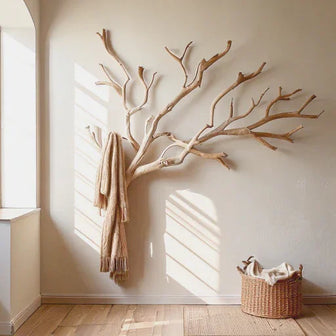
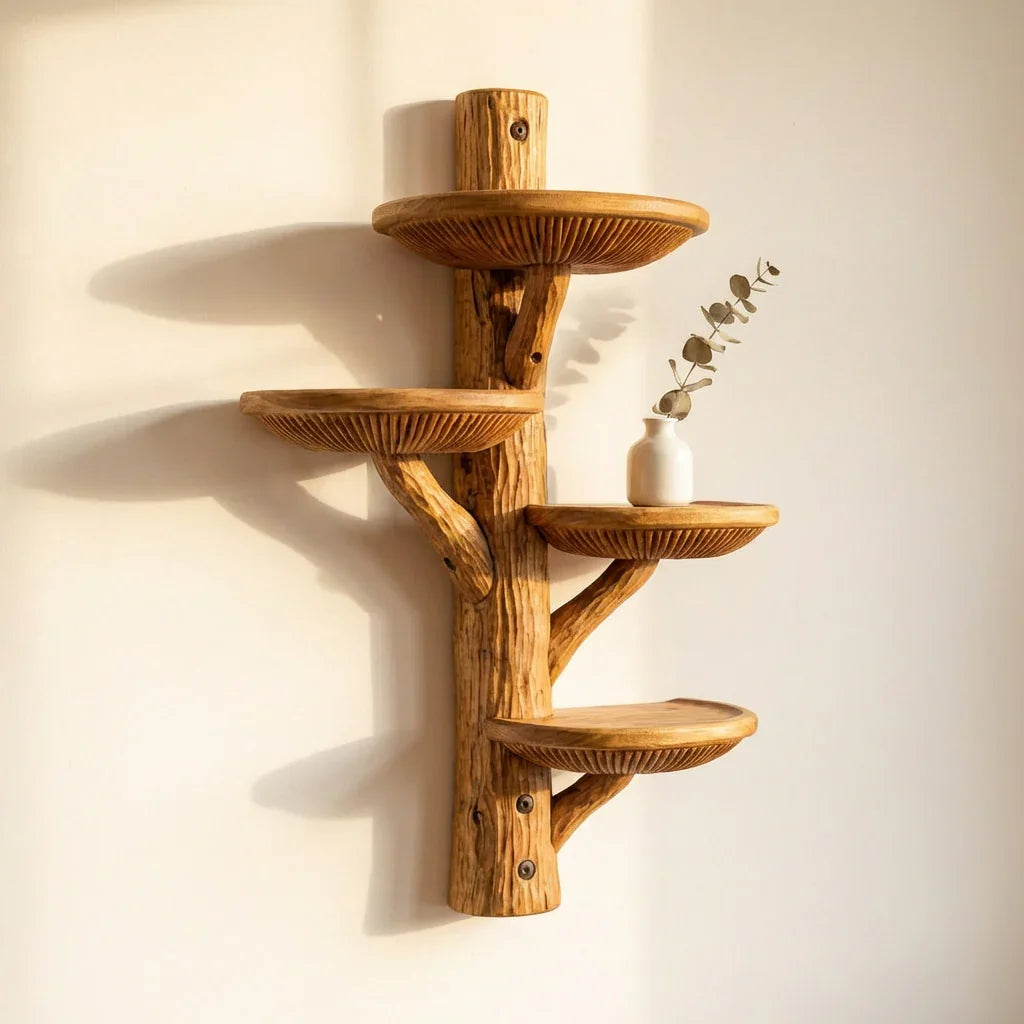
One reason buyers are drawn to a mushroom wall shelf is that it gives visual impact without taking floor space. That matters in small apartments, narrow corners, and rooms where every bit of floor area changes how open the space feels. Wall-mounted pieces can deliver personality without forcing the room to carry another freestanding object.
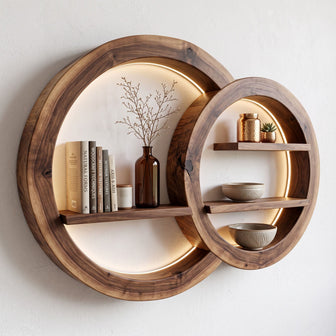
That advantage becomes stronger when the shelf is designed with vertical rhythm and layered platforms. A more architectural wall-mounted mushroom piece can act like a small wall system instead of just one decorative ledge.
Don't miss
These pieces qualify for 10% off orders over $2,000. Applied automatically at checkout.
10% off
Rustic Driftwood Floor Lamp with Shelves – Handmade Wooden Standing Light
From $2,350.00
10% off at checkout
 10% off
Rustic Driftwood Floor Lamp with Side Table – Solid Wood Standing Light with Rattan Shade
From $2,350.00
10% off at checkout
10% off
Rustic Driftwood Floor Lamp with Side Table – Solid Wood Standing Light with Rattan Shade
From $2,350.00
10% off at checkout
 10% off
Sculpted Spiral Twist Floor Lamp Handcrafted Solid Timber Standing Light with Linen Drum Shade
From $2,280.00
10% off at checkout
10% off
Sculpted Spiral Twist Floor Lamp Handcrafted Solid Timber Standing Light with Linen Drum Shade
From $2,280.00
10% off at checkout
 10% off
Biomorphic Sculpted Hollow Floor Sculpture Organic Timber Art Piece Hand Carved in Solid Wood
From $2,280.00
10% off at checkout
10% off
Biomorphic Sculpted Hollow Floor Sculpture Organic Timber Art Piece Hand Carved in Solid Wood
From $2,280.00
10% off at checkout
When a mushroom wall shelf is better than a regular floating shelf
A mushroom wall shelf is better than a regular floating shelf when the buyer wants the shelf to contribute to the room's identity. If the wall needs character, softness, or a handcrafted focal point, this category makes much more sense than a generic straight-edged shelf. That is the main reason to choose it.
It also helps when the room already has organic forms, natural textures, or a quieter decorative language. In those rooms, the shelf feels intentional instead of random.
When a regular floating shelf is the better answer
A regular floating shelf is better when the buyer needs cleaner lines, broader storage, or a shelf that can fade into the background. It is also the safer option in highly minimal rooms or in very practical walls where the priority is storage efficiency, not sculptural impact.
This is the decision buyers often avoid making. They see the mushroom form, like it, and assume it belongs anywhere. That is rarely true. The room still has to support the mood of the shelf.
Why Ashdeco has an advantage in this category
Ashdeco has a stronger position here than competitors selling novelty mushroom wall decor because the products are closer to real furniture than to gimmick decor. They are handcrafted by Vietnamese artisans, built from solid wood, and designed with actual shape language rather than just themed cuteness.
That matters because the shelf form is already expressive. If the material or construction feels cheap, the entire effect collapses. A well-made mushroom wall shelf can feel sculptural and usable at the same time.
What buyers usually get wrong
The first mistake is choosing a mushroom wall shelf for a wall that needs broad storage. The second is overstyling it. Because the shelf already has personality, piling too many themed or decorative objects on top usually makes the room feel more cluttered, not better. The third is treating every mushroom shelf like a kids' room piece when some of the better designs are actually more architectural and grown-up.
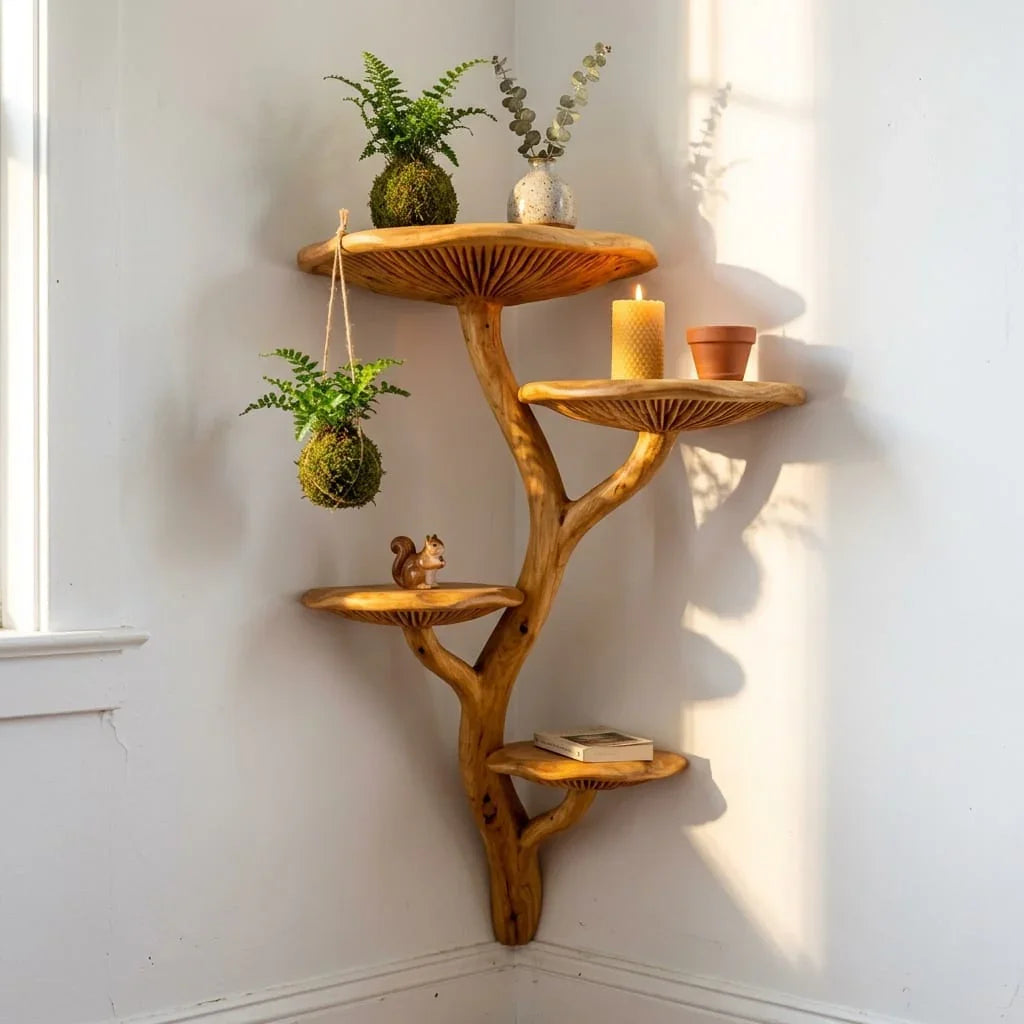
Buyers also underestimate wall scale. A small shelf can disappear on a large blank wall, while a large multi-platform mushroom shelf can completely change a corner that used to feel dead.

Honest downsides
A mushroom wall shelf is more style-specific than a plain floating shelf, so it is easier to get wrong. It also tends to be less universal in highly modern or highly utility-driven rooms. Wall-mounted versions still depend on the right wall and the right installation, especially once the shelf becomes larger and more architectural.
There is also the cost question. A handcrafted solid wood wall shelf is never going to compete on price with mass-market decor shelves. Buyers need to actually want the carved look and the handcrafted identity for the price to make sense.
My recommendation
Choose a mushroom wall shelf when the room needs one useful object with strong character, and when the wall can benefit from display storage without taking floor space. Skip it when your main need is maximum storage, visual neutrality, or a shelf that disappears into the background.
That is the real dividing line. A mushroom wall shelf works best when the room wants a small sculptural furniture moment, not just another board on the wall.
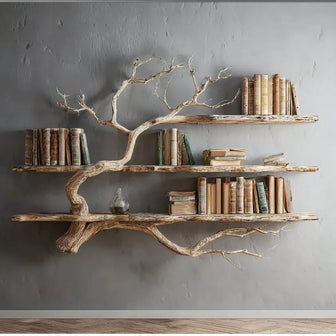
Related collection links that matter here are mushroom floating shelves, the broader floating shelves collection, and for adjacent wall display storage, the tree bookshelf collection. For practical next steps inside this cluster, the strongest follow-up reads are the mushroom floating shelf guide, the mushroom shelf size guide, the mushroom shelf weight capacity guide, and what a mushroom shelf can actually hold.
FAQ
What is a mushroom wall shelf?
A mushroom wall shelf is a wall-mounted shelf with a mushroom-inspired shape, often using cap forms, carved gill details, or organic silhouettes. It works as both light storage and decorative wall furniture.
Where should I use a mushroom wall shelf?
Bedrooms, reading nooks, powder rooms, kids' rooms, and soft-styled living spaces are the best fit. These rooms benefit most from the shelf's visual character and smaller-scale storage role.
What can a mushroom wall shelf hold?
It is best for light-to-moderate display use, such as candles, small books, framed art, plants, and keepsakes. It is not the best choice for heavy utility storage.
Is a mushroom wall shelf practical?
Yes, when the room needs small display storage and you want the shelf itself to contribute to the look of the room. It is practical in the right setting, but less universal than a plain floating shelf.
When should I choose a regular floating shelf instead?
Choose a regular floating shelf when you need broader storage, cleaner lines, or a more neutral shelf that blends into the wall rather than acting as a design feature.