Quick view
Shop this guide
Handcrafted Lamps for Modern Homes, made to order in solid wood.
 Christmas edit
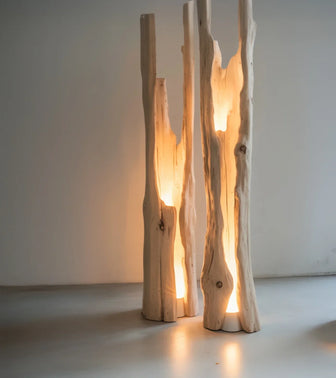
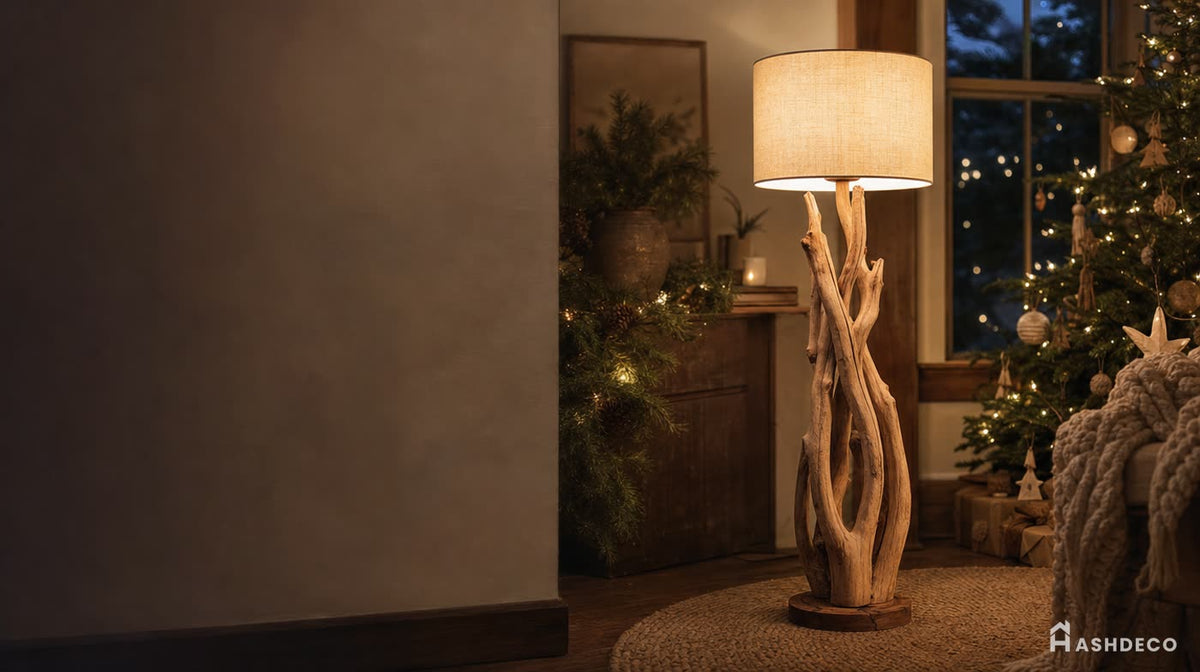
Rustic Driftwood Floor Lamp – Handmade Solid Wood Standing Light for Home Décor
From $1,220.00
Christmas edit
Rustic Driftwood Floor Lamp – Handmade Solid Wood Standing Light for Home Décor
From $1,220.00
 Christmas edit
Driftwood Wall Sconce - Handcrafted Rustic Wooden Wall Lamp
From $650.00
Christmas edit
Driftwood Wall Sconce - Handcrafted Rustic Wooden Wall Lamp
From $650.00
 Christmas edit
Rustic Driftwood Floor Lamp with Shelves – Handmade Wooden Standing Light
From $2,350.0010% off at checkout
Christmas edit
Rustic Driftwood Floor Lamp with Shelves – Handmade Wooden Standing Light
From $2,350.0010% off at checkout
 Sculptural Twisted Solid Wood Floor Lamp - Organic Modern Statement Lamp
From $1,780.00
Sculptural Twisted Solid Wood Floor Lamp - Organic Modern Statement Lamp
From $1,780.00
 Christmas edit
Twisted Vine Wooden Floor Lamp - Handcrafted Driftwood Standing Light With Leaf Shade
From $1,280.00
Christmas edit
Twisted Vine Wooden Floor Lamp - Handcrafted Driftwood Standing Light With Leaf Shade
From $1,280.00
 Christmas edit
S-Curve Wooden Floor Lamp - Driftwood Standing Light With Dual Glow Openings
From $1,480.00
Christmas edit
S-Curve Wooden Floor Lamp - Driftwood Standing Light With Dual Glow Openings
From $1,480.00
A handcrafted mushroom shelf should feel handmade before anyone tells you it is. That is the real test. The carving should have life in it. The edges should look worked, not mass-produced. The shelf should feel like a craft object that also happens to function as storage, not a factory shelf trying to look whimsical.
This matters more in mushroom shelves than in almost any basic shelf category. A plain rectangular shelf can survive average manufacturing and still look acceptable. A mushroom shelf cannot. The whole point is personality, shape, and depth. If those things feel generic, the shelf loses most of its value.
What handcrafted quality actually means in this category
A handcrafted mushroom shelf is defined by human decisions you can still see in the finished piece. That includes carving depth, cap shape transitions, edge softness, surface variation, and how naturally the form moves from trunk to shelf platform. In better work, the shelf does not feel stamped from a design template. It feels shaped. That is what separates handcrafted furniture from mushroom-themed decor.
Buyers often get distracted by the silhouette first, which is understandable. But handmade quality lives in the smaller signals. The underside of the cap. The rhythm of carved gill lines. The way the shelf catches light from different angles.
That is why handcrafted by Vietnamese artisans matters so much in this niche. The category only works when the craft is visible.
Handmade vs factory-made mushroom shelf
The fastest way to compare a handmade mushroom shelf with a factory-made one is to look for where the shelf still feels slightly alive. A factory-made shelf often looks too clean in the wrong way. The lines are uniform. The transitions are predictable. The whole object feels repeated. A handcrafted shelf usually has variation that makes the design more convincing, not less.
Here is the practical difference.
| Detail | Handcrafted mushroom shelf | Factory-style decor shelf |
|---|---|---|
| Cap shape | Slight variation, sculpted feel | Repetitive or simplified |
| Gill detail | Visible depth and rhythm | Minimal or printed-looking |
| Edge transitions | Soft, worked, organic | Abrupt or overly uniform |
| Overall feel | Furniture plus sculpture | Decor object |
| Character | One-of-a-kind pieces | Repeated look |
This is why buyers who care about handmade quality should stop judging only from the front view. The front silhouette can fool you. The side view and underside usually tell the truth.
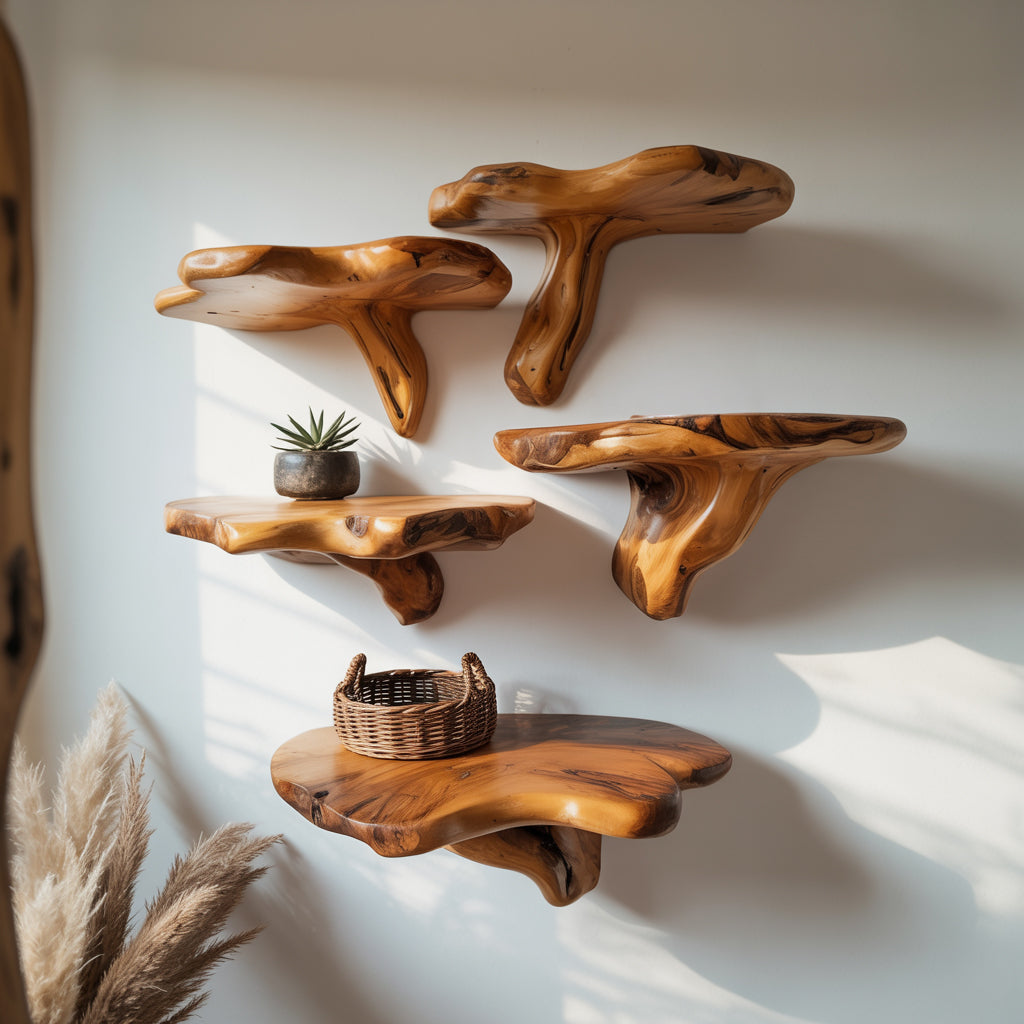
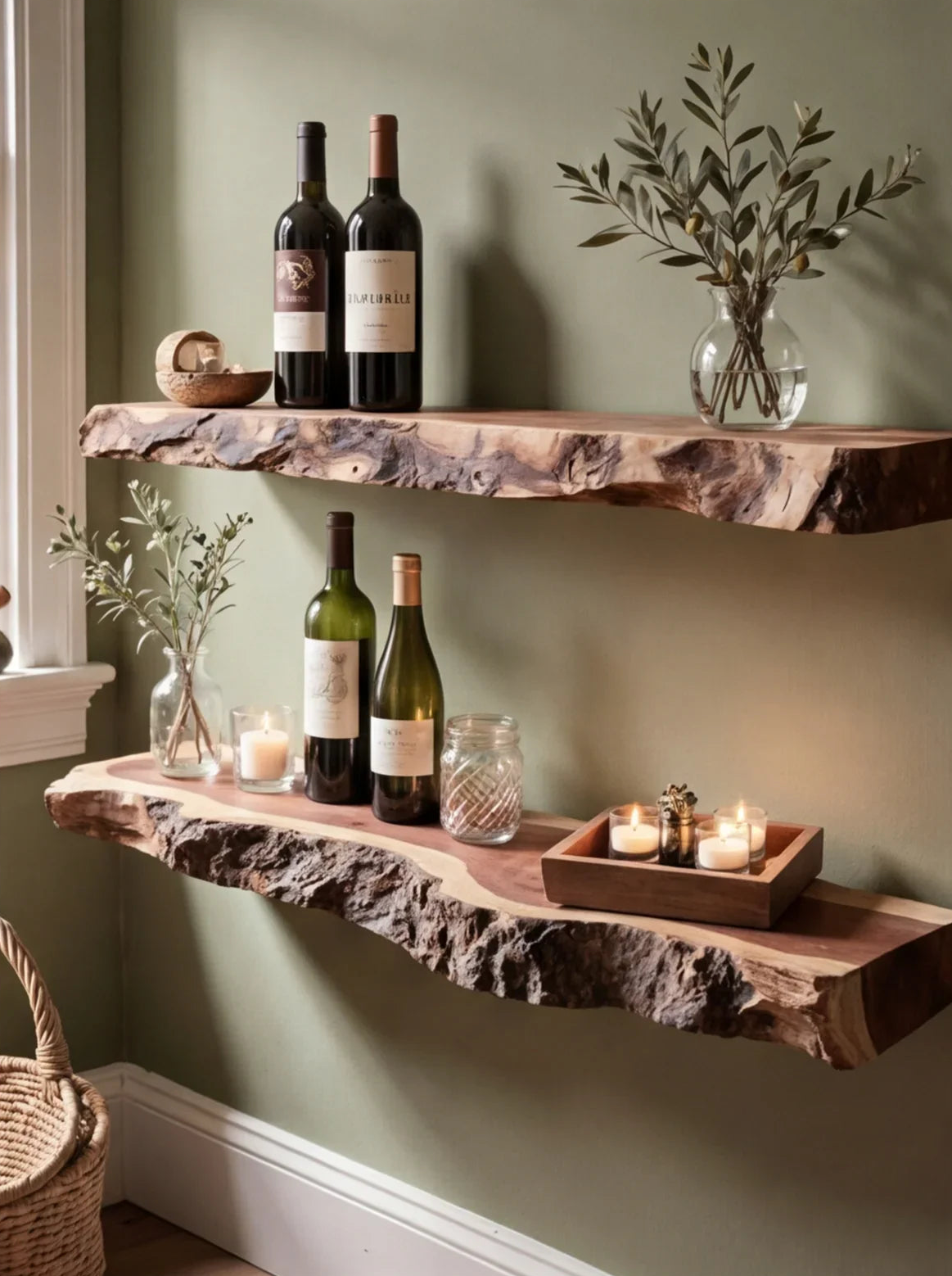
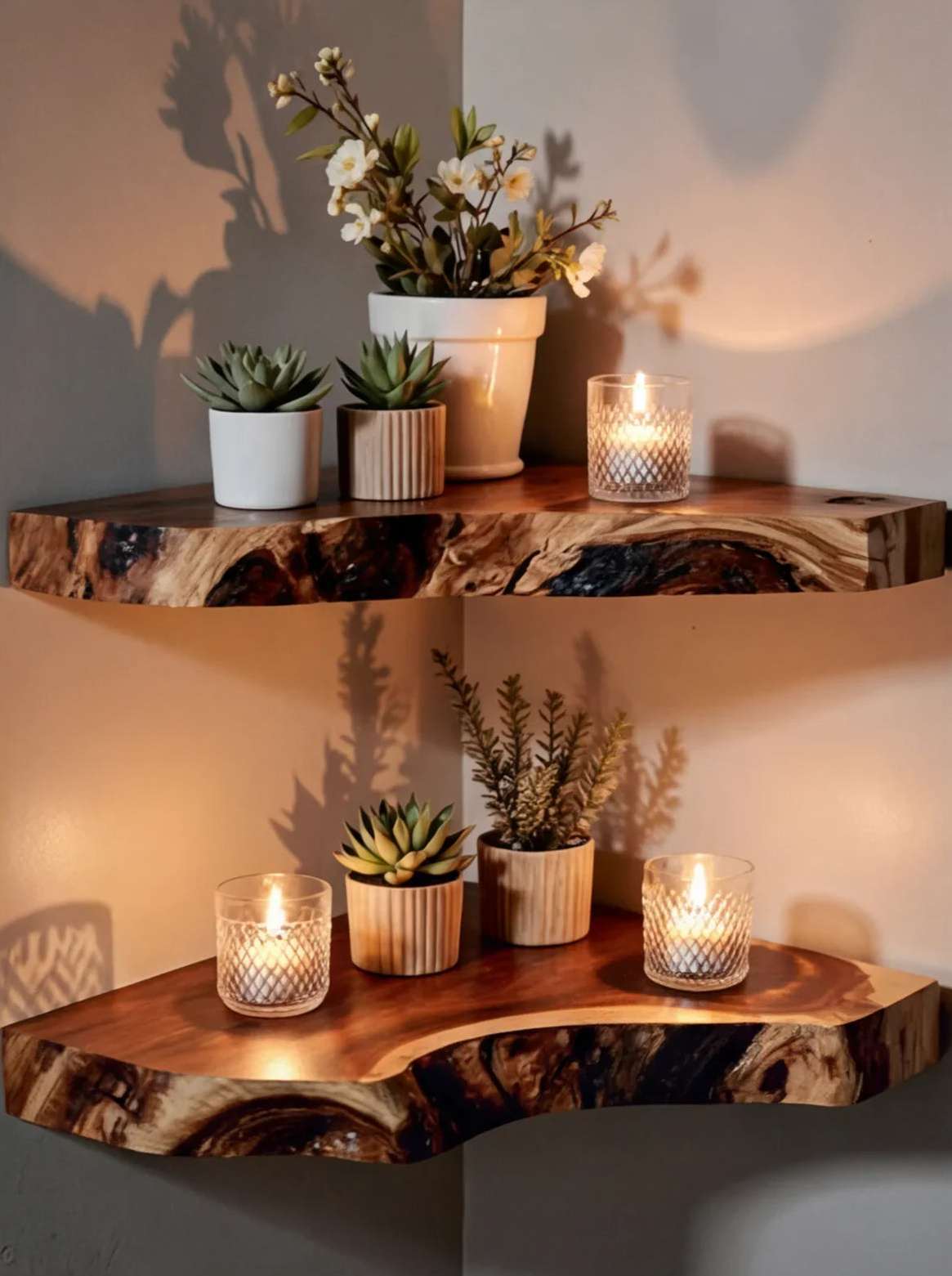
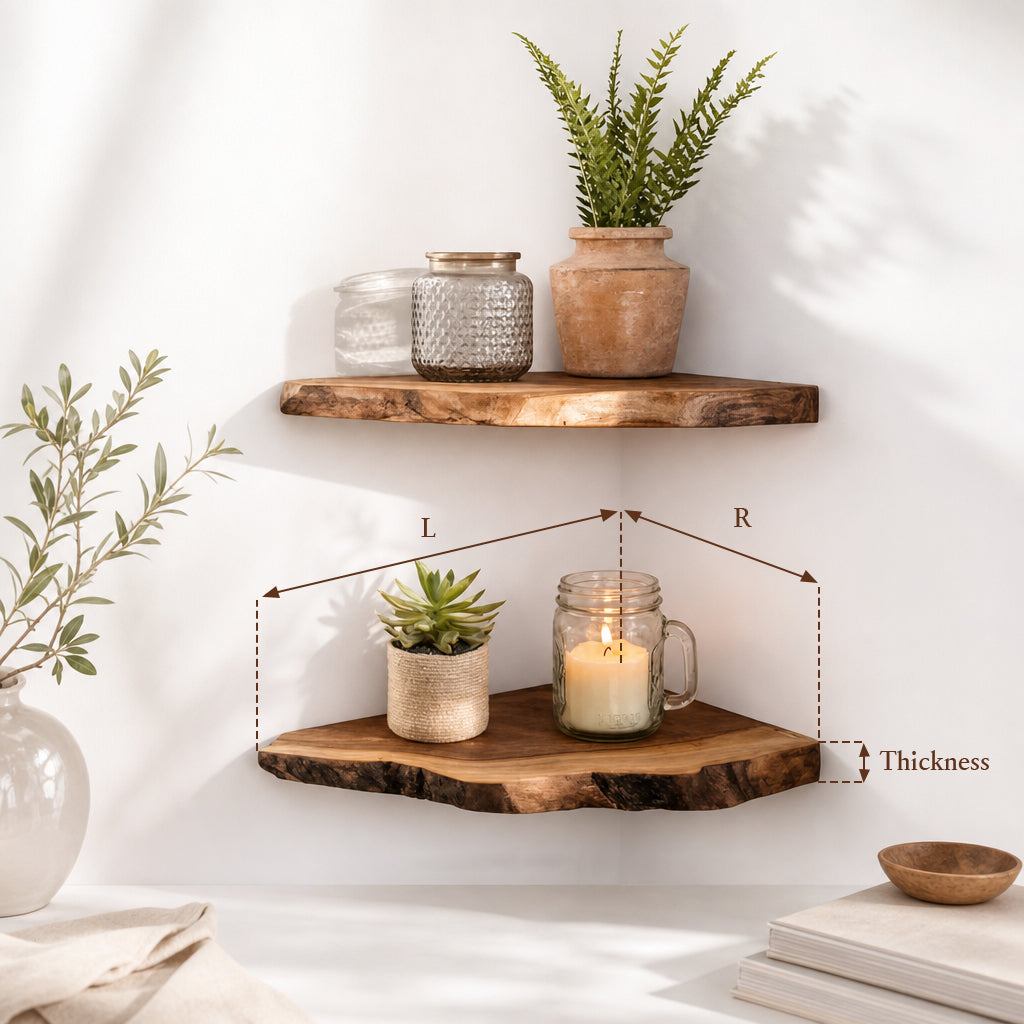
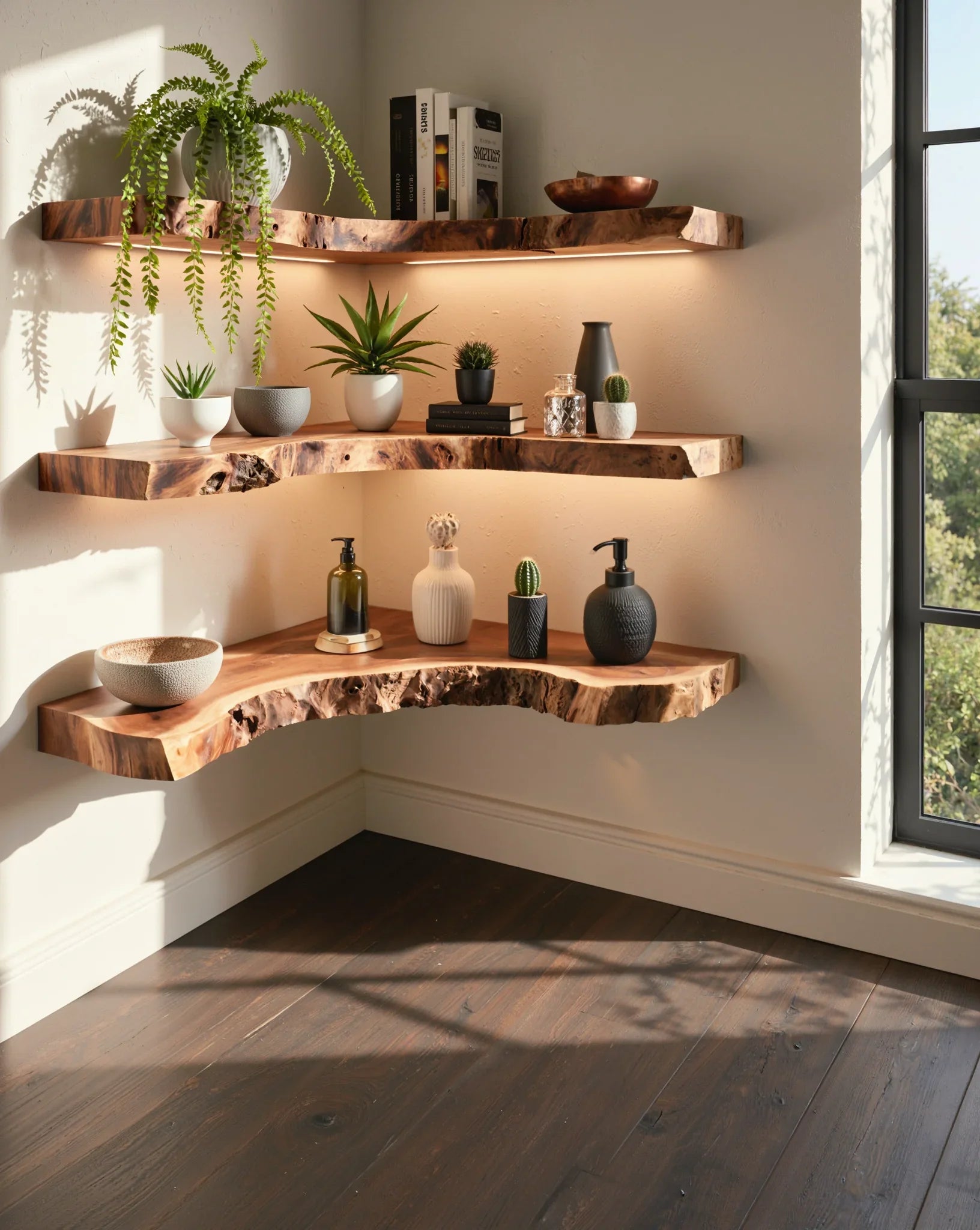
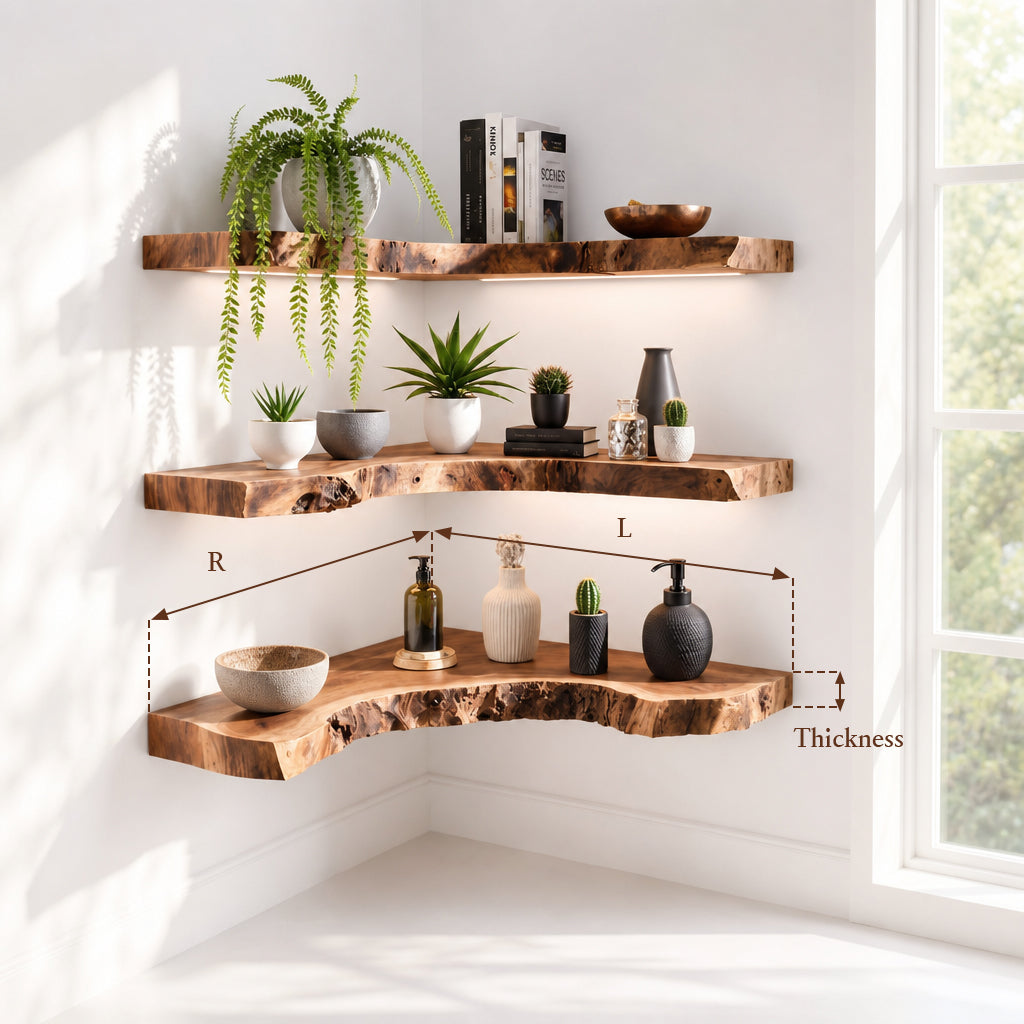
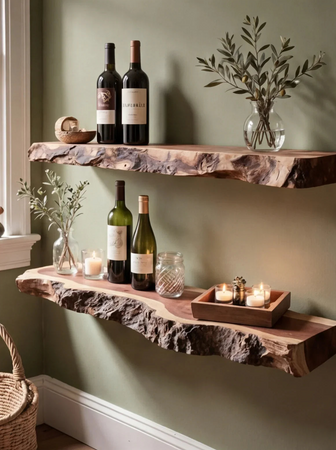
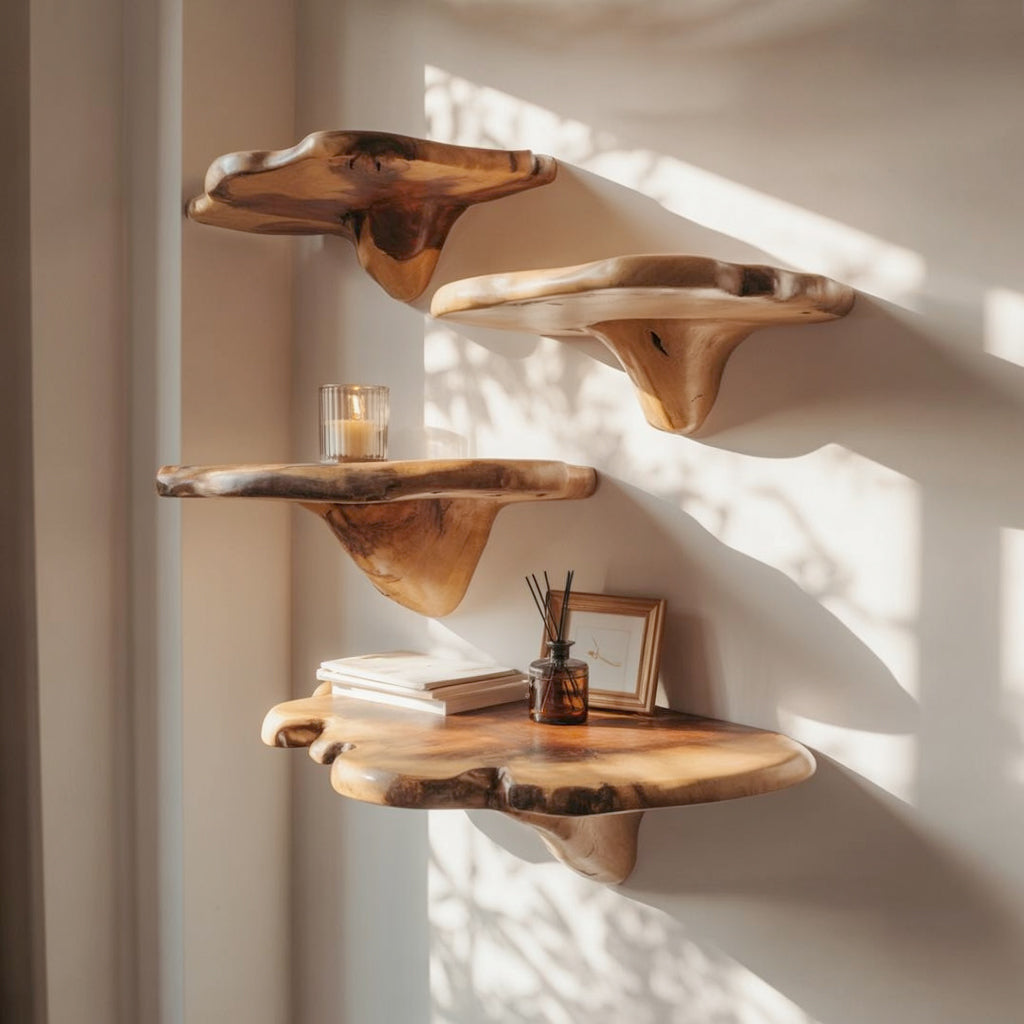
The Solid Wood Floating Wall Shelf – Organic Sculptural Wooden Display Shelf at $185-$326 sit at the more accessible end of the handcrafted category. They are simpler, but still give that artisanal wood feel without pretending to be something massive.



Why handcraft matters more in large sculptural mushroom shelves
The more dramatic the shelf form becomes, the more visible the quality difference becomes. Small shelves can still work with simpler execution. Large sculptural shelves cannot hide weak craft. They either look impressive or they look awkward. There is not much middle ground.
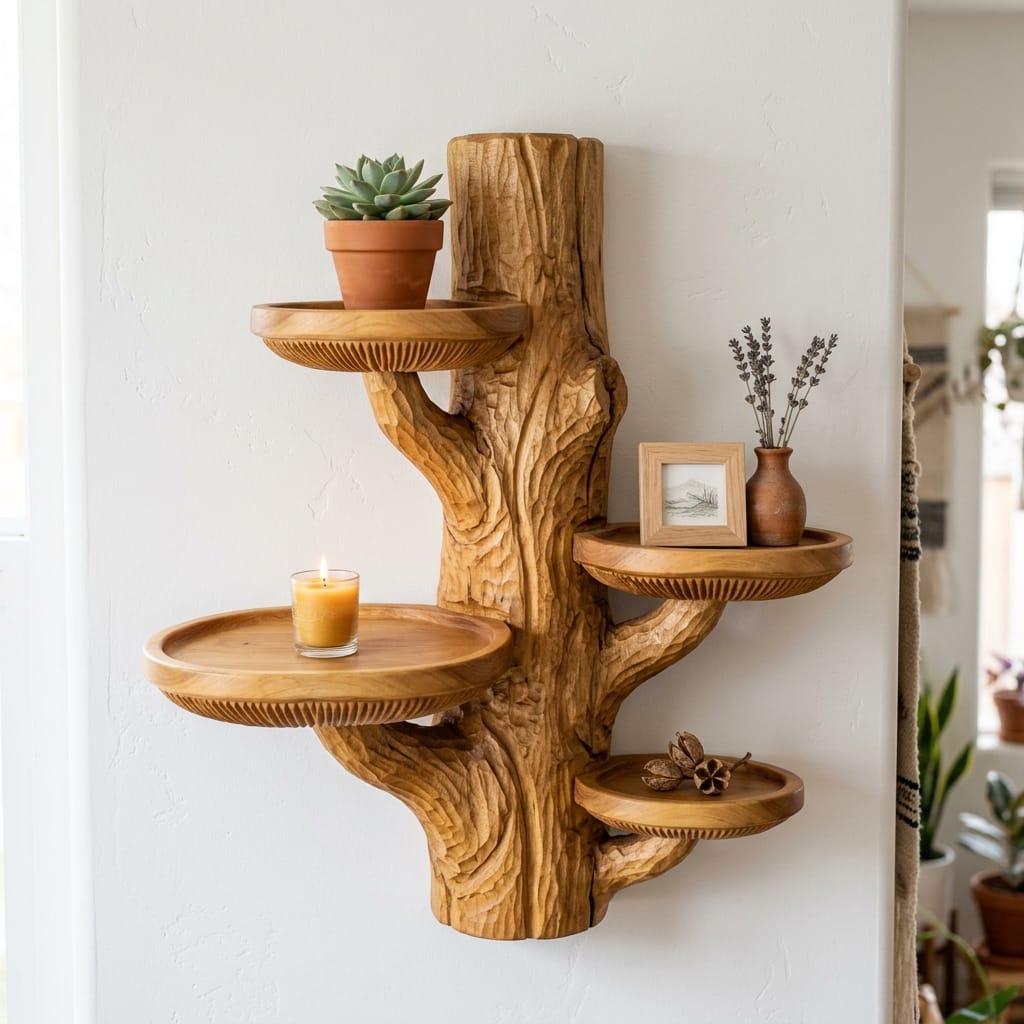
The Tree Branch Mushroom Wall Shelf with 4 Wide Dished Platforms at $1,080-$2,880 is a strong example of why handmade quality matters. The branch transitions, carved cap structure, and visible gill detail all need to feel integrated.

Tree Branch Mushroom Wall Shelf with 4 Wide Dished Platforms | $1,080-$2,880
On a piece like this, you are not just buying storage. You are buying whether the object feels resolved. Handmade quality is what makes the shelf feel intentional instead of theatrical.
What to look for before paying for handmade
The word "handcrafted" gets used loosely online, so buyers should be a little skeptical in a healthy way. A truly handcrafted shelf should show evidence of shaping, carving, and finishing choices that are hard to fake in factory output.
These are the details I would actually check:
- does the carving change how light hits the underside
- do the edges feel organically resolved rather than machine-stiff
- does the shelf look convincing from side angles, not only front-on
- do the cap platforms feel integrated into the structure instead of attached on
If the answer is no to most of those, the product may still be nice, but it is probably not handcrafted in the way buyers imagine.
The Oyster Mushroom Tiered Wall Shelf with 4 Wide Caps at $1,480-$4,080 pushes the handmade quality much further because its whole appeal depends on exposed carving and flowing organic edges.

Oyster Mushroom Tiered Wall Shelf with 4 Wide Caps | $1,480-$4,080
Don't miss
These pieces qualify for 10% off orders over $2,000. Applied automatically at checkout.
10% off
Rustic Driftwood Floor Lamp with Shelves – Handmade Wooden Standing Light
From $2,350.00
10% off at checkout
 10% off
Rustic Driftwood Floor Lamp with Side Table – Solid Wood Standing Light with Rattan Shade
From $2,350.00
10% off at checkout
10% off
Rustic Driftwood Floor Lamp with Side Table – Solid Wood Standing Light with Rattan Shade
From $2,350.00
10% off at checkout
 10% off
Sculpted Spiral Twist Floor Lamp Handcrafted Solid Timber Standing Light with Linen Drum Shade
From $2,280.00
10% off at checkout
10% off
Sculpted Spiral Twist Floor Lamp Handcrafted Solid Timber Standing Light with Linen Drum Shade
From $2,280.00
10% off at checkout
 10% off
Biomorphic Sculpted Hollow Floor Sculpture Organic Timber Art Piece Hand Carved in Solid Wood
From $2,280.00
10% off at checkout
10% off
Biomorphic Sculpted Hollow Floor Sculpture Organic Timber Art Piece Hand Carved in Solid Wood
From $2,280.00
10% off at checkout
Handmade detail is why some shelves feel collectible
A handcrafted mushroom shelf often sits in an unusual space between decor and furniture. That is exactly why some people love them. They do not feel like ordinary storage, and they do not feel like throwaway seasonal decor either. They feel closer to sculptural home objects.
This is where larger statement pieces can justify their price. The more the shelf behaves like something collectible, the less useful it is to compare it only against generic floating shelves.
The Helical Mushroom Wall Shelf with 4 Graduated Round Platforms at $1,275-$2,450 is a good example. It works partly as storage, but the real value is that the handmade spiral form gives the wall a strong identity.

Helical Mushroom Wall Shelf with 4 Graduated Round Platforms | $1,275-$2,450
That kind of product only works when the shelf genuinely feels made, not manufactured.
Honest downsides
The first downside is price. Real handmade work costs more because labor, finish variation, and shaping time are built into the object.
The second downside is consistency expectations. With one-of-a-kind pieces, some buyers need to be comfortable with variation. That variation is part of the value, not a flaw.
The third downside is overbuying. Some people fall in love with the craft story and buy a shelf larger than the room really needs.
The fourth downside is that handcrafted shelves ask more from the room. If the room is already full of loud decor, the shelf can lose the quiet strength that makes handmade work feel special.
My recommendation
If you want a handcrafted mushroom shelf, buy the one where the handwork is visible enough to matter. Do not pay for a handmade label if the product itself still looks generic.
If you want a lower-risk first purchase, start with a simpler handcrafted floating shelf. If you want the strongest expression of the category, choose a larger sculptural wall shelf where the handmade detail clearly leads the design.
And if the listing only says "handcrafted" without showing why, I would hesitate. Handmade quality should be visible, not just claimed.
FAQ
What is a handcrafted mushroom shelf?
A handcrafted mushroom shelf is a mushroom-inspired shelf shaped and finished through visible handwork rather than purely factory-style repetition. The handmade quality should show up in carving, edges, transitions, and overall form.
How can I tell if a mushroom shelf is really handmade?
Look for carving depth, subtle variation, organic edge work, and a shelf that feels convincing from multiple angles. If it looks overly uniform and flat, the handmade claim may not be doing much.
Why are handcrafted mushroom shelves more expensive?
Because the labor is part of the product. Shaping, carving, sanding, finishing, and balancing sculptural forms all take more work than producing a plain shelf.
Are handcrafted shelves better than mass-produced decor shelves?
In this category, usually yes. Mushroom shelves depend heavily on form and detail, so handmade quality changes the end result much more than it would on a simple flat shelf.
Where does a handcrafted mushroom shelf look best?
Bedrooms, reading nooks, nursery walls, and quiet living room corners are all strong fits. These are spaces where the shelf can act as both storage and a crafted visual focal point.