




















Quick view
- Why Sustainability Matters in Furniture - Especially Coat Racks
- What Makes a Coat Rack "Eco-Friendly"?
- Best Sustainable Wood Options for Coat Racks
- The Long-Term Value Argument
- Vietnamese Artisan Craftsmanship: Small Scale, Big Impact
- How to Verify Eco Claims When Shopping
- Caring for Your Eco-Friendly Coat Rack
- Frequently Asked Questions
Shop this guide
Handcrafted Floating Shelves, made to order in solid wood.
 Sculptural Overlapping Circular Solid Wood Wall Shelf with Multi Tier Display
From $1,354.00
Sculptural Overlapping Circular Solid Wood Wall Shelf with Multi Tier Display
From $1,354.00
 Mountain Landscape Relief Solid Wood Floating Shelf Live Edge Display Ledge
From $1,154.00
Mountain Landscape Relief Solid Wood Floating Shelf Live Edge Display Ledge
From $1,154.00
 Enchanted Forest Circular Wall Shelf - Round Carved Timber Mushroom Portal
From $1,023.00
Enchanted Forest Circular Wall Shelf - Round Carved Timber Mushroom Portal
From $1,023.00
 Cottagecore Arched Wood Wall Niche - Hand-Carved Fairy Mushroom Alcove Shelf
From $1,356.00
Cottagecore Arched Wood Wall Niche - Hand-Carved Fairy Mushroom Alcove Shelf
From $1,356.00
 Sculptural Hand-Carved Mushroom Solid Wood Corner Floating Shelf & Biomorphic Wall Display Ledge
From $345.00
Sculptural Hand-Carved Mushroom Solid Wood Corner Floating Shelf & Biomorphic Wall Display Ledge
From $345.00
 Sculptural Hand-Carved Mushroom Solid Wood Floating Shelves & Biomorphic Wall Display Ledges
From $345.00
Sculptural Hand-Carved Mushroom Solid Wood Floating Shelves & Biomorphic Wall Display Ledges
From $345.00
Why Sustainability Matters in Furniture - Especially Coat Racks
Coat racks seem like a small purchase. A single piece of furniture, used daily, tucked by the door. But multiply that by millions of households and the material choices start to matter.
Most coat racks sold online are made from pressed wood, plastic-coated metal, or fast-growth bamboo shipped across oceans in plastic packaging. They work for a year or two, then wobble, crack, or look worn enough to replace. That replacement cycle - buy cheap, use briefly, throw away, repeat - is the opposite of sustainable. When shopping for eco-friendly furniture, look for the Forest Stewardship Council (FSC) certification to verify sustainable forestry practices. Learn about sustainable hardwood options and their environmental impact.
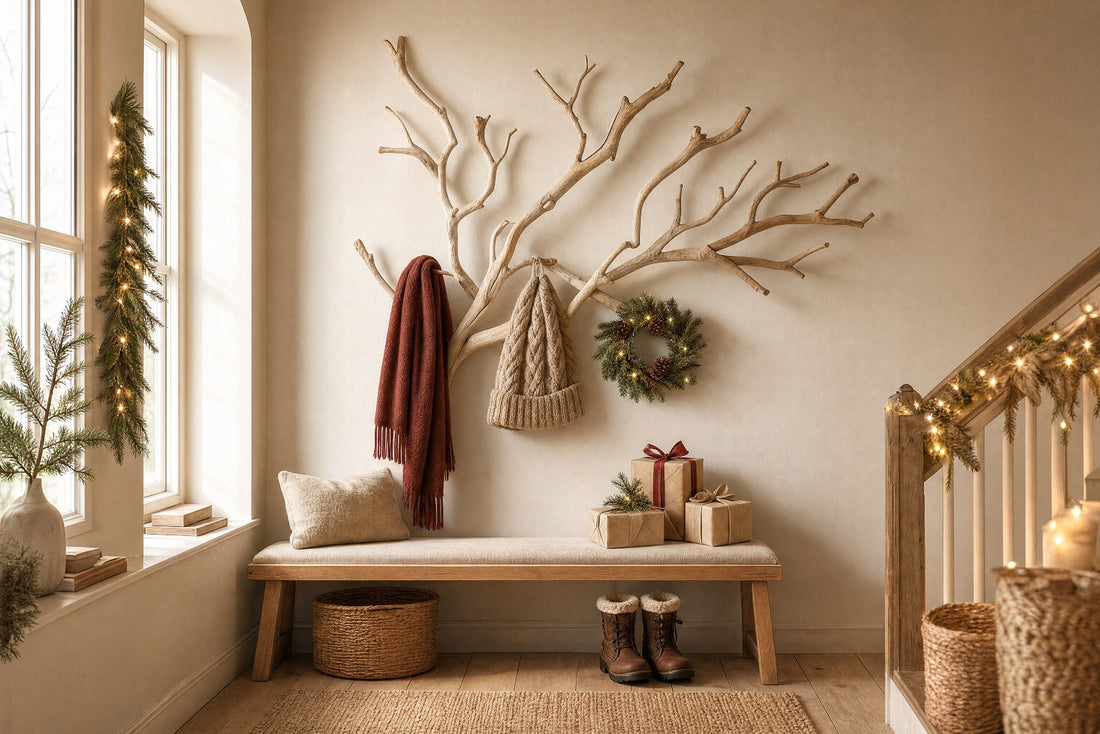
Eco-friendly coat racks break the cycle. They're made from solid, responsibly sourced wood, built to last decades instead of seasons, and crafted with minimal waste by skilled hands rather than automated factory lines. This guide covers what makes a coat rack genuinely sustainable, which wood options deliver the longest life, and why handcrafted solid wood is the most eco-conscious choice you can make for your entryway.
What Makes a Coat Rack "Eco-Friendly"?
The term gets used loosely in marketing. Here's what it actually means when applied to furniture:
1. Material Source
The wood should come from responsibly managed forests - either certified sustainable forestry (FSC, PEFC) or salvaged/reclaimed sources. This means trees are replanted, biodiversity is maintained, and clear-cutting is avoided. Ask where the wood comes from. If a seller can't tell you, that's a red flag.
2. Manufacturing Process
Small-batch handcrafted production generates significantly less waste than factory manufacturing. A skilled artisan uses more of each board, creates less sawdust waste, and doesn't run energy-intensive assembly lines. The carbon footprint per piece is measurably lower.
3. Finish and Treatment
Look for low-VOC or zero-VOC finishes , natural oils (tung oil, linseed oil), beeswax, or water-based polyurethane. Traditional solvent-based finishes release volatile organic compounds during application and for weeks afterward. In a coat rack that sits in your entryway where you breathe every day, this matters.
4. Longevity
The most sustainable product is one you never replace. A solid wood coat rack that lasts 20+ years is exponentially more eco-friendly than three cheap racks that each last 5 years. The total material consumed, the total manufacturing energy, and the total waste generated all favor the long-lived piece.
5. End of Life
When a solid wood coat rack eventually does reach end of life , decades from now , it's biodegradable. It can be composted, repurposed, or recycled. A metal-and-plastic rack goes to a landfill. The materials matter at every stage of the product's life.
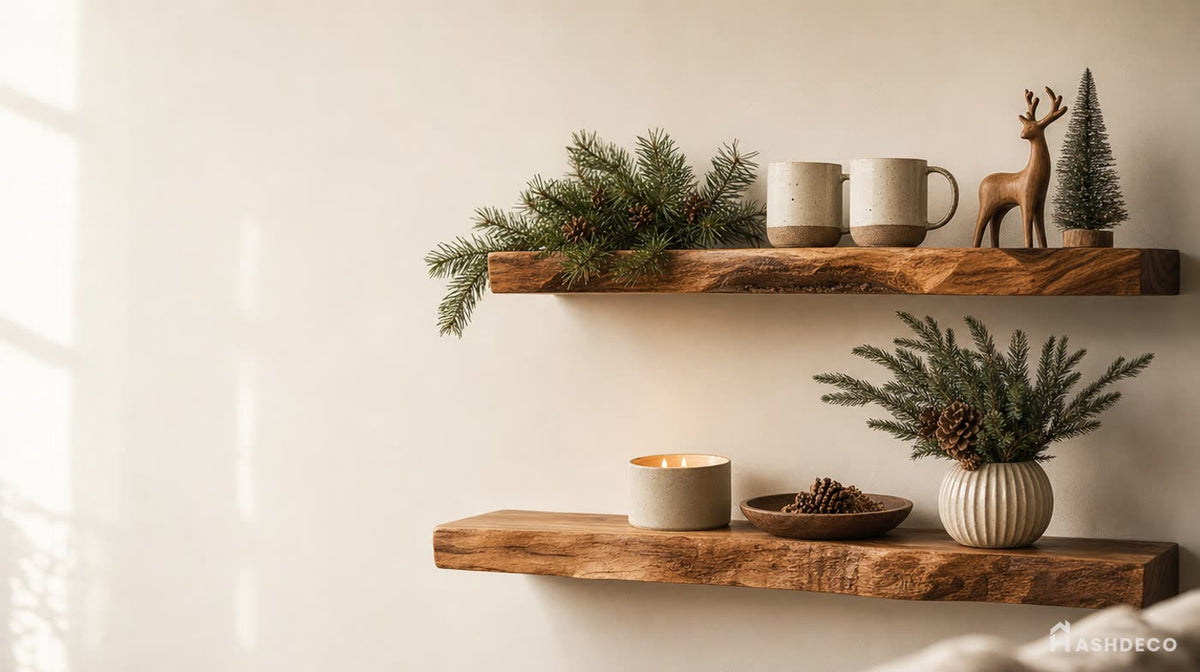


Best Sustainable Wood Options for Coat Racks
Not all wood is equally sustainable. Here's how common coat rack materials compare:
Oak
Oak is abundant, grows in well-managed forests worldwide, and is extremely durable. An oak coat rack will outlast its owner. White oak is naturally resistant to moisture and decay, which means less finish is needed to protect it. It's one of the most sustainable hardwood choices available.
Walnut
Walnut grows slower than oak, so it's less renewable in strict forestry terms. However, walnut trees are widely cultivated (not harvested from old-growth forests), and the wood's extreme durability means each piece serves for decades. The environmental cost per year of use is very low.
Beech
Beech forests regenerate quickly and are common across temperate regions. The wood is hard, strong, and works well for coat racks , especially turned designs with smooth, round profiles. It's one of the most sustainable European hardwoods.
Reclaimed Wood
The gold standard for sustainability: wood that's already been harvested and used, given a second life as furniture. Reclaimed barn wood, salvaged timbers, and repurposed lumber carry zero new environmental cost. The character of aged wood , nail holes, patina, weathering , adds authentic rustic appeal.
What to Avoid
- Tropical hardwoods (unless certified FSC): Teak, mahogany, and rosewood often come from endangered forests
- MDF/particle board: Made with formaldehyde-based adhesives, not biodegradable, off-gasses for years
- Unknown-origin wood: If the seller can't tell you where the wood comes from, assume the worst
The Long-Term Value Argument
Let's talk numbers. A mass-produced coat rack from a big-box store costs $30-60 and lasts 3-5 years before it wobbles, breaks, or looks too worn to keep. Over 20 years, you'll buy 4-6 of them: $120-360 total, plus the hassle of shopping, assembling, and disposing of the old ones.
A handcrafted solid wood coat rack costs $80-200 and lasts 20+ years. Often much longer , solid wood furniture is regularly passed between generations. The per-year cost is lower, the environmental footprint is dramatically smaller, and you never deal with the annoyance of a replacement cycle.
The "expensive" option is actually the cheap one. You just pay for it all at once instead of in installments.

Don't miss
These pieces qualify for 10% off orders over $2,000. Applied automatically at checkout.
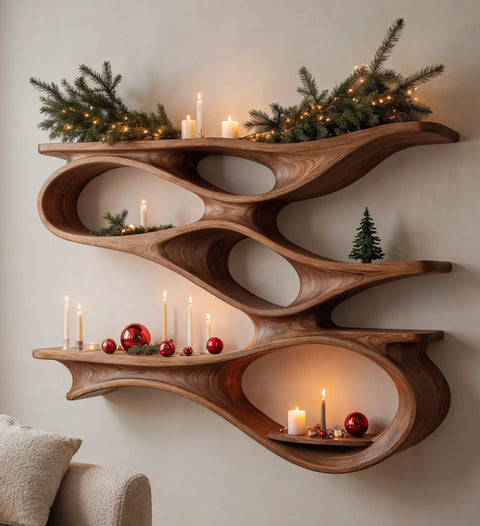
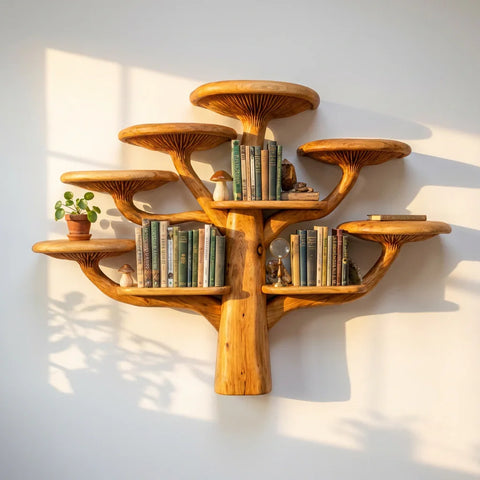
Vietnamese Artisan Craftsmanship: Small Scale, Big Impact
Vietnam has a woodworking tradition that stretches back centuries. Villages specializing in carpentry and wood carving have passed techniques through generations, creating a deep well of skill that factory training can't replicate.
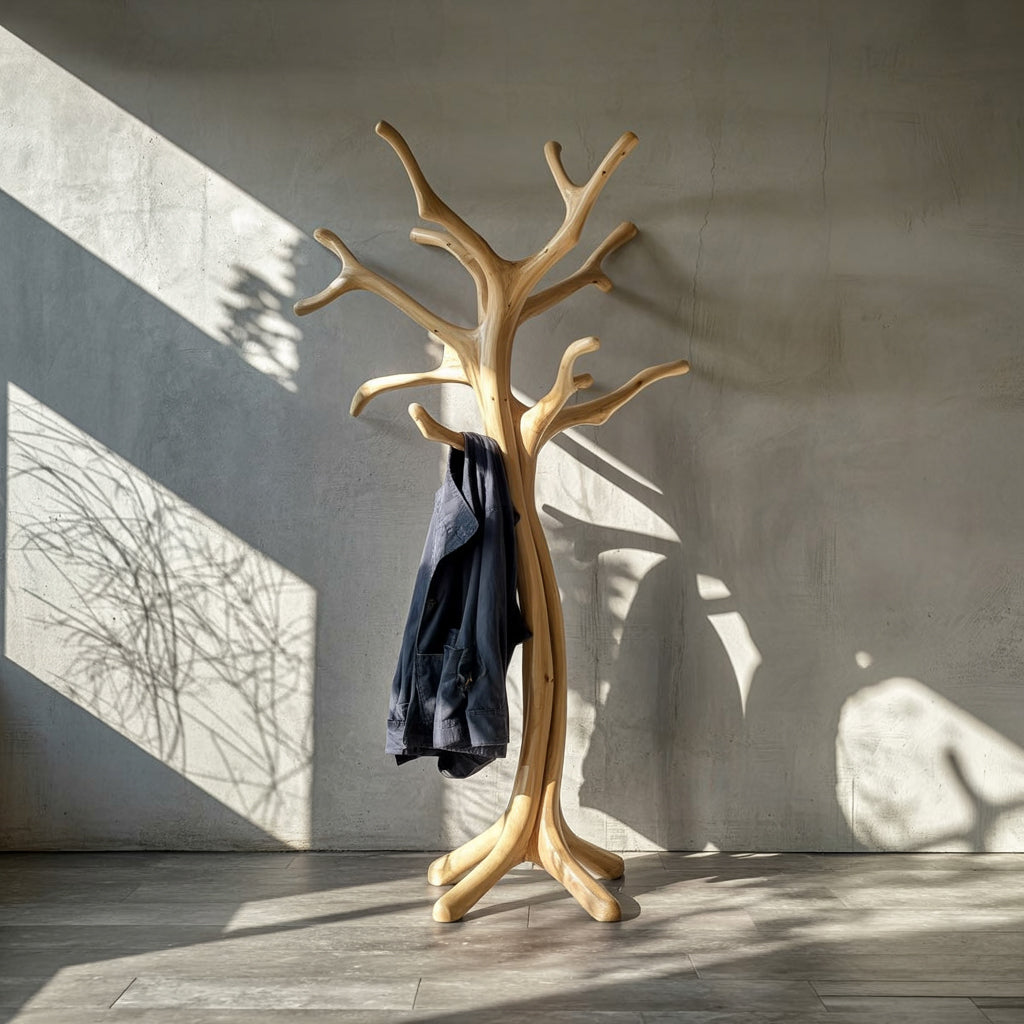
Ashdeco's coat racks come from these workshops. Each piece is made by hand , shaped, sanded, assembled, and finished by artisans who treat the wood as a material worth respecting, a commodity to process as quickly as possible.
The sustainability impact of this approach:
- Less waste: Artisans cut more carefully and use more of each board than automated saws
- Less energy: Hand tools and small power tools consume a fraction of what factory lines use
- Less shipping: Made-to-order production means no warehouse overstock that eventually gets discarded
- More employment: Supporting artisan workshops keeps traditional woodworking skills alive and provides skilled employment in rural communities
When you buy a handcrafted coat rack, you're getting a better product , you're supporting a production model that's inherently more sustainable than industrial manufacturing.
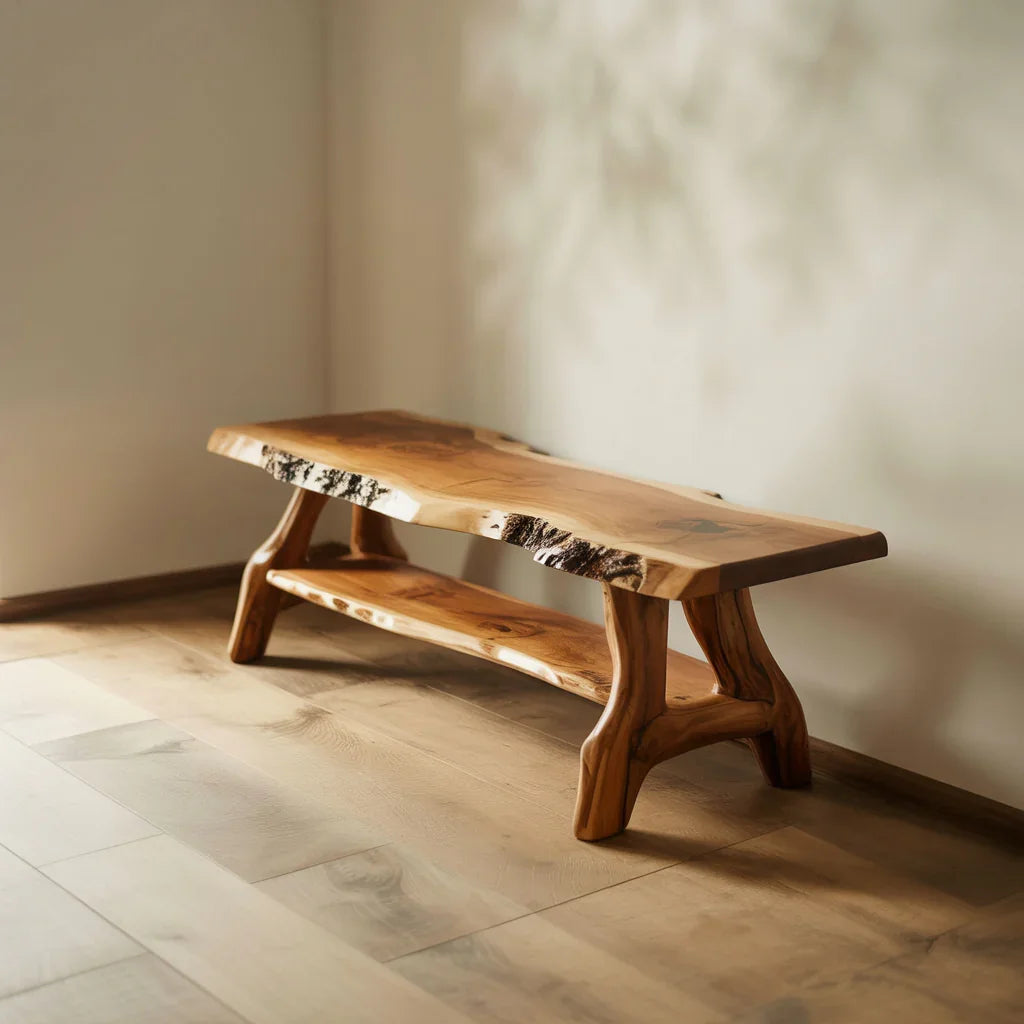
How to Verify Eco Claims When Shopping
Greenwashing is rampant in home furnishings. Here's how to separate real sustainability from marketing:
Ask These Questions:
- "What wood species is this made from?" Vague answers like "natural wood" or "premium wood blend" are warning signs.
- "Where is the wood sourced?" Responsible sellers know their supply chain.
- "Is it solid wood or engineered/composite?" "Wood-look" and "wood-finish" mean it's not real wood.
- "What finish is used?" Look for low-VOC or natural oil finishes.
- "How is it manufactured?" Small workshop vs. large factory tells you a lot about waste and energy use.
Look For:
- FSC or PEFC certification on the wood source
- Specific wood species named ( "wood")
- Artisan or small-batch production claims backed by photos or workshop details
- Natural or low-VOC finish explicitly stated
- Weight , real solid wood pieces are noticeably heavy
Caring for Your Eco-Friendly Coat Rack
Sustainable ownership extends beyond the purchase. Proper care keeps your coat rack functional and beautiful for decades:
- Dust regularly with a soft, dry cloth
- Apply natural oil (tung or linseed) once or twice a year to maintain the finish
- Avoid harsh chemicals , no spray cleaners with ammonia or bleach on natural wood
- Keep away from heat sources , radiators and heating vents dry wood and cause cracking
- Address scratches early , minor scratches often buff out with fine-grit sandpaper and a touch of oil
- Tighten joints periodically , even the best joinery loosens slightly with daily use; a quick check every 6-12 months keeps everything solid
Frequently Asked Questions
What is the most eco-friendly material for a coat rack?
Reclaimed wood is the most sustainable option since it requires no new tree harvesting. For new wood, FSC-certified oak and beech from managed forests are excellent choices. Both are durable, abundant, and have low environmental impact when sourced responsibly.
Are wooden coat racks better for the environment than metal?
Generally yes. Wood is renewable, biodegradable, and requires less energy to process than metal. Mining and smelting metals has a significantly higher carbon footprint than harvesting and shaping wood. The exception: recycled metal coat racks can be very sustainable, though they're less common in the market.
How long does a solid wood coat rack last?
With proper care, 20-50+ years. Solid hardwood furniture routinely lasts generations. The finish may need refreshing every few years, but the structural integrity of properly joined solid wood holds up for decades under daily use.
Is bamboo a sustainable coat rack material?
Bamboo grows quickly and is technically renewable, but the sustainability picture is complicated. Most bamboo furniture is made overseas with energy-intensive processing (laminating thin strips into boards), shipped long distances, and may involve adhesives that off-gas. Solid local hardwood with low-VOC finish is often the more genuinely sustainable choice.
How do I know if a coat rack is really handcrafted?
Look for slight variations between pieces , grain patterns, minor dimensional differences, and hand-finished surfaces. Factory products are perfectly uniform. Also check the seller's story: do they show their workshop? Can they name their artisans? Do they describe their process? Transparency is the best indicator of authenticity.
Does buying handcrafted really make an environmental difference?
Yes. Small-batch production generates less waste per item, uses less energy, and avoids the overproduction problem (factories making thousands of units that may never sell and end up discarded). Handcrafted items are typically made to order, which means zero unsold inventory waste. At scale, this production model is significantly more sustainable.
Choose Sustainability Without Sacrificing Style
Ashdeco's handcrafted coat racks are made from solid wood by Vietnamese artisans , sustainably sourced, hand-finished with low-VOC natural oils, and built to last for decades. Each piece supports traditional craftsmanship and small-scale production that respects both the wood and the people who shape it.