


















Quick view
- Why Wood Choice Matters for Your Mantel
- Quick Comparison Table: 7 Mantel Woods at a Glance
- Best Wood for Fireplace Mantel - Detailed Breakdown
- Working Fireplace vs Decorative: Does It Change Your Wood Choice?
- How to Choose the Right Mantel Wood (Quick Decision Guide)
- Frequently Asked Questions
- Ready to Find Your Mantel?
Shop this guide
Handcrafted Fireplace Shelves, made to order in solid wood.
 Christmas edit
Solid Wood Christmas Live-Edge Fireplace Mantel Shelf
From $750.00
Christmas edit
Solid Wood Christmas Live-Edge Fireplace Mantel Shelf
From $750.00
 Christmas edit
Rustic Wooden Fireplace Mantel – Handcrafted Floating Solid Wood Beam with Live Edge Shelf
From $750.00
Christmas edit
Rustic Wooden Fireplace Mantel – Handcrafted Floating Solid Wood Beam with Live Edge Shelf
From $750.00
 Christmas edit
Sustainable Solid Wood Fireplace Mantel – Floating Shelf & Modern Surround
From $750.00
Christmas edit
Sustainable Solid Wood Fireplace Mantel – Floating Shelf & Modern Surround
From $750.00
 Christmas edit
Solid Wood Live-Edge Fireplace Mantel Shelf
From $750.00
Christmas edit
Solid Wood Live-Edge Fireplace Mantel Shelf
From $750.00
Best Wood for Fireplace Mantel: 7 Types Compared
Your fireplace mantel is usually the first thing people notice when they walk into the room. And the wood you pick doesn't just set the visual tone - it determines whether that mantel looks beautiful for thirty years or starts warping and cracking after two summers.
So what's the best wood for fireplace mantel projects? If you're standing in front of a dozen wood samples trying to figure out whether oak, walnut, pine, teak, or something else is right for your space, this guide will save you hours of confusion. We're breaking down seven of the most popular mantel wood types with real Janka hardness numbers, heat resistance notes, pros and cons, and clear recommendations for every budget and fireplace type.
Let's get into it.

Why Wood Choice Matters for Your Mantel
A fireplace mantel isn't like a bookshelf you can swap out next year. It's a permanent architectural feature. The wood species you choose affects:
- Durability - how well it resists dents, scratches, and everyday wear
- Dimensional stability - whether it warps, twists, or cracks over time (especially important near heat sources)
- Aesthetic longevity - does the grain and color age gracefully, or does it look dated in five years?
- Finish compatibility - how the wood takes stain, oil, or clear coat
- Heat behavior - some woods handle radiant heat from working fireplaces better than others
Getting it wrong means replacing a heavy, expensive installation. Getting it right means a piece your grandkids will still admire.
Quick Comparison Table: 7 Mantel Woods at a Glance
| Wood Type | Janka Hardness | Heat Resistance | Best For | Price Range |
|---|---|---|---|---|
| White Oak | 1,360 | Excellent | All-around, working fireplaces | $$ |
| Walnut | 1,010 | Good | Luxury, modern spaces | $$$ |
| Teak | 1,000–1,200 | Excellent | Tropical, sustainable builds | $$$ |
| Maple | 1,450 | Good | Clean, painted, modern looks | $$ |
| Pine | 380–420 | Fair | Budget, decorative fireplaces | $ |
| Alder | 590 | Fair | Budget hardwood alternative | $–$$ |
| Reclaimed Wood | Varies | Depends on species | Rustic, character-rich spaces | $$–$$$ |
Janka hardness measures resistance to denting and wear. Higher numbers = tougher wood. For reference, a working fireplace mantel should ideally be 1,000+ Janka.



Best Wood for Fireplace Mantel - Detailed Breakdown
White Oak - The All-Around Champion
White oak is the default recommendation for a reason. With a Janka rating of 1,360, it's tough enough to shrug off everyday bumps, scratches, and the occasional dropped remote. But what really sets it apart is dimensional stability - white oak resists warping and cupping better than almost any other common mantel wood.
The grain is prominent but not overwhelming, with those signature ray flecks that give white oak its distinctive character. It takes stain beautifully, so you can go light and airy or deep and rich depending on your room. And it's compatible with virtually every design style from farmhouse to modern.
Pros: Exceptional durability, warp-resistant, timeless grain, excellent stain uptake, works with any interior style
Cons: Grain can feel too traditional for ultra-minimalist spaces, mid-range pricing (not the cheapest)
Best for: Working fireplaces, floating mantel shelves, homeowners who want a one-and-done choice
Walnut - Premium Luxury Look
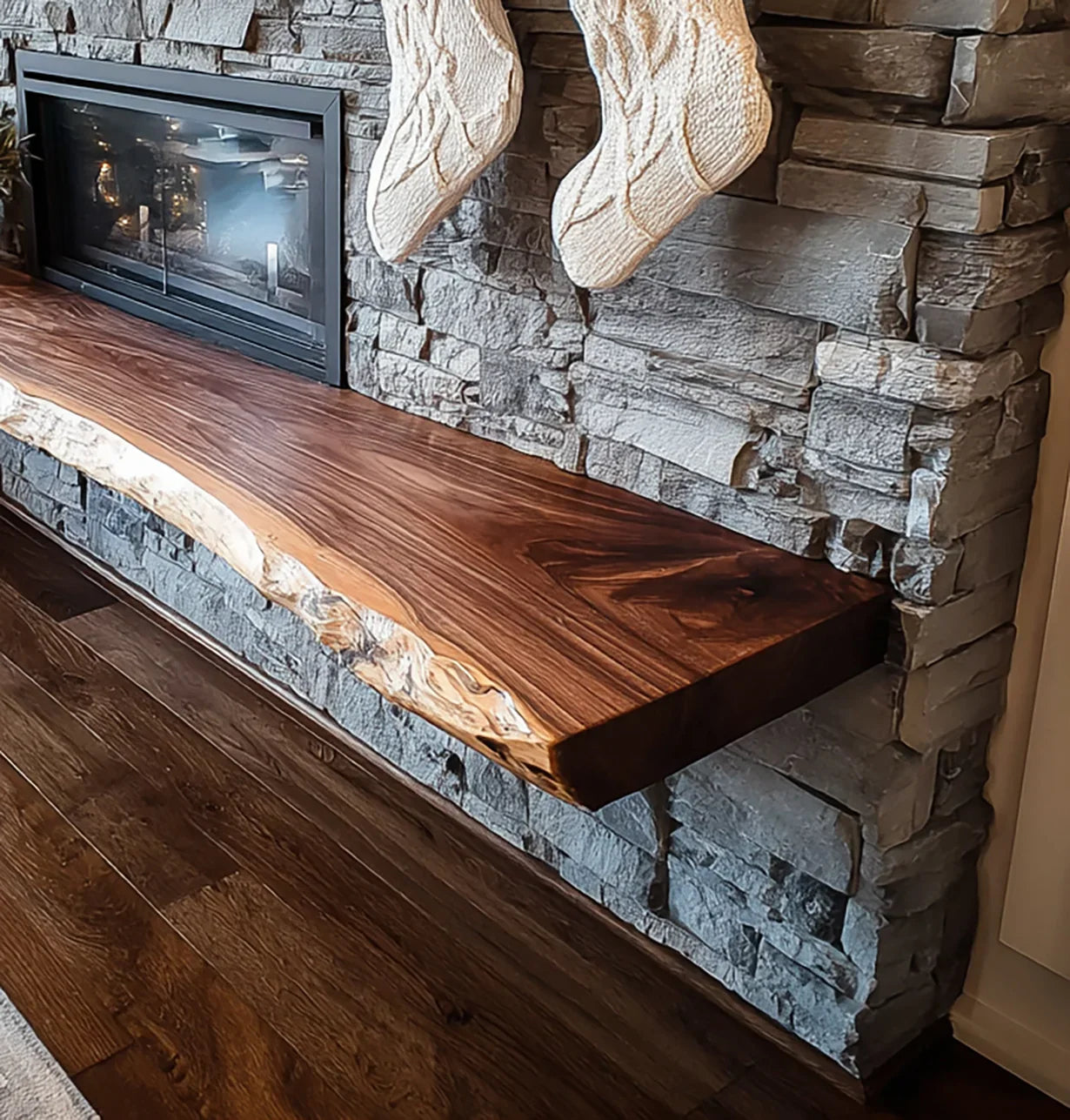
If white oak is the reliable sedan, walnut is the sports car. Its deep chocolate-brown heartwood and striking grain pattern create an instant high-end feel that few other woods can match. At 1,010 on the Janka scale, it's still a solid hardwood - durable enough for daily use, though not as dent-resistant as oak or maple.
Walnut is having a serious moment in interior design right now. The rich, dark tones pair beautifully with white or light walls, and the natural lustrous finish means you often don't need stain at all. A clear oil or wax brings out the depth beautifully.
Pros: Stunning dark tones, luxurious appearance, unique grain patterns, naturally beautiful with minimal finishing
Cons: More expensive than oak, softer surface shows dents more readily, can look too formal for casual spaces
Best for: Luxury homes, modern interiors, statement fireplaces, design-forward spaces
If walnut is your style, Ashdeco's handcrafted solid wood fireplace mantel is available in walnut and built by Vietnamese artisans using 18-month seasoned timber - each piece has completely unique grain that you approve before production.

Teak - Ashdeco's Signature Choice
Teak doesn't show up on most "best mantel wood" lists in the US market, and that's a genuine oversight. With a Janka range of 1,000–1,200, teak sits comfortably in the hardwood zone. But its real superpower is natural oil content - teak contains silica and natural oils that make it incredibly resistant to moisture, rot, and insect damage.
For fireplace mantels, this translates to outstanding dimensional stability. Teak moves very little with humidity changes, which is exactly what you want above a heat source. The golden-brown color ages to a silvery patina if left unfinished, or holds warm amber tones with a light oil application.
At Ashdeco, teak is a primary material. Every piece goes through 18 months of outdoor seasoning followed by kiln-drying - a process that brings the wood to optimal moisture content and virtually eliminates future warping. The result is a mantel that stays flat and beautiful for decades.
Pros: Superior moisture resistance, excellent stability, naturally beautiful color, sustainable sourcing through Vietnamese artisans, ages gracefully
Cons: Less common in US market (harder to source locally), premium pricing, oil content can make some finishes tricky
Best for: Sustainable builds, humid climates, homeowners who value natural wood character, tropical and coastal interiors
Explore Ashdeco's live edge mantel shelves to see teak and walnut options with natural edge character.
Maple - Clean & Ultra-Durable
Maple is the hardest wood on this list at 1,450 Janka. If your priority is a mantel that will never dent, never scratch, and never show wear - maple is your answer. The grain is fine and subtle, sometimes so smooth that it reads almost uniform from a distance.
That subtle grain is both maple's strength and its limitation. It takes paint flawlessly, making it the top choice for painted mantels. But if you want dramatic wood grain as a design feature, maple will disappoint - the figure is quiet, not bold.
Pros: Hardest wood on this list, takes paint beautifully, clean modern aesthetic, extremely long lifespan
Cons: Grain pattern is subtle (not ideal if you want visible wood character), can blotch with dark stain, limited natural warmth
Best for: Painted mantels, modern/Scandinavian interiors, high-traffic areas where dent resistance matters most
Pine - Budget-Friendly Rustic Charm
Pine is the softwood entry on this list, and it shows - 380 to 420 on the Janka scale means it dents and scratches with minimal effort. But that softness comes with a trade-off: pine is significantly cheaper than hardwoods, and its light, warm tone carries a rustic charm that's hard to replicate.
For decorative (non-working) fireplaces, pine is a perfectly solid choice. It stains well if you want a darker look, and the natural knots and grain variations give it a cozy, lived-in feel. Just don't expect it to survive a busy household with kids and pets without showing some battle scars.
Pros: Most affordable option, warm light color, rustic character, easy to stain, widely available
Cons: Very soft (dents easily), not ideal for working fireplaces, grain can look plain, may yellow over time
Best for: Budget projects, decorative fireplaces, DIY builds, farmhouse/cabin aesthetics
Alder - The Budget Hardwood Alternative
Alder occupies a useful middle ground. At 590 Janka, it's harder than pine but softer than oak or maple. Its real strength is stain uniformity - alder absorbs stain evenly and consistently, making it a popular budget substitute for cherry or walnut when you want rich dark tones without the hardwood price tag.
The natural color is warm and light, similar to pine but with a slightly tighter grain. It finishes smoothly and works well in both traditional and transitional spaces. For homeowners on a budget who still want real hardwood, alder is worth serious consideration.
Pros: Takes stain evenly, warm natural tones, true hardwood at a budget price, good workability
Cons: Softer than oak/maple, less distinctive grain pattern, limited availability in some regions
Best for: Budget-conscious buyers wanting hardwood, stained dark mantels, transitional interiors
Reclaimed Wood - Full of Character
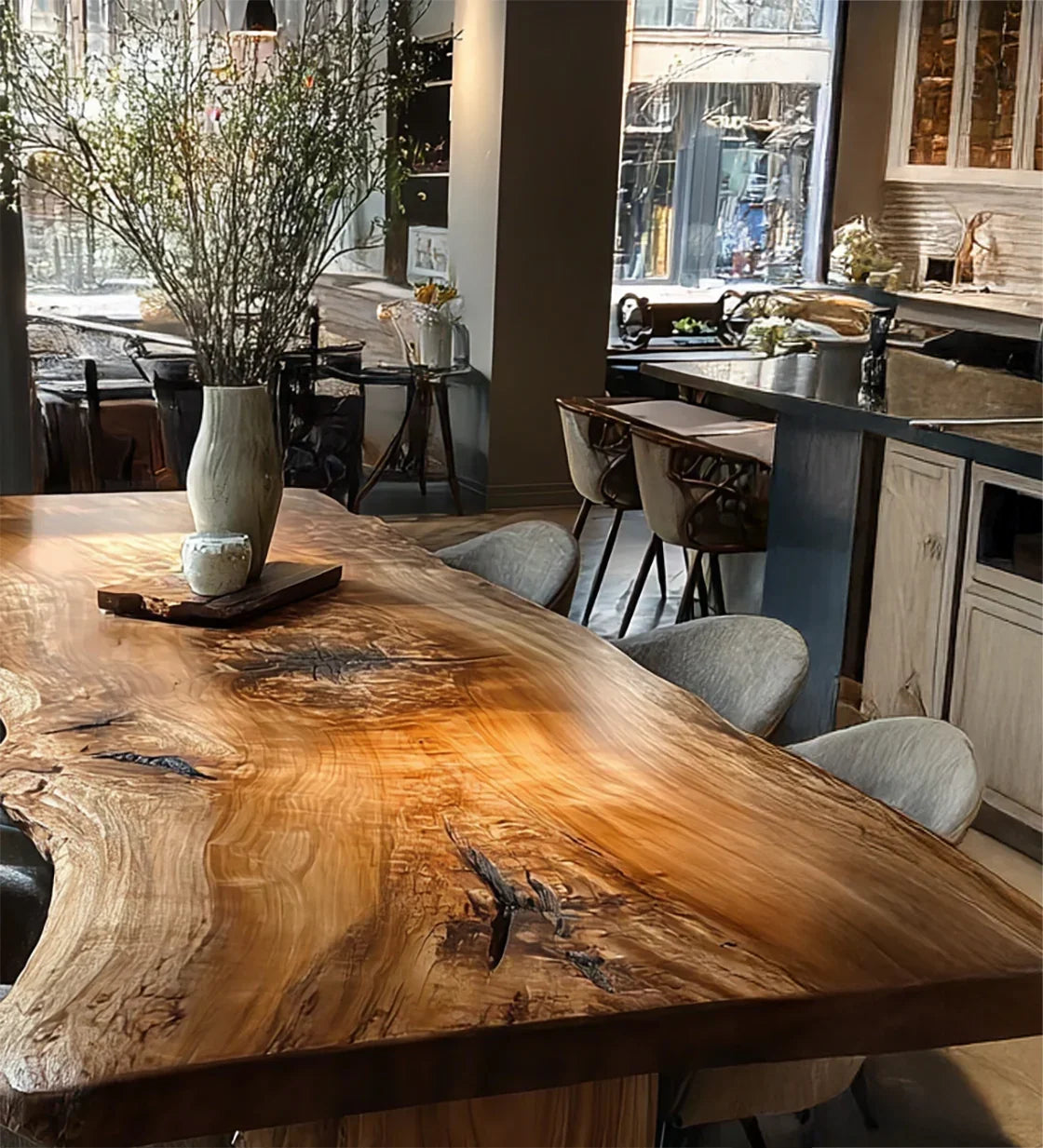
Reclaimed wood isn't a species - it's a sourcing method. You can find reclaimed oak, pine, chestnut, and more. What makes it special is the story: century-old barn beams, factory flooring, or salvaged structural timber, each carrying weathered patina, saw marks, nail holes, and natural aging that no new lumber can replicate.
For mantels, reclaimed wood creates an instantly warm, lived-in atmosphere. The character marks tell a visual story that resonates deeply in farmhouse, industrial, and rustic interiors. But quality varies enormously - improperly dried or treated reclaimed wood can harbor pests, contain lead paint residue, or continue moving after installation.
At Ashdeco, reclaimed wood goes through 18 months of outdoor seasoning plus kiln-drying before it ever reaches the workshop. This ensures the wood is stable, clean, and safe for indoor use. If you're interested in the reclaimed look but want the confidence of professional processing, this matters.
Pros: Unique character and history, eco-friendly, warm rustic aesthetic, each piece is one-of-a-kind
Cons: Quality varies by source, may contain imperfections (knots, holes, uneven surfaces), requires proper drying/treatment
Best for: Farmhouse and rustic interiors, eco-conscious buyers, homeowners who want a conversation piece
Browse rustic floating shelves at Ashdeco for reclaimed and live-edge wood options with natural character.

Working Fireplace vs Decorative: Does It Change Your Wood Choice?
Yes - and this is the question most wood comparison guides skip entirely.
If your fireplace burns real wood or gas, the mantel sits above a consistent heat source. Even with proper clearance (typically 6–12 inches above the firebox, depending on local code), radiant heat will dry out the wood over time. Softer woods with lower Janka ratings - especially pine - are more likely to crack, warp, or develop checks in this environment.
For working fireplaces: Stick to hardwoods with 1,000+ Janka - white oak, walnut, teak, or maple. These species have the density and stability to handle thermal cycling without significant movement.
For decorative (electric or non-working) fireplaces: Your options widen considerably. Pine, alder, and even some reclaimed softwoods work perfectly well since there's no meaningful heat exposure. Focus on aesthetics and budget instead.
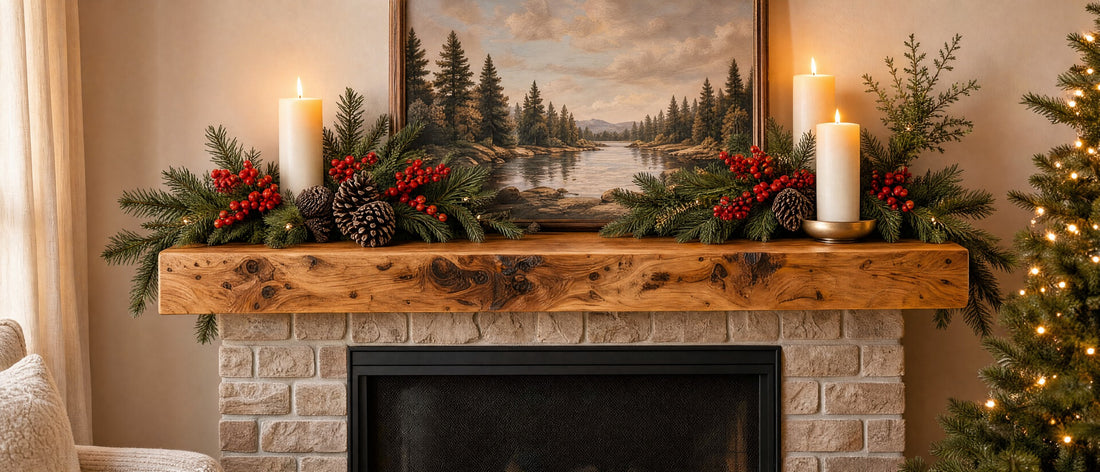
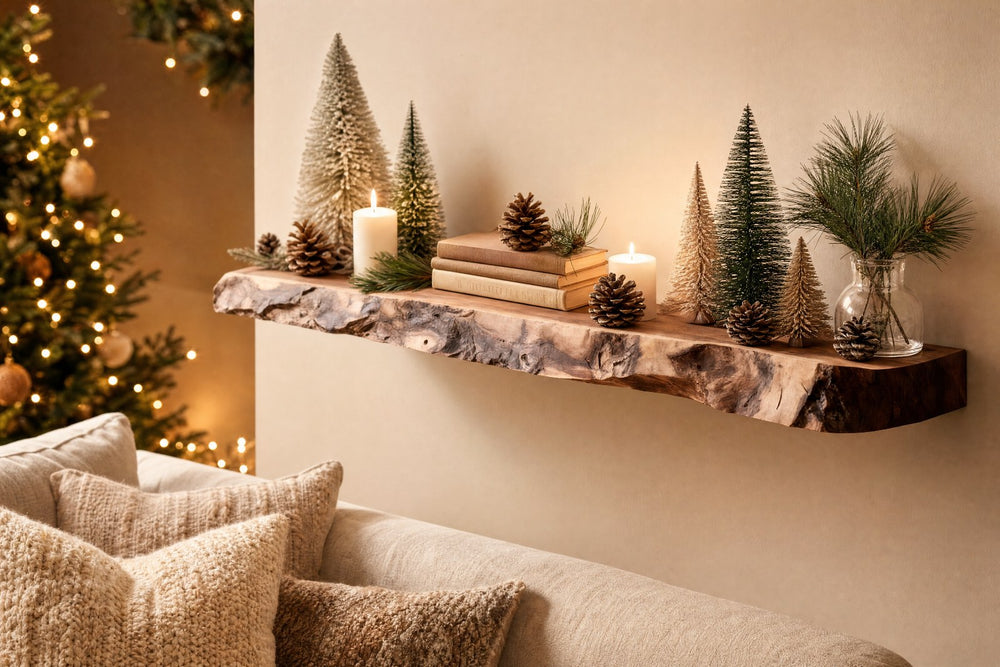
If you're using your mantel as a display surface for photos, candles, or seasonal decor - which most people do - you'll also want a wood that's wide enough and strong enough to handle weight. Ashdeco's mantel shelves come in 48" to 72" lengths and are mounted with concealed hardware that handles significant load when properly anchored.

How to Choose the Right Mantel Wood (Quick Decision Guide)
Still not sure? Here's a fast decision tree:
- "I want the safest all-around choice." → White oak. You won't regret it.
- "I want it to look expensive." → Walnut. The dark tones speak for themselves.
- "I care about sustainability and unique grain." → Teak from Ashdeco's Vietnamese artisan collection.
- "I want to paint it." → Maple. Smoothest finish, zero grain telegraphing.
- "I'm on a tight budget." → Pine for decorative fireplaces, alder if you want actual hardwood.
- "I want character and a story." → Reclaimed wood, properly seasoned and kiln-dried.
- "My fireplace actually burns wood." → White oak, teak, or walnut. Skip pine.
Need help narrowing it down? Ashdeco offers a complimentary 30-minute design consultation with a senior designer who can walk you through wood samples, sizing, and mounting options for your specific fireplace.

Found your wood? Find your mantel.
Ashdeco's sustainable solid wood fireplace mantel combines artisan craftsmanship with an 18-month seasoning and kiln-drying process - built to be an heirloom, not fast furniture.
Shop the Fireplace Mantel →Frequently Asked Questions
What is the hardest wood for a mantel?
Maple tops the list at 1,450 on the Janka hardness scale, followed by white oak at 1,360. Both are excellent choices for high-traffic areas or homes with kids and pets. However, hardness isn't everything - walnut at 1,010 is still a hardwood and offers superior aesthetics for many buyers.
Can you use pine above a working fireplace?
Technically yes, but it's not recommended. Pine's low Janka rating (380–420) and high resin content make it prone to drying, cracking, and warping when exposed to repeated heat cycles. If you love the pine aesthetic for a working fireplace, consider a hardwood stained to a similar light tone instead - alder or white oak can approximate the look with far better durability.
Is reclaimed wood safe for a fireplace mantel?
Reclaimed wood is safe when properly processed. The key is professional drying (kiln-drying eliminates pests and reduces moisture to safe levels) and cleaning (removing old nails, lead paint residue, and contaminants). Ashdeco's 18-month outdoor seasoning plus kiln-drying protocol ensures reclaimed and new wood alike meet indoor safety standards. Always verify your supplier's drying and treatment process before purchasing reclaimed mantels.
What wood does Ashdeco use?
Ashdeco specializes in solid teak and walnut, handcrafted by Vietnamese artisans. Every piece undergoes 18 months of outdoor seasoning followed by kiln-drying to achieve optimal moisture stability. The wood is sustainably sourced, and each mantel is made to order - you receive actual photos of your specific piece for approval before production begins. Check out the live edge mantel collection to see current options.
Ready to Find Your Mantel?
The best wood for your fireplace mantel depends on your priorities - durability, aesthetics, budget, or sustainability. But no matter which species you lean toward, the difference between a mantel that lasts decades and one that disappoints usually comes down to two things: wood quality and proper drying.
Ashdeco's sustainable solid wood fireplace mantel combines artisan craftsmanship with a rigorous 18-month seasoning and kiln-drying process, giving you a piece that's built to be an heirloom - not fast furniture. Starting at $750 with a 20+ year expected lifespan, it's an investment that pays for itself in daily beauty.
Want to explore more? Browse live edge mantel shelves or get inspired with floating shelves ideas and staggered floating shelves layouts for the rest of your space.