Quick view
- Quick Answer: The Top 5 Woods for Nightstands
- White Oak: The Gold Standard for Nightstands
- Hard Maple: Built Like a Tank
- Black Walnut: The Luxury Pick
- Red Oak: The Workhorse Hardwood
- Cherry: The Elegant Classic
- Woods to Avoid for Nightstands
- How to Choose the Right Wood for Your Nightstand
- Frequently Asked Questions
Shop this guide
Handcrafted End Tables, made to order in solid wood.
 Blooming Magnolia Branch Silhouette Accent Side Table in Handcrafted Solid Wood
From $1,298.00
Blooming Magnolia Branch Silhouette Accent Side Table in Handcrafted Solid Wood
From $1,298.00
 Hand-Carved 3-Tier Flower Petal End Table | Tree Trunk Base
From $1,246.00
Hand-Carved 3-Tier Flower Petal End Table | Tree Trunk Base
From $1,246.00
 Magnolia Flower Branch End Table - Hand-Carved Solid Wood Sculptural Accent Table
From $1,876.00
Magnolia Flower Branch End Table - Hand-Carved Solid Wood Sculptural Accent Table
From $1,876.00
 Sculptural S-Shaped Solid Wood End Table & Multi-Tier Accent Shelf
From $1,356.00
Sculptural S-Shaped Solid Wood End Table & Multi-Tier Accent Shelf
From $1,356.00
 Sculptural Hand-Carved Solid Wood Spiral End Table & Side Table
From $1,856.00
Sculptural Hand-Carved Solid Wood Spiral End Table & Side Table
From $1,856.00
 Christmas edit
Hand-Carved Solid Wood Sphere End Table
From $1,245.00
Christmas edit
Hand-Carved Solid Wood Sphere End Table
From $1,245.00
Choosing the best wood nightstand comes down to three factors: durability, aesthetics, and budget. The wood for nightstand construction determines whether your bedside table lasts 3 years or 30 - and whether it looks better or worse with age.
After analyzing top-selling nightstands, furniture maker specs, and real customer reviews, here's the definitive breakdown of every wood species you'll encounter when shopping. Want the deep-dive on solid wood construction specifically - joinery, finishes, what separates a $300 nightstand from a $1,200 one? See our complete solid wood nightstand guide.

Handcrafted Solid Wood Nightstands
Ashdeco's nightstands are handcrafted from solid hardwood - acacia, walnut, teak, and reclaimed wood - by Vietnamese artisans. No MDF, no veneer, no flat-pack assembly. 32 unique designs, each piece one-of-a-kind.
Shop the Nightstand CollectionQuick Answer: The Top 5 Woods for Nightstands
- White Oak - Best overall: exceptional durability (Janka 1,360), water-resistant, beautiful ray fleck grain
- Hard Maple - Most durable (Janka 1,450), clean modern look, takes paint beautifully
- Black Walnut - Premium choice: rich chocolate tones, sophisticated grain, luxury feel
- Red Oak - Best value solid hardwood, prominent grain, widely available
- Cherry - Classic elegance, warm aging patina, smooth fine grain
White Oak: The Gold Standard for Nightstands
White oak has been the benchmark for quality furniture for centuries, and for good reason. With a Janka hardness of 1,360 lbf, it resists dents from dropped phones, books, and jewelry. But its real superpower is water resistance.
White oak's cellular structure contains tyloses - natural plugs that block the wood's pores. This means a spilled glass of water on your nightstand won't soak in and leave a permanent stain the way it would on red oak or pine.
What to Look For
- Quarter-sawn white oak displays the iconic ray fleck (medullary ray) pattern - the silver streaks that define Arts & Crafts and Craftsman furniture
- Rift-sawn offers straight, minimal grain for a modern aesthetic
- Plain-sawn shows dramatic cathedral grain at a lower cost
Price Range
Expect to pay $300–$800 for a quality solid white oak nightstand with dovetail drawer construction.


Hard Maple: Built Like a Tank
If durability is your #1 priority, hard maple (also called sugar maple) is the undisputed champion. At 1,450 on the Janka scale, it's the hardest commonly used furniture wood in North America - harder than white oak, red oak, and walnut.
Where Maple Shines
- High-traffic bedrooms: Kids' rooms, shared bedrooms, or anyone who tends to drop things
- Painted finishes: Maple's tight, uniform grain provides a flawlessly smooth base for paint
- Modern/minimalist designs: The light, creamy color works perfectly in contemporary spaces
The Trade-Off
Maple can be stubborn to stain evenly - it tends to blotch. Most maple nightstands are sold natural, clear-coated, or painted. If you want a dark-stained nightstand, walnut or oak is a better choice.
Black Walnut: The Luxury Pick
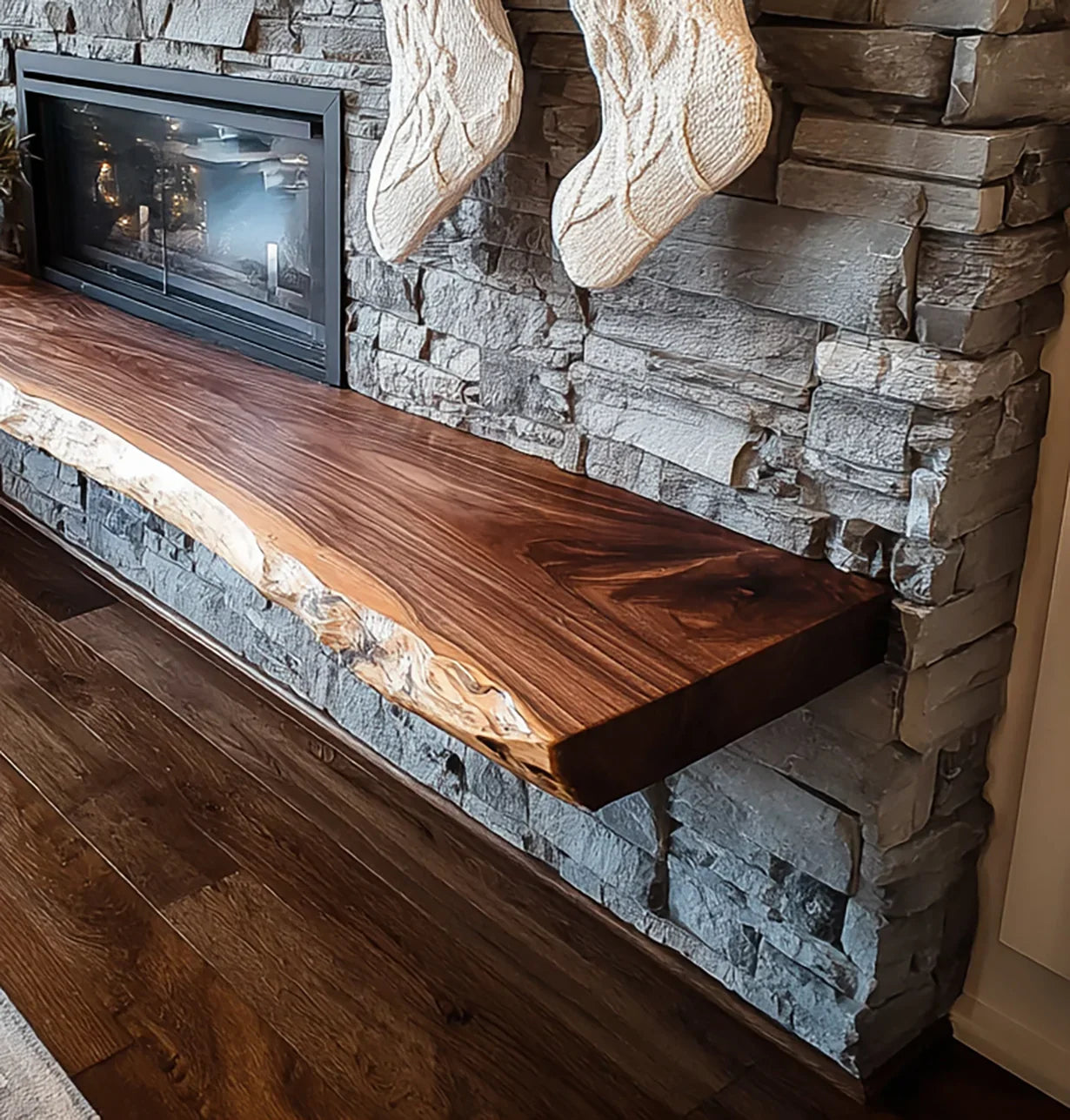
Black walnut is the wood of choice for premium furniture makers. Its deep chocolate-to-purple-brown tones require no stain - just a clear oil finish to make the grain pop. A best wood nightstand in walnut reads as instantly expensive.
Why Walnut Costs More
Walnut trees take 50–80 years to reach furniture-grade size. The limited supply and slow growth rate push prices 30–50% above oak. But if you want a statement piece that anchors a master bedroom, nothing beats walnut's natural richness.
Durability Note
At 1,010 Janka, walnut is softer than oak and maple. It will dent more easily. This isn't necessarily a flaw - many walnut owners appreciate the gentle patina that develops over time, similar to how leather develops character marks.
See Ashdeco's walnut nightstand collection for handcrafted examples in this species.
Red Oak: The Workhorse Hardwood
Red oak is the most widely available hardwood in North America, which means competitive pricing and abundant selection. At 1,290 Janka, it's plenty durable for nightstand use.
Red Oak vs. White Oak for Nightstands
| Feature | Red Oak | White Oak |
|---|---|---|
| Janka Hardness | 1,290 | 1,360 |
| Grain Pattern | More pronounced, open | Tighter, ray fleck available |
| Water Resistance | Moderate (open pores) | Excellent (tylose-filled pores) |
| Price | $$ | $$$ |
| Stain Acceptance | Excellent | Very Good |
Red oak is the smarter choice if you want a stained nightstand (it takes stain very evenly) or need to keep costs down. White oak wins if you want the natural wood look or worry about moisture.
Cherry: The Elegant Classic
Cherry wood is prized for its smooth, fine grain and its unique aging characteristic: it darkens naturally from a light pinkish-brown to a rich amber-red over 1–3 years of light exposure. This living quality makes each piece truly one-of-a-kind.
Considerations
- Color change is permanent: If you buy matching cherry nightstands and one sits in direct sunlight while the other is shaded, they will develop different tones over time
- Softer than oak: At 995 Janka, cherry dents more easily. Fine for careful use, but not ideal for a child's room
- Premium price: Cherry typically costs 20–40% more than red oak

Woods to Avoid for Nightstands
Not every wood sold as "nightstand material" actually deserves the label:
Pine and Other Softwoods (Janka 380–600)
Pine nightstands are cheap (often under $100) and look rustic. But a fingernail pressed firmly into pine will leave a visible dent. If your nightstand will hold keys, jewelry, or anything harder than cotton, pine will show marks within months.
MDF and Particleboard with Veneer
These aren't really "wood" at all - they're compressed wood fibers glued together with a thin decorative surface. The problem isn't appearance (good veneer can look convincing); it's that:
- Edges chip and expose the raw core
- Humidity causes irreversible swelling
- Screw holes strip out after a few reassemblies
- There's zero refinishing potential
How to Choose the Right Wood for Your Nightstand
Match the wood to your specific needs:
| Priority | Best Wood Choice |
|---|---|
| Maximum durability | Hard Maple (1,450 Janka) |
| Water resistance | White Oak (tylose-sealed pores) |
| Luxury appearance | Black Walnut (natural dark tones) |
| Budget solid hardwood | Red Oak (widely available, affordable) |
| Warm aging character | Cherry (darkens beautifully over time) |
| Modern light aesthetic | Hard Maple or Ash |
| Traditional grain pattern | White Oak or Red Oak |
Prefer to browse finished pieces rather than raw species? Ashdeco's nightstand collection spans live edge, driftwood, tree branch, and modern carved styles - all handcrafted from solid acacia, walnut, teak, or reclaimed hardwood rather than the veneer-over-MDF construction common at big-box retailers.
Frequently Asked Questions
What is the absolute best wood for a nightstand?
White oak offers the best balance of durability, water resistance, aesthetics, and value. If budget is no concern, black walnut provides unmatched visual luxury. If pure hardness matters most, hard maple tops the Janka scale.
Is MDF OK for a nightstand?
For a rarely-used guest room, maybe. For daily bedroom use, no. MDF nightstands swell when exposed to moisture, can't be refinished, and typically fail within 5–10 years. A solid hardwood nightstand is a one-time purchase that outlasts several MDF replacements.
Can I mix different wood types for matching bedroom furniture?
You can, but it requires careful design sense. Oak + walnut is a popular combination (warm tones complement each other). Maple + cherry is trickier due to color differences. The safest approach is choosing one primary wood and using a contrasting species only for accents (drawer pulls, inlay).
Does the wood type affect nightstand weight?
Yes, and the direction surprises people. Black walnut is actually one of the lighter common furniture hardwoods, at roughly 38 lbs/ft³ density. Red oak and hard maple both run denser, around 44–48 lbs/ft³. So a solid walnut nightstand typically weighs less than an equivalent oak or maple piece of the same dimensions - one more reason walnut furniture is easier to move despite feeling so substantial in the hand.
Ready to see these species in finished furniture? Browse Ashdeco's handcrafted nightstand collection, or read the complete solid wood nightstand guide for sizing, styles, and what to put on top.