

















Quick view
Shop this guide
Handcrafted Trending, made to order in solid wood.
 Christmas edit
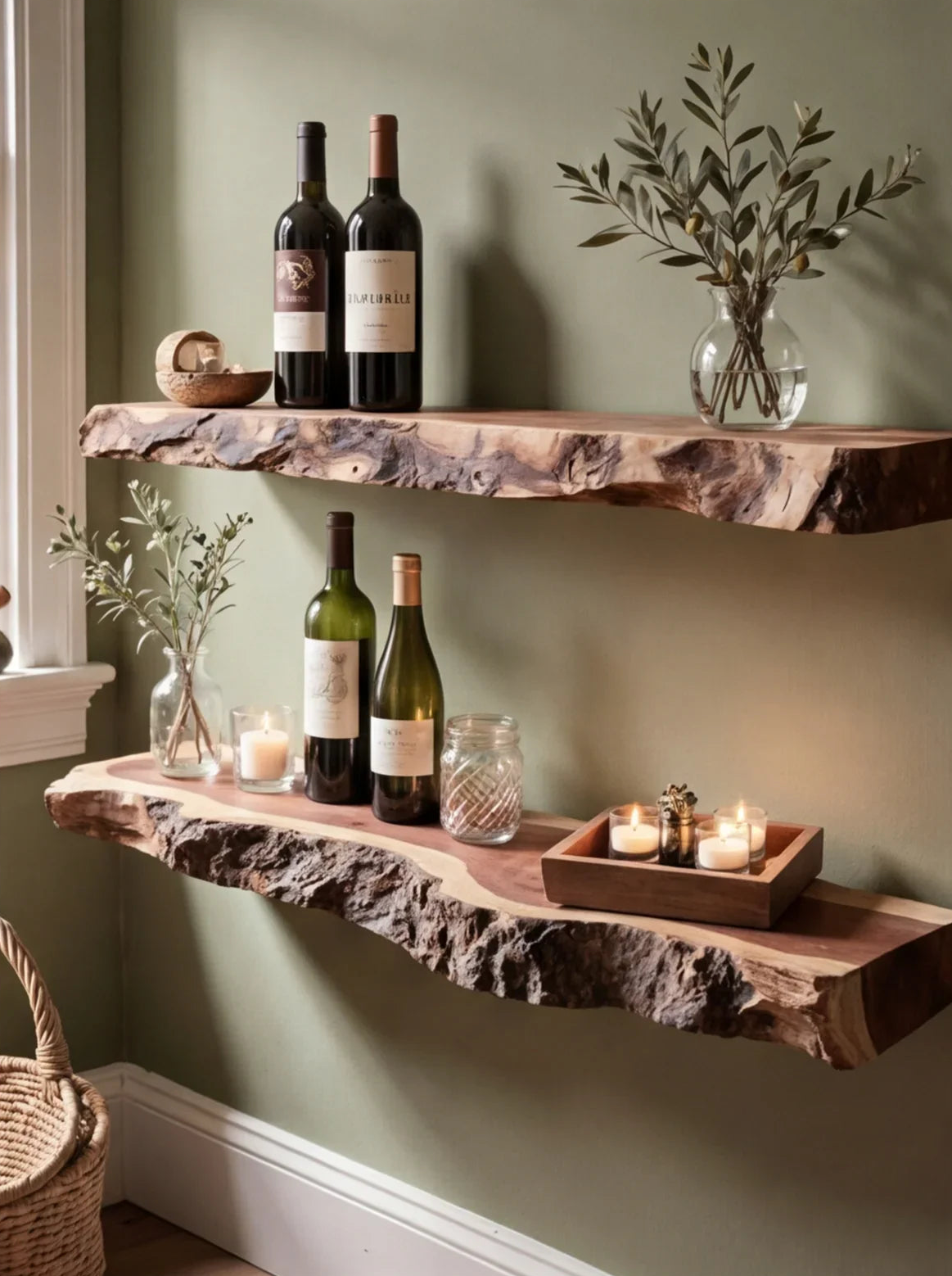
Handcrafted Live Edge Floating Bar Shelf – Rustic Solid Wood Wall Shelf for Kitchen or Bar
From $167.00
Christmas edit
Handcrafted Live Edge Floating Bar Shelf – Rustic Solid Wood Wall Shelf for Kitchen or Bar
From $167.00
 Christmas edit
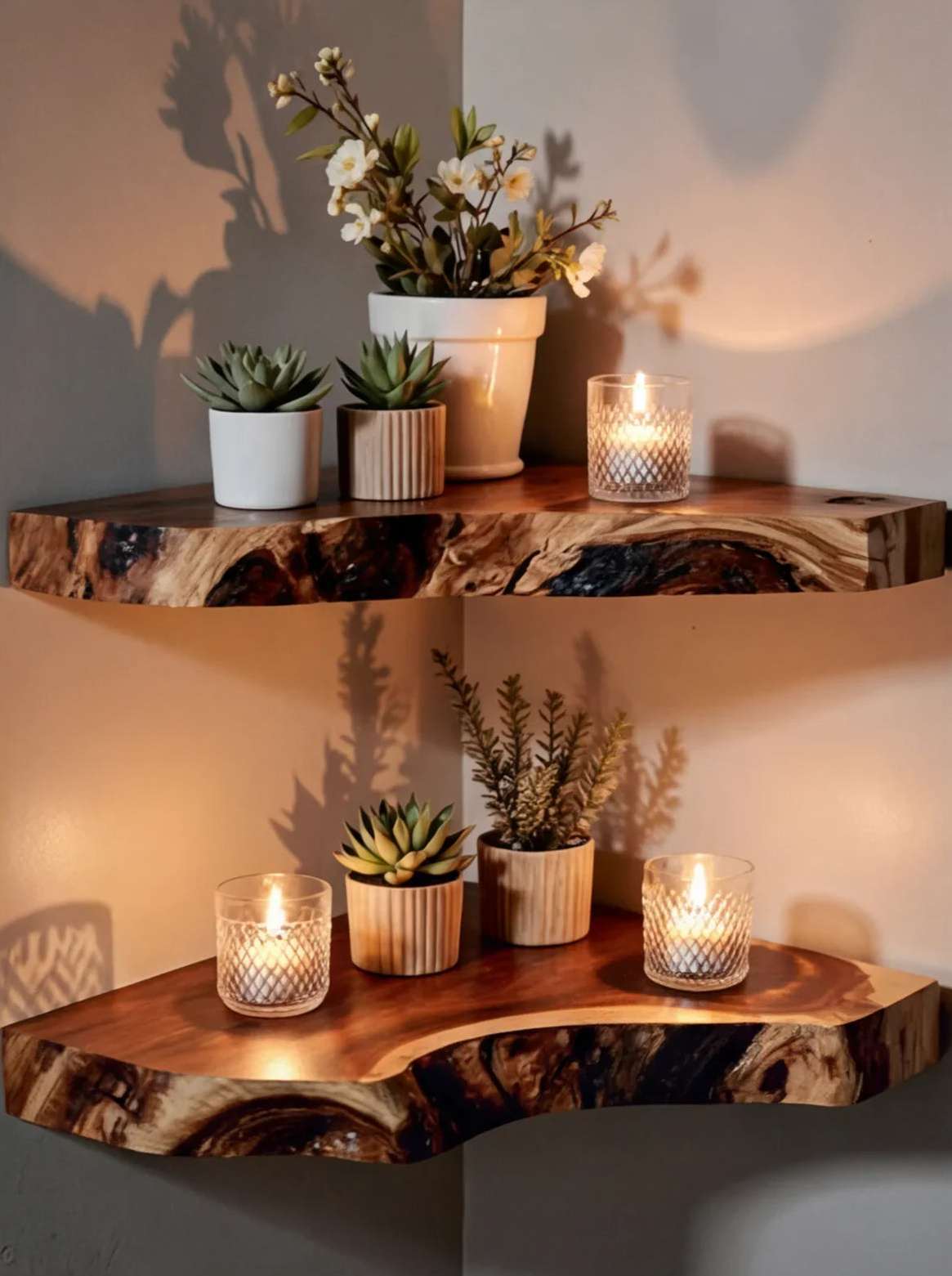
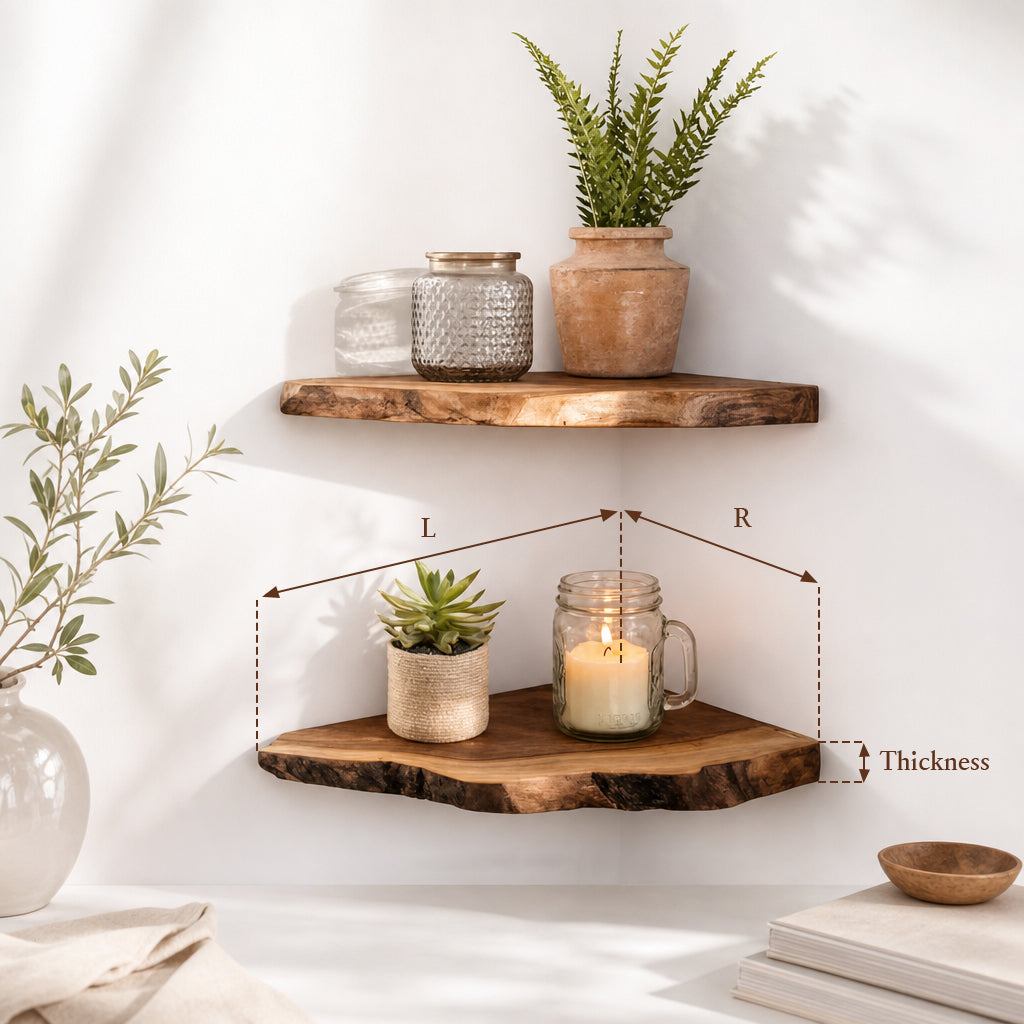
Rustic Corner Wall Shelf – Natural Live Edge Wood Floating Shelf for Candles and Plants
From $176.00
Christmas edit
Rustic Corner Wall Shelf – Natural Live Edge Wood Floating Shelf for Candles and Plants
From $176.00
 Christmas edit
Rustic Live Edge Floating Vanity – Handmade Wooden Bathroom Shelf with Brackets
From $180.00
Christmas edit
Rustic Live Edge Floating Vanity – Handmade Wooden Bathroom Shelf with Brackets
From $180.00
 Christmas edit
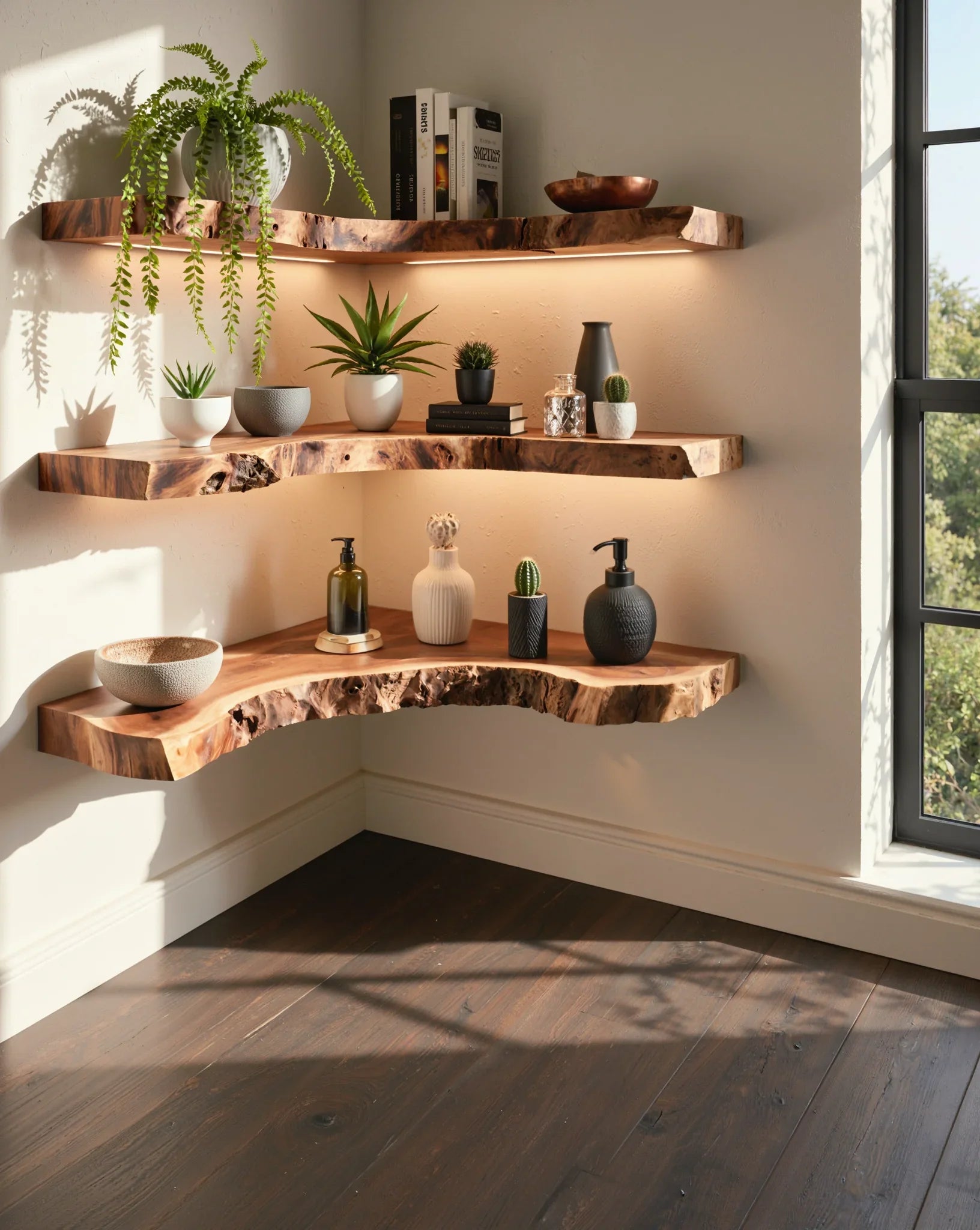
Rustic Teak Root Wood Corner Shelf - Floating Corner Shelf Decor
From $176.00
Christmas edit
Rustic Teak Root Wood Corner Shelf - Floating Corner Shelf Decor
From $176.00
 Christmas edit
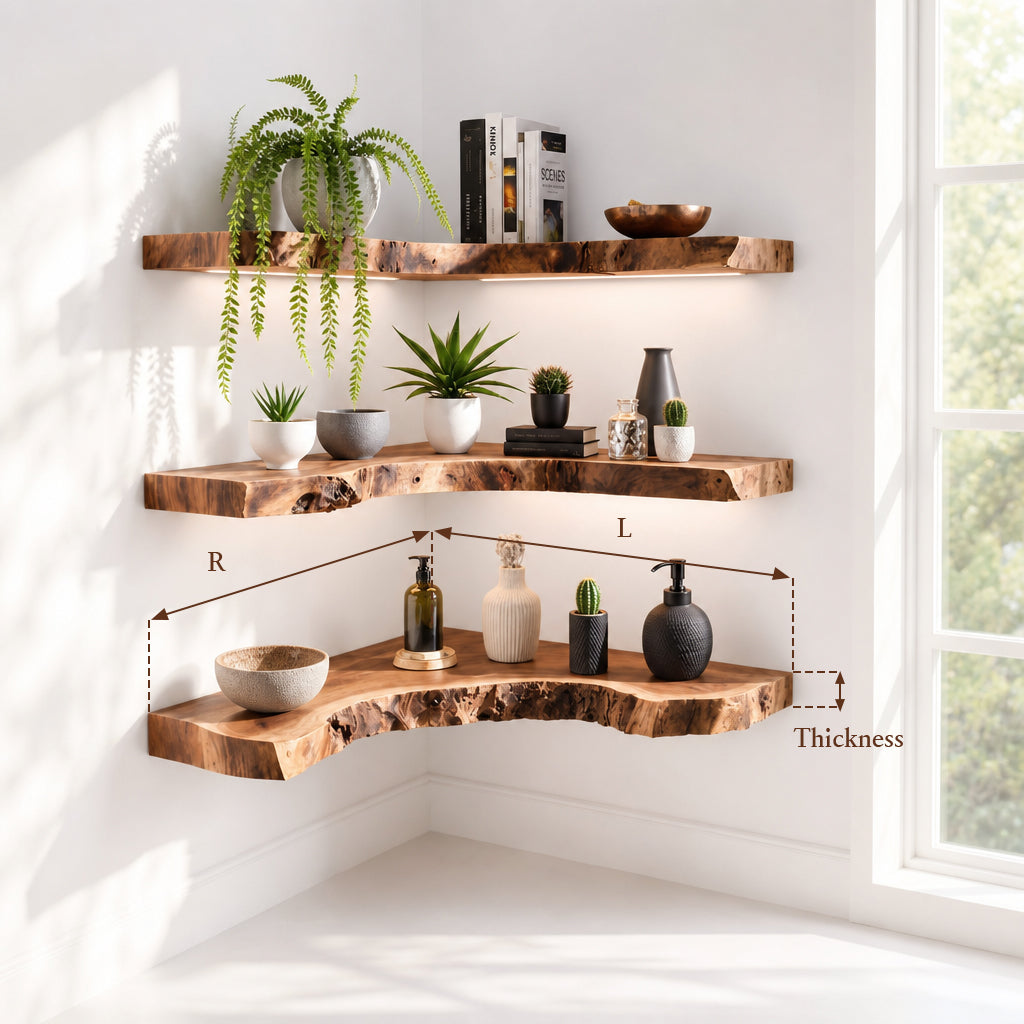
Live Edge Corner Floating Shelf – Handcrafted Solid Wood Wall Shelf
From $140.00
Christmas edit
Live Edge Corner Floating Shelf – Handcrafted Solid Wood Wall Shelf
From $140.00
 Christmas edit
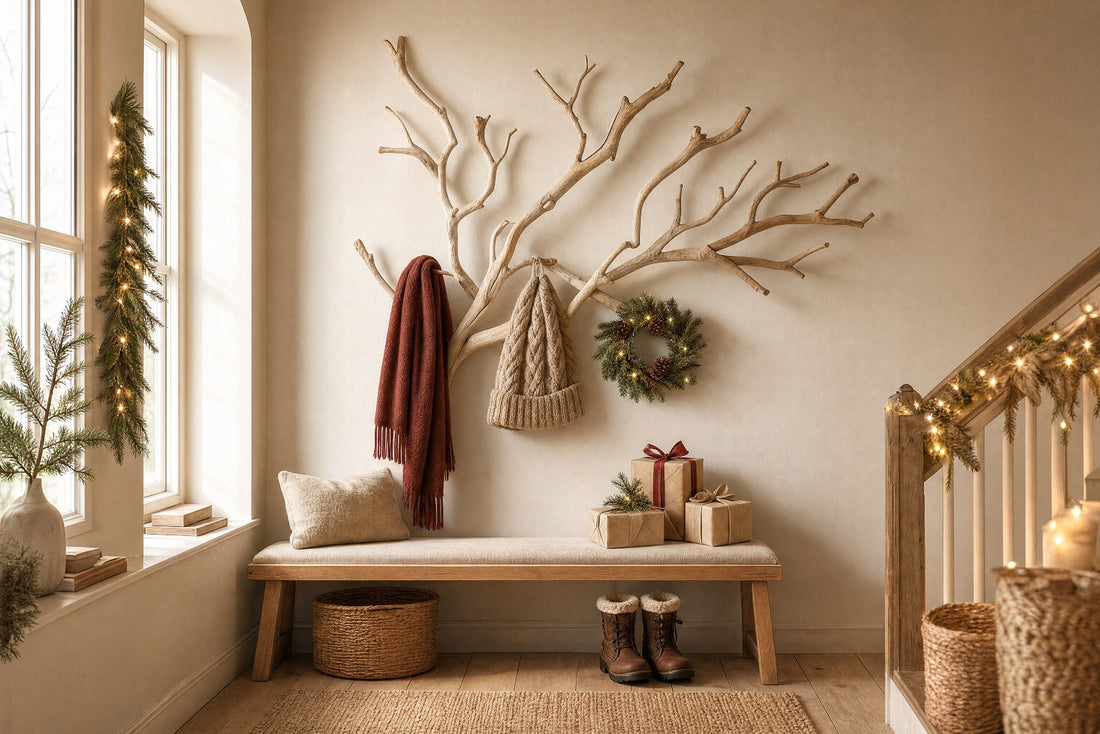
Custom Wood Coat Rack – Driftwood Wall Mount Clothes Rack with Unique Hooks
From $697.00
Christmas edit
Custom Wood Coat Rack – Driftwood Wall Mount Clothes Rack with Unique Hooks
From $697.00
A wooden shoe rack does more than hold shoes - it sets the tone for your entryway and keeps your home cleaner from the door in. But not all shoe storage is created equal. Open shelves versus closed cabinets, tall towers versus low benches - the right choice depends on your space, your shoe collection, and how you live.

Ashdeco's shoe racks and benches are hand-carved by Vietnamese artisans from solid wood - not the flimsy bamboo or particleboard racks that sag after a few months.
Open Shoe Storage - Pros and Cons
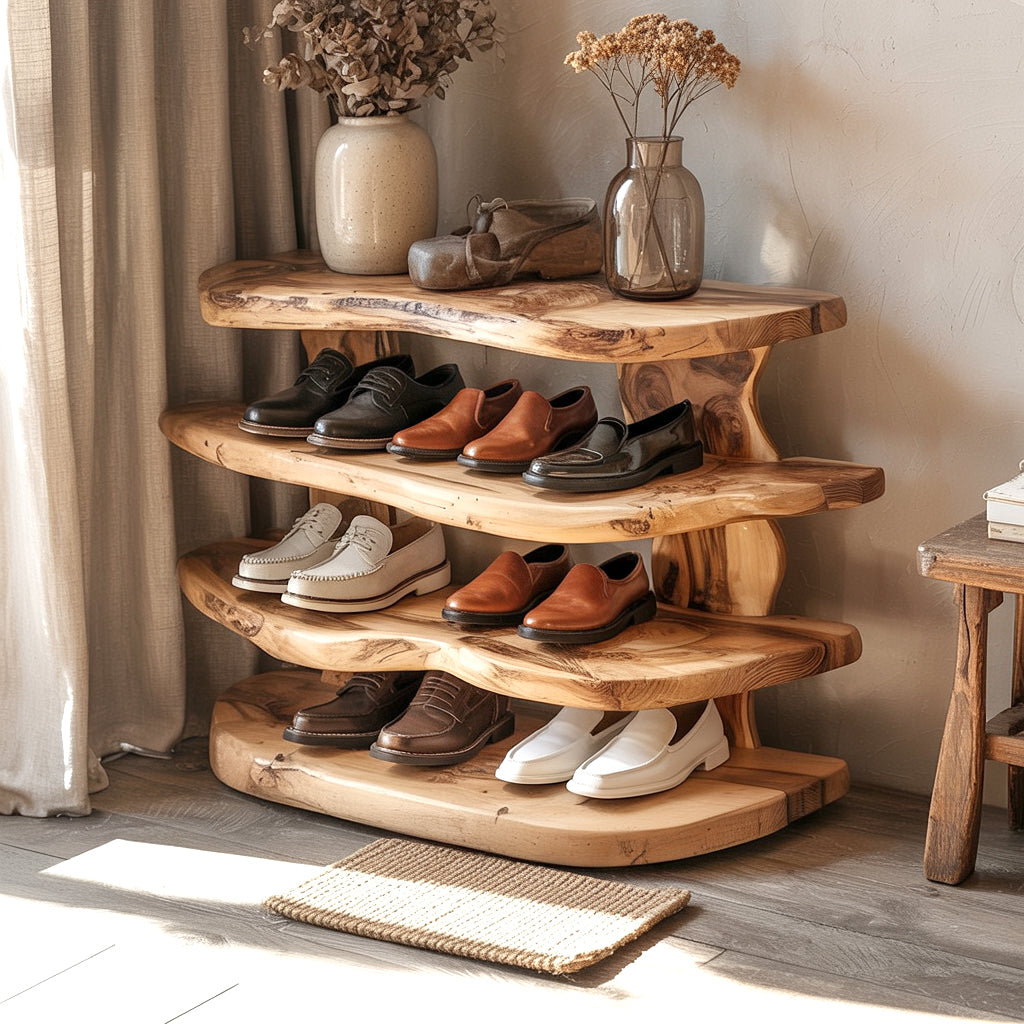
Open shoe rack wood designs are the most popular option. Here is why - and when they fall short:
Pros:
- Easy to see and grab shoes quickly
- Better airflow means shoes dry faster and smell less
- More affordable and lighter than closed units
- Works as a display for nice shoes and boots
Cons:
- Dust collects on shoes
- Visible clutter if shoes are not arranged neatly
- Pets may chew on accessible shoes
Closed Shoe Storage - Pros and Cons
Closed cabinets and tilt-out shoe storage ideas hide everything behind doors:
Pros:
- Clean, minimal look - shoes are hidden from view
- Dust-free storage for seasonal shoes
- Keeps shoes away from pets and toddlers
Cons:
- Less airflow - damp shoes can develop mildew
- Harder to find the pair you want
- Bulkier and takes more floor space


Shoe Bench - The Hybrid Solution
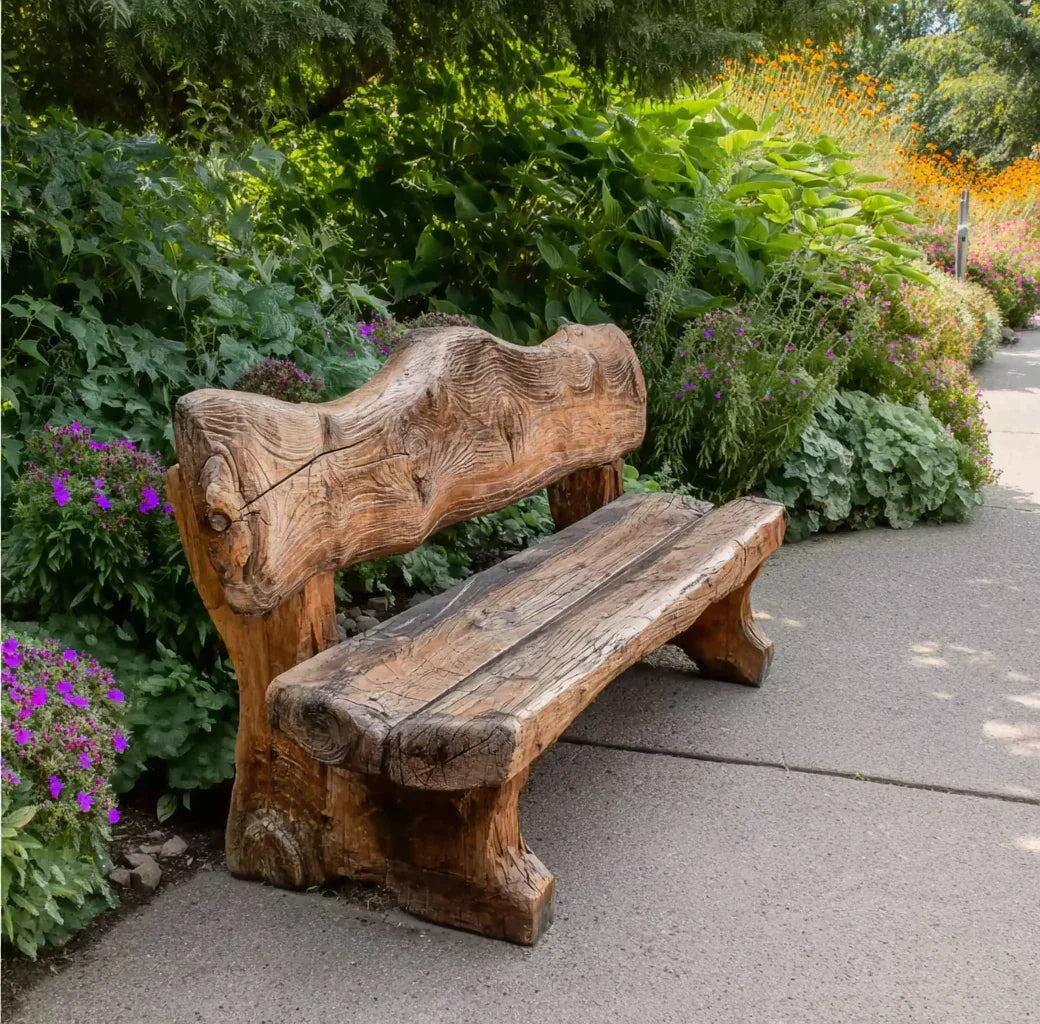
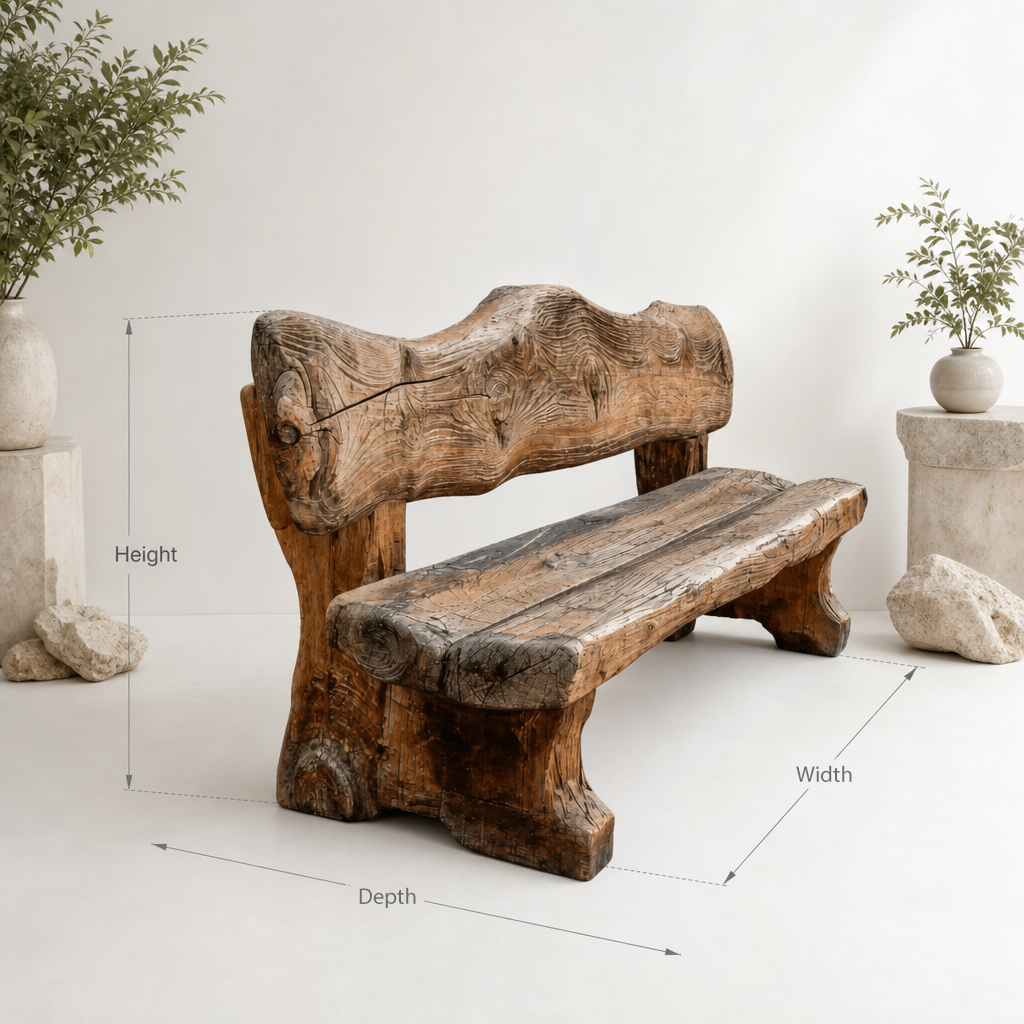
A shoe bench combines open shoe storage with a seating surface. This is the most practical option for most homes because it serves two purposes in one footprint. You sit down to put on shoes, and the shoes live right underneath.
Ashdeco's solid wood shoe benches feature two to three tiers of open shelving beneath a flat seat - all connected with mortise-and-tenon joinery that holds weight without wobbling.
How Many Pairs Can a Shoe Rack Hold?
Capacity depends on the rack size and tier count:
| Rack Type | Tiers | Approximate Capacity |
|---|---|---|
| Compact bench | 2 | 4 to 6 pairs |
| Standard bench | 3 | 8 to 12 pairs |
| Tall rack | 4 to 5 | 12 to 20 pairs |
| Closed cabinet | 3 to 4 | 12 to 18 pairs |
For families, a standard three-tier bench handles daily-wear shoes. Pair it with a closet solution for seasonal and occasional shoes.
Don't miss
These pieces qualify for 10% off orders over $2,000. Applied automatically at checkout.
 10% off
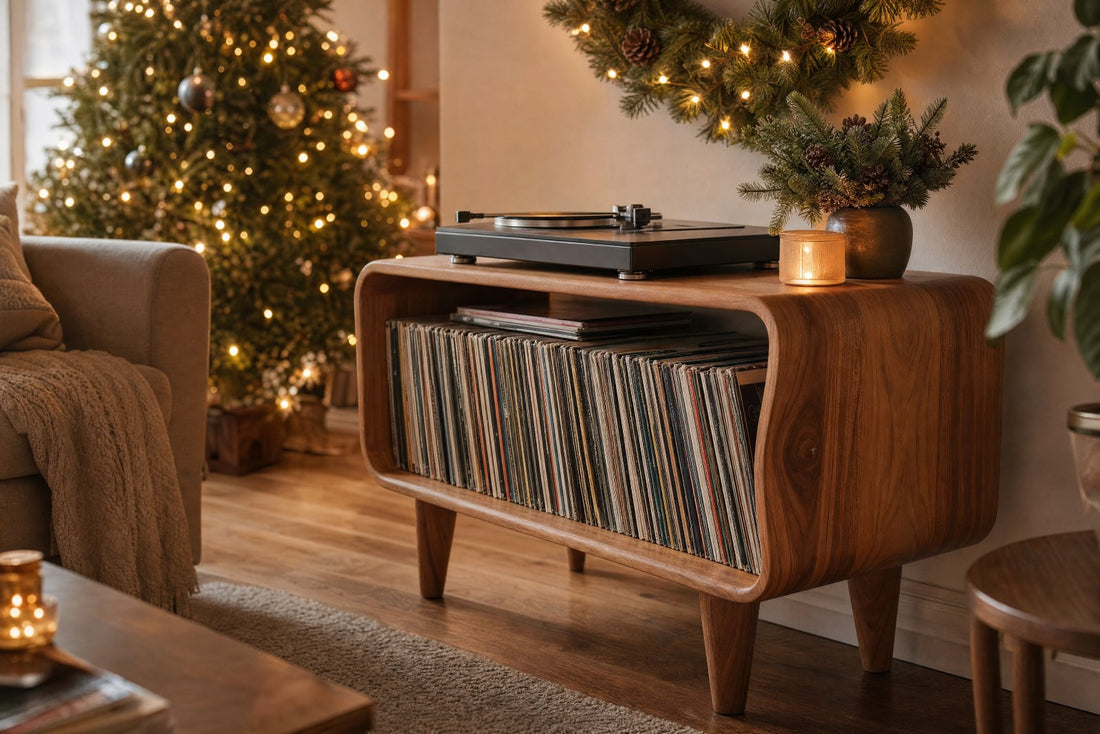
Solid Wood Turntable Stand – Rustic Record Player Cabinet with Farmhouse Storage
From $2,036.00
10% off at checkout
10% off
Solid Wood Turntable Stand – Rustic Record Player Cabinet with Farmhouse Storage
From $2,036.00
10% off at checkout
 10% off
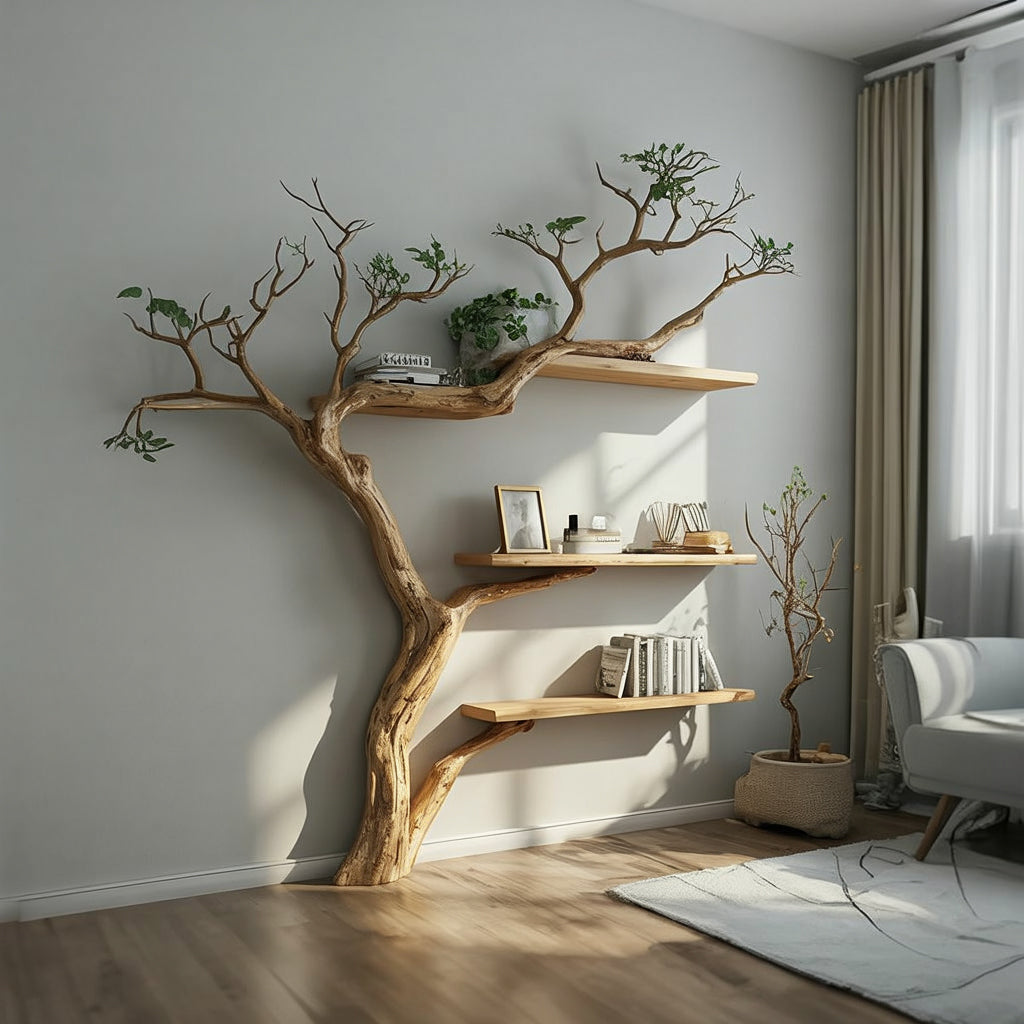
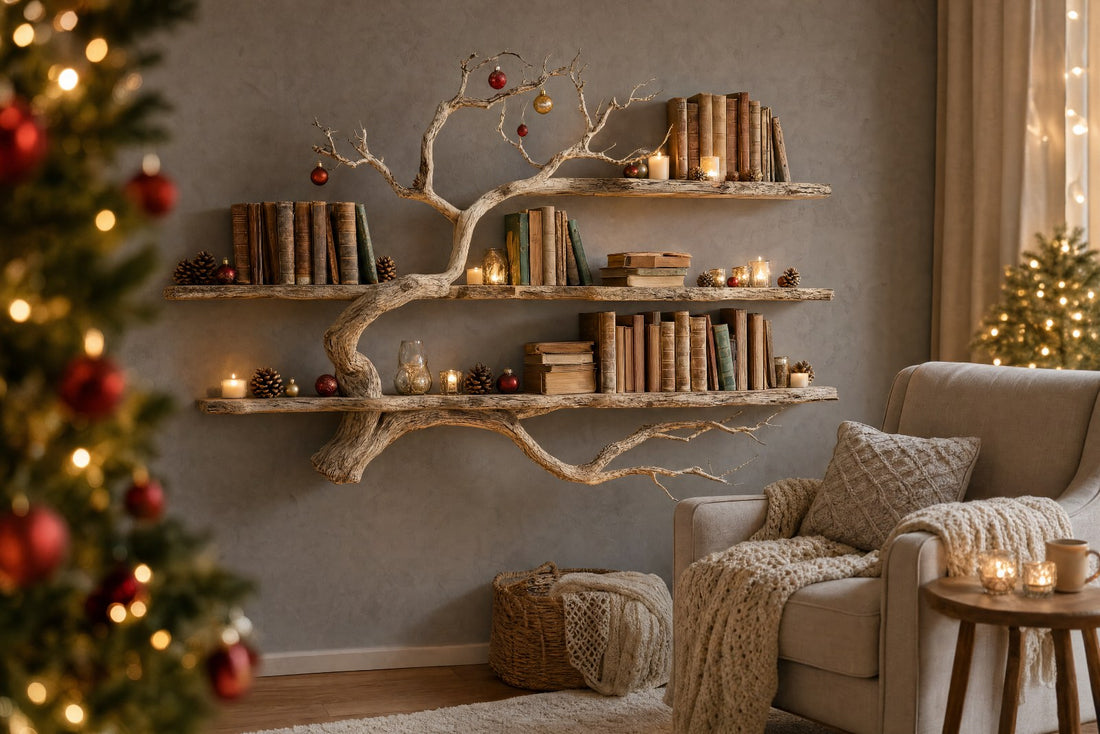
Tree Bookshelf – Rustic Wooden Book Tree Shelf, Wall-Mounted Natural Wood Décor
$2,099.00
10% off at checkout
10% off
Tree Bookshelf – Rustic Wooden Book Tree Shelf, Wall-Mounted Natural Wood Décor
$2,099.00
10% off at checkout
 10% off
Live Edge L-Shaped Desk – Handmade Solid Wood Corner Desk for Home Office
From $2,340.00
10% off at checkout
10% off
Live Edge L-Shaped Desk – Handmade Solid Wood Corner Desk for Home Office
From $2,340.00
10% off at checkout
 10% off
Handcrafted Walnut Bench – Organic Sculptural Mid-Century Design
From $2,327.00
10% off at checkout
10% off
Handcrafted Walnut Bench – Organic Sculptural Mid-Century Design
From $2,327.00
10% off at checkout
Placement Tips
- By the front door: Shoes come off immediately, keeping dirt out of the house.
- In the mudroom: Ideal for wet or dirty shoes with room to dry.
- Inside a closet: Keeps shoes hidden entirely. Best for closed racks.
- In the garage: Works for outdoor and work shoes. Use a covered rack to keep dust off.

Why Solid Wood Shoe Racks Last Longer
Most shoe racks under $50 are made from thin bamboo strips, wire mesh, or particleboard. They flex under weight, and the joints loosen within months. Solid wood with real joinery is a different category - it supports weight evenly and stays tight for years.
Every Ashdeco shoe bench is hand-carved by Vietnamese artisans who build with mortise-and-tenon joints. No cheap hardware, no glue-only construction. Just solid wood that works as hard as you do.
Frequently Asked Questions
Is an open or closed shoe rack better?
Open racks are better for daily-use shoes because they allow airflow and easy access. Closed racks are better for seasonal storage and keeping shoes dust-free.
How deep should a shoe rack be?
Most shoes need 10 to 13 inches of depth. Men's size 12 shoes need about 13 inches. A rack that is 12 inches deep works for most households.
Can I use a shoe rack as a bench?
If the top is solid wood and the frame uses proper joinery, yes. Avoid sitting on racks with thin shelving or plastic construction - they will collapse.
Shop Solid Wood Shoe Storage
Find your perfect shoe storage at Ashdeco - browse handcrafted shoe benches and racks made by Vietnamese artisans from solid wood.