
Quick view
- Indoor vs. Outdoor Benches: What's the Difference?
- Wooden Garden Bench Materials Compared
- Weather Resistance: What to Look For
- Sizing Guide: Choosing the Right Bench Dimensions
- Styles to Match Every Space
- Placement Ideas: Where to Put Your Bench
- Maintenance Tips: Protecting Your Investment
- Common Mistakes to Avoid
- Finding the Right Bench for Your Space
Shop this guide
Handcrafted Benches, made to order in solid wood.
 Christmas edit
Handcrafted Rustic Solid Wood Bench - Natural Log Seating for Garden & Patio
From $1,553.00
Christmas edit
Handcrafted Rustic Solid Wood Bench - Natural Log Seating for Garden & Patio
From $1,553.00
 Christmas edit
Live Edge Wooden Entryway Bench – Solid Wood Hallway Bench with Shelf
From $1,050.00
Christmas edit
Live Edge Wooden Entryway Bench – Solid Wood Hallway Bench with Shelf
From $1,050.00
 Christmas edit
Handcrafted Walnut Bench – Organic Sculptural Mid-Century Design
From $2,327.0010% off at checkout
Christmas edit
Handcrafted Walnut Bench – Organic Sculptural Mid-Century Design
From $2,327.0010% off at checkout
 Christmas edit
Solid Wood Sculptural Bench, Mid-Century Modern Organic Entryway Seating
From $1,876.00
Christmas edit
Solid Wood Sculptural Bench, Mid-Century Modern Organic Entryway Seating
From $1,876.00
 Christmas edit
Handcrafted Sculptural Wood Bench – Modern Organic Curved Entryway Bench
From $2,060.0010% off at checkout
Christmas edit
Handcrafted Sculptural Wood Bench – Modern Organic Curved Entryway Bench
From $2,060.0010% off at checkout
 Christmas edit
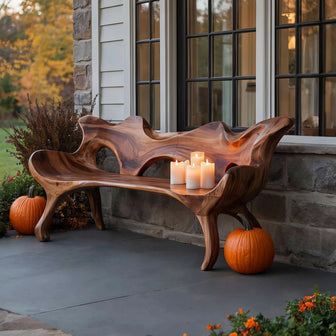
Organic Live Edge Solid Wood Halloween Sculptural Bench
From $2,234.0010% off at checkout
Christmas edit
Organic Live Edge Solid Wood Halloween Sculptural Bench
From $2,234.0010% off at checkout
A wooden garden bench does more than provide a place to sit. It's a gathering spot for morning coffee, a quiet corner for reading, and a design statement that ties your indoor and outdoor spaces together. Whether you're furnishing a sprawling back garden or adding a welcoming touch to your front entryway, choosing the right bench starts with understanding your options.
This guide walks you through everything you need to know-from materials and weather resistance to sizing and style-so you can make a confident, informed purchase.
---
Indoor vs. Outdoor Benches: What's the Difference?
Before browsing, it's important to clarify where your bench will live. Indoor and outdoor benches may look similar, but they're built differently.
Indoor Benches
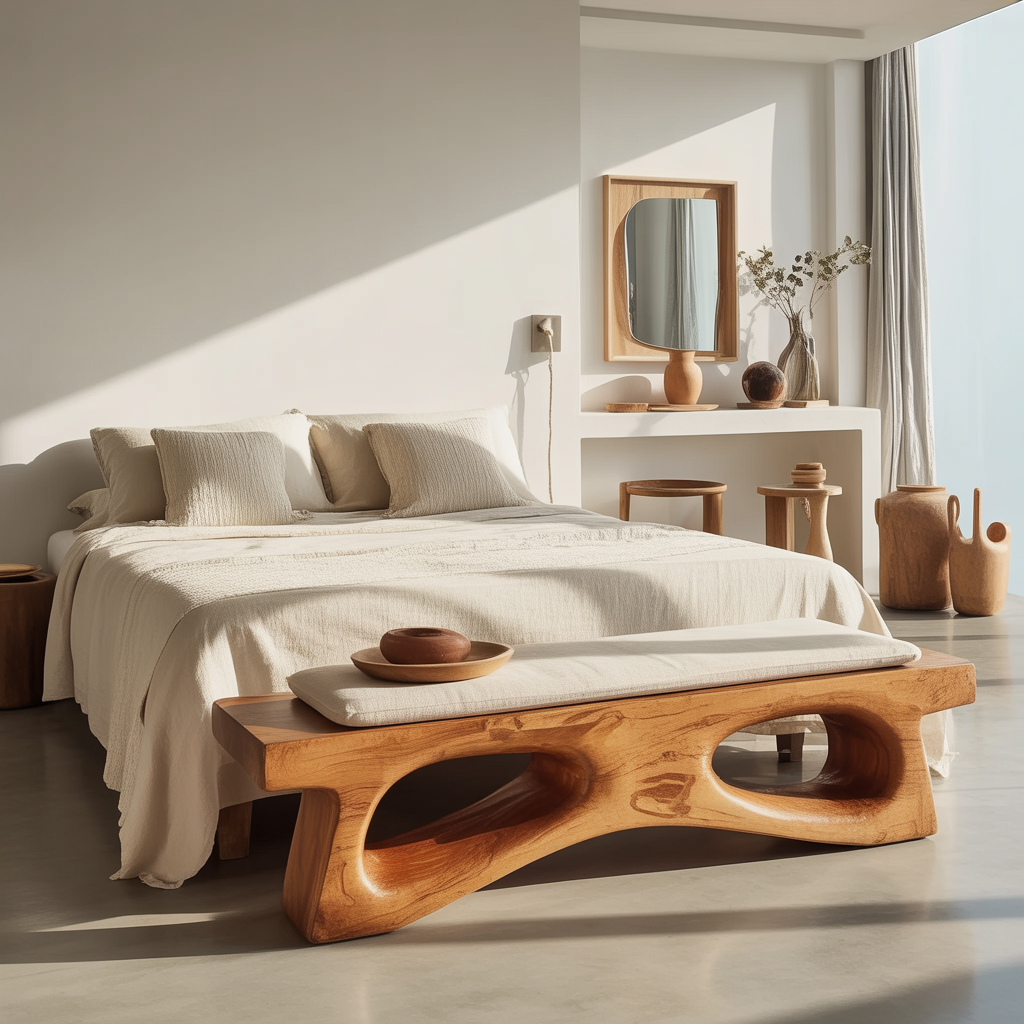
Indoor benches are designed for controlled environments. They prioritize aesthetics and comfort over durability. Common placements include:
- Entryway benches – Perfect for putting on shoes or dropping bags
- Bedroom benches – Foot-of-bed seating that adds texture
- Dining benches – Space-saving alternative to chairs
- Living room accent benches – Pull up extra seating when guests arrive
Indoor benches typically don't require weatherproofing, which opens up more finish options, including delicate oils and painted surfaces.
Outdoor Benches
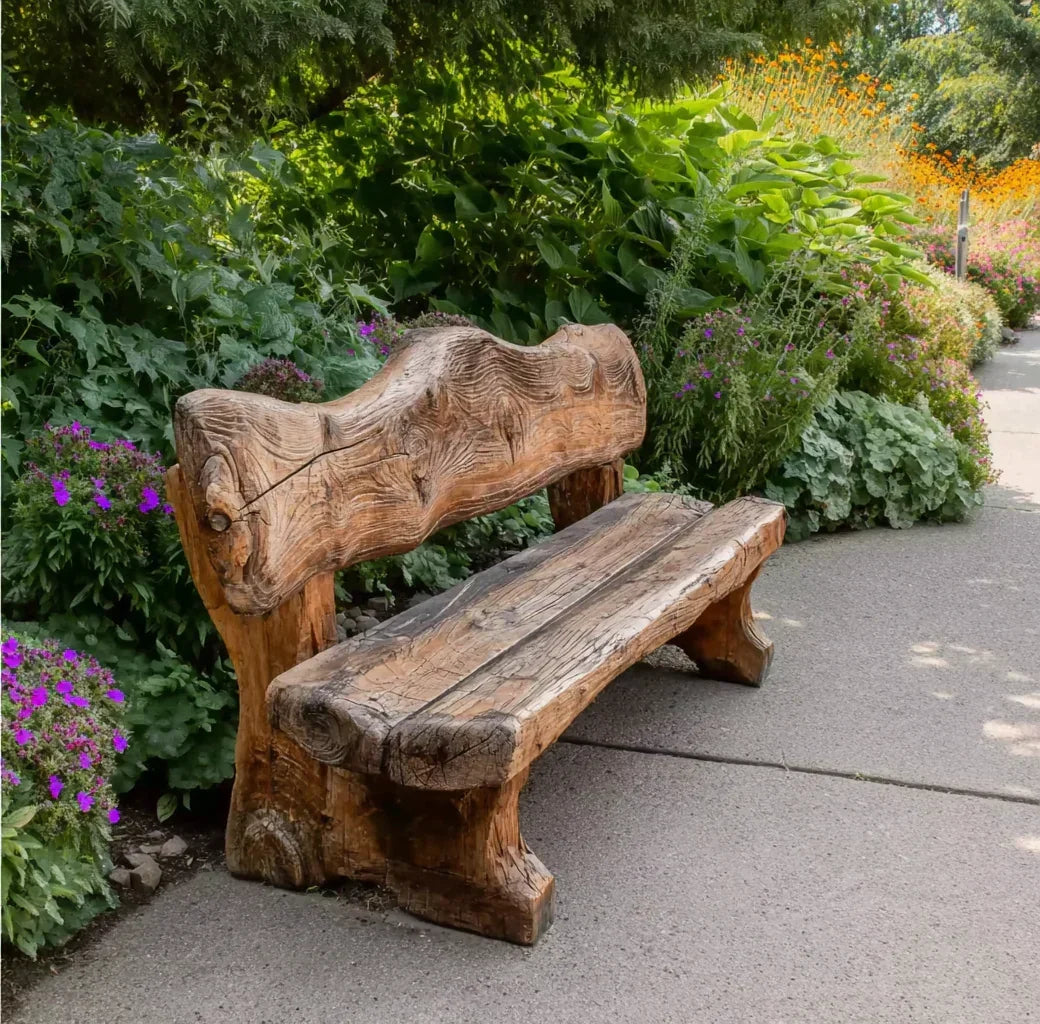
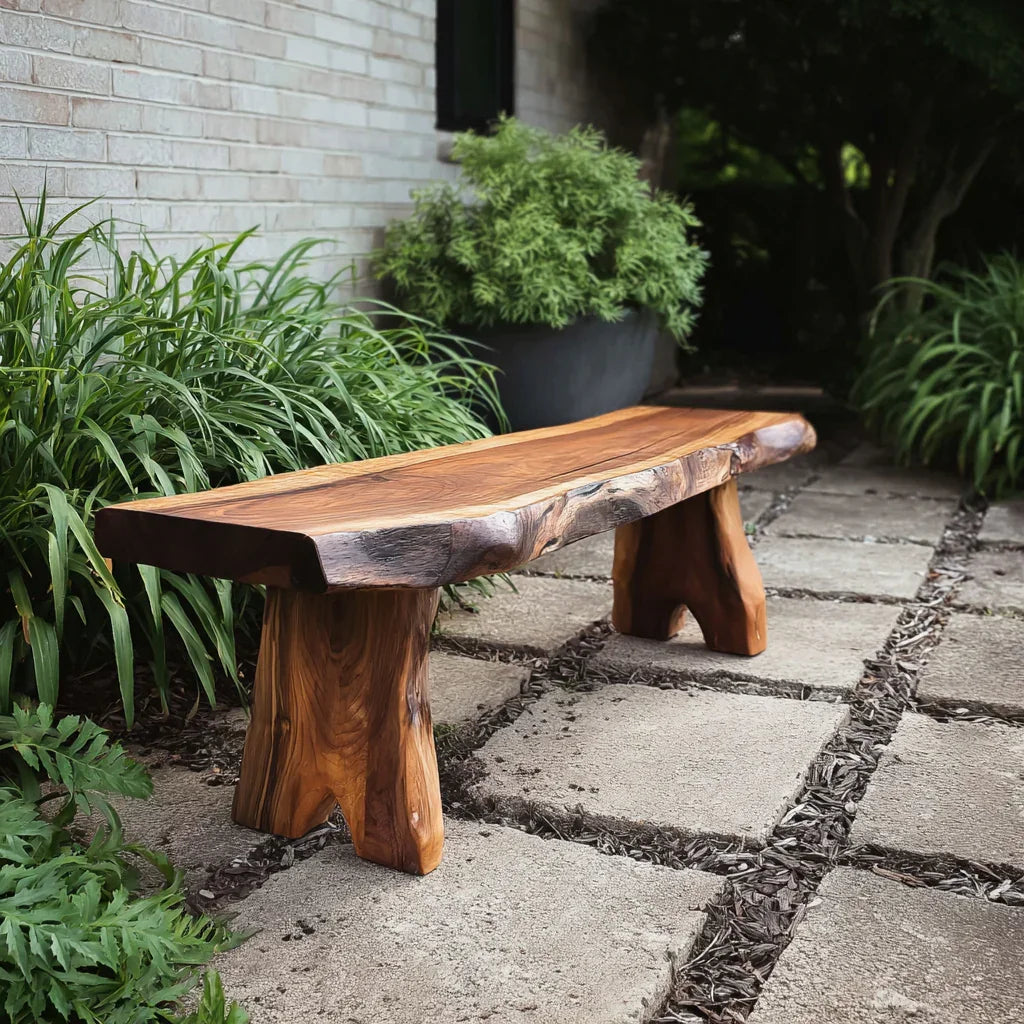
Outdoor benches must withstand the elements-sun, rain, temperature swings, and humidity. They require:
- Weather-resistant materials – Such as cedar, teak, or acacia
- Durable finishes – Marine-grade sealants, UV-resistant oils
- Sturdy construction – Mortise-and-tenon joints, stainless steel hardware
Outdoor benches work beautifully on patios, porches, decks, garden paths, and poolside areas. They're built to last but still benefit from occasional care.
> Key takeaway: If your bench will ever see rain or direct sunlight, choose an outdoor-rated model. Indoor benches placed on covered porches may work, but always check the manufacturer's weather resistance claims.
---
Wooden Garden Bench Materials Compared
The type of wood determines how your bench looks, feels, and holds up over time. Here's a breakdown of the most popular options:
| Material | Durability | Weather Resistance | Maintenance | Typical Cost |
|---|---|---|---|---|
| Teak | Excellent (25+ years) | Outstanding | Low | $$$$ |
| Cedar | Very Good (15-20 years) | Good to Very Good | Low to Moderate | $$$ |
| Acacia | Good (10-15 years) | Good | Moderate | $$ |
| White Oak | Very Good (15-20 years) | Very Good | Moderate | $$$ |
| Pressure-Treated Pine | Good (10-15 years) | Very Good | Moderate | $ |
Teak
The gold standard for outdoor furniture. Teak contains natural oils that repel water, insects, and decay. It weathers to a beautiful silver-grey if left unfinished, or you can maintain its golden hue with annual oiling.
Best for: High-end outdoor setups, poolside seating, benches that must survive harsh winters.
Cedar
Lightweight, aromatic, and naturally resistant to rot and insects. Cedar is a top choice for garden benches in temperate climates. It softens over time but holds up well with basic maintenance.
Best for: Garden paths, covered porches, casual outdoor spaces.
Acacia
Hardwood with warm, honey-toned grain. Acacia is durable and affordable, though it requires more attention than teak or cedar. Regular oiling keeps it looking its best.
Best for: Budget-conscious buyers who want real hardwood aesthetics.
White Oak
Strong, stable, and visually striking. White oak offers excellent weather resistance and a clean, modern grain. It takes finishes well and ages gracefully.
Best for: Modern outdoor designs, benches paired with contemporary architecture.
Pressure-Treated Pine
The most affordable option. Pine is treated with preservatives to resist rot and insects. While not as naturally beautiful as hardwoods, it takes paint well and can achieve a charming farmhouse look.
Best for: First-time buyers, children's play areas, temporary setups.
---


Weather Resistance: What to Look For
Even the most beautiful wooden bench won't last if it's not built for your climate. Here's what affects weather resistance:
Wood Grain and Density
Denser woods like teak and white oak resist moisture penetration better than softer woods. Look for tight, even grain patterns.
Joinery Method
The way wood pieces connect matters enormously. Quality benchmarks:
- Mortise and tenon – Traditional, incredibly strong
- Dowel joints – Good strength, clean appearance
- Lap joints – Solid for flat surfaces
- Metal brackets – Functional but less refined; may rust over time
Finish and Sealant
Outdoor benches benefit from:
- Marine-grade varnish – Maximum protection, periodic reapplication
- Tung oil or linseed oil – Penetrates wood, natural look, needs annual reapplication
- Water-based sealants – Low odor, good protection, may need more frequent touch-ups
Ashdeco's handcrafted wooden benches use time-tested joinery and premium finishes designed to handle real-world weather-because a beautiful bench should stay beautiful for years.
---
Sizing Guide: Choosing the Right Bench Dimensions
A bench that's too large overwhelms a small patio; one that's too small feels insignificant in a grand garden. Use these guidelines:
Standard Bench Lengths
| Use Case | Recommended Length |
|---|---|
| Entryway or mudroom | 36" – 42" |
| Two-person patio seating | 48" – 54" |
| Three-person outdoor seating | 60" – 72" |
| Garden accent (decoration only) | 36" – 48" |
Depth and Height
- Seat depth: 14" – 18" is comfortable for most people
- Seat height: 16" – 18" works with standard outdoor tables
- Backrest height: 15" – 20" provides lumbar support
- Armrest height: 24" – 27" from the ground (if applicable)
Measuring Your Space
Before purchasing:
- Measure your available area – Account for walking paths and door swings
- Consider sight lines – A bench shouldn't block views you want to preserve
- Think about placement – Ground-level patios need clearance; raised decks need anchoring options
---
Don't miss
These pieces qualify for 10% off orders over $2,000. Applied automatically at checkout.
10% off
Handcrafted Walnut Bench – Organic Sculptural Mid-Century Design
From $2,327.00
10% off at checkout
10% off
Handcrafted Sculptural Wood Bench – Modern Organic Curved Entryway Bench
From $2,060.00
10% off at checkout
10% off
Organic Live Edge Solid Wood Halloween Sculptural Bench
From $2,234.00
10% off at checkout
 10% off
Handcrafted Solid Wood Artistic Wood Bench – Soft Organic Wave Silhouette
From $2,534.00
10% off at checkout
10% off
Handcrafted Solid Wood Artistic Wood Bench – Soft Organic Wave Silhouette
From $2,534.00
10% off at checkout
Styles to Match Every Space
Wooden benches come in styles to suit any aesthetic. Choosing one that complements your existing décor ensures the bench feels intentional, not like an afterthought.
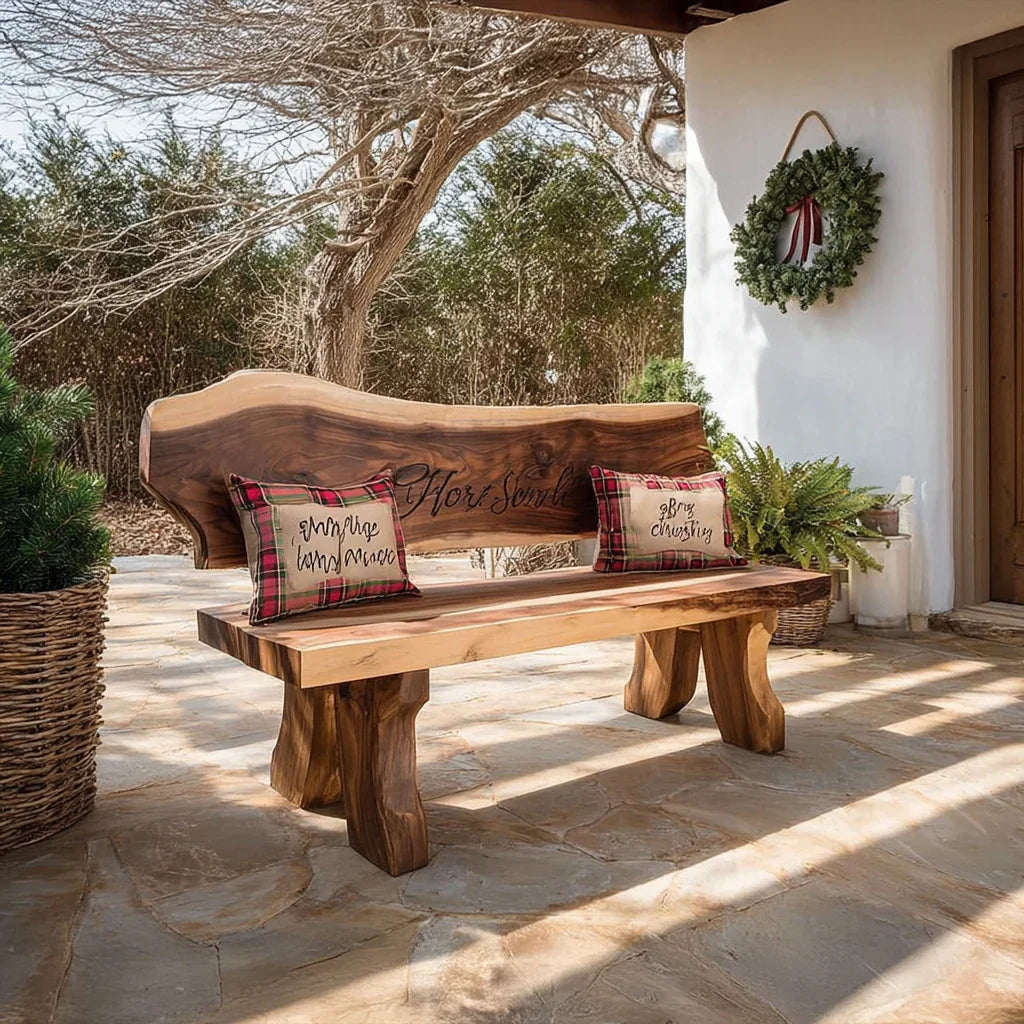
Rustic Benches
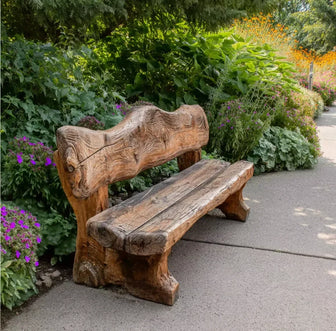
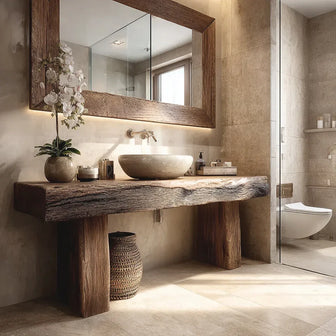
Rustic benches embrace natural imperfection. Think live edge slabs, rough-hewn surfaces, and visible woodgrain. These work exceptionally well in:
- Cottage gardens
- Farmhouse-style homes
- Spaces with reclaimed or natural materials
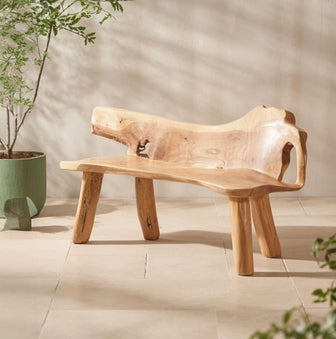
Ashdeco's handcrafted rustic benches preserve the wood's character-every knot and grain pattern tells a story.
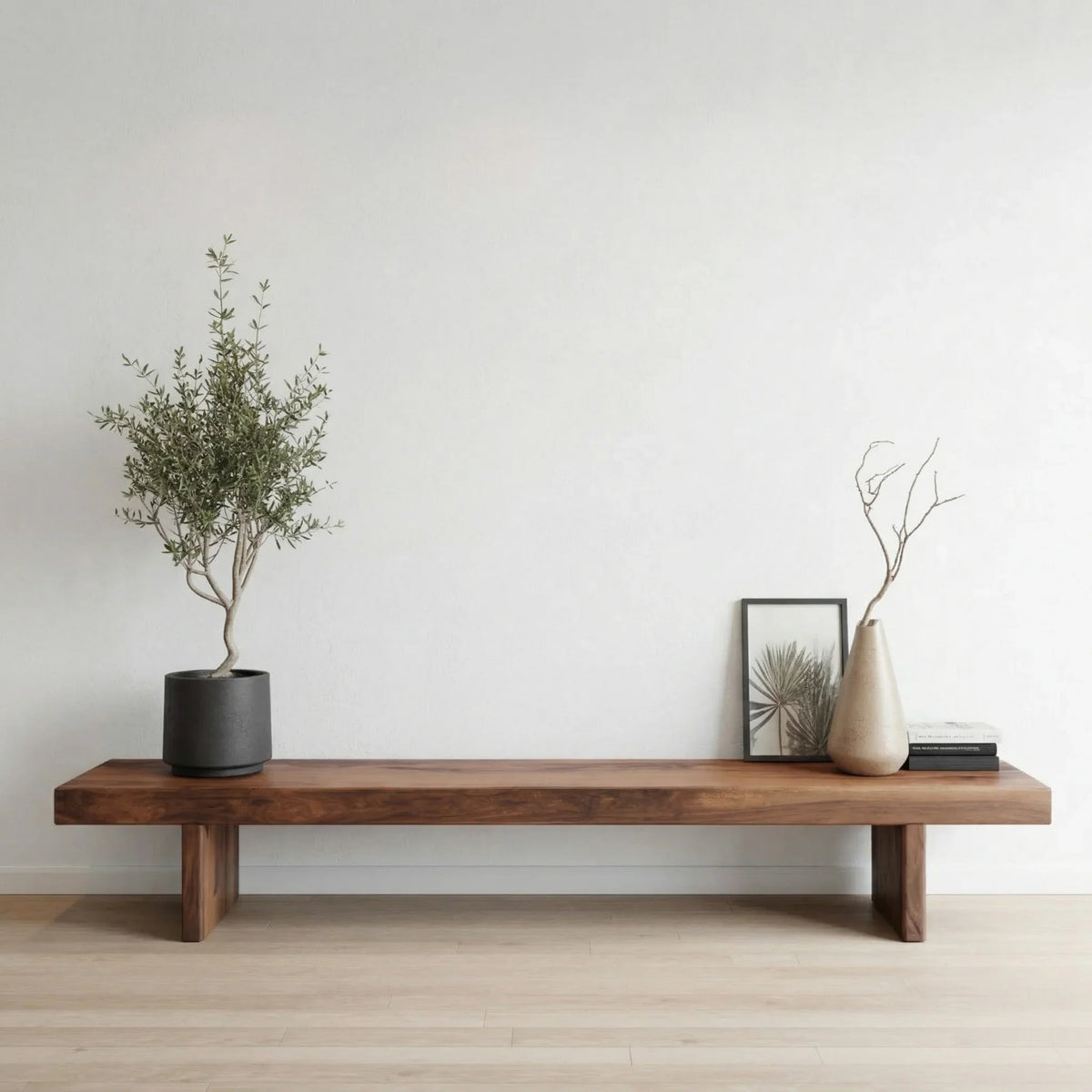
Modern Benches
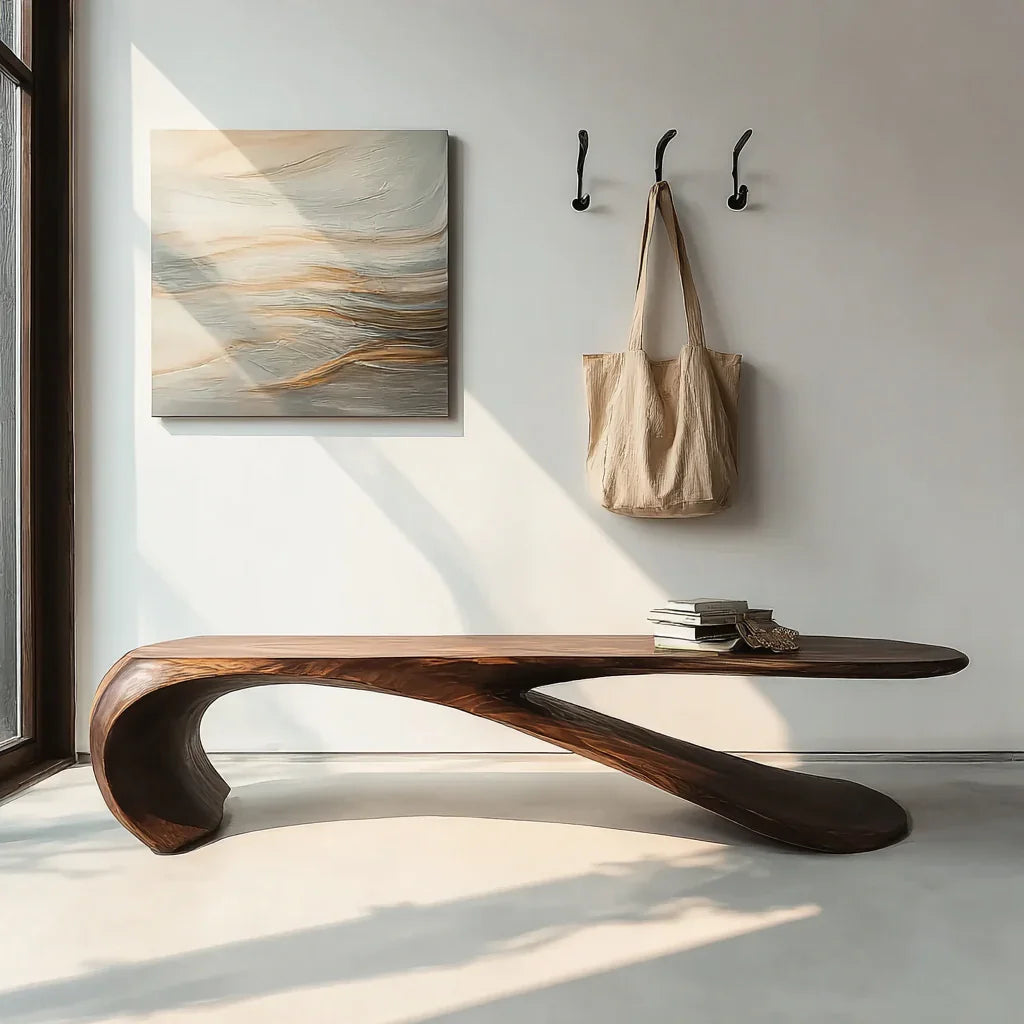
Modern benches favor clean lines, minimal ornamentation, and balanced proportions. They typically feature:
- Smooth, sanded surfaces
- Geometric shapes
- Sleek, low profiles
- Hidden or minimalist hardware
Best for: Contemporary homes, rooftop terraces, minimalist garden designs.
Farmhouse Benches
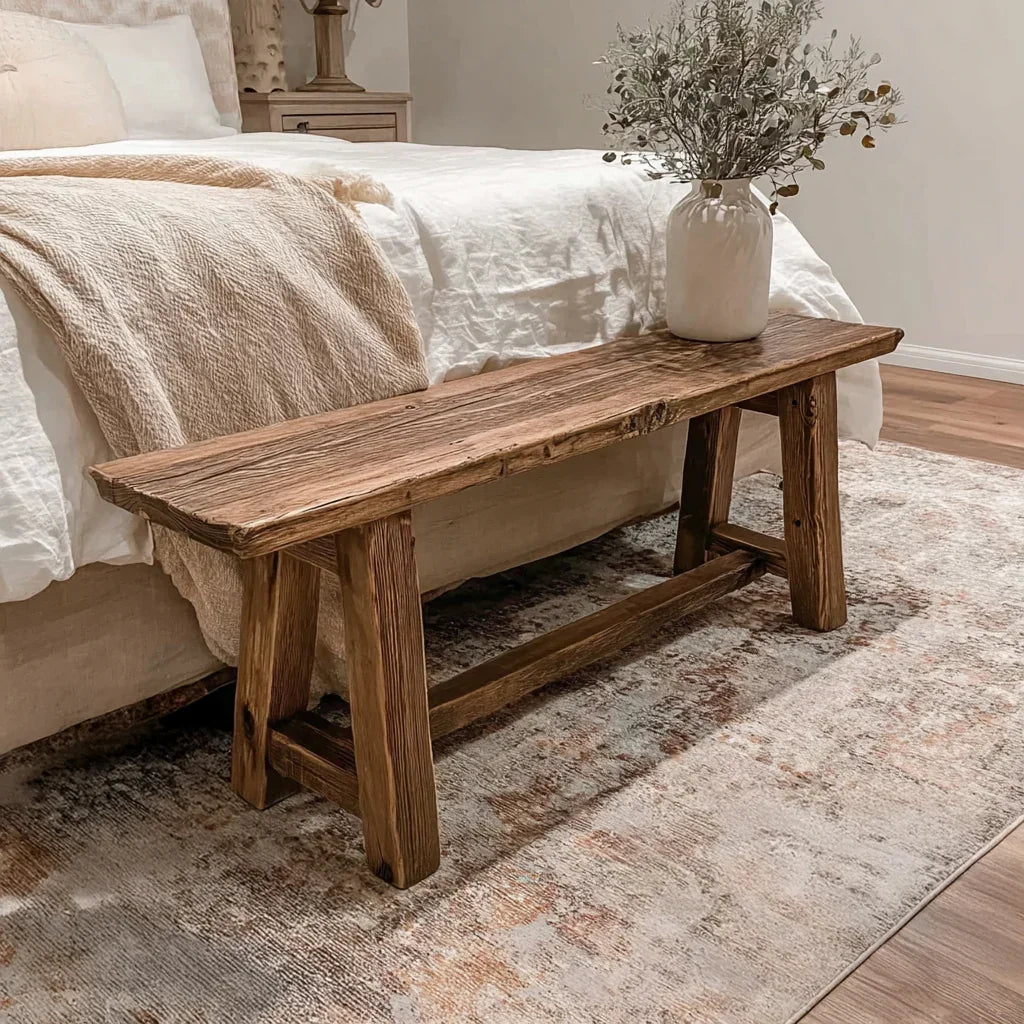
Farmhouse benches blend rustic charm with everyday practicality. They're often:
- Sturdy and substantial
- Painted in classic colors (white, black, farmhouse green)
- Paired with plank-style seats
Best for: Family porches, kitchen entryways, casual outdoor dining areas.
Traditional Benches
Traditional benches draw from classic English garden and park designs. They often include:
- Curved backrests
- Decorative arm posts
- Slatted seats
Best for: Formal gardens, historic properties, classic architectural styles.
---
Placement Ideas: Where to Put Your Bench
Porch
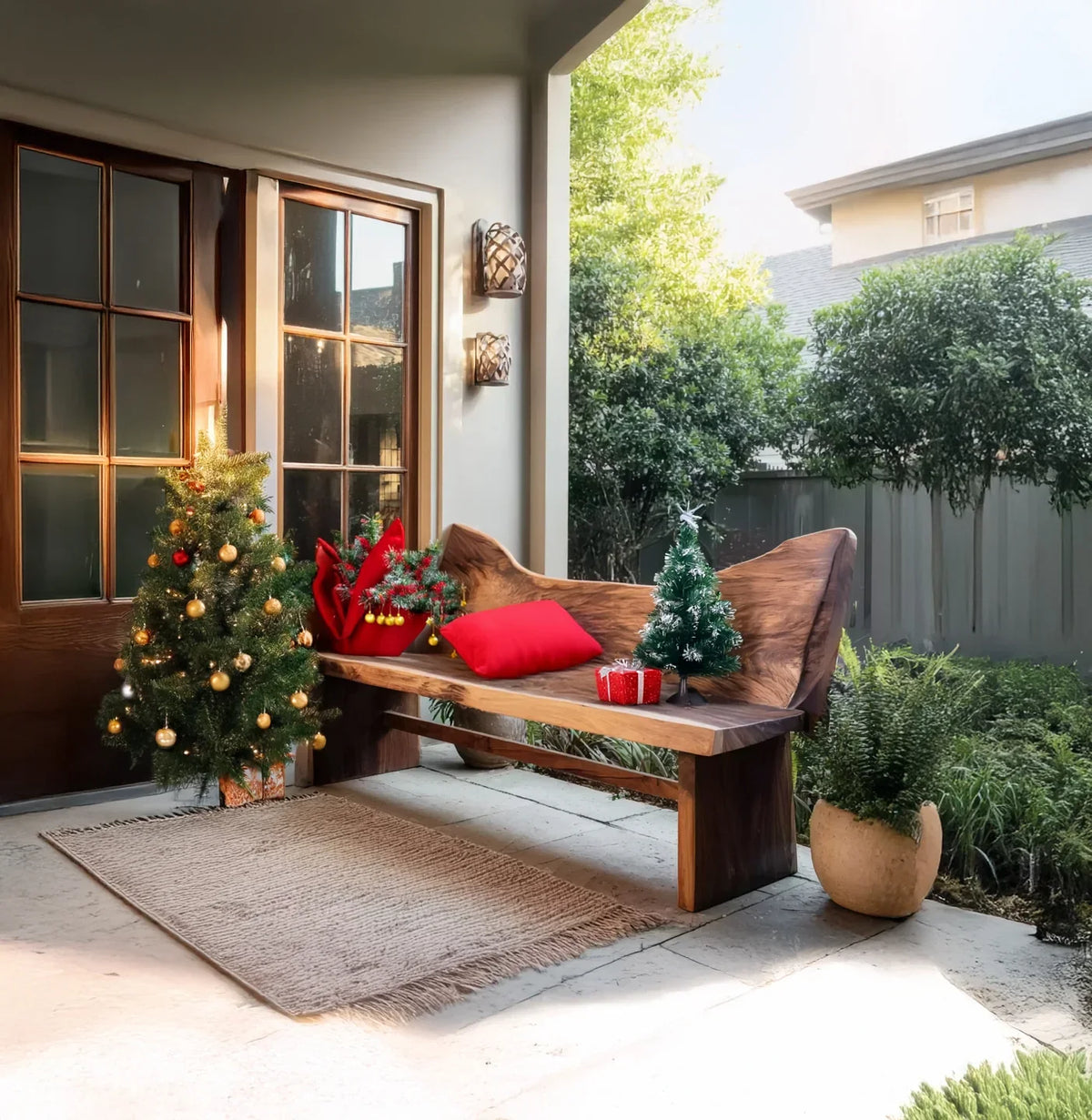
A porch bench creates a welcoming transition between indoors and outdoors. Place one:
- Near the front door for guest seating
- Along a long porch for reading spots
- Facing outward to take in views
Tip: Painted benches pop against natural wood porches. Neutral benches blend with most exteriors.
Patio
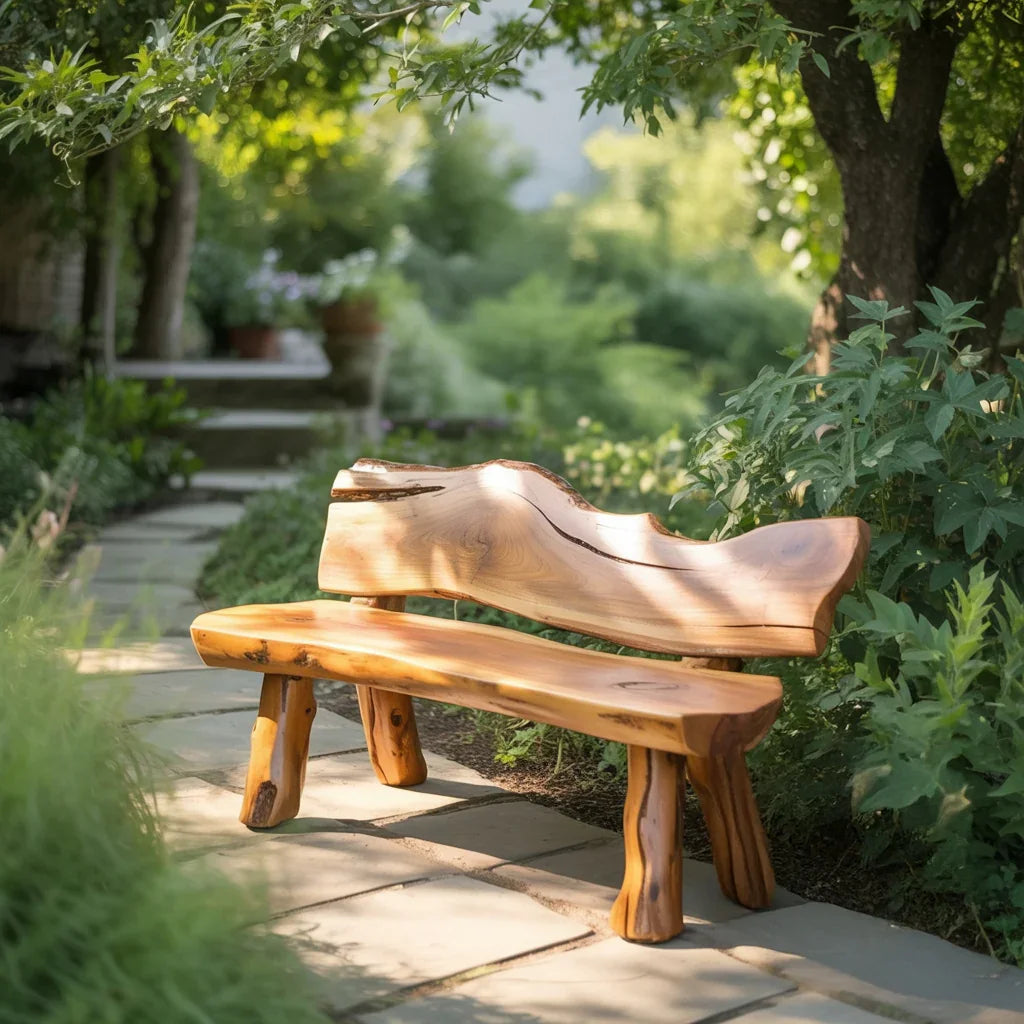
Patio benches define zones without blocking sightlines. Try:
- Positioning a bench perpendicular to outdoor seating groups
- Using two benches to flank a fire pit
- Adding a bench near the grill for waiting guests
Entryway

An indoor entryway bench solves both form and function:
- Provides a place to sit while putting on shoes
- Offers hidden storage for gloves and scarves
- Sets the tone for your home's interior
Style note: Indoor entryway benches can be more delicate since they're protected from the elements.
Garden
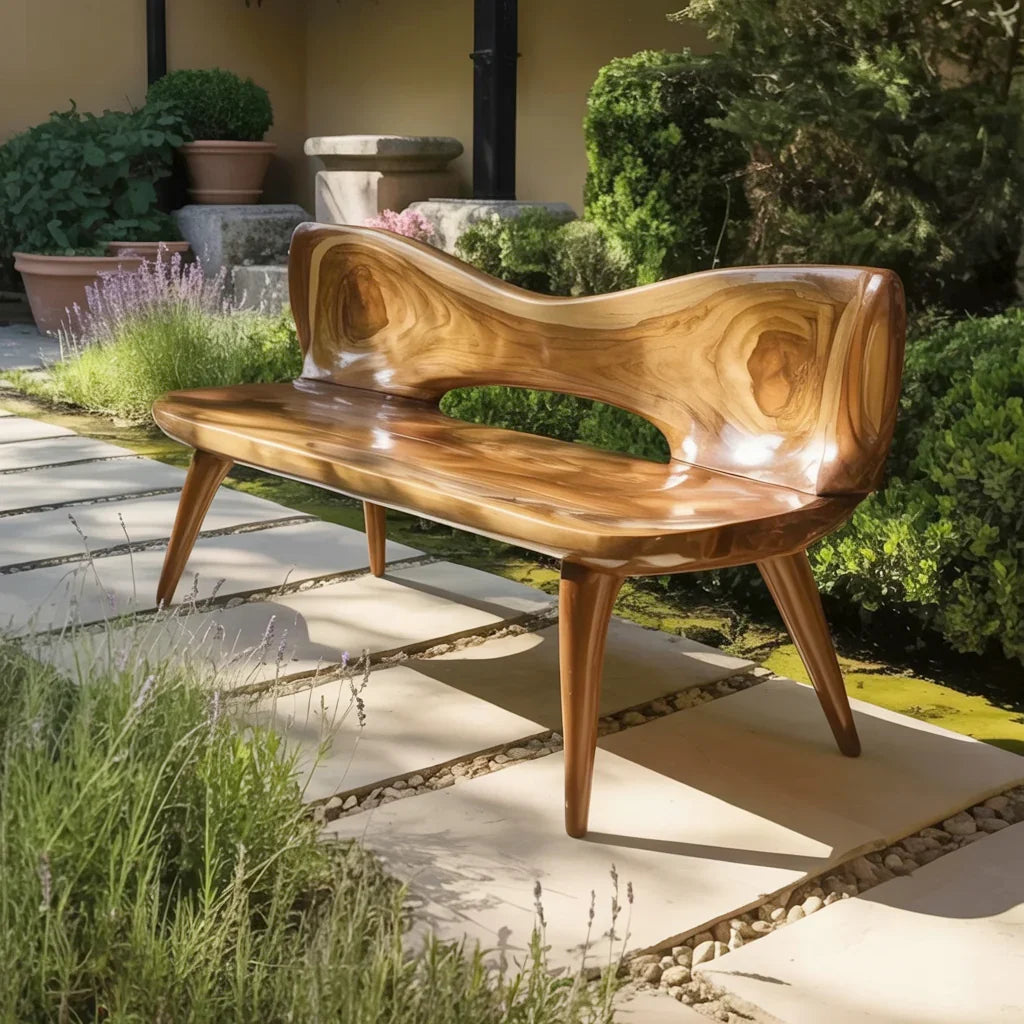
In the garden itself, a bench becomes a destination:
- Tuck one behind a hedge for a private reading nook
- Position at the end of a garden path as a focal point
- Place near a water feature or specimen tree
- Create a vignette with potted plants on either side
---
Maintenance Tips: Protecting Your Investment
Even weather-resistant wood benefits from regular care. Follow these steps to maximize your bench's lifespan:
Seasonal Care
- Spring: Clean with mild soap and water; inspect for winter damage
- Summer: Apply protective oil if desired; keep leaves and debris cleared
- Fall: Remove cushions; consider a fresh coat of sealant
- Winter: Store cushions indoors; cover the bench or move to a sheltered location if possible
Cleaning Guidelines
- Mix warm water with mild dish soap
- Scrub gently with a soft brush
- Rinse with clean water
- Let dry completely before applying any finish
- Avoid pressure washers-they damage wood fibers
When to Refinish
Watch for these signs:
- Water no longer beads on the surface
- Wood appears grey or chalky
- Cracks or splits are developing
- Finish is flaking or peeling
When refinishing, sand lightly before applying a fresh coat of oil or sealant. Always follow the manufacturer's recommendations for compatible products.
---
Common Mistakes to Avoid
1. Choosing Style Over Substance
That gorgeous painted bench might look perfect in the showroom, but if it's made from low-quality materials, it'll deteriorate quickly. Balance aesthetics with durability.
2. Ignoring Weather Ratings
Not all wood benches are created equal. If you live somewhere with harsh winters, intense sun, or high humidity, invest in a bench rated for those conditions. Cedar and teak outperform softer woods in demanding climates.
3. Wrong Sizing for the Space
Always measure twice. A bench that's too large disrupts flow; one that's too small feels useless. Leave at least 24" of clearance for walkways.
4. Skipping the Maintenance Plan
Even "maintenance-free" benches benefit from occasional cleaning and inspection. Set a calendar reminder for seasonal care.
5. Forgetting About Comfort
If you plan to spend time actually sitting on the bench, test the seat depth and backrest angle when possible. Deep seats and angled backrests offer superior comfort for long stretches.
---
Finding the Right Bench for Your Space
A wooden garden bench is an investment in your home's comfort and character. By considering your climate, space, and style preferences, you can choose a bench that serves you well for years to come.
Whether you're looking for a rustic live-edge piece to anchor your garden, a sleek modern bench for your patio, or a classic farmhouse design for your front porch, understanding materials, sizing, and maintenance helps you shop with confidence.
Ashdeco crafts handcrafted wooden benches built to endure-because furniture should last as long as the memories you make on it.
Ready to explore your options? Browse Ashdeco's collection of handcrafted garden benches and find the perfect fit for your indoor or outdoor space.
---
Have questions about choosing the right bench? Our team is here to help you find the perfect match for your home.