



















Quick view
- Kitchen Shelves: The Complete Guide to Open Shelving in Modern Kitchens
- Open Kitchen Shelves vs. Closed Cabinets: An Honest Comparison
- The Hybrid Approach: Why Most Modern Kitchens Use Both
- Best Materials for Kitchen Shelves
- Kitchen Shelf Organization: From Chaos to Calm
- How to Install Kitchen Floating Shelves
- Kitchen Shelf Styles for Different Aesthetics
- Common Kitchen Shelf Mistakes to Avoid
- Frequently Asked Questions
- Making the Transition to Open Kitchen Shelving
Shop this guide
Handcrafted Floating Shelves, made to order in solid wood.
 Sculptural Overlapping Circular Solid Wood Wall Shelf with Multi Tier Display
From $1,354.00
Sculptural Overlapping Circular Solid Wood Wall Shelf with Multi Tier Display
From $1,354.00
 Mountain Landscape Relief Solid Wood Floating Shelf Live Edge Display Ledge
From $1,154.00
Mountain Landscape Relief Solid Wood Floating Shelf Live Edge Display Ledge
From $1,154.00
 Enchanted Forest Circular Wall Shelf - Round Carved Timber Mushroom Portal
From $1,023.00
Enchanted Forest Circular Wall Shelf - Round Carved Timber Mushroom Portal
From $1,023.00
 Cottagecore Arched Wood Wall Niche - Hand-Carved Fairy Mushroom Alcove Shelf
From $1,356.00
Cottagecore Arched Wood Wall Niche - Hand-Carved Fairy Mushroom Alcove Shelf
From $1,356.00
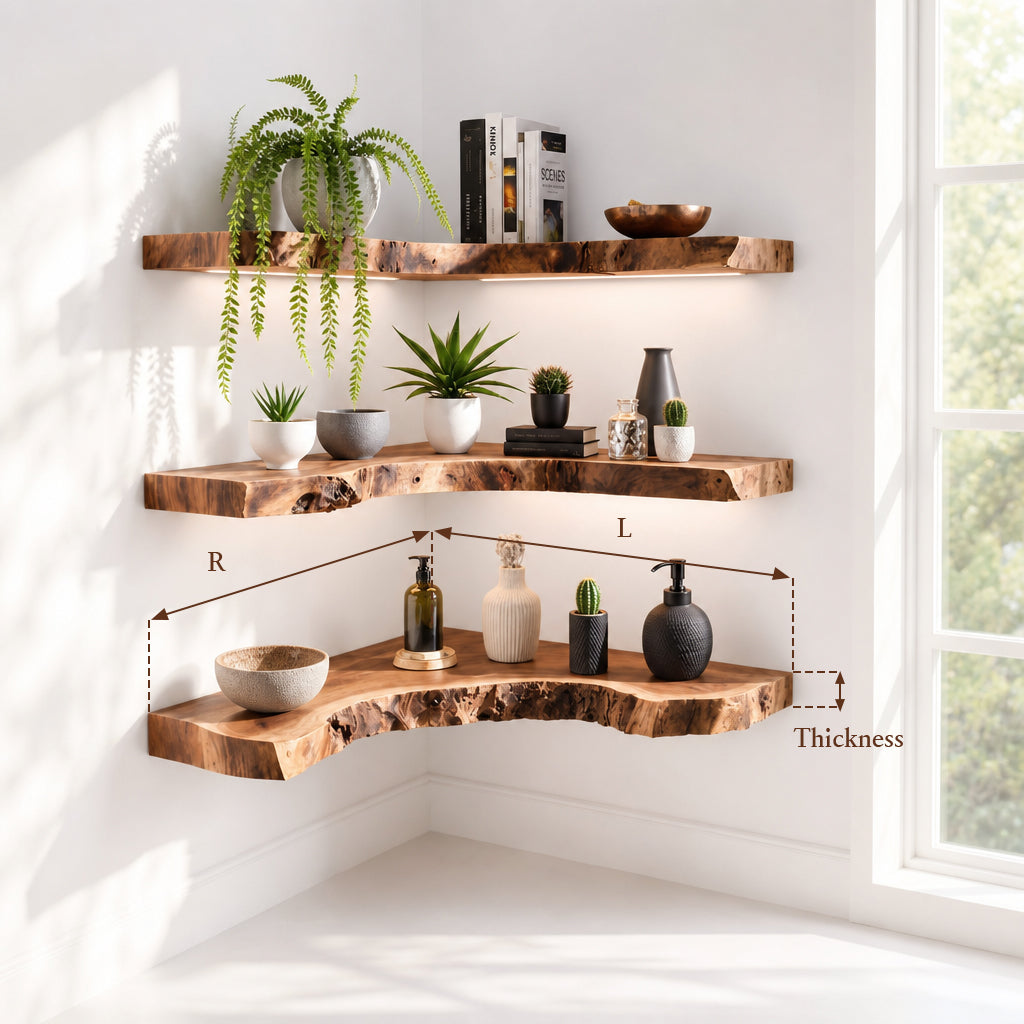
 Sculptural Hand-Carved Mushroom Solid Wood Corner Floating Shelf & Biomorphic Wall Display Ledge
From $345.00
Sculptural Hand-Carved Mushroom Solid Wood Corner Floating Shelf & Biomorphic Wall Display Ledge
From $345.00
 Sculptural Hand-Carved Mushroom Solid Wood Floating Shelves & Biomorphic Wall Display Ledges
From $345.00
Sculptural Hand-Carved Mushroom Solid Wood Floating Shelves & Biomorphic Wall Display Ledges
From $345.00
Kitchen Shelves: The Complete Guide to Open Shelving in Modern Kitchens
The debate over kitchen shelves-open or closed-has been going on for years. Interior designers champion the airy, accessible look of open shelving. Practical homeowners worry about dust, grease, and the pressure to keep everything looking perfect at all times. Browse thousands of open kitchen shelving photos on Houzz for layout inspiration.
Both sides have valid points. But the conversation gets more productive when you move past the binary and focus on what actually matters: which style works for your kitchen, your cooking habits, and your tolerance for upkeep. This guide walks you through everything you need to make that decision and execute it well.
Open Kitchen Shelves vs. Closed Cabinets: An Honest Comparison
Visual Impact
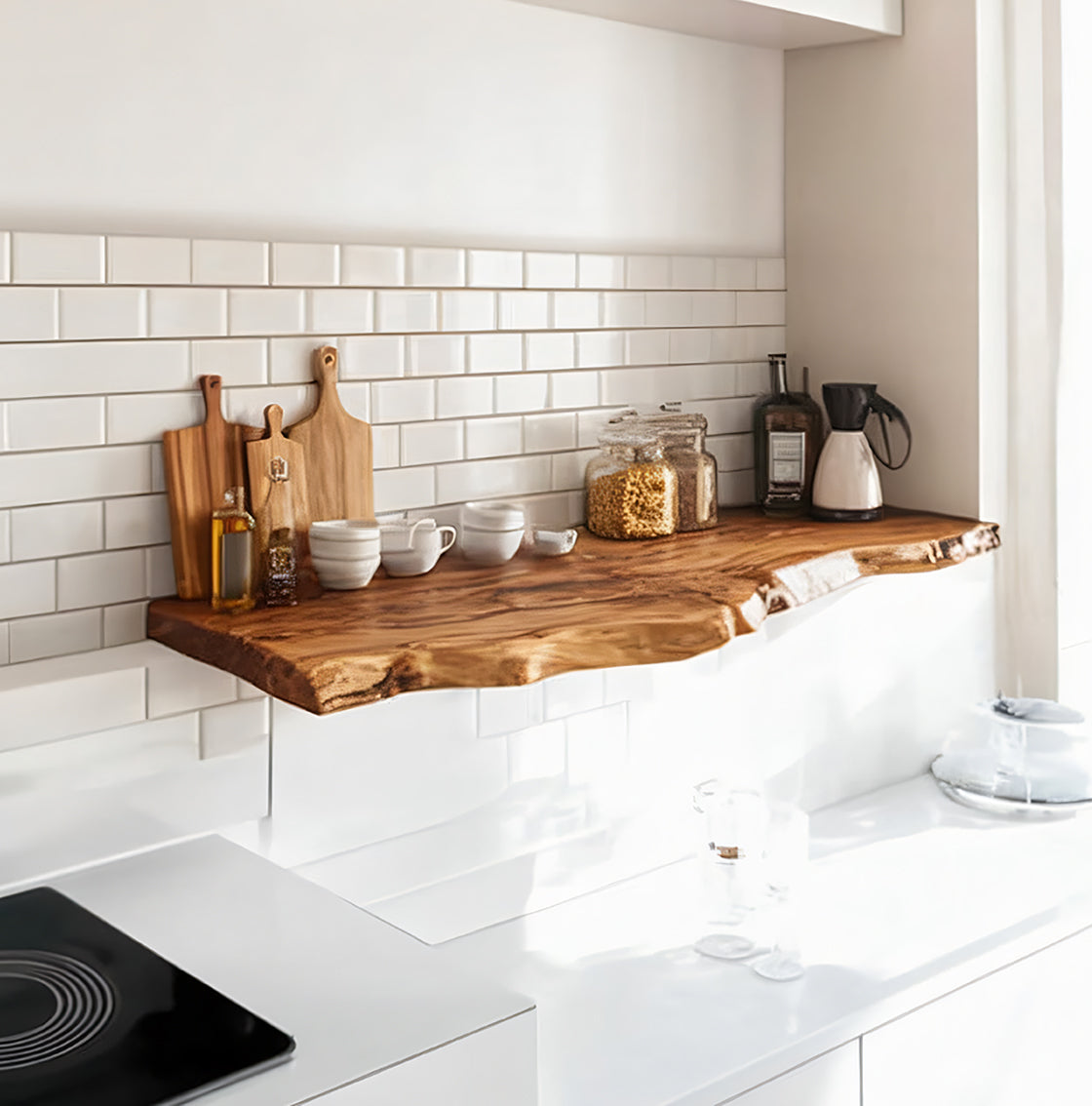
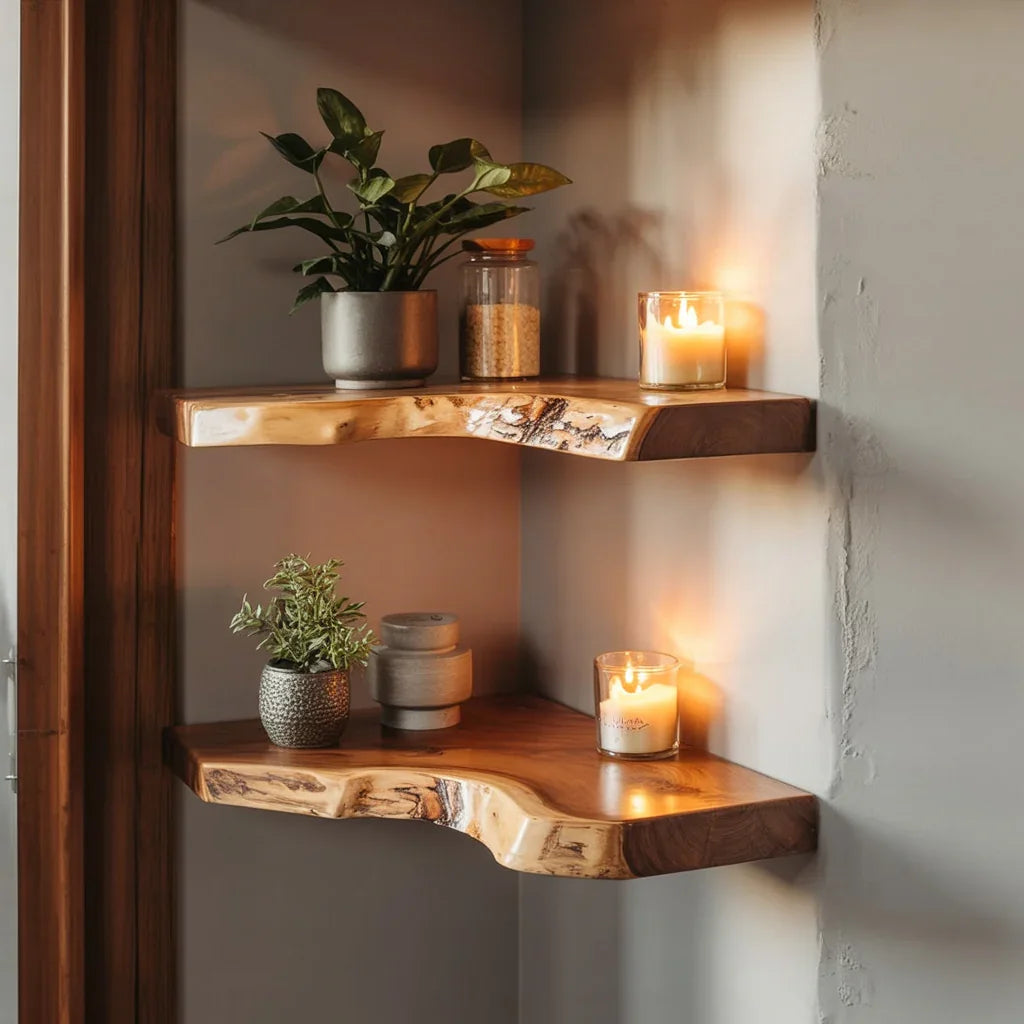
Open shelves make a kitchen feel larger and more inviting. They break up solid walls of cabinetry and create visual breathing room. A row of floating shelves with neatly arranged dishes and a few plants transforms a kitchen from purely functional to genuinely attractive.
Closed cabinets hide clutter and create clean sight lines. If your kitchen inventory includes mismatched Tupperware, promotional mugs from 2014, and a bread machine you've used twice, cabinets are doing important work keeping that out of view.
Accessibility
Open shelves win here decisively. Everyday dishes, glasses, spices, and cooking oils are visible and reachable without opening a door. This shaves seconds off every cooking session-seconds that add up over years. Closed cabinets require opening, reaching, and closing-a minor inconvenience individually, but a meaningful one when repeated thousands of times.
Maintenance
This is where open shelving demands honesty. Items on open shelves collect dust and, in kitchens, a fine film of cooking grease. You'll need to wipe down displayed items and the shelf surfaces every one to two weeks. Closed cabinets protect their contents from airborne grime. If weekly wipe-downs sound tedious, factor that into your decision.
Cost
Open shelving is significantly cheaper than cabinetry. A set of three solid wood floating shelves costs $150-$300 total. Replacing even one section of upper cabinetry costs $500-$2,000+ depending on material and installation. This makes open shelving an attractive option for kitchen renovations on a budget. This Old House offers detailed guides on installing kitchen shelving safely.
Storage Capacity
Cabinets hold more stuff per linear foot because they're deeper and enclosed. Open shelves are typically 10-12 inches deep (versus 12-24 inches for cabinets), and you can only stack items so high without the display looking chaotic. For small kitchens with limited storage, replacing all upper cabinets with open shelving may not be practical.

Handcrafted Live Edge Floating Shelf - Carved Wavy Wood Wall Art


The Hybrid Approach: Why Most Modern Kitchens Use Both
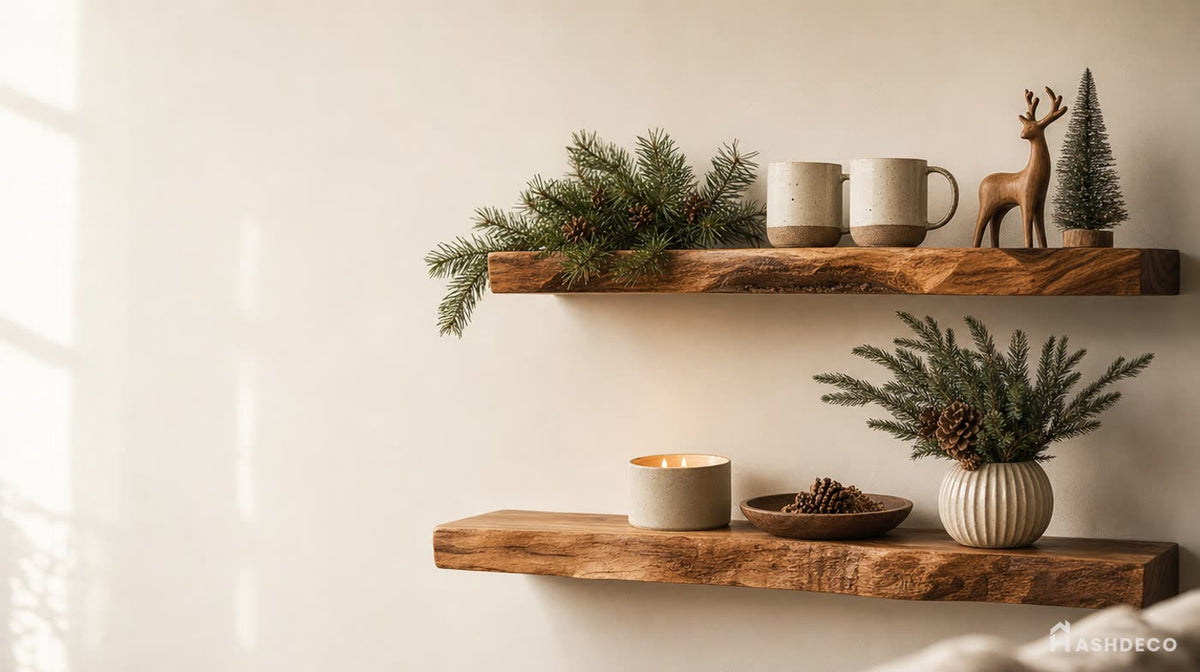
The smartest kitchen designs don't choose between open and closed, they use both strategically. Here's the formula that works:
- Keep lower cabinets closed , pots, pans, cleaning supplies, and less attractive items stay behind doors
- Replace some or all upper cabinets with open shelves , display your best dishes, glassware, and frequently used items
- Use open shelves near the stove and prep area , spices, oils, and everyday seasonings should be within arm's reach
- Keep one section of upper cabinets , for items you don't use daily and don't want to dust (baking supplies, special occasion servingware)
This hybrid approach gives you the visual openness and convenience of open shelving without forcing you to display everything you own.
Best Materials for Kitchen Shelves
Kitchens are tough environments. Steam, grease, temperature fluctuations, and the occasional splash of tomato sauce all take their toll. Not every material handles this gracefully.
Solid Wood
The most popular and versatile choice. Solid wood shelves bring warmth and character to kitchens, something that metal and glass can't replicate. The key is choosing the right species and finish:
- Oak: Hard, durable, and resistant to moisture when sealed. White oak in particular has closed pores that resist water penetration. Works in any kitchen style from farmhouse to modern.
- Walnut: Rich, dark, and sophisticated. Walnut kitchen shelves make a statement. Hard enough to resist scratches from dishes and cookware.
- Acacia: Naturally water-resistant thanks to its tropical origins. Striking grain patterns that range from golden to deep brown. An excellent choice for kitchens because it handles humidity better than most hardwoods.
- Pine: Affordable and charming, but softer and more susceptible to dents. Best for kitchens where the shelves hold lighter items like spice jars and small bowls rather than heavy stoneware.
Whichever species you choose, the finish matters as much as the wood. Kitchen shelves need a moisture-resistant seal, polyurethane, food-safe epoxy, or a quality hard wax oil. Skip the bare-wood or oil-only finishes that work in living rooms but fail in kitchens.
Stainless Steel
Professional kitchens use stainless steel for a reason: it's impervious to moisture, heat, and stains. In residential kitchens, steel shelves work well in industrial or modern aesthetics. The downside: they're cold to the eye and to the touch, they show fingerprints, and they have zero warmth. Most homeowners find steel shelves functional but uninviting.
Marble or Stone
Beautiful but impractical for most kitchens. Heavy, expensive, and porous (marble stains easily). Stone shelves work as a single accent, like a shelf beside the stove for salt and oil, but not as a primary shelving system.
Glass
Tempered glass shelves create a sleek, contemporary look. They don't collect visible dust (or rather, dust is less visible on clear surfaces). But glass shows water spots, requires frequent cleaning to look its best, and doesn't have the warmth that makes a kitchen feel like the heart of the home.

Don't miss
These pieces qualify for 10% off orders over $2,000. Applied automatically at checkout.
Kitchen Shelf Organization: From Chaos to Calm
Open shelves look terrible when they're cluttered. They look magazine-worthy when they're curated. Here's how to get from one to the other:
The Three-Zone System
Zone 1: Daily Use (lowest, most accessible shelf)
- Everyday plates, bowls, and glasses
- Coffee mugs
- Salt, pepper, and cooking oils
Zone 2: Cooking Support (middle shelf)
- Spice jars (matching containers make a huge visual difference)
- Frequently used cookbooks (one or two standing upright)
- Serving bowls used multiple times per week
Zone 3: Display and Overflow (highest shelf)
- Small plants (herbs if near a window, trailing plants otherwise)
- Decorative items: a vase, a small piece of art, a beautiful cutting board
- Items used less often but pretty enough to display
Organization Principles
- Match your vessels. You don't need a full matching dinnerware set, but keeping a consistent color palette (all white, all earth tones) across your displayed items makes open shelves look intentional rather than random.
- Stack in odd numbers. Three plates stacked, five spice jars in a row, odd numbers are more visually pleasing than even ones.
- Leave breathing room. Resist the urge to fill every inch. Open shelves need negative space to look good. Aim for 60-70% coverage, leaving 30-40% as empty space.
- Rotate seasonally. Swap out displayed items every few months to keep the look fresh and give yourself an excuse to wipe everything down.
- Keep the ugly stuff hidden. Not everything belongs on display. Plastic containers, novelty mugs, and rarely used gadgets should live in closed storage.

Rustic Live Edge Floating Shelf - Handmade Solid Wood for Kitchen & Living Room
How to Install Kitchen Floating Shelves
Kitchen shelving installation follows the same principles as any room, with a few kitchen-specific considerations:
Height and Spacing
- First shelf: 18-20 inches above the countertop, high enough to use the counter space below, low enough to reach comfortably
- Spacing between shelves: 12-14 inches for standard dishes and glasses; 16+ inches if you plan to store taller items like oil bottles or vases
- Top shelf: No higher than 72 inches from the floor for most people to reach without a step stool
Mounting Considerations
- Always mount into studs in kitchens. Kitchen shelves hold heavier items (dishes, cookware) than decorative shelves in other rooms. Drywall anchors alone aren't sufficient for loaded kitchen shelves.
- Account for backsplash. If you have a tile backsplash, you'll need to drill through tile. Use a masonry or glass/tile drill bit and go slowly to avoid cracking.
- Keep shelves away from directly above the stove. Steam and grease are most concentrated directly above your cooking surface. Mount shelves at least 12-18 inches to the side of the stove.
- Check for plumbing and electrical. Kitchen walls often have wiring and pipes running behind them. Use a scanner that detects both studs and live wires before drilling.
Kitchen Shelf Styles for Different Aesthetics
Modern Minimalist
Thin, clean-lined shelves in light wood (maple or ash) or dark walnut. No visible brackets, floating shelves with hidden mounting hardware keep the look sleek. Display only what you use daily.
Farmhouse
Thick, chunky shelves in pine or reclaimed wood. Iron or black metal brackets add to the aesthetic. Layer mixing bowls, canisters, and cookbooks with a few green plants. This is the style that made open kitchen shelving popular in the first place.
Industrial
Combine metal pipe brackets with dark-stained or raw-edge wood shelves. Keep the display minimal and functional: matching glass jars, a cast iron pan hung from a hook beneath the shelf, a few bottles of vinegar and oil.
Scandinavian
Light-colored wood (birch, beech, or light oak) with simple, no-bracket floating design. The Scandinavian approach to open shelving is about restraint, a few carefully chosen items with plenty of empty space around them.
Transitional
The middle ground between traditional and modern. Medium-toned wood (oak, walnut) with clean lines but visible wood grain. This style works in kitchens that need to connect with both a traditional dining room and a contemporary living space.
Common Kitchen Shelf Mistakes to Avoid
- Overfilling. The single biggest mistake. Open shelves that are packed to capacity look worse than the cabinets they replaced. Edit ruthlessly.
- Ignoring dust and grease. If you cook frequently (especially frying), items on open shelves need regular cleaning. Plan for this before committing to open shelving above your main cooking area.
- Wrong shelf depth. Shelves deeper than 12 inches in most kitchens look bulky and cut into headroom. Standard dinner plates are about 10 inches in diameter, a 10 to 12 inch deep shelf is ideal.
- Using untreated wood. Bare wood in a kitchen environment absorbs moisture and cooking odors. Always choose shelves with a proper kitchen-grade finish.
- Inconsistent height spacing. Shelves mounted at random intervals look chaotic. Measure carefully and keep spacing consistent between all shelves in a group.
- Cheap brackets on heavy loads. Kitchen shelves hold heavy items. Budget brackets that flex under weight will eventually sag or fail. Invest in solid hardware, or choose floating shelves with built-in concealed brackets from quality manufacturers like Ashdeco.
Frequently Asked Questions
Are open kitchen shelves going out of style?
No. Open kitchen shelving has been a staple of kitchen design for centuries, it predates modern cabinetry. The current trend toward open shelving in residential kitchens may evolve (hybrid approaches are becoming most popular), but open shelves as a design element are permanent. Well-made wooden shelves won't look dated because wood has been used in kitchens since the beginning of kitchens.
How deep should kitchen shelves be?
10-12 inches works for most kitchen items. Standard dinner plates (10-10.5 inches) fit on a 12-inch shelf with a slight margin. Deeper shelves (14+ inches) can work for pantry areas where you're storing larger items, but they make everyday items harder to reach and the shelves look heavy.
Can I put heavy pots on floating kitchen shelves?
It depends on the shelf's weight capacity and mounting. A quality solid wood floating shelf mounted into studs can typically hold 25-50 pounds depending on length and bracket system. A cast iron skillet weighs 5-8 pounds, so yes, but don't load the shelf to its maximum. Check the weight limit specified by the manufacturer.
How do I keep kitchen shelves from looking messy?
Three rules: edit what you display (less is more), use matching or coordinated containers (white dishes, matching spice jars), and maintain negative space (30-40% of shelf space should be empty). Clean and reorganize every few weeks to prevent creep.
Do open kitchen shelves lower home resale value?
Not when they're well-executed. Many buyers prefer the open, airy look. However, removing all upper cabinetry and replacing it exclusively with open shelving can concern buyers worried about storage. The hybrid approach (some open shelves, some closed cabinets) has the broadest appeal.
What's the best wood for kitchen shelves?
Oak (especially white oak) and acacia are the top choices for moisture resistance and durability. Walnut is excellent for a darker aesthetic. All kitchen wood shelves need a moisture-resistant finish regardless of species. Ashdeco's solid wood floating shelves are handcrafted from carefully selected hardwoods and finished to withstand kitchen environments.
Making the Transition to Open Kitchen Shelving
If you're considering the switch, start small. Remove the doors from one section of upper cabinets and live with the contents exposed for a month. You'll quickly learn whether the visibility motivates you to stay organized or stresses you out. If you enjoy it, graduate to proper floating shelves that improve the look far beyond bare cabinet boxes.
The kitchen is where function and form collide most directly. The right shelves, well-made, properly mounted, and thoughtfully styled, can make your kitchen both more beautiful and more efficient. That's not a compromise. That's a win.