Quick view
Shop this guide
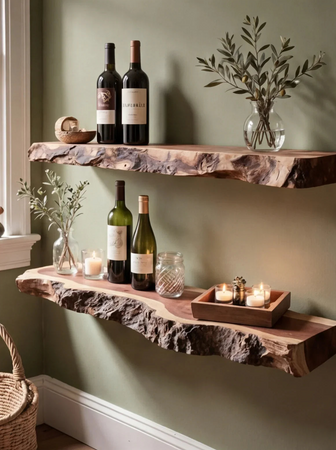
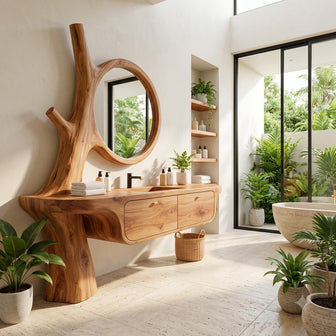
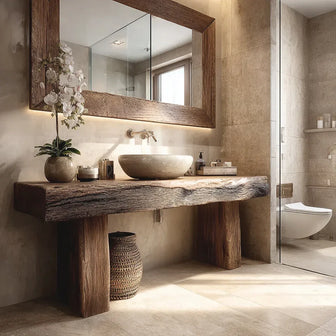
Handcrafted Floating Shelves, made to order in solid wood.
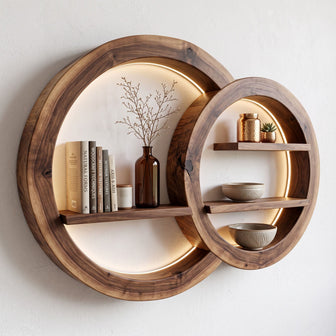
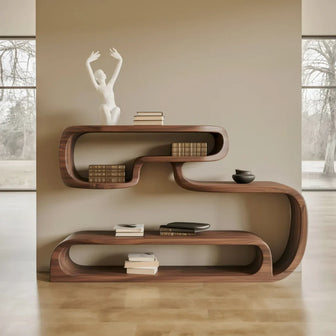
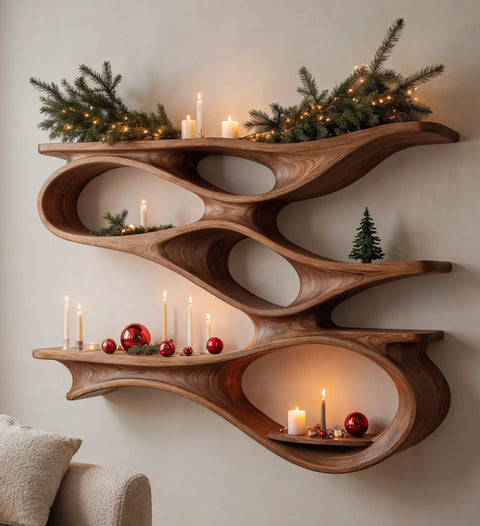
 Sculptural Overlapping Circular Solid Wood Wall Shelf with Multi Tier Display
From $1,354.00
Sculptural Overlapping Circular Solid Wood Wall Shelf with Multi Tier Display
From $1,354.00
 Mountain Landscape Relief Solid Wood Floating Shelf Live Edge Display Ledge
From $1,154.00
Mountain Landscape Relief Solid Wood Floating Shelf Live Edge Display Ledge
From $1,154.00
 Enchanted Forest Circular Wall Shelf - Round Carved Timber Mushroom Portal
From $1,023.00
Enchanted Forest Circular Wall Shelf - Round Carved Timber Mushroom Portal
From $1,023.00
 Cottagecore Arched Wood Wall Niche - Hand-Carved Fairy Mushroom Alcove Shelf
From $1,356.00
Cottagecore Arched Wood Wall Niche - Hand-Carved Fairy Mushroom Alcove Shelf
From $1,356.00
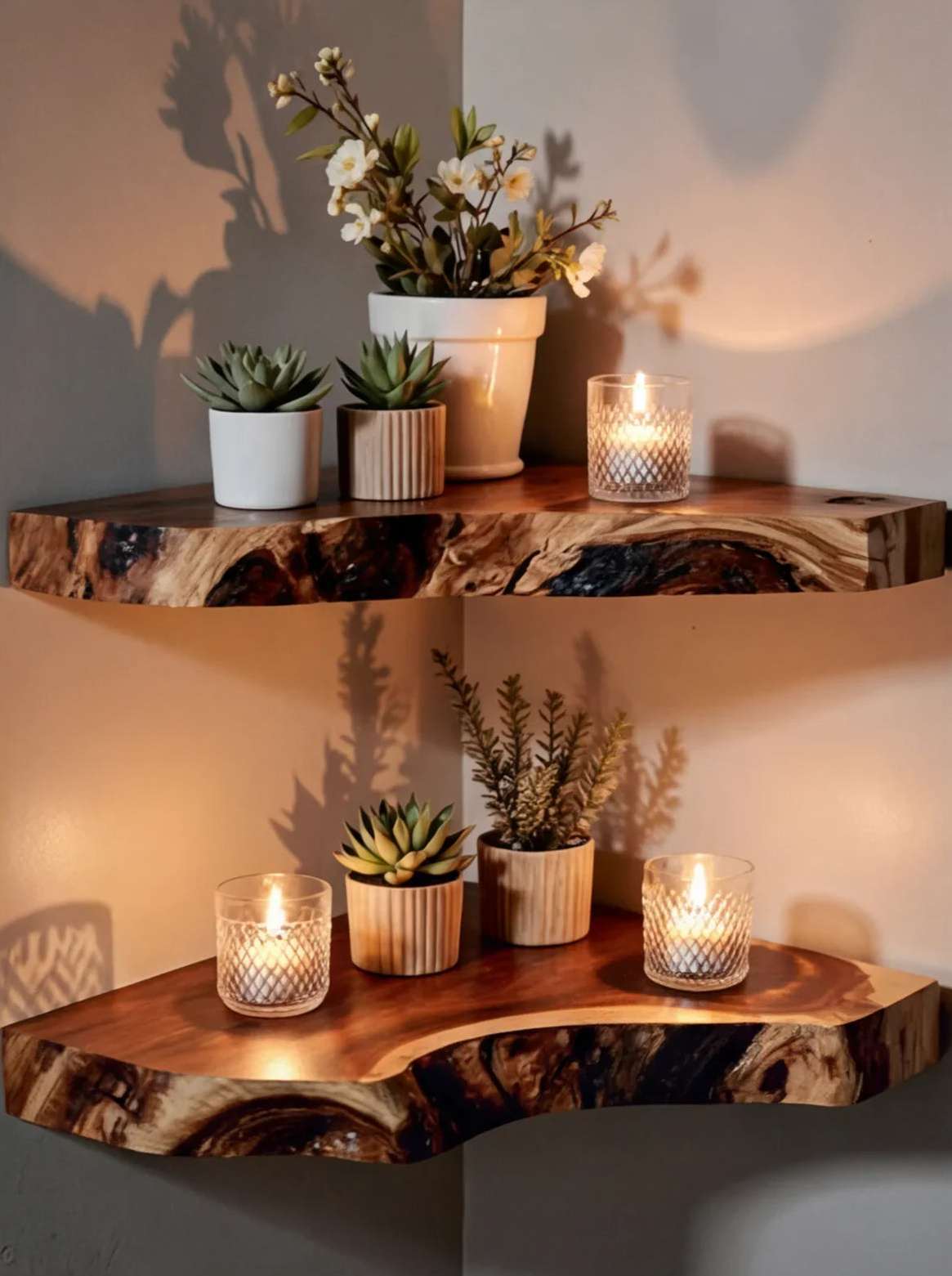
 Sculptural Hand-Carved Mushroom Solid Wood Corner Floating Shelf & Biomorphic Wall Display Ledge
From $345.00
Sculptural Hand-Carved Mushroom Solid Wood Corner Floating Shelf & Biomorphic Wall Display Ledge
From $345.00
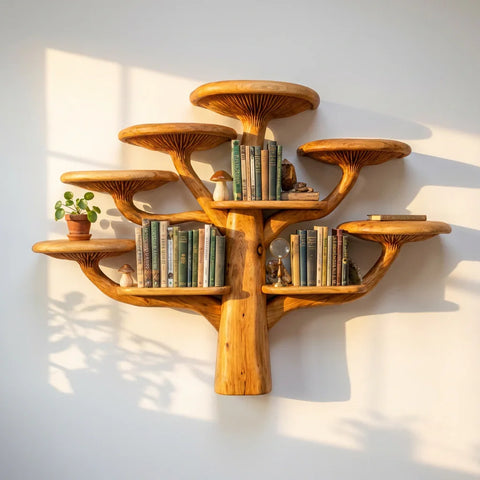
 Sculptural Hand-Carved Mushroom Solid Wood Floating Shelves & Biomorphic Wall Display Ledges
From $345.00
Sculptural Hand-Carved Mushroom Solid Wood Floating Shelves & Biomorphic Wall Display Ledges
From $345.00
Modern floating shelves are supposed to look effortless. Clean lines, minimal brackets, that "how is it even attached to the wall?" effect. In practice, most cheap floating shelves sag under weight, show ugly gap between the shelf and wall, and peel at the edges within a year.
The good news is that modern doesn't have to mean hollow or flimsy. Here's how to actually get that sleek, minimal look with shelves that hold real weight.
What Makes a Floating Shelf "Modern"?
Modern floating shelves share a few traits:
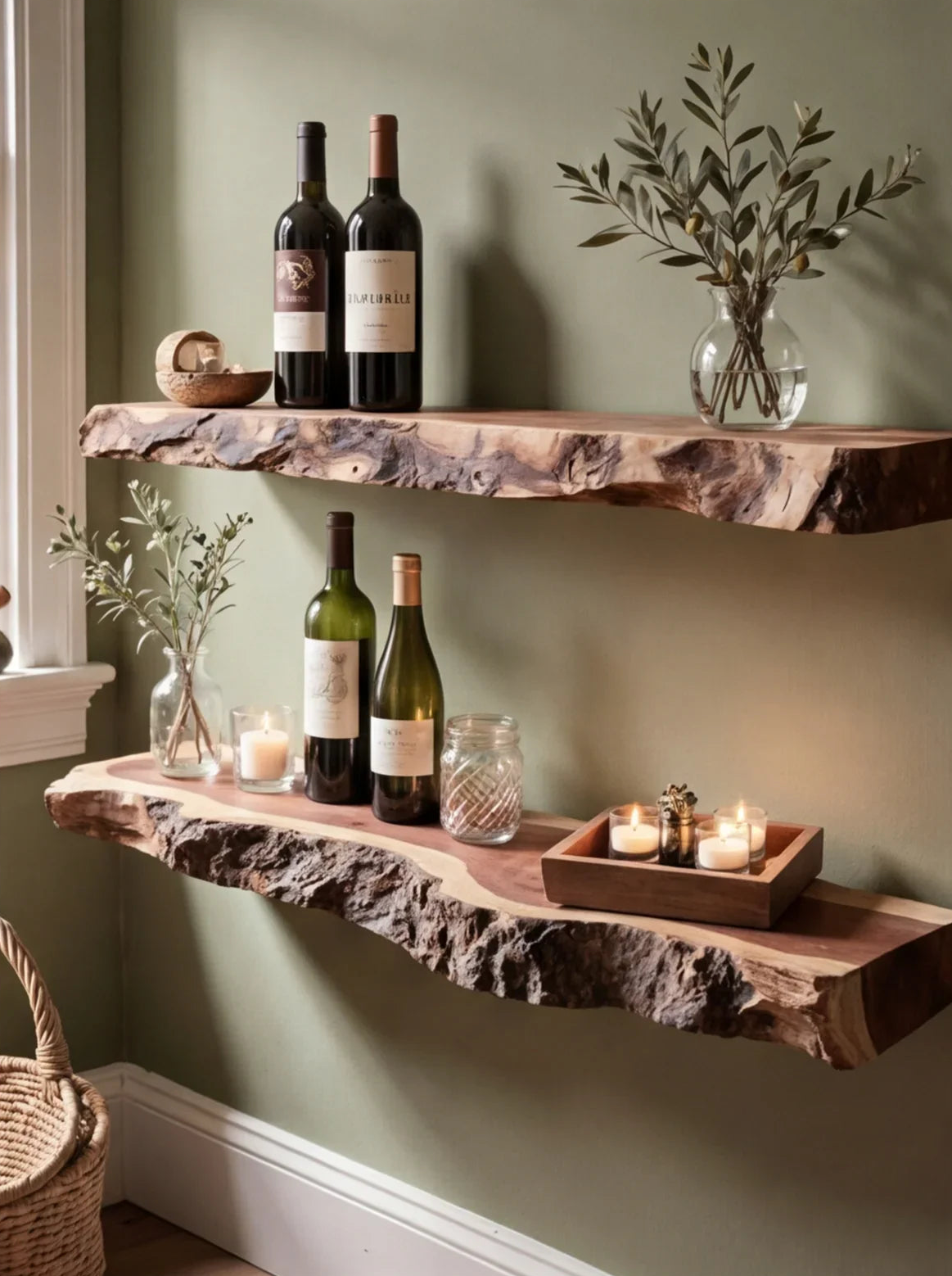
There's an overlap with live edge shelves that confuses people. A live edge shelf with a natural wood edge can look modern if the rest of the finish is clean and the mounting is invisible. It depends more on the overall context than the material.
Hidden Bracket Systems: What Actually Works
The entire illusion of a floating shelf depends on the bracket being invisible. There are three main systems:
Rod-and-channel (most common). A metal plate with rods screws into the wall studs. The shelf slides onto the rods. This works well for shelves up to 36 inches wide and 25-30 pounds of load. Weakness: the rods can bend if the shelf is overloaded, causing a downward tilt on the outer edge.
French cleat. An angled strip on the wall interlocks with an angled strip on the back of the shelf. Strong, easy to level, holds more weight (50+ pounds when screwed into studs). But the shelf sits slightly away from the wall, so you'll see a small gap if you look from the side.
Integrated steel plate. The strongest option. A thick steel plate is embedded inside the shelf itself, then the entire assembly bolts directly into studs. This is how high-end solid wood floating shelves are mounted. Weight capacity can exceed 60 pounds.
For modern aesthetics, you want zero visible hardware. That means either rod-and-channel for lighter shelves or integrated steel plates for heavier solid wood ones.


Solid Wood vs. MDF vs. Hollow Core
Here's the honest breakdown:
Hollow core (cheapest, $15-$40). A thin shell of MDF or veneer over an internal honeycomb or frame. Light, easy to install, but holds maybe 15 pounds before sagging. The veneer chips easily. Fine for displaying a few candles and a small plant. Terrible for books.
MDF solid core ($40-$100). Denser than hollow core, holds 20-30 pounds. Won't chip as easily but swells if it gets wet. Bathroom? Skip MDF. Kitchen near the stove? Also skip. Living room display shelf? MDF works fine.
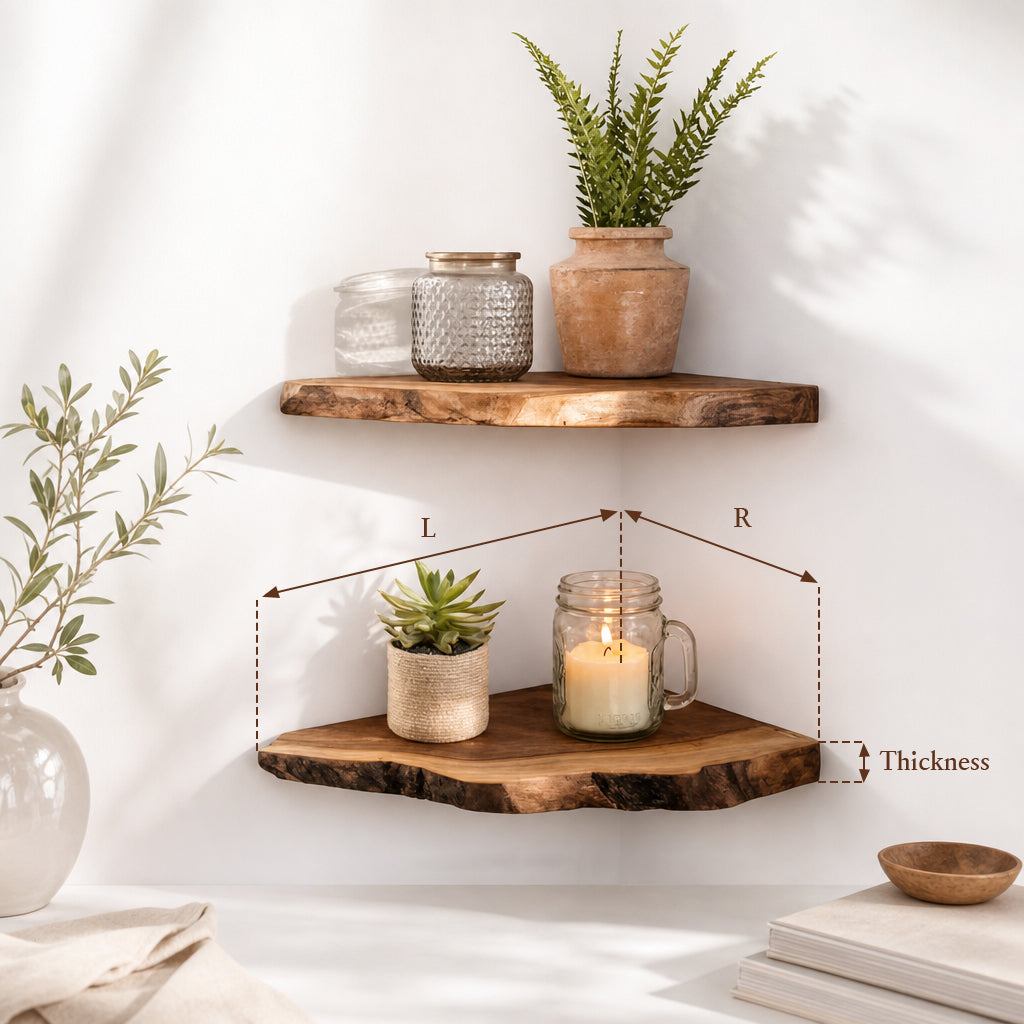
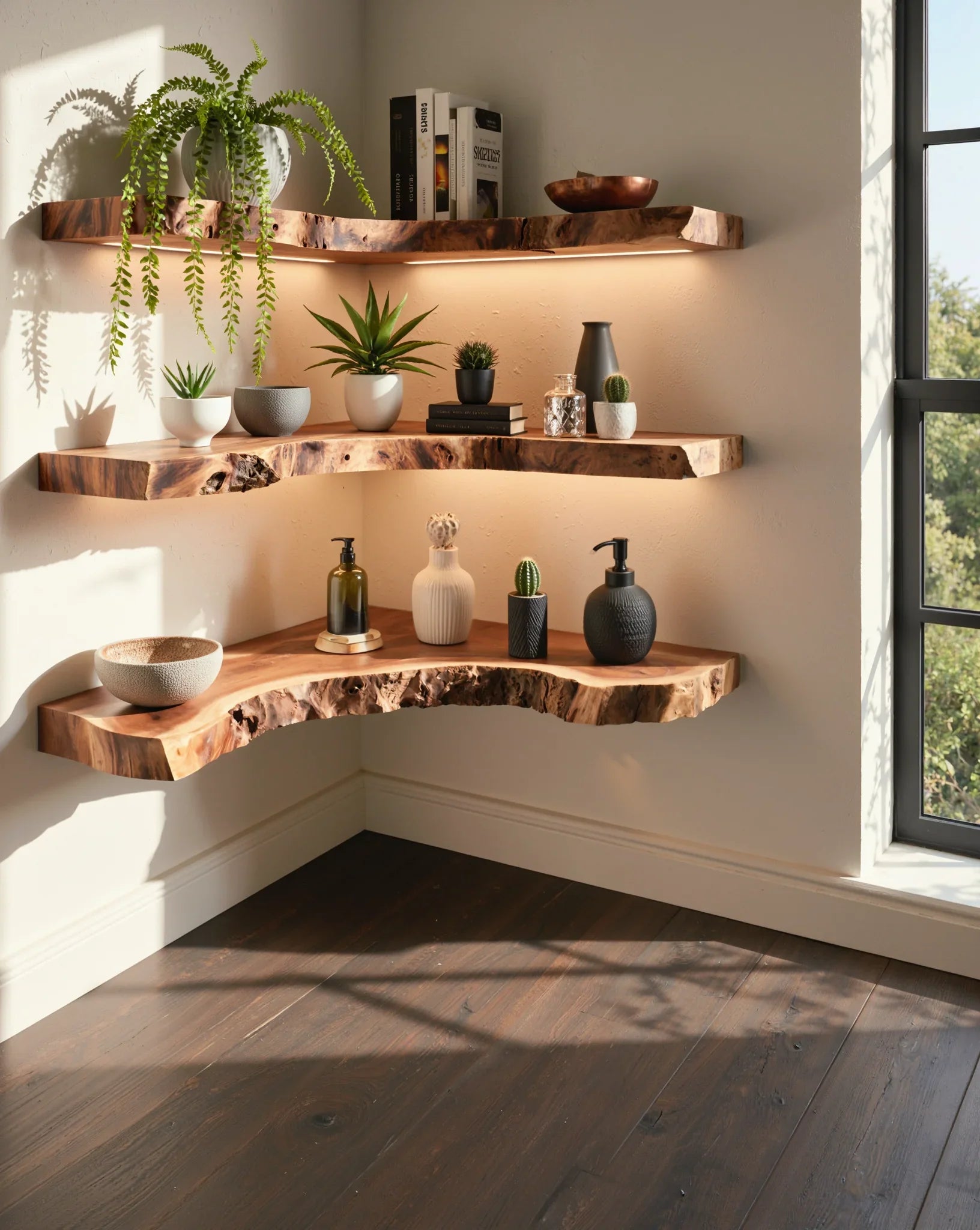
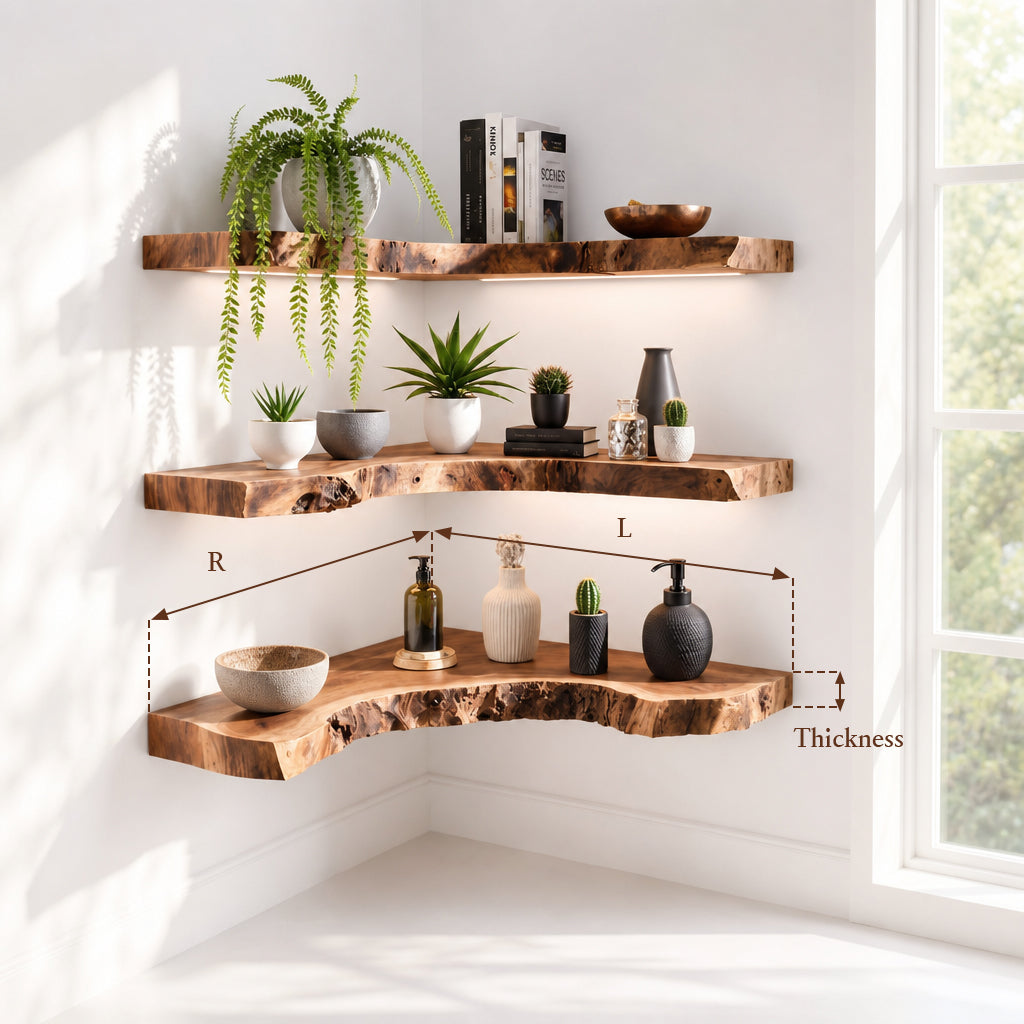
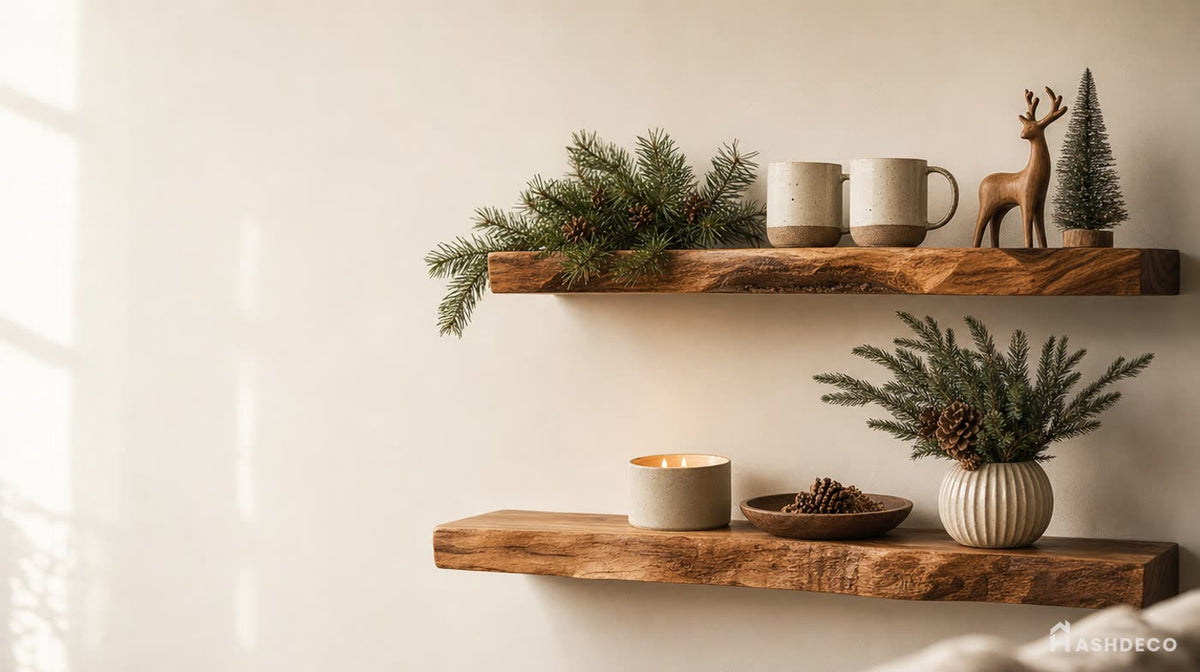
Solid wood ($100-$700+). The heaviest and strongest option, also the most expensive. Ashdeco's floating shelves start at $429 and are handcrafted from solid wood with live edge detailing. They hold 30-60 pounds, resist moisture better than MDF, and develop character as they age rather than deteriorating.
The price difference is significant, and pretending otherwise would be dishonest. If you're hanging shelves in a rental you'll leave in two years, $30 hollow core shelves make financial sense. If you're building out your own home, solid wood pays back in longevity and appearance.
Modern Floating Shelf Ideas by Room
Kitchen
Open kitchen shelving has been trending for years, and it's not going anywhere. Modern kitchens use floating shelves to replace upper cabinets on one wall, creating an open, airy feel.
The catch: kitchen shelves need to handle weight (dishes, glasses, jars) and moisture (steam from cooking). Hollow core shelves will sag and swell. Use solid wood at least 1.5 inches thick, sealed with a food-safe finish. Mount into studs with heavy-duty brackets.
Good placement: above the counter between the stove and sink, at 18-24 inches above the countertop. Two shelves with 12 inches between them is the standard layout.
Living Room
Modern living rooms use floating shelves as alternatives to entertainment centers or bookcases. A row of three shelves at staggered heights next to the TV creates a gallery wall effect without the commitment of hanging 20 frames.
Keep it minimal. Two to four items per shelf maximum. Books, one plant, a small sculpture. The point of modern shelving is negative space. If every inch is covered, you've lost the modern look.
Bathroom
Bathrooms are the trickiest spot for floating shelves because of moisture. MDF will swell and warp within months. Solid wood sealed with polyurethane or marine-grade finish works, as does metal.
Install above the toilet or next to the vanity. Keep shelves narrow (4-6 inches deep) since bathroom counter space is already tight. One or two shelves holding towels, a candle, and soap is plenty.
Bedroom
Above the bed or flanking the bed as floating nightstands. Modern bedrooms benefit from the "no furniture on the floor" approach, where wall-mounted everything makes the room feel larger.
Shelf height above the bed: 8-12 inches above the headboard or 24-30 inches above the mattress if there's no headboard. Keep items light since nobody wants a heavy vase falling during an earthquake.
Don't miss
These pieces qualify for 10% off orders over $2,000. Applied automatically at checkout.
Styling Modern Floating Shelves
The difference between modern and cluttered comes down to editing.
The rule: Display only what you'd put back if you took everything off and started over. Most people find that's about 40-60% of what they originally had on the shelf.
Color coordination. Pick two or three colors maximum for items on any single shelf. All-white pottery with one green plant. Black frames with natural wood accents. The constraint is what makes it look intentional.
Height variation. Alternate tall and short items. A tall vase, a short stack of books, a medium plant. This creates rhythm without symmetry, which reads as styled rather than staged.
Spacing. Leave 2-3 inches between items. Crowded shelves look like storage. Spaced items look like display. This is the single biggest mistake people make with floating shelves.
Frequently Asked Questions
How thick should modern floating shelves be?
Modern floating shelves typically look best at 1.5-2.5 inches thick. Thinner than 1.5 inches may not hold adequate weight, while thicker than 3 inches starts looking farmhouse rather than modern. For solid wood, 1.75-2 inches is the sweet spot between strength and clean visual lines.
How far apart should I space floating shelves?
For standard display shelves, 8-12 inches between shelves works well. For book storage, allow 10-12 inches to accommodate taller books. For kitchen shelves holding plates and glasses, 12-14 inches gives comfortable reach room. Measure your tallest items first, then add 2 inches.
Do floating shelves work on plaster walls?
Floating shelves work on plaster walls but require different hardware. Toggle bolts or plaster-specific anchors are necessary since standard drywall anchors won't grip. For heavy solid wood shelves, find the studs behind the plaster using a stud finder rated for plaster and lath. Mounting into studs is always the safest option regardless of wall type.
Can floating shelves hold a TV?
Floating shelves can hold a small TV (under 32 inches, typically 10-15 pounds) if mounted into studs with a weight-rated bracket system. For larger TVs, a dedicated wall mount is safer and puts less stress on the shelf. Don't use hollow core floating shelves for any TV.
What's the weight limit for most floating shelves?
Hollow core shelves hold 10-15 pounds. MDF solid core holds 20-30 pounds. Solid wood with heavy-duty steel brackets mounted into studs holds 30-60+ pounds. The bracket system matters as much as the shelf material. Always check the manufacturer's stated weight limit and mount into studs when possible.
Finding the Right Fit
Modern floating shelves work in almost any room if you get the material and mounting right. Cheap shelves give you the look for a year. Solid wood gives you the look for a decade. The mounting system matters more than most people realize, so don't skip that step in your research.
Ashdeco's floating shelf collection includes modern live-edge options starting at $429. Each shelf is handcrafted from solid wood, with integrated mounting systems rated for real weight. If you want something more minimal, the mushroom floating shelves add a whimsical modern touch to kids' rooms and creative spaces.