Quick view
- What is a live edge bench?
- Why people like live edge wood benches
- Walnut vs other woods for a live wood bench
- Live edge bench with back or backless?
- Sizing tips before you buy
- Where to place a live edge bench indoor
- Can a live edge bench go outdoors?
- How live edge benches age over time
- Care and maintenance
- How to choose the right Ashdeco bench
- Final thoughts on choosing a live edge bench
Shop this guide
Handcrafted Benches, made to order in solid wood.
 Christmas edit
Handcrafted Rustic Solid Wood Bench - Natural Log Seating for Garden & Patio
From $1,553.00
Christmas edit
Handcrafted Rustic Solid Wood Bench - Natural Log Seating for Garden & Patio
From $1,553.00
 Christmas edit
Live Edge Wooden Entryway Bench – Solid Wood Hallway Bench with Shelf
From $1,050.00
Christmas edit
Live Edge Wooden Entryway Bench – Solid Wood Hallway Bench with Shelf
From $1,050.00
 Christmas edit
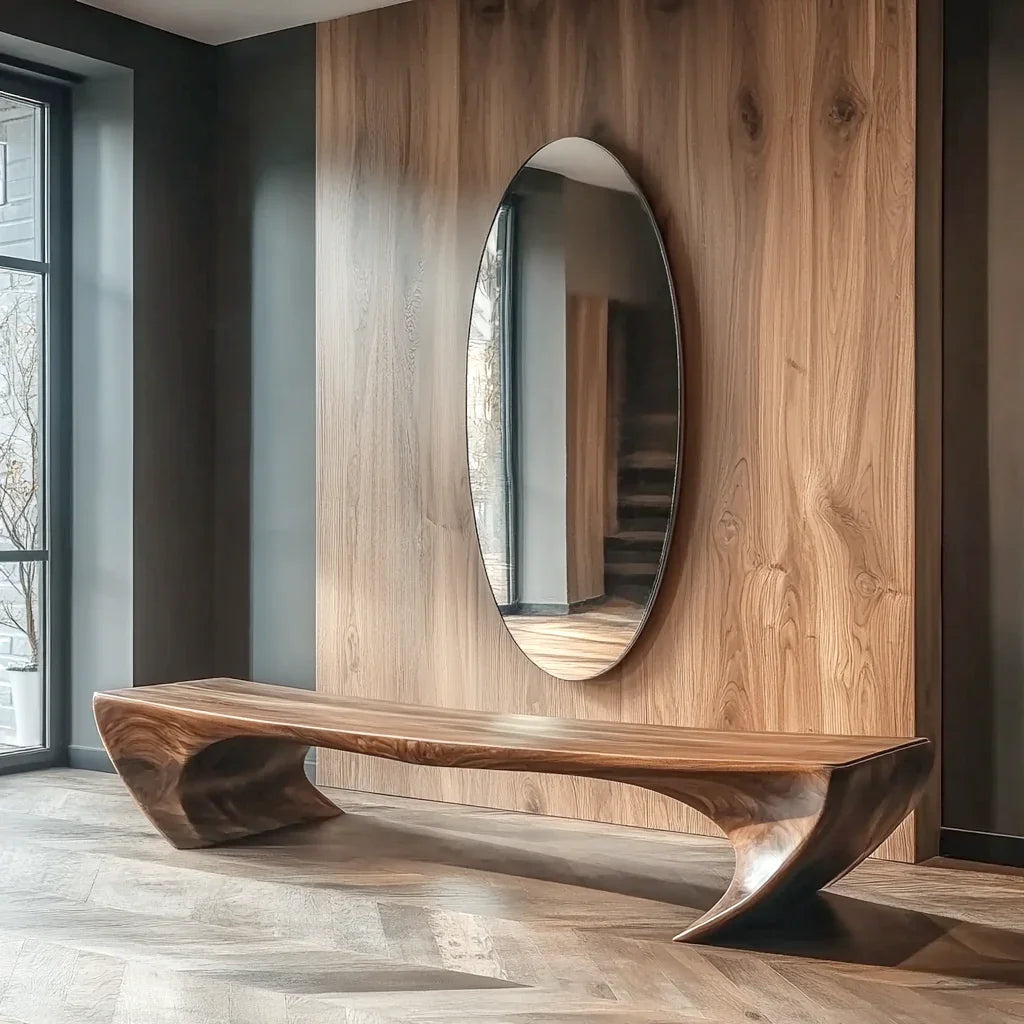
Handcrafted Walnut Bench – Organic Sculptural Mid-Century Design
From $2,327.0010% off at checkout
Christmas edit
Handcrafted Walnut Bench – Organic Sculptural Mid-Century Design
From $2,327.0010% off at checkout
 Christmas edit
Solid Wood Sculptural Bench, Mid-Century Modern Organic Entryway Seating
From $1,876.00
Christmas edit
Solid Wood Sculptural Bench, Mid-Century Modern Organic Entryway Seating
From $1,876.00
 Christmas edit
Handcrafted Sculptural Wood Bench – Modern Organic Curved Entryway Bench
From $2,060.0010% off at checkout
Christmas edit
Handcrafted Sculptural Wood Bench – Modern Organic Curved Entryway Bench
From $2,060.0010% off at checkout
 Christmas edit
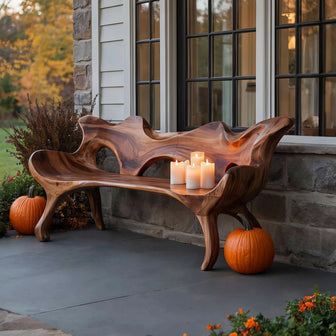
Organic Live Edge Solid Wood Halloween Sculptural Bench
From $2,234.0010% off at checkout
Christmas edit
Organic Live Edge Solid Wood Halloween Sculptural Bench
From $2,234.0010% off at checkout
A live edge bench brings the shape of the tree into your room. Instead of trimming every line into a strict rectangle, the natural edge stays visible, so the bench feels warm and grounded, with a more personal feel. If you are comparing a live edge bench with back for longer sitting, a clean slab seat for an entryway, a handmade piece for the dining room, or a bench for the foot of the bed, this guide will help you sort out what matters before you buy.
At Ashdeco, these benches are handcrafted by Vietnamese artisans from solid wood, and each piece is unique because the grain and edge line shift from slab to slab, and the tone changes from board to board. That is a big reason people choose them. They want furniture with character. It also helps that Ashdeco holds 4.9 stars from 387 reviews, which says a lot about how these pieces land in real homes.
What is a live edge bench?
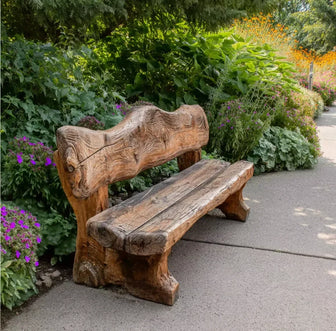
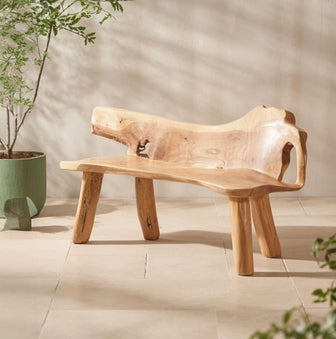
A live edge bench is a bench made from a slab or thick board that keeps one or both natural sides of the tree visible. You still get a finished, sanded, usable surface, though the outline follows the original wood shape instead of a factory-straight cut.
That natural line is what gives a raw wood bench or natural edge wood bench its appeal. It feels less manufactured. The bench can read rustic, modern, organic, or sculptural depending on the base shape and finish.
A few details define the look:
- the edge profile, which can be gentle or dramatic
- the grain pattern, which changes from board to board
- the thickness of the slab, which affects visual weight
- the base style, from simple legs to carved sculptural supports
If you want to browse styles first, start with Ashdeco’s wood benches collection. You can also look through the full benches collection or the more artistic branch benches collection.
Why people like live edge wood benches
Live edge seating works because it adds shape and texture without making a room feel busy. In homes with white walls, stone floors, soft rugs, or simple upholstery, a slab bench often becomes the element that gives the space some life.
It is also practical. A live edge bench seat can work in a hallway, dining area, bedroom, mudroom, reading corner, or at the foot of a bed. One solid piece can move around the house over time instead of feeling tied to a single room.
Ashdeco’s range shows how flexible the category is. Here are a few examples from the current product data:

- Handcrafted Live Edge Bench - Solid Wood Entryway Seating ranges from $1,350 to $4,090 and comes in 20 variants
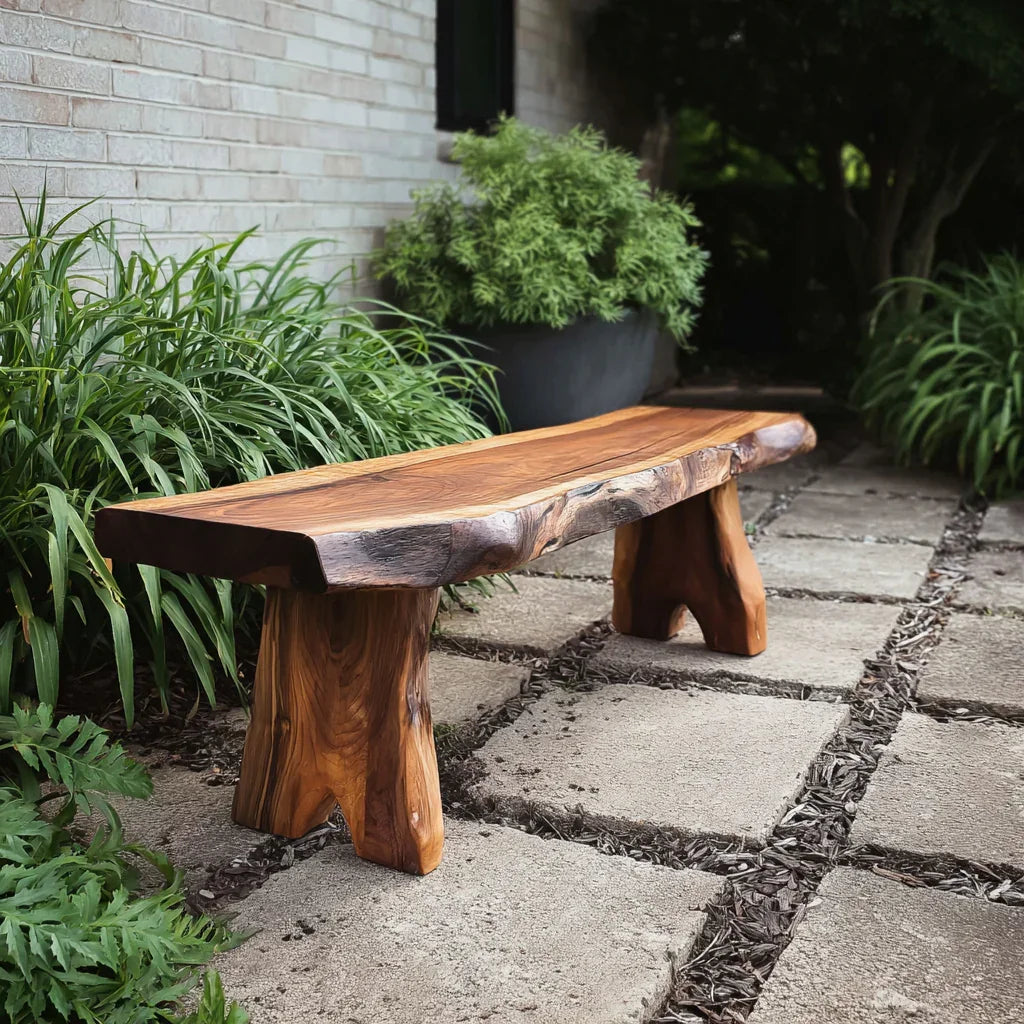
- Handcrafted Live Edge Walnut Bench - Rustic Solid Wood Entryway Seating ranges from $1,388 to $5,188

- Handcrafted Live Edge Wooden Bench - Sculpted Natural Shoe Bench ranges from $1,225 to $3,067

- Handcrafted Solid Wood Bench - Modern Curved Live Edge Seating ranges from $2,060 to $4,260
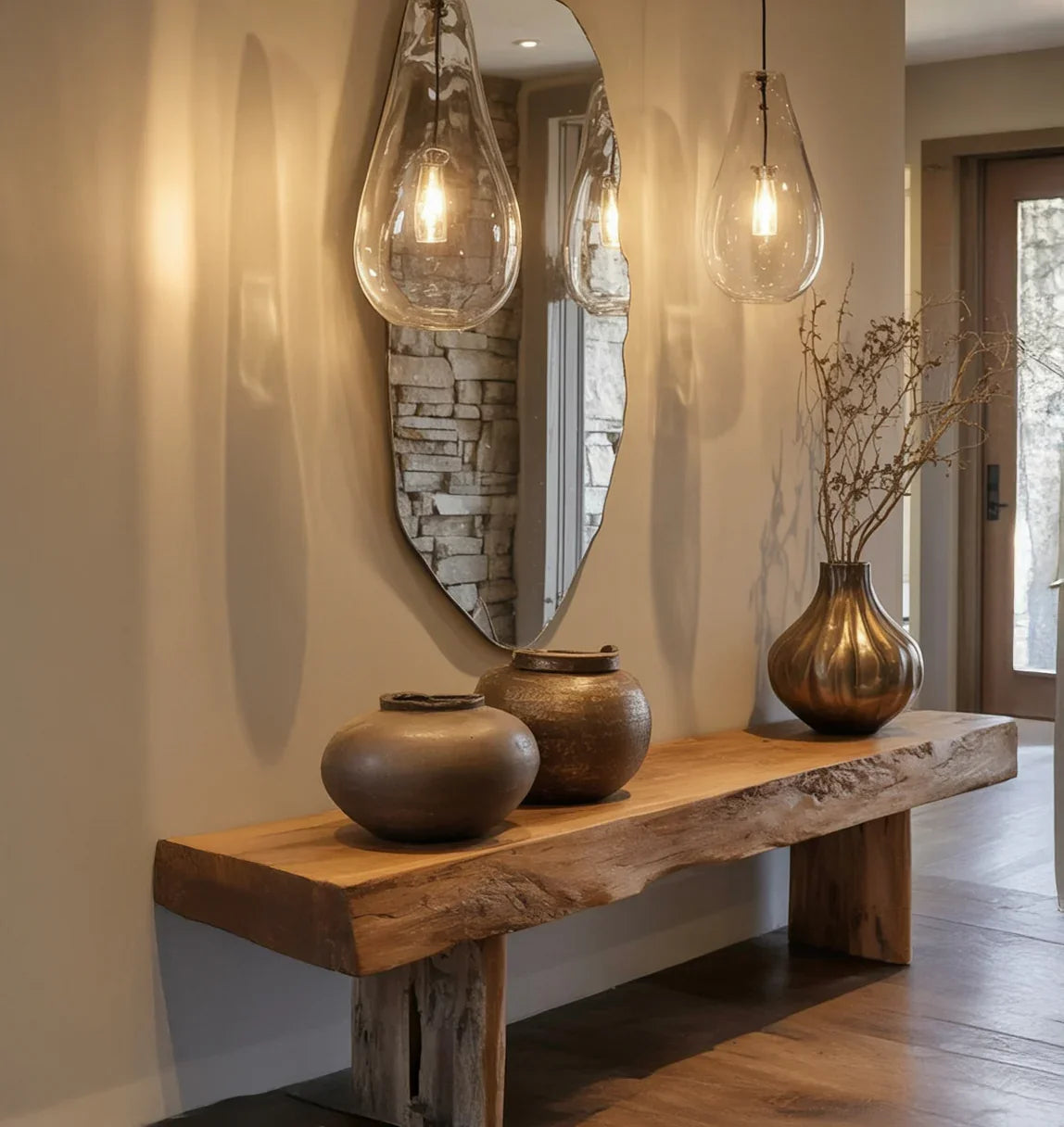
- Ashdeco Entryway Bench - Handmade Live Edge Solid Wood ranges from $2,288 to $3,088
Those price ranges reflect size, wood choice, and build style. A wider slab, a backrest, or a more sculptural base generally increases the cost.


Walnut vs other woods for a live wood bench
If you have been searching for a solid wood slab bench, walnut usually shows up early for a reason. It has rich brown tones with darker variation, and the grain pattern often feels refined without looking formal. A walnut live edge bench often suits dining rooms, bedrooms, home offices, and entryways where you want warmth and depth.
Ashdeco’s Handcrafted Live Edge Walnut Bench - Rustic Solid Wood Entryway Seating is a good example of that look. Walnut tends to pair well with cream walls, black accents, matte metal, linen upholstery, and natural stone.
Other wood choices create a different mood:
- lighter woods can make a room feel more open and easygoing
- reclaimed or heavily textured wood can lean rustic and weathered
- denser tropical hardwoods can be better for covered outdoor use if properly finished and maintained
- highly figured slabs turn the bench into a stronger visual focal point
For most indoor buyers, the best wood is the one that fits the room’s tone and your tolerance for change over time. Wood is a natural material. Color deepens and the grain becomes more noticeable as the bench develops a lived-in look with age.
Live edge bench with back or backless?
This is one of the first decisions worth making. A live edge bench with back feels more supportive and a little more settled. A backless bench feels lighter and easier to move.
When a live edge bench with back makes sense
Choose a live edge bench with backrest when the bench will be used for longer sitting sessions. Dining spaces, breakfast nooks, covered porches, and reading corners benefit from that extra support. Visually, a back also anchors the piece more strongly in the room.
A bench with back can also feel more welcoming near a front door if people actually stop to put on shoes, sort bags, or wait a minute before heading out.
When a backless bench works better
A backless bench is often the better call for narrower spaces. It slides under tables more easily, looks cleaner at the foot of a bed, and keeps sightlines open in hallways.
If you love the slab itself and want the wood edge to stay the star, a backless design often does that best.
Which one fits your home?
Ask yourself four things:
- Will people sit here for ten minutes or an hour?
- Is the space narrow or open?
- Do you want a lighter look or a more grounded one?
- Will the bench tuck under a table, wall shelf, or window?
That usually gets you to the right answer fast.
Don't miss
These pieces qualify for 10% off orders over $2,000. Applied automatically at checkout.
10% off
Handcrafted Walnut Bench – Organic Sculptural Mid-Century Design
From $2,327.00
10% off at checkout
10% off
Handcrafted Sculptural Wood Bench – Modern Organic Curved Entryway Bench
From $2,060.00
10% off at checkout
10% off
Organic Live Edge Solid Wood Halloween Sculptural Bench
From $2,234.00
10% off at checkout
 10% off
Handcrafted Solid Wood Artistic Wood Bench – Soft Organic Wave Silhouette
From $2,534.00
10% off at checkout
10% off
Handcrafted Solid Wood Artistic Wood Bench – Soft Organic Wave Silhouette
From $2,534.00
10% off at checkout
Sizing tips before you buy
A beautiful bench can still feel wrong if the size is off. Live edge shapes make this even more important because natural slab outlines vary.
For entryways, many people want enough width for one person to sit comfortably while still leaving clear walking space. In dining areas, the bench should relate to the table length and leg placement. At the end of a bed, the bench should feel slightly smaller than the bed width so the room stays balanced.
Pay attention to these points:
- Seat height: around dining-chair height works well for meals, while lower profiles can feel relaxed in bedrooms or lounges
- Seat depth: too shallow feels perch-like, while extra depth can feel awkward without a back
- Overall length: leave enough room around doors, corners, furniture edges, and circulation paths
- Base placement: check whether legs or sculptural supports interfere with feet or baskets underneath
A handmade live edge bench may also have slight variation because the slab is unique. That is part of the appeal, though it means you should confirm dimensions carefully if the bench is going into a tight spot.
Where to place a live edge bench indoor
A live edge bench indoor setup works best where you want warmth without visual bulk. Here are some of the most natural placements.
Entryway
This is one of the best homes for a slab bench. It gives you a place to sit while putting on shoes and adds personality right where people enter. Ashdeco’s Handcrafted Live Edge Bench - Solid Wood Entryway Seating and Ashdeco Entryway Bench - Handmade Live Edge Solid Wood are aimed right at this use.
Dining room
A natural edge bench softens the feel of a dining table, especially if the table has clean lines. It can make the room feel less stiff and more lived in.
Bedroom
At the foot of the bed, a live edge piece brings texture without needing much styling. A folded throw, a book, a tray, or a bag is usually enough.
Hallway or landing
These overlooked spaces often need a piece with presence but not much depth. A slim slab bench can do that well.
Can a live edge bench go outdoors?
Sometimes yes, though you should not assume every indoor bench belongs outside. Outdoor suitability depends on the wood species, joinery, finish, and how exposed the bench will be.
Covered porches and sheltered patios are easier environments than fully exposed yards. Sun and standing water, along with swings in humidity, put much more stress on solid wood. If you want outdoor seating, look for a piece built for that use and plan on regular maintenance.
Ashdeco carries several outdoor-ready benches in solid hardwood through its wider benches collection, with options that can suit covered porches or sheltered garden spaces. The key step is confirming the intended use and finish before ordering.
For a bench that will live indoors, keep it indoors. For a bench intended for a porch or garden, confirm the intended use before ordering.
How live edge benches age over time
People often ask if the natural edge gets harder to live with after a few years. In most cases, a well-made solid wood bench ages nicely.
You can expect a few changes:
- the color may deepen with light exposure and use
- small marks and patina can make the surface feel more personal
- seasonal wood movement may happen because solid wood responds to humidity
- the finish may need refreshing depending on wear and placement
This aging is part of the charm. A live edge slab does not stay frozen in time. It settles into the home.
Walnut often grows richer as it matures. Lighter woods can warm up. Reclaimed pieces can show wear more quickly, though many buyers like that softened look.
Care and maintenance
Live edge furniture is easy to own if you follow a few basic habits.
- Wipe spills quickly with a soft cloth.
- Use a dry or slightly damp cloth for regular cleaning.
- Skip harsh chemical cleaners.
- Keep the bench away from direct heat vents and long periods of intense sun.
- Use felt pads if the bench sits on hard flooring.
- Re-oil or refresh the finish if the maker recommends it.
If your bench has a raw-feeling edge, that does not mean it is unfinished. Good live edge work should still feel smooth to the touch while keeping the natural line visible.
How to choose the right Ashdeco bench
If you want a quick way to narrow the field, start with use case first, then shape, then wood tone.

For an entryway bench with broad appeal, look at the Handmade Live Edge Wooden Bench - Solid Natural Slab Seating with Backrest.
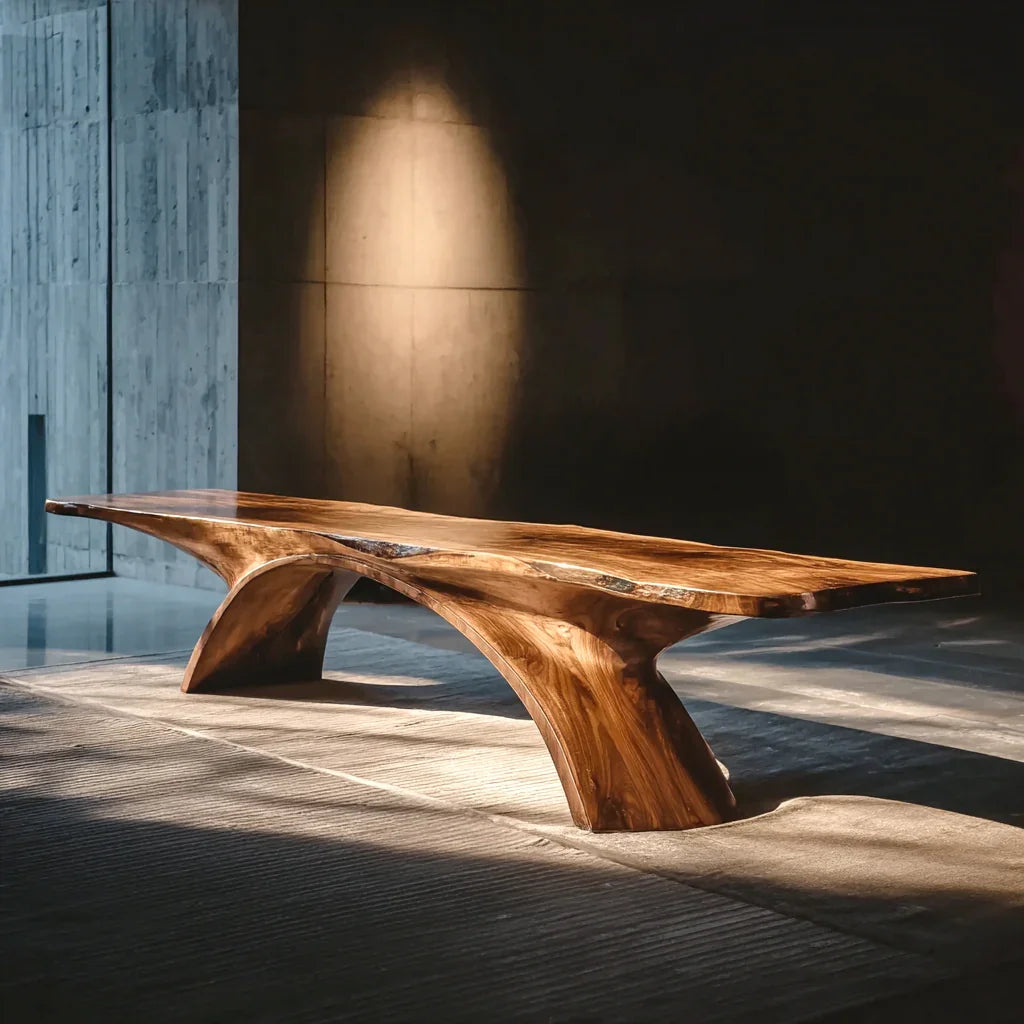
If you want a darker, richer wood look, look at the Handmade Walnut Bench - Modern Solid Wood Seating for Living Room or Entryway.
If you want a more sculpted profile for a shoe bench or hallway piece, consider the Handcrafted Live Edge Wooden Bench - Sculpted Natural Shoe Bench.

If your room leans more contemporary, the Minimalist Wooden Bench - Mid-Century Modern Style for Entryway or Living Room may be the best fit.
Across the range, the common thread is clear. These are solid wood benches handcrafted by Vietnamese artisans, and each slab brings its own grain, edge shape, surface movement, and visual rhythm.
Final thoughts on choosing a live edge bench
A live edge bench works best when you treat it like a long-term piece instead of a filler item. Get the size right. Pick a wood tone that suits your room. Decide early whether you want a live edge bench with back or a simpler slab seat. Think about how the bench will age, where it will sit, and how often it will be used.
If that approach sounds a little slower than buying a generic bench from a big box store, that is probably a good thing. Furniture made from solid wood should feel considered.
If you are ready to compare options, browse Ashdeco’s wood benches collection or the full benches collection. If you want something more sculptural, look at the branch benches collection or go straight to the live edge entryway bench. You will find pieces that feel natural, useful, durable, and right at home in a real space.