



















Quick view
Shop this guide
Handcrafted Benches, made to order in solid wood.
 Christmas edit
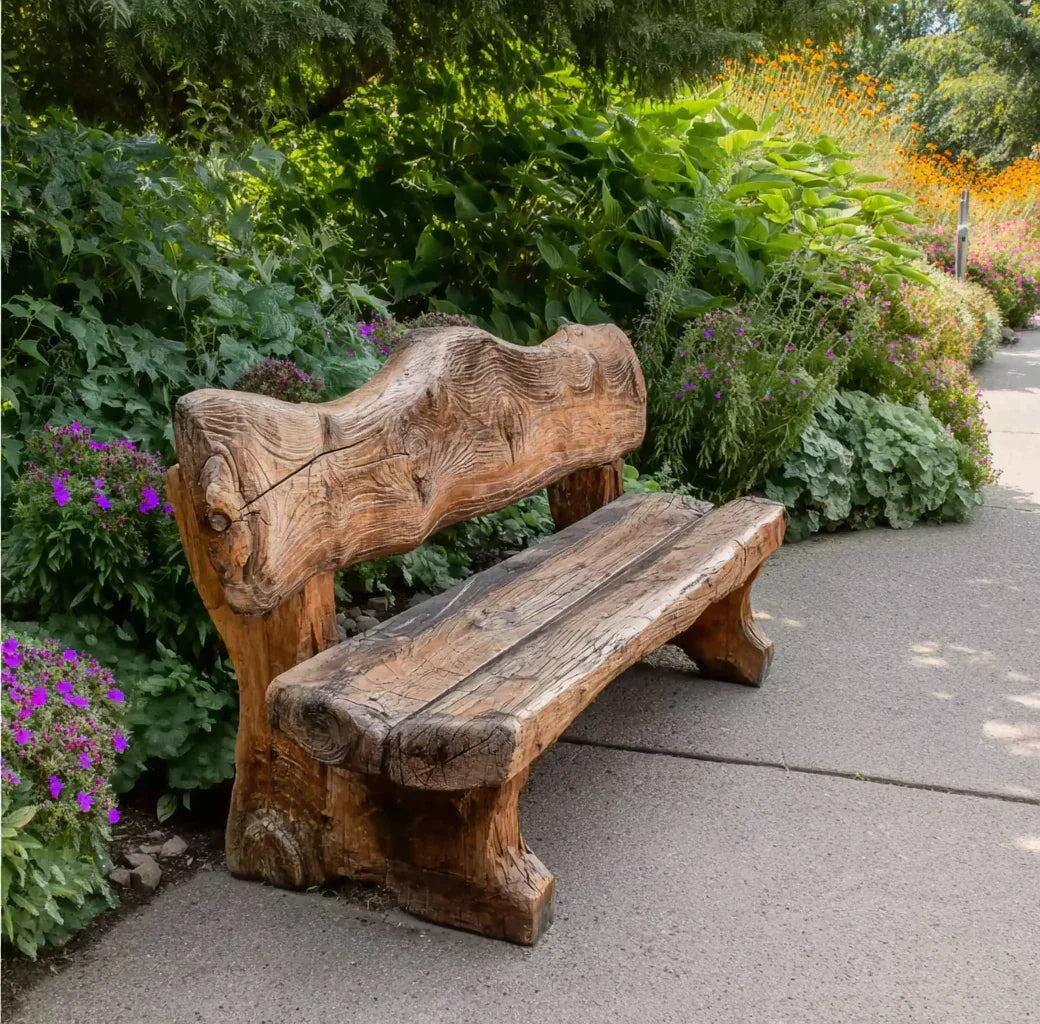
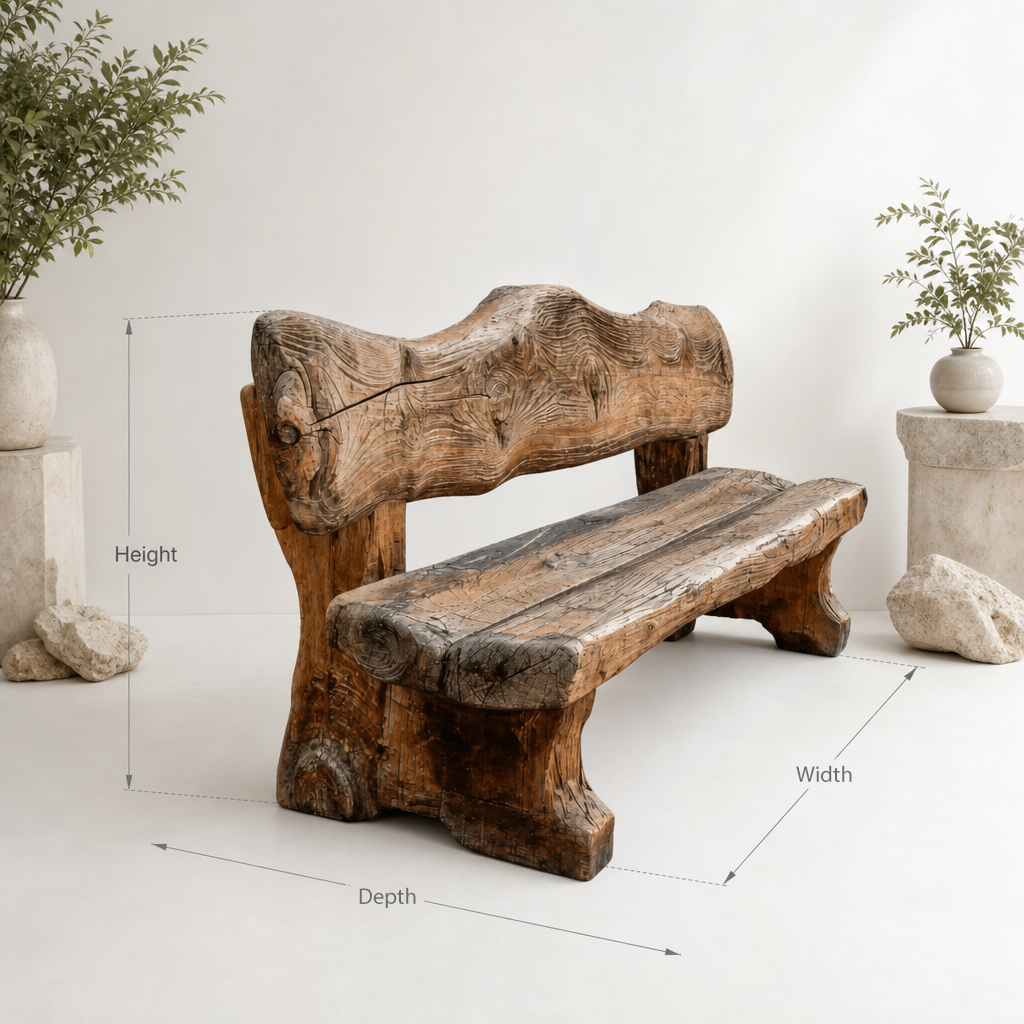
Handcrafted Rustic Solid Wood Bench - Natural Log Seating for Garden & Patio
From $1,553.00
Christmas edit
Handcrafted Rustic Solid Wood Bench - Natural Log Seating for Garden & Patio
From $1,553.00
 Christmas edit
Live Edge Wooden Entryway Bench – Solid Wood Hallway Bench with Shelf
From $1,050.00
Christmas edit
Live Edge Wooden Entryway Bench – Solid Wood Hallway Bench with Shelf
From $1,050.00
 Christmas edit
Handcrafted Walnut Bench – Organic Sculptural Mid-Century Design
From $2,327.0010% off at checkout
Christmas edit
Handcrafted Walnut Bench – Organic Sculptural Mid-Century Design
From $2,327.0010% off at checkout
 Christmas edit
Solid Walnut Sculptural Bench, Mid-Century Modern Organic Entryway Seating
From $1,876.00
Christmas edit
Solid Walnut Sculptural Bench, Mid-Century Modern Organic Entryway Seating
From $1,876.00
 Christmas edit
Handcrafted Sculptural Wood Bench – Modern Organic Curved Entryway Bench
From $2,060.0010% off at checkout
Christmas edit
Handcrafted Sculptural Wood Bench – Modern Organic Curved Entryway Bench
From $2,060.0010% off at checkout
 Christmas edit
Organic Live Edge Solid Wood Halloween Sculptural Bench
From $2,234.0010% off at checkout
Christmas edit
Organic Live Edge Solid Wood Halloween Sculptural Bench
From $2,234.0010% off at checkout
Entryway Bench with Storage: Solid Wood vs Particle Board
An entryway bench with storage solves a real problem. You need somewhere to sit when you put on shoes, somewhere to store the shoes themselves, and ideally the whole thing should look good in your entryway instead of being a utilitarian eyesore.
The choice between solid wood and particle board determines how long the bench lasts, how it handles daily use, and whether it stays looking good after a year of shoes being kicked on and off it.
Here is what you need to know before you buy.
The Entryway Challenge

Unique Organic Shape Solid Wood Sculptural Entryway Bench
An entryway bench takes more abuse than most furniture in your home. Shoes go on and off repeatedly. The bench gets kicked, scraped, and sat on with shoes that have dirt and moisture on them. The storage compartment gets opened and closed dozens of times per week.
This is not a decorative living room piece. It is a functional daily-use item that needs to hold up to the reality of an entryway. The materials matter more here than they would for a bench in a bedroom.
A particle board bench from a mass manufacturer handles light use for a year or two. After that, the edges start to chip, the particle board under the veneer swells from moisture, and the storage lid mechanism loosens. A solid wood bench handles the same daily abuse for decades.
What Solid Wood Entryway Benches Offer
Solid wood entryway benches from Ashdeco are made from handcrafted hardwood by Vietnamese artisans. The construction uses proper joinery where parts connect, not just glue and screws holding particle board together.
The storage compartment in a solid wood bench is built to handle repeated use. The lid stays aligned and does not sag over time. The interior space holds shoes without the bottom warping under moisture from wet footwear.

Mid Century Handcrafted Wooden Shoe Storage Bench Home

Rustic Wooden Shoe Bench With Organic Design Foyer
Ashdeco solid wood entryway benches range in price and design. The entry-level handmade entryway shoe bench rack at $1,700 offers functional storage with handcrafted quality. The rustic wooden shoe bench with organic design at $1,900 adds visual interest with the natural wood grain pattern. The mid-century handcrafted wooden shoe storage bench at $1,700 provides a more structured look with modern mid-century lines.
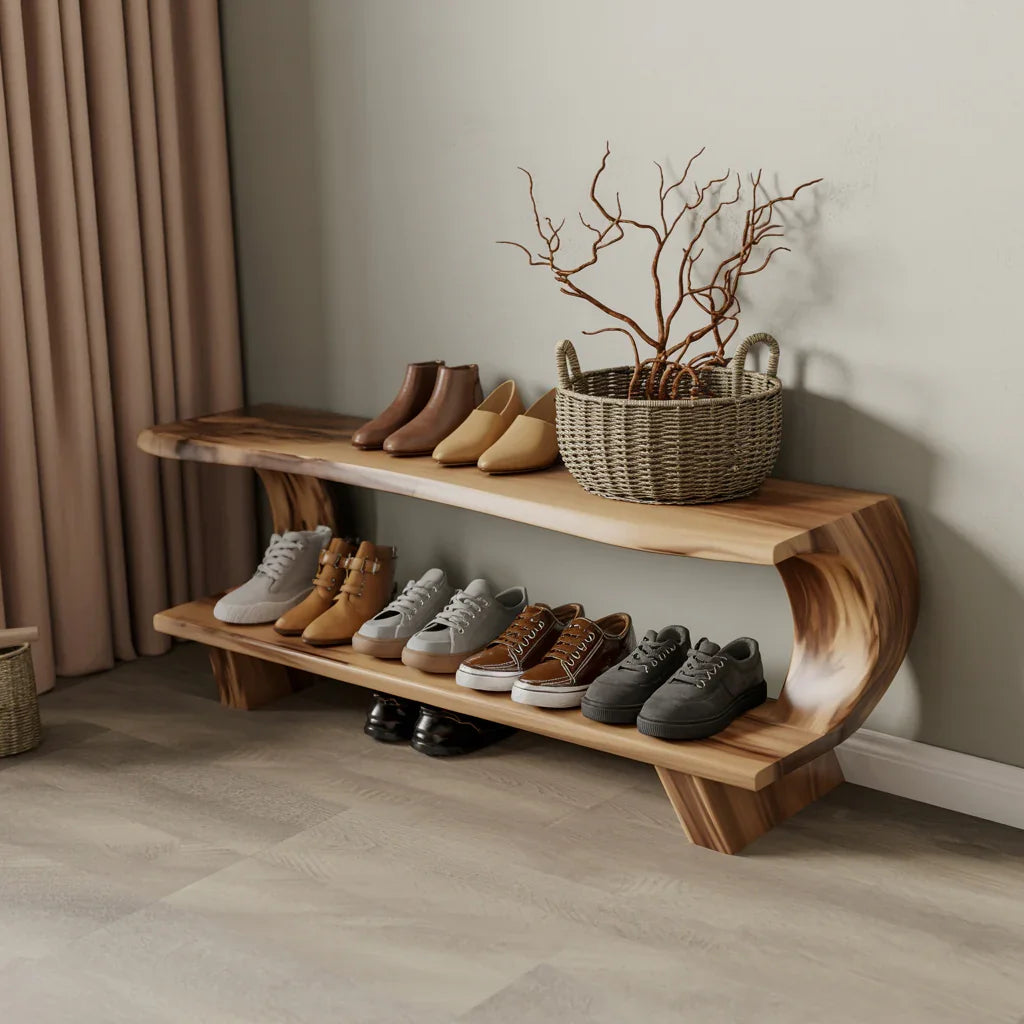
Handcrafted Mid-Century Modern Wooden Shoe Storage Bench for Entryway

Japandi L Shaped Bench For Living Room And Entryway
For larger storage needs, the handcrafted mid-century modern wooden shoe storage bench for entryway at $2,100 has more compartments and a wider surface. The Japandi L-shaped bench at $4,323 is a premium piece for larger entryways with extensive storage requirements.
The solid wood construction means these benches last. The initial investment is higher than particle board alternatives, but the cost per year of use is lower over time.


Why Particle Board Benches Fall Short
Particle board is made from compressed wood fibers and adhesive. It is manufactured to be cheap and consistent, not durable.
The core problem with particle board in an entryway bench is moisture. Every time you take off damp shoes and set them in the storage compartment, moisture gets into the wood. Particle board absorbs this moisture and swells. The veneer on top separates from the swelling core. The bench starts to look damaged within a year or two.
The weight capacity of particle board is also lower. If you sit on a particle board bench with heavy clothing or a person leaning on it, the board can crack or compress. Solid wood handles the same load without structural damage.
The hardware in particle board benches is typically lower quality as well. Lid hinges loosen after repeated use. The storage compartments do not hold up to the frequency of opening and closing that an entryway bench experiences.
Storage Capacity: What You Actually Need
Entryway benches with storage come in different configurations. The storage compartment might be a single large bin, multiple smaller bins, or cubbies with doors or drawers.
Think about what you actually need to store. If your household has two people with two to three pairs of shoes each, you need less storage than a family of four with kids who change shoes multiple times per day.
A single large storage compartment works for flat shoes and sandals. It does not work well for tall boots or shoes that need to stand upright. Multiple smaller compartments give you more organization options but reduce the flexibility of what goes where.
The rustic wooden shoe bench with organic design at $1,900 has a shoe shelf configuration that works for 4 to 6 pairs of regularly worn shoes. The handcrafted mid-century modern wooden shoe storage bench at $2,100 has a drawer-style storage that keeps items more concealed and organized.
If you need to store boots, look for benches with taller internal clearance or open shelving configurations rather than drawers or closed compartments.
Don't miss
These pieces qualify for 10% off orders over $2,000. Applied automatically at checkout.
10% off
Handcrafted Walnut Bench – Organic Sculptural Mid-Century Design
From $2,327.00
10% off at checkout
10% off
Handcrafted Sculptural Wood Bench – Modern Organic Curved Entryway Bench
From $2,060.00
10% off at checkout
10% off
Organic Live Edge Solid Wood Halloween Sculptural Bench
From $2,234.00
10% off at checkout
 10% off
Handcrafted Solid Wood Artistic Wood Bench – Soft Organic Wave Silhouette
From $2,534.00
10% off at checkout
10% off
Handcrafted Solid Wood Artistic Wood Bench – Soft Organic Wave Silhouette
From $2,534.00
10% off at checkout
Dimensions for Entryway Spaces
Entryway benches come in different lengths and depths. The right size depends on your available space.
A standard entryway bench is 100 to 120cm long and 35 to 45cm deep. This fits in most entryway areas without blocking traffic. A minimum of 70cm of clearance in front of the bench is needed for comfortable seating.

Rustic Live Edge Bench For Entryway Or Living Room
For narrow hallways, a bench that is 60 to 80cm long works better. The rustic entryway bench with organic design at $1,500 is shorter and suitable for tighter spaces.
The height matters for seating comfort. A bench at 40 to 45cm works well for sitting and putting on shoes. A bench at 35cm or lower is more like a step than a seat.
If you are pairing the bench with a coat rack or wall hooks above it, make sure the heights align. The bench seat should be at a height where hanging coats above it do not drag on the floor.
The Aesthetic Match
An entryway bench is visible every time you walk in the door. It sets the tone for the entire entryway. The material and design should match the rest of your entryway decor.
Solid wood benches have warm, natural appearance that works with most styles. The organic design benches from Ashdeco have sculptural qualities that add visual interest without being too decorative. They fit naturally into entryways with natural materials, warm lighting, and layered textures.
Particle board benches have a flat, manufactured appearance. The veneer on particle board is designed to look like wood but does not have the depth or variation of real wood grain. In a well-designed entryway, a particle board bench often looks out of place.
Weight Capacity and Durability
A solid wood entryway bench from Ashdeco handles the weight of daily seating without issues. The solid wood frame and quality joinery support the weight of multiple people over years of use.
Particle board benches have a lower weight capacity. The board itself compresses under sustained weight, causing the bench to feel spongy over time. Joints loosen and the structure becomes less stable.
For households where people of different sizes use the bench, the weight capacity difference matters. A solid wood bench handles 100kg or more of seated weight without structural concerns. A particle board bench may start to fail at much lower loads.
The Long-Term Cost Calculation
A particle board entryway bench costs $150 to $400 upfront. It lasts 2 to 3 years in an entryway before it needs replacement. Over 10 years, you replace it 3 to 4 times and spend $450 to $1,600 total.
A solid wood entryway bench costs $1,400 to $4,000 upfront. It lasts 10 to 15 years with proper care. Over 10 years, you spend the original purchase price once.
The long-term math favors solid wood for any entryway bench that will be used daily.
Maintenance Differences
Solid wood entryway benches need occasional care but not much. Dust the surface regularly. If the finish is natural oil, reapply oil once or twice per year. Clean spills quickly to prevent staining.
Particle board benches are harder to maintain once damaged. The veneer chips and exposes the particle board underneath, which looks bad and cannot be repaired easily. Moisture damage causes swelling that cannot be reversed.
If a solid wood bench gets surface scratches, light sanding and refinishing restores it. If a particle board bench gets deep scratches or moisture damage, replacement is usually the only option.
FAQ
How much weight can a solid wood entryway bench hold?
Solid wood entryway benches from Ashdeco support 100kg or more of seated weight safely. The solid wood frame and proper joinery distribute weight evenly. Check the specific product specifications for exact weight limits.
What is the best wood for an entryway bench?
Solid hardwoods like oak, walnut, and ash are the best choices for entryway benches. These species handle daily use, resist moisture absorption better than softer woods, and hold up to the impacts and scraping that entryway furniture experiences.
How do I protect a solid wood bench from moisture damage?
Keep the bench away from direct water exposure. Wipe up any spills or standing water promptly. Apply a water-resistant finish or wood-safe sealant periodically. Place a doormat in front of the entryway to reduce the amount of moisture tracked in from shoes.
Do entryway benches with drawers work better than open storage?
Drawers keep items hidden and organized, which looks better in an entryway. Open storage is more accessible but shows everything inside. For entryways with visual flow concerns, drawers work better. For high-traffic entryways where quick access matters, open storage is more practical.
What size entryway bench works for a narrow hallway?
For a narrow hallway with less than 100cm of wall space, a bench that is 60 to 80cm long works well. The depth should be no more than 40cm to maintain clear walking paths. Look for benches specifically designed for smaller entryway areas rather than trying to fit a standard-length bench in a tight space.
Is a solid wood entryway bench worth the extra cost over particle board?
Yes. The upfront cost is higher, but the durability and lifespan of solid wood mean you replace the bench less often. A $1,700 solid wood bench that lasts 12 years costs less per year than a $300 particle board bench that needs replacement every 2 years.
Explore the Ashdeco entryway bench collection at ashdeco.com/collections/entryway-bench.