





















Quick view
Shop this guide
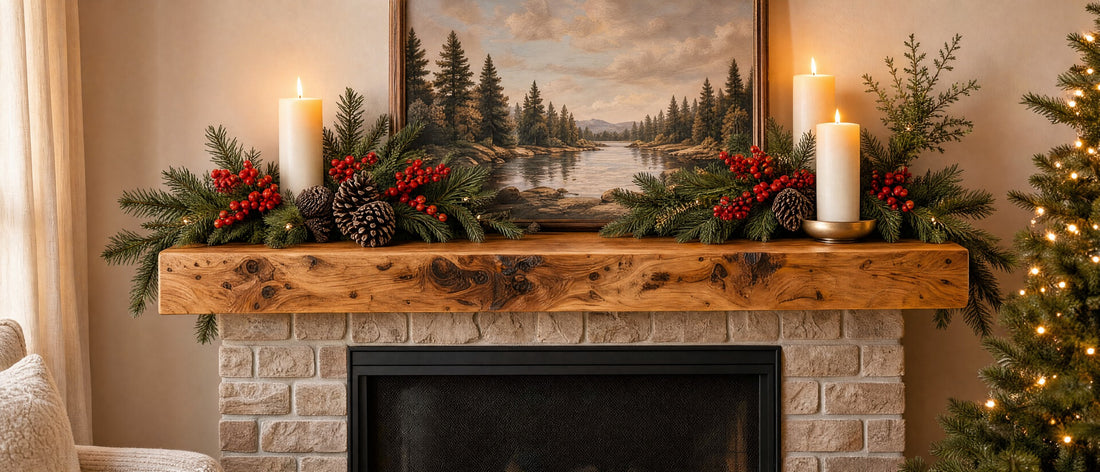
Handcrafted Fireplace Shelves, made to order in solid wood.
 Christmas edit
Solid Wood Christmas Live-Edge Fireplace Mantel Shelf
From $750.00
Christmas edit
Solid Wood Christmas Live-Edge Fireplace Mantel Shelf
From $750.00
 Christmas edit
Rustic Wooden Fireplace Mantel – Handcrafted Floating Solid Wood Beam with Live Edge Shelf
From $750.00
Christmas edit
Rustic Wooden Fireplace Mantel – Handcrafted Floating Solid Wood Beam with Live Edge Shelf
From $750.00
 Christmas edit
Sustainable Solid Wood Fireplace Mantel – Floating Shelf & Modern Surround
From $750.00
Christmas edit
Sustainable Solid Wood Fireplace Mantel – Floating Shelf & Modern Surround
From $750.00
 Christmas edit
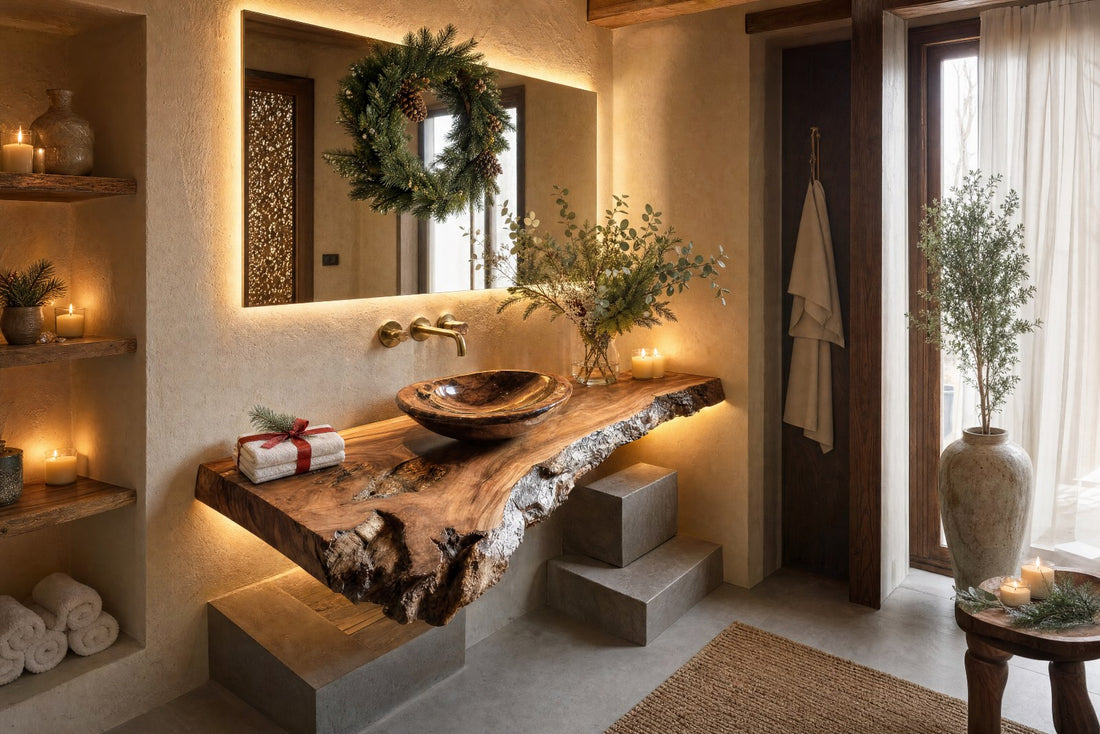
Solid Wood Live-Edge Fireplace Mantel Shelf
From $750.00
Christmas edit
Solid Wood Live-Edge Fireplace Mantel Shelf
From $750.00
Fireplace Mantel Size Guide: Dimensions for 30–72" Fireboxes (Will Yours Fit?)
Standing in front of your fireplace with a tape measure and no idea what size mantel actually fits? You're not alone. Pick the wrong width and it looks like a shelf that wandered into the wrong room. Pick it too narrow and the whole fireplace feels cramped.
The good news: fireplace mantel size isn't guesswork. There are actual rules - proportions, clearances, and ratios - that tell you exactly what will look right and stay safe. This guide walks through every dimension you need, matched to your firebox size, so you can measure once and buy (or build) with confidence.
If you haven't started measuring yet, our coat hook height guide covers a similar measurement approach - same "measure twice, mount once" philosophy, just a different wall fixture.

The Short Answer: Standard Fireplace Mantel Size
Before we dive into the details, here's the quick-reference summary most people are looking for:
| Dimension | Standard Range | Rule of Thumb |
|---|---|---|
| Width | 42–72"+ | Firebox width + 12" minimum (6" each side) |
| Height (from floor) | 54–66" | Most homes: 54–60" |
| Depth (projection) | 6–12" | 7–8" for most fireplaces |
| Thickness (face) | 5.5–7.5" | Thicker = more visual weight |
| Clearance above firebox | 12" minimum | +1" per 1/8" the mantel projects beyond 1.5" |
That's the framework. Now let's break down each dimension so you understand why these numbers work - and how to adjust them for your specific fireplace.
Fireplace Mantel Dimensions, Broken Down
Mantel Width - The 6-Inch Rule
The simplest rule in mantel sizing: your mantel should extend at least 6 inches beyond the firebox opening on each side. That means a minimum total width of firebox width plus 12 inches.
Why 6 inches? It's about visual balance. A mantel that ends exactly at the firebox edge looks pinched - like the fireplace is bursting out of a too-small frame. The overhang creates a sense of proportion, giving the eye a natural place to rest.
For example:
- 30" firebox → minimum 42" mantel (30 + 6 + 6)
- 36" firebox → minimum 48" mantel (36 + 6 + 6)
- 42" firebox → minimum 54" mantel (42 + 6 + 6)
You can go wider - and often should, especially in rooms with high ceilings or large furniture. A 36" firebox might look best with a 54" or even 60" mantel if the room can handle it. But going narrower than the 6-inch rule almost never works.
Mantel Height - From Floor and From Firebox
There are two height measurements that matter, and they answer different questions:
Floor-to-mantel height tells you how high the mantel shelf sits. The standard range is 54 to 60 inches from the finished floor to the bottom of the mantel. This aligns with average eye level and keeps the mantel accessible for decorating. In rooms with 9-foot or higher ceilings, you might push toward 60–66 inches.
Firebox-to-mantel clearance is a safety measurement - the vertical gap between the top of the firebox opening and the bottom of the mantel. Minimum is typically 12 inches, but this changes based on how far the mantel projects (more on that in the clearance section below).
These two measurements work together. If your firebox top sits at 42 inches from the floor and you need 12 inches of clearance, your mantel bottom lands at 54 inches - right in the standard range.
Mantel Depth (Projection from the Wall)
Mantel depth - how far the shelf sticks out from the wall - typically runs 7 to 8 inches for most residential fireplaces. This is deep enough to display framed photos, candles, a small vase, or seasonal decor without feeling overcrowded.
Deeper mantels (10–12 inches) work well over larger fireplaces in spacious rooms, but here's the catch: the deeper the mantel projects, the more vertical clearance you need above the firebox. We'll cover the exact formula in the safety section.
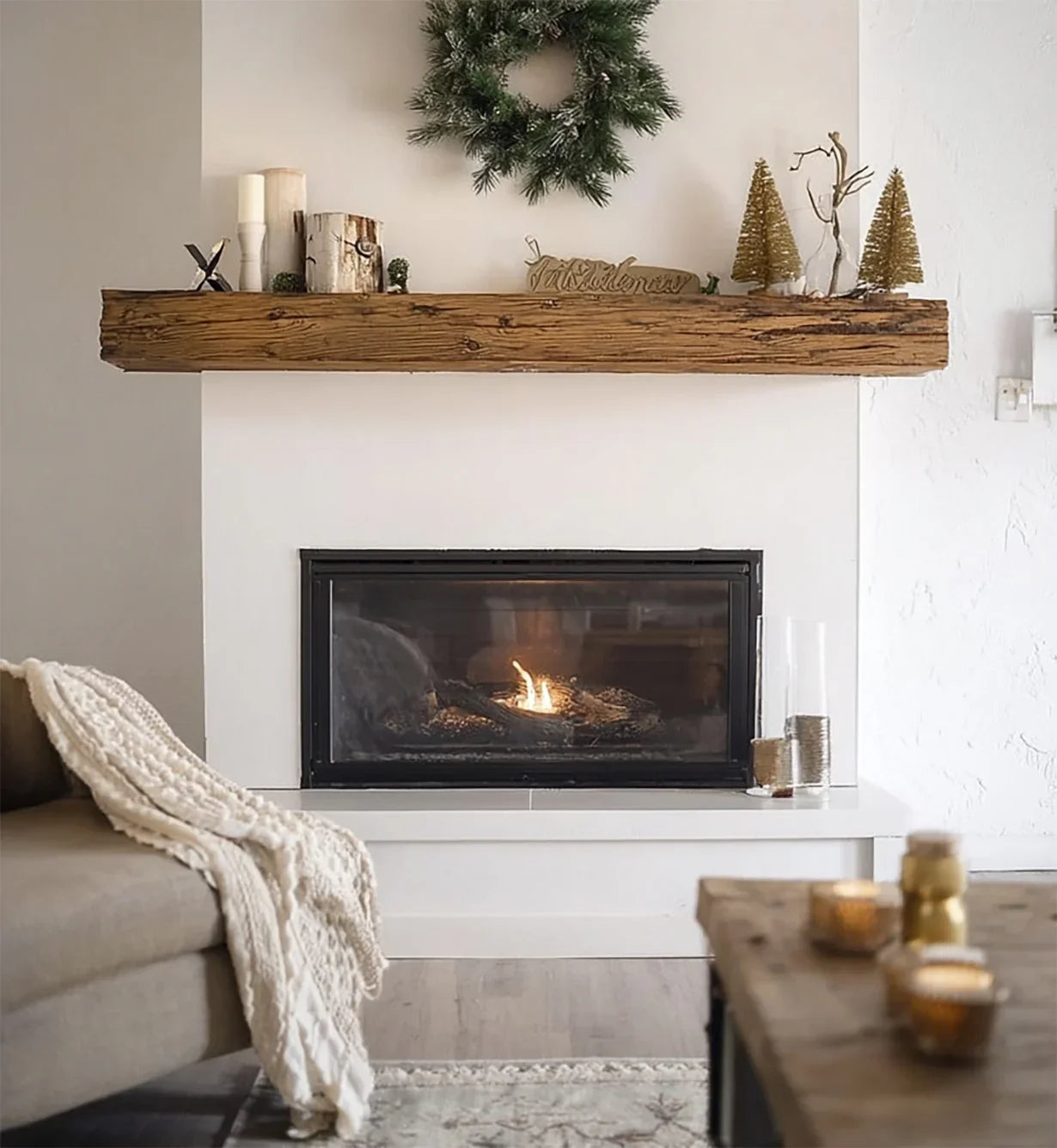
For a solid wood floating mantel like the ones we handcraft at Ashdeco, depth also affects the visual weight. An 8-inch-deep walnut mantel has a different presence than a 6-inch pine shelf - both can work, but they create different moods in the room.
Mantel Thickness (Face Height)
The "thickness" of a mantel is the vertical dimension of the shelf face - what you see when looking at it from the front. Standard thickness runs 5.5 to 7.5 inches.
Thicker mantels (7–7.5") feel substantial and traditional. They work well with stone or brick surrounds and larger fireboxes. Thinner mantels (5.5–6") look cleaner and more modern, especially on minimalist or contemporary fireplaces.
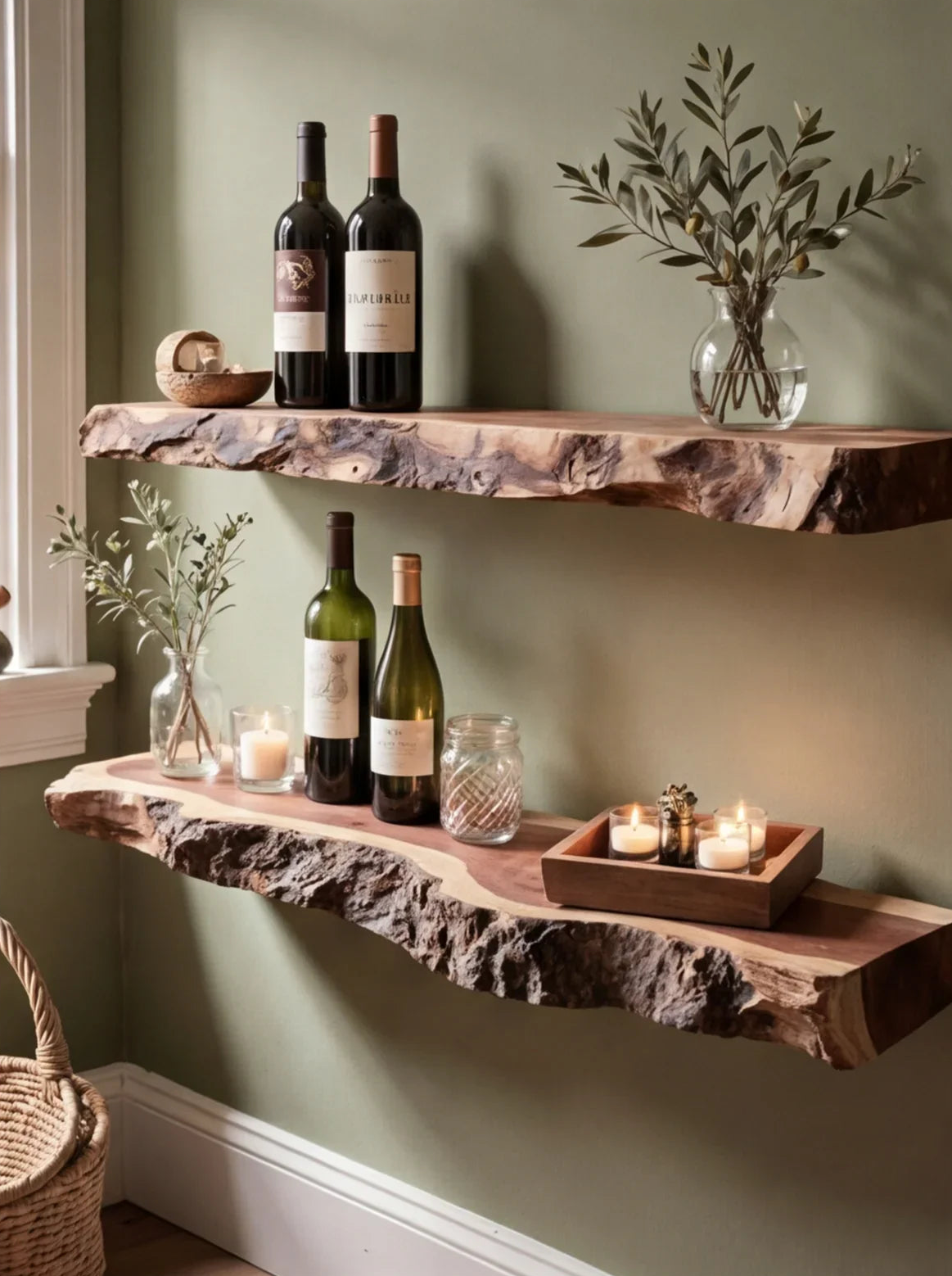
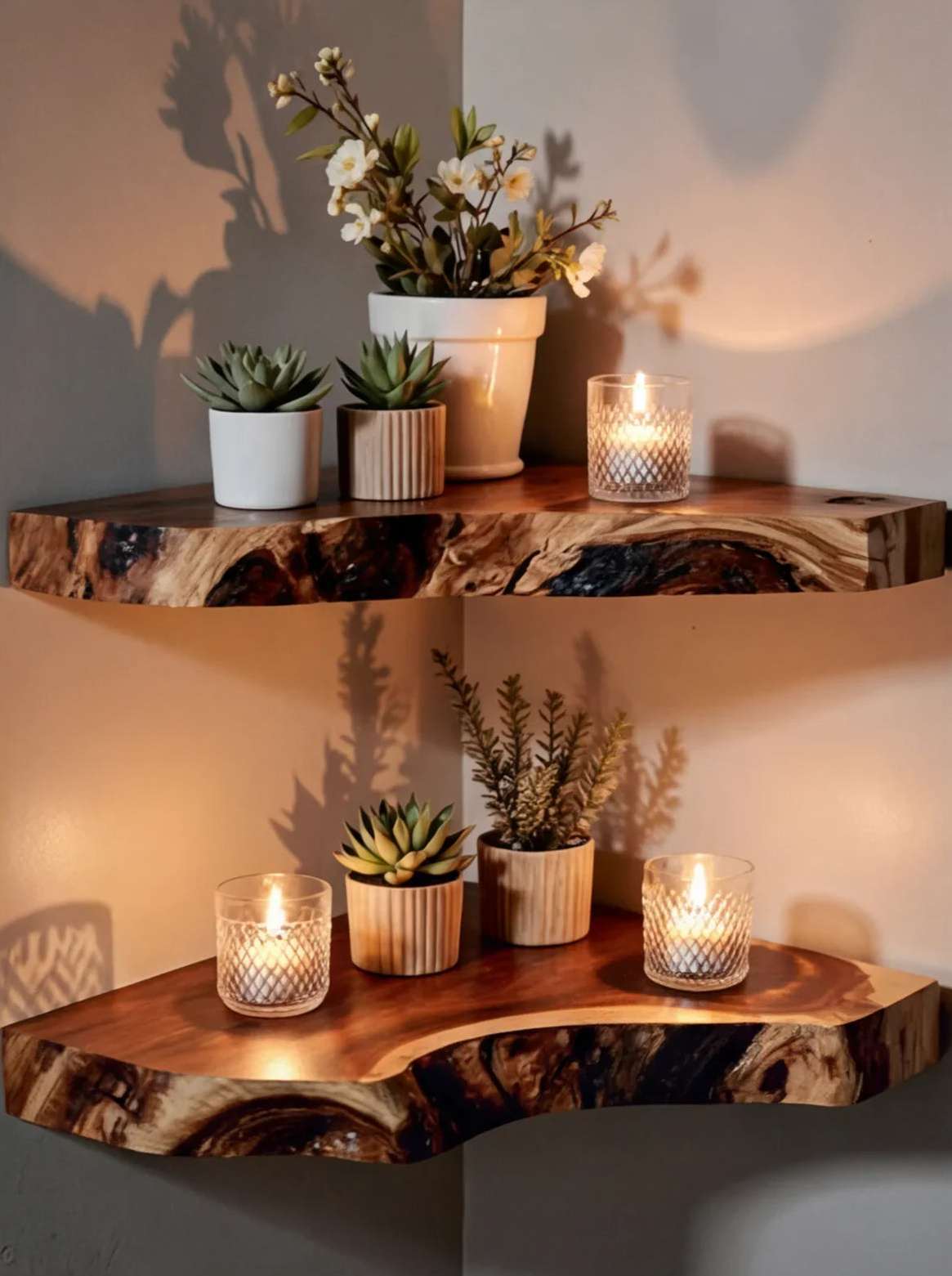
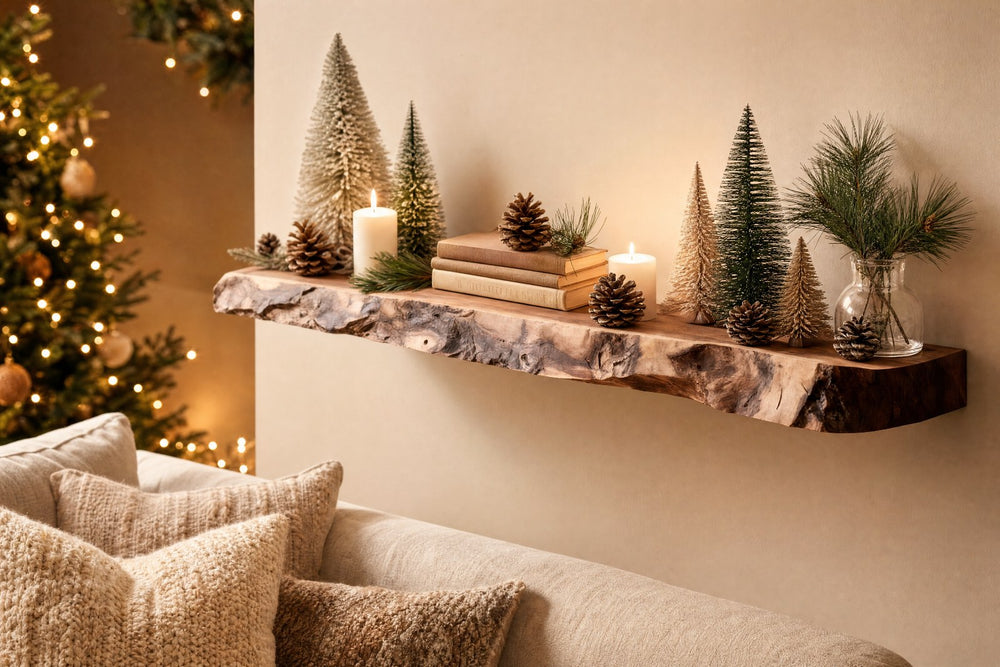
For a live edge mantel shelf, the thickness varies naturally because you're working with a real wood slab - and that variation is part of what makes each piece unique.



Mantel Size by Fireplace Opening
The easiest way to find your mantel size is to start with your firebox opening width. Here's how the dimensions break down across the three most common fireplace categories:
| Fireplace Size | Opening Width | Recommended Mantel Width | Recommended Depth | Recommended Height (floor) |
|---|---|---|---|---|
| Small | 30–32" | 42–50" | 6–8" | 48–54" |
| Medium | 34–38" | 50–60" | 8–10" | 54–60" |
| Large | 40–42"+ | 60–72"+ | 10–12" | 60–66" |
Small Fireplace (30–32" Opening)
Small fireplaces are common in bedrooms, apartments, and older homes with original masonry. The mantel here should feel proportional - not overwhelming the modest opening.
Aim for a mantel width between 42 and 50 inches. A 6-inch overhang on each side of a 30" opening gives you 42" total - the functional minimum. If your wall space allows, bumping up to 48 or 50 inches creates a more generous look without overpowering the room.
Keep depth modest at 6–8 inches. Small fireplaces often sit in smaller rooms, and a deep mantel can make the space feel crowded.
Medium Fireplace (34–38" Opening)
This is the sweet spot - the most common firebox size in modern North American homes. A 36-inch firebox is essentially the standard, and most off-the-shelf mantels are designed around it.
Your mantel width should land between 50 and 60 inches. At 48" minimum (the 6-inch rule applied to 36"), you're safe but maybe a touch tight. A 54-inch mantel gives you 9 inches of overhang on each side - a nice, balanced proportion. If you've got a wide wall and a large sofa facing the fireplace, 60 inches can anchor the whole room.
Depth of 8–10 inches works well here, giving you enough shelf space for a pair of candlesticks, a framed photo, and maybe a small plant.
Looking for a ready-made option? Our Sustainable Solid Wood Fireplace Mantel starts at 30"W x 8"D and scales up - solid hardwood, kiln-dried, and handcrafted by Vietnamese artisans. Each piece is unique, and we send actual photos of your exact slab for approval before cutting.
Large Fireplace (40–42"+ Opening)
Large fireplaces demand big mantels. These are typically found in great rooms, vaulted-ceiling living spaces, or custom builds where the fireplace is a design focal point.
Go with a mantel width of 60 to 72 inches or more. You want the mantel to feel like it belongs - a 6-inch overhang on a 42" opening gives you 54", which can look undersized on a grand fireplace. Push to 72 inches (15-inch overhangs) if the room proportions support it.
Depth should be 10–12 inches to match the scale. Just remember: deeper mantels need more clearance above the firebox. Check the safety section below before finalizing your dimensions.
If you're drawn to something with more character for a large fireplace, our rustic floating shelves collection includes wider slabs with dramatic grain patterns and live edges that become the centerpiece of the room.

How to Measure Your Fireplace for a Mantel
Here's a step-by-step process that takes about five minutes:
- Measure the firebox opening width. Measure from inside edge to inside edge at the widest point. Record the number.
- Measure the firebox opening height. From the hearth (or firebox floor) to the top of the opening.
- Measure from the floor to the top of the firebox. This determines where your mantel will sit based on clearance requirements.
- Check available wall space. Measure left and right of the firebox. Your mantel width can't exceed the available wall width minus any adjacent windows, furniture, or trim.
- Measure the desired depth. Hold a tape measure perpendicular to the wall where the mantel would go. Visualize how far out you want it - remember, deeper means more clearance needed above.
- Note your fireplace type. Wood-burning, gas, electric, or decorative? This affects clearance requirements (see below).
Write all these numbers down before shopping or ordering. It saves the "will this fit?" panic later.
If you're planning to use the mantel as part of a broader wall display, check out our floating shelves ideas article for styling inspiration that extends beyond the fireplace.
Mantel Clearance and Safety Rules
This is the part that matters more than aesthetics: heat clearance. A mantel mounted too close to a firebox can be damaged by heat - or worse, become a fire hazard.
The general guidelines from NFPA (National Fire Protection Association) and IRC (International Residential Code) are:
| Mantel Projection Beyond Fireplace Face | Minimum Clearance Above Firebox |
|---|---|
| 0–1.5" | 12 inches |
| Each additional 1/8" of projection | Add 1 inch of clearance |
Put differently: once your mantel projects more than 1.5 inches past the fireplace face, every 1/8 inch of extra projection costs you an inch of vertical clearance.
Real-world example: Your mantel projects 6 inches from the wall. That's 4.5 inches beyond the 1.5-inch baseline. 4.5 inches = 36 eighths of an inch. So you need 12 + 36 = 48 inches of clearance above the firebox opening.
That's a lot - which is why most floating wood mantels are mounted with at least 12 inches of clearance and keep their projection around 7–8 inches to avoid needing extreme clearances.
By fireplace type:
- Wood-burning: Follow the NFPA/IRC formula above strictly. Heat output is significant and unpredictable.
- Gas fireplace: Check the manufacturer's spec sheet. Many gas inserts run cooler and allow reduced clearances - sometimes as low as 6 inches above the opening.
- Electric fireplace: Generally the most flexible. Many electric units vent from the top or front and specify their own mantel clearance (often 0–3 inches). Always follow the unit's manual.
- Decorative (non-working) fireplace: No heat clearance required, but maintaining the 12-inch minimum still looks proportionally correct.
When in doubt, consult your local building code or a fireplace professional. A mantel you love is no good if it's a safety risk.

Styling Your Mantel: What Size Works Best?
Once you've nailed the dimensions, the fun part begins: what goes on top of it?
The mantel width you chose dictates how much staging room you have. Here's a quick styling guide by mantel size:
| Mantel Width | Styling Capacity | Example Arrangement |
|---|---|---|
| 42–50" | 3–4 items | One medium frame + two candles + small vase |
| 50–60" | 5–7 items | Large mirror/art + flanking objects + greenery |
| 60–72"+ | 7–10 items | Statement piece + layered vignettes + seasonal accents |
A few styling principles that work regardless of size:
- Odd numbers group better. Three items feel more natural than two. Five feels curated. Even numbers can look too symmetrical and stiff.
- Vary heights. A tall candle next to a low book stack next to a medium-height plant creates visual rhythm. Same-height items look like a retail display.
- Layer front to back. Place taller items (leaning art, mirrors) against the wall, then layer shorter objects in front. This creates depth and makes even a narrow mantel feel full.
If you're thinking about extending the shelf concept to other walls in the room, our staggered floating shelves layout guide shows you how to create visual flow with multiple shelves - the same proportional thinking applies to mantel styling.
Every Ashdeco mantel is cut from a single solid wood slab - kiln-dried, hand-finished, and unique down to the grain pattern. Before we cut, we send you actual photos of your exact piece for approval. It's the kind of process you'd expect from furniture makers, not shelf manufacturers.

Ready to see what a real wood mantel looks like over your fireplace?
Browse our Solid Wood Fireplace Mantel - available from 30" up, made to order in walnut, acacia, or teak.
Shop the Fireplace Mantel →Frequently Asked Questions
What is the standard mantel height from the floor?
The standard fireplace mantel height is 54 to 60 inches from the finished floor to the bottom of the mantel shelf. This range aligns with average eye level and keeps the mantel accessible for decorating. In rooms with ceilings higher than 9 feet, mantels are often placed at 60–66 inches.
How wide should a mantel be for a 36-inch fireplace?
For a 36-inch firebox, the minimum mantel width is 48 inches (applying the 6-inch-per-side rule). However, most designers recommend 54 to 60 inches for a balanced look, especially in average-sized living rooms. Wider mantels (up to 72 inches) work well in rooms with large furniture or high ceilings.
How does mantel size affect the clearance needed above the firebox?
The minimum clearance is 12 inches above the firebox opening for mantels that project 1.5 inches or less beyond the fireplace face. For every additional 1/8 inch of projection, add 1 inch of vertical clearance. Always check local building codes and the fireplace manufacturer's specifications, as gas and electric units often have different requirements.
Can I use a floating shelf as a fireplace mantel?
Yes. A solid wood floating shelf works perfectly as a fireplace mantel, provided you maintain proper heat clearance above the firebox. The key is choosing solid hardwood (not MDF or particle board) and mounting it securely into wall studs or masonry. Ashdeco's mantels are specifically designed for this dual purpose - they're floating shelves built to handle the fireplace environment.
What wood is best for a fireplace mantel?
Walnut, acacia, and teak are the top choices. Walnut offers rich, dark tones and tight grain that complement both modern and traditional surrounds. Acacia provides dramatic color variation and bold grain patterns. Teak delivers exceptional durability and natural heat resistance. All three are dense hardwoods that resist warping from periodic heat exposure near a fireplace.
Does a non-working decorative fireplace need mantel clearance?
No heat clearance is required for a decorative (non-working) fireplace since there's no heat output. However, maintaining at least 12 inches above the firebox opening still looks proportionally correct and gives you adequate space for decor on the mantel shelf.