






















Quick view
- What end table height should line up with
- Why sofa arm height matters more than generic table numbers
- When slightly lower is better, and when it is not
- Why tables that are too high feel disconnected
- How handcrafted solid wood changes the sizing feel
- What buyers usually get wrong
- Example of when the rule matters most
- When you can break the rule
- Honest downsides
- My recommendation
- FAQ
Shop this guide
Handcrafted Sofas, made to order in solid wood.
 Christmas edit
Elegant Modern Wooden Sofa with Sculptural Frame – Statement Living Room Piece
From $6,469.0010% off at checkout
Christmas edit
Elegant Modern Wooden Sofa with Sculptural Frame – Statement Living Room Piece
From $6,469.0010% off at checkout
 Sculptural Hand-Carved Curved Solid Wood Sofa Frame & Living Room Settee Base
From $7,210.0010% off at checkout
Sculptural Hand-Carved Curved Solid Wood Sofa Frame & Living Room Settee Base
From $7,210.0010% off at checkout
 Organic Sculptural Wood Sofa – Handcrafted Natural Edge Design
From $9,469.0010% off at checkout
Organic Sculptural Wood Sofa – Handcrafted Natural Edge Design
From $9,469.0010% off at checkout
 Handcrafted Solid Wood Sofa – Modern Organic Curved Wooden Couch
From $9,469.0010% off at checkout
Handcrafted Solid Wood Sofa – Modern Organic Curved Wooden Couch
From $9,469.0010% off at checkout
 Handcrafted Live Edge Solid Wood Sofa – Natural Wood Frame Design
From $9,469.0010% off at checkout
Handcrafted Live Edge Solid Wood Sofa – Natural Wood Frame Design
From $9,469.0010% off at checkout
 Ashdeco Modern Wooden Sofa – Sculptural Artistic Living Room Design
From $9,469.0010% off at checkout
Ashdeco Modern Wooden Sofa – Sculptural Artistic Living Room Design
From $9,469.0010% off at checkout
End table height is one of those details that people only notice when it feels wrong. A table that sits too low makes every reach awkward. A table that sits too high looks disconnected from the sofa beside it. That is why the most useful rule is not a random number. It is how the table relates to your sofa arm and the way you actually use the seat.
This guide keeps the decision simple by focusing on the height relationship that matters most, where people get it wrong, and when you can break the rule on purpose.
What end table height should line up with
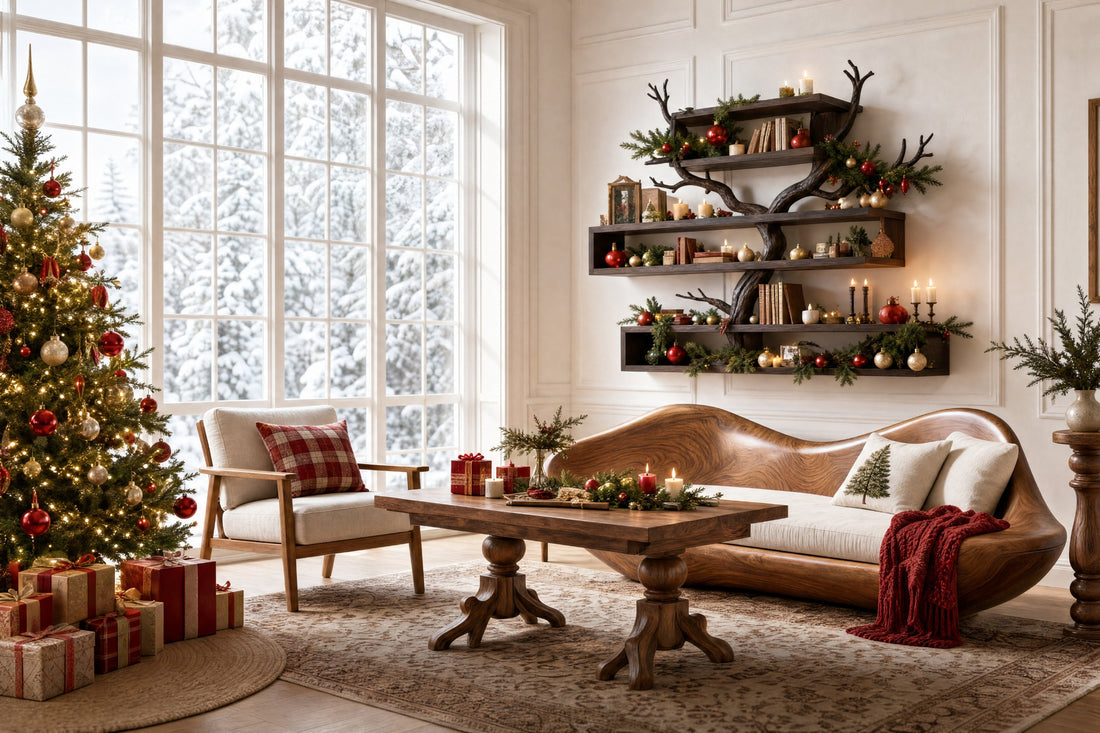
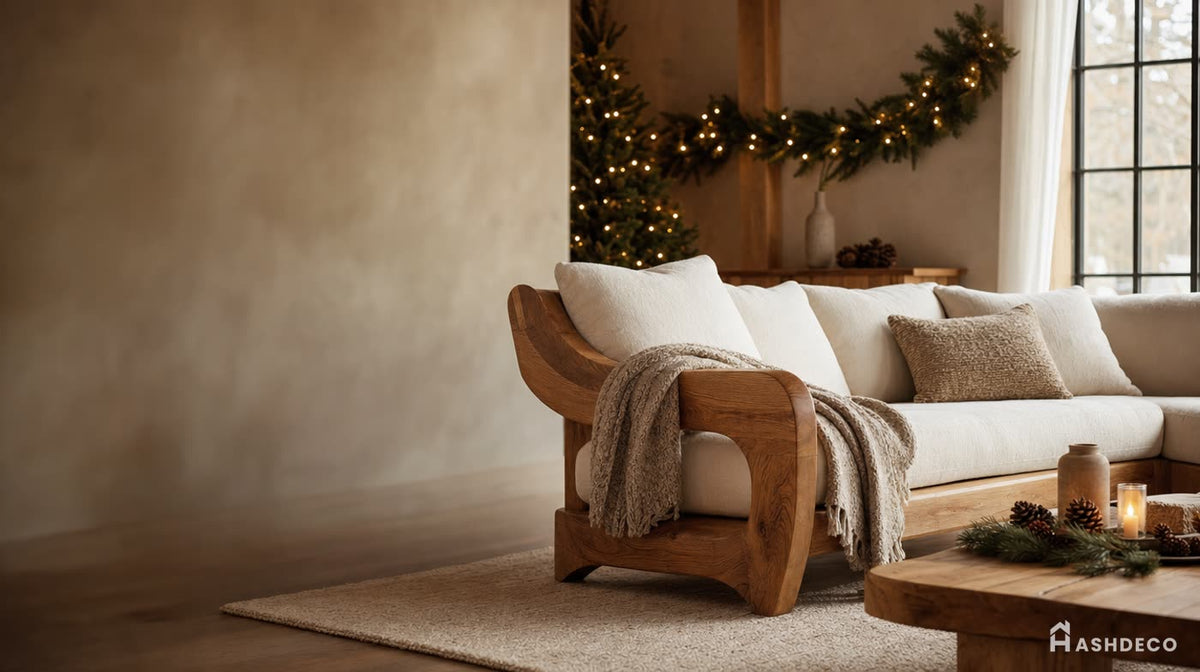
An end table usually works best when its top sits close to the sofa arm height, or just slightly below it. That keeps drinks, books, lamps, and daily items within easy reach without making the table feel visually detached. Once the table rises far above or falls too far below the sofa arm, the pairing starts to feel off even when the furniture looks good on its own.
This is less about decoration and more about body mechanics. The table should support the seat, not interrupt it.
Why sofa arm height matters more than generic table numbers
Generic sizing rules can point you in the right direction, but they miss the part buyers actually live with. You reach sideways from the sofa arm, not from a chart. That is why sofa height alone is not enough. The arm position changes how natural the table feels during everyday use.
For many living rooms, a table near arm height feels more intuitive than one chosen by trend or by isolated product dimensions.


When slightly lower is better, and when it is not
A slightly lower end table often looks cleaner and less bulky, especially in smaller living rooms. But if it drops too much, everyday function gets worse fast. Drinks feel farther away. Lamps sit too low. Reaching for a book or charger becomes more annoying than people expect.
| Situation | Better move | Why |
|---|---|---|
| Small room with light visual furniture | Slightly lower table | Keeps the setup lighter |
| Reading seat with lamp use | Closer to arm height | Improves reach and lamp function |
| Deep sofa with lounging use | Avoid going too low | Prevents awkward reach |
| Formal living room setup | Keep tighter alignment | Looks more intentional |
Why tables that are too high feel disconnected
An end table that rises above the sofa arm often feels separate from the seating zone instead of part of it. The mismatch becomes more obvious when the table holds a lamp or decor because the whole grouping starts stacking upward without balance. In tight rooms, this can make one side of the sofa feel visually crowded.
That is why bigger is not automatically better, even if the table itself looks impressive.
Don't miss
These pieces qualify for 10% off orders over $2,000. Applied automatically at checkout.
10% off
Elegant Modern Wooden Sofa with Sculptural Frame – Statement Living Room Piece
From $6,469.00
10% off at checkout
10% off
Sculptural Hand-Carved Curved Solid Wood Sofa Frame & Living Room Settee Base
From $7,210.00
10% off at checkout
10% off
Organic Sculptural Wood Sofa – Handcrafted Natural Edge Design
From $9,469.00
10% off at checkout
10% off
Handcrafted Solid Wood Sofa – Modern Organic Curved Wooden Couch
From $9,469.00
10% off at checkout
How handcrafted solid wood changes the sizing feel
Solid wood end tables carry more visual weight than lightweight factory tables, so proportion matters even more. A small mismatch in height stands out faster because the table reads as a stronger object in the room. The upside is that when the height is right, a solid wood table feels grounded and intentional rather than decorative filler.
If you are comparing adjacent furniture in the same zone, it helps to look at related categories like console tables and coffee tables so the whole living room reads as one system.
What buyers usually get wrong
The biggest mistake is choosing by tabletop style before checking the relationship to the sofa. The second is assuming that "close enough" will always feel fine. End tables live at arm's reach, so even a small mismatch shows up in everyday use. People notice this fastest when placing a drink, turning on a lamp, or grabbing something while seated.
Another mistake is ignoring sofa arm shape. Thick, low arms and thin, high arms create different visual pairings even if the sofa seat height stays similar.
Example of when the rule matters most
The height rule matters most in living rooms where the end table is doing real daily work, not just holding decor. If the table supports a reading lamp, remote, drink, phone, or notebook, the wrong height becomes irritating quickly. In those rooms, getting the relationship right is more important than chasing a trendy side-table silhouette.

When you can break the rule
You can break the usual height rule when the table is mostly decorative or when the room intentionally uses a looser, more sculptural layout. But that only works if the mismatch looks deliberate. If the table feels accidentally too tall or too low, the room reads as poorly resolved rather than styled.
Breaking the rule works best when function is light and the visual composition is strong enough to carry the difference.
Honest downsides
No single height works for every sofa because arm shapes, seat styles, and room use all vary. A table that looks perfect in a staged room may feel wrong in a household that actually uses the end table constantly. That makes context more important than trend.
Solid wood tables also make proportion mistakes more visible. The same thing that gives them presence can make a bad height choice harder to ignore.
My recommendation
If you want the safest result, choose an end table that lands close to sofa arm height or slightly below it. Then check whether the table will hold active-use items like drinks or lamps. If yes, stay conservative on height and prioritize reach over style statements.
That is the simplest way to get it right. Match the table to the sofa arm, then let the rest of the styling follow.
FAQ
Should an end table be higher than the sofa arm?
Usually no. A table that rises too far above the arm often feels disconnected and can make the seating area look unbalanced.
Is slightly lower than the sofa arm okay?
Yes, and in many rooms it is the safer choice. Slightly lower often looks cleaner while still keeping daily items within reach.
Why does end table height matter so much?
Because end tables sit at arm's reach. Small height mismatches show up fast when you use the table for drinks, lamps, or everyday objects.
Does material affect the height decision?
Yes. Solid wood tables have more visual presence, so proportion matters more and mistakes stand out faster than with lighter-looking materials.
Can I ignore the rule for a decorative table?
Sometimes. If the table is mostly decorative and the composition looks intentional, you can bend the rule. Functional tables should stay closer to sofa arm height.