Quick view
Shop this guide
Handcrafted Dining Tables, made to order in solid wood.
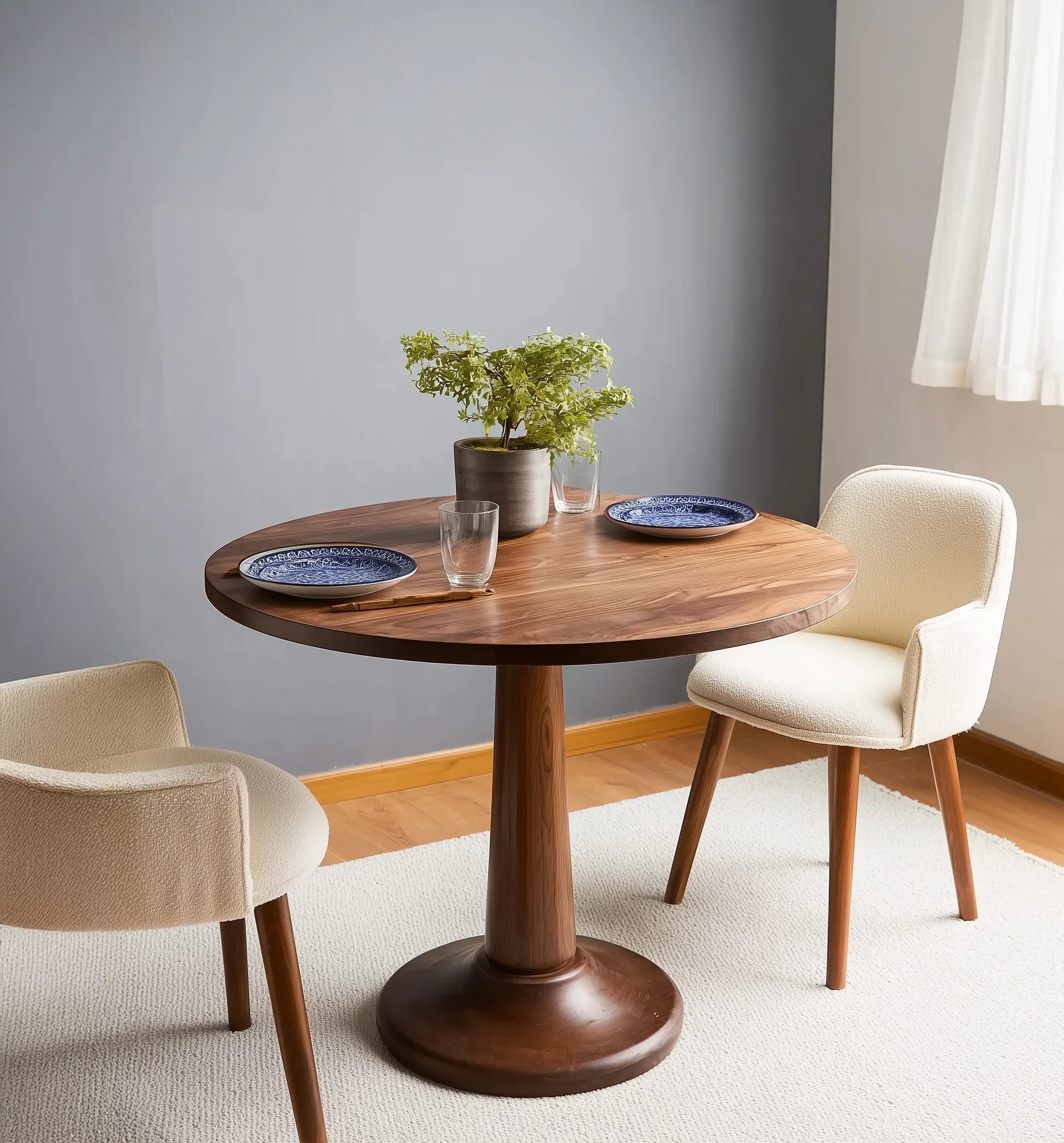
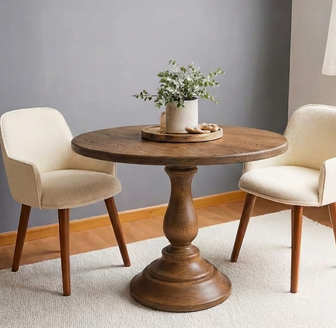
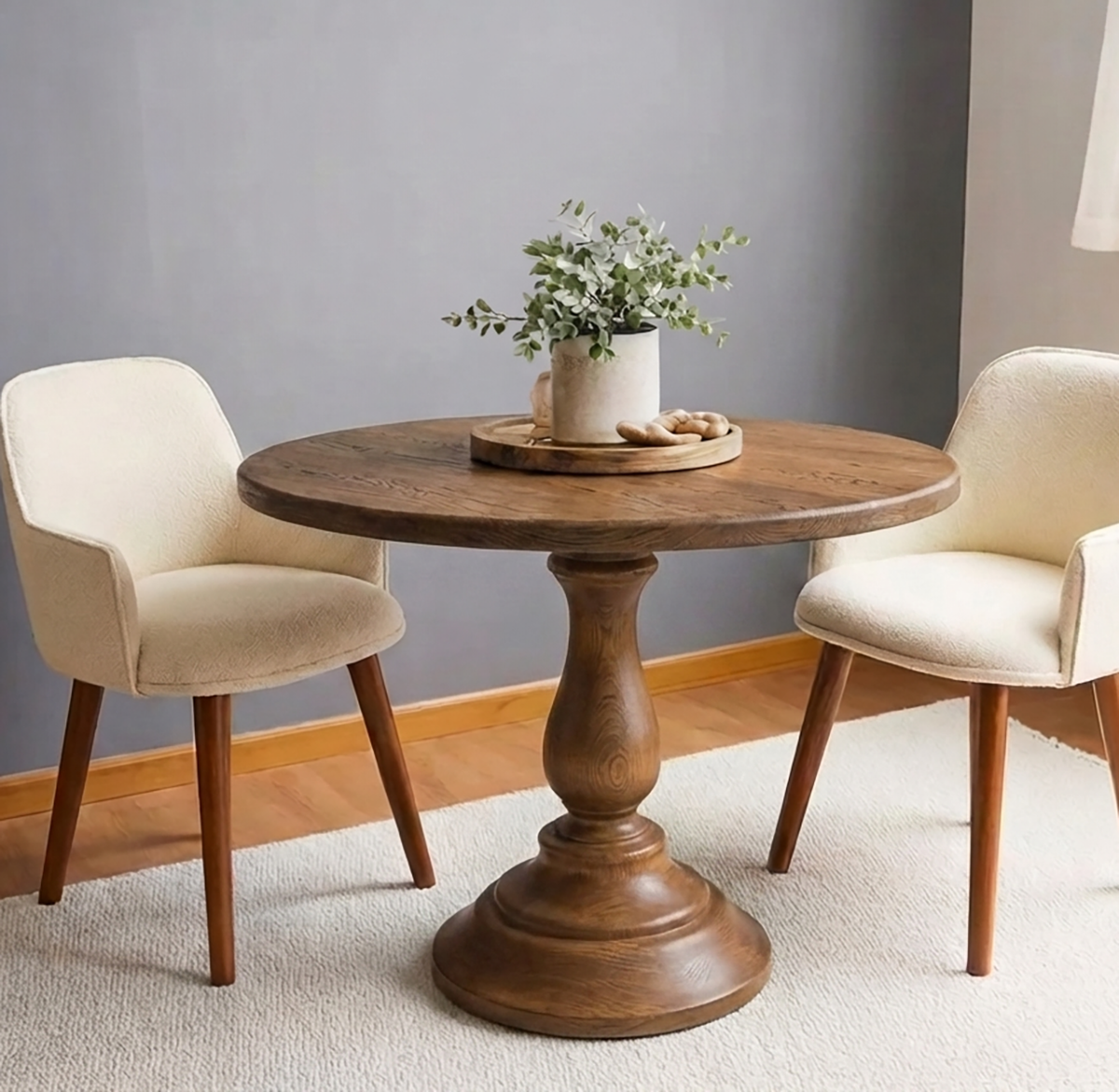
 Round Solid Wood Pedestal Dining Table Handcrafted Solid Wood Center Table
From $1,345.00
Round Solid Wood Pedestal Dining Table Handcrafted Solid Wood Center Table
From $1,345.00
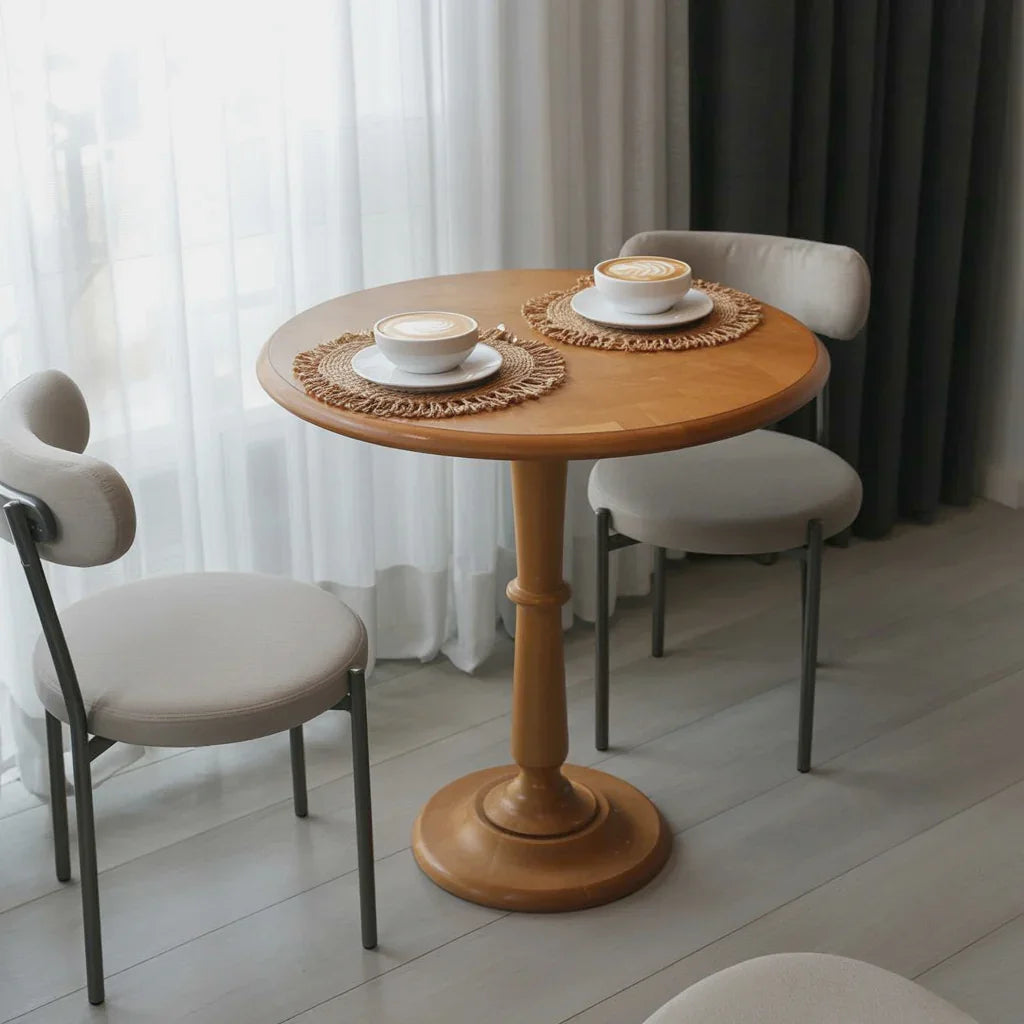
 Round Bistro Dining Table, Small Kitchen Breakfast Table, Compact Circular Dining Table
From $1,022.00
Round Bistro Dining Table, Small Kitchen Breakfast Table, Compact Circular Dining Table
From $1,022.00
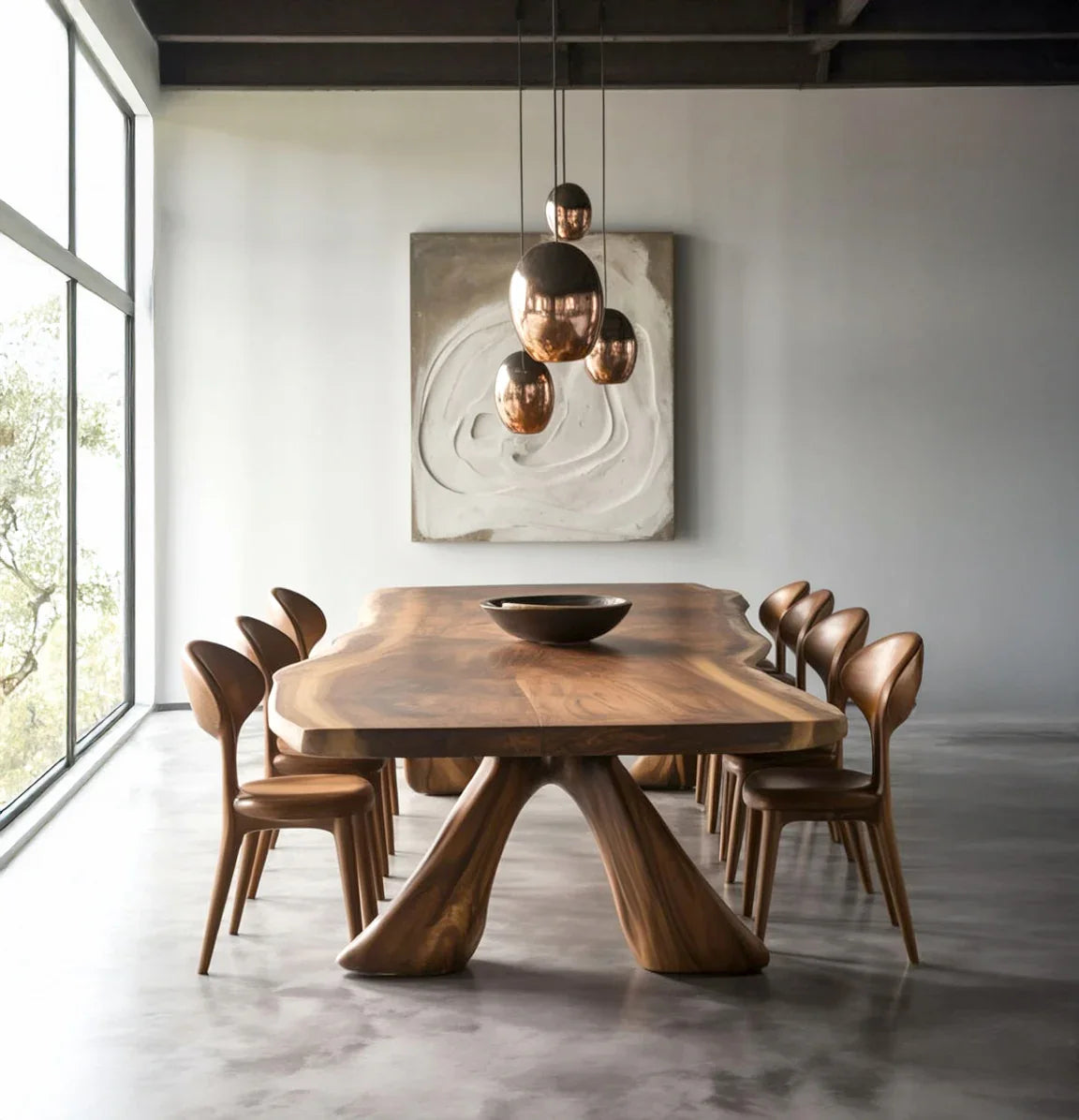
 Organic Modern Live Edge Solid Wood Dining Table - Handcrafted Slab Table with Dual Storage Pedestals
From $6,800.0010% off at checkout
Organic Modern Live Edge Solid Wood Dining Table - Handcrafted Slab Table with Dual Storage Pedestals
From $6,800.0010% off at checkout
 Round Solid Wood Dining Table with Architectural Spider Pedestal Base
From $1,254.00
Round Solid Wood Dining Table with Architectural Spider Pedestal Base
From $1,254.00
 Flowing Pedestal Solid Wood Round Dining Table - Japandi Living Sculpture
From $5,850.0010% off at checkout
Flowing Pedestal Solid Wood Round Dining Table - Japandi Living Sculpture
From $5,850.0010% off at checkout
 Sculptural Pedestal Solid Wood Round Dining Table - Organic Modern Centerpiece
From $5,850.0010% off at checkout
Sculptural Pedestal Solid Wood Round Dining Table - Organic Modern Centerpiece
From $5,850.0010% off at checkout
If you've been comparing dining table options online, you've probably run into acacia wood. Maybe you've seen it mentioned in product descriptions, or you've spotted it in furniture stores and wondered what makes it different from oak or walnut. This article covers what acacia actually is, why it works well for dining tables, and what to expect if you buy one.
What Is Acacia Wood?
Acacia is a genus of hardwood trees and shrubs found across Australia, Africa, and parts of Asia. For furniture, the species most commonly used are Acacia mangium and Acacia auriculiformis, both fast-growing trees native to Southeast Asia and Australia. Vietnam, in particular, has developed significant acacia plantations for the furniture export market.
The wood has been used for furniture and flooring in Asia for decades, and over the past fifteen years it has become increasingly popular in the US import market because it offers a combination of durability, attractive grain, and competitive pricing that other hardwoods struggle to match.
Acacia is classified as a medium-hardness wood, sitting around 1,100 to 1,300 on the Janka hardness scale (comparable to oak). That means it's dense enough to resist dents and daily wear, but not so hard that it's difficult to work with or prone to splitting during joinery.
The Grain and Look
One of the defining characteristics of acacia is its visual variety. The grain is typically interlocked or wavy, which creates interesting figure patterns in flat-sawn boards and striking linear patterns in quarter-sawn stock. Color ranges from light golden honey tones to medium golden brown, often with darker streaks that create natural contrast within a single board.
Because each acacia tree grows in slightly different conditions, no two tables will look identical. This natural variation is actually a feature rather than a flaw. If you want furniture with character and a story in the wood itself, acacia delivers that in a way that uniform factory-finished materials cannot.
The grain closes up nicely with a smooth finish, giving the wood a slightly oily feel that many people find appealing. This is not a wood that looks like it came off an assembly line.


Durability for Daily Family Use
A dining table sees more abuse than almost any other piece of furniture in a home. Kids spill things. Hot dishes come straight from the oven. Elbows land on the surface. Someone decides to use a table as a cutting board despite the availability of actual cutting boards.
Acacia handles this environment reasonably well. Its density and natural hardness resist dents from everyday impacts. The wood has some natural oil content that gives it modest moisture resistance, which helps it hold up better around water than some softer domestic hardwoods.
That said, acacia is not immune to damage. Like any wood, it can develop water rings if cups are left sweating on the surface without coasters. It can scratch if something sharp is dragged across it. It can crack if humidity swings dramatically and the wood is not properly sealed. None of these things are unique to acacia, but they're worth understanding before purchase.
With reasonable care, an acacia dining table will easily last a decade or more. Many families report getting fifteen to twenty years of solid use from quality acacia furniture.
How Acacia Compares to Other Woods
Acacia vs. Oak: Oak is harder (around 1,290 Janka for red oak) and has a more consistent, traditional grain pattern. Oak tends to be more expensive, especially for American or European sourced stock. Acacia offers better value for money and more visual interest, while oak provides a more familiar, classic look. For dining tables specifically, oak is a fine choice but acacia often delivers comparable durability at a lower price.
Acacia vs. Walnut: Walnut is softer (around 1,010 Janka), darker, and significantly more expensive. Walnut wins on aesthetics for many buyers, with its rich chocolate brown tones and flowing grain. But acacia at a fraction of the price gives you solid hardwood with genuine character, and the price difference is substantial.
Acacia vs. Pine: Pine is a softwood at around 380 to 690 Janka. It dents easily and doesn't hold up well for heavy-use items like dining tables. Pine tables are often veneer over engineered wood rather than solid throughout. Acacia is in a completely different durability category.
Acacia vs. Rubberwood: Rubberwood is often confused with acacia because both come from Southeast Asia, but rubberwood is significantly softer (around 1,000 Janka but less dense) and is frequently used in lower-priced furniture that may include engineered wood components. Be cautious with products described simply as "rubberwood" at very low prices. Acacia is the more durable and reliable choice.
Don't miss
These pieces qualify for 10% off orders over $2,000. Applied automatically at checkout.
10% off
Organic Modern Live Edge Solid Wood Dining Table - Handcrafted Slab Table with Dual Storage Pedestals
From $6,800.00
10% off at checkout
10% off
Flowing Pedestal Solid Wood Round Dining Table - Japandi Living Sculpture
From $5,850.00
10% off at checkout
10% off
Sculptural Pedestal Solid Wood Round Dining Table - Organic Modern Centerpiece
From $5,850.00
10% off at checkout
 10% off
Organic Live Edge Solid Wood Dining Table with Sculptural River Legs
From $4,180.00
10% off at checkout
10% off
Organic Live Edge Solid Wood Dining Table with Sculptural River Legs
From $4,180.00
10% off at checkout
The Price Picture
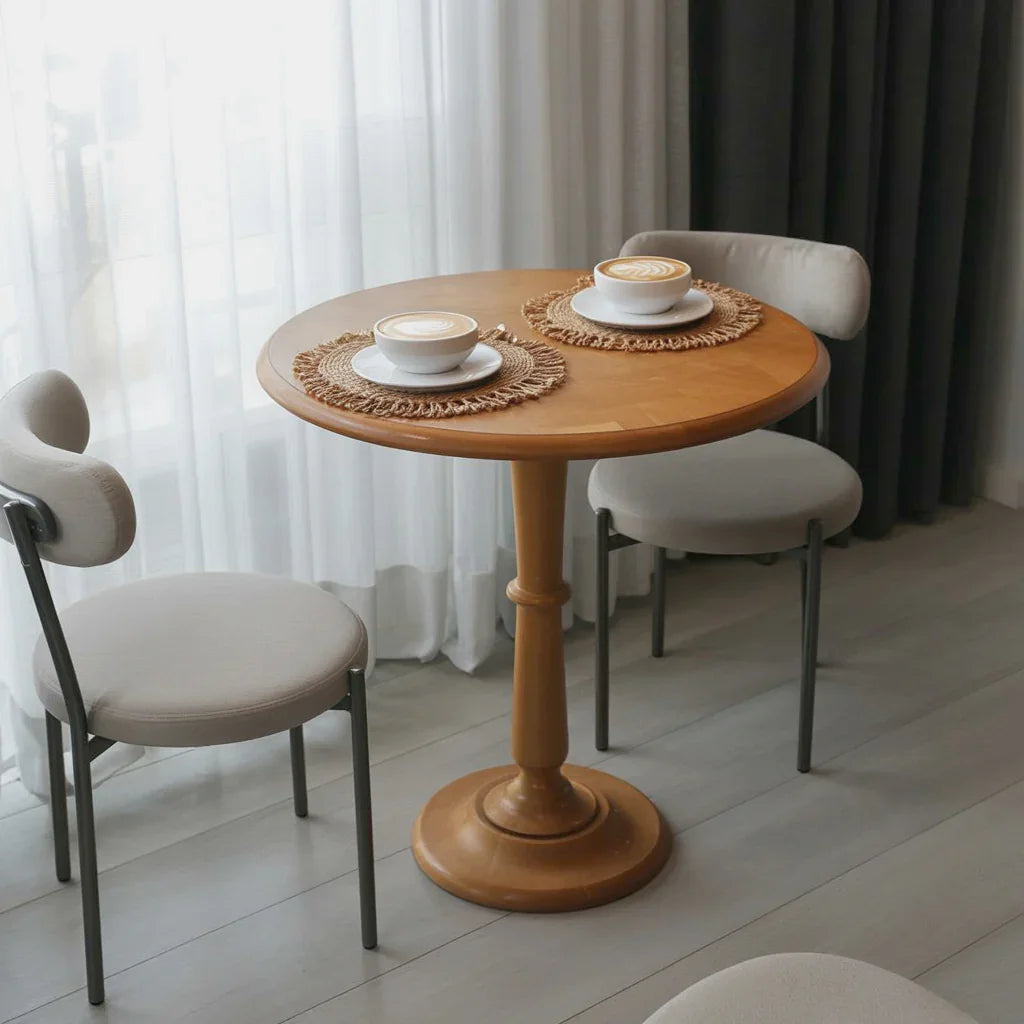
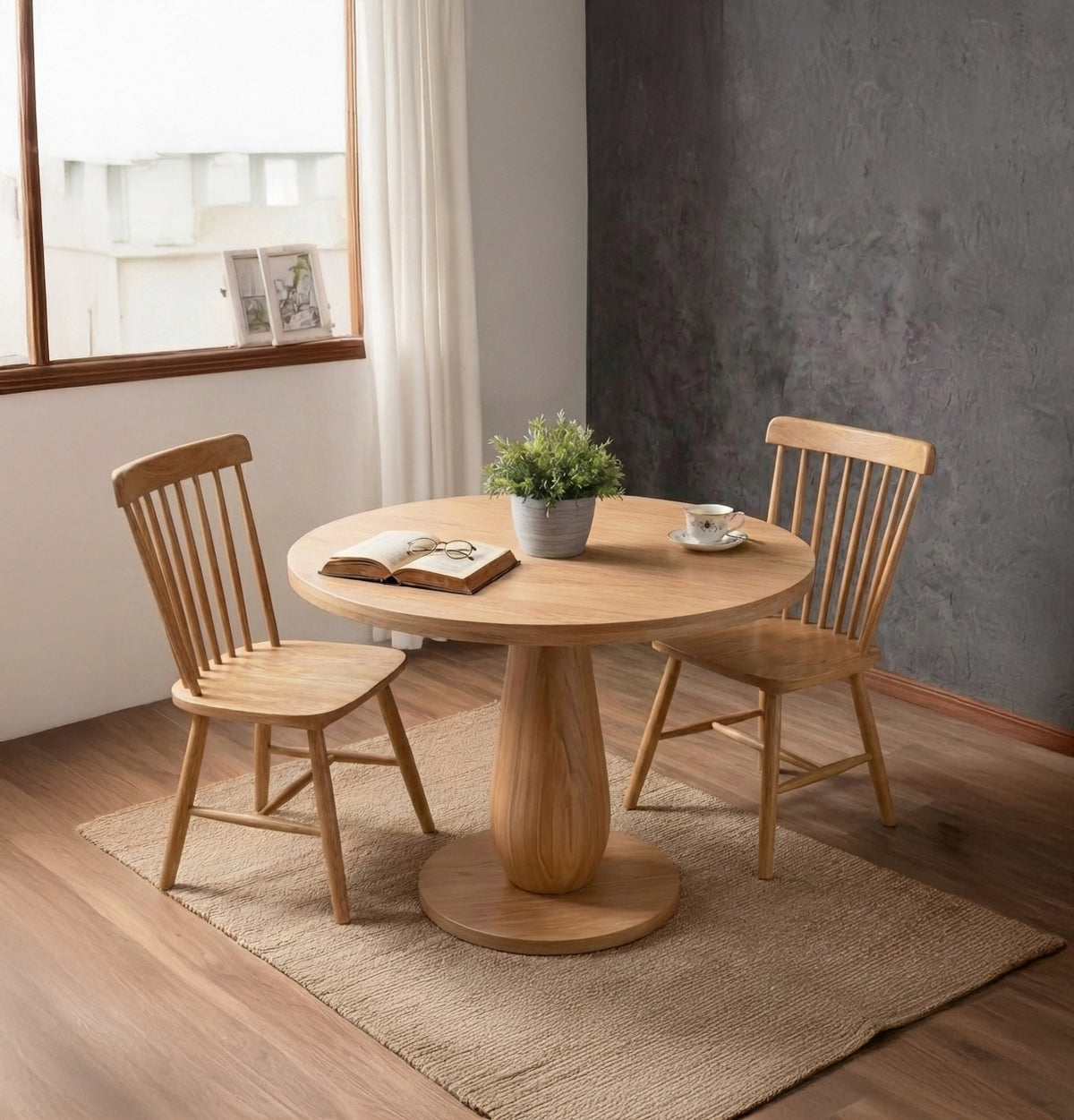
Acacia dining tables generally fall in the mid-range for solid hardwood furniture. At Ashdeco, the Round Bistro Dining Table at $1,022 offers a compact solid acacia option that seats two to four, making it one of the more accessible genuine solid hardwood dining tables available online. The Round Solid Wood Pedestal Dining Table at $1,345 and $1,545 represents the next step up in size and design detail, still within the range where you're getting real handcrafted solid wood rather than veneer.
Live edge acacia tables and larger sculptural pieces push toward the $2,500 to $5,000 range, pricing that reflects both the wood quality and the artisan labor involved in working with large slab pieces.
For comparison, solid oak equivalents at domestic retailers typically start around $1,500 to $2,000 for basic designs and go up from there. Walnut tables at the same retailers often start above $3,000. Acacia sits in a sweet spot where you're paying for genuine hardwood without the premium that domestic craftsmanship or exotic species command.
Things to Be Aware Of
Acacia wood does have some characteristics that might matter to you.
Color change over time: Like most woods, acacia darkens slightly as it ages and is exposed to light. This is normal and generally leads to a richer appearance, but it's worth knowing if you buy with the expectation that the color will stay exactly the same year after year.
Natural variation within a table: Because acacia boards can have significant color contrast, a table made from multiple boards might show some visible color differences between adjacent sections. This is normal and reflects the natural character of the wood. Higher-quality furniture makers will try to select and arrange boards to minimize abrupt contrasts, but some variation is inherent to the material.
Humidity sensitivity: Like all solid hardwoods, acacia expands and contracts with humidity changes. Quality construction accounts for this with proper joinery and finish. Avoid placing an acacia table near heat sources or in very dry rooms, and you should not have problems.
Weight: Acacia tables are heavy. A solid acacia dining table will be significantly heavier than a veneer-over-particleboard equivalent. This is actually a positive indicator of real solid wood construction, but it does mean moving the table requires some planning.
Who Should Buy an Acacia Dining Table
Acacia makes sense if you want genuine solid hardwood without paying walnut or domestic oak prices. It's a practical choice for families because it handles daily use well, it has enough visual character that minor scratches don't show as obviously as on more uniform materials, and it offers good value for money.
It's also a good choice if you appreciate natural wood variation and don't want furniture that looks like it came off a production line. Each acacia table has its own personality in the grain.
If you want a specific exact color match to existing furniture, acacia may be less predictable than a stained domestic wood, since the natural color variation is harder to control than a painted or heavily stained finish.
For most families buying a dining table that will see daily use over many years, acacia is a sensible, durable, and attractive choice. The combination of real hardwood durability, natural beauty, and accessible pricing is genuinely hard to beat in the current market.
Products mentioned:
- Round Bistro Dining Table, Small Kitchen Breakfast Table - $1,022 - Round Solid Wood Pedestal Dining Table Handcrafted - $1,345 - Round Solid Wood Pedestal Dining Table Handcrafted - $1,545