























Quick view
- Bathroom Storage Ideas: Shelves, Vanities, and Smart Solutions for Every Size
- Floating Shelves: The Most Versatile Bathroom Storage
- Bathroom Vanities: The Storage Workhorse
- Over-Toilet Storage: Don't Waste That Wall
- Small Bathroom Storage Strategies
- Bathroom Storage by Zone
- Moisture-Resistant Materials: What Lasts in Bathrooms
- Frequently Asked Questions
- Start with One Wall
Shop this guide
Handcrafted Bathroom Vanities, made to order in solid wood.
 Sculpted Tree Trunk Solid Wood Bathroom Vanity with Integrated Circular Mirror Frame and Dual Drawers
From $3,276.0010% off at checkout
Sculpted Tree Trunk Solid Wood Bathroom Vanity with Integrated Circular Mirror Frame and Dual Drawers
From $3,276.0010% off at checkout
 Curved Floating Solid Wood Bathroom Vanity Sculptural Wall Mounted Washstand
From $1,843.00
Curved Floating Solid Wood Bathroom Vanity Sculptural Wall Mounted Washstand
From $1,843.00
 Curved Arch Solid Wood Bathroom Vanity Freestanding Four Drawer Washstand
From $2,365.0010% off at checkout
Curved Arch Solid Wood Bathroom Vanity Freestanding Four Drawer Washstand
From $2,365.0010% off at checkout
 Sculptural Tree Trunk Solid Wood Bathroom Vanity Organic Live Edge Storage Console
From $2,154.0010% off at checkout
Sculptural Tree Trunk Solid Wood Bathroom Vanity Organic Live Edge Storage Console
From $2,154.0010% off at checkout
 Sculpted Branch Pedestal Solid Wood Bathroom Vanity Organic Live Edge Washstand
From $1,432.00
Sculpted Branch Pedestal Solid Wood Bathroom Vanity Organic Live Edge Washstand
From $1,432.00
 Floating Live Edge Solid Wood Bathroom Vanity Wall Mounted Storage Cabinet
From $2,316.0010% off at checkout
Floating Live Edge Solid Wood Bathroom Vanity Wall Mounted Storage Cabinet
From $2,316.0010% off at checkout
Bathroom Storage Ideas: Shelves, Vanities, and Smart Solutions for Every Size
Bathrooms are the smallest rooms in most homes and the hardest to keep organized. Between towels, toiletries, cleaning supplies, medications, and grooming tools, the average bathroom holds more per square foot than any other room. Yet storage is almost always an afterthought - builder-grade cabinets, a single medicine chest, and a prayer that everything fits.
Good bathroom storage solves this. It doesn't require a renovation. It doesn't require gutting walls or hiring contractors. Most of the best bathroom storage ideas involve adding storage to vertical space you're already ignoring - above the toilet, beside the mirror, on bare walls between the shower and door.
This guide covers practical, tested solutions for bathrooms of every size, from apartment half-baths to primary suite bathrooms. No gimmicks, no over-styled nonsense that falls apart when someone actually lives there.

Floating Shelves: The Most Versatile Bathroom Storage
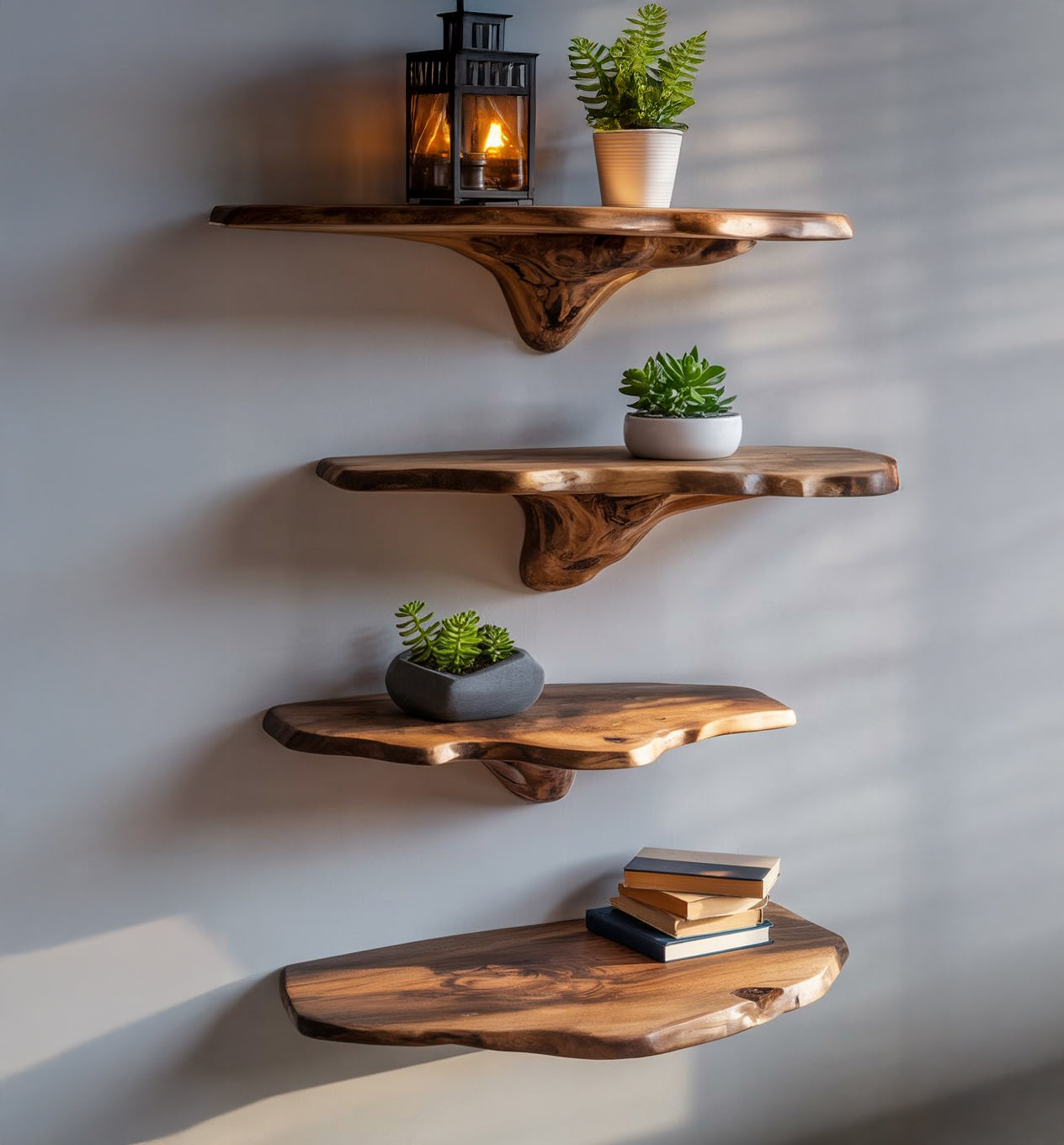
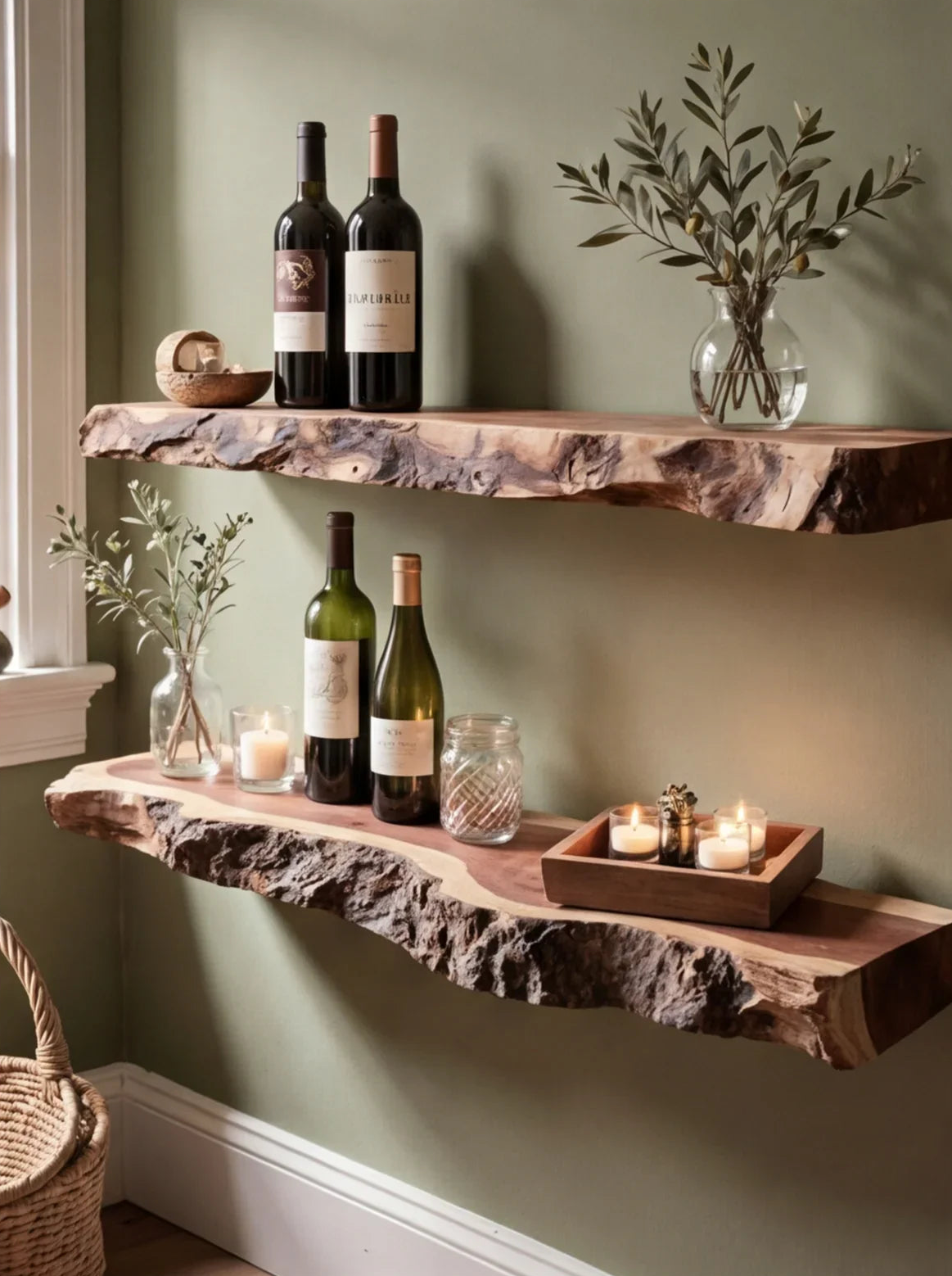
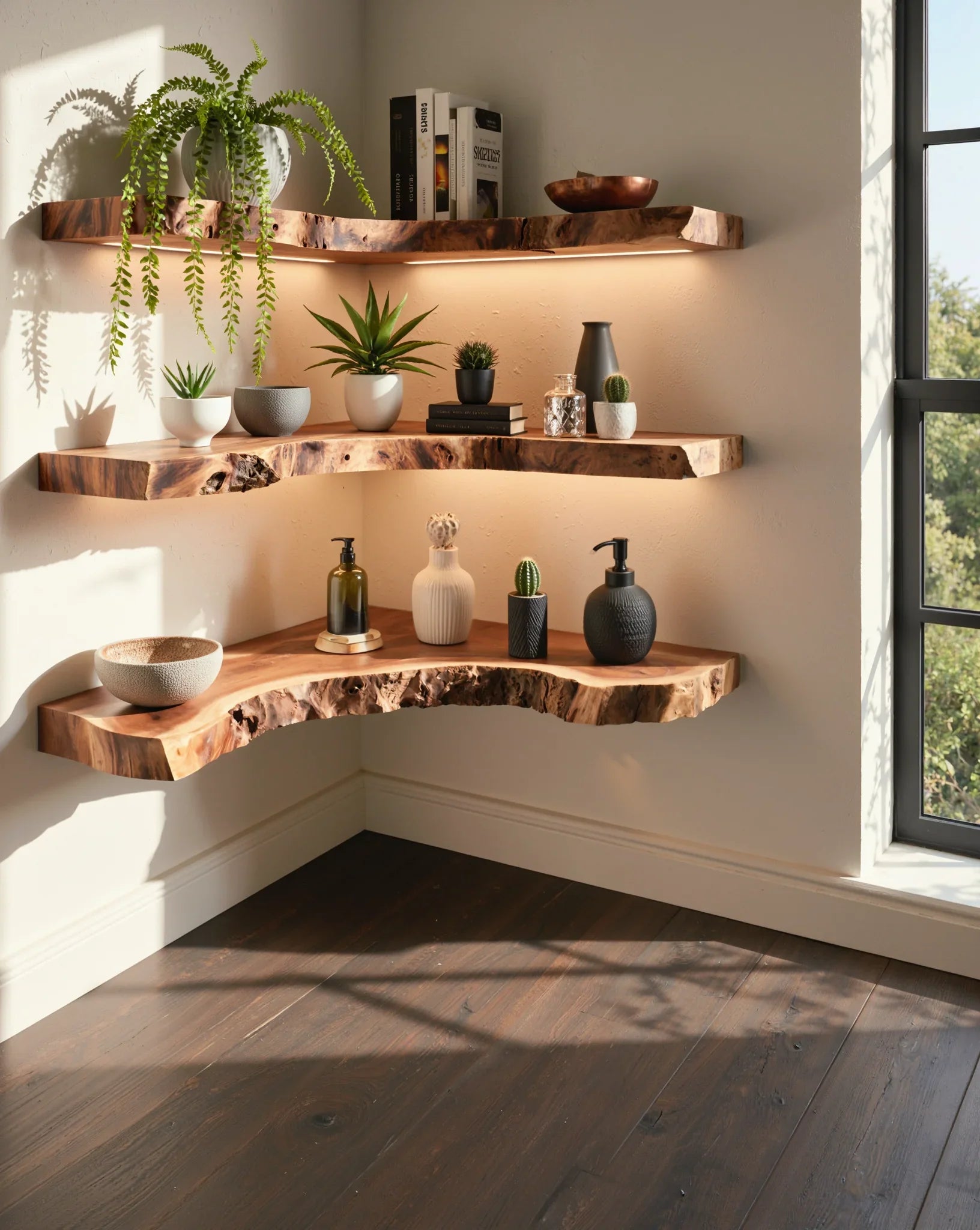
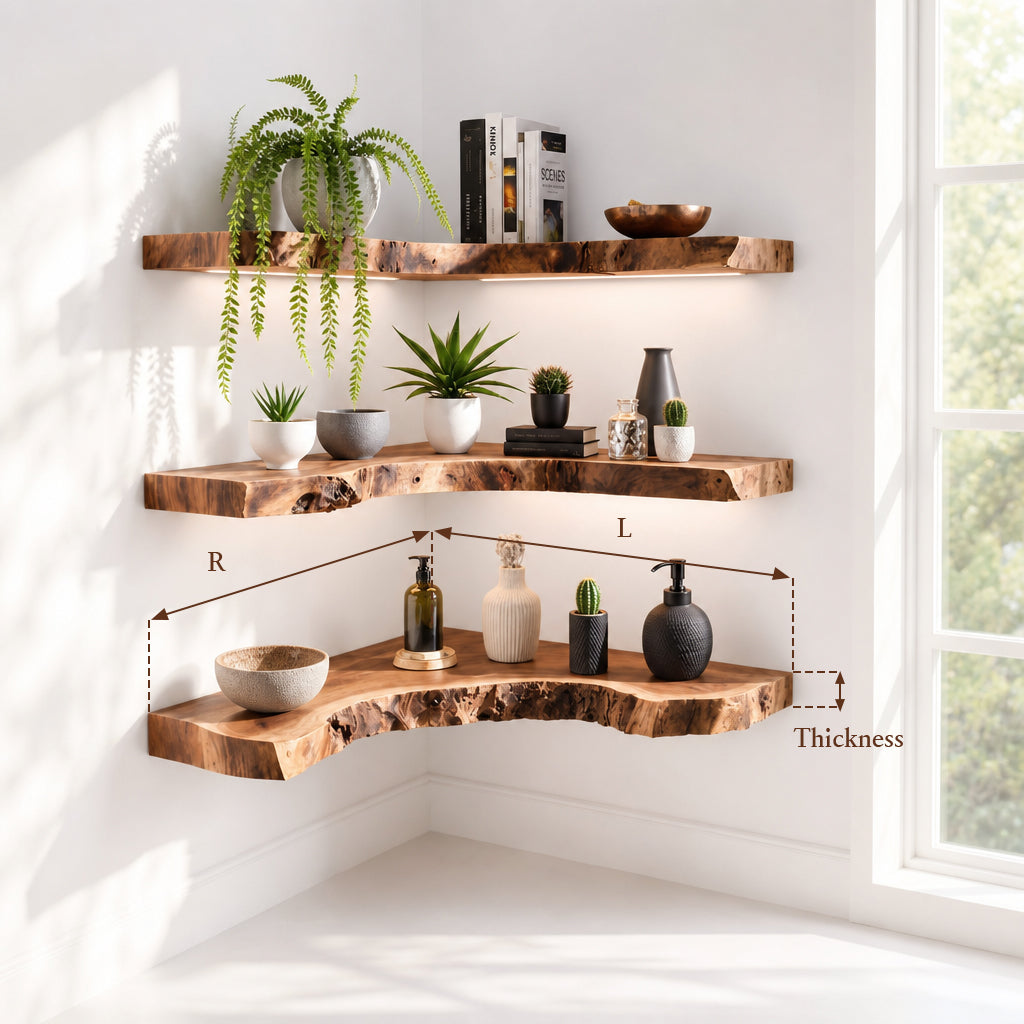
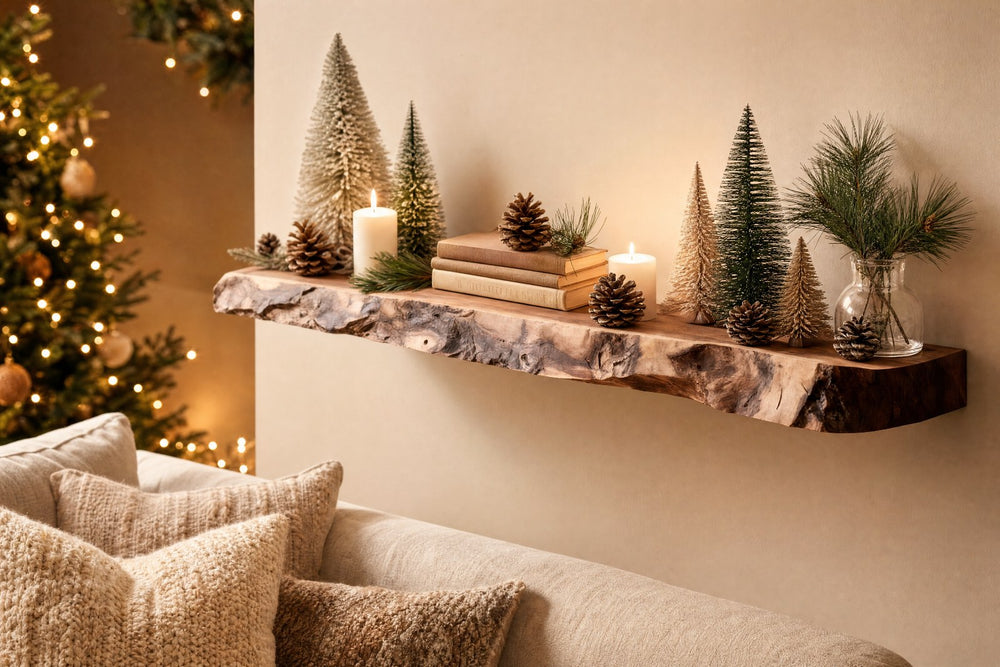
If you add one thing to your bathroom for storage, make it floating shelves. They mount on any wall, take up zero floor space, and hold everything from rolled towels to decorative jars filled with cotton balls.
Where to mount them
- Above the toilet. The most underused wall space in any bathroom. Two shelves stacked 12-14 inches apart turn dead space into functional storage. Use the lower shelf for daily items (extra toilet paper, a small plant) and the upper shelf for less-accessed items (backup toiletries, candles).
- Beside the mirror. A narrow floating shelf at eye height holds daily essentials - toothbrush holder, face wash, moisturizer - without cluttering the vanity countertop.
- Next to the shower. A shelf mounted just outside the shower door or curtain holds a folded towel, robe hook, or post-shower products (body lotion, deodorant). Keeps things within reach without getting sprayed.
- In a niche or alcove. If your bathroom has a recessed area or an awkward nook between fixtures, a shelf sized to fit turns wasted space into storage.
Material matters in bathrooms
Bathrooms are humid. Moisture is the enemy of cheap materials. MDF and particleboard swell, delaminate, and eventually crumble in bathroom conditions. Solid wood - properly sealed with polyurethane, tung oil, or marine-grade varnish - handles humidity far better and lasts for years.
Ashdeco's floating shelves are handcrafted from solid wood and finished to resist moisture. They won't warp or peel like the coated particleboard shelves you'll find at big-box stores.

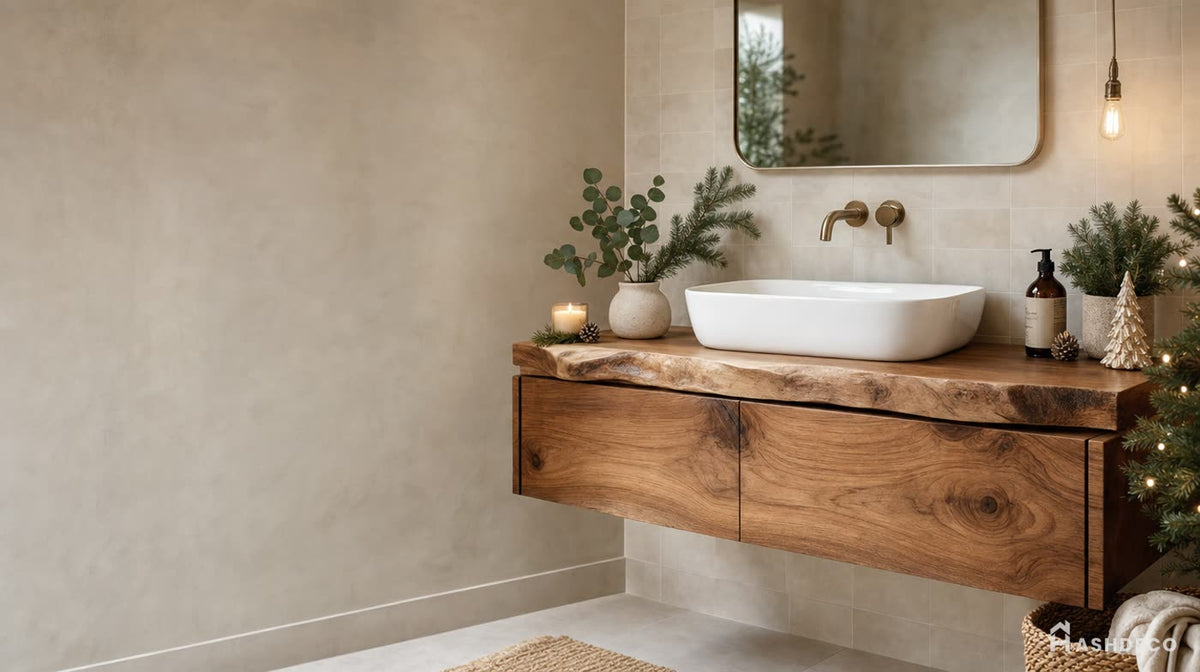


Bathroom Vanities: The Storage Workhorse
The vanity does more heavy lifting than any other bathroom fixture. It holds plumbing, provides countertop space, and stores the bulk of your daily essentials. Upgrading or optimizing your vanity storage often solves 60-70% of a bathroom's organization problems.
Vanity types and their storage profiles
- Single-sink vanity with drawers. The most practical for everyday use. Drawers beat cabinet doors for accessibility - you see everything at a glance instead of reaching into dark corners. Look for vanities with at least two drawers and a pull-out organizer.
- Double-sink vanity. Essential for shared bathrooms. Each person gets their own sink area and storage section. Reduces morning bottlenecks and territorial disputes over counter space.
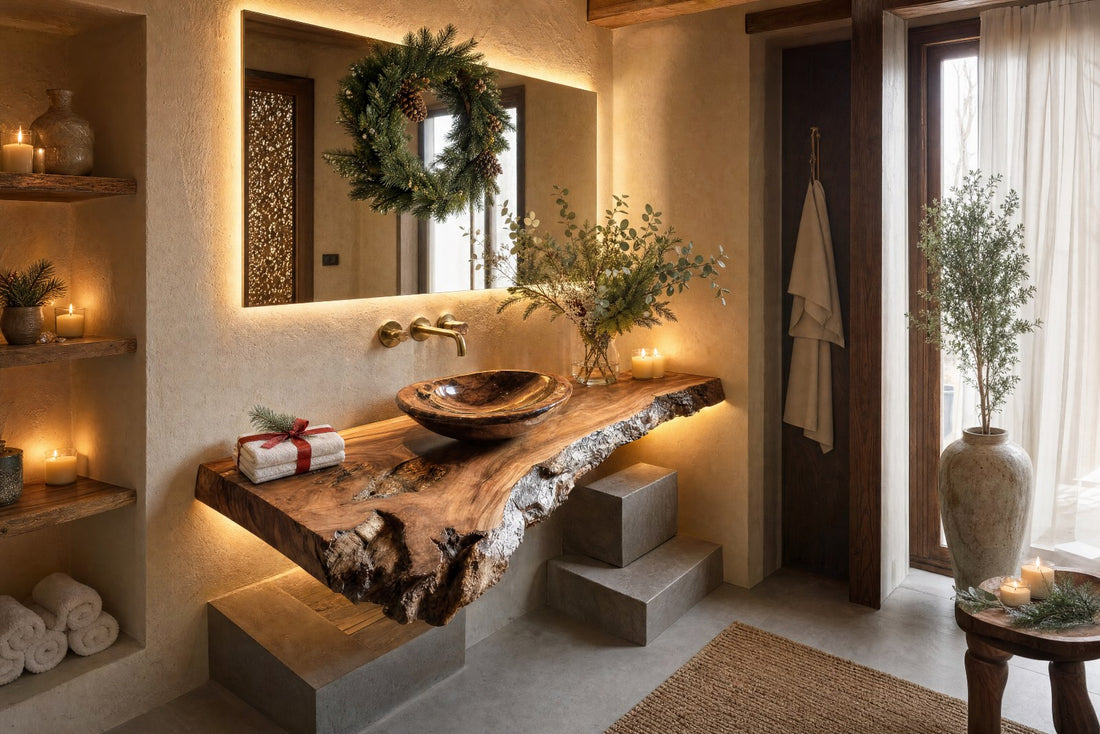
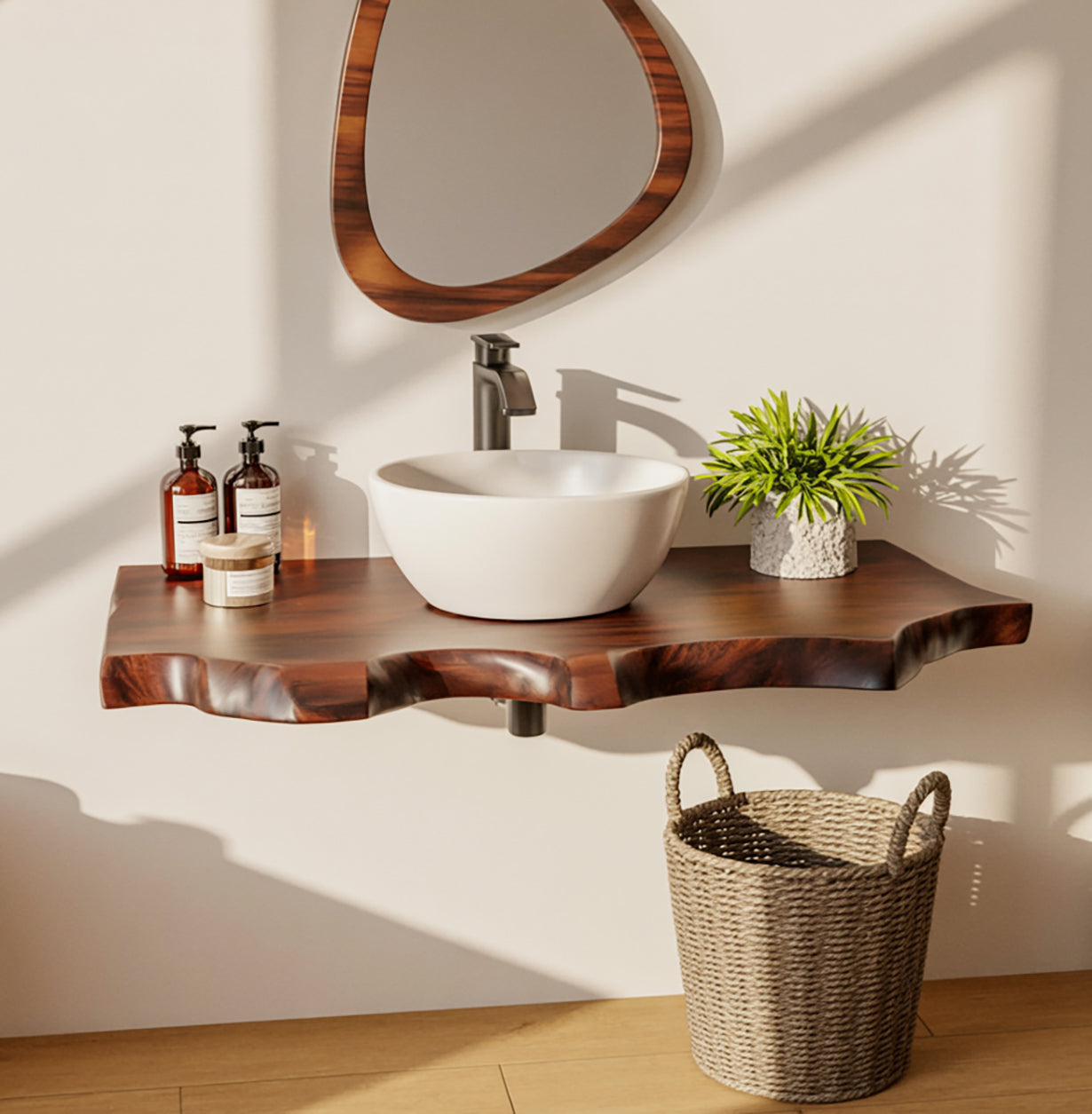
- Wall-mounted (floating) vanity. Frees up floor space, making the bathroom feel larger. The open area below is easy to clean (no more dust bunnies behind the cabinet) and can hold a decorative basket or small step stool.
- Open-shelf vanity. No doors, no drawers - just shelves below the sink. Looks airy and accessible, but requires discipline. Use matching baskets or bins to contain smaller items. Without them, it's visual chaos.
Maximizing existing vanity storage
Before buying a new vanity, optimize what you have:
- Stackable drawer organizers. Divide drawers into zones: makeup in one section, hair tools in another, medications in a third. Clear acrylic organizers let you see contents at a glance.
- Under-sink shelf risers. The space around plumbing pipes is usually wasted. Expandable shelf risers fit around pipes and double the usable storage area.
- Door-mounted organizers. Attach a small rack or pocket organizer to the inside of cabinet doors. Holds flat items like hair straighteners, brushes, or cleaning supplies.
- Lazy Susan for deep cabinets. If your vanity has a deep cabinet, a rotating tray prevents items from getting lost in the back.
Explore Ashdeco's bathroom vanity collection for handcrafted solid wood options that combine storage function with lasting design.

Over-Toilet Storage: Don't Waste That Wall
The wall above the toilet is prime real estate. In a standard bathroom, it's 2-3 feet of vertical space that does absolutely nothing. Here's how to use it:
- Two floating shelves. The simplest solution. Mount them 12-14 inches apart, starting about 12 inches above the toilet tank. Lower shelf for daily items; upper shelf for decor or backup supplies.
- Ladder shelf. A leaning ladder shelf rests against the wall behind the toilet, offering 3-4 tiers of open storage without drilling. Good for renters.
- Cabinet with door. If you want to hide contents, a wall-mounted cabinet above the toilet provides enclosed storage. Downsides: it can feel boxy in small bathrooms, and you have to open a door every time you need something.
- Basket shelves. Mount a shelf and place a woven basket on it. The basket contains loose items (hair ties, cotton pads, sample-size products) while the shelf provides the structure. Functional and visually soft.
Don't miss
These pieces qualify for 10% off orders over $2,000. Applied automatically at checkout.
10% off
Sculpted Tree Trunk Solid Wood Bathroom Vanity with Integrated Circular Mirror Frame and Dual Drawers
From $3,276.00
10% off at checkout
10% off
Curved Arch Solid Wood Bathroom Vanity Freestanding Four Drawer Washstand
From $2,365.00
10% off at checkout
10% off
Sculptural Tree Trunk Solid Wood Bathroom Vanity Organic Live Edge Storage Console
From $2,154.00
10% off at checkout
10% off
Floating Live Edge Solid Wood Bathroom Vanity Wall Mounted Storage Cabinet
From $2,316.00
10% off at checkout
Small Bathroom Storage Strategies
Bathrooms under 40 square feet require different thinking. You can't add furniture - there's nowhere to put it. Every solution needs to be wall-mounted, recessed, or door-hung.
- Recessed shelving (shower niche). Built into the shower wall during construction or renovation, a recessed niche holds shampoo, conditioner, soap, and razors without sticking out into the shower space. Standard niche size: 12"W × 24"H × 3.5"D.
- Over-door hooks and racks. The back of the bathroom door is free storage. An over-door rack holds towels, robes, and bags. Multiple hooks at different heights accommodate family members of different sizes.
- Magnetic strips. Mount a magnetic strip inside a cabinet door or on a wall for bobby pins, tweezers, nail clippers, and other small metal items. Keeps them visible and accessible instead of scattered in a drawer.
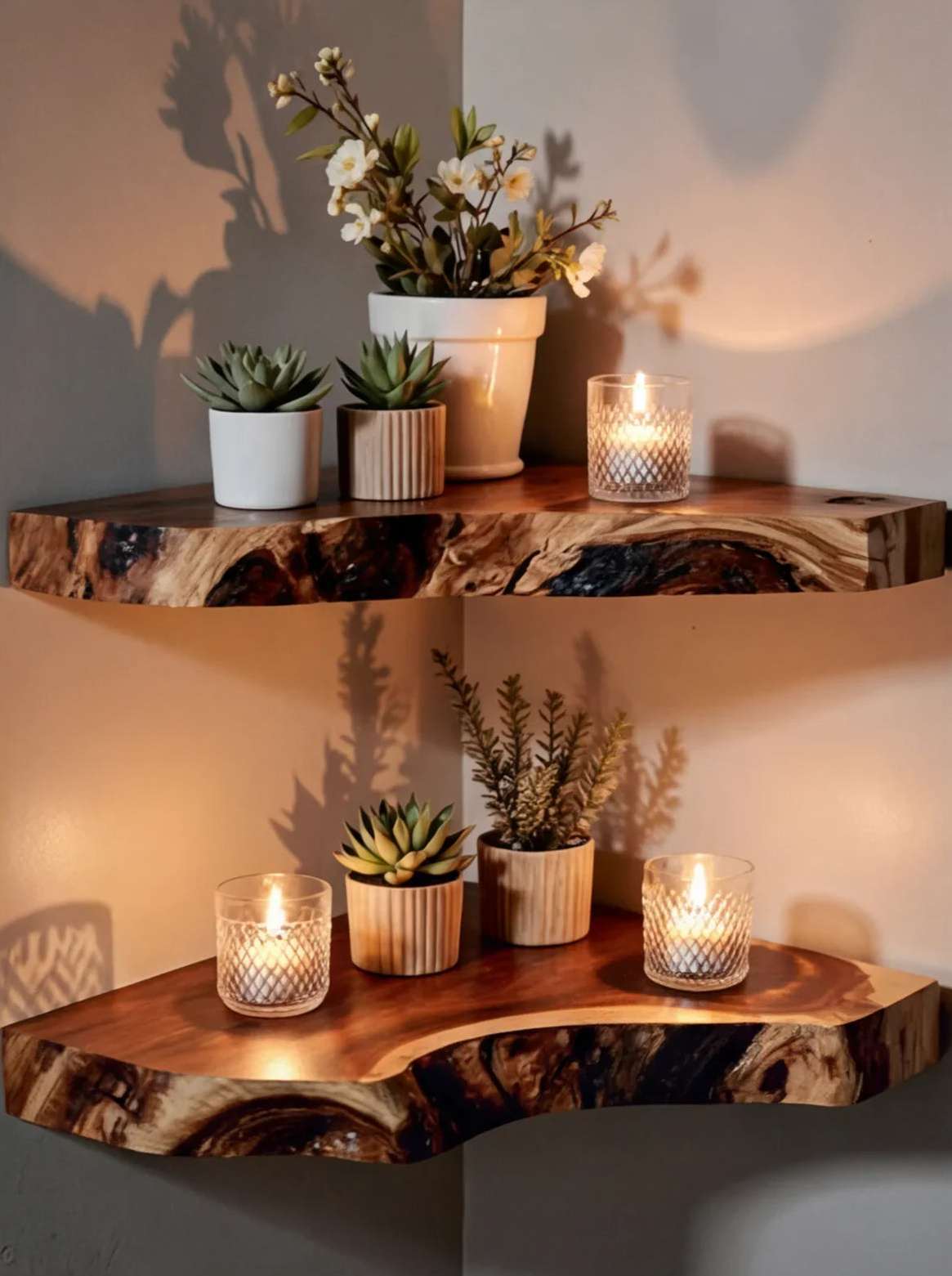
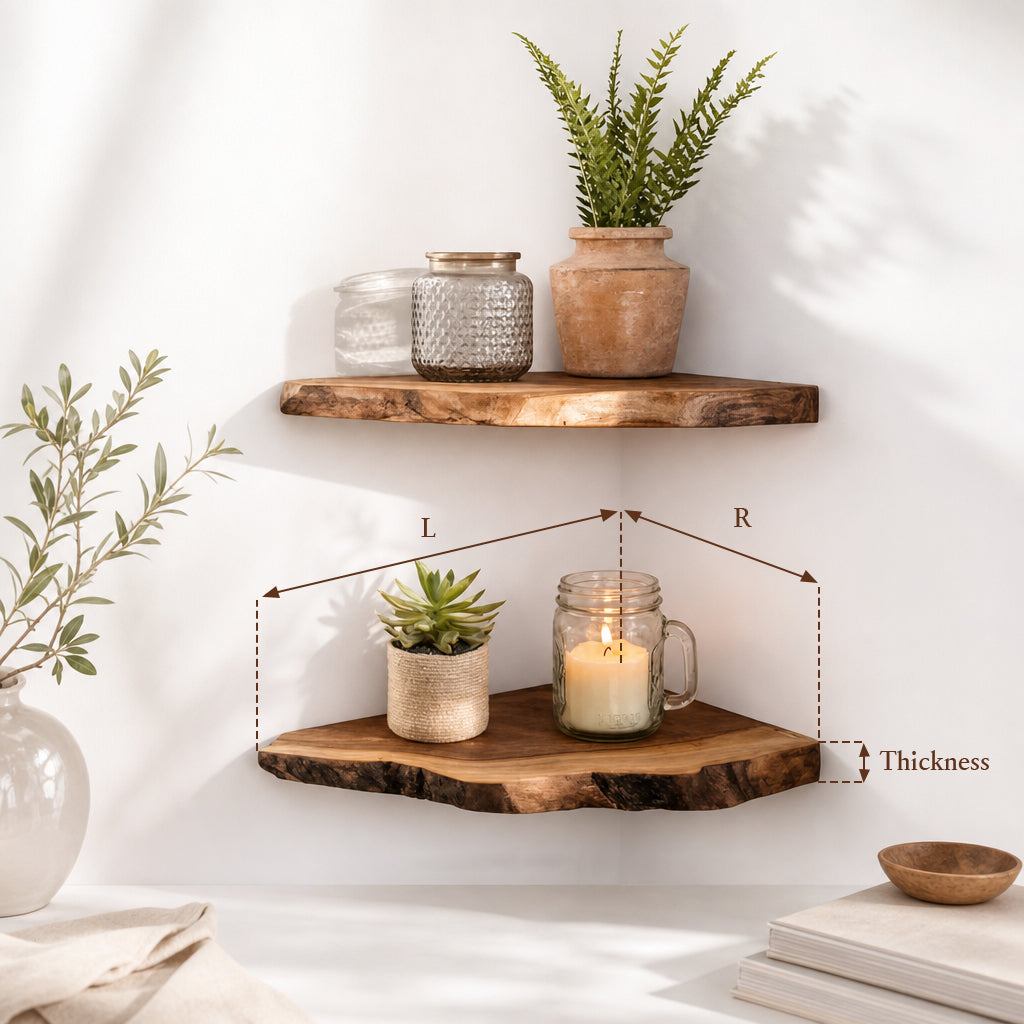
- Corner shelves. Corners are dead zones in small bathrooms. A corner floating shelf or tension-pole shower caddy turns them into storage without eating into the room's open space.
- Towel hooks instead of bars. Towel bars take up linear wall space. Hooks do the same job in a fraction of the footprint. Mount them at varied heights on the same wall section for visual interest.

Bathroom Storage by Zone
Organize your bathroom the way professional organizers do - by zone. Each zone has a function and its own storage solution.
Shower zone
Shampoo, conditioner, body wash, razors, loofahs. Store in a shower niche, tension-pole caddy, or hanging shower organizer. Keep it minimal - only products you use regularly. Expired products and half-empty bottles get tossed.
Sink zone
Hand soap, toothbrush/toothpaste, face wash, daily moisturizer. Keep on the countertop in a small tray or caddy. Everything else goes in the vanity drawers or a wall-mounted shelf.
Grooming zone
Makeup, hair tools, skincare routine products. Store in vanity drawers with organizers or in a wall-mounted cabinet with a mirror. Heat tools (curling iron, straightener) need a heat-resistant holder or silicone mat.
Toilet zone
Extra toilet paper, cleaning spray, brush. Store in a small bin beside the toilet or on a floating shelf above it. A covered basket keeps cleaning supplies hidden but accessible.
Linen zone
Towels, washcloths, bath mats. Roll rather than fold - rolled towels take less shelf space and look better on open shelving. Store on floating shelves, in a linen closet if you have one, or in a basket under a wall-mounted vanity.
Moisture-Resistant Materials: What Lasts in Bathrooms
Not everything survives bathroom conditions. Here's what holds up and what doesn't:
- Solid hardwood (sealed). Walnut, teak, and oak resist moisture well when finished with polyurethane or tung oil. They develop character with age rather than deteriorating. Best for vanities and floating shelves.
- Bamboo. Naturally moisture-resistant due to its dense fiber structure. Works well for shelving and small organizers.
- Stainless steel. Rust-proof and easy to clean. Ideal for hardware, shower caddies, and accent pieces.
- Ceramic and porcelain. Non-porous and waterproof. Standard for sinks and tiles, also used in bathroom accessories.
- MDF and particleboard (avoid). Swells and crumbles when exposed to moisture over time. Even "moisture-resistant MDF" deteriorates faster than solid wood in bathroom conditions.
- Unsealed pine or softwood (avoid). Absorbs moisture quickly, warps, and can develop mold. If using softwood, it must be heavily sealed.
Frequently Asked Questions
What are the best bathroom storage ideas for renters?
Focus on solutions that don't require drilling: over-door hooks and racks, tension-pole shower caddies, freestanding ladder shelves, suction-cup organizers, and countertop trays. If your lease allows small holes, command strips or removable adhesive hooks add wall storage without permanent damage.
How do I store towels in a small bathroom without a linen closet?
Roll towels and place them on floating shelves, in a woven basket under the vanity, or on a ladder shelf. Wall-mounted towel hooks use less space than towel bars. For bath towels in active use, a single hook behind the door works well.
Are floating shelves strong enough for bathroom use?
Solid wood floating shelves mounted into wall studs support 15-25 pounds each - more than enough for towels, toiletries, and decor. The key is proper mounting. Drywall anchors alone work for light items; studs or toggle bolts are needed for heavier loads.
How do I prevent mold in bathroom storage areas?
Ventilation is the primary defense. Run the bathroom exhaust fan for 20-30 minutes after showering. Keep stored items slightly separated (not jammed together) to allow air circulation. Use moisture-resistant materials for shelving and containers. Wipe down shelves monthly to prevent mold from taking hold.
What should I keep on bathroom open shelves vs. in closed storage?
Open shelves: towels, decorative items, frequently used products in attractive containers, plants. Closed storage: medications, cleaning supplies, personal hygiene products, items in unattractive packaging, and anything you'd rather guests not see.
How often should I declutter bathroom storage?
Every 3-6 months. Check expiration dates on medications, sunscreen, and skincare products. Toss anything expired, nearly empty, or unused for 6+ months. Bathrooms accumulate trial-size products, half-used bottles, and duplicate items faster than any other room.
Start with One Wall
You don't need to overhaul your entire bathroom at once. Pick one underused surface - the wall above the toilet, the empty space beside the mirror, or the back of the door - and add storage there. Live with it for a week. If it works, move to the next wall.
For durable, moisture-ready shelving, browse Ashdeco's floating shelf collection and bathroom vanity range. Each piece is handcrafted from solid wood by Vietnamese artisans - built to handle real bathroom conditions, dry showroom floors.