
Quick view
Shop this guide
Handcrafted Trending, made to order in solid wood.
 Christmas edit
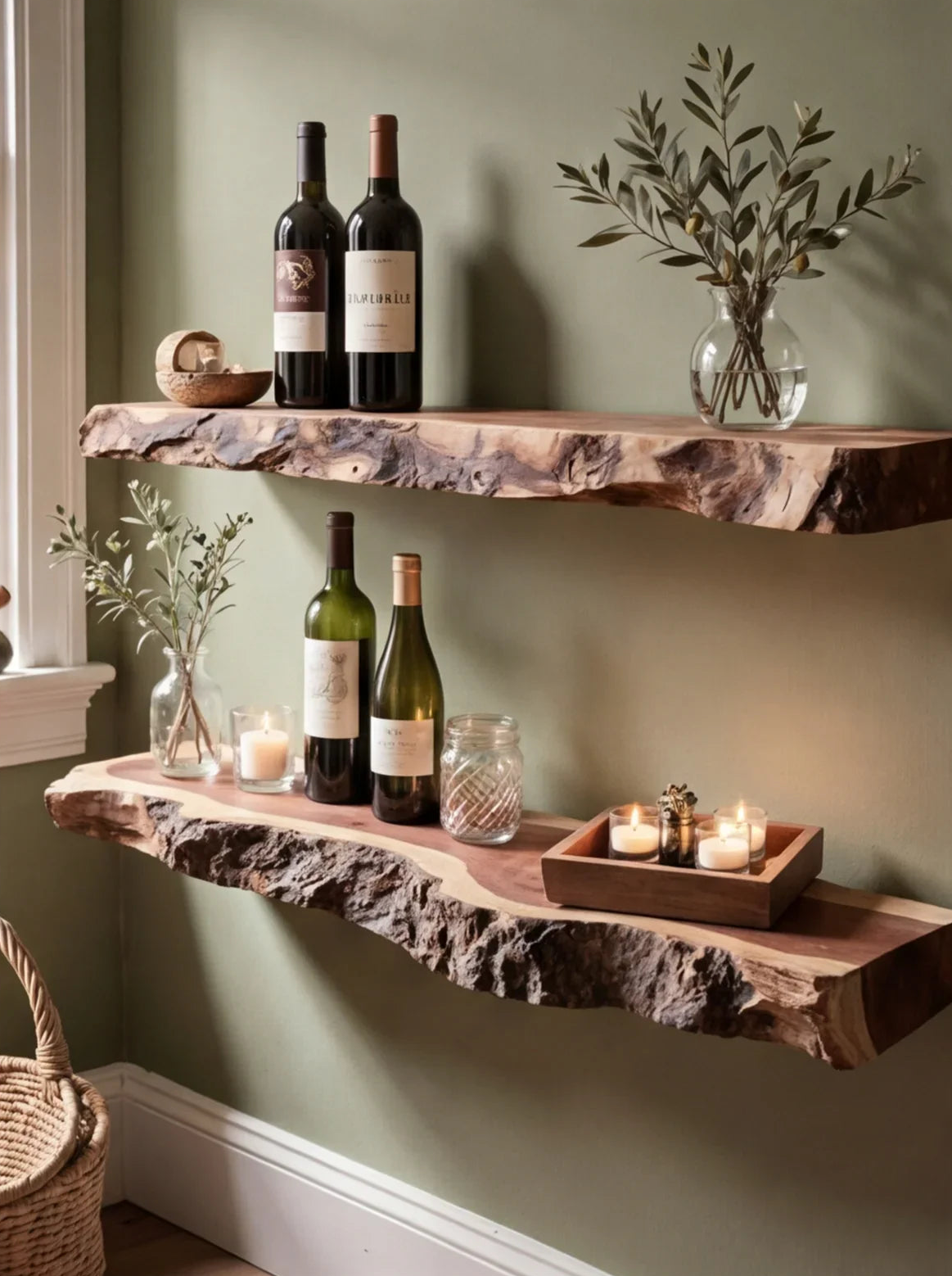
Handcrafted Live Edge Floating Bar Shelf – Rustic Solid Wood Wall Shelf for Kitchen or Bar
From $167.00
 Christmas edit
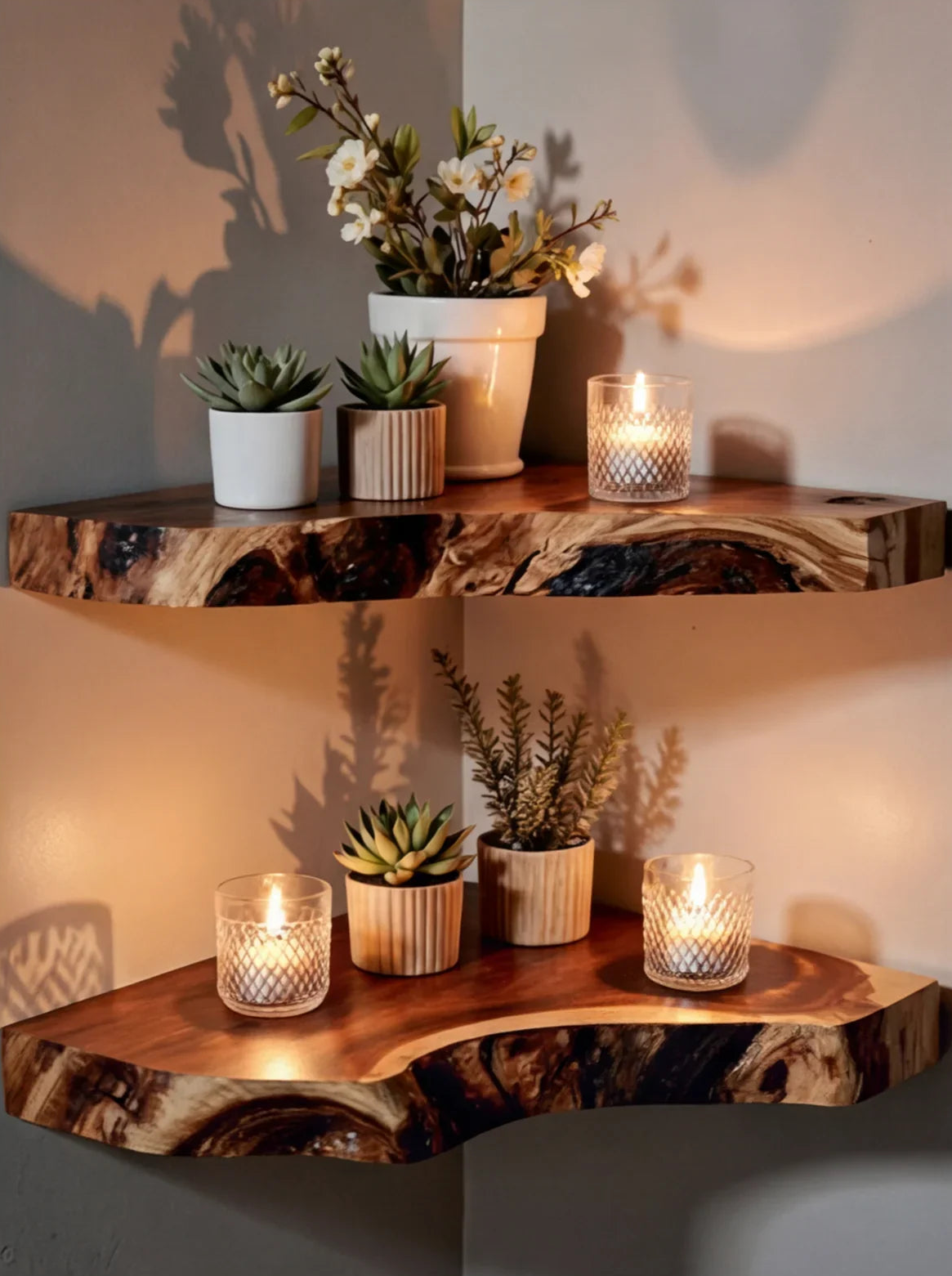
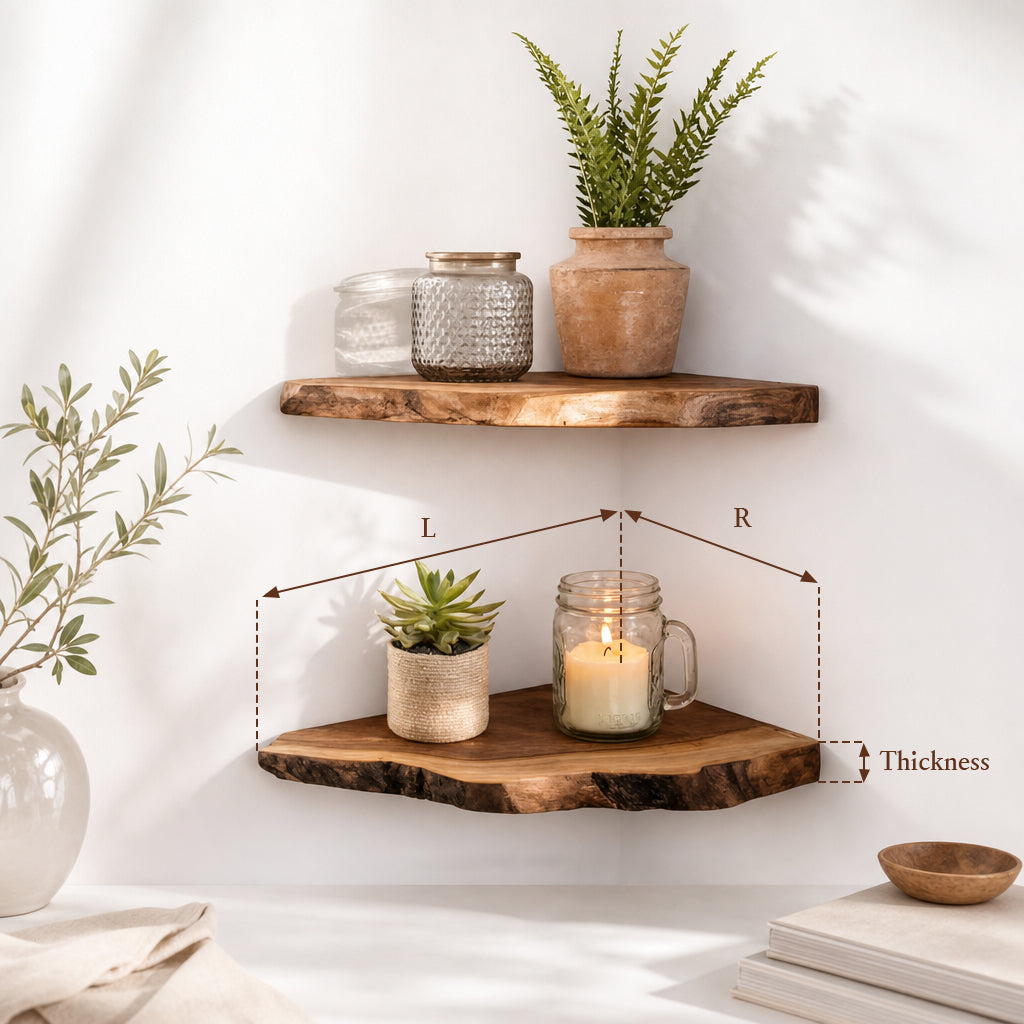
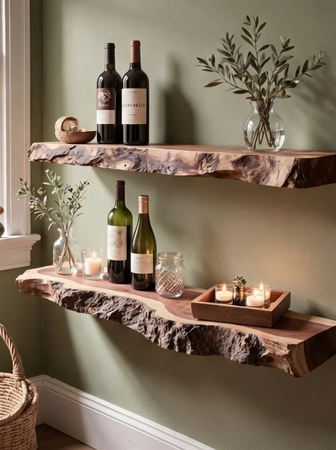
Rustic Corner Wall Shelf – Natural Live Edge Wood Floating Shelf for Candles and Plants
From $176.00
 Christmas edit
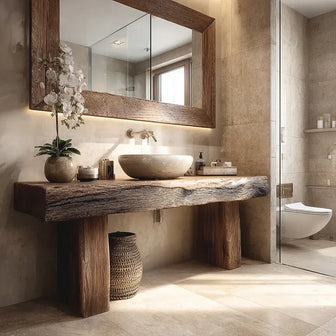
Rustic Live Edge Floating Vanity – Handmade Wooden Bathroom Shelf with Brackets
From $180.00
 Christmas edit
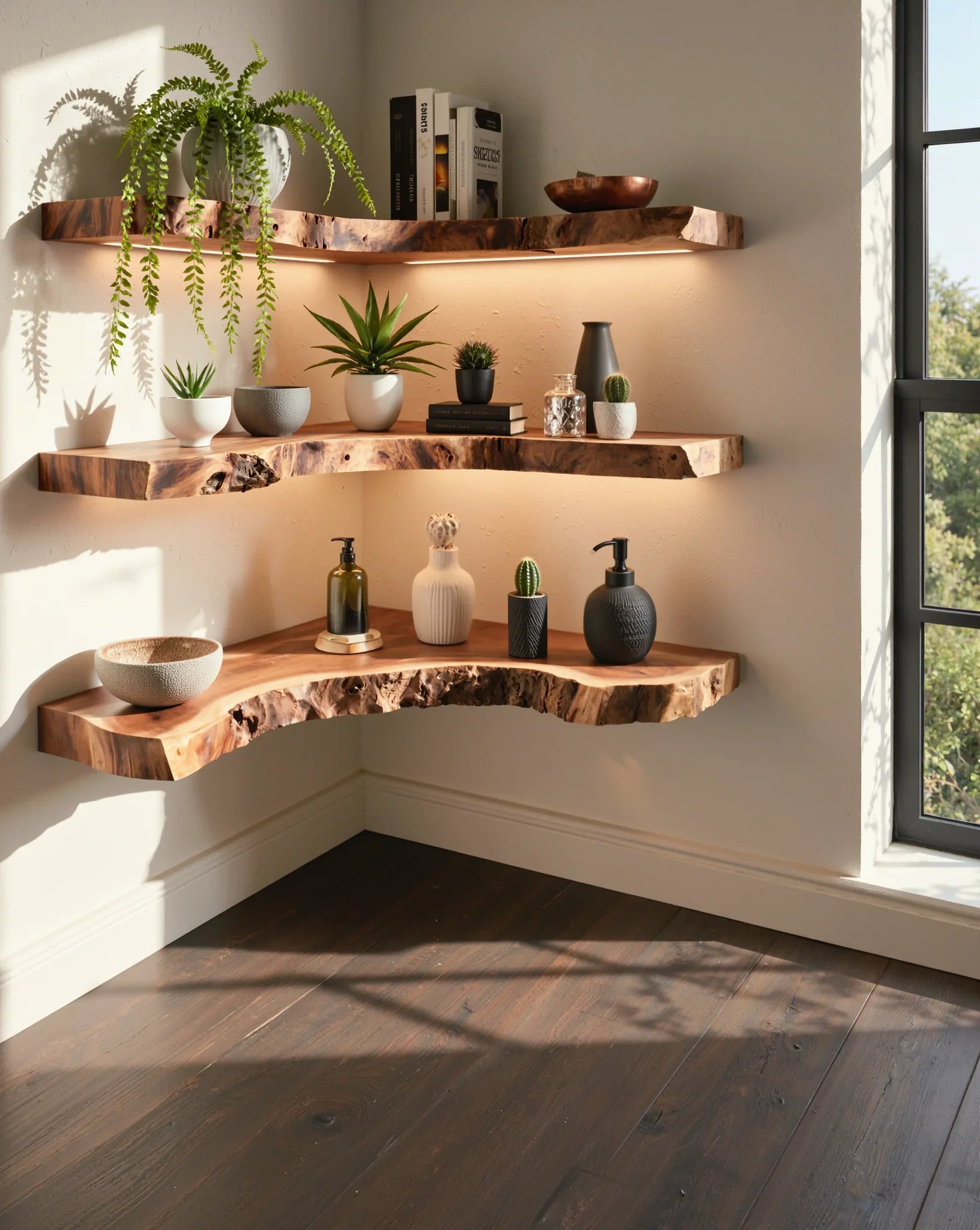
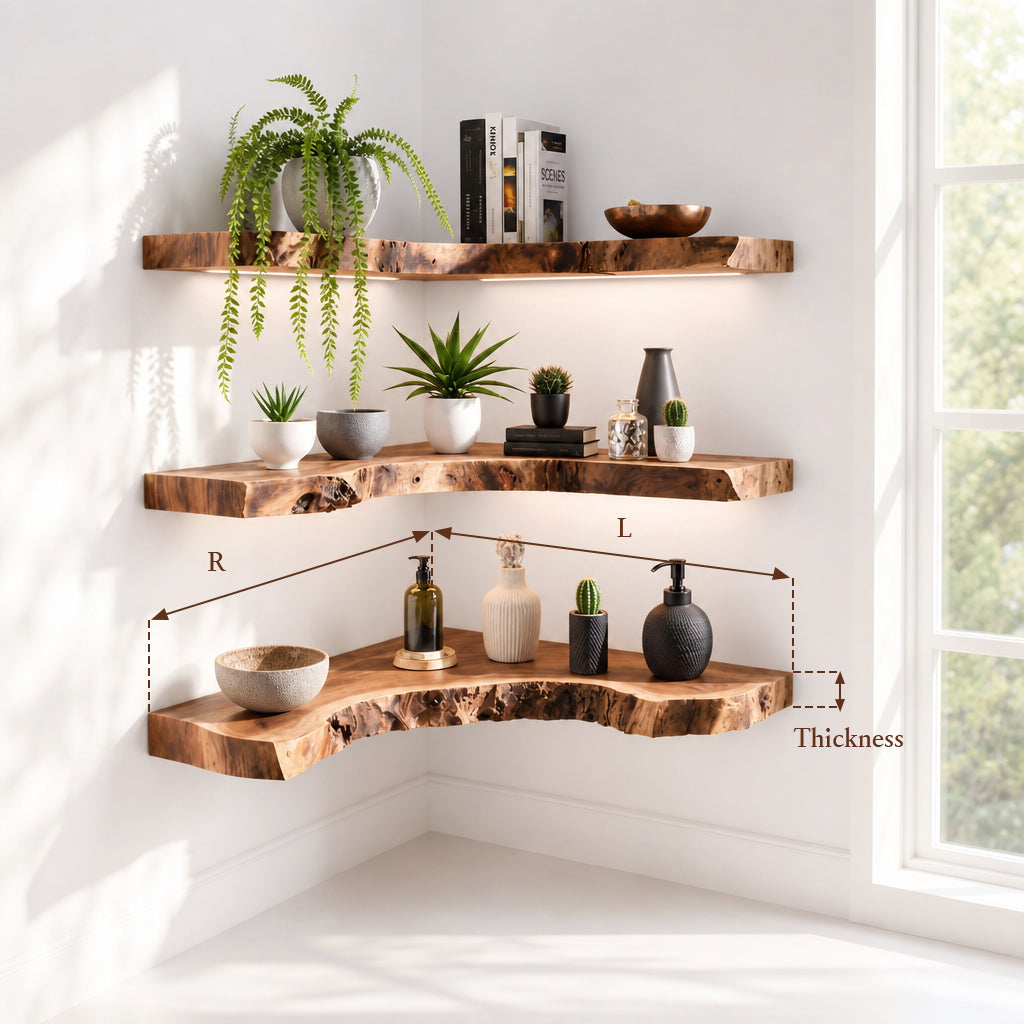
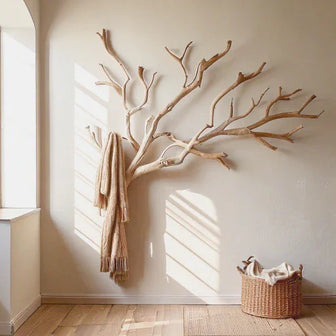
Rustic Teak Root Wood Corner Shelf - Floating Corner Shelf Decor
From $176.00
 Christmas edit
Live Edge Corner Floating Shelf – Handcrafted Solid Wood Wall Shelf
From $140.00
 Christmas edit
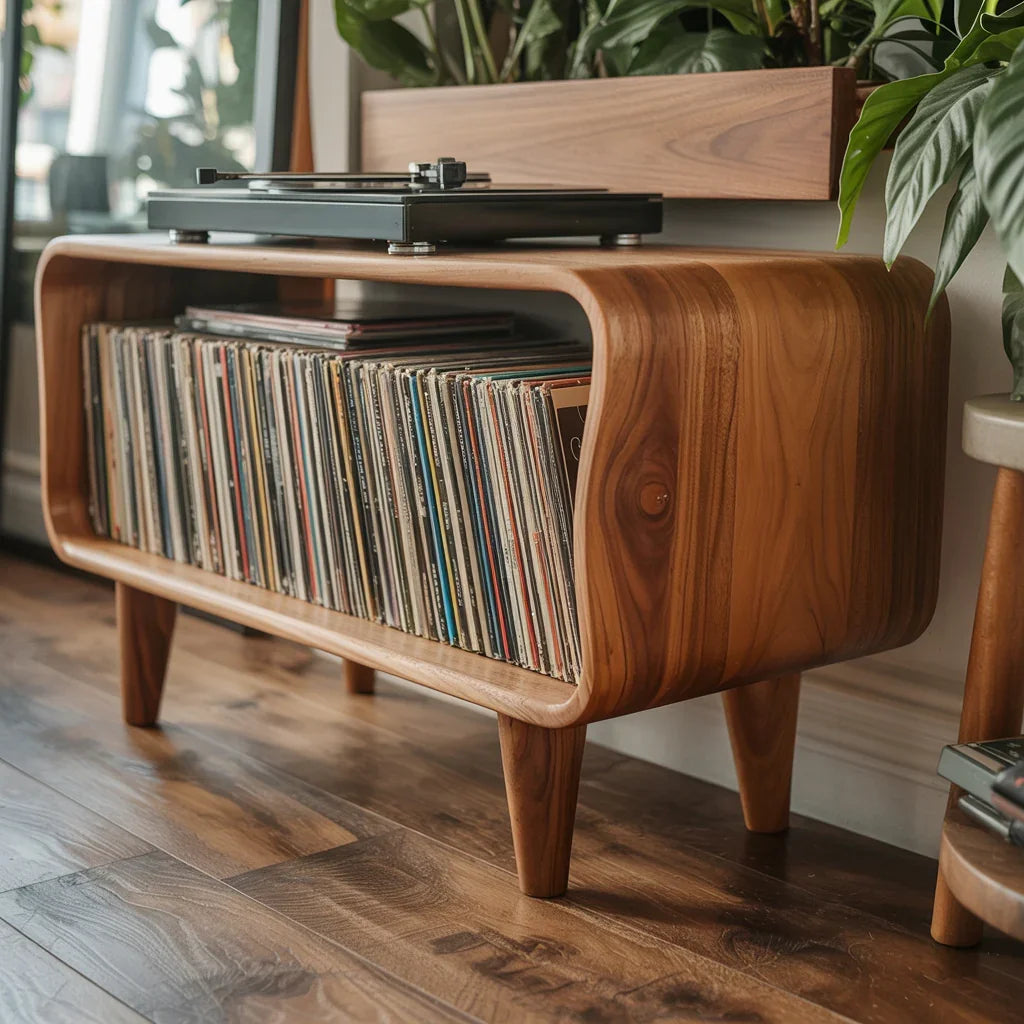
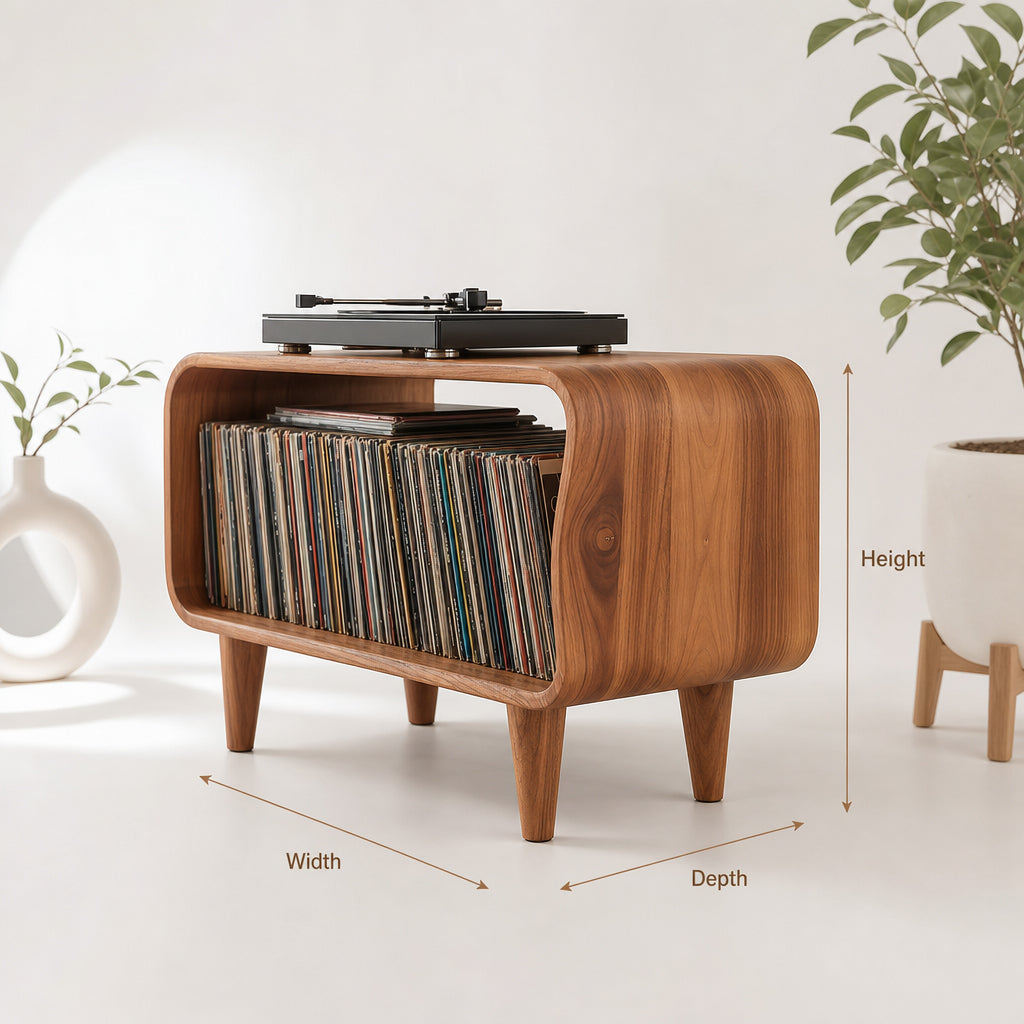
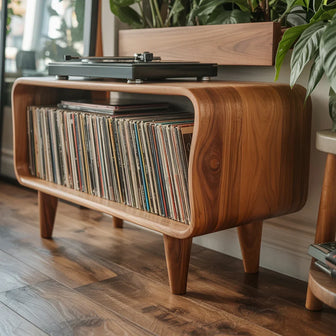
Ashdeco Solid Wood Record Player Stand – Mid-Century Modern Turntable Console
From $1,023.00
Quick Answer: A wooden wall clock combines timekeeping with sculptural art. From art deco geometric patterns to organic live edge designs, wood wall clocks transform blank walls into functional installations. Choose based on room style, wall size, and the balance between readability and artistic expression.
Wood wall clocks have evolved far from basic round faces with numbers. Today's pieces blend craftsmanship with design, creating wall art that happens to tell time. You prefer clean mid-century lines? Hand-carved relief textures? There is a wooden wall clock that matches your vision.

Styles of Wooden Wall Clocks
The wooden wall clock market spans multiple design movements. Each style brings different visual weight and personality to a room.
Mid-Century Modern Wood Wall Clocks
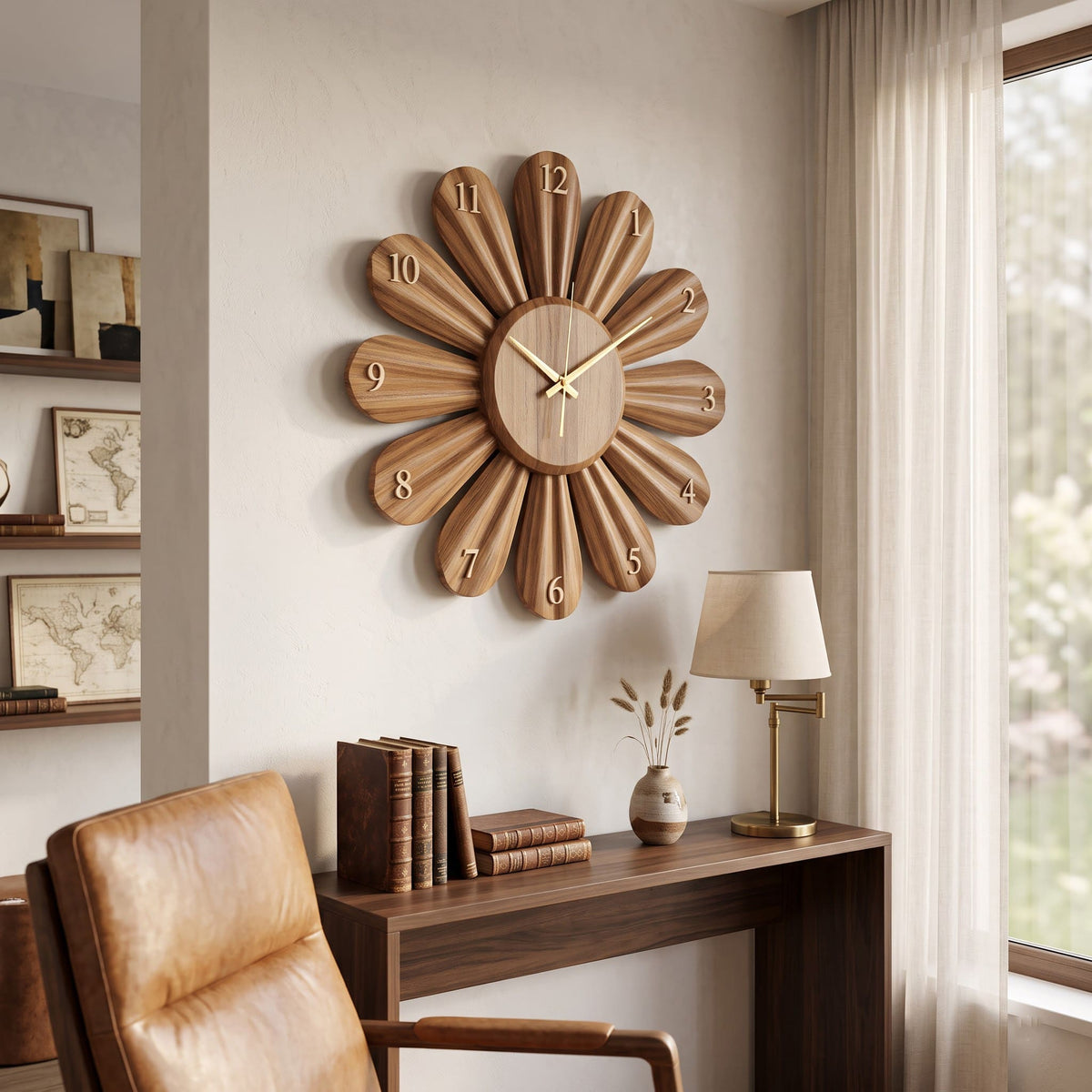
Mid-century designs emphasize simplicity and function. Clean circular faces, tapered hands, minimal numbering. The wood grain provides visual interest without competing with the clock's purpose.
These wood wall clocks work in dining rooms, home offices, and living spaces where you want subtle sophistication. Walnut and oak finishes dominate this category. The focus stays on readability first, decoration second.
Art Deco Wall Clock Designs
Art deco wall clocks bring geometric drama. Sunburst patterns, stepped motifs, symmetrical shapes. The 1920s aesthetic adds glamour to contemporary spaces.
An art deco wall clock often combines wood with metal accents. Brass hands against dark walnut create contrast. Some designs feature carved geometric reliefs that catch light throughout the day.
These pieces suit formal living rooms, entryways, or spaces where you want a statement focal point. The bold patterns demand attention, so placement matters.
Organic and Live Edge Wood Wall Clocks
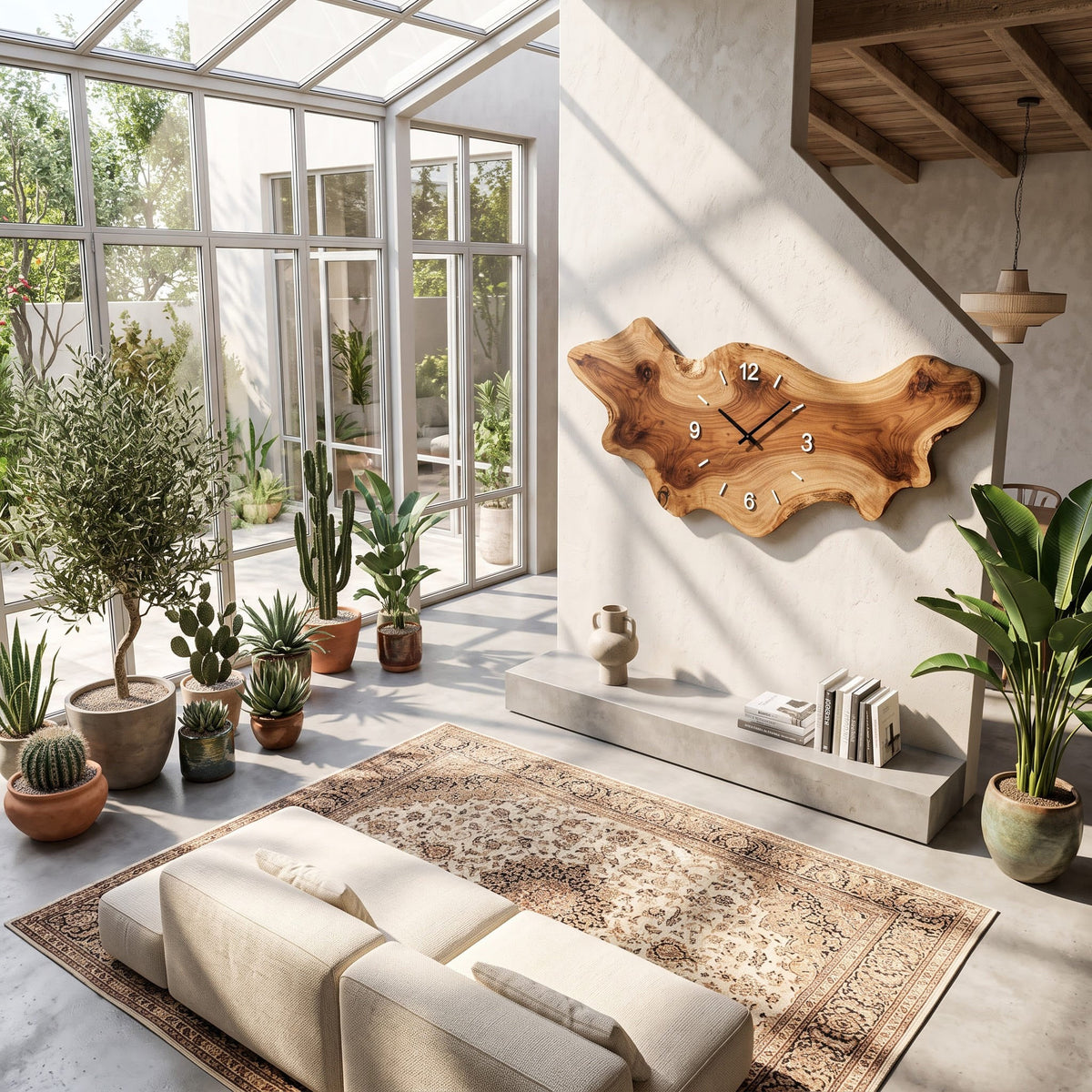
Live edge wood wall clocks celebrate natural imperfections. The bark edge remains visible. Knots, cracks, and grain variations become features, not flaws.
Each piece is unique. No two live edge wood wall clocks share the same contour. This individuality appeals to buyers who want one-of-a-kind wall art.
These clocks work in rustic, bohemian, or nature-inspired interiors. The organic shapes soften modern spaces and complement natural material palettes.

Sculptural and 3D Carved Wood Wall Clocks
Sculptural wood wall clocks push beyond flat surfaces. Hand-carved reliefs create depth and shadow. Mountain landscapes, wave patterns, floral motifs rise from the clock face.
These pieces blur the line between functional clock and wall sculpture. The timekeeping element becomes part of a larger artistic composition.
A 3D carved wood wall clock serves as conversation starter. Guests notice the craftsmanship before they notice the time. These pieces suit spaces where you want art to dominate.

Choosing the Right Size
Wooden wall clocks range from 10 inches to over 30 inches in diameter. Size affects both visual impact and readability.
Small Wood Wall Clocks (10-16 inches)
Small clocks work in intimate spaces. Bedrooms, bathrooms, home offices benefit from proportional timepieces that do not overwhelm the wall.
A 12-inch wooden wall clock above a nightstand provides function without dominating the room. In a bathroom, a small clock stays practical while adding warmth to tile and stone surfaces.
Medium Wood Wall Clocks (16-24 inches)
Medium-sized wood wall clocks suit most living spaces. They provide clear readability from across the room while maintaining visual presence.
A 20-inch wooden wall clock works above a sofa, dining table, or console. The size balances function and decoration. You can read the time from the couch, but the clock also anchors the wall composition.
Large Wood Wall Clocks (24+ inches)
Oversized wood wall clocks make architectural statements. They fill large walls, create focal points in open spaces, and add drama to minimalist interiors.
A 30-inch wooden wall clock suits great rooms, entryways with high ceilings, or commercial spaces. The scale demands attention. Pair with simple surroundings to let the clock shine.


Placement and Hanging Guidelines
Where you hang a wooden wall clock affects both function and visual balance.
Living Room Placement
In a living room, hang your wooden wall clock where it can be seen from primary seating. Above a sofa, fireplace, or console table works well.
Center the clock on the wall or align it with furniture below. Maintain 6-12 inches of clearance above furniture. This creates visual connection without crowding.
Dining Room Considerations
A wood wall clock in the dining room should be visible from the table but not compete with conversation. Hang it on a side wall rather than directly above the table where it might feel oppressive.
Art deco wall clocks with bold patterns work well in dining spaces. The geometric designs complement formal settings without overwhelming the room's social function.
Bedroom and Office Spaces
In bedrooms and home offices, prioritize readability. Hang the wooden wall clock where you can glance at it from your bed or desk without straining.
Smaller clocks (12-16 inches) suit these intimate spaces. Choose designs with clear numerals or markers. Sculptural details should enhance, not obscure, the time display.

Materials and Craftsmanship
The quality of a wooden wall clock depends on wood selection, joinery, and finish.
Wood Species
Walnut offers rich, dark tones that suit formal spaces. Oak provides lighter warmth and prominent grain patterns. Maple delivers subtle, uniform appearance.
Exotic woods like teak or mahogany add luxury but come at higher cost. Each species ages differently. Walnut deepens with time. Oak lightens slightly. Understanding how your wood evolves helps you choose finishes that age gracefully.
Hand-Carved vs. Machine-Made
Hand-carved wooden wall clocks feature unique textures and slight variations. The artisan's tool marks remain visible. Each piece carries individual character.
Machine-made clocks offer consistency and lower cost. CNC routing can replicate complex patterns, but the result lacks the subtle depth of hand work.
For sculptural wood wall clocks, hand carving creates superior depth and shadow play. The relief catches light differently throughout the day, creating dynamic visual interest.
Finish and Protection
Wood wall clocks need finishes that protect against humidity and dust while enhancing the grain. Oil finishes penetrate the wood, bringing out natural color. Lacquer creates a protective surface layer.
In humid environments like bathrooms or kitchens, choose clocks with sealed finishes. Unsealed wood absorbs moisture and may warp over time.
Don't miss
These pieces qualify for 10% off orders over $2,000. Applied automatically at checkout.
 10% off
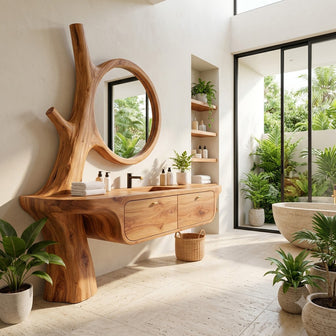
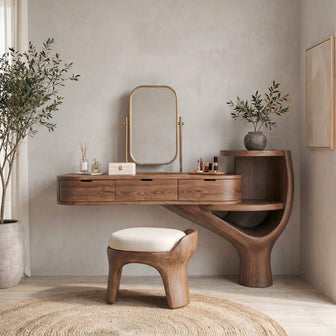
Modern Floating Wooden Vanity – Handmade Rustic Solid Wood Bathroom Cabinet
From $2,090.00
10% off at checkout
 10% off
Solid Wood Turntable Stand – Rustic Record Player Cabinet with Farmhouse Storage
From $2,036.00
10% off at checkout
 10% off
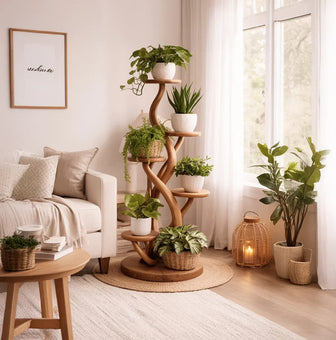
Tree Bookshelf – Rustic Wooden Book Tree Shelf, Wall-Mounted Natural Wood Décor
$2,099.00
10% off at checkout
 10% off
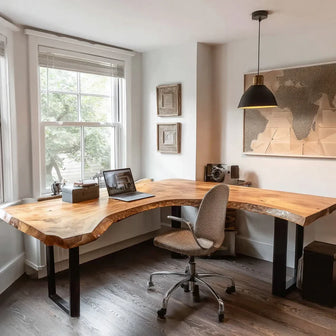
Live Edge L-Shaped Desk – Handmade Solid Wood Corner Desk for Home Office
From $2,340.00
10% off at checkout
Movement Types and Noise
The clock movement affects both function and user experience.
Quartz Movement
Quartz movements power most modern wooden wall clocks. Battery-operated, accurate, low maintenance. The second hand moves in discrete ticks.
Some quartz movements produce audible ticking. In quiet spaces like bedrooms, this can become distracting. Look for "silent" or "sweep" quartz movements if noise matters.
Mechanical Movement
Mechanical wooden wall clocks use weights or springs. They require winding and regular maintenance. The appeal lies in traditional craftsmanship and the satisfying tick.
These clocks suit collectors and enthusiasts who appreciate horological tradition. They are less practical for buyers who want set-and-forget convenience.
Price Ranges and Value
Wooden wall clocks span wide price ranges based on size, craftsmanship, and materials.
Budget Range ($50-200)
Budget wood wall clocks use simpler designs, machine production, and standard wood species. They provide function and basic aesthetic appeal.
These clocks work for buyers who want the wooden look without major investment. They suit rental spaces or rooms where you change decor frequently.
Mid-Range ($200-800)
Mid-range wooden wall clocks feature better materials, hand-finished details, and unique designs. You get solid wood construction, quality movements, and distinctive styling.
This range offers the best value for buyers seeking quality craftsmanship. The clocks last decades and become permanent fixtures in your home.
Premium Range ($800+)
Premium wood wall clocks are sculptural art pieces. Hand-carved reliefs, exotic woods, one-of-a-kind designs. These clocks come from established artisans or small workshops.
Buyers in this range seek functional art. The clock serves as wall sculpture that happens to tell time. Each piece carries the maker's signature style and techniques.

Caring for Your Wooden Wall Clock
Proper care extends the life and beauty of your wooden wall clock.
Dusting and Cleaning
Dust your wood wall clock weekly with a soft, dry cloth. Avoid feather dusters that can snag on carved details.
For deeper cleaning, use a slightly damp cloth and dry immediately. Never soak wood or use harsh chemicals that strip the finish.
Humidity and Temperature
Wood expands and contracts with humidity changes. Keep your wooden wall clock away from direct heat sources like radiators or heating vents.
In very dry environments, wood may crack. In very humid spaces, it may warp. Maintain stable indoor humidity (40-60%) when possible.
Battery Replacement
For quartz movement wood wall clocks, replace batteries annually or when the clock starts losing time. Use quality batteries to prevent leakage that damages the movement.
Remove the clock from the wall when changing batteries. This prevents drops that could damage the face or hands.
Matching Your Wooden Wall Clock to Your Style
Your wooden wall clock should complement your existing decor, not clash with it.
Modern and Minimalist Spaces
Choose wood wall clocks with clean lines and minimal ornamentation. Simple circular faces, tapered hands, subtle wood grain. The clock adds warmth without disrupting the minimalist aesthetic.
Rustic and Farmhouse Interiors
Live edge wood wall clocks or designs with distressed finishes suit rustic spaces. The natural imperfections complement reclaimed wood, stone, and textile textures.
Traditional and Formal Rooms
Art deco wall clocks or classic designs with rich finishes work in traditional spaces. Walnut or mahogany tones complement antique furniture and formal arrangements.
Eclectic and Bohemian Spaces
Sculptural wood wall clocks with bold carving or unusual shapes fit eclectic interiors. The artistic expression matches the layered, personal nature of bohemian design.
FAQ: Wooden Wall Clocks
What size wooden wall clock should I choose for my room?
Match size to room scale and viewing distance. Small clocks (10-16 inches) suit bedrooms and bathrooms. Medium clocks (16-24 inches) work above a sofa or dining table. Large clocks (24+ inches) fit great rooms and entryways with high ceilings.
Are hand-carved wood wall clocks worth the extra cost?
Yes, if you want a one-of-a-kind piece. Hand-carved clocks show visible tool marks and subtle variations that machine-made pieces cannot replicate. The higher price reflects the time and skill involved in each carving.
Will a quartz wooden wall clock tick loudly?
Not necessarily. Standard quartz movements produce audible ticking, which some people notice in quiet rooms. Look for "silent" or "sweep" quartz movements if you plan to hang the clock in a bedroom.
How do I keep a live edge wood wall clock from warping?
Keep it away from direct heat sources and humid areas like unventilated bathrooms. Maintain stable indoor humidity between 40 and 60 percent. Choose a sealed finish if the clock will hang in a kitchen or bathroom.
Can two live edge wood wall clocks ever look the same?
No. Each piece follows the natural bark edge and grain of its specific slab. That's part of the appeal - you're buying a one-of-a-kind piece, not a repeatable design.
Conclusion: Investing in Functional Art
A wooden wall clock is more than a timekeeping device. It is wall art that serves daily function. The right piece enhances your space, reflects your style, and lasts for decades.
Choose the geometric drama of an art deco wall clock. Pick the natural beauty of a live edge design. Select the sculptural depth of a hand-carved relief. Your wooden wall clock becomes part of your home's story.
Consider your space, your style, and your budget. Then choose a piece that speaks to you. A well-chosen wood wall clock becomes something you notice every day, appreciate every year, and pass down eventually.
Time moves forward. Your walls deserve something that moves with it.