




Quick view
Shop this guide
Handcrafted Sofas, made to order in solid wood.
 Christmas edit
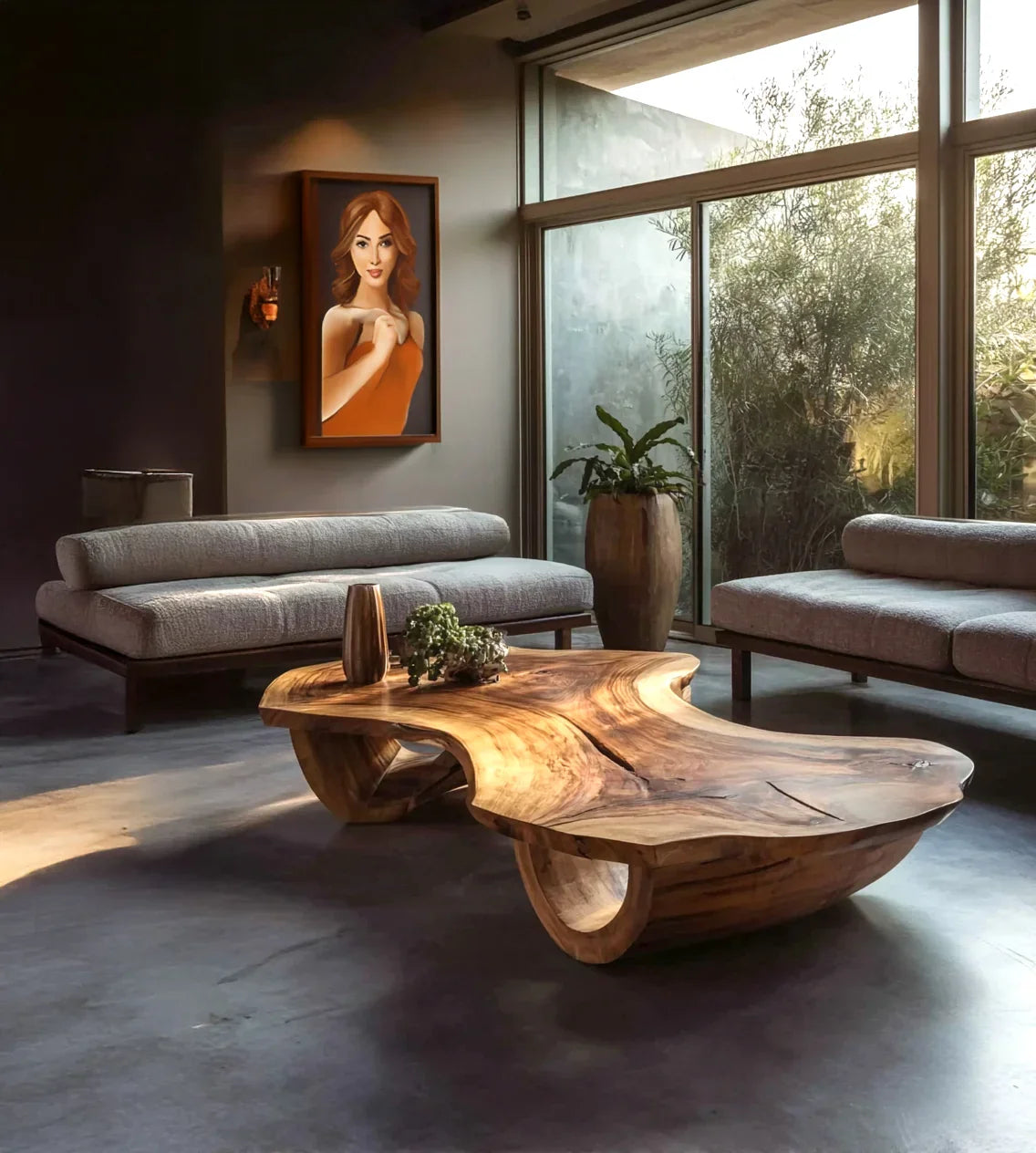
Elegant Modern Wooden Sofa with Sculptural Frame – Statement Living Room Piece
From $6,469.0010% off at checkout
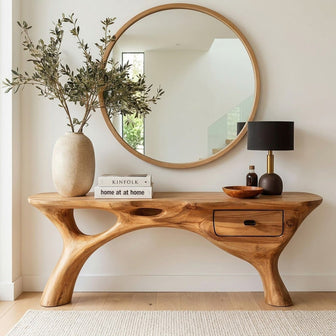
 Sculptural Hand-Carved Curved Solid Wood Sofa Frame & Living Room Settee Base
From $7,210.0010% off at checkout
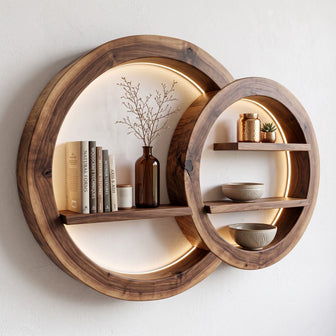
 Organic Sculptural Wood Sofa – Handcrafted Natural Edge Design
From $9,469.0010% off at checkout
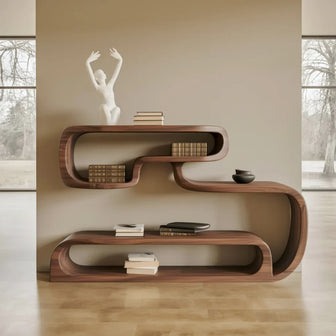
 Handcrafted Solid Wood Sofa – Modern Organic Curved Wooden Couch
From $9,469.0010% off at checkout
 Handcrafted Live Edge Solid Wood Sofa – Natural Wood Frame Design
From $9,469.0010% off at checkout
 Ashdeco Modern Wooden Sofa – Sculptural Artistic Living Room Design
From $9,469.0010% off at checkout
Quick Answer: Wall clock placement transforms empty walls into functional focal points. A large wall clock above sofa creates living room anchor. A wall clock above mantel adds timeless charm to fireplace spaces. Height, scale, and sightlines determine success.
The right wall clock placement turns timekeeping into design statement. Wrong placement makes even beautiful clocks feel awkward. Understanding spatial relationships ensures your clock enhances rather than competes with your room.

The Living Room Anchor: Large Wall Clock Above Sofa
A large wall clock above sofa serves as living room centerpiece. The clock fills vertical space, draws eyes upward, and creates visual balance with furniture below.
Choosing the Right Size
For a standard 84-inch sofa, choose a clock between 24 and 36 inches in diameter. The clock should occupy roughly one-third to one-half the sofa width. Anything smaller gets lost. Anything larger overwhelms.
Oversized clocks (30+ inches) work best in rooms with high ceilings or open floor plans. The scale matches the architectural volume. In compact spaces, stick to 20-24 inch clocks.
Height and Positioning
Hang the clock 6 to 12 inches above the sofa back. This creates visual connection without crowding. The clock center should sit at eye level when standing, roughly 57 to 60 inches from the floor.
Center the clock horizontally over the sofa. If the sofa sits off-center in the room, align the clock with the sofa, not the wall. This maintains furniture grouping integrity.
Style Considerations
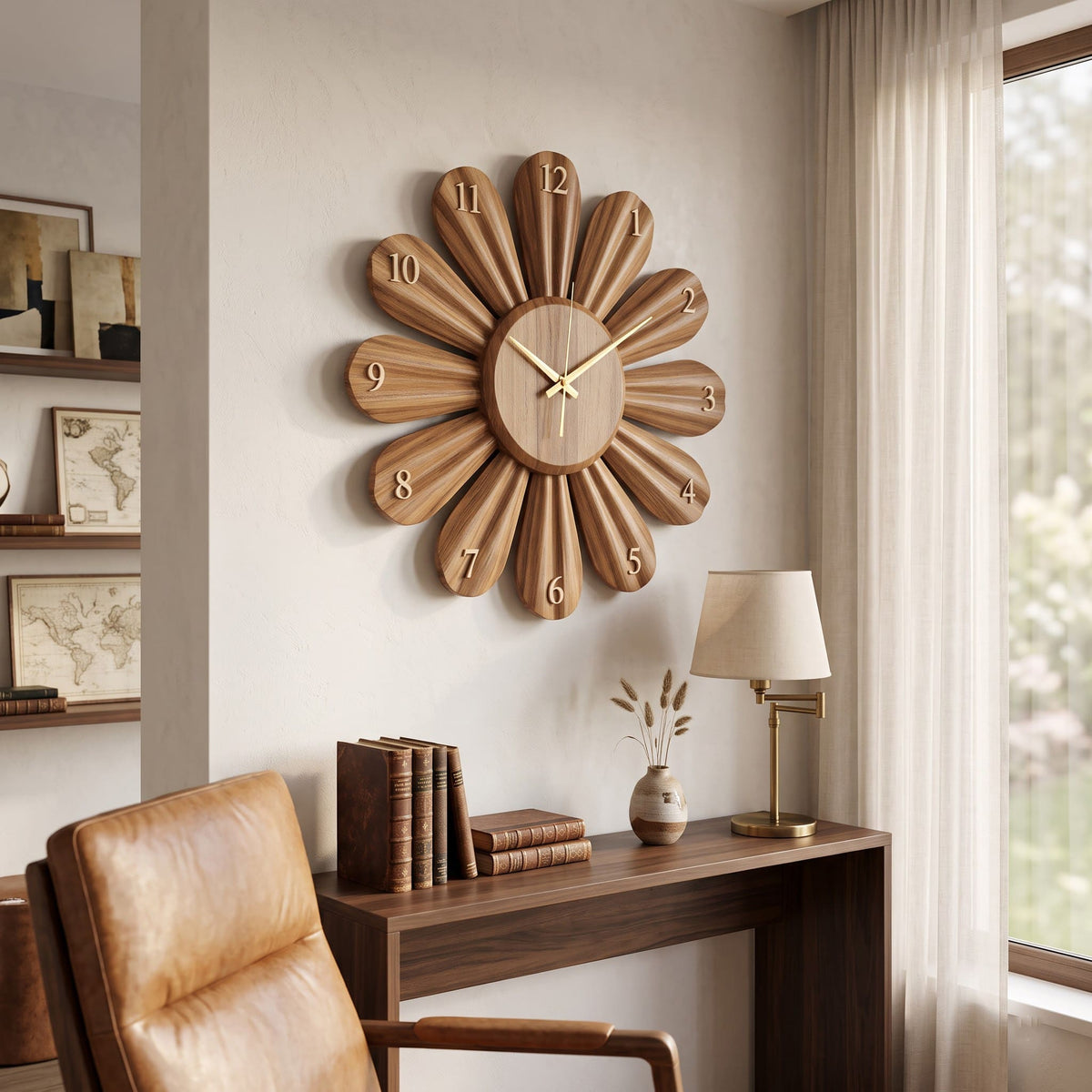
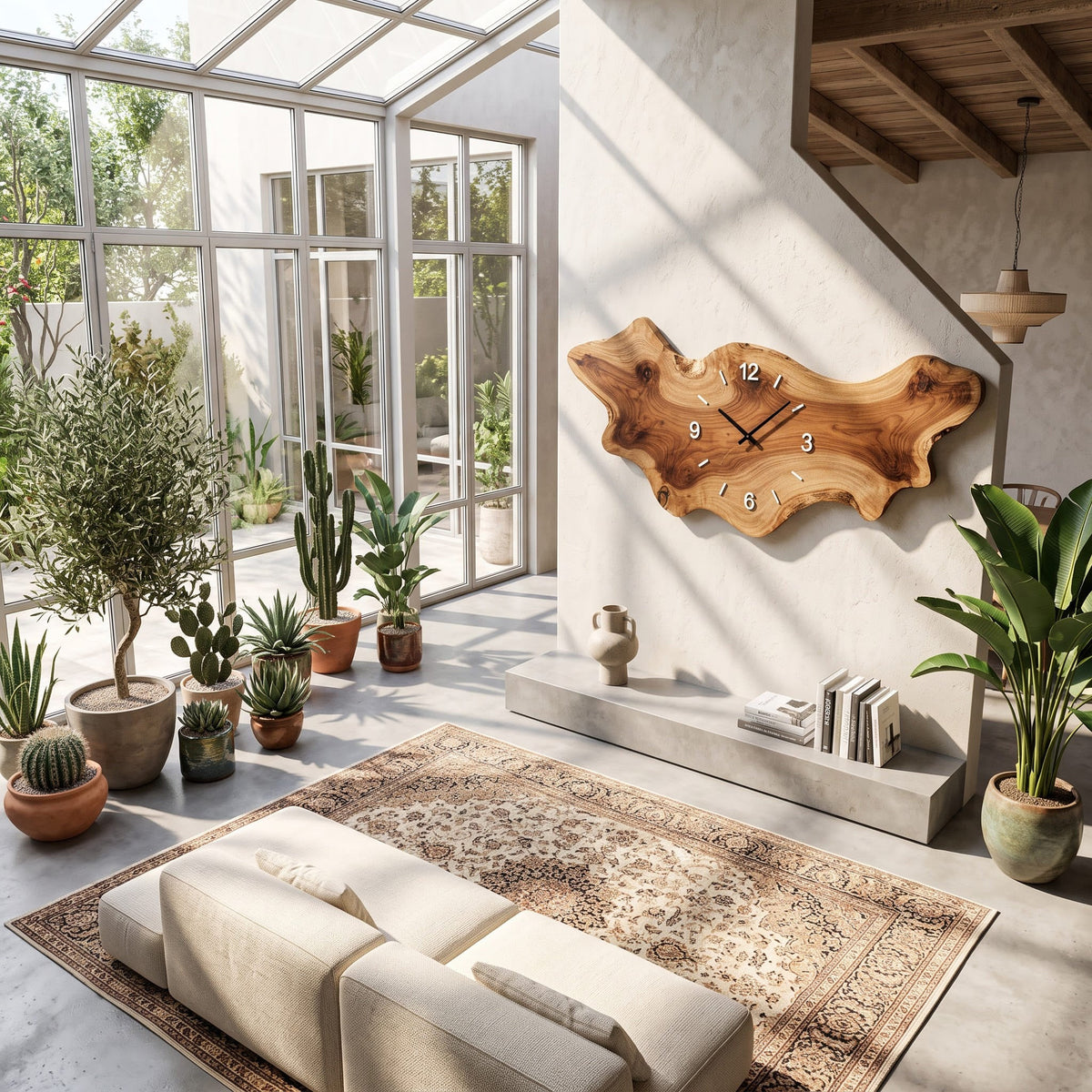
A large wall clock above sofa needs enough visual weight to anchor the space. Sculptural wood clocks with carved details provide texture and depth. Mid-century designs with clean lines suit modern interiors. Live edge clocks add organic warmth to contemporary rooms.
The clock should complement, not compete with, artwork or shelving nearby. If the wall already features busy patterns, choose a simpler clock design. If surroundings are minimal, a bold sculptural clock becomes the statement.

The Classic Choice: Wall Clock Above Mantel
A wall clock above mantel creates traditional focal point in living rooms, dining rooms, or bedrooms. The fireplace naturally draws attention. Adding a clock above reinforces this gathering spot.
Sizing for Mantels
Mantel dimensions determine clock size. Standard mantels range from 48 to 72 inches wide. Choose a clock that occupies one-quarter to one-third the mantel width.
For a 60-inch mantel, a 16 to 20-inch clock works well. The clock should not extend beyond the mantel edges. This maintains proportional balance.
Height Above the Firebox
Hang the wall clock above mantel 8 to 12 inches above the mantel shelf. This provides breathing room while keeping the clock visually connected to the fireplace structure.
Consider the total height from floor to clock center. In rooms with standard 8-foot ceilings, the clock center should not exceed 65 inches. Higher placement strains the neck and disconnects from the room's human scale.
Dealing with Heat and Soot
Fireplaces generate heat and particulates. A wall clock above mantel needs protection from these elements.
For wood-burning fireplaces, choose clocks with sealed finishes. Unsealed wood absorbs soot and odors. Metal components may tarnish from smoke exposure.
Gas fireplaces produce less particulate but still generate heat. Maintain at least 12 inches of clearance above the firebox opening. This protects the clock movement from temperature extremes.
Electric fireplaces produce no heat or smoke. Any clock style works safely above these units.



Alternative Placement Locations
Beyond sofa and mantel, other walls benefit from thoughtful clock placement.
Dining Room Walls
A wall clock in the dining room provides practical time reference during meals. Hang it where seated guests can see it without straining.
Position the clock on a side wall rather than directly above the table. This avoids the oppressive feeling of something hanging over diners' heads.
Choose designs with clear numerals. Art deco clocks with geometric patterns add formality. Wooden clocks with natural textures create warmth.
Entryways and Foyers
First impressions matter. A wall clock in the entryway sets the tone for your home. It signals that time and craftsmanship matter here.
Hang the clock at eye level, roughly 60 inches from floor to center. Choose a size proportional to the wall space. In narrow foyers, a vertical clock (oval or rectangular) works better than a large round piece.

Home Offices
In home offices, a wall clock provides time reference without requiring you to check your phone or computer. This reduces distractions and maintains focus.
Position the clock where you can glance at it from your desk. Hang it on the wall facing your workspace, not behind your monitor where you cannot see it.
Choose quiet movements. Ticking clocks become distracting during concentrated work. Silent quartz or mechanical movements maintain peace.
Bedrooms
A wall clock in the bedroom serves practical purposes without the blue light of phone screens. You check the time without disrupting sleep.
Hang the clock where you can see it from bed. Position it on the wall facing the bed, not above your head where it creates subconscious pressure.
Choose muted designs. Bold, dramatic clocks stimulate when you want calm. Simple wooden clocks with soft finishes support rest.

Common Placement Mistakes
Even well-intentioned wall clock placement can fail. Avoid these errors.
Hanging Too High
The most common mistake. People hang clocks too high, creating neck strain and visual disconnect. The clock center should never exceed 65 inches from the floor in standard rooms.
Exception: clocks in two-story foyers or above tall furniture. Even then, maintain sightline comfort.
Choosing Wrong Scale
A tiny clock on a large wall disappears. An oversized clock in a small room overwhelms. Match clock size to wall dimensions and surrounding furniture.
When in doubt, choose slightly larger. You can always size down, but a clock that is too small never commands attention.
Ignoring Sightlines
A beautiful clock placed where you cannot see it serves no purpose. Consider where you sit, stand, and move. The clock should be visible from primary positions in the room.
Test placement before hanging. Hold the clock at proposed height. Sit in your usual spots. Can you read the time comfortably? If not, adjust.
Clashing with Surroundings
A clock should enhance the room, not fight with it. If the wall features busy wallpaper or crowded shelving, a complex clock design creates visual chaos.
Simplify when surroundings are busy. Add complexity when walls are bare. Balance is the goal.
Don't miss
These pieces qualify for 10% off orders over $2,000. Applied automatically at checkout.
10% off
Elegant Modern Wooden Sofa with Sculptural Frame – Statement Living Room Piece
From $6,469.00
10% off at checkout
10% off
Sculptural Hand-Carved Curved Solid Wood Sofa Frame & Living Room Settee Base
From $7,210.00
10% off at checkout
10% off
Organic Sculptural Wood Sofa – Handcrafted Natural Edge Design
From $9,469.00
10% off at checkout
10% off
Handcrafted Solid Wood Sofa – Modern Organic Curved Wooden Couch
From $9,469.00
10% off at checkout
Wall Clock Placement by Room Type
Different rooms serve different functions. Clock placement should respect these purposes.
Living Rooms
Living rooms balance relaxation and entertainment. A large wall clock above sofa creates anchor. Alternatively, place the clock on a side wall where it complements seating without dominating.
Choose designs that match the room's formality level. Formal living rooms suit art deco or traditional styles. Casual family rooms work with organic, live edge, or sculptural designs.

Kitchens
Kitchens need practical time reference during cooking. Hang the clock where you can see it from primary work areas: the sink, stove, or prep counter.
Choose clocks with clear, readable numerals. Avoid overly artistic designs that sacrifice function. The clock should tell time at a glance, not require study.
Moisture and heat affect clock longevity. Avoid placing clocks directly above dishwashers or near steam sources. Sealed finishes protect against humidity.
Bathrooms
Bathrooms benefit from time reference during morning routines. Hang the clock where you can see it from the vanity mirror.
Choose smaller clocks (10-14 inches) that fit the intimate scale. Moisture-resistant finishes are essential. Avoid unsealed wood that warps in humidity.
Hallways and Stairwells
Long hallways and stairwells often feature blank walls. A wall clock adds function to these transitional spaces.
In hallways, hang the clock at midpoint along the wall. This breaks up the linear space and provides visual interest.
On stairwells, position the clock where it is visible from both levels. This may require hanging it higher than standard eye level.
FAQ: Wall Clock Placement
How high should I hang a wall clock above a sofa?
Hang it 6 to 12 inches above the sofa back. The clock center should land at eye level, roughly 57 to 60 inches from the floor.
What size clock fits above a fireplace mantel?
Match the clock to the mantel width. Choose a size that occupies one-quarter to one-third of the mantel. A 60-inch mantel works well with a 16 to 20-inch clock.
Is it safe to hang a wooden clock above a wood-burning fireplace?
Yes, if you choose a sealed finish and keep at least 12 inches of clearance above the firebox. Unsealed wood absorbs soot and odors over time.
What's the most common wall clock placement mistake?
Hanging it too high. The clock center should rarely exceed 65 inches from the floor in a standard room. Going higher strains the neck and loses the visual connection.
Should a bedroom clock go above the bed?
No. Position it on the wall facing the bed instead. Avoid directly above your head, where it can create subconscious pressure while you sleep.
Final Considerations for Successful Placement
Wall clock placement combines art and science. Understanding proportions, sightlines, and room function ensures success.
Before hanging, consider the clock's relationship to furniture, artwork, and architectural features. The clock should feel intentional, not afterthought.
Test placement temporarily. Use painter's tape to mark proposed position. Live with it for a day. Adjust if something feels off.
The right wall clock placement transforms a functional object into design element. It becomes something you notice and appreciate every time you glance at the time.