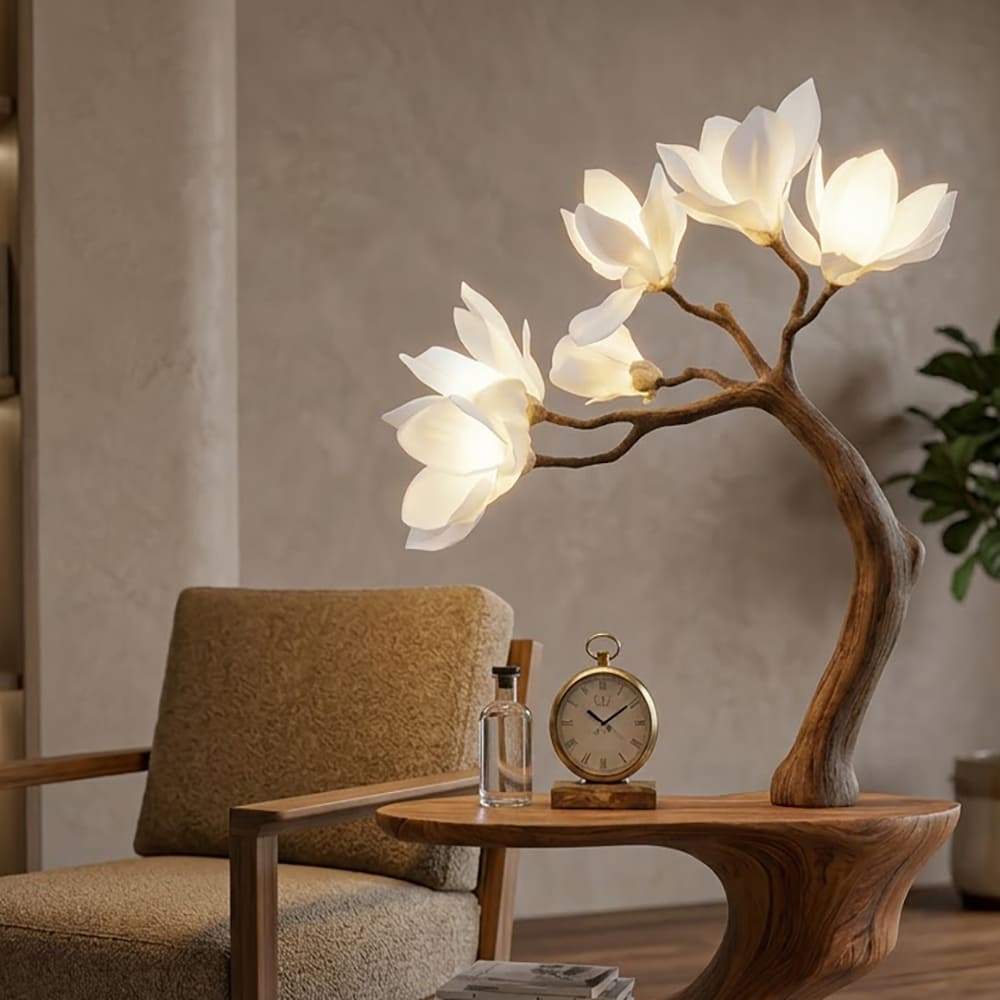
Side Table vs End Table: Which Actually Works Better
People use "side table" and "end table" interchangeably, and most of the time that's fine - they overlap heavily. But the two terms do point to slightly different pieces, and knowing the difference helps you pick the right one for a specific spot instead of guessing.
The Short Answer
An end table is a specific type of side table - one placed at the end of a sofa. Side table is the broader category: any small table placed beside a seat, bed, or chair. Every end table is a side table. Not every side table is an end table.
In practice, when people search "side table" they usually mean a slim accent table (bedside, hallway, accent piece). When they search "end table," they usually mean the table anchoring the arm of a sofa or sectional.


Dimensions Compared
| Feature | End Table | Side Table |
|---|---|---|
| Height | 22–26" (matches sofa arm) | 20–28" (varies by use) |
| Depth | 18–22" (holds lamp + drinks + remote) | 12–16" (slimmer, accent-focused) |
| Width | 18–24" | 14–20" |
| Storage | Often has a drawer or shelf | Usually open, minimal storage |
| Placement | Fixed - beside sofa arm | Flexible - bedside, chair, hallway, accent |
Height: Matching the Furniture
An end table's height is dictated by the sofa arm - it should sit within 1–2 inches of the arm height (usually 22–26"). This keeps drinks and lamps at a comfortable reach without looking mismatched.

A side table has more freedom. Beside a bed, it should match mattress height (24–26"). Beside an accent chair, it can run lower (18–22") for a more relaxed look. As a standalone accent piece in a hallway or entry, height is purely stylistic.

Depth: Why End Tables Are Deeper
End tables need to hold more - a lamp, a coaster, a remote, maybe a book. That's why they typically run 18–22" deep. A side table used as a plant stand or decorative accent can be much slimmer, sometimes as narrow as 10–12" deep.
If you're shopping for a table to sit at the end of a sofa and need it to actually hold things, look for "end table" dimensions specifically - a decorative side table may be too shallow.
Storage: Drawers vs Open Surface
End tables more often include a drawer or lower shelf, because they're expected to hold remotes, coasters, and charging cables out of sight. Side tables, especially decorative or accent versions, are more likely to be open - just a tabletop and legs, meant to be seen from all angles.
Whichever term you searched, here's the shortlist
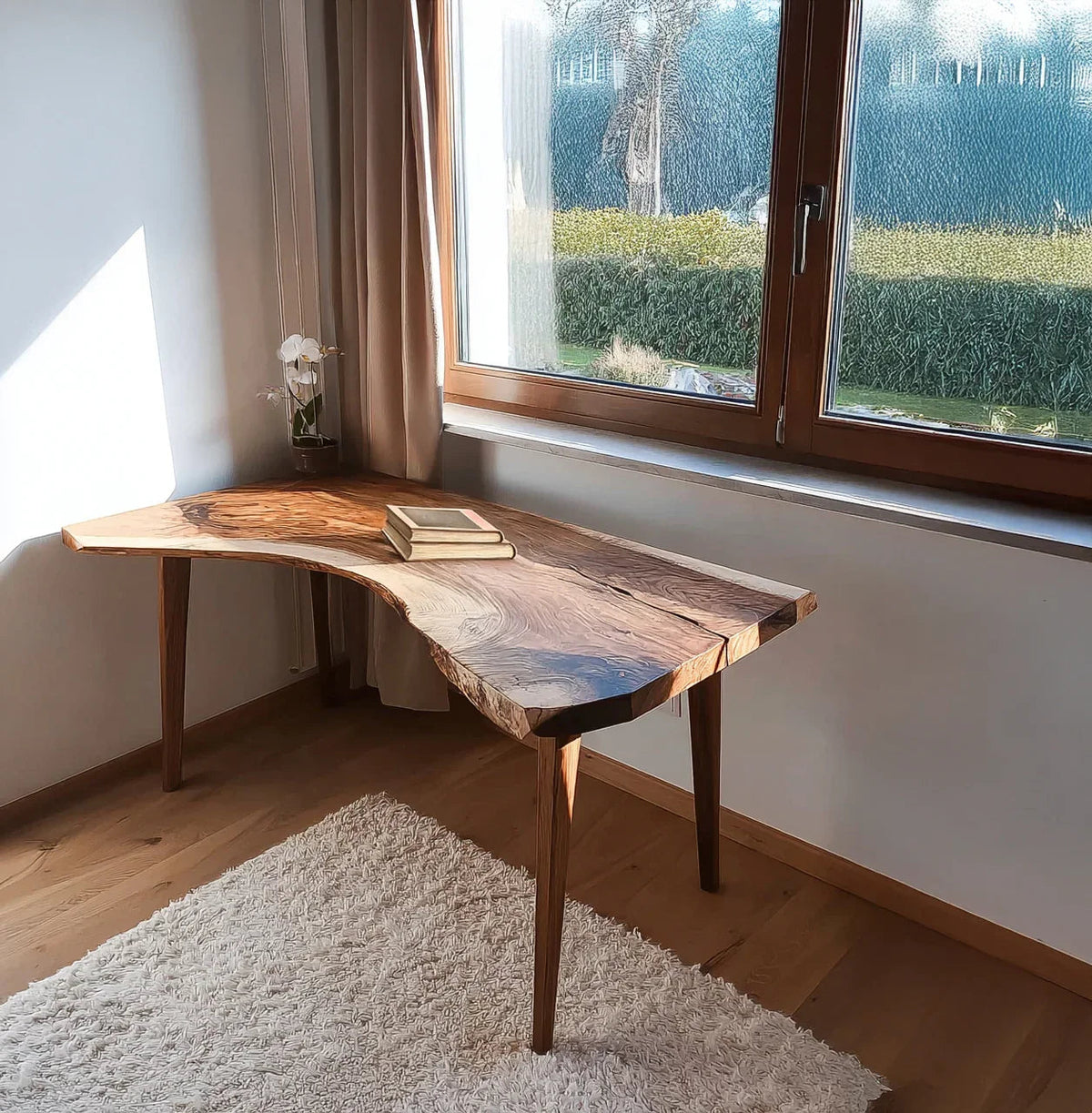
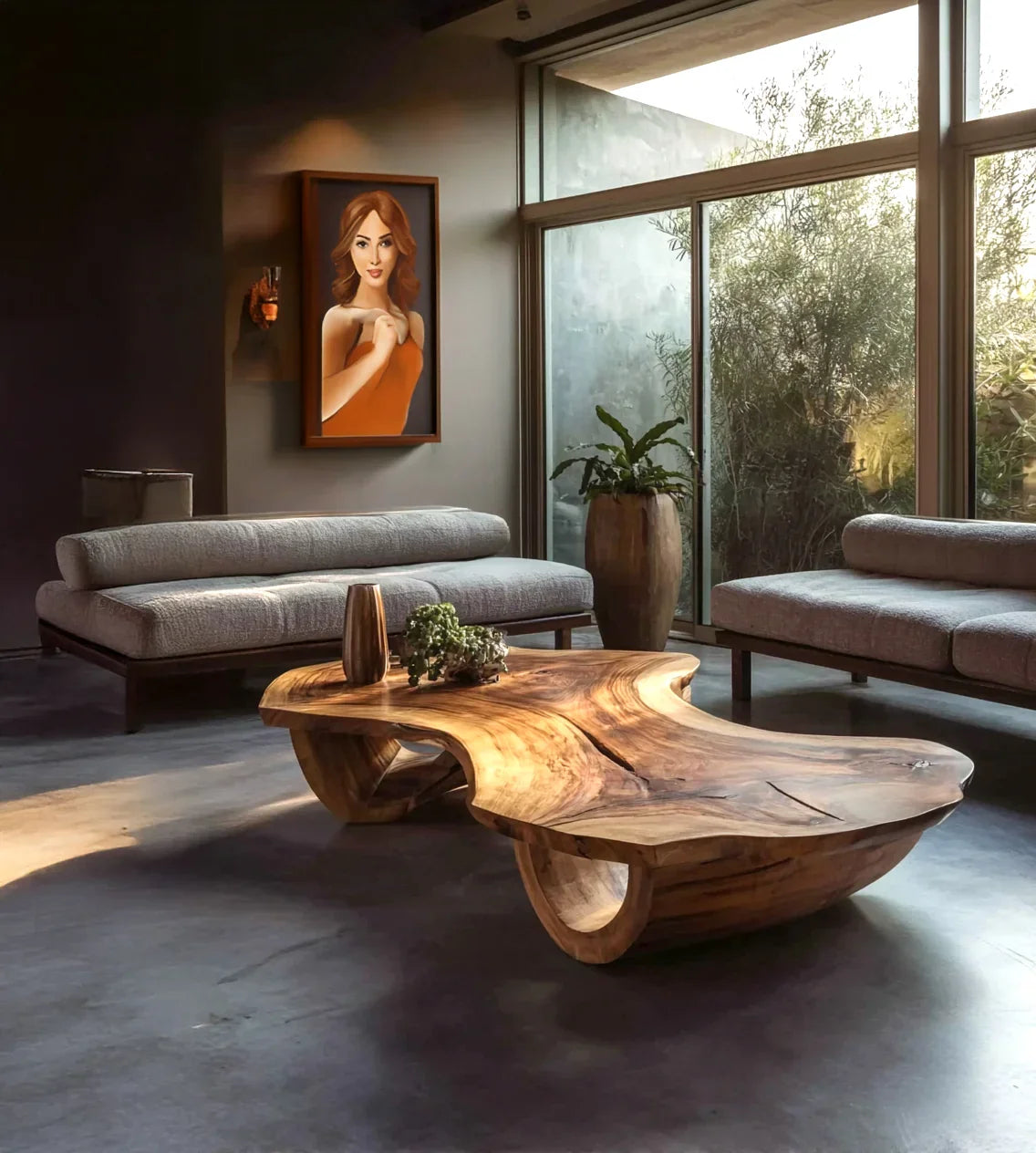
Ashdeco's end table collection is handcrafted solid wood, sized to actually sit at sofa-arm height - not a scaled-down decorative table pretending to be one.
Shop End Tables →When to Use Which Term While Shopping
- Searching for something to fill the end of your sofa or sectional → look for end table
- Searching for something bedside, beside a chair, or as a standalone accent → side table gives you a wider range of styles
- If a listing only says "side table" but shows sofa-arm proportions (22–26" tall, 18"+ deep), it will function as an end table regardless of the label
FAQ
What is the difference between a side table and an end table?
An end table is a specific type of side table placed at the end of a sofa, sized to match the sofa arm height. Side table is the broader category - any small table placed beside a seat, bed, or chair. Every end table is a side table, but not every side table is an end table.
Is an end table the same as a side table?
Not exactly. An end table is one specific use case of a side table - the one placed at the end of a sofa or sectional. A side table can also mean a bedside table, an accent table beside a chair, or a standalone decorative piece.
Can I use a side table as an end table?
Yes, as long as it has end-table proportions - roughly 22 to 26 inches tall to match a sofa arm, and 18 to 22 inches deep so it can actually hold a lamp, drinks, and a remote. A shallow decorative side table may look right but function poorly at the end of a sofa.
How tall should an end table be?
An end table should sit within 1 to 2 inches of the sofa arm height, which is usually 22 to 26 inches. Measure your sofa arm before buying, since arm height varies by sofa style.
What size should a side table be?
It depends on placement. Beside a bed, match mattress height, usually 24 to 26 inches. Beside an accent chair, 18 to 22 inches works for a more relaxed look. As a standalone accent piece, height is mostly a style choice rather than a fixed rule.
Why do end tables have drawers but side tables often don't?
End tables are expected to hold remotes, coasters, and charging cables out of sight, so they more often include a drawer or lower shelf. Side tables, especially decorative or accent versions, are more likely to stay open - just a tabletop and legs meant to be seen from all angles.
Related Guides
- Best Wood End Tables 2026: Solid Wood vs Veneer, Real Prices, and What Lasts - material and price comparison
- Best End Table Height for Different Couch Types - matching height to your specific sofa